
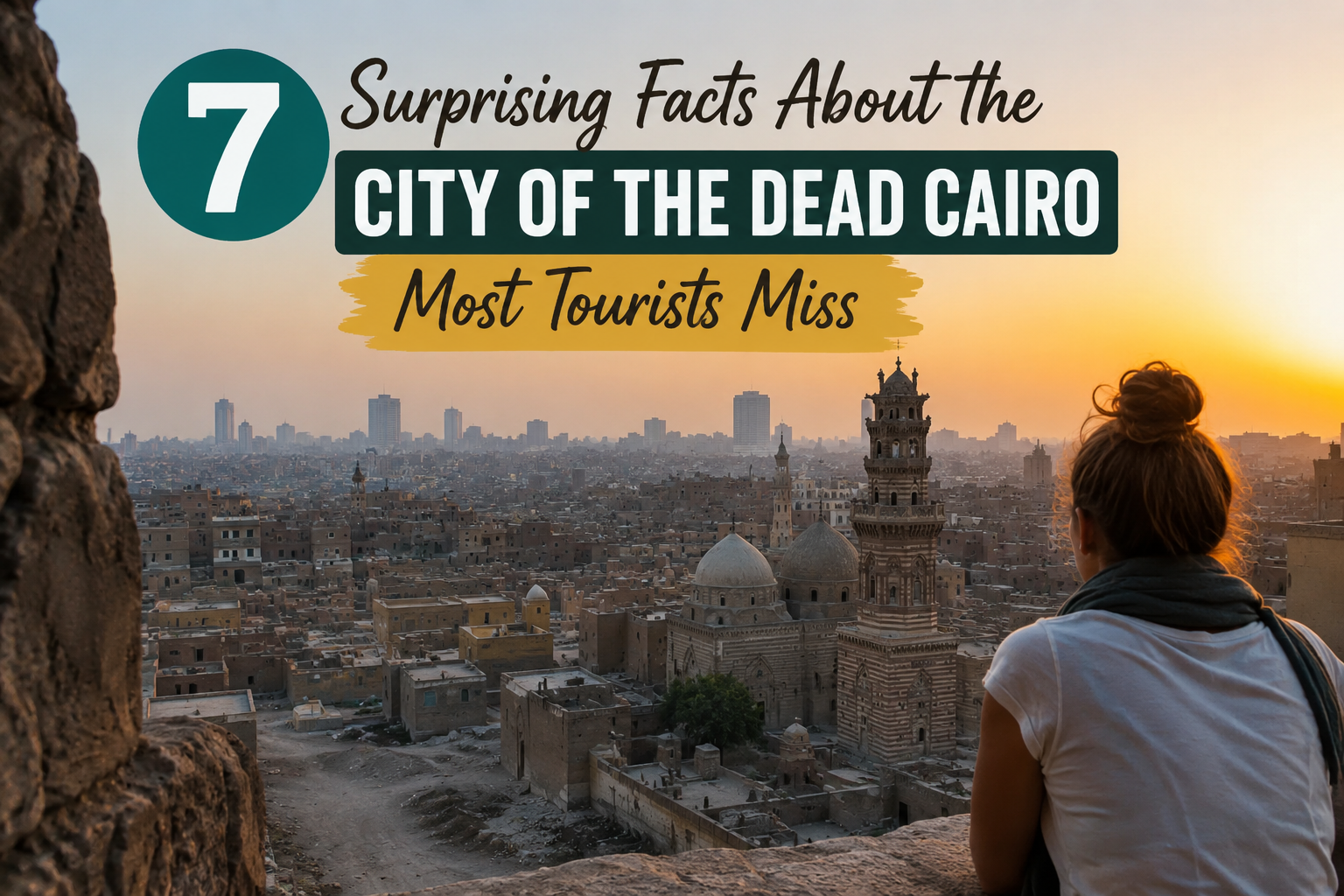
City of the Dead Cairo: An Authentic Night Walking Tour & Nile Dinner Cruise
Explore Al Qarafa after dark—where medieval Islamic architecture meets everyday Egyptian life, then sail the Nile under the stars.
There are places that reveal themselves only after sunset. The City of the Dead Cairo is one of them. Stretching across the eastern edge of Egypt's capital, this extraordinary district—known locally as Al Qarafa—is far more than a cemetery. It is a living, breathing quarter where medieval Islamic architecture stands shoulder to shoulder with everyday Egyptian life. For travelers seeking authentic Cairo experiences away from the well-trodden pyramids circuit, a City of the Dead Cairo walking tour offers something genuinely rare: a chance to walk through centuries of history while witnessing a community that has made its home among the monuments of the past.
In this guide, you will learn what makes this Cairo necropolis one of the most fascinating urban landscapes in the world, what to expect from an evening visit, how to combine it with the highlights of Islamic Cairo, and why ending your night with a Nile dinner cruise creates a perfect contrast between old and new.
- What Is the City of the Dead Cairo?
- Where Is the City of the Dead in Cairo?
- The History of Cairo's City of the Dead
- Is the City of the Dead Really a Cemetery?
- What Can You See on a City of the Dead Cairo Walking Tour?
- What to See Near the City of the Dead
- City of the Dead Cairo at Night: What to Expect
- Is the City of the Dead Safe to Visit?
- What Should You Wear for a City of the Dead Walking Tour?
- How Long Do You Need?
- Best Way to Experience the City of the Dead
- City of the Dead Cairo Walking Tour Itinerary
- Why Choose a Private Guided Cairo Walking Tour?
- Frequently Asked Questions
- Final Thoughts
What Is the City of the Dead Cairo?
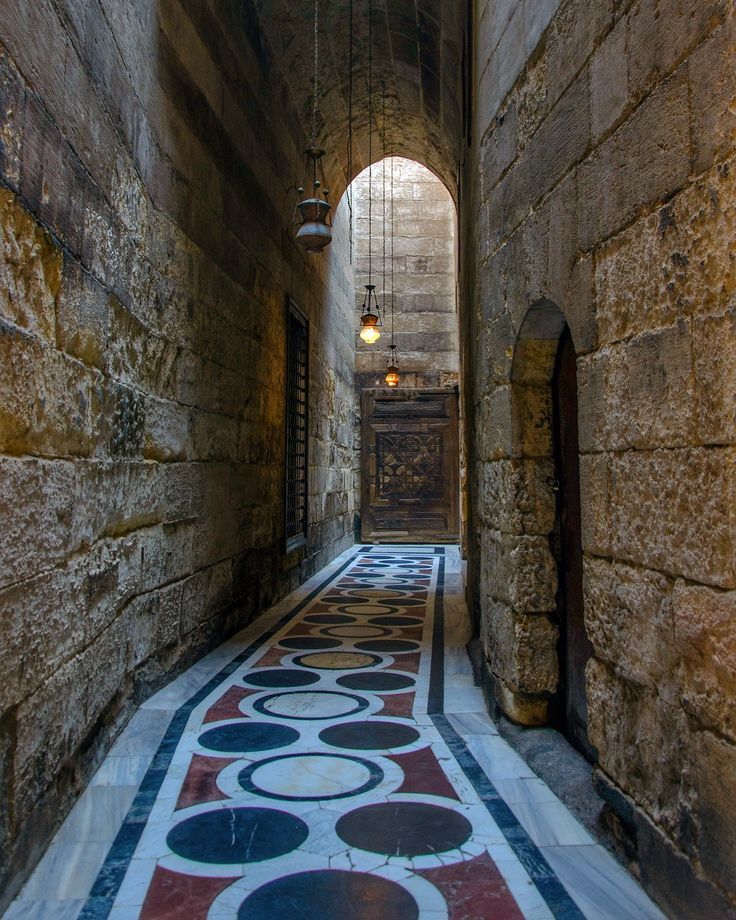
The City of the Dead in Cairo, or Al Qarafa, is a vast historic district composed of centuries-old cemeteries that have evolved into a functioning urban neighborhood. Spanning roughly four miles, this area contains some of the finest examples of Mamluk and Ottoman funerary architecture in the Islamic world. What sets it apart from any ordinary graveyard is that it is also home to a living population—families, artisans, shopkeepers, and children—who have resided here for generations.
For visitors, this duality is what makes the experience so powerful. You are not simply touring a Cairo cemetery city; you are observing a unique social ecosystem where the past and present coexist. The tombs of sultans and scholars have become the walls of homes, the courtyards of mosques serve as gathering places, and the narrow lanes function as everyday streets. It is one of the most compelling examples of historic Cairo you can explore.
Ready to experience this remarkable district for yourself? Explore our private City of the Dead Cairo walking tour and Nile dinner cruise with Egy Travel Lux, a licensed Egyptian travel company established in 1983.
Book Your Private TourWhere Is the City of the Dead in Cairo?
Al Qarafa lies to the east of central Cairo, stretching from the foot of the Muqattam Hills toward the historic core of the city. It is divided into two main sections: the Northern Cemetery and the Southern Cemetery, with the Salah Salem Road roughly marking the boundary between them. The area sits adjacent to other major landmarks of Islamic Cairo, which makes it easy to combine with visits to Muizz Street Cairo, the Khan El Khalili bazaar, and the mosques of the old city.
Because the district is expansive and its street network can be disorienting, arriving with a knowledgeable guide and private transport is highly recommended. The entrance points are not always obvious to first-time visitors, and the most architecturally significant sections are best reached on foot once you are inside.
The History of Cairo's City of the Dead
The origins of the City of the Dead Egypt date back more than 1,300 years. What began as burial grounds outside the medieval city walls gradually expanded as successive dynasties—Fatimid, Ayyubid, Mamluk, and Ottoman—built increasingly elaborate mausoleums, mosques, and religious complexes for their elite. These were not modest graves but monumental statements of power and piety, constructed by the finest architects and artisans of their eras.
Over centuries, the cemeteries grew into a recognized part of the urban fabric. During periods of population pressure and housing shortages, particularly in the twentieth century, families began settling among the tombs. Rather than displacing the dead, they adapted the existing structures—living in the caretaker quarters of mausoleums, opening small shops in vaulted chambers, and establishing schools and workshops within the historic enclosures. Today, the Cairo necropolis stands as a UNESCO-recognized component of the Historic Cairo UNESCO World Heritage Site, protected for its extraordinary concentration of medieval Islamic monuments.
Is the City of the Dead Really a Cemetery?
Yes and no. While the City of the Dead Cairo remains an active burial ground and contains countless tombs, it functions simultaneously as a residential and commercial district. This is what distinguishes it from cemeteries almost anywhere else in the world. You will see laundry hanging between domed shrines, children playing in courtyards built for fourteenth-century sultans, and cafés serving tea beneath carved stone archways.
It is essential to approach this reality with cultural sensitivity. The residents of Al Qarafa are not curiosities; they are Egyptians carrying on their lives in a space that has served both the living and the dead for over a millennium. A respectful visitor observes, asks questions gently, and understands that this is a neighborhood first and a tourist destination second. The experience is not about spectacle—it is about understanding a different way of urban life.
What Can You See on a City of the Dead Cairo Walking Tour?
A City of the Dead Cairo walking tour reveals layers of history, architecture, and contemporary culture that are invisible from the outside. Here is what you can expect to encounter:
Historic Mausoleums and Islamic Architecture
The architectural heritage of Al Qarafa is extraordinary. You will walk past richly decorated mausoleums showcasing the finest Islamic design—ribbed domes, intricately carved stonework, marble paneling, and soaring minarets. Many of these structures were built for Mamluk sultans, religious scholars, and wealthy patrons who wished to be remembered in stone. The craftsmanship rivals anything you will see in the more famous monuments of Islamic Cairo, yet here you encounter it in a more intimate, less crowded setting.
Daily Life in the Necropolis
As you move through the district, you will witness the rhythms of daily life that make this place so unique. Small workshops produce traditional goods, corner shops sell groceries and household items, and neighbors gather for evening conversation. This is not a staged cultural performance; it is the genuine texture of authentic Cairo experiences. Observing life in the Cairo cemetery city offers a perspective on Egyptian society that no museum or monument can replicate.
Streets, Alleys and Local Atmosphere
The streetscape of Al Qarafa is unlike anywhere else in Cairo. Narrow lanes wind between domed structures, opening unexpectedly into small squares or courtyard mosques. The lighting at night—warm, uneven, and atmospheric—casts long shadows across centuries-old stone. The sounds are those of any Cairo neighborhood: the call to prayer, the murmur of conversation, the clatter of cooking. It is Cairo off the beaten path in the truest sense.
What to See Near the City of the Dead
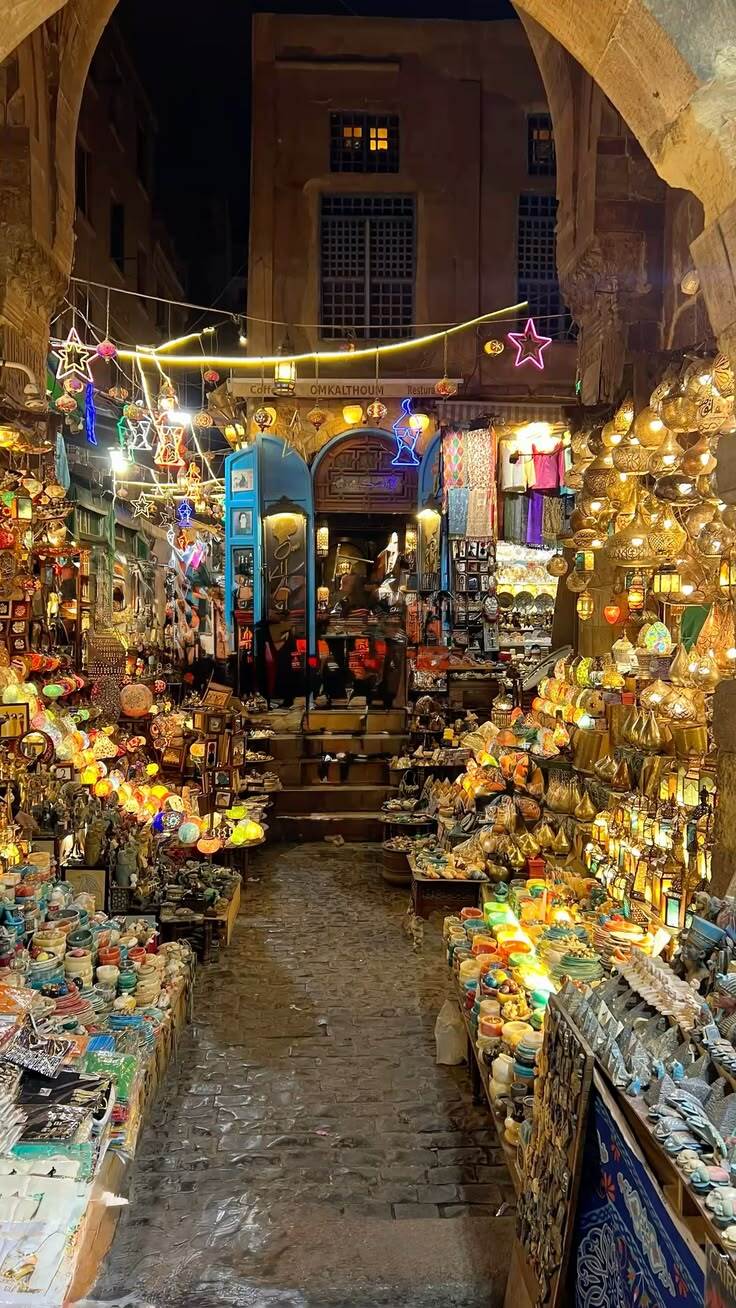
One of the great advantages of visiting Al Qarafa is its proximity to other essential Cairo tours and landmarks. An evening exploration naturally flows into the surrounding historic district. Travelers who want to continue exploring the city can also consider an Old Cairo tour for a broader look at its historic quarters.
Muizz Street
Al-Muizz li-Din Allah Street is the spine of medieval Cairo and one of the greatest open-air museums of Islamic architecture in the world. Lined with mosques, madrasas, palaces, and caravanserais dating from the tenth to the nineteenth centuries, Muizz Street Cairo offers an unparalleled concentration of historic monuments.
Khan El-Khalili
No visit to Islamic Cairo is complete without wandering the alleys of Khan El Khalili, the city's most famous souk. Established in the fourteenth century, this labyrinthine bazaar remains a working market where you can find handwoven textiles, brassware, spices, and traditional jewelry.
Tahrir Square
The political and cultural heart of modern Egypt, Tahrir Square represents the contemporary counterpoint to the medieval quarters. An evening stroll here allows you to observe the daily life of Cairenes against a backdrop of classical twentieth-century architecture.
Cairo Tower
Rising 187 meters above Gezira Island, the Cairo Tower offers a panoramic view that puts everything into perspective—from the City of the Dead in the east to the pyramids on the western horizon.
Nile Corniche
The Corniche, Cairo's riverside promenade, comes alive at night. A walking tour along the Nile offers a cooling breeze, views of feluccas gliding on dark water, and the illuminated facades of luxury hotels and historic buildings. It serves as a natural transition between the intensity of the old city and the relaxed elegance of your evening finale.
Nile Dinner Cruise
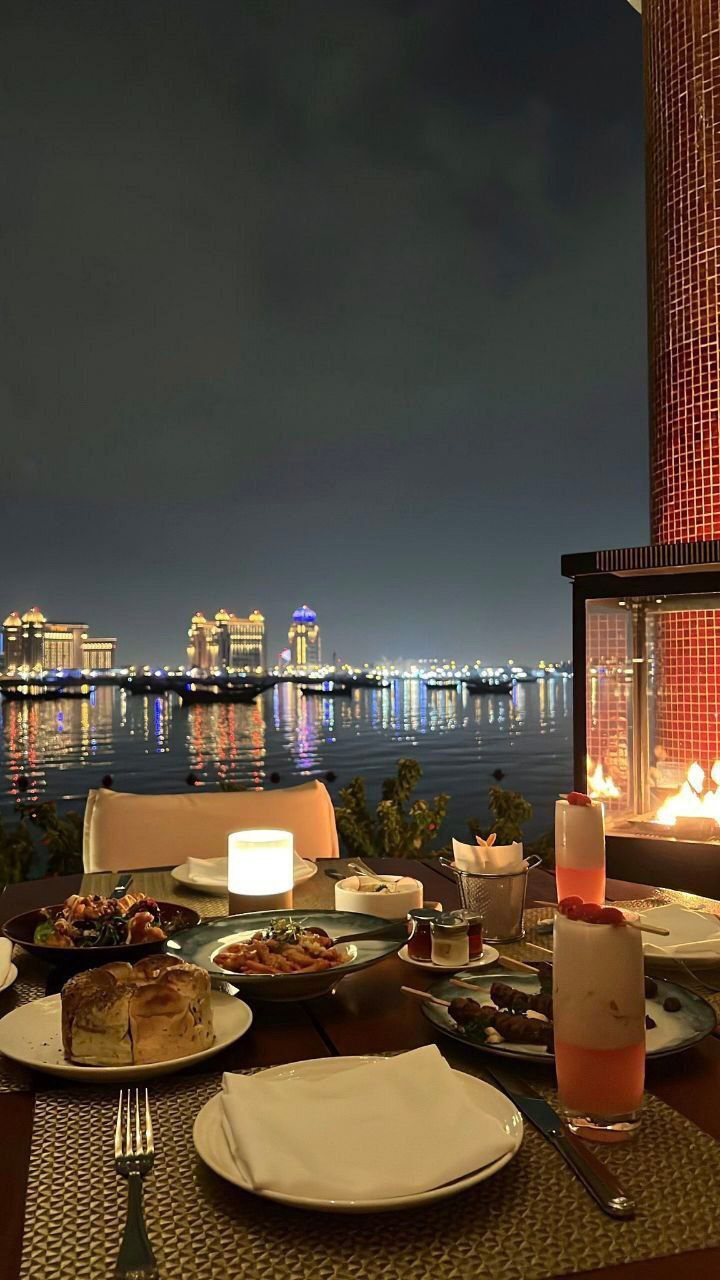
Ending your night on a Nile dinner cruise is the perfect way to absorb the day's impressions. Aboard a beautifully decorated vessel, you will enjoy a buffet of Egyptian and international cuisine while live music and traditional oriental shows create a festive atmosphere. Looking out at the lights of Cairo reflecting on the water, you gain a sense of the city's scale and continuity. Travelers interested in extending their evening with traditional performance can also consider a Tanoura show in Cairo.
Want to see Cairo illuminated after dark? Our Cairo by Night Tour combines the city's most atmospheric evening experiences into one unforgettable journey.
Explore Cairo by NightCity of the Dead Cairo at Night: What to Expect
Visiting the City of the Dead Cairo at night is a qualitatively different experience from a daytime excursion. The heat of the day dissipates, the light softens into amber and shadow, and the district takes on an atmosphere of quiet solemnity mixed with everyday domesticity. Families sit outside their homes, the call to prayer echoes between stone walls, and the monuments reveal themselves in dramatic chiaroscuro.
There is nothing frightening about the experience. The area is populated, active, and familiar to its residents. What you feel is not fear but a profound sense of temporal depth—of standing in a place where human memory extends backward for centuries and forward into the lives of those who still call it home. For travelers interested in things to do in Cairo at night that go beyond restaurants and hotels, an evening walk through Al Qarafa offers genuine depth.
Is the City of the Dead Safe to Visit?
The City of the Dead is a residential neighborhood, and like any part of Cairo, it benefits from local knowledge and common-sense awareness. The area is not dangerous, but it is complex. Its maze-like layout, limited signage, and lack of tourist infrastructure mean that independent visitors can easily become disoriented or inadvertently intrude on private spaces.
This is why a private guided experience is strongly recommended. A licensed Egyptian guide knows the respectful routes, can introduce you to local context without causing offense, and ensures that you navigate the area efficiently. Traveling with a reputable operator like Egy Travel Lux, which has been crafting Egypt travel packages since 1983, provides both security and cultural fluency.
What Should You Wear for a City of the Dead Walking Tour?
- Modest clothing covering shoulders and knees
- Sturdy, comfortable walking shoes for uneven stone surfaces
- A light jacket for cooler evenings, especially in winter
- A small backpack with water and a camera
- A scarf for women (useful for mosques and traditional areas)
- Sun protection if arriving before sunset
How Long Do You Need?
A meaningful City of the Dead Cairo walking tour requires at least 60 to 90 minutes of exploration within the district itself. However, the experience is best appreciated as part of a broader evening itinerary that includes Muizz Street Cairo, Khan El Khalili, and the Nile dinner cruise. A well-paced private tour typically spans five to seven hours from hotel pickup to drop-off, allowing you to absorb each location without rushing.
Best Way to Experience the City of the Dead
The best way to experience Al Qarafa is slowly, respectfully, and with expert guidance. Independent travel here is possible but not ideal—the area's complexity rewards local knowledge, and a guide provides the historical narrative that transforms a walk through tombs into a meaningful encounter with Cairo's past and present.
We recommend booking a private evening tour that combines the City of the Dead with the surrounding highlights of historic Cairo. This approach allows you to see the district in its natural evening context, when the atmosphere is most evocative and the temperature most comfortable. Visitors building a longer Cairo itinerary can also add a Grand Egyptian Museum Tour on another day.
City of the Dead Cairo Walking Tour Itinerary
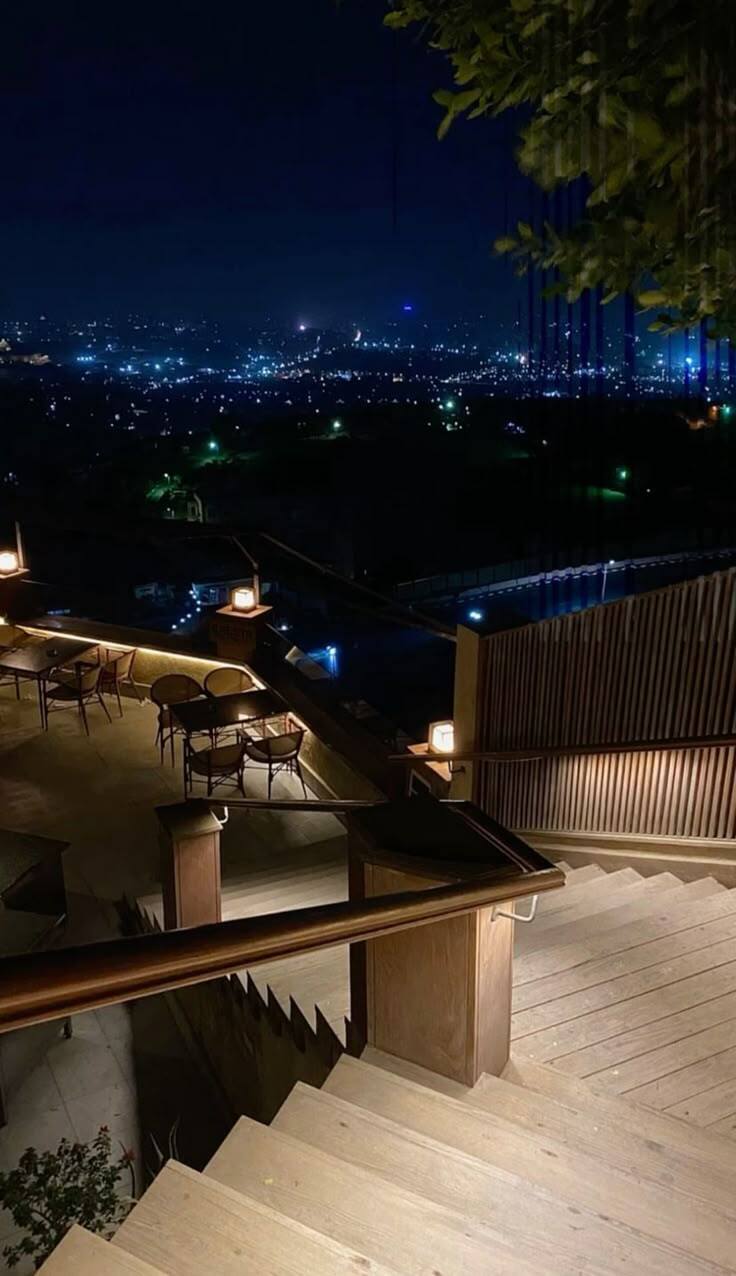
Based on the established Egy Travel Lux experience, here is how a typical evening unfolds:
Evening Hotel Pickup
Your private guide and air-conditioned vehicle collect you from your Cairo hotel. Bottled water is provided, and your guide outlines the evening's journey.
City of the Dead Walking Experience
You arrive at Al Qarafa and begin a guided walk through the historic necropolis. Your guide introduces the architecture, the history of the monuments, and the contemporary life of the community.
Muizz Street
From the City of the Dead, you proceed to Al-Muizz li-Din Allah Street, the grand avenue of medieval Islamic architecture spanning nearly a thousand years of history.
Khan El-Khalili
A short walk brings you to the famous bazaar, where you can explore the alleys, observe traditional crafts, and experience the commercial heart of Islamic Cairo.
Tahrir Square
You transition to modern Cairo with a visit to Tahrir Square, observing the political and social center of contemporary Egypt.
Cairo Tower
You ascend the Cairo Tower for a panoramic view of the city at night, gaining perspective on everything you have explored.
Nile Corniche
A leisurely walk along the Corniche allows you to enjoy the riverside atmosphere before boarding your cruise.
Nile Dinner Cruise
You embark on a luxurious Nile dinner cruise, enjoying a buffet dinner with Egyptian and international dishes, live music, and oriental shows. As the city lights shimmer across the water, the cruise provides a relaxed finale to an evening focused on Cairo's history, architecture, and everyday life.
Why Choose a Private Guided Cairo Walking Tour?
Because the City of the Dead is both a historic necropolis and a living neighborhood, the quality of the experience depends heavily on context. A private guide can explain the architecture and history while helping you move through the area respectfully and efficiently. Private transportation also makes it easier to connect Al Qarafa with other evening stops without spending valuable time arranging transfers between locations.
- Private air-conditioned transportation throughout the experience
- A knowledgeable private guide to explain the history and local context
- Flexible pacing for your group
- Easy access to multiple Cairo highlights in one evening
- A respectful approach to visiting a living residential community
- A memorable Nile dinner cruise to finish the evening
Looking for a deeper introduction to Cairo after dark? Plan a private evening experience with Egy Travel Lux and combine historic neighborhoods, local atmosphere, and the Nile in one carefully arranged itinerary.
Plan Your Cairo EveningFrequently Asked Questions
Final Thoughts
The City of the Dead Cairo is one of the capital's most unusual historic landscapes because it brings monumental architecture, burial traditions, and everyday community life into the same urban space. Rather than treating it as a conventional tourist attraction, the most rewarding approach is to explore it with curiosity, patience, and respect.
Combined with Muizz Street, Khan El-Khalili, Tahrir Square, Cairo Tower, the Nile Corniche, and a dinner cruise, the experience becomes a memorable introduction to both historic and modern Cairo. For travelers who want to go beyond the standard sightseeing route, this is an opportunity to see a more layered side of the city with the support of a local team.
Discover a Different Side of Cairo
Explore the City of the Dead with a private local guide, then finish your evening with the lights of Cairo reflected on the Nile.
Book Your City of the Dead TourFor official tourism information, visit the Egypt Ministry of Tourism and Antiquities.