The Land That Invented Time: Why Summer Is the New Best Time to Visit Egypt
Picture this: It is 40°C in Seville. Rome's cobblestones are radiating heat like a pizza oven at 38-40°C. Athens is so packed that the Acropolis has implemented timed entry slots three weeks in advance. Meanwhile, on the Mediterranean coast of Egypt, you are eating grilled sea bass at a waterfront table in Alexandria, a sea breeze is keeping the temperature at a comfortable 30°C, and your hotel bill is half what you would pay in Santorini.
For decades, travel guides have treated
summer in Egypt as something to avoid. They were wrong. As Europe's heatwaves grow more extreme and its tourist hubs more expensive, a quiet reversal is underway. The
best time to visit Egypt has always depended on what you value. If you value space, value, and the kind of travel moments that cannot be manufactured in a crowd, then
Egypt in summer is not just viable. It is one of the smartest decisions a European traveler can make in 2026. Many seasoned travelers now argue that the
best time to visit Egypt is no longer confined to winter months.
Egypt welcomed a record-breaking 19 million international visitors in 2025, but the growth is no longer concentrated in winter. Summer bookings from Germany, the UK, France, and Italy rose 34% year-on-year as travelers discovered what Egyptians have always known: this country has multiple climates, and some of them are perfectly suited to July.
Updated for Summer 2026 and
based on current travel trends, this guide from
egytravellux, your
trusted Egyptian travel partner, dismantles the myths and shows you how to build an exceptional
Egypt summer vacation. Deciding the
best time to visit Egypt in 2026 requires looking at summer with fresh eyes.
| 2026 EGYPT TOURISM AT A GLANCE |
| • 19 million tourists visited Egypt in 2025, a 21% year-on-year increase (Egyptian Ministry of Tourism) |
| • Summer arrivals from European markets up 34% as travelers seek alternatives to Southern Europe overcrowding |
| • Tourism contributed EGP 1.4 trillion (8.5% of GDP) to Egypt's economy in 2024 (World Travel & Tourism Council) |
| • Egypt ranked Africa's #1 travel destination for the 3rd consecutive year (Nation Brand Performance Index 2024/25) |
| • The Grand Egyptian Museum fully opened November 2025; summer 2026 offers the most spacious visiting experience since its debut |
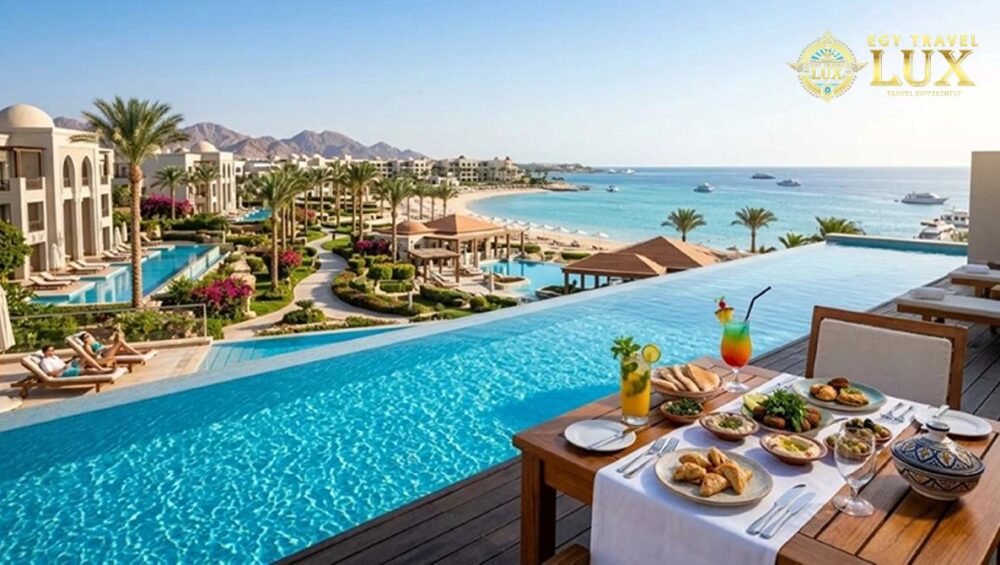
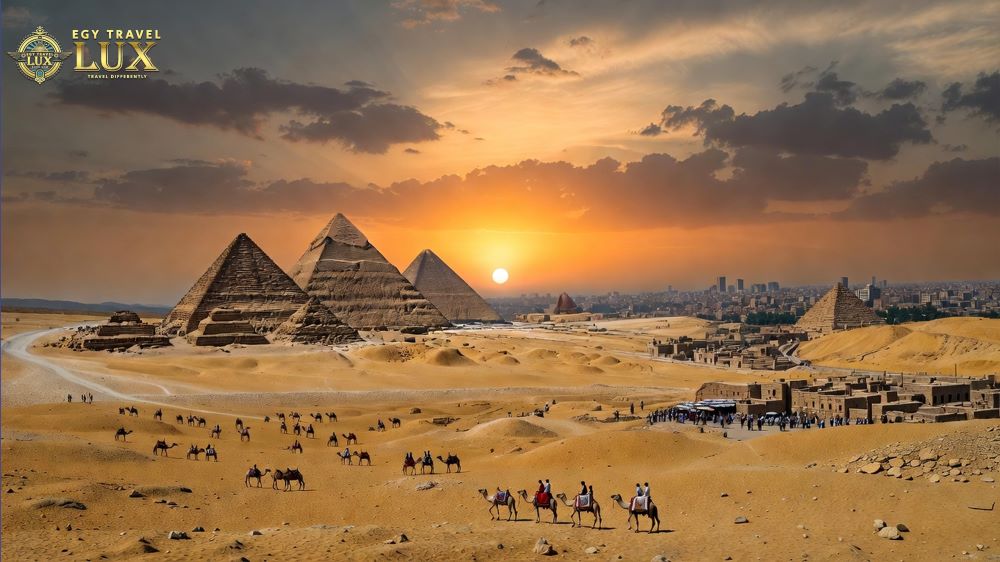
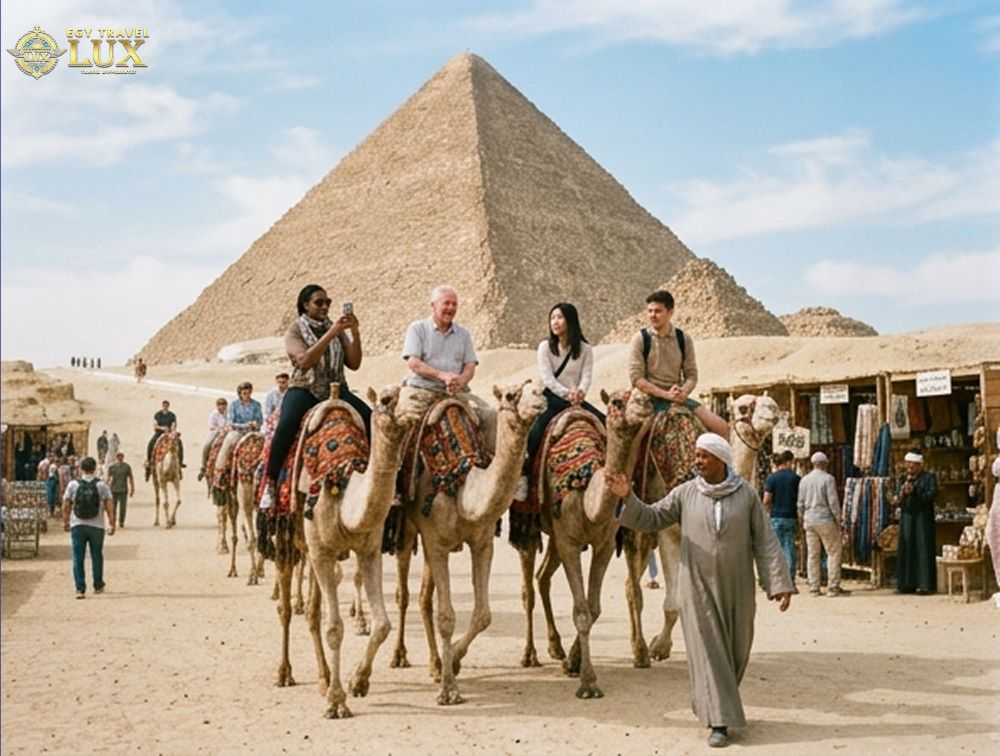
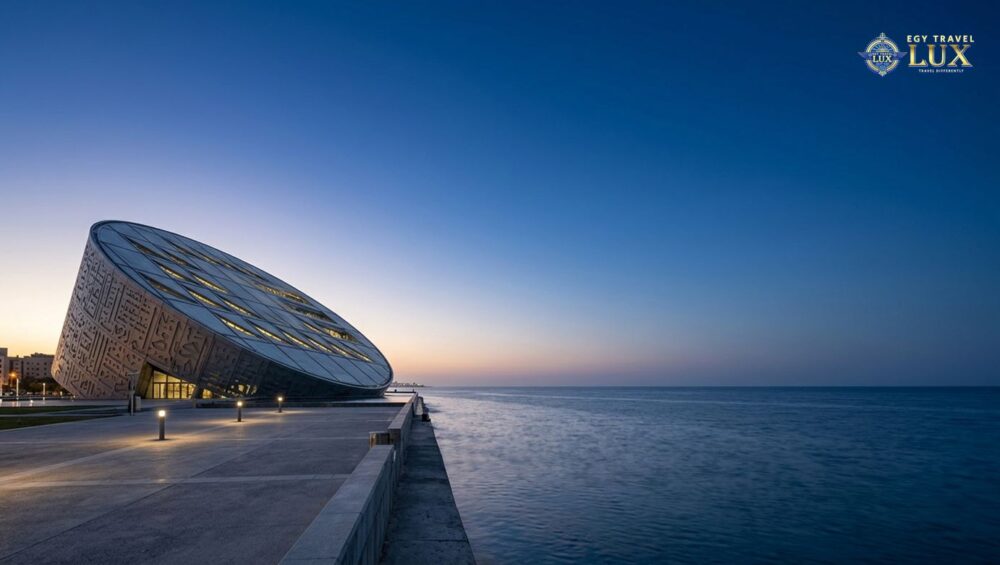
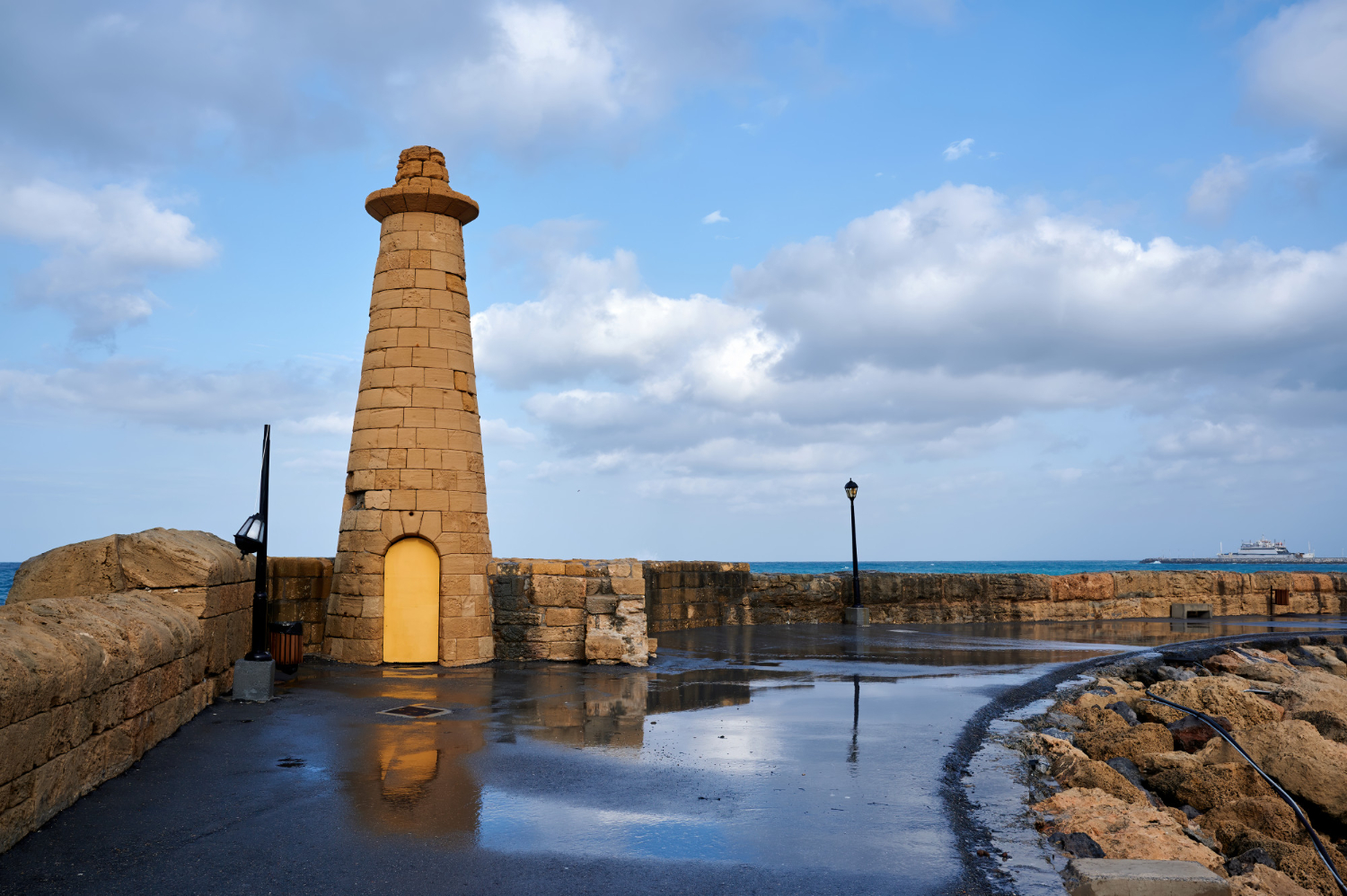
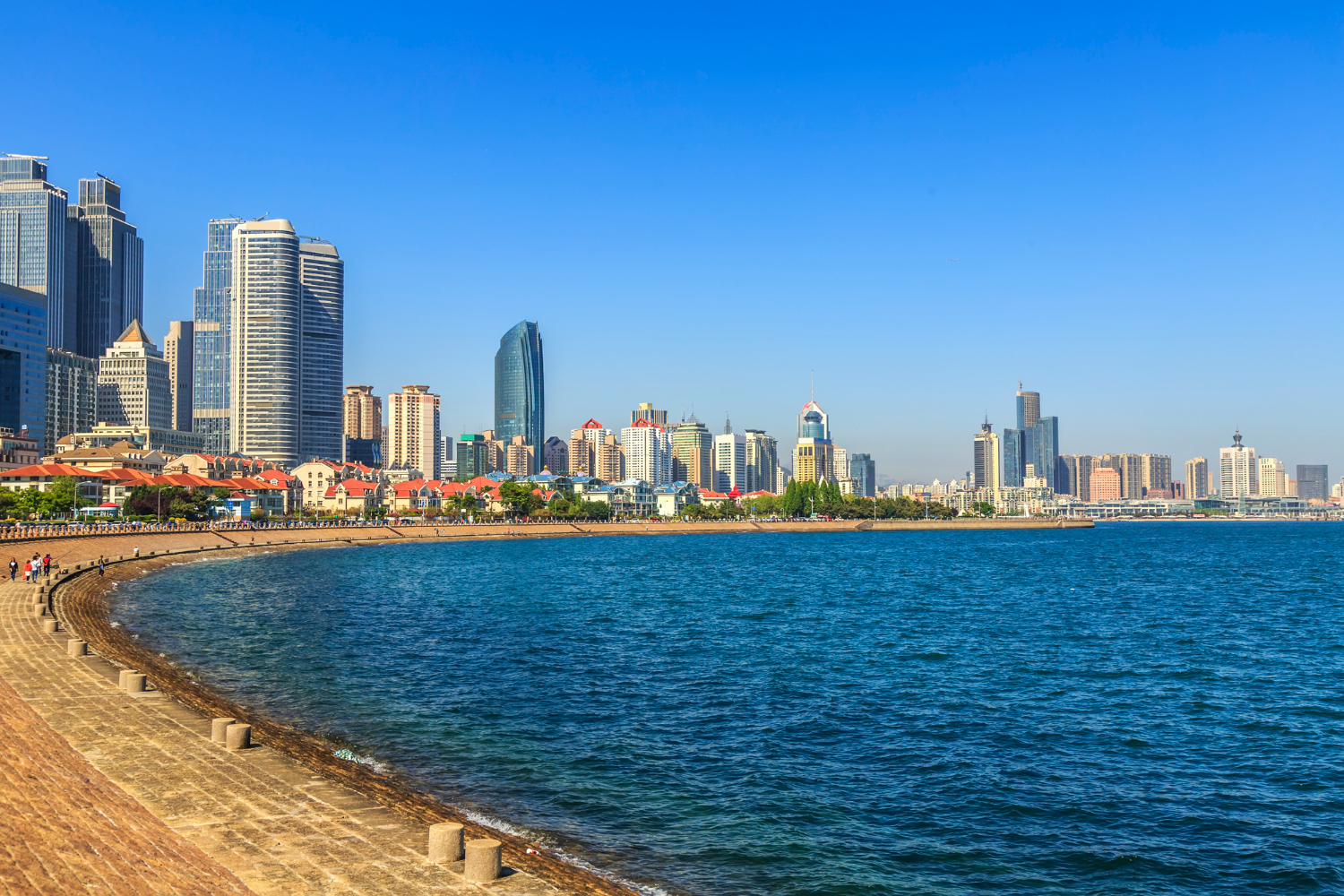
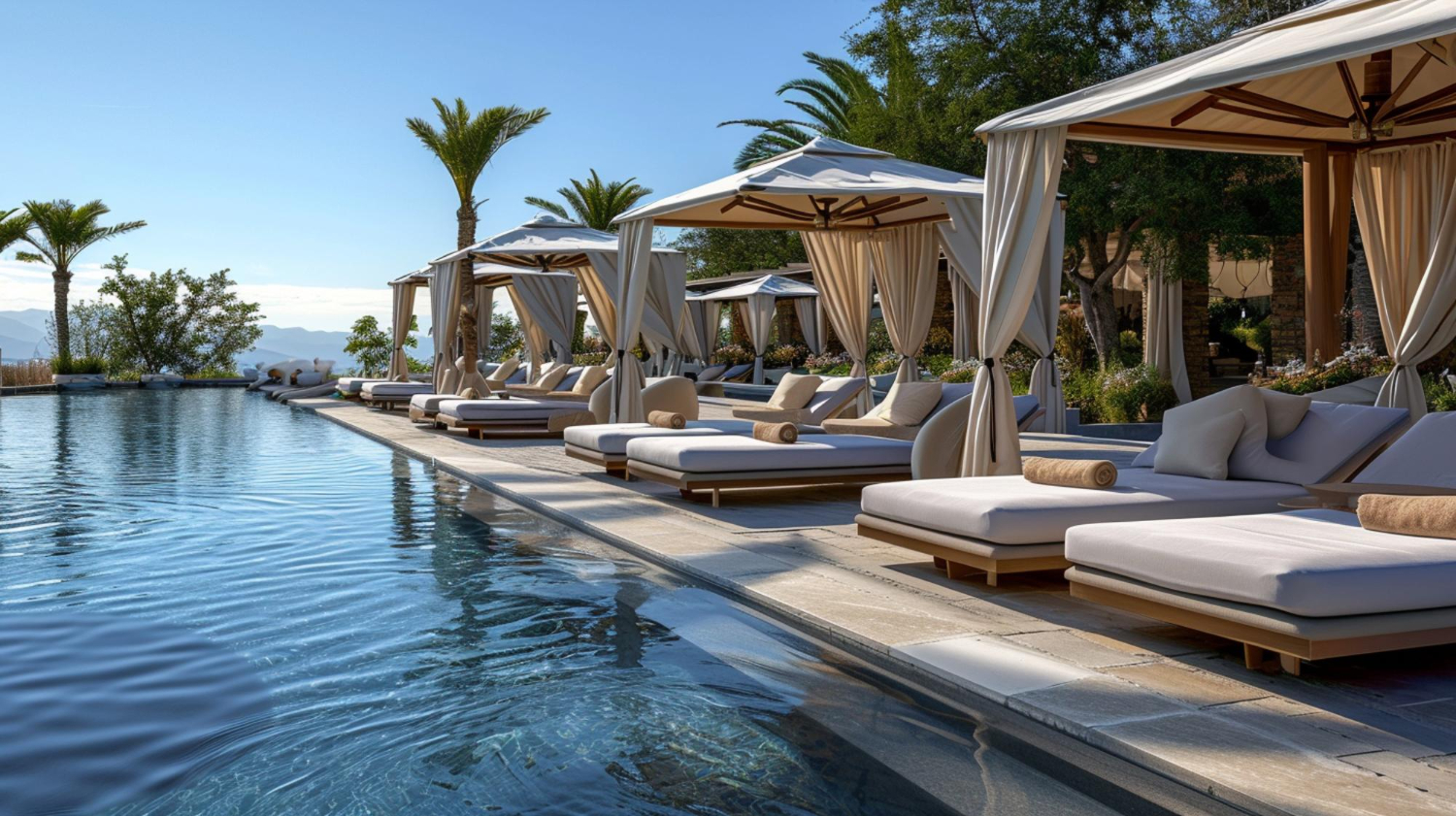
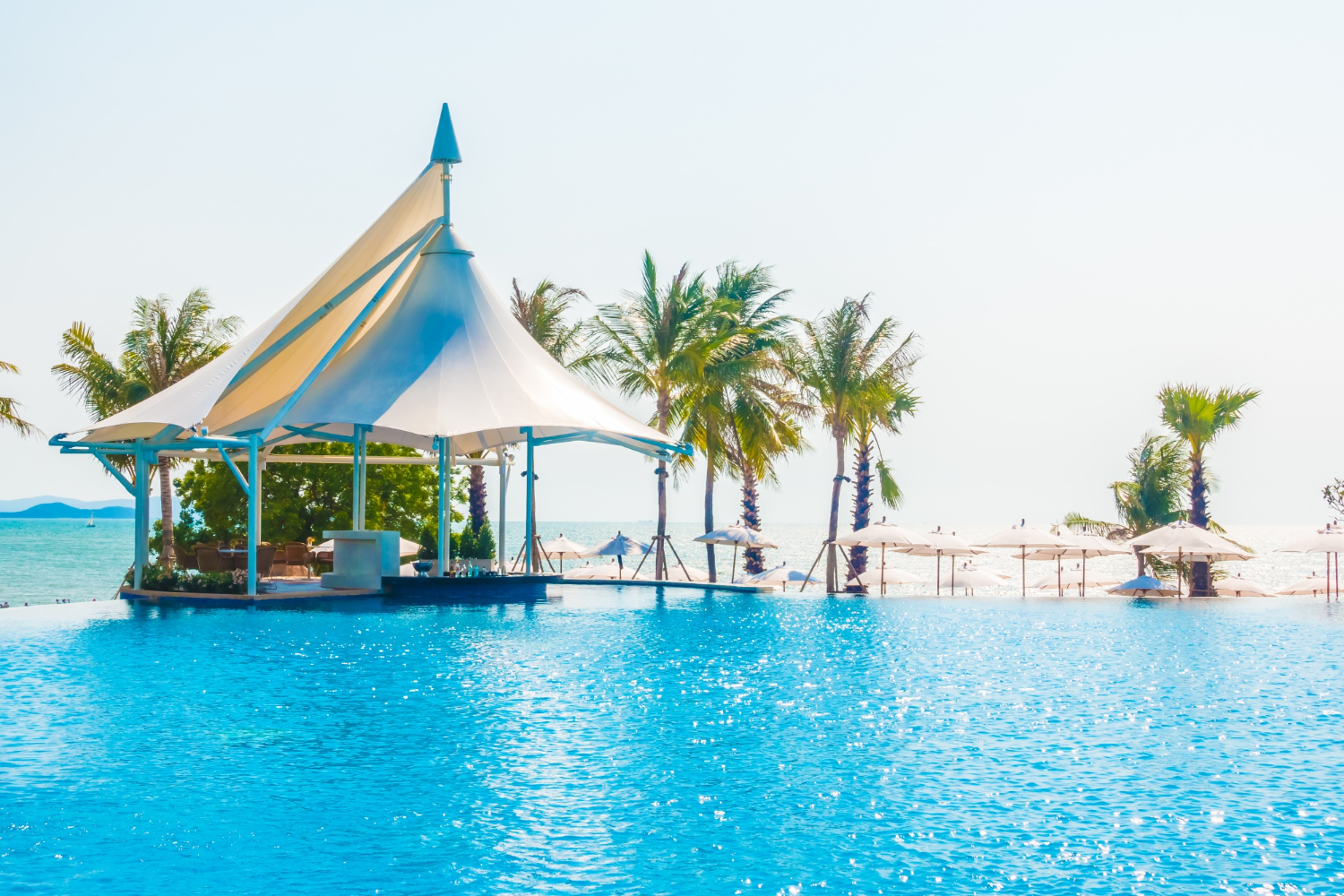
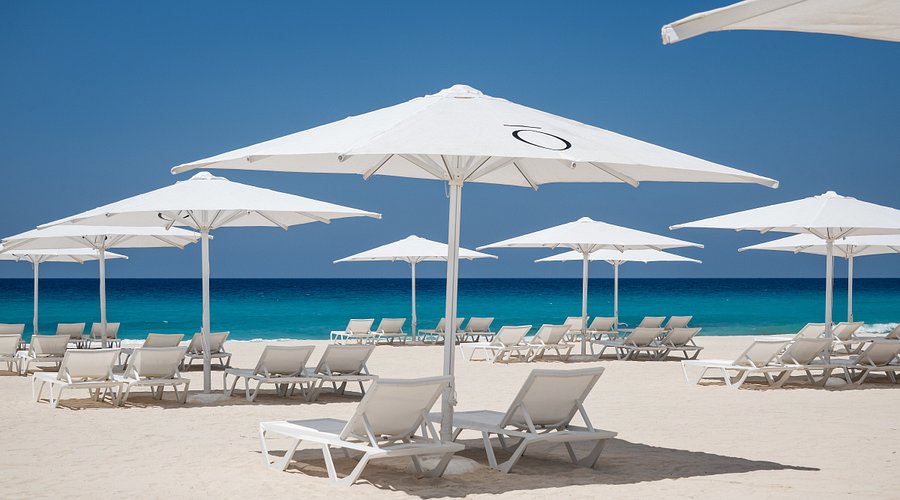
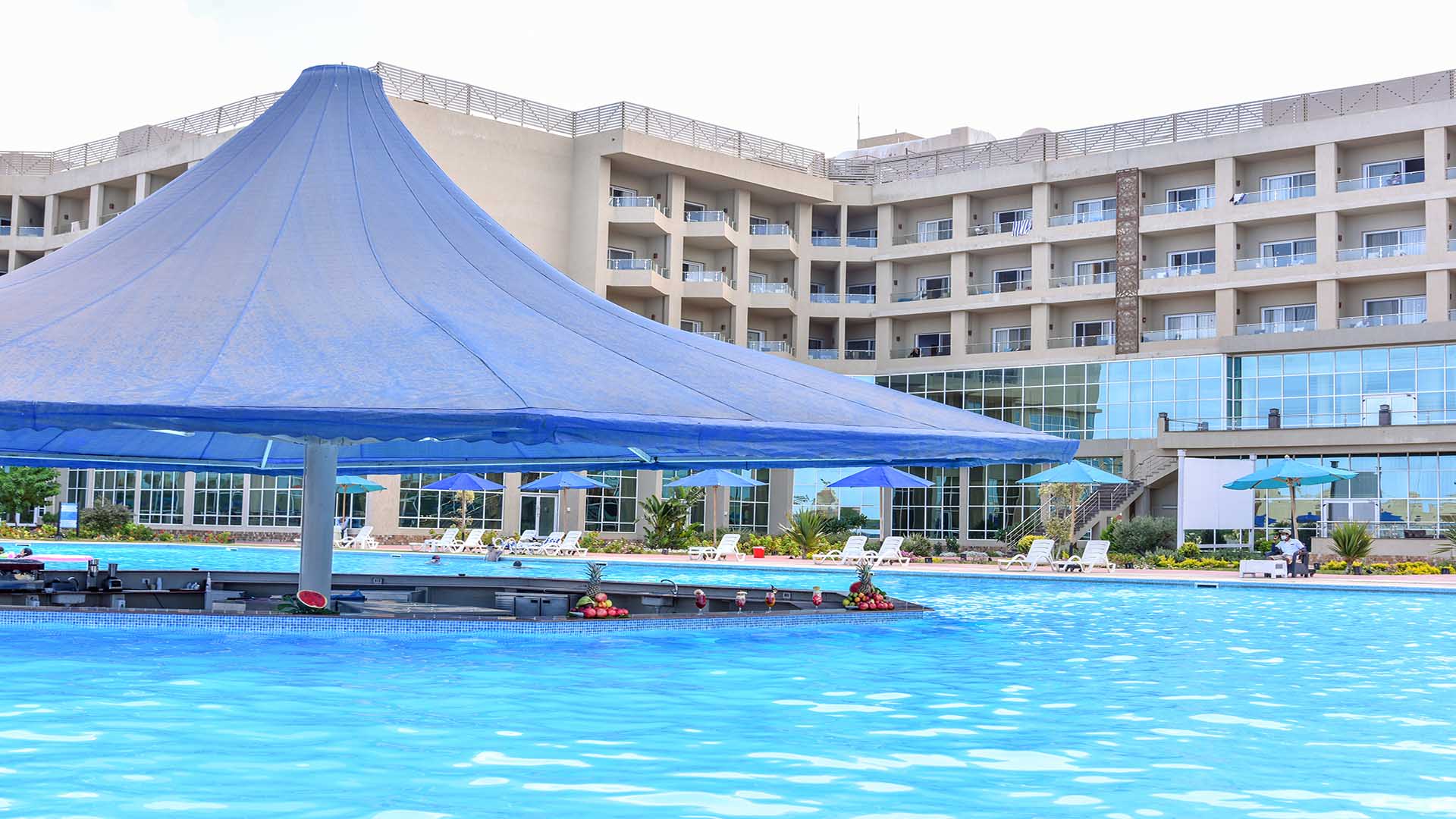
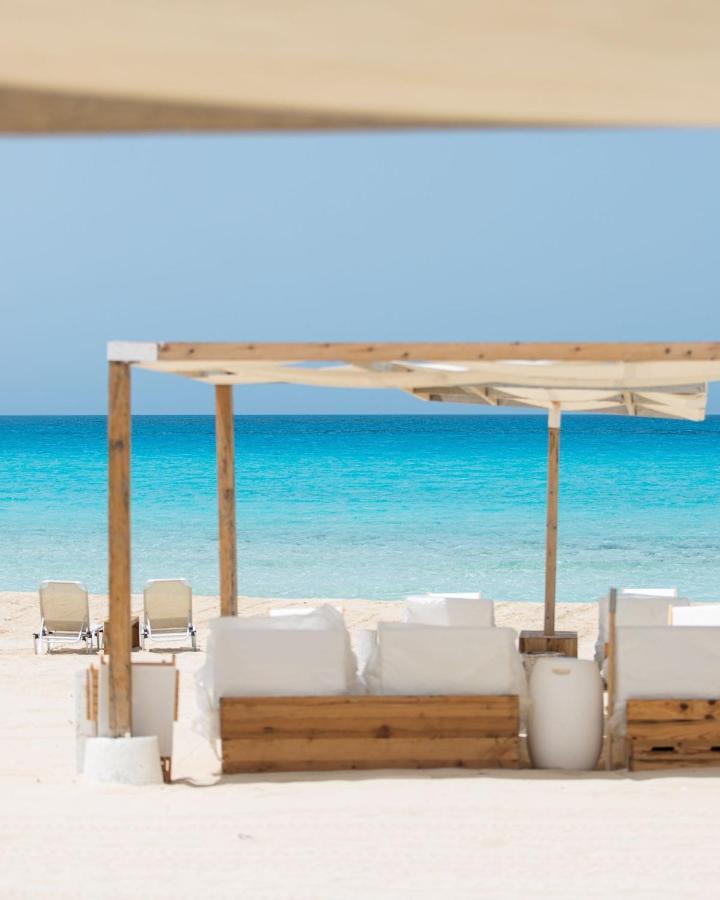
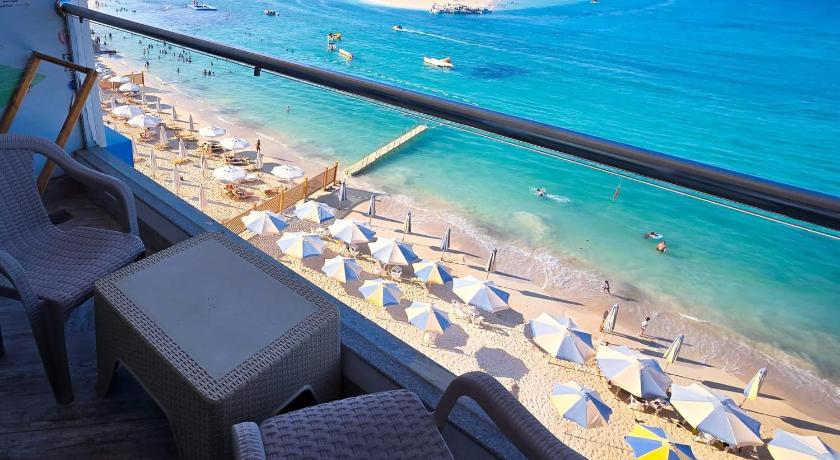
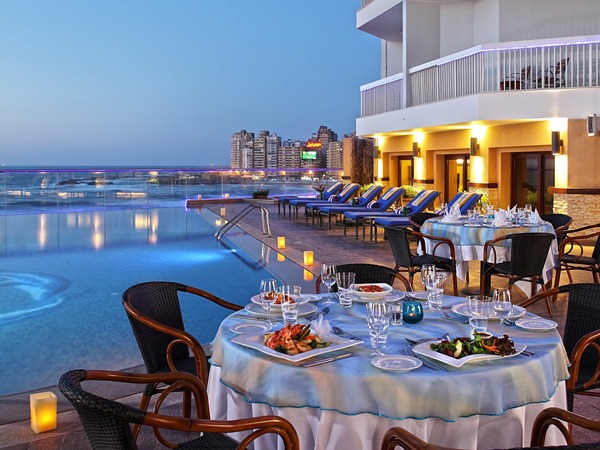
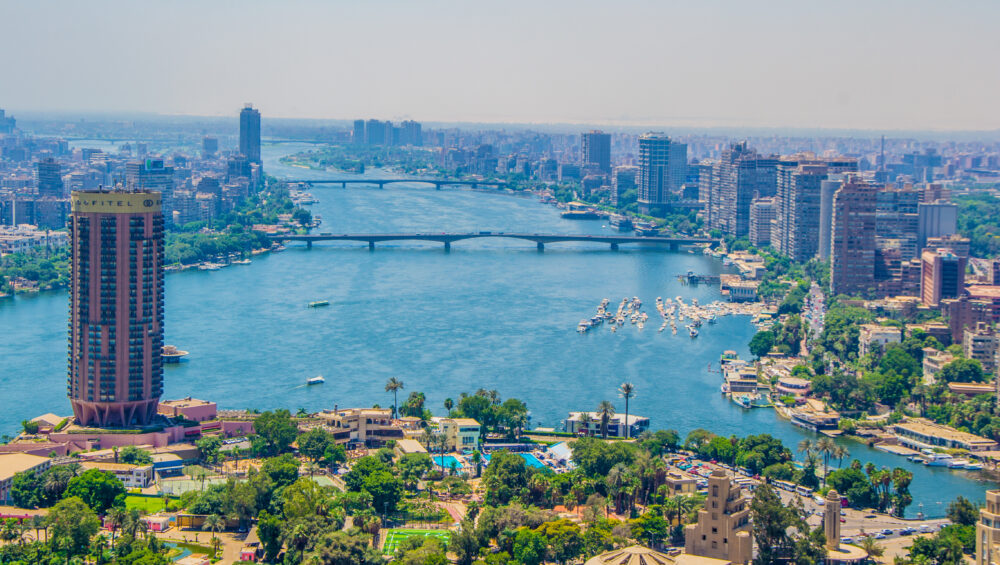
Photo Gallery: Alexandria & the North Coast in Summer
Before diving into the full guide, take a visual tour of the Mediterranean coast that makes summer such a compelling season to visit Egypt.
Table of Contents
Why Egypt Is One of Europe's Best Summer Escapes
Europe's summer of 2025 broke temperature records from Lisbon to Ljubljana. The UK recorded its hottest June on record. France activated its highest heat alert level in twelve departments with peak temperatures reaching 38-40°C. Italy's health ministry issued red alerts for Rome, Florence, and Bologna on forty consecutive days with temperatures reaching 38-40°C. Spain's summer temperatures regularly exceeded 40°C. For travelers who remember Mediterranean summers as breezy, balmy affairs, the reality has shifted. The stone cities that charm in April become solar collectors in July. Determining the
best time to visit Egypt means recognizing that summer in Egypt can be more comfortable than summer in Southern Europe.
Egypt, paradoxically, offers relief. Not everywhere, and not blindly, but in specific, well-defined zones that reward the informed traveler. The mistake is treating Egypt as one climate. It is not.
Alexandria weather is moderated by the Mediterranean. The
North Coast Egypt enjoys onshore flows that keep temperatures lower than Alicante. The Red Sea coast is dry and predictable, with water temperatures that make
summer diving superior to winter. Even Cairo and Luxor, genuinely hot at midday, reward travelers who adopt local rhythms: dawn starts, afternoon retreats, and evenings that come alive after sunset. For those researching the
best time to visit Egypt, these climate zones prove that summer deserves serious consideration.
Did You Know? Egypt's North Coast averages 4–6°C cooler than Cairo in July and August, and receives steady onshore winds that drop the perceived temperature by an additional 3–4°C. Wealthy Cairenes have been summering here since the 1920s.
The value proposition compounds the appeal. A five-star sea-view room in
Marsa Matrouh in August costs roughly what a three-star inland room in Nice costs in July. A private guide at Karnak in July, when the site receives a fraction of its winter traffic, costs the same but delivers a fundamentally superior experience. Direct flights from London to Cairo take four and a half hours; from Berlin, just under four. You are not flying to the other side of the world. You are flying to the other side of the Mediterranean, where your Euros and Pounds stretch further, the crowds thin out, and the beaches remain genuinely uncrowded. When evaluating the
best time to visit Egypt, these practical advantages make summer increasingly attractive.
For travelers asking
where to go in Egypt in summer, the answer is multi-layered. This guide breaks down every option, from the
Mediterranean Egypt coastline to the Red Sea reefs, from dawn temple visits to air-conditioned museum afternoons.
Best Time to Visit Egypt: Europe vs Egypt Summer Temperatures
Before dismissing
Egypt in summer as universally scorching, look at the numbers.
Based on official Egyptian tourism data and meteorological records, the dry heat of Egypt's desert interior behaves differently from the humid, urban heat of European capitals. More importantly, Egypt's coastal zones offer genuine climatic refuge. Understanding these differences is essential when choosing the
best time to visit Egypt.
Typical Summer Temperatures: Europe vs Egypt (Updated 2026)
| Destination |
Average Summer High |
What to Expect |
| Southern Spain (Seville) |
40–42°C |
🔴 EXTREME: Intense, dry heat; historic center offers minimal shade; nights stay above 25°C |
| Rome, Italy |
38–40°C |
🔴 EXTREME: Humid, crowded; ancient stone radiates stored heat into the evening |
| Paris, France |
38–40°C |
🔴 EXTREME: Frequent heatwaves; heat alert levels activated; limited air conditioning |
| Athens, Greece |
33–35°C |
⚠️ CHALLENGING: Strong sun, minimal breeze; Acropolis provides almost no cover |
| London, UK |
24–25°C |
⚠️ VARIABLE: Summer heatwaves increasingly common; AC rare in historic hotels |
| Alexandria, Egypt |
29–31°C |
✅ COMFORTABLE: Mediterranean breeze; elevated humidity but cooling afternoon wind; nights drop to 24°C |
| North Coast (Marsa Matrouh) |
28–30°C |
✅ IDEAL: Cooler sea currents, low humidity, consistent onshore breeze |
| Cairo |
35–37°C |
⚠️ MANAGEABLE: Dry heat; entirely manageable with early-morning scheduling and midday rest |
| Hurghada / Sharm El Sheikh |
33–35°C (air) / 26–28°C (water) |
✅ EXCELLENT: Dry coastal climate; sea breezes and pool infrastructure make it comfortable |
Local Insight: Cairenes do not sit in the sun at noon in July. They schedule museum visits for 10 AM, retreat to cafés or hotels by 1 PM, and re-emerge at 5 PM when the city breathes again. Copy this rhythm and Cairo becomes not just tolerable, but magical.
Is Egypt Too Hot in Summer? Myth vs Reality
The most persistent myth about
Egypt summer vacation is that the entire country becomes uninhabitable between June and August. This is approximately as accurate as saying Italy is too cold in winter because the Dolomites have snow. Egypt spans over one million square kilometers and contains multiple distinct climate zones. Debunking these myths is crucial for anyone deciding the
best time to visit Egypt.
Is Summer the Best Time to Visit Egypt?
Myth: Egypt is 45°C everywhere, all the time.
Reality: Aswan and Luxor do reach 40–41°C in July. But
Alexandria rarely exceeds 31°C. The
North Coast Egypt is cooler than many Greek islands in peak season. The Red Sea coast is dry and moderated by the sea. The
best time to visit Egypt depends entirely on which region you choose.
Myth: You cannot see the Pyramids in summer.
Reality: The Pyramids open at 7:00 AM. At 7:30 AM in July, the temperature is 28°C and the site is almost empty. By 10:30 AM, you are in the
Grand Egyptian Museum, which is maintained at a crisp 21°C. For many visitors, this schedule makes summer the
best time to visit Egypt for unobstructed views.
Myth: Summer is only for budget travelers who cannot afford winter.
Reality: Summer is increasingly the choice of experienced travelers who prioritize access over weather perfection. A private sunrise visit to the Valley of the Kings in July is a luxury product. It simply costs less than the same experience in February.
Summer Travel Tip: Book a "dawn tour" of the
Giza Plateau through your hotel or
Egypt Tour Packages. You enter the plateau before the official opening, watch the sun rise behind the Sphinx, and return to your hotel for breakfast before the day-trippers arrive.
→ RESERVE YOUR DAWN TOUR NOW
Best Time to Visit Egypt: Why Alexandria Is Cooler Than You Think
If you have never experienced
Alexandria summer, you are working from outdated assumptions.
Alexandria weather is governed by the Mediterranean, and the Mediterranean in July is significantly more forgiving than the interior of Southern Europe. When travelers ask about the
best time to visit Egypt, Alexandria proves that July can be perfectly pleasant.
Daytime highs hover between 29°C and 31°C. The humidity is higher than Cairo's, but the afternoon sea breeze, known locally as the
roses, arrives reliably around 2 PM and drops the perceived temperature by several degrees. Evening temperatures fall to 24–25°C, making the Corniche—one of the legendary
Alexandria beaches promenades—one of the most pleasant evening strolls on the African continent. This comfortable climate makes Alexandria a strong contender when considering the
best time to visit Egypt.
Compare this to Rome in July, where the urban heat island pushes midnight temperatures above 28°C and the cobblestones release stored heat until dawn. Alexandria cools down. It breathes.
The city is also the cultural heart of
Mediterranean Egypt. The Bibliotheca Alexandrina, the Royal Jewelry Museum, and the Citadel of Qaitbay are all either air-conditioned or positioned to catch the sea wind. Seafood restaurants along the harbor serve catch that was swimming that morning. The cafés of Stanley Bridge and San Stefano fill after sunset with families, students, and travelers who have discovered that
Alexandria summer is Egypt's best-kept climate secret.
Editor's Recommendation: Spend your first two nights of any Egypt summer vacation in Alexandria. You acclimatize gently, you eat exceptionally well, and you begin your trip with Mediterranean rhythms rather than desert intensity. Then fly south to Cairo or east to Siwa.
Why Locals Choose Alexandria Every Summer
The most honest indicator of a destination's summer viability is where the locals go when they have a choice. In Egypt, the answer is unambiguous:
Alexandria. Their annual migration offers a powerful clue about the
best time to visit Egypt.
Every July and August, Cairo empties. Government offices shift to summer hours. Families pack their cars and head north on the Desert Road. They do not go because Alexandria is exotic. They go because it is cooler, calmer, and designed for summer living.
The local summer culture is worth experiencing. The beaches of Montaza and Maamoura fill with multigenerational picnics. The Corniche becomes a moving theater of Egyptian family life after 6 PM. Ice cream shops like Azza and Delices have queues that are themselves a social event. The city's famous
shawarma and
kebdah stalls stay open until 2 AM, serving food to beachgoers who have spent the day in the water.
For travelers, this means authenticity. In winter, Alexandria is pleasant but quiet. In
summer in Alexandria, it is alive in a way that reveals the city's true character. You are not visiting a museum piece. You are participating in a living summer tradition that predates package tourism by a century.
Explore a Cairo and Alexandria Tour Package:
Want to combine Mediterranean breezes with the Pyramids?
View our summer tour packages for a perfectly paced introduction to Egypt.
→ Book a custom itinerary with our experts
North Coast Egypt: The Mediterranean's Last Undiscovered Stretch
West of Alexandria lies one of the most significant developments in
Egypt summer vacation planning: the
North Coast Egypt, or
Sahel as Egyptians call it. This 500-kilometer ribbon of Mediterranean shoreline, extending from Alexandria to the Libyan border, is where Egypt's elite have summered for generations. It is only now becoming accessible to international travelers in a meaningful way. For beach-focused travelers, this region alone redefines the
best time to visit Egypt.
Marsa Matrouh is the anchor. The water here is an almost unbelievable turquoise, the result of white limestone seabeds and shallow, clean depths. Cleopatra herself is said to have bathed in the protected cove now named for her. The beaches—Ageeba, Al-Obayed, Hana—are vast, sandy, and uncrowded compared with anything in the European Mediterranean. Summer temperatures peak around 30°C, and the water remains cool enough to be genuinely refreshing.
Further east,
El Alamein has transformed from a historic battlefield into a curated resort corridor. New developments by the Egyptian government have brought international hotel brands, marina facilities, and golf courses to a coastline that remains visually pristine.
Sidi Abdel Rahman, positioned between Alexandria and Matrouh, offers the most exclusive beachfront, with private compounds and boutique hotels that rival the Amalfi Coast in aesthetics at roughly one-third the price.
Did You Know? Marsa Matrouh's sea temperature in August averages 27°C, cooler than the Red Sea and significantly more refreshing after a morning of sightseeing. The salinity is lower than the Red Sea, making long swims less tiring.
What distinguishes the North Coast from the Red Sea is the ecosystem. This is not a desert-meets-sea environment. It is Mediterranean: olive groves, fig trees, and wildflowers line the coastal road. The seafood is locally caught and grilled within hours. The pace is slower. For travelers seeking
best beaches in Egypt in summer with a European coastal feel but without the European crowds, the
North Coast beaches are the answer.
Ready to Discover the North Coast?
Not sure whether Alexandria or the North Coast suits your travel style?
Talk to a Local Egypt Travel Expert. We will match your priorities to the right region.
Red Sea Destinations in Summer: Hurghada and Sharm El Sheikh
While the North Coast offers Mediterranean coolness, the Red Sea coast offers something equally valuable in summer: predictability.
Hurghada and
Sharm El Sheikh are dry. The humidity is low. The sea breeze is steady. And the water temperature—26 to 28°C in July and August—feels like stepping into a warm bath that happens to contain some of the world's most spectacular marine life. These conditions make a strong case for summer being the
best time to visit Egypt for diving enthusiasts.
Summer is actually the high season for Red Sea diving. European dive schools and liveaboard operators schedule their peak itineraries between June and September because the conditions are calmer, the visibility is at its maximum, and the marine life is abundant. You are not compromising by visiting
Hurghada in August. You are arriving at the optimal time.
The infrastructure is designed for heat.
Red Sea resorts along the coast are built around pools, shaded terraces, and air-conditioned interiors. Unlike historic European hotels where air conditioning is an afterthought, Egyptian Red Sea properties are engineered for summer comfort. The
Luxury Tours offered by egytravellux include properties with private beach access, dedicated dive concierge services, and spa facilities that make the midday hours something to savor rather than endure.
Local Insight: Egyptian families increasingly choose the Red Sea over the North Coast for Egyptian summer holidays because the dry heat is easier to manage with children than humid coastal climates. Resorts offer kids' clubs, shallow entry pools, and all-inclusive dining that removes the stress of meal planning in the heat.
Summer Diving and Snorkeling: Better Than Winter
There is a reason experienced divers book Red Sea liveaboards in July.
Summer diving offers advantages that winter cannot match. When weighing the
best time to visit Egypt for underwater exploration, summer consistently wins.
Water visibility often exceeds 30 meters in summer, compared with 20–25 meters in winter. The sea is calmer. The major sites—Ras Mohammed, the Thistlegorm wreck, Elphinstone Reef, the Brothers—are less crowded with day-trip boats because total tourist numbers are lower. Hammerhead shark season at Elphinstone peaks in summer. Manta rays are more frequently sighted at cleaning stations between June and September.
For snorkelers, the shallow reefs at Hurghada's Giftun Islands or Sharm's Ras Um Sid are accessible, safe, and teeming with life. The warm water means you can stay in for an hour without the chill that cuts winter snorkeling short. This matters for families with children and for photographers who want time to compose shots without shivering.
The Grand Egyptian Museum: Your Air-Conditioned Sanctuary
Here is a summer strategy that transforms the hottest months into the most culturally rewarding: the
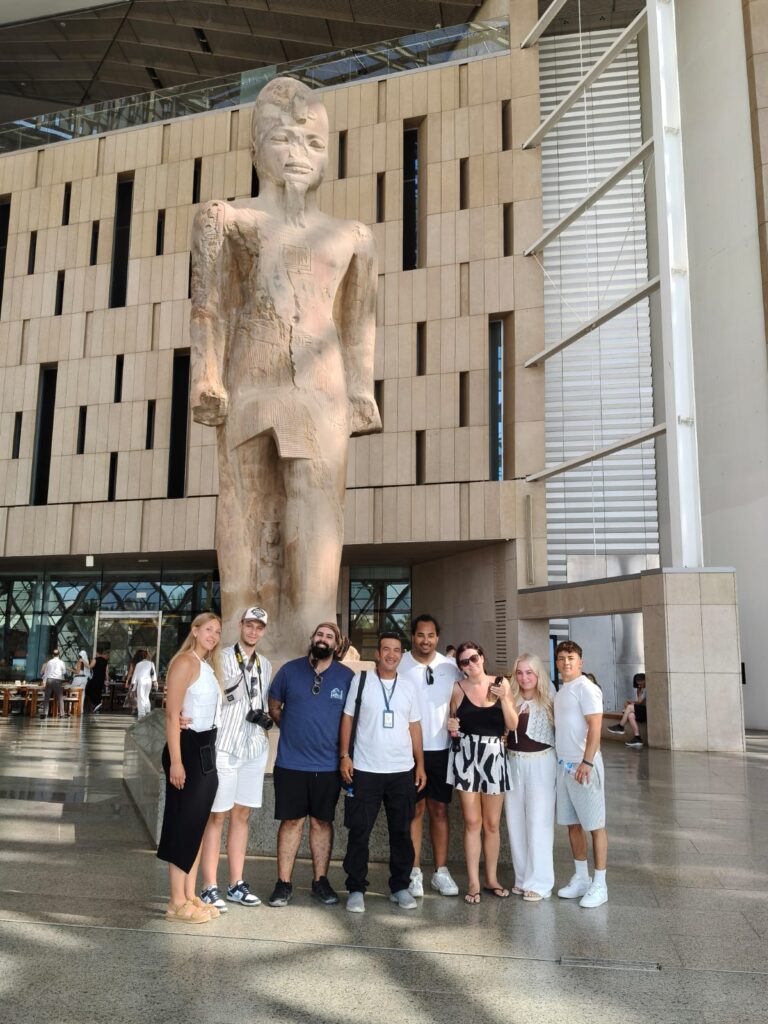
Grand Egyptian Museum (GEM) is the largest archaeological museum in the world, and in July, you can walk through Tutankhamun's complete collection without jostling for position at the display cases. For culture lovers, this alone can make summer the
best time to visit Egypt.
The GEM maintains rigorous climate control. The atrium, the galleries, and the conservation labs are all held at comfortable temperatures. You can spend four hours inside without stepping into the heat. The museum's café overlooks the Pyramids, offering one of Cairo's most iconic views from an air-conditioned sanctuary. For culture lovers, this indoor experience is another reason why summer can be the best time to visit Egypt.
In winter, the GEM is a highlight. In summer, it is a strategic centerpiece. Schedule your Giza and Pyramids visit for 7:00–10:00 AM, then move to the GEM from 10:30 AM to 3:00 PM. By the time you emerge, the day is cooling and you have seen two world wonders in complete comfort. This combination of early sightseeing and air-conditioned attractions is helping redefine the best time to visit Egypt for modern travelers. With smart planning, many visitors discover that summer is the best time to visit Egypt to experience both ancient monuments and world-class museums comfortably.
Editor's Recommendation: Book the GEM's evening ticket (5:00 PM entry) during summer. The light over the Pyramids at sunset from the museum's terrace is cinematic, and the temperature has dropped significantly by the time you exit.
The Early-Morning Strategy: How to See Everything in Summer
The secret to a successful
Egypt summer itinerary is not avoiding the heat. It is outsmarting it. Egyptians have lived with summer for five millennia. Their strategy is simple: move with the sun, not against it. Mastering this rhythm is the key to discovering the
best time to visit Egypt on your own terms.
In
Cairo and
Giza, the day begins at 6:00 AM. By 6:30 AM, you can be inside the Giza Plateau with a private guide, watching the morning light strike the Sphinx. By 9:30 AM, you have completed three hours of outdoor exploration in temperatures below 30°C. You then retreat to the GEM, a hotel pool, or a Nile-side restaurant until 5:00 PM, when the city reopens for evening.
In Luxor and Aswan, the same logic applies. The Valley of the Kings opens at 6:00 AM in summer. Arrive then, and you have the tombs to yourself. This early schedule is one of the reasons many experienced travelers consider summer the best time to visit Egypt. The limestone interiors are naturally cool—often 10°C below the outside temperature. By 10:30 AM, you are back at your hotel for breakfast and a swim. Karnak Temple, vast and partially shaded, is best visited at 4:30 PM when the light turns the columns gold and the tour buses have departed. Following this rhythm can make summer the best time to visit Egypt for exploring Upper Egypt in comfort.
Summer Travel Tip: egytravellux schedules all summer temple visits for dawn or late afternoon. Midday is reserved for the GEM, museum visits, Nile cruises, and hotel pool time. This is not a compromise. It is a superior way to experience Egypt, and it is why many now consider summer the best time to visit Egypt.
This rhythm is not a restriction. It is a revelation. The early morning light over the Nile is the most beautiful light of the day. The evening breeze on a Luxor rooftop is the perfect setting for dinner. You are not enduring summer. You are using it to access a quieter, more personal Egypt. For travelers who value comfort, authenticity, and fewer crowds, many now believe this is the best time to visit Egypt. Instead of following the traditional high season, you'll discover why summer is becoming the best time to visit Egypt for a more relaxed and rewarding experience.
Summer Luxury Hotel Deals: Five-Star for Three-Star Prices
Here is the economic reality of
Egypt in summer: the same room that costs €400 per night in January costs €140 in July. The same private Nile dahabiya that charters for $4,000 in February is available for $2,200 in August. The value is not marginal. It is transformative. For luxury travelers, this pricing shift can make summer the
best time to visit Egypt.
Luxury properties in Cairo—the Four Seasons Nile Plaza, the St. Regis, the Kempinski—routinely offer summer packages that include spa credits, airport transfers, and room upgrades, making this the
best time to visit Egypt for luxury travelers seeking exceptional value. On the Red Sea, the Ritz-Carlton Sharm El Sheikh and the Hurghada Marriott offer "stay four nights, pay for three" promotions that make extended beach holidays economically effortless, further proving that summer can be the
best time to visit Egypt for five-star experiences at significantly lower prices.
For travelers considering
Luxury Tours, summer is the window where premium experiences become accessible. Private after-hours access to Karnak, helicopter transfers from Cairo to Abu Simbel, and personal Egyptologist guides are all more available and more affordable in the off-season.
🎁 EXCLUSIVE SUMMER OFFER!
Book a luxury Egypt package and receive: ✓ Free airport transfers ✓ Complimentary spa credits ✓ Private guided experiences
→ CLAIM YOUR LUXURY SUMMER DEAL
Budget Travel in Summer: The Smartest Money You'll Spend
If you are a budget traveler,
summer holiday Egypt is arguably the best-value destination on the planet. Mid-range hotels in downtown Cairo and Luxor drop to $25–$40 per night. Domestic flights between Cairo and Luxor can be found for under $50. Felucca rides on the Nile, negotiated in the quiet summer months, cost half their winter rate. When money matters, summer is objectively the
best time to visit Egypt. For travelers focused on affordability, it is also the
best time to visit Egypt without sacrificing experiences.
The food is absurdly inexpensive and excellent. A full meal of grilled fish, rice, and mezze at a local restaurant in Alexandria costs less than a sandwich in Venice. Entry fees to archaeological sites remain low by global standards, and in summer, you do not need to book expensive skip-the-line tickets because there are no lines. Those savings reinforce why many visitors believe this is the
best time to visit Egypt for maximizing every travel dollar.
Did You Know? A solo traveler can comfortably experience Egypt for under $80 per day in summer, including accommodation, meals, transport, and site entries. In winter, the same itinerary costs $140–$180 per day. These dramatic price differences make summer the
best time to visit Egypt for backpackers and long-term travelers, and for many visitors, simply the
best time to visit Egypt if budget is the deciding factor.
Fewer Crowds: The Ultimate Luxury
There is a form of luxury that no amount of money can buy in February: solitude inside a 3,000-year-old temple. In July, you can stand in the hypostyle hall at Karnak and hear your footsteps echo. You can enter the tomb of Seti I in the Valley of the Kings and have a private conversation with your guide about the Book of Gates without whispering. You can photograph the Sphinx at dawn with no other tourists in your frame. This exclusivity is why many seasoned travelers insist that summer is the
best time to visit Egypt. For visitors who value peaceful sightseeing over peak-season crowds, it quickly becomes the
best time to visit Egypt. If your priority is exclusive access rather than perfect weather, summer may well be the
best time to visit Egypt.
This matters. Egypt's monuments are not just historical records. They are spatial experiences. The grandeur of
Abu Simbel, the intimacy of the tombs at Beni Hassan, the scale of the Pyramids—these are diminished by crowds and amplified by silence. Summer gives you the silence.
Family Travel in Summer: Why It Works
Parents often assume that
Egypt in summer is incompatible with children. The opposite can be true, provided you plan intelligently. Families who discover this secret often conclude that summer is the
best time to visit Egypt with kids.
Children adapt to the early-morning schedule more naturally than adults, which is one reason many parents consider summer the
best time to visit Egypt with young children. A 6:00 AM start feels like an adventure. By midday, they are ready for the hotel pool, which is precisely what the schedule demands. Egyptian culture is genuinely welcoming to children; expect restaurant staff to offer extra attention, hotel concierges to accommodate special requests, and guides to tailor their explanations to younger listeners. For families who value flexibility and quieter attractions, this can easily become the
best time to visit Egypt.
The Red Sea resorts are particularly family-friendly in summer. The warm water means no shivering after ten minutes. Kids' clubs operate at full capacity. All-inclusive dining removes the stress of finding suitable meals. And the educational value—snorkeling over a coral reef one day, standing before the mummy of a pharaoh the next—is unmatched by any European beach holiday, making summer the
best time to visit Egypt for active family vacations. Combined with lower prices and fewer crowds, many travelers now regard this season as the
best time to visit Egypt for creating memorable experiences with children.
Local Insight: Egyptian families travel with children constantly in summer. There is no social expectation that children be seen and not heard. Restaurants, hotels, and even formal sites like the GEM are designed with family movement in mind.
Digital Nomad-Friendly Summer Destinations
For remote workers,
Egypt in summer offers an underexplored proposition. Alexandria is the standout. The city has a genuine café culture, reliable 4G, and a cost of living that allows a comfortable lifestyle on a fraction of a European salary. For location-independent professionals, summer may be the
best time to visit Egypt to combine work and Mediterranean living.
Workshop Coworking in Maadi (Cairo) and several new spaces in Alexandria's Smouha district offer dedicated desks and fiber internet. The time zone (GMT+2, summer GMT+3) aligns perfectly with European business hours. A monthly apartment rental in a good Alexandria neighborhood costs less than a week in a Lisbon Airbnb, making summer the
best time to visit Egypt for digital nomads looking to maximize value.
The schedule also suits remote work. Work from 8 AM to 1 PM, take a long lunch and swim, then work again from 5 PM to 8 PM. It is a lifestyle that combines productivity with Mediterranean pleasure at a price point that no European coastal city can match, reinforcing why many remote professionals now see this season as the
best time to visit Egypt.
Best Time to Visit Egypt: Summer Itineraries for 7, 10, and 14 Days
The 7-Day Mediterranean & Nile Escape
- Day 1–2: Arrive Alexandria. Corniche walks, Bibliotheca Alexandrina, seafood dinners. Acclimatize.
- Day 3: Morning train or flight to Cairo. Afternoon at the Grand Egyptian Museum.
- Day 4: Dawn visit to Giza Pyramids and Sphinx. Midday flight to Luxor. Evening temple walk.
- Day 5: 6:00 AM Valley of the Kings. Afternoon pool rest. 4:30 PM Karnak Temple.
- Day 6: Dawn hot air balloon (cooler, calmer air). West Bank temples. Evening felucca.
- Day 7: Depart Luxor, or extend to Aswan and Abu Simbel.
The 10-Day Coast, Culture & Desert
- Day 1–3: North Coast Egypt. Base in Marsa Matrouh or El Alamein. Beach recovery from European travel.
- Day 4–5: Alexandria. Museums, Citadel, local cafés.
- Day 6–7: Cairo. GEM, Pyramids at dawn, Islamic Cairo evening food walk after 6 PM.
- Day 8: Fly to Siwa. Salt lakes, Shali fortress, sunset at the dunes.
- Day 9: Siwa oracle temple, palm grove cycling. Evening return to Cairo.
- Day 10: Departure.
The 14-Day Complete Summer Egypt
- Day 1–3: Alexandria and North Coast Egypt.
- Day 4–6: Cairo and Giza. Mix dawn monuments with GEM and Coptic Cairo.
- Day 7–9: Luxor. Dawn Valley of the Kings, afternoon pool, evening temple visits.
- Day 10: Aswan. Philae Temple at sunset, Nubian village dinner.
- Day 11: Abu Simbel day trip (early flight; back by 2 PM, pool by 3 PM).
- Day 12–13: Fly to Hurghada or Sharm El Sheikh. Diving, beach, spa.
- Day 14: Departure from Red Sea airport.
Editor's Recommendation: For first-time visitors, the 10-day itinerary is the sweet spot. It includes Mediterranean Egypt, the Pyramids, and either Siwa or the Red Sea, giving you three distinct climates and ecosystems without rushing.
Need a Customized Summer Itinerary?
Every traveler has different heat tolerance and interests.
Explore our customized Egypt vacations and we will build a private schedule that keeps you cool, comfortable, and completely captivated.
Best Places to Visit in Egypt During Summer
Not every destination in Egypt is equally suited to July and August. Here are the
best places to visit in Egypt in summer, ranked by summer viability:
- Alexandria — The summer capital. Mediterranean climate, sea breezes, exceptional food.
- North Coast (Marsa Matrouh, El Alamein) — Cooler water, pristine beaches, low development density.
- Hurghada / Sharm El Sheikh — Dry heat, warm water, world-class diving, full resort infrastructure.
- Grand Egyptian Museum — Air-conditioned, world-class, and spacious even at peak hours.
- Giza Pyramids — Entirely manageable with a 6:00 AM start and a private guide.
- Luxor (West Bank) — Dawn Valley of the Kings; naturally cool tomb interiors; afternoon pool rest.
- Siwa Oasis — Dry desert air; salt lakes; palm-shaded lodges. Best visited in early summer (May–June).
- Aswan — Hot, but the Nile is wide here and the botanical island of Kitchener's Island offers shaded refuge.
Best Beaches in Egypt in Summer
Egypt has over 2,000 kilometers of coastline, and summer is when the water is at its most inviting.
Mediterranean:
- Ageeba Beach, Marsa Matrouh — Turquoise water, white sand, sheltered cove.
- Al-Obayed Beach — Vast, uncrowded, family-friendly.
- Sidi Abdel Rahman — Exclusive, clean, with boutique resort access.
- Montaza Beach, Alexandria — Historic palace grounds, shaded gardens, urban convenience.
Red Sea:
- Mahmya, Hurghada — Protected national park beach with snorkeling directly from the shore.
- Naama Bay, Sharm El Sheikh — Calm, sandy entry, perfect for families.
- Ras Um Sid, Sharm — Snorkeling beach with immediate reef access.
How to Beat the Heat in Egypt
Practical survival is straightforward. Egyptians do not "beat" the heat. They accommodate it. Following their example is the smartest way to enjoy the
best time to visit Egypt during the warmer months.
- Hydrate with intention. Drink water before you feel thirsty. Carry electrolyte packets.
- Wear loose, long-sleeved linen or cotton. Counterintuitively, this keeps you cooler than bare skin in direct sun.
- Schedule outdoor activity for 6:00–10:00 AM and 5:00–8:00 PM. The midday hours are for museums, pools, and long lunches.
- Use the metro and Uber/Careem. Cairo's metro is air-conditioned. Taxis without AC are a choice you will regret.
- Eat light at midday. Egyptian summer cuisine—khoshari in small portions, fresh juices, watermelon, and yogurt-based dishes—is designed for heat.
- Never skip the afternoon rest. The siesta is not laziness. It is thermal logic.
Summer Packing Guide
- UV-protection clothing (long-sleeved, breathable)
- Wide-brimmed hat (the winter sun is mild; the summer sun is not)
- Sunglasses with UV400 protection
- SPF 50+ sunscreen, reef-safe for Red Sea snorkeling
- Electrolyte tablets or powder
- 2-liter refillable water bottle
- Cooling towel
- Portable handheld fan (useful in tomb queues)
- Light scarf for mosque visits and dust protection
- Comfortable walking sandals (temple floors are uneven limestone)
- Swimwear (you will use it daily)
Egypt vs Greece vs Spain vs Italy for Summer Holidays (Updated 2026)
| Factor |
Egypt |
Greece |
Spain |
Italy |
| Avg July High (Coastal) |
29–33°C ✅ |
30–32°C |
40–42°C |
38–40°C |
| 5-Star Hotel (July) |
€120–180 ✅ |
€350–550 |
€300–450 |
€400–600 |
| Daily Budget (Mid-Range) |
€80–120 ✅ |
€180–250 |
€150–200 |
€200–280 |
| Archaeological Sites |
Uncrowded ✅ |
Overcrowded; timed entry |
Moderate crowds |
Severely overcrowded |
| Flight from London |
4.5 hours |
3.5–4 hours |
2–2.5 hours |
2–2.5 hours |
| Diving Quality |
World-class; warm water ✅ |
Good; cooler water |
Limited mainland options |
Limited; mostly Sardinia/Sicily |
| Unique Value |
5,000 years of history + beaches ✅ |
Islands + cuisine |
Culture + nightlife |
Art + food |
Why Egypt Offers Better Value Than Southern Europe
The arithmetic is simple and compelling. A couple spending ten days in Egypt in summer can expect to pay 50–60% less than the same couple spending ten days in Italy or Greece, while receiving equivalent or superior service. When value is a priority, summer is undeniably the
best time to visit Egypt.
In Egypt, a private guide for a full day costs $60–$100. In Rome, a group walking tour costs $80 per person. A seafood dinner for two on Alexandria's harbor costs $25–$40. In Positano, the same meal costs $120 before wine. A domestic flight from Cairo to Luxor costs $45. A train from Rome to Naples costs more, takes longer, and deposits you into equivalent summer heat. These savings are one of the reasons many travelers now consider summer the
best time to visit Egypt if value is a priority.
The value extends to experiences that money cannot buy elsewhere. Private access to Karnak after hours. A dawn hot air balloon over the Valley of the Kings with only two other baskets in the sky. A felucca on the Nile at sunset with no other boats in view. These are not budget compromises. They are summer advantages that make this season the
best time to visit Egypt for travelers seeking exclusive experiences at a lower cost.
Did You Know? Egypt's currency has stabilized since 2024 reforms. As of mid-2026, $1 ≈ EGP 50. A three-course meal at a high-end Cairo restaurant now costs roughly what a pizza and two beers cost in Zurich.
Winter, Spring & Autumn: The Rest of the Year at a Glance
Summer is the focus of this guide, but completeness matters. Here is what you need to know about the other seasons, compressed into essential intelligence. While many sources claim winter is the only
best time to visit Egypt, each season has its own logic.
Peak Season (November–February): The Classic Window
This is when Egypt is coolest and busiest, making it the
best time to visit Egypt for travelers who prioritize mild temperatures and classic sightseeing. Daytime temperatures in Cairo range from 18–24°C, while Luxor is crisp and perfect for exploring ancient temples. The Abu Simbel Sun Festival falls on February 22nd and October 22nd—not November 22nd, a common error in older guides. December 2024 saw 1.53 million visitors, the busiest month on record. Book four months ahead, as prices peak and availability becomes limited during what many consider the
best time to visit Egypt. The experience is magnificent but shared.
Shoulder Season (March, April & October): The Compromise
March and October offer the best balance for travelers who want good weather without peak prices, making them a popular choice for the best time to visit Egypt. Temperatures are warm but manageable. The Khamsin winds can blow in late March, carrying Saharan dust for a day or two. October's Abu Simbel Sun Festival draws smaller crowds than February's.
April may overlap with Ramadan, which transforms the country's evening culture but requires schedule flexibility when planning the best time to visit Egypt.
May & September: The Transition Months
May is underrated—prices drop 30–40%, crowds thin, and Cairo is hot but navigable. September is the quietest month of the year; Luxor is still warm but descending from its peak. Both are excellent value months for travelers who want near-summer prices with slightly milder conditions, making them another great option if you're looking for the best time to visit Egypt.
Month-by-Month: Who Should Go When (Condensed)
| Month |
Best For |
Skip If... |
| January |
Families, first-timers, peak-season travelers |
You hate crowds or paying premium rates |
| February |
Couples, luxury seekers, Abu Simbel Sun Festival |
Budget is tight; prices are highest |
| March |
Solo travelers, cyclists, shoulder-season value |
Sensitive to dust (Khamsin risk) |
| April |
Cultural explorers, Ramadan experience |
You need rigid schedules |
| May |
Budget travelers, pre-summer explorers |
You overheat easily |
| June–August |
Mediterranean coast, Red Sea diving, value hunters, families with pool time, digital nomads |
You insist on midday sightseeing in Luxor |
| September |
Ultra-budget seekers, quiet-site lovers |
Comfort is your top priority |
| October |
Return travelers, Abu Simbel fans, value seekers |
You want winter weather without any heat |
| November |
All-rounder month; ideal first visit |
You want Red Sea beach weather |
| December |
Festive season, family holidays |
You need last-minute availability |
Frequently Asked Questions (People Also Ask)
Q1: What is the best time to visit Egypt in 2026?
The answer depends on your priorities. For mild weather and festive energy, November to February remains excellent. But for value, space, and coastal comfort,
Egypt in summer has become a genuinely compelling option. If you are escaping Europe's heatwave, the Mediterranean coast of Egypt offers cooler temperatures than Southern Spain and significantly lower prices than Greece or Italy. Many experienced travelers now consider June through August the
best time to visit Egypt when beaches, diving, and budget are priorities.
Q2: Is Egypt too hot to visit in summer?
Not if you plan intelligently. The interior (Luxor, Aswan) is genuinely hot at midday, but early-morning visits and air-conditioned afternoons make it manageable. The Mediterranean coast (
Alexandria,
North Coast Egypt) is cooler than many European cities in July. The Red Sea coast is dry and comfortable with resort infrastructure designed for heat.
Q3: Where should I go in Egypt to escape the heat?
Alexandria and the
North Coast Egypt are your coolest options, with Mediterranean breezes and sea temperatures that refresh. The Red Sea resorts offer dry heat and pool access. For air-conditioned culture, the
Grand Egyptian Museum is a climate-controlled sanctuary.
Q4: How does Alexandria's summer weather compare to Europe?
Alexandria weather in July averages 29–31°C with afternoon sea breezes and evening temperatures that drop to 24°C. It is comparable to Barcelona but with lower humidity than Rome and significantly more breeze than Athens. The sea is calmer and warmer than the Atlantic coast of Portugal.
Q5: Is Egypt cheaper than Greece or Italy for a summer holiday?
Significantly. Five-star hotels in Egypt cost 50–60% less than equivalent properties in Southern Europe. Dining, transport, and guided experiences are similarly reduced. A ten-day
Egypt summer vacation typically costs 40–50% less than an equivalent itinerary in Italy or Greece.
Q6: Can I take children to Egypt in summer?
Yes, with schedule adjustments. Children adapt well to early-morning starts and pool-based afternoons. The Red Sea resorts are particularly family-friendly in summer, with warm water, kids' clubs, and all-inclusive convenience. Egyptian culture is welcoming to children everywhere.
Q7: What is the best summer itinerary for first-timers?
Start with 2–3 days in
Alexandria for gentle acclimatization. Add 3 days in Cairo (dawn Pyramids, midday GEM, evening Nile walk). Finish with 4–5 days on the Red Sea or in Luxor with a dawn-focused schedule. See the detailed 7, 10, and 14-day itineraries above.
Q8: Is the Red Sea too warm for diving in summer?
No. Water temperatures of 26–28°C are ideal for extended dives without a wetsuit. Visibility is at its annual peak. Summer is considered high season for serious Red Sea diving.
Q9: How far in advance should I book a summer trip to Egypt?
Summer requires less advance booking than winter. Two to three months is generally sufficient for flights and hotels. However, if you want specific luxury properties in Alexandria or the North Coast, book four months ahead, as these fill with domestic tourists.
Q10: Is Egypt safe for solo female travelers in summer 2026?
Yes. Dress modestly in public areas, use Uber/Careem in cities, and book your first nights in advance. Summer sees fewer aggressive touts than winter because there are fewer tourists overall. Alexandria and the Red Sea resorts are consistently reported as safe and relaxed.
Tipping Amounts for Egypt in 2026
Tipping (baksheesh) remains embedded in Egyptian culture. Carry small bills.
| Service |
Recommended Tip (2026) |
| Licensed private tour guide (full day) |
EGP 500–800 / $10–16 USD |
| Driver (full day) |
EGP 200–300 / $4–6 USD |
| Hotel porter (per bag) |
EGP 20–50 / $0.40–1 USD |
| Restaurant (sit-down, non-tourist) |
10–12% of bill |
| Restaurant (tourist/hotel) |
15% or service charge already added |
| Temple 'guardian' who opens a gate for you |
EGP 20–50 / $0.40–1 USD |
| Felucca captain (half-day trip) |
EGP 100–200 / $2–4 USD |
| Toilet attendant at sites |
EGP 5–10 / $0.10–0.20 USD |
Is Egypt Safe in 2026?
Yes, with standard awareness. Security at major sites is rigorous and visible. Petty theft in crowded bazaars and overcharging by unlicensed guides are the most common issues, not serious crime. For summer travelers, the reduced crowds actually lower the risk of petty theft, making it an even more comfortable
best time to visit Egypt. The Red Sea resorts and Alexandria are exceptionally safe. Solo women should dress modestly and use licensed transport. egytravellux provides 24/7 in-country support for all clients, helping you enjoy the
best time to visit Egypt with confidence.
Why Book Your Summer Egypt Trip With egytravellux
Before you plan your
best time to visit Egypt, know who you are traveling with. egytravellux is not an anonymous booking platform. We are a team of local specialists who design, guide, and support every trip we sell.
- ✔ Local Egyptian Travel Experts
- ✔ Private Customized Tours
- ✔ Licensed Egyptologist Guides
- ✔ Flexible Itineraries
- ✔ Transparent Pricing
- ✔ 24/7 In-Country Support
- ✔ No Hidden Fees
© 2026 egytravellux - Your Local Egyptian Travel Specialists
Updated: July 2026 | All temperatures based on current meteorological data