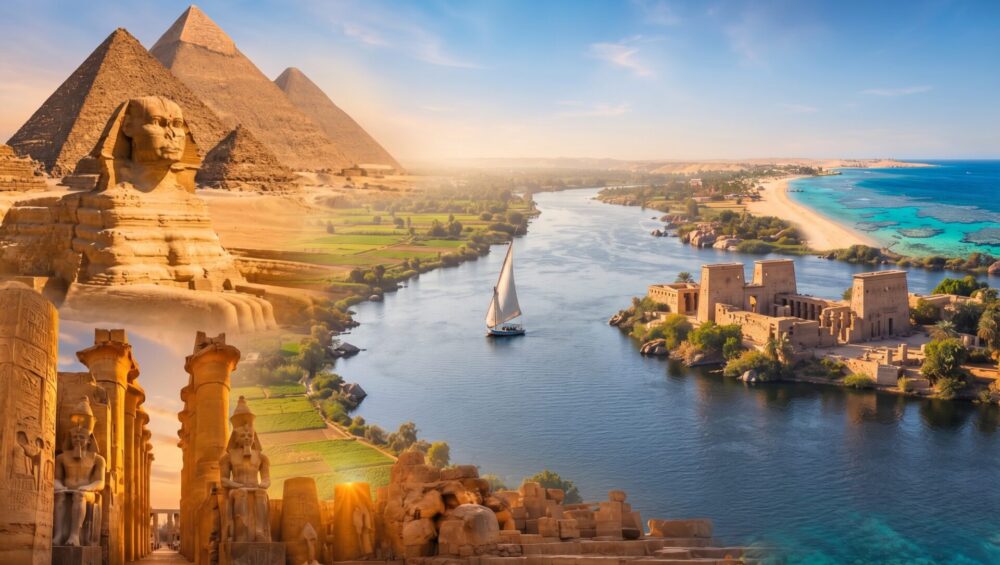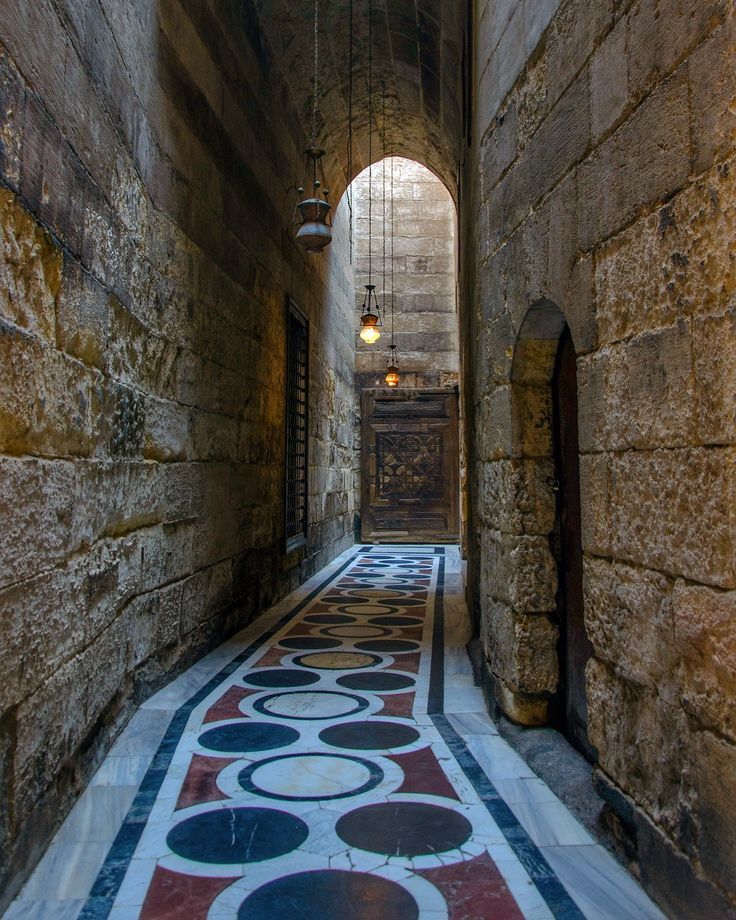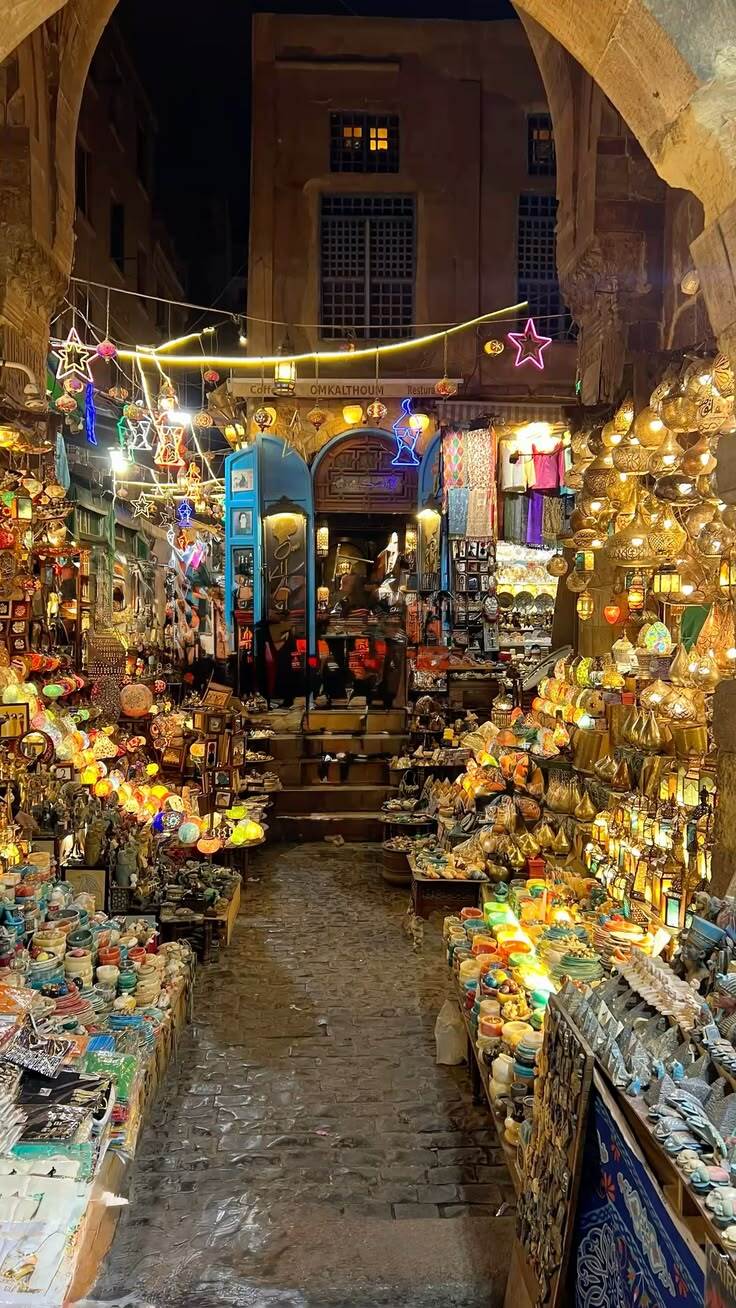
Saint Catherine Monastery Tour

Saint Catherine Monastery Tour: The Complete 2026 Guide

Saint Catherine Monastery Tour

The last hour of the Mount Sinai ascent happens in darkness, and that is entirely the point. You climb by the light of a single torch while the cold presses in from all directions, and then, without warning, the eastern sky turns the colour of a coal ember — deep orange bleeding into violet — as the sun rises over the mountain where Moses is said to have received the Ten Commandments.

At your feet, 3,750 metres below, Saint Catherine’s Monastery sleeps in its granite valley, the oldest continuously operating Christian monastery on earth, its walls unchanged since the Emperor Justinian ordered them built in 565 AD. This is one of the most profound experiences available to any traveller in 2026, and almost nobody outside the faith tourism community knows how to plan it properly.

This guide — built by egytravellux  covers everything: the tour, the history, the best time to visit Saint Catherine, the logistics for families and solo hikers, and the luxury options that most travellers never discover. Consider it your insider briefing from someone who has made this journey more than once.

SAINT CATHERINE: BY THE NUMBERS
  •  The monastery was founded c. 530–565 AD under Byzantine Emperor Justinian I — the oldest continuously operating Christian monastery on earth
  •  UNESCO World Heritage Site since 2002 — designated for its exceptional cultural, religious, and natural significance
  •  The monastery’s library holds approximately 4,500 manuscripts — the second largest collection of early Christian manuscripts after the Vatican
  •  Mount Sinai (Jebel Musa): 2,285 metres elevation | 750 steps of repentance + camel path | approx. 3–4 hours ascent from the monastery
  •  South Sinai receives approximately 1.5–2 million tourists annually — Egypt Ministry of Tourism 2024 data
  •  UNESCO: The site contains one of the oldest and best-preserved collections of early Byzantine art anywhere in the world

Saint Catherine’s Monastery Egypt: What You’re Actually Visiting

Saint Catherine’s Monastery Egypt

Saint Catherine’s Monastery is not simply a historic building. It is a living monastic community, continuously inhabited by Greek Orthodox monks for approximately 1,500 years, built at the foot of the mountain where three of the world’s major religions — Christianity, Islam, and Judaism — all recognise that something foundational happened between a man named Moses and the divine. The walls you stand in front of are the original Byzantine walls, ordered by Emperor Justinian and completed around 565 AD. They have never fallen.

Inside the monastery walls are several structures that a cultural explorer needs to understand before arriving. The Basilica of the Transfiguration is the main church, built over the site traditionally identified as the Burning Bush. The apse mosaic — depicting the Transfiguration of Christ — dates from the 6th century and is one of the finest surviving examples of early Byzantine art anywhere in the world. The Burning Bush itself is still growing in the monastery garden; a live shrub believed by the monastic community to be the direct descendant of the one Moses encountered.

The monastery library is the second reason serious cultural explorers make this journey. Approximately 4,500 manuscripts are housed here, including the Codex Sinaiticus — one of the oldest and most complete manuscripts of the Christian Bible, dating from the 4th century AD. Most of the collection is not on public display, but the monastery museum holds rotating exhibitions of illuminated manuscripts, icons, and liturgical objects. This is not a tourist attraction. It is a repository of human civilization.

Best Time to Visit Saint Catherine, Sinai: Month-by-Month

Saint Catherine sits at 1,600 metres elevation in the South Sinai highlands. This is not coastal Sinai. The temperature range is extraordinary — summer days reach 35°C in the valley and winter nights on Mount Sinai’s summit drop to -5°C or below. The monastery itself is open to visitors for a narrow window each day, and the Mount Sinai sunrise hike is only truly safe and comfortable during specific months. Getting the timing right is the single most important planning decision for this trip.


MonthConditionsVerdict
JanuarySummit: -5 to 0°C at dawn. Valley: 5–15°C. Possible snow.Good for culture, challenging for hiking
FebruarySimilar to January. Occasional rain. Clear skies common.Good for culture, cold hiking
MarchWarming up. 10–20°C valley. Ideal shoulder season.Excellent all-round
AprilBest hiking conditions. Warm, clear, long days. Wildflowers.Peak for hiking + culture
MayGetting warm. 20–30°C. Less crowded than April.Very good — ideal for adventurers
JuneHot in valley (35°C). Summit still pleasant at dawn.Challenging. Early start essential
JulyVery hot valley. Dawn summit still manageable.Off-season. Hardcore hikers only
AugustSame as July. Monastery crowds at seasonal low.Avoid unless specifically seeking solitude
SeptemberCooling down. 25–30°C. Crowds starting to return.Solid choice
OctoberExcellent conditions. 15–25°C. Beautiful desert light.Highly recommended
NovemberBest month overall. Cool, clear, low crowds, long evenings.Best time to visit Saint Catherine
DecemberCold nights. Summit may have snow. Clear crisp air.Atmospheric but prepare for cold

The verdict in one sentence: visit Saint Catherine’s Monastery and climb Mount Sinai in November, April, or October. These three months deliver the ideal combination of manageable temperatures, clear skies, and crowd levels that allow the spiritual weight of the place to actually land.

Winter visits (December–February) are not wrong — the snow on the granite peaks is extraordinary and the monastery feels even more otherworldly — but they require proper cold-weather gear for the summit hike, and the experience is physically demanding in a way that summer visitors to Egypt rarely anticipate.

Planning Your Saint Catherine Monastery Tour: Logistics

Saint Catherine sits approximately 500 km from Cairo by road (5–6 hours) and 240 km from Sharm El-Sheikh (3–3.5 hours). There is a small airport at Saint Catherine that handles select domestic routes from Cairo and charter connections from Hurghada, which makes it accessible as part of a combined itinerary without the road journey. Understanding the monastery’s visiting hours and dress code before you arrive will save you the frustration that affects a significant number of first-time visitors who arrive unprepared.

Monastery Visiting Hours & Entry Rules (2026)

The monastery is open to non-monastic visitors Monday through Friday only, from 9:00 AM to 12:00 noon. It is closed on Sundays, Greek Orthodox holidays, and Islamic holidays. These hours are strictly observed. Do not plan to arrive at 11:45 AM and assume you’ll see everything — the standard visitor experience inside requires 90 minutes minimum for the basilica, museum, and garden.

Entry is free, but a modest donation to the monastery’s conservation fund is customary and deeply appreciated. Dress code is strictly enforced: shoulders and knees covered for all visitors, both male and female. The monastery provides wraps at the entrance, but wearing appropriate clothing signals respect for a community that has maintained this site through fifteen centuries of political upheaval, conquest, and time.

The Mount Sinai Sunrise Hike: How It Works

Almost all hikers begin the Mount Sinai ascent at midnight or 1:00 AM, reaching the summit by 5:30–6:00 AM to watch the sunrise. The timing is calibrated so that you descend after sunrise — partly in the growing light and partly to avoid the midday heat in summer months. The ascent takes between 2.5 and 4 hours depending on fitness level and chosen route.

There are two routes up: the Camel Path (the longer, more gradual ascent, popular with families and older travelers) and the Steps of Repentance (3,750 ancient stone steps cut directly up the mountain face, shorter but steeper — used primarily by fit solo hikers). Both routes converge at the summit chapel. Camels are available for hire on the lower Camel Path section; they do not go beyond the steeper upper section regardless of what you are offered at the base.

Your Saint Catherine Monastery Tour— Designed Around You

 The Cultural Explorer: Layers No Standard Tour Reveals

The standard monastery tour covers the basilica, the Burning Bush, and a quick walk through the museum. For a cultural explorer, this is the introduction, not the content. The real depth of Saint Catherine’s is found in the library access (possible through advance arrangement), the icon collection’s pre-Iconoclasm treasures, and the gorges of the surrounding Sinai wilderness — which contain Nabataean rock inscriptions, ancient pilgrimage route markers, and monastery gardens that have been tended by monks for 1,500 years.

The surrounding desert landscape of the Saint Catherine Protectorate is a hidden-gem destination in itself. The Colored Canyon, thirty kilometres from the monastery, is a labyrinth of compressed, layered sandstone walls in burgundy, yellow, and cream — carved by water over millions of years. Most visitors who make the effort to reach Saint Catherine’s never know it is there. egytravellux builds Coloured Canyon into all multi-day Saint Catherine itineraries as standard.


 CULTURAL EXPLORER — HIDDEN GEM SITES AROUND SAINT CATHERINE
Coloured Canyon (Wadi Zalaqa): A sandstone canyon with extraordinary compressed layer formations in burgundy, yellow, purple, and white. 30km from St Catherine’s. No entrance fee. Best light: 9–11 AM.
Wadi Feiran Oasis: The largest oasis in the Sinai Peninsula, 80km from St Catherine’s. Ancient Christian pilgrimage stop; ruins of a 5th-century cathedral. Almost no tourists. Combine with a Coloured Canyon day.
St Catherine’s Garden (Monastery): The terraced garden maintained by the monks contains olive trees, fruit trees, and the Burning Bush. Open during monastery hours. Architecturally and horticulturally extraordinary.
The Nabataean Inscriptions at Wadi Mukattab: The ‘Valley of Inscriptions’ near Feiran contains thousands of Nabataean, Latin, Greek, and Aramaic inscriptions — a 2,000-year-old traveller’s wall of graffiti.
Mount Catherine (Jebel Katrina): At 2,629 metres, it is the highest peak in Egypt — higher than Jebel Musa (Mount Sinai). A full-day hike from St Catherine’s; almost no tourists. Requires a local guide.
egytravellux assigns a specialist desert guide with Sinai archaeology expertise for all multi-day cultural packages.

 The Luxury Seeker: Experiencing Saint Catherine Without Compromise

Most travelers hear “desert monastery” and assume luxury is off the table. It is not. The framework for a high-end Saint Catherine’s experience is a private vehicle throughout from wherever in Egypt you are starting, a Sinai Egyptologist-level specialist guide rather than a Bedouin driver, accommodation at the Daniela Village Hotel or the Morgenland Camp (the two best properties in the area, both significantly more comfortable than their desert setting suggests), and a private pre-arranged access window at the monastery through the guest monk system.

The guest monk arrangement — possible through specialist operators with established monastic relationships — allows small groups to visit outside standard public hours, access areas of the monastery not available to general visitors, and occasionally dine with the monastic community. This is not a commonly available experience. egytravellux has the operator network to request and coordinate it on behalf of luxury clients.

For the hiking component, a private guided sunrise ascent of Mount Sinai with a dedicated Bedouin guide — who carries a thermos of hot tea, a warm blanket for the summit, and knows the intermediate viewpoints that general hikers walk past — transforms the experience from a physical challenge into a meditative ritual. The stars on a clear Sinai night at 1:00 AM, halfway up the mountain with no other headlamps visible, are among the most dramatic skies available anywhere on earth.
 

 LUXURY SAINT CATHERINE EXPERIENCE — egytravellux 3-DAY PRIVATE PACKAGE
Day 1: Private vehicle from Sharm/Cairo. Afternoon arrival. Private Monastery visit (arranged in advance). Sunset at the Garden of the Burning Bush.
Day 2: Pre-dawn Mount Sinai sunrise hike with dedicated Bedouin guide and private picnic thermos service at summit. Post-hike monastery museum with specialist guide. Afternoon: Coloured Canyon private excursion.
Day 3: Wadi Feiran Oasis and Nabataean inscriptions. Departure by private vehicle.
Accommodation: Daniela Village (superior rooms) or Morgenland eco-camp (private tent with en-suite)
All meals included. All transfers private. Specialist guide throughout. Monastery access coordination included.
Price: From $480/person (2 pax) | Fully private | Free consultation: www.egytravellux.com/consultation

 The Family Traveler: Making Saint Catherine Monastery Tour Work With Kids

Saint Catherine’s Monastery is one of the most genuinely family-friendly cultural sites in Egypt — compact, manageable, and visually extraordinary in ways that connect with children without requiring prior knowledge. The monastery is not a ruin; it is a working building with human activity — monks moving through courtyards, bells, incense, the sound of a liturgy drifting from the basilica. This is living history, not a museum, and children feel that difference.

Mount Sinai at night is a different conversation. The ascent is physically demanding and takes place in darkness at altitude in cold temperatures. For families with children aged 12 and above who are reasonably fit, the Camel Path route is achievable and deeply memorable. For families with younger children, egytravellux recommends a sunrise viewpoint hike on one of the lower surrounding ridges — achievable in 90 minutes, spectacular views, and none of the altitude or cold risk of the full summit route.

 The Solo Adventurer: Sinai on Your Own Terms

Saint Catherine’s is one of the world’s great solo travel destinations. The combination of physical challenge, spiritual depth, extraordinary landscape, and an international community of pilgrims and hikers creates the kind of social fabric that solo travelers value most — genuine connection around shared experience, not organised group activities. The pre-dawn gathering at the base of Mount Sinai, where hikers from a dozen countries fall into step together by torchlight, is one of those rare moments where the concept of being alone briefly stops making sense.

For the hardcore solo adventurer, the full traverse from Saint Catherine’s to the monastery via Mount Catherine (Egypt’s highest peak at 2,629 metres) and back is a full-day wilderness hike that requires a registered local Bedouin guide, a good level of fitness, and advance notification at the Visitor Centre. This traverse is done by perhaps 200 people a year. On summit day, you may be alone on the highest point in Egypt.


 SOLO ADVENTURER — SAINT CATHERINE EXPERIENCES FOR 2026
Mount Catherine summit day (Jebel Katrina, 2,629m): Egypt’s highest point. Full-day hike from St Catherine’s with registered Bedouin guide. 7–8 hours round trip. Cost: ~$25–40 USD for guide. Bring all food and water.
Wadi Itlah solo morning: The valley immediately south of the monastery. A 2-hour walk through granite boulders with painted monk hermitage cells cut into the rock face. No fee, no guide required, almost no other visitors.
Photography at Blue Hour: The monastery walls at 30 minutes after sunset turn deep gold against a blue-black sky. The valley is silent. This is the photograph that nobody who goes at noon ever gets.
Social base: Most solo travelers stay at Fox Camp or the El-Milga Bedouin Camp — both budget-friendly, locally run, communal kitchen culture. You will meet other hikers and pilgrims from around the world.
Connectivity: Mobile 4G coverage is available in St Catherine’s town (Vodafone/Orange). The hike routes and mountain have no signal. Download offline maps (Maps.me or Google Maps offline) before setting out.
Safety: Always register your hiking route at the Visitor Centre. Never hike the wilderness areas alone without informing your accommodation of your destination and expected return time.

Saint Catherine Monastery Tour: 2026 Prices & Package Options


The cost of a Saint Catherine monastery tour varies enormously depending on your departure point, accommodation choice, and whether you use a private guide or navigate independently. The table below covers the full spectrum from budget independent travel to luxury private packages.


OptionWhat’s IncludedPrice Per Person (2026)
Independent from Sharm (public bus)Bus fare only | self-guided monastery + hike$10–20 USD transport
Shared group day tour from SharmMinibus, basic guide, monastery visit only$40–60 USD
Shared group overnight (hike + monastery)Bus, 1 night at camp, Mount Sinai guided hike$80–120 USD
Private day tour from Sharm (2 pax)Private vehicle, guide, monastery + hike$120–180 USD pp
Private 2-day (monastery + hike + Coloured Canyon)Private vehicle, Egyptologist guide, 1 night hotel$200–320 USD pp
egytravellux 3-day luxury privatePrivate transport, specialist guide, 2 nights, all tickets, mealsFrom $480 USD pp
Overnight from Cairo (private)Private transfer Cairo–St Catherine + overnight + hike$250–400 USD pp


💰  BUDGET OPTION💎  LUXURY OPTION
Transport: Public bus Sharm–St Catherine (~$10)Transport: Private A/C vehicle from any Egypt city
Accommodation: Fox Camp / El-Milga (~$15–25/night)Accommodation: Daniela Village or Morgenland eco-camp
Hike: Self-guided with basic torch from campHike: Private Bedouin guide + thermos service + blanket
Monastery: Free entry (donation customary)Monastery: Specialist Egyptologist guide + museum access
Meals: Local town restaurants ($3–6 per meal)Meals: All included; private picnic on summit
Total 2 days: ~$60–100 all-inTotal 3 days: From $480/person (egytravellux package)

The Practical Questions Every Visitor Should Have Answered


What Is the Dress Code at Saint Catherine’s Monastery?

Strictly enforced. All visitors must cover shoulders and knees regardless of gender. The monastery provides wraps at the entrance for those who arrive unprepared, but these are limited and can feel awkward. Wear modest clothing as a baseline — long trousers or a below-knee skirt, and a top with at least short sleeves. Shoes must be removed before entering the basilica. Photography inside the basilica is not permitted; photography in the courtyard and garden is generally acceptable but always check with the attending monk.


Is South Sinai Safe to Visit in 2026?

South Sinai — which includes Saint Catherine’s, Sharm El-Sheikh, and Dahab — is categorised as safe for tourism by the UK FCDO, US State Department, and Australian DFAT, all of which distinguish between South Sinai (safe) and North Sinai (avoid, different region entirely). Tourist police are present at the monastery and the main hiking routes. The Sinai Bedouin community that guides and hosts visitors in the Saint Catherine area has a strong, multi-generational relationship with international travelers and a culture of hospitality that is entirely genuine.

Standard travel awareness applies: register hiking routes at the Visitor Centre, inform your accommodation of your itinerary, and carry sufficient water and warm clothing for high-altitude conditions. These are wilderness safety practices, not security concerns.


2026 Tipping Guide for Saint Catherine Tours


ServiceRecommended Tip (2026)
Private Egyptologist or specialist guide (full day)EGP 400–700 / $8–14 USD
Bedouin hiking guide (Mount Sinai or mountain hike)EGP 100–200 / $2–4 USD
Driver (full-day private transfer)EGP 150–250 / $3–5 USD
Camel handler (per ride, after dismounting)EGP 50–100 / $1–2 USD
Restaurant in St Catherine’s town10% of bill (service not usually included)
Tea vendor at Mount Sinai summitEGP 5–10 over the listed price is appreciated
Monastery donation boxEGP 50–200 / $1–4 USD — directly supports conservation


What to Pack for a Saint Catherine Monastery Tour

  • Warm jacket and thermal base layer: The summit temperature is 15–20°C colder than the valley at dawn. Non-negotiable.
  • Headlamp or torch with fresh batteries: The ascent begins in total darkness. Bring your own, not a rental.
  • Water: 2L minimum per person for the hike. The summit vendor charges 3x town prices.
  • Modest clothing: Long trousers/skirt, covered shoulders for the monastery. No shorts.
  • Comfortable, broken-in walking shoes: Not sandals. The stone steps are uneven and can be slippery in wet conditions.
  • Energy snacks: Nuts, dates, energy bars — for the summit approach when energy flags around the 2-hour mark.
  • Offline maps downloaded: Google Maps or Maps.me. No signal on the mountain routes.
  • Cash (EGP): Small bills for tea vendors, camel handlers, tips. No ATM at the monastery — use the town.


FAQ — Saint Catherine Monastery Tour (People Also Ask)

Q1: Is Saint Catherine’s Monastery open to tourists in 2026?

Yes. The monastery is open Monday through Friday from 9:00 AM to 12:00 noon. It is closed on Sundays, Greek Orthodox feast days, and Islamic public holidays. Entry is free. The monastery welcomes visitors of all faiths and none, but asks all guests to observe the dress code and to maintain the respectful atmosphere of an active religious community. Advance booking is not required for general visitors, but specialist access (library, restricted areas) requires advance arrangement through a registered tour operator.

Q2: How difficult is the Mount Sinai hike?

The Camel Path route is a moderate hike: long, at altitude, in the dark, and cold near the summit, but manageable for any reasonably fit adult without specific mountaineering experience. The Steps of Repentance are significantly more demanding — steep, uneven, and harder on the knees during descent. Most first-time visitors take the Camel Path up and the Steps down (or vice versa). The single biggest challenge is the cold at the summit, which surprises almost every visitor who has been in the warm valley just hours earlier.

Q3: Can I visit Saint Catherine’s as a day trip from Sharm El-Sheikh?

Yes, but it’s not optimal. The drive from Sharm El-Sheikh is approximately 3 to 3.5 hours each way, and a meaningful monastery visit requires at least 90 minutes on site. A day trip from Sharm allows the monastery visit but does not include the Mount Sinai hike, which starts at midnight. The far better approach is to spend at least one night in Saint Catherine’s town: visit the monastery in the morning, rest in the afternoon, and begin the Mount Sinai ascent that night. egytravellux builds this two-day format as the minimum recommendation.

Q4: What is the best time to visit Saint Catherine’s Monastery?

November is the single best month for a balanced experience: comfortable temperatures (5–20°C range from town to summit), clear skies, low crowds, and a quality of light in the granite Sinai landscape that is genuinely extraordinary. April is a close second, with the added benefit of spring wildflowers in the higher valleys. October is excellent for the same reasons as November. Avoid July and August unless you specifically want solitude and can manage early-morning starts to beat the valley heat.

Q5: Do I need a guide to visit Saint Catherine’s Monastery and climb Mount Sinai?

A guide is not legally required for either the monastery visit or the Mount Sinai hike. Both are accessible independently. A guide is required for wilderness hikes beyond the standard Jebel Musa route (including Mount Catherine, Wadi Feiran, and multi-day desert traverses). The practical argument for a specialist guide at the monastery is access to depth: the history, art, and manuscript collection of Saint Catherine’s are extraordinarily rich, and a licensed Egyptologist with Byzantine specialisation transforms what the stones and icons mean. This is not a site that explains itself.

Q6: What are the opening hours of Saint Catherine’s Monastery?

Open Monday, Tuesday, Wednesday, Thursday, and Friday from 9:00 AM to 12:00 noon. Closed Saturday, Sunday, and all Greek Orthodox and major Islamic holidays. These hours have remained consistent for several years but can change for specific religious observances. egytravellux confirms current hours as part of all Saint Catherine package preparation — visiting a site of this importance and finding it closed is an entirely avoidable disappointment.

Q7: How do I get from Cairo to Saint Catherine’s Monastery?

By road: approximately 500 km from Cairo, taking 5–6 hours via the Suez and Sinai highway. By flight: Saint Catherine International Airport handles domestic flights from Cairo (approximately 1 hour) and select charter connections. By bus: regular service from Cairo’s Turgoman bus station, journey time 7–8 hours. egytravellux recommends a private vehicle for all Saint Catherine itineraries from Cairo — the drive through the Sinai is itself extraordinary, passing through the Suez Canal crossing and into the coloured-stone landscape of the Sinai interior.

One of the Most Profound Travel Experiences in the World — If You Plan It Right

Saint Catherine’s Monastery is not on the standard Egypt itinerary for most first-time visitors, and that is a genuine loss. The pyramids are extraordinary. Karnak Temple is overwhelming. But Saint Catherine’s is something else entirely: a place where history, faith, landscape, and physical challenge combine into an experience that almost everyone who makes the journey describes as transformative. The three-faith mountain. The oldest monastery on earth. The pre-dawn desert silence. The stars at altitude.

Getting the timing right, the logistics sorted, and the guide calibrated to your travel style is what separates the transformative version from the exhausted, underprepared version. A family needs different logistics than a solo hiker. A luxury traveler needs a different accommodation and access structure than a budget backpacker. Getting that match correct is what egytravellux exists to do.

egytravellux designs every Saint Catherine tour around your specific travel party, pace, and interest — from a private Egyptologist for the monastery’s Byzantine icon collection to a family-paced Camel Path ascent with a Bedouin guide who brings a thermos of hot tea for the summit. Whatever version of this extraordinary place you are seeking, we have built that experience before.

Egypt Vacation Packages

Egypt Vacation Packages 2026: All-Inclusive Options Compared

One Country. Five Thousand Years. Infinite Ways to Experience It.

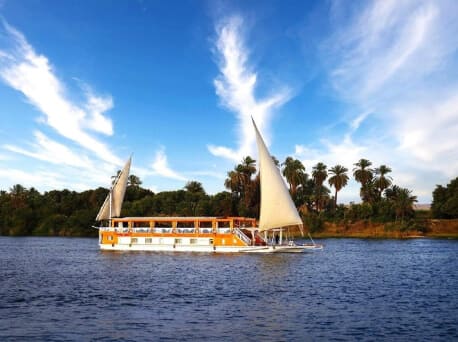
The felucca tilts gently as a warm afternoon wind pushes it south along the Nile, and you realize that the same river, the same angle of light, the same green fringe of palm trees against yellow desert has been here every day for five millennia. Egypt does not feel like history — it feels like continuity. And for 2026, it has never been more ready to receive you. With a record 19 million visitors in 2025, the country’s infrastructure, guiding quality, and package variety have all leveled up to meet global demand. The only real question is: which version of this extraordinary country will you choose?

This guide, built by egytravellux , is the most comprehensive Egypt vacation package comparison available for 2026. Whether you’re a family navigating logistics, a solo traveler chasing off-map experiences, a luxury seeker who wants the pyramids to yourself, or a culture explorer who needs an Egyptologist at every step — this is your map.

EGYPT TOURISM 2026 — BY THE NUMBERS
  •  19 million tourists visited Egypt in 2025 — a 21% year-on-year increase (Egypt Independent, January 2026)
  •  Tourism contributed EGP 1.4 trillion (8.5% of GDP) to Egypt’s economy in 2024 — World Travel & Tourism Council (WTTC), 2024
  •  Egypt ranked Africa’s #1 travel destination for the 3rd consecutive year — Nation Brand Performance Index 2024/25
  •  Average all-inclusive 10-day tour: ~$1,800 per solo traveller / ~$2,300 per couple — EgyptToursPlus, 2025
  •  Fitch Solutions projects 18.56 million tourists in 2026 — sustained, controlled growth across all segments

Read our full Guide about Best time to visit Egypt 

What Does ‘All-Inclusive’ Actually Mean for an Egypt Vacation?

The phrase “all-inclusive” means very different things depending on who is selling the package. At a Red Sea beach resort like Hurghada or Sharm El-Sheikh, it means unlimited meals, drinks, and entertainment at a single property — similar to a Caribbean resort model. For a cultural Egypt tour package, it means something richer: accommodation in every city, domestic flights, entrance fees, Egyptologist guides, meals, transfers, visas, and sometimes even tipping is pre-paid.

Understanding the distinction before you book matters enormously. A “beach all-inclusive” keeps you at one property. A “tour all-inclusive” moves you across the country — Cairo to Luxor to Aswan, possibly a Nile cruise, possibly the Red Sea coast — with a guide who handles every logistical detail. egytravellux specializes in the second kind: multi-city, fully curated, nothing-left-to-chance Egypt vacations.

BEACH ALL-INCLUSIVETOUR ALL-INCLUSIVE (egytravellux model)
One property, one locationMultiple cities: Cairo, Luxor, Aswan, coast
Meals & drinks at the resort onlyAll meals at hotels, restaurants, cruise dining
Activities = water sports, pool, showsActivities = pyramids, temples, Nile cruise, bazaars
Guide: optional (not usually included)Licensed Egyptologist guide throughout
Domestic flights: not includedAll internal transport pre-arranged
Entrance fees: not includedAll entrance fees pre-paid
Visa: not includedVisa assistance often included
Best for: beach + rest focusBest for: cultural immersion + full Egypt experience
Price range: $80–300/night resort costPrice range: $1,050–3,500+ per person (full trip)


Egypt Vacation Packages 2026: Tier-by-Tier Price Comparison

Egypt Vacation Packages 2026

Egypt in 2026 is genuinely one of the world’s best-value premium destinations. The EGP devaluations of recent years mean that international travelers — paying in USD, EUR, or GBP — get extraordinary buying power. A five-star Luxor hotel that would cost $500/night in a comparable European city runs $120–180 here. That dynamic runs through every tier.

Budget Tier: $800 – $1,400 per person (7–10 days)

Budget Egypt vacation packages in 2026 deliver far more than the price tag suggests. You are staying in comfortable 3-star hotels, traveling in shared group minibuses with a guide who may not be a specialist Egyptologist, but will competently navigate the major sites. You will see the pyramids, the Sphinx, Karnak Temple, the Valley of the Kings, and possibly take a short Nile felucca ride. Entrance fees are often not included — check before booking.

The trade-off is time efficiency and group size. Shared tours run to a fixed schedule that can feel rushed at sites like the Valley of the Kings, where an hour is genuinely not enough. The social element is a genuine plus for solo travelers, though — budget group tours from companies like Intrepid and G Adventures reliably produce the “travel friends for life” outcome.

BUDGET PACKAGE — WHAT TO EXPECT
Duration: 7–10 days
Accommodation: 3-star hotels in Cairo, Luxor, Aswan; shared cabin on standard Nile cruise
Guide: English-speaking group guide (not always a licensed Egyptologist)
Group size: 12–16 people typical
Meals: Breakfast usually included; lunch/dinner at local restaurants (extra)
Entrance fees: Often NOT included — budget an extra $80–120 USD for major sites
Internal transport: Group minibus + Nile cruise included; domestic flights extra
Typical inclusions: Cairo tour, Giza, Luxor, Aswan, short Nile cruise segment
Price range: $800–$1,400 per person (land only, ex-Cairo)

Mid-Range Tier: $1,400 – $2,500 per person (8–12 days)

This is the sweet spot for most international travelers. Mid-range Egypt packages in 2026 typically include 4-star accommodation, a licensed guide, all entrance fees, domestic flights between Cairo and Aswan, a proper 5-night Nile cruise (rather than a 2-night budget option), and most meals. The Nile cruise alone accounts for much of the price jump — and it’s worth every cent.

The mid-range experience lets you move at a human pace. You get two full days in the Valley of the Kings rather than a rushed morning. You sit on the sun deck of a properly appointed cruise ship at 5:30 PM as the temples of Edfu appear around a river bend in the last light, and the sound is just water against hull. That is not available at the budget tier, and it is the heart of why people come to Egypt.

MID-RANGE PACKAGE — WHAT TO EXPECT
Duration: 8–12 days
Accommodation: 4-star hotels; standard 5-night Nile cruise included
Guide: Licensed Egyptologist (shared group, typically 8–12 people max)
Meals: Breakfast + lunch included; dinners mostly on cruise ship
Entrance fees: Included for all major sites (Giza, Karnak, Valley of the Kings, Abu Simbel sometimes extra)
Internal transport: Domestic flight Cairo–Aswan or Luxor included
Typical itinerary: Cairo (2 nights) + Nile cruise Luxor–Aswan (5 nights) + Hurghada optional (2 nights)
Grand Egyptian Museum: Included as standard from November 2025 onwards
Price range: $1,400–$2,500 per person (land + domestic flights; international flights separate)

Luxury Tier: $2,500 – $6,000+ per person (8–14 days)

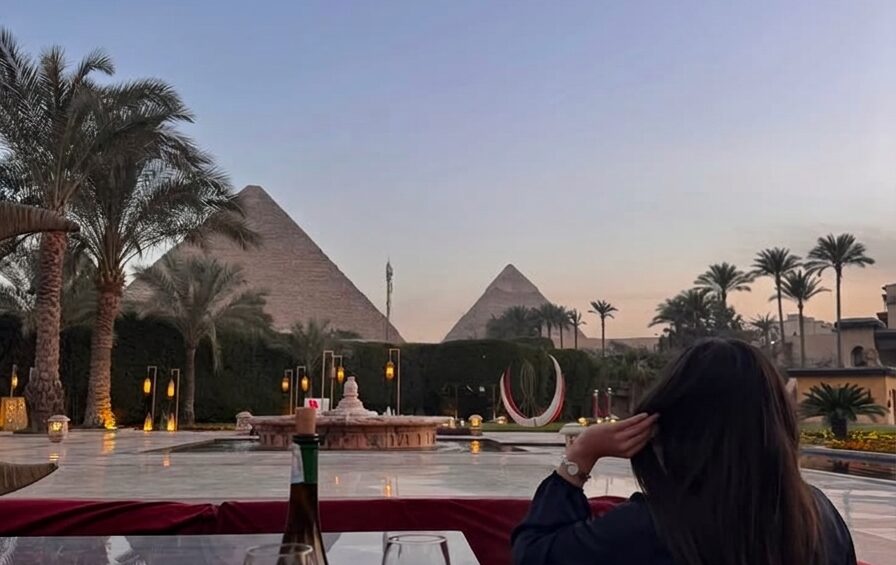
Luxury Egypt vacations in 2026 operate in an entirely different register. Private vehicle, private Egyptologist (often PhD-level), priority access at sites, luxury Nile cruise or private dahabiya sailing vessel, five-star hotels throughout — including the legendary Marriott Mena House with its unobstructed pyramid view from the garden — and curated dining experiences that include rooftop Nile dinners and private lunches at Luxor temple sites.

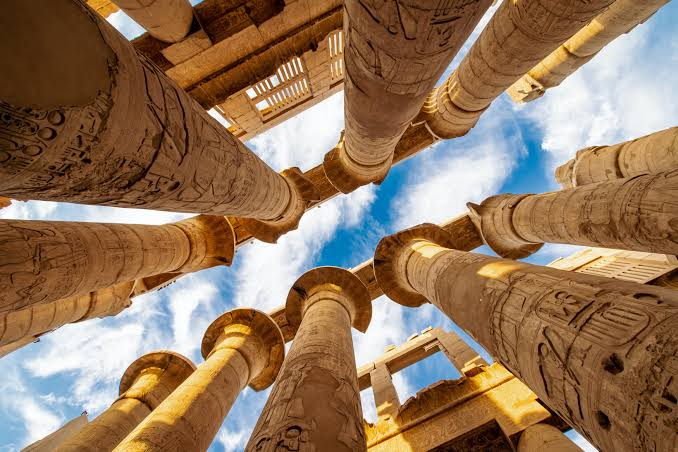
The defining difference is not comfort — it’s access and pace. A luxury Egypt vacation means arriving at Karnak Temple when it opens and standing in the hypostyle hall with 134 towering columns and almost no other visitors, while an Egyptologist who has spent fifteen years studying this site walks you through the inscriptions. Two hours later, the general public arrives. You are already on your private cruise, watching the river from a sundeck.

LUXURY PACKAGE — WHAT TO EXPECT (egytravellux Premium)
Duration: 8–14 days (fully customizable)
Accommodation: 5-star throughout — Marriott Mena House (Cairo), Winter Palace (Luxor), Old Cataract (Aswan)
Cruise: Private dahabiya (2–4 cabins) or Sanctuary Sun Boat IV / Amoura luxury cruise
Guide: Private PhD Egyptologist throughout — exclusive to your party only
Meals: All meals included; private chef dinner options; Nile sundowner service
Entrance fees: All included, plus optional interior pyramid access (pre-booked)
Internal transport: Domestic charter flight available; private luxury vehicle
Extras: Hot air balloon over Luxor, Sound & Light VIP seating, GEM early-entry
Abu Simbel: Private day trip by charter flight from Aswan
Price range: $2,500–$6,000+ per person (all-inclusive land; international flights extra or arrangeable)

The Ultimate Egypt Vacation Itinerary: What to Include

A well-built Egypt vacation package in 2026 covers three distinct geographic zones: Cairo and the Giza Plateau, the Nile Valley corridor from Luxor to Aswan, and optionally the Red Sea coast. Each zone is its own world. Cairo is ancient and modern layered in one city. The Nile Valley is the spiritual spine of Egyptian civilization. The Red Sea is where the world comes to decompress.

Zone 1: Cairo — 2–3 Nights

Cairo is overwhelming in the best possible way — 23 million people, 5,000 years of continuous habitation, the call to prayer from a thousand minarets echoing off limestone walls at 5 AM. The non-negotiables are the Giza Plateau (arrive at opening, before 9 AM), the Grand Egyptian Museum (allow 3–4 hours minimum for the Tutankhamun treasury alone), and a wander through Islamic Cairo’s al-Muizz Street at dusk. Khan el-Khalili bazaar at night, with a mint tea at Fishawi’s Coffeehouse (continuously open since 1797), is the cultural dessert.

Hidden gem for cultural explorers: the Coptic Cairo neighborhood. The Hanging Church (Al-Muallaqah), built in the 4th century AD on top of a Roman fortress gate, is one of the oldest Christian churches in existence and is virtually empty on weekday mornings. Most Cairo tour packages skip it entirely. egytravellux always includes it.

Zone 2: The Nile Valley — Luxor to Aswan (5–7 Nights)

This is the irreplaceable core of any Egypt vacation. The distance from Luxor to Aswan by Nile cruise is approximately 225 km, and it is the most historically dense stretch of river on the planet. Luxor alone contains roughly 30% of the world’s ancient monuments — the Karnak Temple complex (the largest religious building ever constructed), the Valley of the Kings with its 63 identified royal tombs, and Luxor Temple glowing orange under floodlights at 9 PM. Aswan is quieter, warmer, and dominated by the great water: the Aswan High Dam, the granite quarries where ancient Egyptians cut the obelisks, and the Temple of Philae on its island.

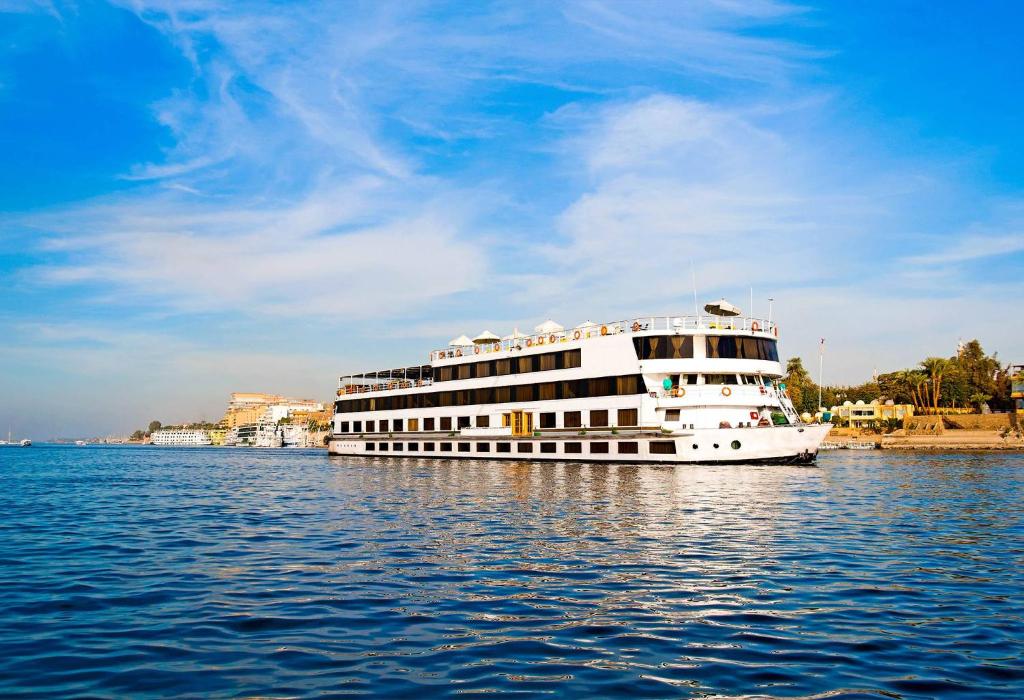
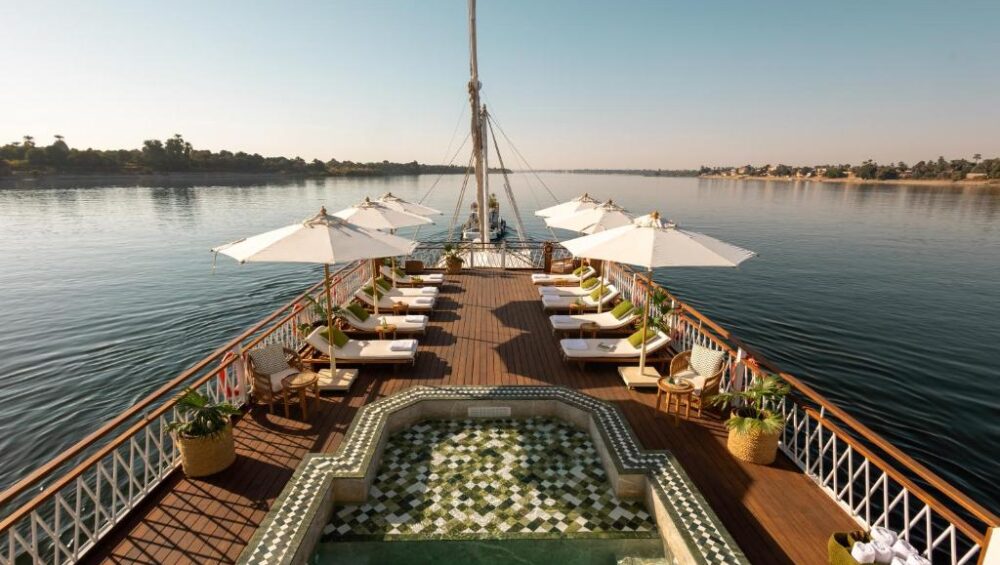
The Nile cruise between these two cities is not transport — it is the experience itself. Watching the Edfu Temple appear between date palms as you round a river bend at 7 AM, the engine barely audible, a cup of coffee in hand: this is what people mean when they say Egypt changed them. The cruise stops at Edfu and Kom Ombo temples, and the best operators — egytravellux included — time arrivals at dawn when crowds are absent.

NILE CRUISE OPTIONS — 2026 COMPARISON
STANDARD CRUISE (3–4 nights, Luxor–Aswan):
  Price: $400–$700 per person | Vessel: 60–100 cabin ship | Meals: Full board | Guide: Shared group
 
PREMIUM CRUISE (5–7 nights, full route):
  Price: $800–$1,500 per person | Vessel: Boutique 20–40 cabin ship | Private deck access | Egyptologist guide
 
LUXURY DAHABIYA (4–7 nights, private sailing vessel):
  Price: $1,800–$3,500 per person | 2–4 cabins only | Private chef | Full butler service | Zero crowds
  Recommended vessels: Amoura, Sonesta Moon Goddess, Sanctuary Sun Boat IV
 
HOT AIR BALLOON (Luxor, sunrise):
  Price: ~$90–$150 per person | Must be pre-booked | Minimum 2 passengers | Best Nov–Mar

Zone 3: Abu Simbel — The Non-Negotiable Day Trip

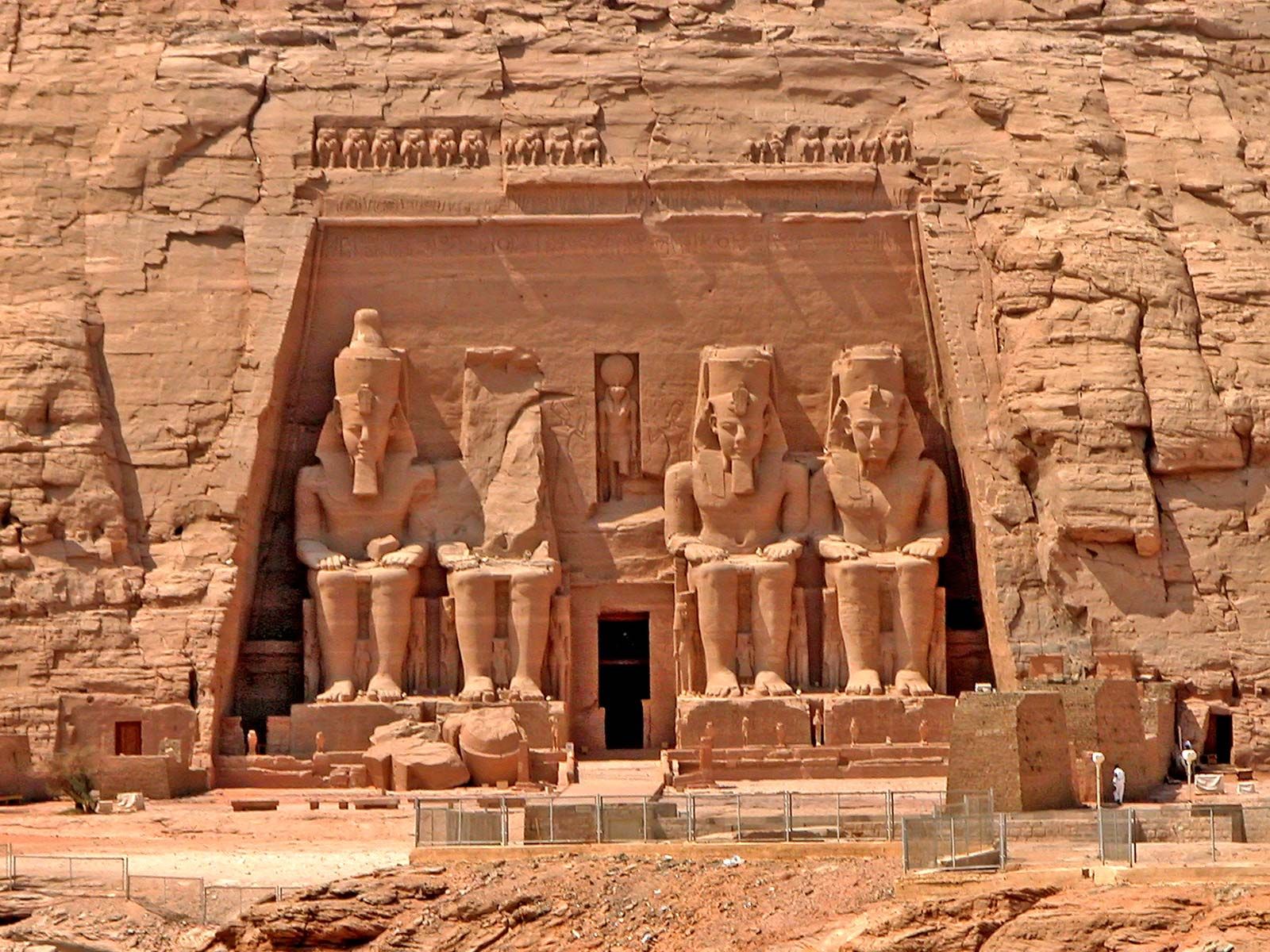
No Egypt vacation is complete without Abu Simbel. Ramesses II built these two rock-cut temples at the far southern edge of his empire around 1264 BC, and had them decorated with reliefs of his own divine status so that conquered Nubian peoples would be left in no doubt about who ruled the world. The four colossal seated figures of Ramesses — 20 metres tall each — watching the sunrise over Lake Nasser are the most audacious piece of architectural arrogance in human history, and they are magnificent.

The UNESCO-led relocation of Abu Simbel in the 1960s (the entire temples were cut into blocks and reassembled 65 metres higher to save them from the rising waters of the Aswan High Dam) is itself a staggering achievement. Fly from Aswan — 55 minutes — or take a 3 AM convoy drive if budget is the priority. The Sun Festival on February 22nd and October 22nd, when the sun aligns to illuminate the inner sanctuary, is a once-in-a-lifetime calendar event.

Zone 4: The Red Sea Coast — Optional but Outstanding

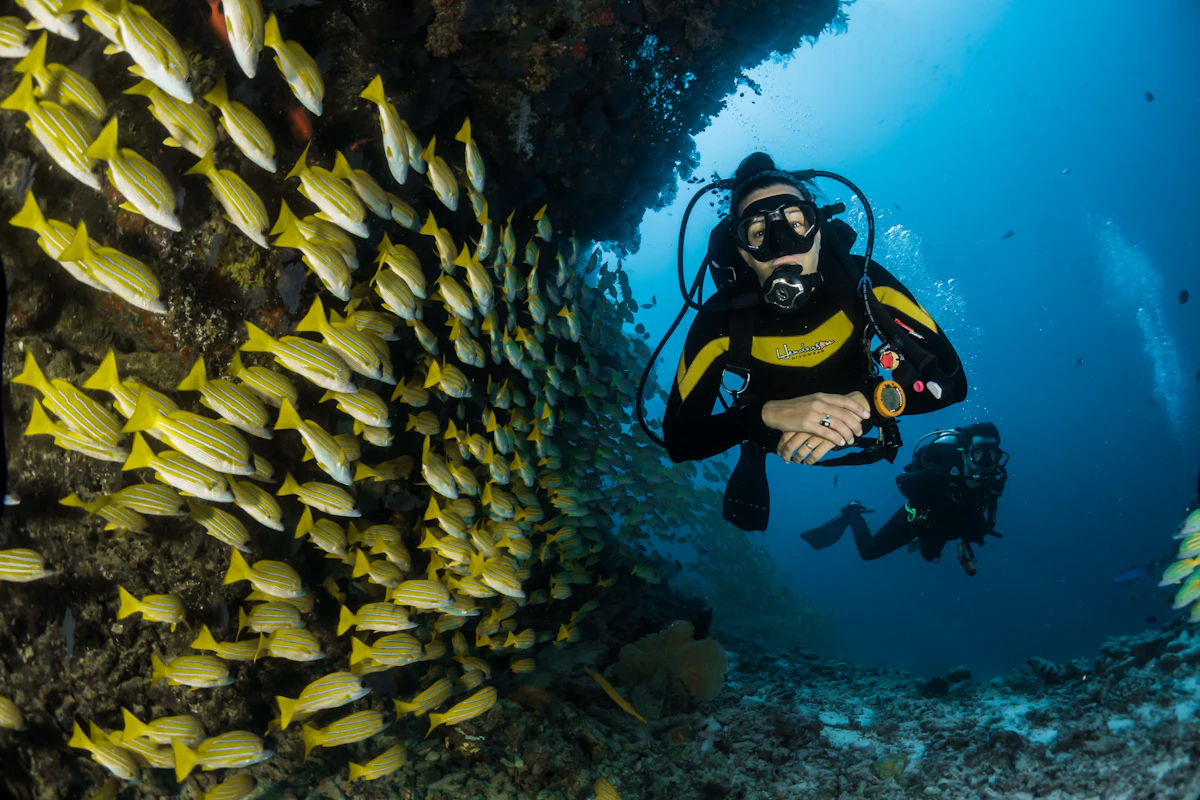
Adding 2–3 nights at Hurghada or Sharm El-Sheikh after the Nile Valley segment is the format that works best for mixed groups: partners who want temples and others who want coral reefs get both. Hurghada is better for diving (the marine biodiversity of the Brothers Islands reef system is world-class); Sharm El-Sheikh has better resort infrastructure and easier connections back to international airports.

The Red Sea coast is where all-inclusive beach resorts operate in the traditional sense. Properties like SUNRISE Arabian Beach Resort and Stella Di Mare Beach Hotel offer the full package: unlimited meals, activities, bars, and entertainment for a fixed nightly rate. These are not sites to rush — plan a minimum of two nights to make the travel worthwhile.

Your Egypt Vacation — Designed for Your Travel Style

🏺 The Cultural Explorer: Depth Over Distance

If you come to Egypt to understand it — not just photograph it — you need an itinerary built around access rather than checkboxes. The single most impactful upgrade you can make to any Egypt vacation package is a licensed Egyptologist as your private guide. Not a driver who has memorized a script. A specialist who can read the hieroglyphic inscriptions at Karnak and explain why the orientation of Ramesses III’s mortuary temple at Medinet Habu tells us something specific about his military campaign in Libya.

Cultural explorers should prioritize: the Tomb of Seti I in the Valley of the Kings (the most elaborately decorated royal tomb ever discovered, only recently restored and reopened to limited visitors), the temple precinct of Dendera with its preserved Zodiac ceiling, and the off-map site of Abydos — home to the Temple of Seti I and the Osireion, a mysterious subterranean structure dedicated to the resurrection god Osiris. These three sites require a dedicated day from Luxor and appear in almost no standard packages.

🔍 CULTURAL EXPLORER — HIDDEN GEM SITES FOR 2026
Dendera Temple Complex (2 hrs from Luxor): The Hathor Temple has the best-preserved painted ceilings in Egypt. The famous Dendera Zodiac (the original is in the Louvre, but the carved ceiling here is extraordinary). Visit at 7 AM before the tour buses.
Abydos (3 hrs from Luxor): The Osireion and Temple of Seti I — this is where pharaohs came to be declared legitimate rulers before the gods of creation. Almost no mass-market packages include it.
Medinet Habu (Luxor, West Bank): The mortuary temple of Ramesses III is better preserved than most Karnak sections, and at 6:30 AM it is almost deserted. The hieroglyphic texts of the Sea Peoples War are here.
Siwa Oasis (750km west of Cairo): The Oracle Temple where Alexander the Great was declared a god. No crowds, no tour buses — just palm groves, salt lakes, and 3,000 years of complete silence.
egytravellux includes Dendera and Abydos as a standard option on all 10-day+ cultural itineraries.

💎 The Luxury Seeker: The Private Egypt Nobody Else Sees

A luxury Egypt vacation in 2026 is not about five-star thread counts (though those are here too). It is about exclusive access and pace. The Old Winter Palace Hotel in Luxor, opened in 1907 and still operated by Sofitel, has a terrace where Agatha Christie wrote “Death on the Nile.” The Old Cataract Hotel in Aswan sits on a granite cliff above the First Cataract, and the view at sunset — the Nile turning from bronze to ink, the feluccas catching the last wind, Elephantine Island in silhouette — is one of the most beautiful panoramas in the world.

egytravellux’s luxury packages include elements that cannot be booked independently: pre-dawn private access to Karnak Temple (a site management arrangement that allows entry 45 minutes before public opening), a private dinner at the base of the Colossi of Memnon, and a full-day charter to Abu Simbel that includes arrival before the tour groups and a private picnic at the lake edge. None of these are advertised online. They are curator-level experiences built on years of relationships with Egyptian authorities.

🌟 LUXURY EGYPT VACATION — egytravellux SIGNATURE PACKAGE (10 DAYS)
Day 1–2:   Cairo — Marriott Mena House; private GEM early-entry; Coptic Cairo; Khan el-Khalili by private car
Day 3:     Private Giza tour at opening + Solar Boat Museum; interior of Great Pyramid; 5-star lunch
Day 4:     Fly Aswan; Old Cataract Hotel; Philae Temple by private felucca at sunset
Day 5:     Private charter Abu Simbel + Lake Nasser picnic; return Aswan for Elephantine Island evening
Day 6–10:  Board private dahabiya Aswan–Luxor; Edfu (dawn arrival); Kom Ombo; Esna; Valley of Kings (2 days)
Day 10:    Hot air balloon over Luxor at sunrise; Karnak pre-opening access; fly Cairo/home
All-inclusive: Accommodation, all meals, Egyptologist, all transfers, all tickets, balloon, Abu Simbel charter
Price: From $4,200 per person | Fully private | Free consultation: www.egytravellux.com/consultation

👨‍👩‍👧 The Family Traveler: Egypt That Works for Everyone

Egypt is better for families than most parents expect — and worse than most travel brochures suggest, for reasons that are entirely manageable with the right preparation. The good news: Egyptian culture loves children with a warmth that is entirely genuine, entrance fees for children under 12 are substantially reduced, and the scale of the monuments creates the kind of authentic, screen-free wonder that parents spend years trying to engineer. The pyramids do not need a presenter.

The logistics are where preparation matters. Young children cannot enter pyramid interiors (under-6 restriction) and may find the Valley of the Kings challenging without a guide who can calibrate the narrative for their age. The GEM is exceptional for families — air-conditioned, well-organized, with a dedicated children’s gallery and a full restaurant. A Nile cruise is phenomenal for families: enclosed, safe, beautiful, and with enough downtime between temple stops for children to use the pool and recover. Plan a maximum of two site visits per day for any child under 10.

👨‍👩‍👧 FAMILY EGYPT VACATION CHECKLIST — 2026
Best format: Private 10-day package (Cairo + Nile cruise + optional Red Sea)
Best months: November, February, March — cool enough for children to handle full-day itineraries
Accommodation: Choose cruise ships with a children’s pool; hotels with in-room fridges for baby supplies
Meals: All major tourist restaurants cater to Western palates; cruise ships offer child menus
Medical: Bring a full first aid kit; ibuprofen and rehydration sachets are essential (heat + new food)
Strollers: Useless at Giza and Valley of Kings (sand + uneven stone) — use a carrier for toddlers
Night temperature: Cairo in winter drops to 8°C at night — pack a real jacket for children
Safety: Egypt is consistently reported as safe for family travel; tourist areas have visible police presence
egytravellux family packages include child-paced Egyptologist guides and private transfer throughout

The Solo Adventurer: Egypt on Your Own Terms

Solo travel in Egypt has a texture that group and family travel simply cannot replicate. You eat when you want, stop when something interests you, and end up in conversations with local archaeologists at Luxor guesthouses that reshape everything you thought you knew about the ancient world. The Luxor west bank guesthouse scene — particularly the Marsam Hotel, favored by excavation teams since the 1920s — operates as an informal salon for solo travelers who actually want to understand where they are.

Safety for solo travelers, including solo women, is manageable with direct preparation. Dress modestly (shoulders and knees covered in non-resort areas), use Uber or Careem rather than unmarked taxis, and stay in well-reviewed accommodation. The solo premium on private packages is real — you pay more per person because the vehicle and guide cost is fixed — but joining a small-group tour of maximum eight people splits that cost and adds the social element without the cattle-herd experience of a 16-seat bus.

 SOLO ADVENTURER — OFF-THE-BEATEN-PATH EGYPT 2026
Dahshur at sunset (solo, no guide needed): The Bent Pyramid and Red Pyramid with almost zero tourists. Take an Uber from Giza (~$6). Budget 2 hours. The Red Pyramid interior is open and extraordinary.
Luxor west bank by bicycle: Rent a bike from the ferry landing (EGP 50/day) and ride to Medinet Habu at 6 AM — the muezzin call echoing off 3,200-year-old walls with no other tourist in sight.
Siwa Oasis 3-day solo trip: Bus from Cairo or charter jeep. Stay at Adrere Amellal eco-lodge (no electricity, no Wi-Fi, absolute silence). Visit the Oracle Temple of Amun where Alexander asked about his destiny.
Coworking + culture: Cairo’s Workshop Coworking in Maadi (day pass ~$10); 4G SIM card 30GB for $3. 40Mbps average speed in Cairo. Drops inside tombs — bring downloaded offline maps.
Social scene: Sequoia restaurant on the Nile (Cairo) for meeting other travelers; Sofra restaurant (Luxor) for the best local food with a genuinely mixed crowd.
egytravellux builds solo-optimized itineraries that combine group morning temple tours with solo afternoon freedom.

Egypt Vacation Packages 2026: Complete Price Comparison

Use this master table to match your budget, travel style, and preferred duration to the right package type. All prices are land-only (excluding international flights) and are quoted per person based on double occupancy unless otherwise noted.

Package TypeDurationPrice/PersonBest For
Budget group tour7–10 days$800–$1,400Solo travelers, young couples, first-timers on budget
Mid-range group (incl. Nile cruise)8–12 days$1,400–$2,000Couples, small groups, balanced culture + comfort
Mid-range private (2 pax)8–12 days$1,800–$2,500Couples wanting private guide without luxury price
Luxury private (2 pax)10–14 days$2,500–$4,500Honeymoons, milestone trips, luxury seekers
egytravellux ultra-private8–14 days$4,200–$6,500+VIP, exclusive access, dahabiya, PhD Egyptologist
Beach all-inclusive (Red Sea)7 nights$700–$1,800Beach lovers, family relaxation, post-tour decompression
Cairo-only weekend (3 nights)3–4 days$400–$900City-break travelers, transit stopover maximizers
Cairo + Nile cruise (no Red Sea)9–11 days$1,200–$3,500Culture-focused, no beach needed, maximum history

Note: Exchange rates fluctuate. USD 1 ≈ EGP 50 as of early 2026. Packages priced in USD by international operators are stable; packages priced in EGP locally offer even better value as the rate moves. Always confirm inclusions of: entrance fees, domestic flights, GEM ticket, tipping, and visa assistance before booking.

The Questions You Didn’t Know to Ask — Answered

Do I Need a Visa for Egypt in 2026?

Citizens of most Western nations (USA, UK, EU, Australia, Canada) can obtain an Egypt e-Visa online at visa2egypt.gov.eg for approximately $25 USD. Apply at least 72 hours before travel. Visas on arrival are also available at Cairo International Airport for $25 USD cash (USD, EUR, or GBP accepted). Some nationalities qualify for a free visa on arrival — check your specific country on the official portal before departure.

egytravellux’s all-inclusive packages include visa application assistance as standard. You supply the passport scan and payment; we handle the submission and follow up on your behalf. It takes 15 minutes and eliminates the single most common pre-departure anxiety for first-time Egypt visitors.

How Do I Handle Street Vendors Without Conflict?

Vendors at major sites — Giza, Luxor, Karnak — are persistent, skilled conversationalists, and entirely manageable once you know the approach. One clear, friendly “La, shukran” (No, thank you) in Arabic, said with brief eye contact and then continued walking, signals cultural awareness and firm disinterest simultaneously. Do not smile apologetically while declining — it reads as hesitation. Do not begin a price negotiation unless you intend to buy.

If you have a private guide, this problem effectively disappears — they run interference continuously and their presence signals to vendors that you are in a managed party. On solo or group tours without a dedicated guide at the gate, the skill is learned within 30 minutes of your first site. It becomes genuinely stress-free. The vendors are not aggressive; they are entrepreneurial.

2026 Tipping Guide for Egypt Vacation Packages

ServiceRecommended Amount (2026)
Private Egyptologist guide (full day)EGP 400–700 / $8–14 USD per person
Shared group guide (full day)EGP 200–400 / $4–8 USD per person
Private driver (full day)EGP 150–250 / $3–5 USD
Nile cruise cabin steward (per night)EGP 50–100 / $1–2 USD
Hotel porter (per bag)EGP 20–50 / $0.40–1 USD
Restaurant (tourist areas)12–15% of bill
Felucca captain (half-day)EGP 100–200 / $2–4 USD
Temple attendant who opens gate/shows detailEGP 20–50 / $0.40–1 USD
Toilet attendant at sitesEGP 5–10 / $0.10–0.20 USD

Is Egypt Safe for International Tourists in 2026?

Egypt is consistently rated as one of the safer destinations in the MENA region for international tourists. The 2026 travel advisories from the UK FCDO and US State Department both classify tourist areas (Cairo, Luxor, Aswan, Red Sea resorts) as standard travel risk — the same category as many Southern European cities. Tourist police are visibly present at all major sites. The practical concerns are petty theft (keep bags in front of you at bazaars), vendor pressure (entirely manageable), and sun-related illness (preventable with water and sunscreen).

North Sinai is categorized differently and should be avoided — this does not affect any standard tourist itinerary. The Sinai Peninsula’s resort areas (Sharm El-Sheikh, Dahab, Taba) are in South Sinai and are safe, as confirmed by the continued operation of major international hotel chains throughout the region.

Is Wi-Fi and 4G Reliable Enough for Remote Workers?

Cairo and Giza: strong 4G throughout (Vodafone Egypt or Orange Egypt SIM, 30GB for EGP 150 / ~$3 USD). Luxor and Aswan: reliable 4G in all major hotels and tourist areas. Nile cruise ships at 4-star and above: satellite Wi-Fi standard, download speeds of 10–20 Mbps typical. Dead zones: inside pyramid chambers and deep in Valley of the Kings tombs — download offline maps before entering. Siwa and desert areas: patchy to none; plan accordingly.

What to Pack for an Egypt Vacation: Season-by-Season

luxury egypt holiday

Peak Season (November – February)

  • Layers are essential: Cairo nights drop to 8–10°C — bring a real jacket, not just a light cardigan
  • Comfortable closed-toe walking shoes for temple floors (uneven limestone; no sandals at Karnak)
  • Scarf or shawl: required for women at mosques and Islamic sites; doubles as sun protection on desert sites
  • Sunscreen SPF 50+: winter sun reflects off pale limestone with surprising intensity
  • Light cotton or linen layers for daytime — even winter Aswan reaches 26°C in the afternoon
  • Portable power bank: full-day tours drain phones rapidly between navigation, photography, and translation apps
  • Small daypack with a secure zip pocket for tickets, passport copy, and cash

Shoulder Season (March – April, October)

  • Same as peak season, plus electrolyte packets — April heat in Upper Egypt builds fast
  • Wide-brim hat and UV-protection clothing for extended open-air sites like Giza and Saqqara
  • Check Ramadan dates for 2026 — site hours and restaurant availability shift during the holy month

Summer Season (May – September)

  • Electrolytes are non-negotiable: dehydration in 40°C+ heat is a real risk
  • Loose, long-sleeved UV-protection shirts: counterintuitively cooler than tank tops in direct desert sun
  • 2L+ refillable water bottle — bring from home to reduce plastic waste at sites
  • Cooling towel and small handheld fan for open-air temple sections
  • Plan all temple visits for 6–9 AM and 4–6 PM only; use midday for GEM (air-conditioned) or hotel pool

FAQ — Egypt Vacation Packages 2026

Q1: How much does an all-inclusive Egypt vacation cost in 2026?

The average cost of a 10-day tour is approximately $1,800 per solo traveler or $2,300 per couple for a mid-range all-inclusive land package (EgyptToursPlus, 2025). Budget packages start around $800 per person for a 7-day trip. Luxury private packages begin at $2,500 per person and can reach $6,000+ for fully curated, dahabiya-based itineraries. International flights are typically additional; round-trip tickets from US East Coast cities range from $700–$1,200 when booked 2–3 months in advance.

Q2: Is it worth booking an all-inclusive Egypt package vs. traveling independently?

For first-time visitors: yes, an all-inclusive package adds enormous value. Egypt’s logistical complexity — navigating domestic flights, negotiating taxi fares, managing entrance ticket queues, and understanding which sites are worth visiting in what order — is genuinely overwhelming without local expertise. The cost premium over independent travel is typically $200–500 per person for a 10-day trip, and in return you get a guide who transforms the monuments from impressive stones into living history. That trade-off is worth it for the vast majority of travelers.

Q3: What is the best Egypt vacation package for families?

A private 10-day package combining Cairo (2 nights) with a Nile cruise (5 nights) and optional Red Sea (2 nights) is the established best format for families. Private packages allow child-paced itineraries, flexible meal times, and guides who adjust their narrative depth for different ages. November through February is the best window for families: temperatures are manageable and the school holiday timing in most markets coincides with peak season quality.

Q4: Which Egypt vacation package is best for a honeymoon?

A luxury private dahabiya cruise from Aswan to Luxor (4–5 nights) combined with 2 nights at the Old Cataract Hotel in Aswan and the Old Winter Palace in Luxor is the definitive honeymoon Egypt experience. The dahabiya — a traditional wooden sailing vessel with 2–4 cabins maximum — offers complete privacy, sundowner cocktails on the upper deck, and dawn arrivals at Edfu and Kom Ombo temples before any other vessel has docked. Add a private hot air balloon over Luxor at sunrise and the experience is complete.

Q5: When is the best time to book an Egypt vacation in 2026?

For peak season travel (November–February), book at least 3–4 months in advance. Luxury Nile cruises and private dahabiyas sell out in February 6+ months ahead. The Grand Egyptian Museum now requires advance timed-entry tickets during peak season, which can also sell out. For shoulder season (March–April, October), 6–8 weeks is sufficient for most packages. egytravellux recommends booking any December or January trip by September at the latest.

Q6: Do I need vaccinations for Egypt?

There are no mandatory vaccinations for most travelers visiting Egypt from the US, UK, EU, or Australia. The recommended vaccinations (hepatitis A, typhoid, standard travel vaccines) are worth discussing with a travel medicine physician at least 4–6 weeks before departure. No malaria prophylaxis is required for standard tourist itineraries (Cairo, Luxor, Aswan, Red Sea). Bring all personal medications in original packaging with a doctor’s letter for prescription items.

Q7: Can I combine Egypt with another country in one trip?

Egypt pairs exceptionally well with Jordan (Petra, Wadi Rum) as a 14–16-day combined itinerary, operated by most major tour companies including egytravellux. The Egypt-Morocco combination is growing in popularity for travelers wanting a broader North African cultural experience. Greece or Turkey as a pre- or post-Egypt extension works well given the direct flight connections. egytravellux builds multi-country custom itineraries on request — the free consultation is the right starting point for these conversations.

The Right Egypt Vacation Package Is the One Built for You

Egypt in 2026 is the most visit-ready it has been in a generation. The infrastructure is exceptional, the Grand Egyptian Museum has reshaped what a Cairo day looks like, and the Nile Valley operates with a maturity of tourism service that rewards travellers who show up prepared. The choice between budget and luxury, between beach and Nile, between group and private is not about which is better — it is about which is better for you, specifically.

The biggest mistake most travelers make is booking an Egypt vacation package that was designed for someone else. A family needs a different guide pace, a different accommodation type, and a different daily structure than a solo adventurer or a luxury honeymoon couple. Getting that match right is what turns a good trip into the trip that people talk about for the rest of their lives.

Design Your Egypt Vacation with egytravellux

Tailor-made packages for families, solo travelers, luxury seekers & cultural explorers.

Book a FREE 30-minute consultation Now!

egytravellux builds every Egypt vacation package around your travel style, your budget, and your specific travel party — not a template that was built for the median tourist. Whether that means a private dahabiya with a PhD Egyptologist, a family-paced Nile cruise with a child-friendly guide, or a solo cultural itinerary that visits Abydos at dawn with nobody else in the site, we have built that experience before and we will build it again for you.

Pyramids Cairo Tour Prices

Pyramids Cairo Tour Prices: Day Trip vs Full Package 2026 Guide

The Last Wonder Is Waiting — But How You See It Changes Everything

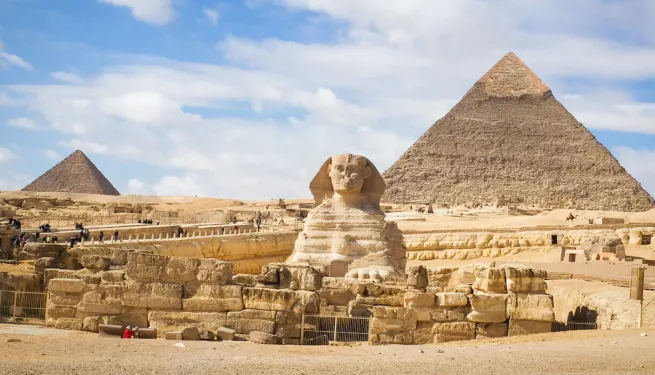
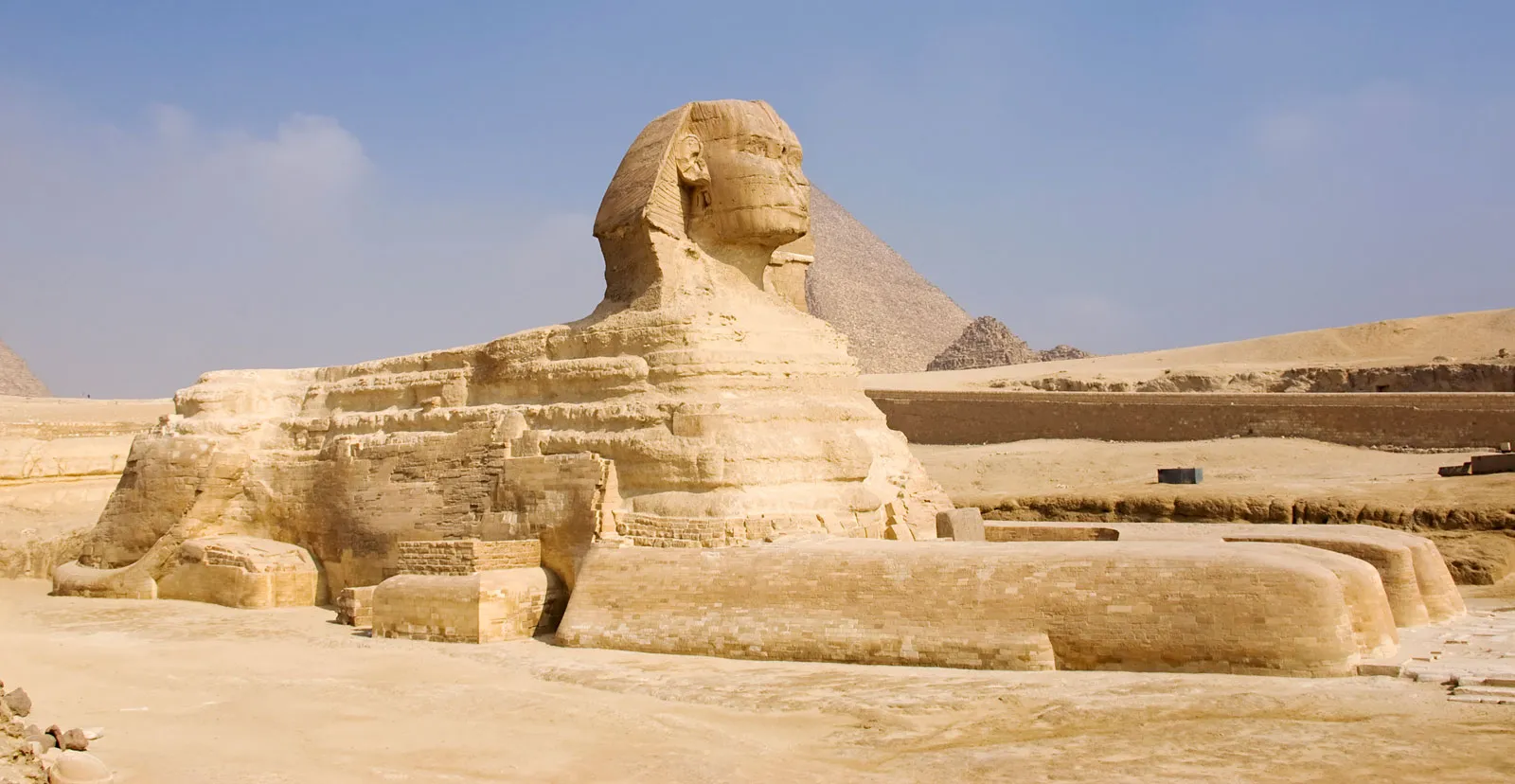
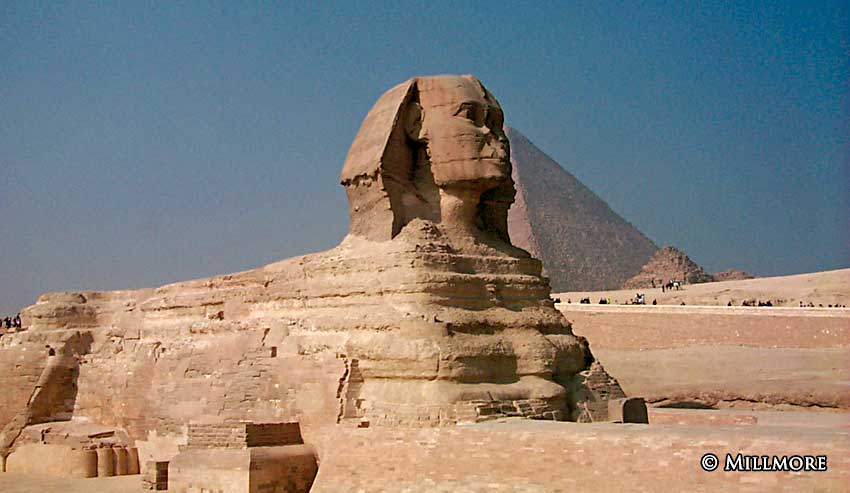
At 6:15 AM, before the tour buses arrive, the Giza Plateau belongs to nobody. The three pyramids cut hard triangles into a bruised purple sky, and the Sphinx stares east as if it has been waiting four and a half millennia for the sun to prove its loyalty. You can feel the geometry of the place before you can even name it. There is no checklist that prepares you for this, though knowing the best time to visit Egypt ensures you experience this stillness in the most perfect light.

The only question worth answering beforehand is not whether to go it’s how. A Pyramids Cairo Tour in 2026 comes in more shapes than most travelers realize, with options tailored to every budget and interest. Understanding the current Pyramids Cairo Tour prices is the first step in planning an experience that fits your vision.

You can be at the Sphinx by 8 AM and back at your hotel pool by 1 PM, or you can spend a full day moving between Giza, the Grand Egyptian Museum, and Saqqara with a licensed Egyptologist who makes the stones speak. This guide  built by egytravellux — breaks down every real option, every honest price, and every detail that first-timers, families, luxury seekers, and solo adventurers actually need.

BY THE NUMBERS: EGYPT PYRAMIDS TOURISM 2026
  •  Egypt received approximately 19 million international visitors in 2025 — a 21% year-on-year increase (Egypt Independent, Jan 2026)
  •  The Grand Egyptian Museum (GEM), opened fully Nov 2025, holds 100,000+ artifacts and draws 5M+ projected annual visitors
  •  The Giza Plateau is the most-visited site in Africa — peak season (Nov–Feb) sees 15,000+ daily visitors
  •  Guided tours range from $45–$75/person (group) to $150–$250/person (private Egyptologist) — Pure Nile Tours, Jan 2026
  •  General Giza Plateau entry: 700 EGP (~$14 USD) per adult; Great Pyramid interior: 1,500 EGP (~$30 USD)

What Does a Pyramids Cairo Tour Actually Include?

The phrase “pyramids Cairo tour” covers an enormous range. A $30 shared minibus with a driver who speaks partial English is technically a tour. So is a $450-per-person private Egyptologist experience with a five-star lunch and an after-hours sunset viewing. Understanding the layers is how you avoid disappointment  or overpaying.

Every legitimate tour includes transport from your Cairo or Giza hotel to the plateau. What varies enormously is whether entrance fees are included, whether your guide is a licensed Egyptologist or simply a driver with enthusiasm, and whether the itinerary extends beyond the pyramids to the GEM, Saqqara, or the Khan el-Khalili bazaar.

ComponentBudget TourPremium Tour
Hotel pickupIncludedIncluded (private vehicle)
Plateau entry ticketsOften NOT included — check firstIncluded
Guide typeDriver-guide (English varies)Licensed Egyptologist
Pyramid interior ticketExtra cost ($10–30 USD)Often included
Grand Egyptian MuseumSeparate add-onIncluded in full-day packages
Saqqara / DahshurSeparate day requiredAvailable as combo
LunchNot included / extraIncluded (hotel-standard restaurant)
Group size8–15 peoplePrivate: you + guide only
Camel rideNegotiated on-site (extra)Offered, usually included
Estimated total cost$45–80 per person$150–$350 per person


Day Trip vs Full Package: The Real Difference

pyramids day trip cairo

This is the decision most travelers get wrong because they focus on price before understanding what each option actually delivers. A half-day trip is not a cut-down version of a full-day trip. They are genuinely different experiences designed for different priorities.

The Half-Day Trip (4–5 Hours): Who It’s For

You are out of your hotel by 7:30 AM and back by 1:00 PM. You see the three pyramids, the Sphinx, the Valley Temple, and the panoramic viewpoint from the western desert edge  where you get that iconic angle of all three pyramids in a single frame with no Cairo in the background. This is the photograph. This is the moment.

Half-day tours work beautifully for travelers who are in Cairo for only one night (a common Red Sea connection), for families with young children who lose focus after three hours, and for experienced travelers on a return visit who simply want the pyramids without the full production. They do not work if the GEM is on your list  that alone needs three to four hours.

The Full-Day Package (8–10 Hours): The Complete Picture

A proper full-day tour from Cairo typically combines the Giza Plateau (3–4 hours, ideally starting at opening time) with the Grand Egyptian Museum (2–3 hours) and often includes lunch at a Nile-view restaurant between the two. Some operators extend to Saqqara Egypt’s oldest pyramid site and the location of the step pyramid of Djoser, which predates Giza by a century. This is the version that answers every question you didn’t know you had.

Cultural explorers especially benefit from the full-day format. The GEM houses Tutankhamun’s complete treasure collection  all 5,000+ pieces, assembled for the first time in one place after decades across multiple Cairo museums. Seeing the golden death mask in person, then standing at the base of the Great Pyramid two hours later, creates a depth of understanding that no photograph or documentary can replicate.

  HALF-DAY TRIP  FULL-DAY PACKAGE
Duration: 4–5 hoursDuration: 8–10 hours
Sites: Giza Plateau + Sphinx onlySites: Giza + GEM + optional Saqqara
Best for: Tight itineraries, families with toddlers, return visitorsBest for: First-timers, culture seekers, luxury travelers

Pyramids Cairo Tour Prices range: $45–95 per person

Pyramids Cairo Tour Prices range: $120–$350 per person

Lunch: Not included (back before midday)Lunch: Usually included at restaurant
Guide depth: Site overviewGuide depth: Full historical narrative + GEM context
Energy level required: Low–moderateEnergy level required: Moderate–high

Pyramids Cairo Tour Prices : Every Ticket & Tour Cost

Pyramids Cairo Tour

Prices below are accurate as of early 2026. All EGP figures are current; USD conversions use approximately 50 EGP = $1 USD (verify current rate before travel — the EGP has been volatile since 2024 devaluations). Ticket prices are set by Egypt’s Ministry of Tourism and Antiquities and are non-negotiable at the gate.

Official Entrance Fees — Giza Plateau & Pyramids


Ticket TypePrice (EGP / USD approx.)
Giza Plateau general entry (all 3 pyramids exterior + Sphinx)700 EGP ≈ $14 USD
Inside: Great Pyramid of Khufu1,500 EGP ≈ $30 USD
Inside: Pyramid of Khafre280 EGP ≈ $5.60 USD
Inside: Pyramid of Menkaure200 EGP ≈ $4 USD
Grand Egyptian Museum (GEM) general entry1,200 EGP ≈ $25 USD
Saqqara Plateau (Step Pyramid complex)450 EGP ≈ $9 USD
Dahshur Necropolis (Bent Pyramid + Red Pyramid)60 EGP ≈ $1.20 USD
Sound & Light Show (evenings)450 EGP ≈ $9 USD
Student discount (valid ISIC card)50% off all sites
Children under 6Free entry at all sites


Tour Package Pricing: Budget, Mid-Range & Luxury


Tour TypeWhat You GetPrice Per Person (2026)
Shared group half-dayMinibus, guide, plateau entry NOT included$35–50 USD
Shared group full-day + GEMMinibus, Egyptologist, lunch, tickets sometimes included$65–100 USD
Private half-day (2 pax)Private vehicle, licensed guide, plateau tickets included$90–140 USD
Private full-day + GEM (2 pax)Private vehicle, Egyptologist, all tickets, lunch$150–250 USD
Private multi-site (Giza+Saqqara+GEM)Full 10-hr day, all tickets, lunch, camel ride$200–320 USD
Luxury VIP private dayLuxury vehicle, Egyptologist PhD, 5-star lunch, GEM priority access$350–600 USD
egytravellux custom packageFully tailor-made: timing, sites, guide level, dietary needsFrom $180 USD — free consultation


Solo travelers pay more per person on private tours  this is unavoidable since the vehicle and guide cost is fixed. For solos on a budget, joining a small-group tour (maximum 6 people) offers a much better guide-to-tourist ratio than a 15-person bus without the solo premium.

Your Pyramids Tour  Built Around You

 The Cultural Explorer: Beyond the Postcard

If you come to understand the pyramids, not just photograph them, you need a guide who holds a degree in Egyptology  not just a driver who has memorized a script. The Great Pyramid of Khufu was completed around 2560 BC and held the record as the world’s tallest man-made structure for 3,800 years. It contains an estimated 2.3 million limestone blocks, each weighing between 2.5 and 15 tonnes, fitted so precisely that a knife blade cannot pass between them. Your guide should be able to tell you what’s still being debated about how it was built.

Most tourists skip the Solar Boat Museum, attached to the south face of the Great Pyramid  a grievous oversight. The 4,600-year-old cedar boat was reassembled from 1,224 pieces and is the oldest intact vessel on earth. The second solar boat, excavated in 1987, is now displayed in a dedicated wing of the GEM. This is the kind of thing a proper Egyptologist shows you without being asked.


 CULTURAL EXPLORER: HIDDEN GEM SITES NEAR GIZA
Tomb of Qar (Mastaba of Qar): An Old Kingdom official’s tomb on the Giza Plateau painted reliefs still vivid after 4,000 years, almost never mentioned in standard tour scripts.
Tomb of Seshemnufer IV: Near the eastern cemetery of Khufu  rarely visited, genuinely intimate, access via your Egyptologist guide.
Memphis Open Air Museum (30 min from Giza): The fallen colossus of Ramesses II laid on its back, 10 metres of calm power  most day-trippers skip it entirely.
Dahshur Necropolis: The Bent Pyramid (2600 BC) and the Red Pyramid are accessible for 60 EGP total and see 1/50th the crowds of Giza. The Red Pyramid interior is open and extraordinary.
egytravellux includes Dahshur and Memphis on request in any custom itinerary.

The Luxury Seeker: The Private Pyramid Experience

The standard luxury Cairo pyramid tour means a private air-conditioned vehicle from your five-star hotel, a PhD-level Egyptologist as your exclusive guide, and a reserved table at a Nile-view restaurant for lunch. But egytravellux can go further. Sunrise access at the Giza Plateau before the general public arrives  through arrangements with site management  means 30 minutes inside the complex with near-total silence, the early light catching the limestone in a way that no afternoon photograph has ever captured.

The GEM now has a premium lounge tier with early-entry access to Tutankhamun’s treasury before the guided tour groups arrive at 9:30 AM. For the evening, the Sound & Light Show at the Sphinx is genuinely spectacular when booked with VIP seating on the exclusive upper terrace rather than the general audience area. Add a rooftop dinner at Sequoia on the Nile, and you have a day that competitors simply cannot replicate with a shared bus.

 LUXURY SEEKER: VIP PYRAMIDS CAIRO TOUR (egytravellux)
7:00 AM: Private vehicle pickup from your hotel (Four Seasons, Marriott, Kempinski)
7:30 AM: Arrive at Giza before general opening — near-private plateau access
9:30 AM: GEM early-entry, Egyptologist-led Tutankhamun Treasury tour
12:30 PM: Lunch at Marriott Mena House, pyramids visible from the garden terrace
2:30 PM: Saqqara — Step Pyramid of Djoser with optional tomb of Mereruka
5:00 PM: Dahshur sunset at the Red Pyramid (virtually no other tourists)
7:30 PM: Return to hotel OR Sound & Light Show VIP seating
Price: From $420/person | Fully private | All tickets included | Free consultation at egytravellux.com

The Family Traveler: Making It Work With Kids

Families are Egypt’s fastest-growing tourist segment and for good reason. Children are greeted with genuine warmth throughout the country, and the pyramids are one of the few “big” sites where kids experience authentic awe rather than adult-translated significance. The sheer scale does the work. A ten-year-old standing at the base of Khufu, craning their neck, needs no explanation.

Logistics matter for families more than any other group. Arrive at the plateau no later than 8:00 AM to beat the main crowd and the midday heat. Children under six enter free. Note that children under six are not permitted inside the pyramid interiors for safety reasons  so factor that into who goes in and who waits. The GEM has excellent air conditioning, a dedicated children’s gallery, and a full-service restaurant — ideal for the post-pyramid recovery hour.

 FAMILY TRAVELER: PRACTICAL PYRAMID CHECKLIST
Best tour format: Private half-day (Giza) + GEM afternoon — keeps the day under 8 hours
Best months for families: November, February, March — manageable heat, school-holiday timing
Camel ride: Fun for ages 5+ but negotiate the price BEFORE mounting — agree on return price upfront to avoid disputes
Food at the plateau: Bring snacks and at least 1.5L water per person — on-site vendors are pricey
Safety: Stay on main paths and keep children beside you in the eastern cemetery (narrow passages between mastabas)
Restrooms: Clean facilities near the main ticket office and near the Sphinx viewpoint — use them before entering
Strollers: Not practical on the plateau (sand and uneven stone) — use a carrier for toddlers
egytravellux tip: Book morning entry before 9 AM — the crowds after 10 AM are genuinely overwhelming for small children


 The Solo Adventurer: Off the Standard Route

Cairo’s solo traveler scene is more developed than most visitors expect. The city has a robust hostel network in Zamalek and downtown, a thriving coworking culture, and a social layer around the Giza area that solo travelers have been tapping into for decades. The Marsam Hotel equivalent in Cairo is the Pension Roma  a 1940s Art Deco gem in downtown that charges $25/night and serves coffee in rooms with original tile floors. It’s the kind of place that has a story in every corner.

For the truly independent, a Cairo to Giza pyramid visit can be done solo for under $30 total  Metro Line 2 to Giza Station, then a 10-minute Uber to the plateau. The entrance fee, water, and a local koshary lunch afterward: done. What you miss is context. The stones do not speak for themselves to the uninformed eye. Even a $20 shared tour with a decent guide adds more meaning to the plateau than two hours of solo wandering.

 SOLO ADVENTURER: OFF-THE-BEATEN-PATH PYRAMID EXPERIENCES
Sunset at Dahshur: Take an Uber from Giza (30 min, ~$6) to Dahshur in the late afternoon. You will very likely be the only foreign tourist there. The Red Pyramid at golden hour is extraordinary.
Desert edge viewpoint: Walk or take a camel to the western panoramic viewpoint on the desert ridge — free, no guide required, best between 7–9 AM.
Evening at Khan el-Khalili: End your pyramid day at the bazaar. Arrive at 7 PM when it cools, find Fishawi’s Coffeehouse (open since 1797), order a mint tea, and do nothing for an hour.
Coworking with a view: After pyramids, Cairo’s Workshop Coworking in Maadi has day passes for ~$10 USD. 4G SIM card (Orange Egypt, 30GB for $3) keeps you connected everywhere except inside tombs.
Solo safety: Egypt is generally safe for solo travelers. Use Uber/Careem instead of unmarked taxis. At the plateau, say ‘La shukran’ (No, thank you) clearly once to vendors and keep walking.

The Questions Nobody Asks But Every Traveler Needs Answered

How Do You Handle Pyramid Street Vendors Politely?

The Giza Plateau has vendors, camel handlers, and souvenir sellers it is a fact of life and has been for decades. The approach that works: one firm, friendly “La, shukran” (No, thank you) in Arabic, eye contact maintained for exactly one second, then you keep walking. No smile that could be misread as invitation. No extended eye contact. No stopping to explain that you don’t want anything.

The camel handler situation deserves special attention. If you want a camel ride, agree on the price for the full round trip BEFORE you get on. The common friction point is being taken to a viewpoint and then being told the agreed price was only one way. Confirm: “This price is for the full ride, both ways, back to this exact spot?” A good guide handles this entirely on your behalf.

2026 Tipping Guide for Pyramid Tours


ServiceRecommended Tip (2026)
Licensed Egyptologist (full day)EGP 400–700 / $8–14 USD
Driver (full day)EGP 150–250 / $3–5 USD
Camel or horse handlerEGP 50–100 / $1–2 USD (after ride, not before)
Temple ‘guard’ who opens a restricted areaEGP 20–50 / $0.40–1 USD
Restaurant (sit-down, tourist area)12–15% of bill
GEM coat check / locker staffEGP 10–20 / $0.20–0.40 USD
Hotel porter (per bag)EGP 20–50 / $0.40–1 USD
Toilet attendant at sitesEGP 5–10 / $0.10–0.20 USD

What to Bring to the Giza Plateau  2026 Packing List

  • Water: Minimum 1.5L per person — on-site vendors charge 3x the city price
  • Sunscreen SPF 50+: The desert reflectivity is brutal even in November
  • Comfortable closed-toe shoes: No sandals — the uneven limestone paths are genuinely rough
  • Light scarf or shawl: Required for women if visiting any religious sites en route; also useful as sun protection on your neck
  • Cash in small EGP bills: EGP 20s and 50s — most vendors cannot break a 500
  • Portable phone charger: Navigating, photographing, and translating drains phones fast on a full-day tour
  • Light snacks: A handful of nuts or dried fruit for between-site energy dips
  • Modest clothing: Shoulders and knees covered in all non-resort areas of Egypt

Is Wi-Fi / 4G Reliable Enough for Remote Work?

For remote workers: an Orange Egypt or Vodafone Egypt SIM card costs EGP 150 (≈$3 USD) at Cairo Airport Zone D and provides 30GB of 4G data. The signal is strong throughout Cairo, Giza, and at the GEM. It drops inside the pyramid chambers and at Dahshur (bring downloaded offline maps). Hotel Wi-Fi at 4-star and above properties is generally fast enough for video calls.

What to Actually See: A Priorities Guide

Every pyramids Cairo tour involves choices about what to prioritize. These are egytravellux’s honest recommendations, organized by value rather than by how prominently they appear in brochures.

Must-See (Non-Negotiable on Every Visit)

  • The western panoramic viewpoint: This is the photograph. Get here before 9 AM or after 4 PM.
  • The Great Sphinx: Walk to the Sphinx viewing terrace, not just past it  the face from 50 metres at eye level is the correct perspective.
  • The Valley Temple of Khafre: Adjacent to the Sphinx, rarely crowded, contains some of the oldest granite construction work in Egyptian history.
  • Interior of at least one pyramid: Khufu if budget allows (most dramatic); Menkaure if you are claustrophobic (shorter ascending passage).

Highly Recommended (If Time Allows)

  • Grand Egyptian Museum: Minimum 2.5 hours. Tutankhamun’s golden death mask, the Royal Mummies Hall, and the Great Pyramid model are the anchors.
  • Saqqara’s Step Pyramid: Built by Imhotep around 2650 BC  the world’s first monumental stone structure. The Mastaba of Mereruka has 32 rooms of painted reliefs.
  • Memphis Open Air Museum: 20 minutes from Saqqara. The fallen Ramesses II colossus is unexpectedly moving.

Often Overhyped (Manage Expectations)

  • Camel ride at the plateau: Fun for 15 minutes but rarely worth the negotiation stress unless your guide handles the logistics.
  • Sound & Light Show: Genuinely worth it if you choose the English performance and book VIP seating — the standard version feels dated.
  • Khan el-Khalili same-day combo: After a full day at Giza + GEM, most travelers are too tired to appreciate the bazaar. Better as an evening-only excursion.

FAQ — Pyramids Cairo Tour (People Also Ask)

Q1: How long does a Pyramids Cairo tour take?

A half-day tour of the Giza Plateau alone takes 3.5–5 hours. A full-day tour combining Giza with the Grand Egyptian Museum runs 8–10 hours. Add Saqqara and Dahshur and you are looking at a full 10–12-hour day. Most experienced travelers recommend splitting the GEM into a separate half-day if possible  it deserves more time than a combined day allows.

Q2: Can I do a pyramids tour as a day trip from the Red Sea?

Yes, and it is very popular. The standard Cairo day trip from Hurghada involves a 3.5–4 hour coach journey or a 1-hour charter flight. Flight-based day trips leave Hurghada early, spend 6 hours in Cairo, and return by evening tight but achievable. Coach-based tours are longer but more affordable. egytravellux coordinates Red Sea to Cairo day trips with hotel-to-hotel transfers in both directions.

Q3: Is it worth paying for a private tour vs a group tour?

For first-time visitors with genuine cultural interest: yes, the private tour is worth the premium. A licensed Egyptologist in a one-on-one setting covers 3x the material of a group tour guide who is managing 12 people’s questions simultaneously. For budget travelers who are comfortable learning independently: a small-group tour (maximum 6) with a good guide offers an excellent middle ground at 40–60% less than a private tour.

Q4: Do I need to book a pyramids Cairo tour in advance?

In peak season (November–February), private tours with specific Egyptologists book out 2–3 weeks ahead. The GEM now operates timed-entry ticketing during peak season, which can sell out on popular dates. General plateau tickets are available at the gate, but this changes during major events. Bottom line: book at least 2 weeks ahead from November through February; earlier if you want a specific guide or sunrise access.

Q5: What is the best time of day to visit the Pyramids of Giza?

Opening time is 8:00 AM, and the first hour is genuinely quieter. Arriving by 7:30 AM for a private tour (which can access the viewing areas near opening) gives you 45–60 minutes before the main tour buses arrive at 9–10 AM. Avoid 10 AM–2 PM in summer and any time on Friday and Saturday (local weekend), when domestic tourism peaks. The late afternoon (4–5 PM) light on the limestone is extraordinary and the crowds begin to thin.

Q6: Can I visit the pyramids independently without a tour?

Absolutely. Take Metro Line 2 to Giza Station, then a 10-minute Uber to the main entrance (E1). Buy tickets at the gate in cash or by card. The plateau is large but navigable without a guide using Google Maps offline. The honest trade-off: you save $50–150 on a guide but lose significant historical context. The stones are impressive at any level of knowledge, but they are extraordinary when someone who has spent a decade studying them tells you what you’re looking at.

Q7: Are the Pyramids of Giza safe to visit in 2026?

Yes. Giza has a substantial tourist police presence and is one of the most security-patrolled tourist sites in Egypt. The 2026 traveler advisory from the UK FCDO and US State Department both list Giza as standard tourism risk (the same category as major European cities). The practical concerns are petty theft (keep your bag in front of you in crowded areas), aggressive vendor attention (manageable with firm politeness), and sun exposure. Physical safety at the monuments themselves is excellent.

The Right Pyramids Cairo Tour Is the One Built for You

There is no single correct answer to the Pyramids Cairo Tour Prices ,A 24-hour Cairo stopover traveler and a culture-obsessed first-timer from London need entirely different things from the same monuments. What matters is that you arrive knowing what you chose and why  and that whoever built your tour understood that distinction.

The pyramids have been drawing travelers for 4,500 years. The difference between a forgettable morning and a transformative day is almost never the monument itself. It is the preparation, the guide, the timing, and the small details that the right partner handles on your behalf before you even step on the plane.

Plan Your Perfect Pyramids Cairo Tour with egytravellux

Book a FREE 30-minute consultation Now!

best time to visit egypt

Best Time to Visit Egypt in 2026: Month-by-Month Breakdown

The Land That Invented Time Egypt in 2026

Picture this: the sun is melting into the Nile at 5:00 PM, painting the water gold and the limestone bluffs in shades of amber, while a felucca drifts silently past temples that have watched civilizations rise and fall for 5,000 years. Egypt doesn’t just hold history it breathes it, and every season reveals a different face of that ancient soul. But here’s the thing most travel blogs won’t tell you: the best time to visit Egypt isn’t the same for everyone.

Whether you’re a family counting down school holidays, a solo adventurer craving off-the-beaten-path temples, a luxury traveler eyeing a private Nile cruise, or a culture junkie who dreams of standing alone inside Karnak at dawn the answer changes completely. Egypt welcomed a record-breaking 19 million international visitors in 2025, a 21% surge that makes smart trip timing more important than ever. In this guide, egytravellux your trusted Egyptian travel partner breaks it all down month by month, so you arrive at exactly the right moment.


2026 EGYPT TOURISM AT A GLANCE
• 19 million tourists visited Egypt in 2025 a 21% year-on-year increase (Egypt Independent, Jan 2026)
• Fitch Solutions projects 18.56 million tourists for 2026 steady, sustained growth
• Tourism contributed EGP 1.4 trillion (8.5% of GDP) to Egypt’s economy in 2024 (WTTC, 2024)
• Egypt ranked Africa’s #1 travel destination for the 3rd consecutive year (Nation Brand Performance Index 2024/25)
• The Grand Egyptian Museum (GEM) world’s largest cultural museum fully opened November 2025, expected to attract 5M visitors/year

Quick-Reference: Every Month at a Glance

This is your cheat-sheet. Scan it, screenshot it, tattoo it on your travel journal whatever works.

MonthAvg. Temp (°C / °F)Verdict
January10–20°C / 50–68°F⭐⭐⭐⭐⭐ Peak Season — Cool & Perfect
February11–22°C / 52–72°F⭐⭐⭐⭐⭐ Peak Season — Ideal
March14–26°C / 57–79°F⭐⭐⭐⭐½ Shoulder — Warm & Less Crowded
April18–30°C / 64–86°F⭐⭐⭐⭐ Shoulder — Warm, Watch for Khamsin
May22–35°C / 72–95°F⭐⭐⭐ Off-Season — Hot, Great Budget Deals
June25–39°C / 77–102°F⭐⭐ Off-Season — Hot, Red Sea Best Bet
July26–41°C / 79–106°F⭐⭐ Off-Season — Cairo Only at Night
August26–41°C / 79–106°F⭐⭐ Off-Season — Red Sea & Coast Shine
September24–37°C / 75–99°F⭐⭐⭐ Off-Season — Cooling Starts
October20–33°C / 68–91°F⭐⭐⭐⭐ Shoulder — Great Value Returns
November15–27°C / 59–81°F⭐⭐⭐⭐⭐ Peak Season — Goldilocks Month
December11–21°C / 52–70°F⭐⭐⭐⭐⭐ Peak Season — Festive & Busy


Best Time to Visit Egypt :Peak Season (November – February): Egypt in Its Glory

best month to visit Egypt

This is when Egypt performs at full volume. The air is crisp and dry especially in Cairo, where daytime temperatures hover between a glorious 18°C and 24°C and the desert light has that impossibly cinematic quality that makes every photograph look like it was taken by a Hollywood cinematographer.

The crowds are real, though. December 2024 alone saw over 1.53 million visitors the single busiest month ever recorded. Book everything in advance. And we mean everything.

November The Connoisseur’s Month

November is Egypt’s best-kept secret. Tourism picks up just enough to give the place energy, but the shoulder-season prices haven’t fully pivoted to peak-rate territory yet. Temperatures in Luxor hover around 27°C in the day warm enough for a sundeck Nile cruise, cool enough for a 6-kilometre walk through the Valley of the Kings without feeling like you’re dissolving.

The cultural calendar explodes in November. Look for the Abu Simbel Sun Festival on February 22nd (also November 22nd), a biannual event where the sun aligns perfectly to illuminate the inner sanctuary of Ramesses II’s temple. That spectacle alone is worth scheduling your entire trip around.

 CULTURAL EXPLORER NOVEMBER HIDDEN GEM
Skip Karnak’s main hall for one afternoon. Instead, hire a private guide to the Temple of Khnum at Esna recently restored and partially reopened in 2021, it’s still blissfully uncrowded.
The ceiling reliefs depicting Roman emperors as pharaohs are genuinely jaw-dropping.
egytravellux includes Esna as a private half-day excursion on select Luxor itineraries.

December & January The Classic Peak

Winter school holidays + New Year = maximum tourist density. Giza, Luxor, and Aswan are packed. That said, this is objectively the most comfortable weather Egypt offers clear blue skies, zero humidity, and the rare phenomenon of Cairo feeling almost breezy. Temperatures drop to around 10°C at night in Cairo, so pack a layer you actually mean.

For families, this is the dream window. Children can handle full-day itineraries without overheating, and every major attraction the Egyptian Museum (now rivaled by the new Grand Egyptian Museum in Giza), the Pyramids, Luxor Temple lit up after dark is fully operational.

 FAMILY TRAVELER DECEMBER/JANUARY TIPS
• Best family hotel: Four Seasons Cairo at Nile Plaza has a dedicated kids’ club and direct Nile views book 3+ months ahead for December
• Avoid the Pyramids between 10 AM and 2 PM use that window for the GEM instead (air-conditioned, café on-site, world-class)
• Cairo traffic is brutal during school holiday season always build in a 45-min buffer for airport transfers
• Kid-friendly safety tip: keep children close in bazaars; hold hands at Khan el-Khalili, which gets genuinely dense on winter evenings
• SIM card for navigation: Buy a local Vodafone or Orange Egypt SIM at Cairo Airport (Zone D) EGP 150 (~$3 USD) for 30GB data, 4G is reliable in cities and tourist areas

February Sweet Spot of the Year

February is arguably the single best month to visit Egypt if you can only pick one. The post-New-Year crowd has cleared, prices dip slightly from their December peak, and the light quality over the Sahara in February is extraordinary warm amber tones that make sunset at the Pyramids feel almost spiritual. The Nile cruise routes between Luxor and Aswan are busy but not unbearable.

For luxury travelers, February is the month to charter a private dahabiya a traditional two-cabin wooden sailing vessel rather than a full cruise ship. The experience of gliding slowly past sugar-cane fields and mudbrick villages, away from the large vessels, is incomparable.

 LUXURY SEEKER FEBRUARY VIP EXPERIENCE
Private Dahabiya Charter (Luxor to Aswan, 5 nights): From $3,200/person, includes private guide, all meals, and sundowner cocktails on deck
Top 3 luxury Nile options in 2026:
   1. Sonesta Moon Goddess (classic 5-star cruise) from $450/night/cabin
   2. Sanctuary Sun Boat IV boutique, 8 cabins, sunset balconies
   3. Amoura Nile Cruise Egypt’s most stylish dahabiya, 4 cabins, ultra-private
egytravellux clients get priority access to sold-out February cruises through our operator network ask about our VIP concierge service

Shoulder Season (March, April & October): The Smart Traveler’s Window

Here’s where experienced Egypt travelers do their best work. The shoulder months offer genuinely good weather, meaningfully lower prices, and a crowd situation that actually allows you to have a moment with the monuments just you, the stone, and 4,000 years of silence.

March Spring Arrives, Prices Dip

March brings temperatures that warm progressively through the month from the low 20s to around 26°C in Upper Egypt. The days are long, the light is soft in the morning, and the tourist numbers are noticably lower than February. Solo travelers especially love March in Egypt for the social atmosphere at mid-range riyaads (boutique guesthouses) in Luxor’s west bank.

Watch for the Khamsin winds from late March: these powerful, dust-laden winds from the Sahara can reduce visibility and make outdoor sightseeing uncomfortable for a day or two. No reason to panic they’re manageable but book indoor fallback plans like the Nubian Museum in Aswan or the Egyptian Museum in Cairo if you’re traveling late March.


SOLO/ADVENTURER MARCH INSIDER TIPS
• Stay at Marsam Hotel in Luxor’s west bank a favorite of archaeologists since the 1920s, still family-run, rooms from $40/night
• Rent a bike at sunrise and cycle to Medinet Habu temple before the tour groups arrive it’s an absolute ghost town at 6:30 AM
• Social scene: Sunset Rooftop at Sofitel Luxor for meeting other solo travelers; Café Ramses in downtown Cairo for digital nomads
• Off-the-beaten-path: The tombs of Beni Hassan in Minya (5-hour train north of Luxor) Middle Kingdom rock-cut tombs that almost nobody visits; you’ll likely have a guard and a flashlight to yourself
• Safety in 2026: Egypt remains one of the safer destinations for solo female travelers in the region; dress modestly (shoulders + knees covered) in conservative areas like Luxor’s east bank

April Warm, Lively, Slightly Spicy

April is a fascinating month to be in Egypt. Ramadan often falls partially within April (dates shift annually based on the lunar calendar check for 2026 specifically). During Ramadan, the country transforms: the days are quieter at sites, but evenings come absolutely alive with Iftar feasts, lanterns, and a warmth of hospitality that you simply cannot replicate at any other time of year.

Temperatures climb to 30°C in Cairo and can hit 35°C in Aswan. Start your days early aim for 6:00 AM at the Valley of the Kings and retreat to air-conditioned comfort during the 12 PM to 3 PM window. April is also an outstanding month for Siwa Oasis, where the desert temperatures are still manageable and the palm groves are green and lush.

 CULTURAL EXPLORER APRIL HIDDEN GEM: SIWA OASIS
Distance from Cairo: ~750km west (8-hour drive or charter flight)
The Oracle Temple of Amun where Alexander the Great was declared a god is here, and it sees perhaps 200 visitors a week in April
Stay at: Shali Lodge or Adrère Amellal eco-lodge (no electricity, no Wi-Fi pure, deliberate disconnection)
Best April activity: dawn walk to Gebel el-Mawta (Mountain of the Dead) before it gets warm painted rock-cut tombs from the 26th Dynasty, largely unguarded, completely raw
Note: Siwa is conservative dress respectfully, especially around the old town (Shali)

October The Comeback Month

September’s dust settles and October walks in like a different country. By mid-October, Cairo temperatures have dropped back to the low 30s from the sweltering summer peaks, and the tourism engine revs back to life. October offers the best combination of good-value prices (summer rates haven’t fully switched to peak rates yet) and genuinely comfortable weather for pyramid climbing.

This is also the second Sun Festival at Abu Simbel on October 22nd see details above. The crowds are thinner than the November festival and the atmosphere is arguably more electric. egytravellux recommends combining a Nile cruise arrival in Aswan with an Abu Simbel day trip on the 21st or 23rd for maximum drama.

Off-Season (May – September): For the Bold (and Budget-Savvy)

Egypt tours

Let’s not sugarcoat it: summer in Egypt is hot. Aswan in July averages a bone-dry 41°C. Cairo in August feels like standing inside a tandoor oven. And yet there are legitimate, compelling reasons to visit Egypt in summer, and a certain breed of traveler absolutely loves it.

Budget vs. Luxury: Summer Edition

 BUDGET OPTION (Summer)💎 LUXURY OPTION (Summer)
Stay: Mid-range hotels from $35/night (60% below peak)Stay: Four Seasons Sharm El Sheikh from $280/night
Transport: AC second-class sleeper trains (Luxor to Cairo)Transport: Private charter flight Cairo–Aswan (~$800/group)
Eat: Local koshary restaurants ~$1.50 per mealEat: Private rooftop dinner at hotel, curated Egyptian menu
Sites: Empty temples, no queues authentic immersionSites: Private after-hours access to Karnak (selected operators)
Nile: Public ferry crossings (free) to west bank templesNile: Private felucca + butler-served sundowners
Best destination: Luxor (pre-dawn starts, afternoon rest)Best destination: Sharm El Sheikh or Hurghada (beach luxury)

May The Transition Month

May is underrated. The peak crowds have dispersed, prices have dropped 30–40% across the board, and temperatures in Cairo are a very manageable 30–35°C not comfortable by Northern European standards, but entirely survivable with early mornings and strategic shade. Upper Egypt (Luxor, Aswan) gets hot fast in May, but dawn visits to the West Bank temples are still perfectly feasible.

Budget travelers take note: May is when Egyptian domestic tourism increases (local families on spring break), which adds a lovely, authentic energy to the bazaars and felucca trips. You’ll encounter fewer English-speaking tour groups and more actual Egyptian families picnicking by the Nile — a different kind of charm.

June, July & August Red Sea Season

The interior of Egypt in summer is genuinely extreme. Skip Cairo’s daytime streets in July. But the Red Sea coast? That’s a different conversation entirely. Hurghada and Sharm El Sheikh offer world-class diving and snorkeling in water temperatures of 26–28°C, and the beach resorts run at full luxury capacity year-round regardless of the heat. German and Eastern European visitors who make up the largest tourist demographic in Egypt favor this window precisely for the beach.

For the truly adventurous: a summer Sahara desert camp near Bahariya Oasis (departing at 3 AM, back by 10 AM before the heat peaks) is a bucket-list experience that almost no tourists attempt in summer. egytravellux offers specialized desert dawn expeditions from May to September for small groups of 4 or fewer.

September The Shoulder Creeps Back

By mid-September, you can feel the shift. Temperatures begin their slow retreat Luxor drops from 41°C to a still-warm 37°C, but the trajectory is in your favor. Early September is quiet; late September starts to see advance arrivals for the October crowd. It’s an interesting liminal period that suits a specific type of traveler: someone who likes the idea of having the Valley of the Kings almost entirely to themselves.

What to Pack: Season-by-Season

Peak Season (Nov–Feb) Packing List

  • Layers Cairo nights can drop to 8°C; a light jacket is non-negotiable
  • Comfortable walking shoes (temple floors are uneven limestone no flip-flops at Karnak)
  • Scarf or shawl for women (essential for mosque visits; also converts to a sun shield)
  • Sunscreen SPF 50+ (the winter sun reflects off limestone and sand it bites)
  • Portable power bank queues at peak sites mean long days on your phone
  • Light linen or cotton for daytime (even in winter, Aswan at noon is warm)

Summer (May–Sep) Packing List

  • Electrolyte packets not optional; dehydration sneaks up on you in dry desert heat
  • High-SPF UV protection clothing, not just sunscreen
  • Cooling towel and personal handheld fan
  • 2L minimum refillable water bottle bottled water is cheap but the plastic waste is enormous
  • Loose, long-sleeved shirts in breathable fabric (they actually keep you cooler than tank tops in direct sun)
  • Sunglasses with UV400 protection essential at open-air sites

The Questions Nobody Asks (But Everybody Needs Answered)

How Do You Handle Street Vendors Politely?

This is the one thing first-timers dread and veterans barely notice. The secret is confident, warm firmness. A single clear “La, shukran” (No, thank you) in Arabic is your best tool locals respect the effort, and it signals you’re not a complete tourist. Never make eye contact and keep walking if you’re not interested. Do not start a conversation if you don’t intend to buy; Egyptian vendors are skilled conversationalists and it creates an awkward obligation.

For context: most vendors near Giza and Karnak are working incredibly hard in difficult conditions to support their families. When you do buy something, you’re participating in a genuine local economy. Just decide before you approach interested or not. There’s no middle ground.


Is the Wi-Fi Reliable for Remote Work in 2026?

Better than you’d expect. Cairo’s 4G infrastructure is solid, especially in tourist districts and hotels above 3-star. Download speeds average 20–40 Mbps on Vodafone Egypt. The dead zones are predictable: inside temples (thick stone walls), Siwa Oasis (remote), and on Nile cruise ships mid-river (spotty unless the vessel has satellite Wi-Fi, which most 4-star and above cruises now offer as standard).

For digital nomads: the Sheraton Cairo Business Lounge, Sequoia Restaurant on the Nile (north Cairo), and Workshop Coworking in Maadi are reliable daytime work spots with strong Wi-Fi. Get a local SIM on arrival egytravellux recommends Orange Egypt for the most consistent rural coverage.

Tipping Amounts for Egypt in 2026

Tipping (baksheesh) is deeply embedded in Egyptian culture and it matters. The following are current, real-world amounts in Egyptian Pounds (EGP) and USD equivalents:


ServiceRecommended Tip (2026)
Licensed private tour guide (full day)EGP 500–800 / $10–16 USD
Driver (full day)EGP 200–300 / $4–6 USD
Hotel porter (per bag)EGP 20–50 / $0.40–1 USD
Restaurant (sit-down, non-tourist)10–12% of bill
Restaurant (tourist/hotel)15% or service charge already added
Temple ‘guardian’ who opens a gate for youEGP 20–50 / $0.40–1 USD
Felucca captain (half-day trip)EGP 100–200 / $2–4 USD
Toilet attendant at sitesEGP 5–10 / $0.10–0.20 USD


Note: Egypt’s currency has stabilized since 2024 devaluations. As of early 2026, USD 1 ≈ EGP 50. Always carry small bills most vendors and tip recipients cannot break a EGP 500 note.


Is Egypt Safe in 2026?

Yes with nuance. Egypt maintains rigorous security at all major tourist sites, and the country has consistently ranked as one of the safer destinations in the MENA region for international travelers. Tourist police are stationed at Giza, Luxor, and Aswan in visible numbers. That said, petty theft (watch your pockets in Khan el-Khalili), overcharging in bazaars, and aggressive tout culture near the Pyramids are the real daily-life challenges not safety in the serious sense.

For solo women: the experience varies. Dressing modestly dramatically reduces unwanted attention. Downtown Cairo at night requires the same awareness as any major city. Luxor’s west bank is consistently reported as more relaxed and genuinely welcoming. The Red Sea resorts (Hurghada, Sharm) are extremely tourist-friendly and feel entirely safe at any time.


Month-by-Month: Who Should Go When


MonthBest ForSkip If…
JanuaryFamilies, First-timers, Luxury Nile CruisersYou hate crowds or paying peak prices
FebruaryCouples, Luxury seekers, Nile dahabiya fansBudget is tight (prices highest in Feb)
MarchSolo travelers, Culture explorers, CyclistsYou’re very sensitive to wind/dust (Khamsin risk)
AprilAdventurers, Ramadan experience seekersYou need strict schedules (Ramadan changes hours)
MayBudget travelers, Off-season explorersYou overheat easily
June–AugDivers, Red Sea beach lovers, Budget huntersYou’re visiting Luxor or Aswan during the day
SeptemberSolo adventurers, Ultra-budget seekersComfort is a priority
OctoberFamilies (return window), Abu Simbel fansYou want peak-season buzz without the crowds
NovemberEveryone genuinely the best all-rounderYou’re looking for beach weather (too cool at Red Sea)
DecemberFestive season lovers, Families on holidayYou need last-minute availability


Frequently Asked Questions (People Also Ask)

Q1: What is the absolute best month to visit Egypt in 2026?

November is the single best all-around month, closely followed by February. November offers the ideal combination of mild weather (22–27°C in Luxor), shoulder-season prices, manageable crowds, and a packed cultural calendar including the Abu Simbel Sun Festival on November 22nd. If you’re visiting specifically for the Grand Egyptian Museum, any month from November to February works perfectly the GEM is fully operational year-round.

Q2: Is Egypt too hot to visit in summer?

For inland sites (Cairo, Luxor, Aswan), summer is genuinely challenging temperatures regularly exceed 40°C in July and August. That said, early-morning visits (6–9 AM) remain feasible, and the Red Sea coast is a fantastic summer destination with comfortable beach resort infrastructure. If heat doesn’t bother you and you want empty temples and rock-bottom prices, May or September offer a reasonable compromise.

Q3: How far in advance should I book Egypt in peak season?

For the November–February window, book a minimum of 3–4 months in advance for flights and hotels. Luxury Nile cruises and private dahabiyas in February can sell out 6 months ahead. egytravellux recommends locking in your itinerary by August for a December or January trip. The Grand Egyptian Museum now requires advance timed-entry tickets during peak season these can be pre-booked online or through your travel agency.

Q4: Can I visit Egypt with young children?

Absolutely. Egypt is one of the world’s great family destinations, and children are genuinely welcomed in Egyptian culture expect strangers to want to photograph your kids and offer them sweets (politely accept or decline as you see fit). The best months for families are November through February. Stick to morning temple visits, keep afternoons for hotel pools or museums with air conditioning, and never underestimate how much water young children need in the Egyptian climate.

Q5: When is Egypt cheapest to visit?

June through August offers the lowest prices, with hotel rates 40–60% below peak season and flights that can be significantly cheaper from European hubs. May and September are strong ‘value months’ prices are lower than peak but the experience quality is much higher than mid-summer. If you’re a budget traveler willing to do early-morning temple visits and afternoon siestas, May is the sweet spot.

Q6: Does Egypt have a rainy season?

Not in the traditional sense. Egypt is one of the driest countries on earth, and most of the country sees rain fewer than 5 days per year. Alexandria on the Mediterranean coast gets the most rainfall, mainly from November to March, but it’s mild. The Nile Valley and desert regions where most tourist sites are reliably dry year-round. You will not need a rain jacket in Luxor. You will need it if you spend significant time in Alexandria in winter.

Q7: Is Egypt safe for solo female travelers in 2026?

Many solo women travel Egypt comfortably and safely every year, and the experience is genuinely enriching. The practical approach: dress modestly (loose clothing covering shoulders and knees in public areas), stay confident and assertive, use licensed taxi apps (Uber and Careem are both reliable in Cairo), and book your first night at a well-reviewed hotel rather than arriving to figure it out. The Luxor west bank is consistently reported by solo female travelers as one of the friendliest parts of Egypt. Cities and tourist areas have visible security presence.

PLAN YOUR PERFECT EGYPT TRIP WITH egytravellux

egytravellux is Egypt’s boutique travel specialist curated for families, luxury seekers, solo adventurers, and cultural explorers who want more than a standard tour package. We offer tailor-made private itineraries, VIP access to luxury Nile cruises and private temple visits, family-safe travel pacing, and expert local Egyptologists to ensure a deeply personal and authentic experience.

Contact us Now to Book a FREE consultation !

cairo travel guide

Cairo Travel Guide | Discover the Heart of Egypt

Cairo, the bustling capital of Egypt, is a city where ancient history meets modern life. Known as the “City of a Thousand Minarets,” Cairo offers travelers a unique blend of historical wonders, vibrant markets, delicious cuisine, and an energetic urban lifestyle. Whether you are a history enthusiast, a foodie, or an adventurer, Cairo promises an unforgettable experience.

This Cairo Travel Guide offers you all that you need to know before visiting the city, with a list of the Cairo must-see attractions and important tips.

Explore our Cairo day tours and have a unique experience today.

A Glimpse into Cairo’s History

Founded over a thousand years ago, Cairo has grown from a small settlement into the largest city in the Arab world. It sits along the Nile River, offering breathtaking river views and a connection to the life-giving waters that have sustained civilizations for millennia. The city is home to a rich cultural heritage, from the medieval Islamic architecture of the Citadel and mosques to the bustling streets lined with contemporary cafés and shops.

Cairo is also the gateway to Egypt’s most famous ancient sites, including the Great Pyramids of Giza and the Sphinx. While these iconic structures lie on the outskirts of the city, their proximity makes Cairo an ideal base for exploring the wonders of ancient Egypt.

Cairo Travel Guide: Must-see Attractions

The Grand Egyptian Museum

The Grand Egyptian Museum (GEM), located just a few kilometers from the Giza Pyramids, is one of the largest archaeological museums in the world. This modern marvel houses over 100,000 artifacts, including the complete collection of Tutankhamun’s treasures, offering visitors a unique journey through Egypt’s pharaonic history. With state-of-the-art exhibition halls, interactive displays, and spacious galleries, the museum provides an immersive experience that brings ancient Egypt to life. Whether you are fascinated by mummies, statues, or everyday objects from the past, the GEM promises a comprehensive and unforgettable insight into the world of the Pharaohs.

The Great Pyramids and Sphinx

No trip to Cairo is complete without visiting the Pyramids of Giza. These monumental structures, built over 4,500 years ago, are a testament to the ingenuity of ancient Egyptian civilization. The nearby Sphinx, with its mysterious gaze, continues to intrigue historians and travelers alike. Visitors can explore the pyramids, take camel rides around the plateau, and capture breathtaking photos of the desert landscape.

 Islamic Cairo and the Citadel

Islamic Cairo is a UNESCO World Heritage site, known for its stunning mosques, medieval streets, and bustling bazaars. The Citadel of Saladin, perched atop Mokattam Hill, offers panoramic views of the city. Highlights include the impressive Muhammad Ali Mosque, known for its Ottoman-style architecture, and the historic Al-Nasir Muhammad Mosque.

Khan El Khalili Bazaar

For a taste of local life, head to Khan El Khalili, one of Cairo’s oldest and most famous markets. Here, you can browse through a maze of shops selling spices, jewelry, carpets, and souvenirs. The market is also dotted with charming cafés where you can enjoy traditional Egyptian tea or coffee while soaking in the vibrant atmosphere.

Coptic Cairo

Coptic Cairo offers a different perspective on the city’s history, showcasing Egypt’s Christian heritage. Key sites include the Hanging Church (Saint Virgin Mary’s Coptic Orthodox Church), the Coptic Museum, and the Ben Ezra Synagogue. This area reflects the religious diversity and long-standing traditions that have shaped Cairo over the centuries.

Things to Do in Cairo

In this Cairo Travel Guide, we’ll suggest a list of activities to do in Cairo through your vacation.

Nile River Cruises

A Nile cruise in Cairo is a serene escape from the busy streets. Evening dinner cruises feature traditional music, dance performances, and local cuisine, offering a magical view of the city lights reflecting on the river.

Explore Local Cuisine

Cairo is a haven for food lovers. Don’t miss trying koshari, a hearty mix of rice, pasta, lentils, and tomato sauce, or falafel sandwiches and freshly baked bread from local bakeries. Street food tours provide a fun and authentic way to experience Cairo’s culinary scene.

Museums and Art Galleries

Beyond the Egyptian Museum, Cairo boasts modern cultural hubs such as the Museum of Islamic Art and the Cairo Opera House. Contemporary galleries showcase works from local artists, offering insight into Egypt’s evolving artistic landscape.

Walking Tours and Hidden Gems

Walking tours of Cairo’s historic neighborhoods reveal hidden gems, from centuries-old mosques and hammams to artisan workshops. Exploring areas like Al-Fustat or Zamalek allows travelers to experience Cairo’s authentic rhythm away from the main tourist attractions.

Tips for Travelers

  • Best Time to Visit: October to April, when the weather is cooler and more comfortable for sightseeing.

  • Getting Around: Taxis, ride-hailing apps, and the metro are convenient options. Always agree on taxi fares in advance if not using an app.

  • Safety: Cairo is generally safe for tourists, but be cautious in crowded areas and always keep your belongings secure.

  • Cultural Etiquette: Dress modestly, especially when visiting religious sites. Respect local customs and traditions.

Sample 1-Day Itinerary in Cairo

Morning:

  • Visit the Egyptian Museum

  • Explore Tahrir Square

Afternoon:

  • Head to the Giza Plateau to see the Pyramids and Sphinx

  • Optional camel or horse ride

Evening:

  • Dinner cruise on the Nile River

  • Stroll through Khan El Khalili Bazaar

Optional:

  • Night visit to Cairo Tower for panoramic city views


Why Cairo Should Be on Your Bucket List

Cairo is more than a city; it’s an experience that blends history, culture, and modernity. Every corner of the city tells a story from the ancient stones of the pyramids to the vibrant streets filled with laughter, music, and aroma of spices. For travelers seeking adventure, history, or cultural immersion, Cairo offers a journey like no other.

Exploring Cairo allows you to witness the legacy of one of the world’s oldest civilizations while enjoying the warmth and hospitality of its people. Whether it’s your first visit or a return trip, the city never ceases to amaze, leaving memories that last a lifetime.