Blog

Travel Guide

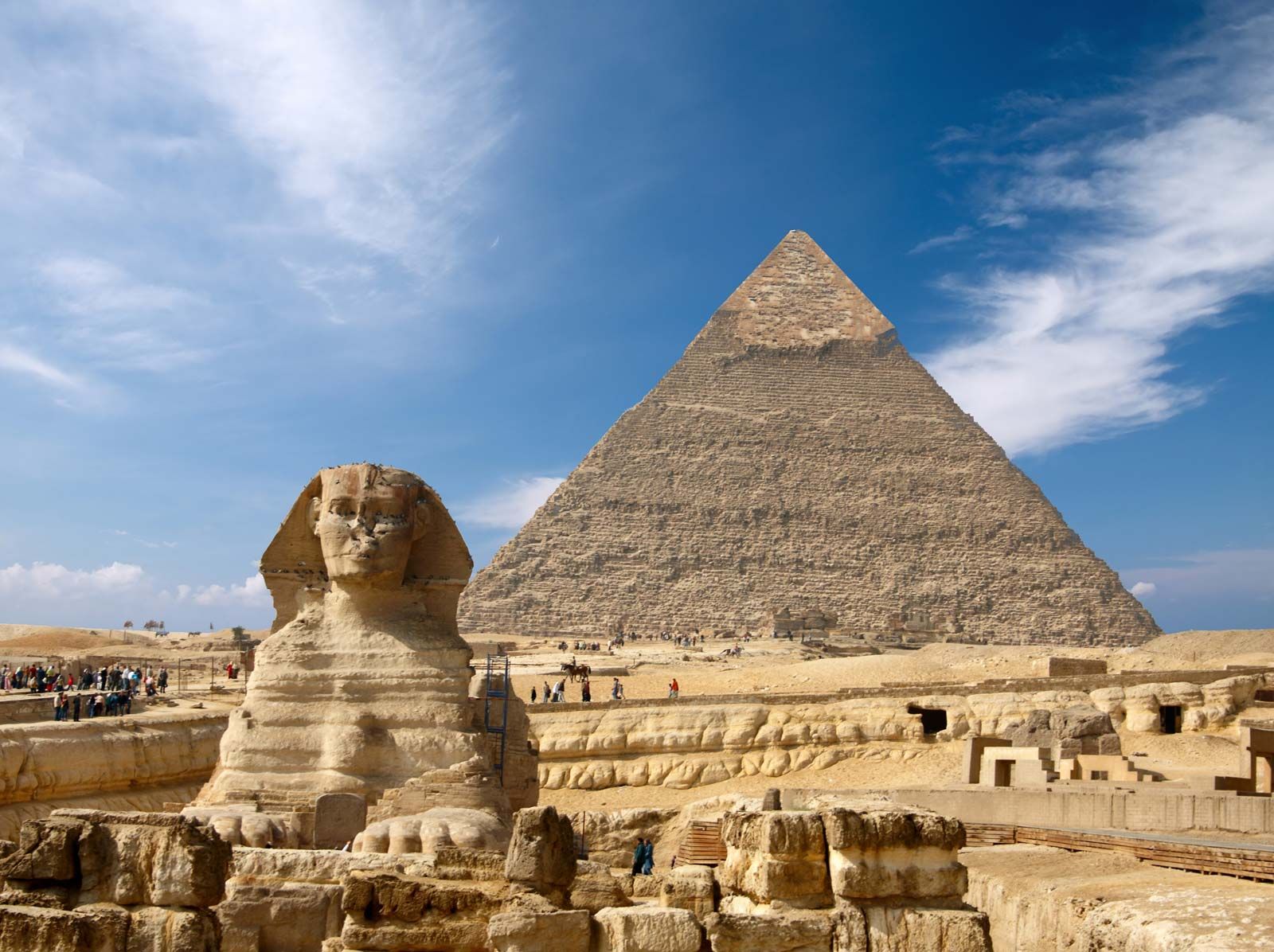
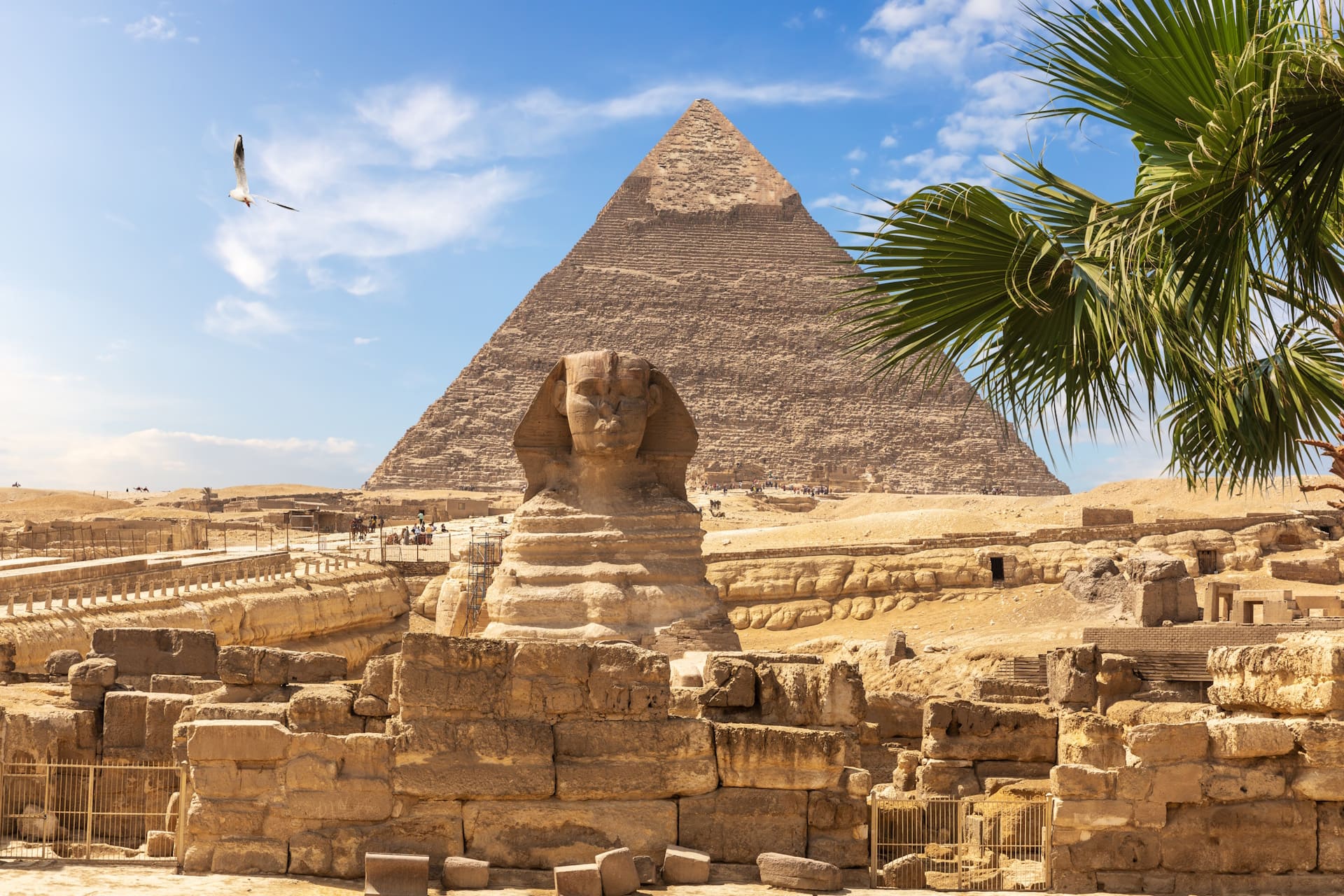
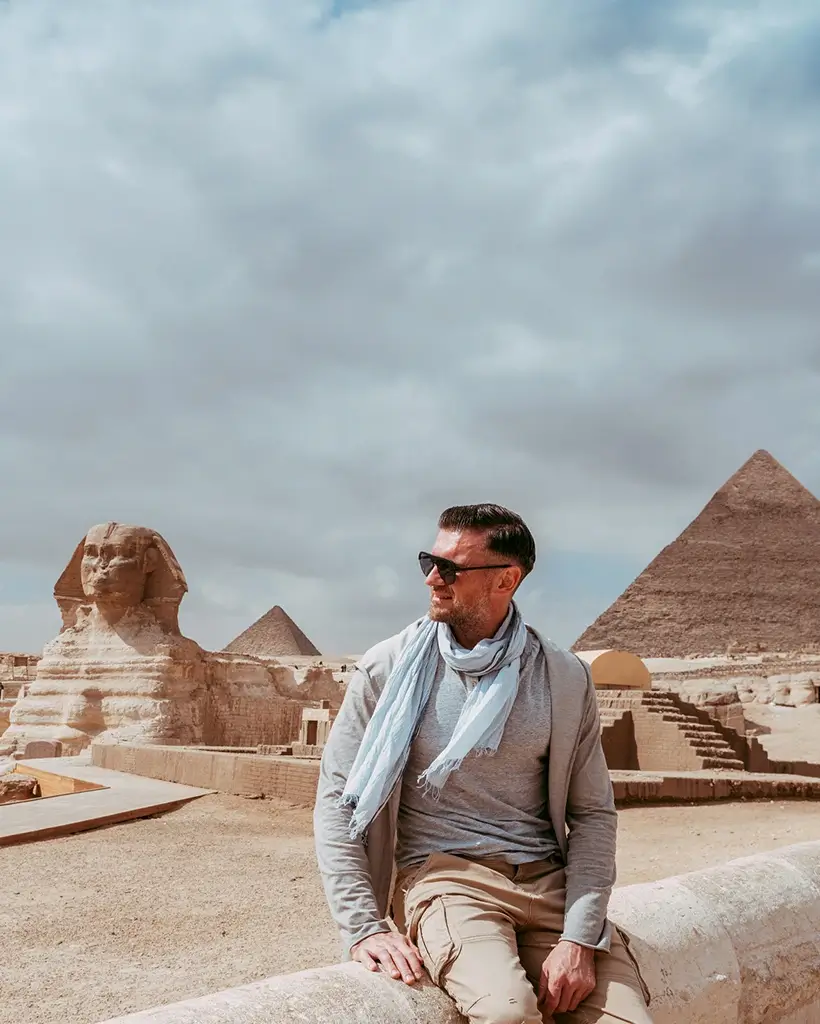
Cairo Giza Day Trip Price Guide 2026 showing the Great Pyramids, Sphinx, and private tour experience

Cairo Giza Day Trip Price Guide 2026: Compare the Best Deals Before You Book

Cairo Giza Day Trip Price Guide: What You’ll Actually Pay in 2026

A Cairo Giza day trip in 2026 typically costs between $35 for a shared tour and $600+ for a luxury private experience. Most travelers spend $120–$200 per person for a private full-day tour that includes transportation, a licensed Egyptologist, and the Grand Egyptian Museum. This Cairo Giza Day Trip Price Guide compares every option, explains hidden costs, and helps you choose the best value before booking.

The first time you see the Great Pyramid of Khufu in person, scale is the thing that disorients you. It is not a photograph. It is not a documentary. It is 481 feet of limestone rising from the desert floor, and it has been standing there for 4,500 years.

The question most travelers ask after that initial shock wears off is simple: what is the real Cairo Giza day trip price in 2026? We cut through the noise. We break down real 2026 prices for shared tours, private Cairo tours, and luxury pyramid experiences, plus the hidden costs that can derail your budget before you even reach the Sphinx. By understanding the average cost, you can choose the right experience without overpaying or facing unexpected costs.

Tourists exploring the Great Pyramid during a Cairo Giza day trip
WhatsApp Image 2026-07-01 at 3.28.37 PM (1)
WhatsApp Image 2026-07-01 at 3.28.37 PM
WhatsApp Image 2026-07-01 at 3.28.38 PM (1)
WhatsApp Image 2026-07-01 at 3.28.38 PM
WhatsApp Image 2026-07-01 at 3.29.27 PM (1)
WhatsApp Image 2026-07-01 at 3.29.27 PM (2)
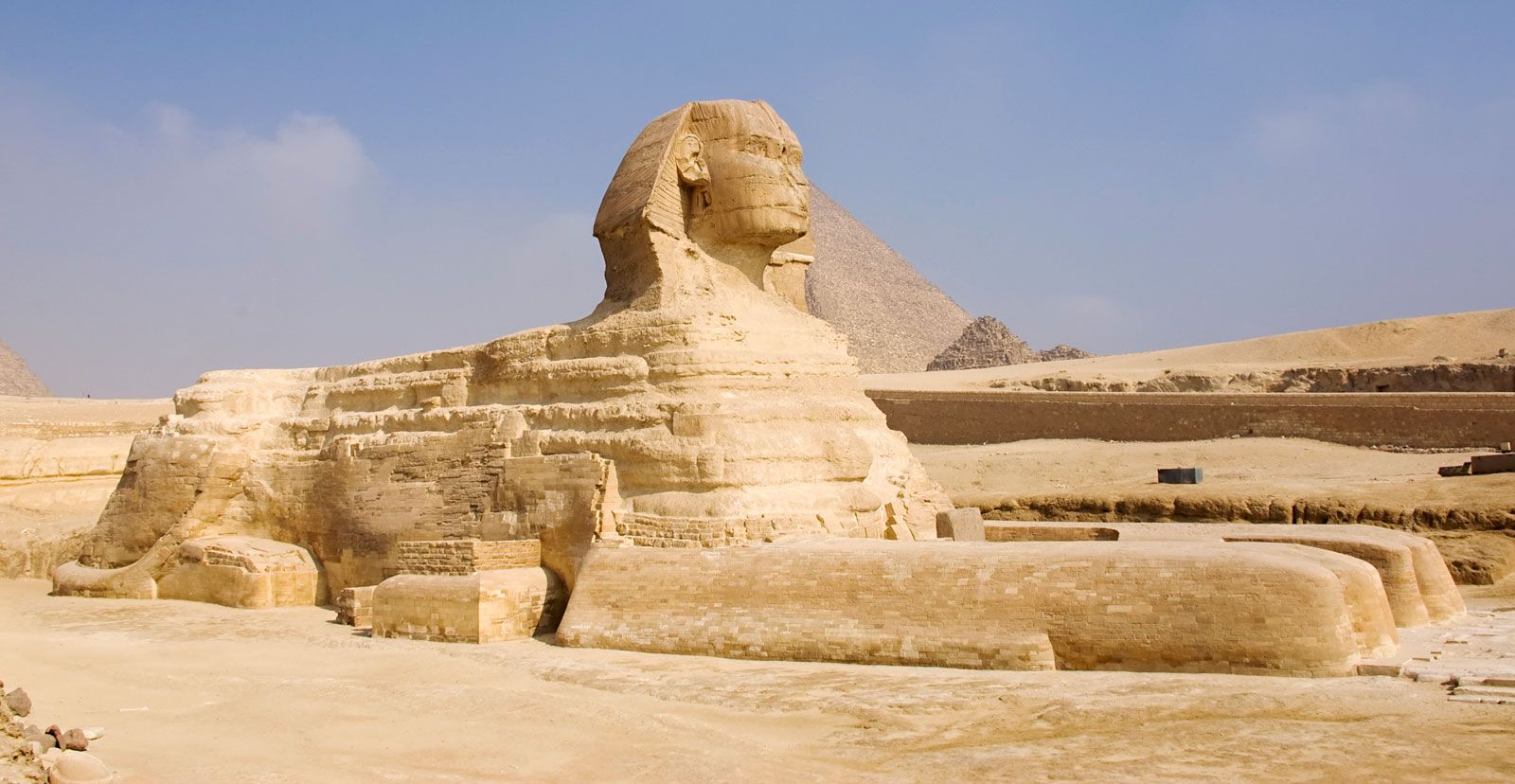
Family visiting the Sphinx on a full-day Cairo Giza tour
WhatsApp Image 2026-07-01 at 3.29.27 PM (3)
WhatsApp Image 2026-07-01 at 3.29.27 PM
WhatsApp Image 2026-07-01 at 3.29.28 PM (1)
WhatsApp Image 2026-07-01 at 3.29.28 PM (2)
WhatsApp Image 2026-07-01 at 3.29.28 PM (3)
WhatsApp Image 2026-07-01 at 3.29.28 PM (4)
WhatsApp Image 2026-07-01 at 3.29.28 PM (5)
WhatsApp Image 2026-07-01 at 3.29.28 PM (6)
WhatsApp Image 2026-07-01 at 3.29.28 PM
WhatsApp Image 2026-07-01 at 3.29.29 PM (1)
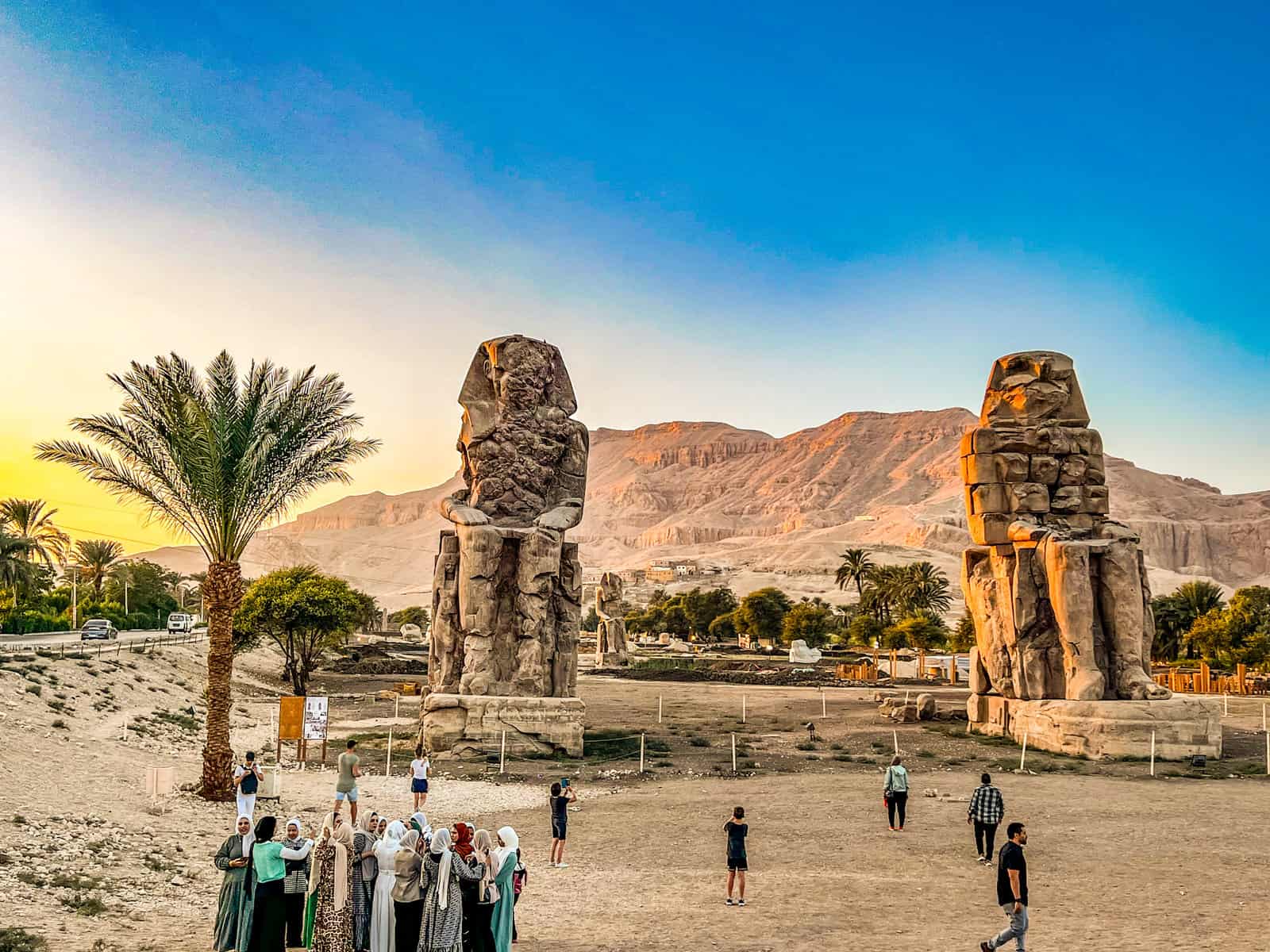
Travelers taking photos at the Giza Plateau during a guided tour
WhatsApp Image 2026-07-01 at 3.29.29 PM (2)
WhatsApp Image 2026-07-01 at 3.29.29 PM
WhatsApp Image 2026-07-01 at 4.03.05 PM (1)
WhatsApp Image 2026-07-01 at 4.03.05 PM (2)
WhatsApp Image 2026-07-01 at 4.03.05 PM (3)
WhatsApp Image 2026-07-01 at 4.03.05 PM (4)
WhatsApp Image 2026-07-01 at 4.03.05 PM
WhatsApp Image 2026-07-01 at 4.03.06 PM (1)
WhatsApp Image 2026-07-01 at 4.03.06 PM (2)
WhatsApp Image 2026-07-01 at 4.03.06 PM (3)
WhatsApp Image 2026-07-01 at 4.03.06 PM (4)
WhatsApp Image 2026-07-01 at 4.03.06 PM (5)
Luxury Cairo Giza day trip with private Egyptologist guide
WhatsApp Image 2026-07-01 at 4.03.06 PM

How Much Is a Cairo Giza Day Trip Price in 2026?

A Cairo Giza day trip Price between $35 for a shared group tour and $600+ for a luxury private experience. Mid-range private tours with a licensed Egyptologist, vehicle, and museum entry typically run $120–$200 per person.

Tour pricing in Cairo is not standardized. A “Cairo pyramids tour” can mean a 15-person minibus with a driver who speaks functional English, or it can mean a climate-controlled Mercedes with a licensed Egyptologist who holds a PhD in archaeology. This is why costs can range from budget-friendly options to fully customized luxury experiences.

The gap between those two experiences is several hundred dollars, and the gap in what you learn is even wider.


Understanding Cairo Giza day trip price structures starts with knowing the components. Every tour has three layers: official site fees, transportation, and guiding. Some operators bundle everything. Others advertise a low base rate and expect you to pay entry fees, tips, and lunch out of pocket.

The cheapest advertised price is rarely the cheapest total cost.

Official Site Entry Fees

The Egyptian Ministry of Tourism and Antiquities sets these fees. They are non-negotiable at the gate and typically require card payment. As of 2026, foreign adults pay approximately 700 EGP (~$14 USD) for general Giza Plateau entry. That covers the three pyramids’ exteriors, the Sphinx, and the Valley Temple. It does not include going inside any pyramid. These official fees are a key part of the Cairo Giza day trip price.

Understanding these mandatory costs helps you calculate the real Cairo Giza day trip price before comparing different tour packages, especially if you’re considering budget tours that exclude entrance tickets.

Entering the Great Pyramid of Khufu costs an additional ~1,500 EGP (~$30 USD). The smaller pyramids of Khafre and Menkaure run ~280 EGP and ~200 EGP respectively. If you add the Grand Egyptian Museum to your day, budget another ~1,300 EGP (~$25 USD) for the complete experience ticket that includes the full Tutankhamun galleries. Students with valid ISIC cards receive 50% discounts at all sites. Children under six enter free.

Ticket Type Price (EGP) Approx. USD
Giza Plateau general entry 700 ~$14
Inside Great Pyramid (Khufu) 1,500 ~$30
Inside Pyramid of Khafre 280 ~$5.60
Inside Pyramid of Menkaure 200 ~$4
Grand Egyptian Museum (Complete) 1,300 ~$25
Saqqara Plateau 450 ~$9
Dahshur Necropolis 60 ~$1.20
Sound & Light Show 450 ~$9

Source: Egypt Ministry of Tourism and Antiquities and verified operator data. EGP rates are volatile; confirm current conversion before travel.

Cairo Giza Day Trip: Tour Package Ranges

Once you factor in transport and guiding, Cairo tour prices fall into clear tiers, making it easier to compare the overall Cairo Giza day trip price across different travel styles. Shared group tours keep costs low by filling a minibus with 8 to 15 travelers. Private tours absorb the full vehicle and guide cost across your party, which benefits groups of three or more. Solo travelers pay the highest per-person rate for private tours, though small-group options (capped at six) offer a middle path. Comparing the Cairo Giza day trip price between shared and private tours helps travelers choose the best value for their budget.

Tour Type What’s Included Price Per Person (2026)
Shared group half-day Minibus, guide, plateau entry NOT included $35–$50
Shared group full-day + GEM Minibus, Egyptologist, lunch, tickets sometimes included $65–$100
Private half-day (2 pax) Private vehicle, licensed guide, plateau tickets included $90–$140
Private full-day + GEM (2 pax) Private vehicle, Egyptologist, all tickets, lunch $150–$250
Private multi-site (Giza+Saqqara+GEM) 10-hr day, all tickets, lunch, camel ride $200–$320
Luxury VIP private day Luxury vehicle, PhD Egyptologist, 5-star lunch, GEM priority $350–$600+

These ranges reflect the current market for egypt day tours in 2026. For exact current pricing, see our pyramids Cairo tour prices page, where we list real-time rates with no hidden fees.

Still unsure which Cairo day trip offers the best value?

Our local Egyptologists can recommend the ideal itinerary based on your budget, interests, and available time—before you book.

Plan My Trip

Which Tour Fits Your Travel Style?

Not every traveler needs the same experience. Your group size, interests, and physical stamina should dictate which cairo sightseeing tour you book.

Traveler Best Tour Why It Works
Solo Shared or small-group tour Lowest cost, opportunity to meet other travelers
Couple Private half-day or full-day Intimate pace, flexible timing, better guide access
Family with kids Giza + GEM full-day Educational, air-conditioned breaks, manageable walking
History enthusiasts Giza, Saqqara & Memphis Three sites spanning 3,000 years of pyramid evolution
Luxury travelers VIP private tour PhD guide, premium vehicle, exclusive access options
Transit / layover Cairo Airport layover tour Direct pickup from Cairo Airport, optimized for tight schedules

Sample Budgets for a Cairo Giza Day Trip

These are realistic total outlays—including tour price, entry fees, lunch, and tips—for different traveler profiles in 2026.

Traveler Type Tour Type Estimated Total
Solo Shared group + tickets + tips ~$65
Couple Private half-day, all included ~$220 total
Family (4 people) Private full-day + GEM + lunch ~$430 total
Luxury couple VIP all-inclusive experience ~$820 total

These figures assume you book through an operator that bundles tickets. If you book a budget tour that excludes entry fees, add $14–$45 per person depending on which pyramids you enter. Check our pyramids Cairo tour prices for fully inclusive packages.

Shared vs. Private Tours: A Side-by-Side Comparison

The Cairo Giza day trip price ranges from $35–$100 per person for shared tours, which exclude entry fees and offer fixed schedules, while private tours run $90–$250 per person, include licensed Egyptologists, and let you control the pace. For groups of three or more, the Cairo Giza day trip price for private tours is often nearly the same per person as shared tours.

The choice between a shared and a private Cairo tour is not just about money. It is about pace, depth, and how much control you want over your day, not simply the Cairo Giza day trip price.

Shared tours work well for travelers on tight budgets or those who do not mind moving at the group’s speed. Private tours suit families with young children, photographers chasing specific light, or anyone who has waited decades to stand at the Sphinx and wants to do it without a flag-waving guide herding fifteen people toward the souvenir stalls. Comparing the Cairo Giza day trip price alongside inclusions usually leads to a better booking decision.

Factor Shared Group Tour Private Tour
Group size 8–15 people You + guide only
Guide quality Driver-guide; English varies Licensed Egyptologist
Pickup time Fixed (often 8:00–9:00 AM) Flexible (can start at 7:00 AM)
Time at each site Scheduled; limited flexibility Adjustable on the spot
Entry tickets Often NOT included Usually included
Vehicle Shared minibus Private A/C car or van
Lunch Not included or basic Included at restaurant (full-day)
Camel ride Negotiated on-site (risk of upselling) Pre-arranged, price locked
Typical cost per person $35–$100 $90–$600+

One detail most travelers miss: shared tours rarely include the Giza Plateau entry fee in the advertised price. That $45 “bargain” becomes $65 once you pay 700 EGP at the gate. Private operators typically bundle tickets, so the price you see is the price you pay.

When comparing the Cairo Giza day trip price, always check whether entrance fees are included before making your decision.

Luxury Cairo Pyramids Tours: When Price Meets Exclusivity


For travelers combining Cairo with a broader Egyptian itinerary, Egypt vacation packages that include multiple cities often deliver better per-day value than booking standalone luxury days. A 8-day Cairo, Luxor, Aswan & Nile Cruise bundles domestic flights, five-star hotels, and private guiding across the entire country. Browse our full range of Egypt vacation packages for bundled savings.

Hidden Costs Most Travelers Overlook

Beyond the tour price, expect to spend an extra $30–$60 per person on tips, photography passes, water, and camel ride fees. These are not optional in practice; they are part of the Cairo tourism economy.

The advertised giza tour cost is only the beginning. Cairo’s tourism economy runs on a layer of optional but expected payments that can add $30–$60 to your day if you are unprepared.

Tips (baksheesh) are customary and appreciated. For a full-day private tour, budget EGP 400–700 ($8–$14) for your Egyptologist and EGP 150–250 ($3–$5) for your driver. Camel handlers expect EGP 50–100 ($1–$2) after the ride, not before. If a site guard opens a restricted area for you, EGP 20–50 is standard. Restaurant tipping in tourist areas runs 12–15%.

Photography passes at the GEM cost EGP 50 (~$1) for non-flash mobile and camera use. Some galleries restrict photography entirely. Toilet attendants at sites charge a small fee or expect a EGP 5–10 tip. Bottled water inside the plateau costs triple what it does in the city. Your guide should provide water, but confirm this when booking.

Camel ride upselling is the most common friction point. If you want the experience, agree on the full round-trip price before mounting. Specify: “This price is for the complete ride, both ways, back to this exact spot.” A reputable guide handles this negotiation for you, which is one reason private egypt tours often feel less expensive in practice than they appear on paper.

What’s Included (and What’s Not)

Most private tours include hotel pickup, a licensed Egyptologist, private transport, and Giza Plateau entry. Budget shared tours often exclude the ~$14 entry fee and lunch. Always verify whether the Great Pyramid interior ticket (~$30) is bundled before booking, as it directly affects the Cairo Giza day trip price.

Read the inclusions list carefully. “Hotel pickup” can mean a 6:00 AM departure from your hotel in Downtown Cairo, or it can mean a 9:30 AM scramble to find the minibus in a parking lot. Every inclusion influences the final Cairo Giza day trip price.

“Guide” can mean a licensed Egyptologist with ten years of field experience, or it can mean a driver who memorized a script. The advertised Cairo Giza day trip price may seem attractive, but it does not always include the same level of service or convenience.

Always compare what is included before judging the Cairo Giza day trip price, as transportation, entry tickets, and guide quality can significantly affect the overall Cairo Giza day trip price.

Most legitimate cairo pyramids tour packages include round-trip transport from your Cairo or Giza hotel. What varies is whether entrance fees, lunch, and camel rides are bundled. Premium operators include everything except personal shopping and discretionary tips. Budget operators often exclude entry tickets, which adds ~$14–$45 per person depending on how many pyramids you enter.

At Egy Travel Lux, our Giza, Saqqara & Memphis Tour includes private transport, a licensed Egyptologist, all tickets, lunch, and even bottled water. There are no surprise line items at the gate.

One-Day Cairo Giza Itinerary by Budget

A full-day Cairo Giza itinerary runs 8–10 hours and typically covers the Giza Plateau, the Sphinx, and the Grand Egyptian Museum. Budget itineraries skip the museum; mid-range and luxury itineraries include it with a pyramid-view lunch.

How you structure your day depends on your budget and your stamina. Here is a realistic timeline, followed by three itinerary options optimized for different price points.

Time Activity Location
7:00 AM Hotel pickup Your hotel (Downtown Cairo, Zamalek, Giza, or New Cairo)
7:30 AM Giza Plateau entry Pyramids of Giza
9:30 AM Great Pyramid interior (optional) Pyramid of Khufu
10:30 AM Sphinx & Valley Temple Giza Plateau
12:00 PM Lunch with pyramid views Mena House or similar
2:00 PM Grand Egyptian Museum GEM
4:30 PM Tutankhamun galleries GEM
5:30 PM Return to hotel Cairo / Giza

Budget Day ($45–$80 Per Person)

Start at 8:00 AM with a shared group tour. You will visit the Giza Plateau, the Sphinx, and the panoramic viewpoint. The guide provides a general overview. You pay your own entry fees (~$14 for the plateau, ~$30 extra if you enter the Great Pyramid). Lunch is not included; eat koshary at a local spot for under $3. You are back at your hotel by 1:00 PM.

This option offers the lowest Cairo Giza day trip price, with a total outlay of $45–$80 depending on optional add-ons. If your priority is finding the most affordable Cairo Giza day trip price, a shared tour provides the best balance between cost and the essential Giza experience.

This works for travelers who want the photo and the memory without the depth. It does not work for anyone who expects to understand what they are looking at, regardless of the Cairo Giza day trip price.

Luxury Cairo Giza day trip with private Egyptologist guide

Mid-Range Day ($120–$200 Per Person)

Book a private Cairo tour for two. Start at 7:00 AM to beat the heat and the crowds. Your Egyptologist meets you at the hotel in a private vehicle. You spend three hours at Giza, enter the Great Pyramid, and photograph the Sphinx without jostling for position. Lunch follows at a Nile-view restaurant. In the afternoon, you visit the Grand Egyptian Museum for a guided walk through the Tutankhamun galleries. Return to your hotel by 5:00 PM. All tickets, lunch, and transport are included.

For many couples, the rate of $150–$200 per person offers the best balance between comfort, flexibility, and expert guiding. Compared with booking each service separately, an all-inclusive private tour often delivers better overall value.

This is the sweet spot for most travelers. You get context, comfort, and efficiency without the luxury premium.

Luxury Day ($300–$600+ Per Person)

Your vehicle arrives at 6:45 AM. You enter the Giza Plateau before the general public through pre-arranged access. The morning light hits the limestone casing stones at an angle that makes them glow.

Your guide is a PhD Egyptologist who has worked excavation sites at Saqqara. After Giza, you have a late breakfast at Mena House with pyramid views from the garden. The GEM follows, with priority entry to the Tutankhamun treasury before the standard groups arrive. You add Saqqara and Dahshur in the afternoon, ending with sunset at the Red Pyramid where you are likely the only foreign visitors. Optional Sound & Light Show VIP seating closes the evening. Total: $420–$600+ per person, all-inclusive.

For travelers seeking the ultimate experience, the Cairo Giza day trip price includes exclusive access, luxury transportation, and a highly qualified Egyptologist. At this level, the Cairo Giza day trip price reflects exclusive access, expert guiding, and premium service throughout the day. While the Cairo Giza day trip price is significantly higher than standard tours, many travelers consider the personalized experience and seamless logistics well worth the investment.

When comparing premium operators, evaluate the Cairo Giza day trip price alongside the guide’s expertise, itinerary, and included experiences rather than the price alone.

For travelers who want the definitive Egyptian day, this is it. Luxury car rental with driver options are also available if you prefer to self-direct with professional support.

Want us to build your perfect day?

Tell us your hotel, your interests, and your budget. We will reply with a custom itinerary and exact pricing within 2 hours.

Plan My Trip

When to Book for the Best Cairo Tour Prices

Book Cairo tours 2–4 weeks ahead for peak season (November–February). Prices rise 15–25% during these months due to demand. Low season (May–September) offers 10–20% discounts, though temperatures exceed 100°F. June and September offer the best balance of moderate pricing and manageable heat.

Timing affects both availability and the Cairo Giza day trip price. Peak season in Cairo runs from October through April, with the highest demand between November and February. During these months, daily visitor numbers at Giza can exceed 15,000. The Cairo Giza day trip price for private tours rises 15–25% compared to summer. The trade-off is weather: daytime temperatures hover between 67–80°F (19–27°C), which is ideal for walking the plateau.

Low season (May through September) brings discounts of 10–20% on many tours. The downside is heat. July and August temperatures regularly hit 104–110°F (40–43°C). If you can tolerate early starts and frequent water breaks, you will have thinner crowds and a lower Cairo Giza day trip price. June and September are the compromise months: still warm, but manageable, with moderate pricing.

For peak season travel, book 2 to 4 weeks in advance. The GEM uses timed entry slots, and the Tutankhamun galleries sell out regularly. For the Sound & Light Show, reserve at least a week ahead. Last-minute bookings in January are possible, but you sacrifice choice on guide quality and start times, and often pay a higher Cairo Giza day trip price.

Check our best time to visit Egypt guide for a month-by-month breakdown of weather, crowds, and pricing across the country.

Tourists walking beside the Great Pyramid of Khufu in Giza

Money-Saving Tips That Actually Work

Save money on your Cairo Giza day trip by booking a small-group tour instead of a large bus, skipping the Great Pyramid interior if you are claustrophobic, combining the GEM and Giza into one full day, and using a valid student ID for 50% entry discounts.

Paying less does not have to mean experiencing less. These strategies reduce your cairo day trip price without cutting the moments that matter.

1. Book a small-group tour instead of a large bus. Six-person groups cost marginally more than 15-person buses but deliver a guide-to-guest ratio that actually allows questions. The value per dollar is higher.

2. Skip the Great Pyramid interior if you are claustrophobic. The passage is narrow, hot, and crowded. The exterior experience is free with your plateau ticket and visually more impressive. Save the $30.

3. Visit the GEM in the afternoon. Morning slots are packed with tour groups. After 2:00 PM, the galleries thin out. You do not need a premium ticket for this; you just need timing.

4. Combine sites into one full day. Doing Giza on Monday and the GEM on Tuesday means two separate transport costs. A combined full-day private tour is cheaper per site than two half-days.

5. Bring a valid student ID. The 50% discount applies to foreign students with ISIC cards at every state-run site. Over a full day, that saves $20–$30.

6. Use Uber or Careem for solo transport. If you are genuinely on a shoestring, the Metro Line 2 to Giza Station plus a 10-minute Uber to the plateau costs under $5 total. Add the $14 plateau entry and a $20 shared guide, and you have seen the pyramids for under $40. You will miss depth, but you will not miss the view.

Private vs. Group: Which Delivers Better Value?

Private tours deliver better value for couples, families, and groups of three or more because entry fees and lunch are bundled. A family of four often pays only slightly more for a private tour than a shared tour once all extras are added, while gaining a licensed Egyptologist and flexible timing.

Explore our full range of 7-day Egypt tours with Nile Cruise if you are planning beyond Cairo.

Smiling travelers enjoying their Cairo Giza day trip with pyramid views

Egy Travel Lux Tour Comparison

These are our most-booked cairo giza day trip prices experiences for 2026, selected for value, guide quality, and itinerary balance. Every tour is customizable. Want to start at 6:30 AM for sunrise photography? Need a vegetarian lunch or a wheelchair-accessible vehicle? Those details are standard for us, not upgrades.

Tour Duration Best For Starting Price
Giza Pyramids & GEM 8 Hours First-time visitors From $125
Giza, Saqqara & Memphis 10 Hours History enthusiasts From $140
Cairo Layover Tour 6–8 Hours Cairo Airport transit From $290
7-Day Egypt & Nile Cruise 7 Days Full country immersion From $1,895
8-Day Cairo, Luxor, Aswan & Nile Cruise 8 Days Comprehensive luxury From $2,150

Ready to see real-time availability?

All prices include taxes, tickets, and hotel pickup. No hidden fees. No surprise charges at the gate.

Plan My Trip

Local Expert Tips for First-Time Visitors

These insights come from years of guiding travelers through the Giza Plateau, not from guidebooks.

Local Expert Tip

We recommend arriving before 7:30 AM, not because of the temperature alone, but because tour buses from Red Sea resorts typically reach the Giza Plateau after 9:00 AM. Visiting earlier gives you noticeably quieter viewpoints and shorter ticket lines.

Local Expert Tip

Bring small-denomination EGP notes (10s, 20s, 50s) for tips and toilet attendants. Site guards and camel handlers rarely have change for large bills, and this small preparation prevents awkward negotiations at the pyramid gates.

Local Expert Tip

If you are staying in Downtown Cairo or Zamalek, the drive to Giza takes 30–45 minutes in morning traffic. Travelers in New Cairo or near Cairo Airport should add an extra 15–20 minutes to their pickup time. We adjust all pickups based on your location.

For more practical advice, read our complete Cairo travel guide.

Tourists watching sunrise over the Pyramids of Giza

People Also Compare

Travelers researching a cairo giza day trip often weigh these alternatives before booking.

Cairo vs. Luxor: Cairo delivers pyramids, museums, and urban energy. Luxor offers the Valley of the Kings, Karnak Temple, and a more relaxed Nile-side atmosphere. Most travelers visit both. Cairo works as a 1–2 day stop; Luxor deserves 2–3 days. If you are deciding between the two, our advice is simple: do not choose. A complete Egypt vacation package connects both cities by flight or Nile cruise.

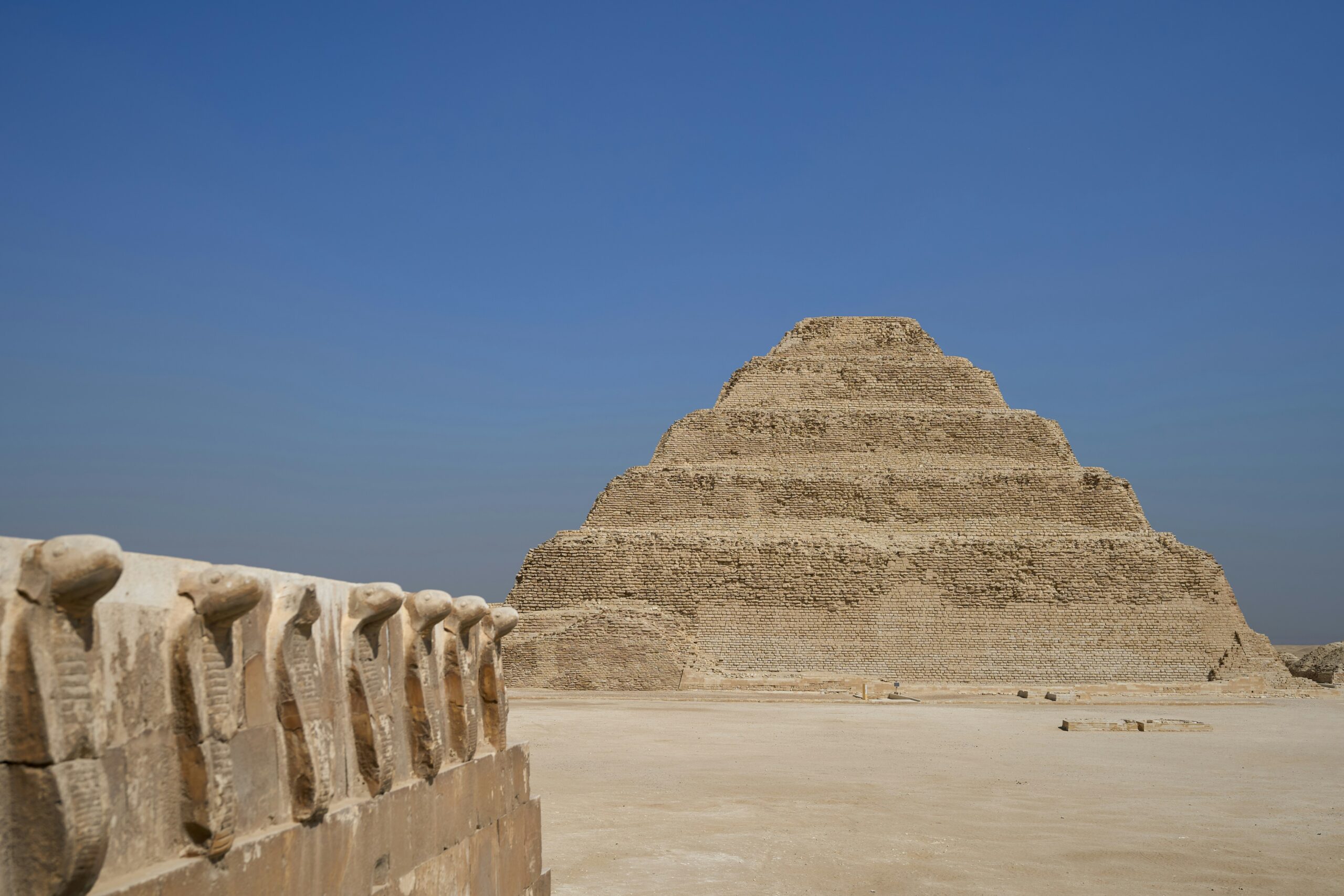
Giza vs. Saqqara: Giza has the iconic three pyramids and the Sphinx. Saqqara has the Step Pyramid of Djoser, the oldest stone monument on earth, and significantly fewer crowds. Giza is non-negotiable for a first visit. Saqqara is essential for anyone who wants to understand how pyramid architecture evolved. The best full-day vs. half-day strategy is to combine both.

Half-Day vs. Full-Day: A half-day covers Giza only. A full-day adds the Grand Egyptian Museum or Saqqara. Full-day tours offer better value per hour because you pay transport once and see exponentially more. If you are flying out the same evening, a half-day is sufficient. If you have one full day in Cairo, the full-day option is the better investment, especially when comparing the overall cost against the number of attractions and inclusions you receive.

Frequently Asked Questions (FAQ)

How much does a Cairo Giza day trip cost in 2026?

A shared group half-day tour runs $35–$50 per person, while a private full-day tour with the Grand Egyptian Museum costs $150–$250 per person. Luxury VIP experiences start at $350 per person. Entry fees to the Giza Plateau are ~$14 extra on most budget tours.

Is it cheaper to book a Cairo pyramids tour in advance?

Yes. Booking 2–4 weeks ahead for peak season (November–February) secures better guide availability and sometimes early-bird rates. Last-minute bookings in high season often limit you to larger group tours or less desirable start times.

What is the best time of day to visit the Giza Pyramids?

Arrive at 7:00–8:00 AM when the site opens. The light is softer, temperatures are lower, and the crowds have not yet arrived. Late afternoon (after 3:00 PM) is the second-best option for photography and fewer people.

Are entry tickets to the pyramids included in tour prices?

Sometimes. Budget shared tours often exclude the ~$14 Giza Plateau entry fee. Mid-range and private tours usually include it. Always check the inclusions list before booking. The Great Pyramid interior ticket (~$30) is rarely included unless specified.

How much should I tip my guide and driver in Cairo?

For a full-day private tour, tip your Egyptologist EGP 400–700 ($8–$14) and your driver EGP 150–250 ($3–$5). Camel handlers expect EGP 50–100 ($1–$2) after the ride. Tips are not mandatory but are deeply appreciated and culturally expected.

Can I visit the Giza Pyramids and the Grand Egyptian Museum in one day?

Absolutely. A full-day itinerary combining both sites takes 8–10 hours and is the most efficient use of your time and transport budget. The GEM is only 2 km from the Giza Plateau. Most premium operators, including Egy Travel Lux, offer this as a standard package.

What is the cheapest way to see the Pyramids of Giza?

Take Metro Line 2 to Giza Station, then an Uber to the plateau (~$5 total). Pay the ~$14 entry fee and explore independently. Add a $20 shared guide on-site if you want context. Total cost: under $40. You sacrifice comfort and depth, but the view costs nothing extra.

Is a private Cairo tour worth the extra cost?

For most travelers, yes. Private tours include licensed Egyptologists, flexible timing, and door-to-door service. The value increases with group size: a family of three or four often pays only slightly more per person than a shared tour while gaining significantly more comfort and context.

What should I wear for a Cairo Giza day trip?

Comfortable, modest clothing covering shoulders and knees. Sturdy walking shoes are essential—the plateau is sand, gravel, and uneven stone. Bring sunscreen, a hat, and sunglasses year-round. In summer, light breathable fabrics and extra water are critical.

Are there hidden fees I should watch out for?

Yes. Common add-ons include photography passes at the GEM (EGP 50), toilet fees at sites, overpriced water inside the plateau, and camel ride upselling. A reputable operator discloses these upfront. Budget operators often do not.

How much cash should I bring for a day trip to Giza?

Budget $50–$80 per person in cash (EGP) for tips, water, snacks, toilet fees, and small purchases. Official site tickets must be paid by card, but everything else runs on cash. Bring small bills; vendors rarely have change for 200 EGP notes.

Can I pay by credit card at the pyramids?

Yes, at the official ticket booths. The Ministry of Tourism and Antiquities requires card payment for entry fees. However, tips, camel rides, water, and souvenirs are cash-only. Bring a mix of both.

Are children discounted at Giza and the GEM?

Yes. Children under 6 enter free at all state-run sites. Ages 6–12 receive a 50% discount with proof of age. The GEM follows the same policy. Student discounts (50%) require a valid ISIC card.

How much walking is involved in a Cairo Giza day trip?

Expect 3–4 kilometers of walking on uneven sand, gravel, and stone. The Giza Plateau is mostly flat but soft. The GEM involves significant walking on polished floors. Comfortable, broken-in shoes are non-negotiable.

Can seniors visit the Giza Pyramids comfortably?

Yes, with the right tour. Private tours allow slower pacing, vehicle access closer to the sites, and rest breaks. The Great Pyramid interior is not recommended for seniors with mobility or breathing issues due to steep, narrow passages. The exterior viewpoints are fully accessible.

Is Uber cheaper than booking a tour to Giza?

For a solo traveler, yes—Uber plus independent entry costs under $40 total. For two or more people, a private tour becomes competitive once you factor in the guide, included tickets, and lunch. A tour also eliminates language barriers and vendor negotiations.

Can I visit Saqqara and Giza in the same day?

Yes, and it is one of the best full-day itineraries in Egypt. Saqqara is 30 km south of Giza. With private transport, you can cover both sites plus Memphis in 10 hours. The Giza, Saqqara & Memphis Tour is built exactly for this.

Is entering the Great Pyramid worth the extra cost?

It depends on your tolerance for tight spaces. The passage is narrow, hot, and crowded. The interior chamber is empty and unadorned. The exterior experience is visually more impressive and costs nothing beyond the plateau entry. If you are claustrophobic, skip it and save the $30.

What is the most accurate Cairo Giza Day Trip Price Guide for 2026?

This guide provides current 2026 pricing verified against the Egyptian Ministry of Tourism and Antiquities fee structure and live operator rates. For real-time Egy Travel Lux pricing, see our pyramids Cairo tour prices page, which updates as seasonal rates change.

Final Thoughts: Getting Real Value from Your Cairo Giza Day Trip

The pyramids do not care how much you paid to see them. They have outlasted empires, currencies, and every travel trend that has come and gone. But how you experience them—whether you understand the engineering, the history, and the context—depends entirely on how you allocate your budget.

This Cairo Giza Day Trip Price Guide was built to give you that clarity. The cheapest tour is not always the best deal. The most expensive tour is not always necessary. The right tour is the one that matches your budget, your travel style, and the depth of experience you want to carry home.

At Egy Travel Lux, we do not sell tours. We build days. Whether you want a $125 half-day introduction or a $600 fully custom luxury experience, the Cairo Giza day trip price we quote is the price you pay. No hidden gate fees. No surprise tips. No scripted commentary. Pickup is available from hotels in Downtown Cairo, Zamalek, New Cairo, Giza, and directly from Cairo Airport for layover travelers. Our transparent Cairo Giza day trip price includes exactly what we promise, with no unexpected costs.

Compare our current pyramids tour prices and availability, or reach out for a free consultation. The stones have been waiting 4,500 years. A few more minutes of planning will not hurt. For the best seasons and weather windows, check our best time to visit Egypt guide. And if you need ground support beyond tours, our Cairo travel guide covers everything from currency to customs.


External references: Egypt Ministry of Tourism and Antiquities | Egypt Tourism Authority | UNESCO World Heritage


Pyramiden Touren in Kairo 2026 – Preise, Buchung & Insider-Tipps

Gizeh Pyramiden Touren 2026 – Preise, Buchung & kompletter Leitfaden für deutsche Reisende

Gizeh Pyramiden Touren 2026: Der komplette Leitfaden für deutsche Reisende

Willkommen zum umfassendsten Leitfaden für Gizeh Pyramiden Touren im Jahr 2026. Ob Sie einen schnellen morgendlichen Besuch oder ein intensives ganztägiges Erlebnis mit einem zugelassenen Ägyptologen planen – dieser Leitfaden deckt alles ab, was Sie wissen müssen. Von aktuellen Preisen und den besten Besuchszeiten bis zu Insider-Tipps, die eine Standard-Tour in ein unvergessliches Abenteuer verwandeln. Wenn Sie gerade Preise für Pyramiden-Touren in Kairo vergleichen, finden Sie Angebote von günstigen Gruppentouren ab 35 Euro pro Person bis zu exklusiven Luxus-Erlebnissen ab 600 Euro. Das Gizeh-Plateau bleibt Afrikas meistbesuchte archäologische Stätte und empfängt während der Hochsaison über 15.000 Besucher täglich.

Mit Optionen, die von preiswerten gemeinsamen Touren bei 35 Euro pro Person bis zu exklusiven VIP-Erfahrungen bei 600 Euro und mehr reichen, gibt es für jeden Reisenden, jedes Budget und jedes Interesse eine perfekte Pyramiden-Tour. Lassen Sie uns Ihnen helfen, ein Erlebnis zu planen, das Ihrer Vorstellung dieses 4.500 Jahre alten Wunders entspricht.

Um 6:15 Uhr morgens, bevor die Reisebusse ankommen, gehört das Gizeh-Plateau niemandem. Die drei Pyramiden schneiden harte Dreiecke in einen blauveilchenfarbenen Himmel, und die Sphinx blickt nach Osten, als würde sie seit viereinhalbtausend Jahren auf die Sonne warten, um ihre Treue zu beweisen. Sie können die Geometrie des Ortes spüren, bevor Sie sie benennen können.

Es gibt keine Checkliste, die Sie darauf vorbereitet, aber wenn Sie wissen, wann man Ägypten besuchen sollte, erleben Sie diese Stille im perfektesten Licht. Für viele Reisende ist die Recherche zu Pyramiden Kairo Preisen der erste Schritt zur Auswahl des richtigen Erlebnisses, ob das ein schneller Halbtages-Ausflug oder eine ganztägige private Tour mit Ägyptologen-Guide ist.

ZAHLEN UND FAKTEN: ÄGYPTEN PYRAMIDEN-TOURISMUS 2026
• Ägypten empfing 2025 etwa 19 Millionen internationale Besucher – ein Anstieg von 21 Prozent im Jahresvergleich (Egypt Independent, Januar 2026)
• Das Große Ägyptische Museum (GEM), das vollständig im November 2025 eröffnet wurde, beherbergt über 100.000 Artefakte und zieht 5 Millionen+ prognostizierte jährliche Besucher an
• Das Gizeh-Plateau ist die meistbesuchte Stätte in Afrika – in der Hochsaison (November–Februar) sehen über 15.000+ tägliche Besucher
• Geführte Touren reichen von 45–75 Euro pro Person (Gruppe) bis zu 150–250 Euro pro Person (privater Ägyptologe) – Pure Nile Tours, Januar 2026
• Allgemeiner Gizeh-Plateau-Eintritt: 700 EGP (~14 Euro) pro Erwachsenem; Große Pyramide von innen: 1.500 EGP (~30 Euro)

Preise für Pyramiden-Touren in Kairo 2026 & Gesamtkosten

Eine Gizeh Pyramiden Tour 2026 zu planen bedeutet, die komplette Kostenaufschlüsselung zu verstehen – nicht nur den Tour-Preis, sondern auch Eintrittsgebühren, optionale Erlebnisse und das, was wirklich in jedem Paket enthalten ist. Für Reisende, die Pyramiden Kairo Preise erforschen, ist der Vergleich der Inklusivleistungen genauso wichtig wie der Vergleich der beworbenen Kosten. Ägypten empfing 2025 etwa 19 Millionen internationale Besucher, von denen viele direkt nach Gizeh reisten, was bedeutet, dass der Wettbewerb zwischen Tour-Operatoren intensiv ist und die Preisgestaltung dramatisch variiert je nachdem, was Sie wirklich bekommen.

Aus unserer Recherche bei mehreren Tour-Operatoren, einschließlich Pure Nile Tours und egytravellux, liegen die aktuellen Preise für Gizeh Pyramiden Touren zwischen 45–75 Euro pro Person für Gruppentouren und 150–600 Euro und mehr für private Luxus-Erlebnisse. Das Verständnis von Pyramiden Kairo Preisen im Voraus verhindert Überzahlungen und stellt sicher, dass Sie beim Vergleich zwischen Tour-Operatoren tatsächlich vergleichbare Angebote miteinander abwägen.

Offizielle Eintrittsgebühren und Pyramiden Kairo Preise 2026

Bevor Sie eine Tour buchen, verstehen Sie Ägyptens offizielle Eintrittsgebühren, die vom Ministerium für Tourismus und Altertümer festgelegt werden und an der Kasse nicht verhandelbar sind. Diese Gebühren sind ein wichtiger Faktor beim Vergleich von Pyramiden Kairo Preisen bei verschiedenen Tour-Operatoren. Das Gizeh-Plateau Generalticket kostet 700 EGP (etwa 14 Euro) pro Erwachsenem und gibt Ihnen Zugang zum Äußeren aller drei Pyramiden plus der Großen Sphinx und des Taltempels.

Wenn Sie das Innere der Großen Pyramide von Khufu besuchen möchten – das größte und dramatischste Erlebnis im Inneren – addieren Sie weitere 1.500 EGP (~30 Euro). Das Innere der Pyramide von Khafre kostet 280 EGP (~5,60 Euro), während die kleinste, Menkaure, 200 EGP (~4 Euro) kostet.

Kinder unter sechs Jahren haben überall freien Eintritt, dürfen aber aus Sicherheitsgründen nicht in die Pyramidenkammern.

Wenn Ihre Reiseroute das Große Ägyptische Museum (GEM) einschließt, das vollständig im November 2025 eröffnet wurde und nun über 100.000 Artefakte beherbergt, einschließlich der kompletten Schätze des Tutanchamun, kalkulieren Sie zusätzlich 1.200 EGP (~25 Euro) und 2,5–3 Stunden Ihrer Zeit ein.

Zusatz-Stätten wie Saqqara (450 EGP / 9 Euro) oder die Dahschur-Nekropole (60 EGP / 1,20 Euro) sind außerordentlich preiswert und werden oft übersehen, obwohl sie einige von Ägyptens ältesten Steinstrukturen enthalten. Das Verständnis dieser Ticketkosten hilft Reisenden, Pyramiden Kairo Preise genauer zu bewerten und unerwartete Ausgaben zu vermeiden.

Tour-Paket-Preise nach Typ

Ihre Gesamtkosten für eine Gizeh Pyramiden Tour hängen hauptsächlich davon ab, ob Sie sich für ein gemeinsames Gruppen-Erlebnis oder eine private Tour entscheiden, und ob Tickets und Mahlzeiten gebündelt sind. Beim Vergleich von Pyramiden Kairo Preisen ist es wichtig zu verstehen, genau was in jedem Paket enthalten ist. Gemeinsame Halbtagstouren kosten normalerweise 35–50 Euro pro Person und beinhalten Hotel-Abholung und eine Minibus-Fahrt, obwohl Eintrittsgebühren oft NICHT enthalten sind – bestätigen Sie das immer vor der Buchung.

Für Erstbesucher kosten gemeinsame Ganztags-Touren mit dem GEM 65–100 Euro pro Person und beinhalten normalerweise einen zugelassenen Ägyptologen-Guide, Eintrittskarten für Gizeh und das Museum sowie Mittagessen in einem touristenfreundlichen Restaurant.

Alleinreisende sollten in Betracht ziehen, sich einer kleinen Gruppen-Tour anzuschließen (maximal 6 Personen), um die „Einzelreisenden-Prämie” zu vermeiden, die private Tour-Kosten erhöht, während sie trotzdem bessere Guide-Aufmerksamkeit als ein 15er-Bus erhalten. Private Touren spiegeln die Fixkosten Ihres exklusiven Fahrzeugs und Guides wider, was sie teurer macht, aber unendlich flexibler.

Eine private Halbtags-Tour für zwei Personen kostet 90–140 Euro und beinhaltet personalisierten Service, obwohl Sie immer noch Eintrittsgebühren budgetieren müssen, sofern nicht anders angegeben.

Der süßer Punkt für die meisten Reisenden ist ein privates Ganztags-Erlebnis bei 150–250 Euro pro Person, das ein privates Fahrzeug, zugelassenen Ägyptologen-Guide, alle Eintrittskarten und Mittagessen beinhaltet. Wenn Sie Saqqara oder Dahschur hinzufügen möchten, um einen ausgedehnten 10–12-stündigen Tag über mehrere Pyramiden-Stätten zu schaffen, rechnen Sie mit 200–320 Euro pro Person. Reisende, die Pyramiden Kairo Preise recherchieren, stellen oft fest, dass private Touren erheblich besseren Wert bieten, wenn Komfort und Flexibilität Prioritäten sind.

Am oberen Ende liegen Luxus-Erlebnisse bei 350–600+ Euro pro Person und beinhalten einen PhD-Ägyptologen, Sonnenaufgangs-Zugang zum Plateau vor der öffentlichen Öffnung, Vorrang-Eintritt zur Premium-Lounge des GEM für Tutanchamun, ein Fünf-Sterne-Mittagessen mit Nilblick und VIP-Sitzplätze für die abendliche Sound & Light Show.

Operatoren wie egytravellux bieten vollständig anpassbare Pakete ab 180 Euro pro Person mit kostenlosen Beratung, was bedeutet, dass Sie Ihre Interessen, Ihr Budget, die Gruppengröße und Ernährungswünsche angeben, bevor sie Ihre Reiseroute erstellen. Der Vergleich dieser Premium-Erlebnisse mit Standardoptionen gibt Reisenden ein klareres Verständnis für aktuelle Pyramiden Kairo Preise und den Wert, der bei jedem Preispunkt angeboten wird.

🐫 Bereit, zwischen den Pyramiden zu wandeln?
Lesen Sie nicht nur davon – erleben Sie es. Unsere Tagestour zu den Gizeh-Pyramiden beinhaltet Hotel-Abholung, einen zugelassenen Ägyptologen-Guide und Eintrittskarten. Buchen Sie Ihren Platz heute – Plätze in der Hochsaison werden schnell vergeben.

Die beste Zeit zum Besuch der Gizeh-Pyramiden

Die Frage, wann man die Gizeh-Pyramiden besuchen sollte, betrifft nicht nur das Klima – es geht um Besucherdichte, Lichtqualität für Fotografie und ob Sie tatsächlich an der Basis eines 4.500 Jahre alten Denkmals stehen und diesen Moment genießen können, oder ob Sie eng mit Tausenden anderen Touristen zusammengequetscht sind.

Die Hochsaison des Gizeh-Plateaus erstreckt sich von November bis Februar, wenn die Temperatur in Ägypten perfekt ist (22–25°C), aber die Stätte über 15.000+ Besucher täglich empfängt. Die Sommermonate (Mai–September) sind glühend heiß – oft über 35°C – und die nachmittäglichen Menschenmengen sind tatsächlich leichter, weil Touristen früh ankommen und mittags abreisen.

Der echte Geheim-Tipp für die meisten Reisenden ist Ende November bis Februar: handhabbare Hitze, längere Tageslichtstunden und Schulferien, die mit Familienreisen zeitlich zusammenpassen. Freitags und samstags sind die lokalen ägyptischen Wochenenden, was bedeutet, dass der Inlandstourismus zunimmt und die Menschenmengen wirklich überwältigend werden.

Besuchen Sie wenn möglich einen Wochentag und kommen Sie spätestens um 8:00 Uhr an – die erste Stunde nach der Öffnung ist die einzige Zeit, in der das Gizeh-Plateau ruhig genug wirkt, um wirklich die Geometrie und Geschichte des Ortes aufzunehmen.

Halbtagstouren (4–5 Stunden)

Eine Halbtags-Gizeh Pyramiden Tour, die Ihr Hotel um 7:30 Uhr verlässt und um 13:00 Uhr zurück ist, funktioniert wunderbar für Reisende mit begrenzter Zeit: Geschäftsreisende mit nur einer Nacht in Kairo, Familien mit kleinen Kindern, die nach drei Stunden die Konzentration verlieren, oder erfahrene Reisende bei einem Besuch zum zweiten Mal, die einfach nur die Pyramiden ohne das ganze Programm mögen.

Sie sehen alle drei Pyramiden, die Große Sphinx von der richtigen Beobachtungsterrasse (50 Meter entfernt, auf Augenhöhe mit dem Gesicht), den Taltempel des Khafre neben der Sphinx und den westlichen Panorama-Aussichtspunkt – diesen ikonischen Winkel, in dem alle drei Pyramiden in einen einzigen Rahmen passen mit Wüste statt Kairo im Hintergrund. Das ist die Fotografie. Das ist der Moment, für den die meisten Besucher gekommen sind.

Halbtagstouren kosten 45–95 Euro pro Person in gemeinsamen Bussen oder 90–140 Euro für private Erlebnisse. Der Kompromiss: Sie verpassen das Große Ägyptische Museum, das allein 2,5–3 Stunden braucht und jetzt Artefakte beherbergt, die das Verständnis des Alten Ägypten neu definieren.

Wenn das GEM auf Ihrer Liste steht – und das sollte es definitiv für Erstbesucher – upgraden Sie auf eine Ganztags-Tour oder planen Sie einen separaten Nachmittags-Besuch.

Ganztags-Touren (8–10 Stunden)

Eine richtige Ganztags-Gizeh Pyramiden Tour, die um 7:30 Uhr beginnt und um 17:30–18:00 Uhr endet, kombiniert 3–4 Stunden auf dem Gizeh-Plateau (idealerweise bei Öffnung angekommen) mit 2–3 Stunden im Großen Ägyptischen Museum, plus eine Mittagspause in einem Restaurant mit Nilblick zwischen den beiden Stätten.

Dieses Format ist das komplette Bild – Sie sehen die physischen Denkmäler, die die menschliche Vorstellungskraft seit Jahrtausenden beherrscht haben, und betreten dann ein Museum, das Sinn darin macht. Für Reisende, die Pyramiden Kairo Preise vergleichen, bietet ein ganztägiges Reiseprogramm oft das beste Gesamtwert-Verhältnis, da es mehrere große Attraktionen in einem Erlebnis kombiniert. Tutanchamuns goldene Totenmaske, entfernt aus seinem 3.000 Jahre alten Grab und zum ersten Mal in einem Ort an einem Platz ausgestellt, wirkt anders, wenn Sie gerade an der Basis der Großen Pyramide gestanden haben.

Einige Operatoren erweitern Ganztags-Pakete, um Saqqara einzubeziehen – Ägyptens älteste Pyramiden-Stätte, Heimat der Stufenpyramide des Djoser (hundert Jahre älter als Gizeh) und der Mastaba des Mereruka mit 32 Räumen atemberaubend erhaltener gemalter Reliefs – schaffen ein 10–12-stündiges Tieftauch-Erlebnis in der ägyptischen Begräbnisarchitektur über drei Jahrhunderte.

Ganztags-Touren kosten 120–350 Euro pro Person, abhängig von Guide-Qualifikationen und Leistungen, weshalb viele Besucher Pyramiden Kairo Preise recherchieren, bevor sie zwischen einer Standard-Gruppen-Tour und einem privaten Ägyptologen-Erlebnis entscheiden. Dieses Format funktioniert am besten für Erstbesucher, Kultur-Suchende, die historische Narrative jenseits von Monumental-Fakten mögen, und Luxus-Reisende, die bereit sind, in ein umfassendes Erlebnis zu investieren.

Das erforderliche Energielevel ist moderat bis hoch: Sie bewegen sich zwischen Standorten, gehen auf unebenem Kalksteinpflaster und absorbieren umfangreiche Informationen.

Tragen Sie geschlossene Schuhe (Sandalen zerstören Ihre Füße auf scharfem Stein), bringen Sie 1,5+ Liter Wasser pro Person mit und tragen Sie SPF 50+ Sonnencreme auf, bevor Sie Ihr Hotel verlassen – die Wüstenreflexivität des Kalksteins ist wirklich brutal, auch im November.

Was Sie auf Ihrer Gizeh-Tour erwarten können

Eine Gizeh Pyramiden Tour 2026 ist je nachdem, ob Sie einem 15er-Minibus mit einem Fahrer-Guide, einer kleinen Gruppe von sechs mit einem zugelassenen Ägyptologen oder einem privaten Erlebnis auf dem Plateau vor der öffentlichen Ankunft beitreten, sehr unterschiedlich. Die Qualität Ihres Guides bestimmt, ob Sie Steine sehen oder Zivilisation verstehen.

Ein großartiger Guide verbindet das physische Denkmal mit dem politischen und technischen Kontext, erklärt, was Wissenschaftler noch über Baumethoden debattieren, und zeigt Ihnen die Details, die das Standard-Touristenskript ignoriert.

Das schlechteste Erlebnis kombiniert Spitzenlast-Menschenmengen (10:00–14:00 Uhr) mit einem Guide, der konzentriert ist, Sie zum Souvenir-Laden statt zum Solarboot-Museum zu bringen. Hier ist, was Sie basierend auf der Art des Erlebnisses erwarten können, das Sie wählen.

Kultureller Entdecker und Pyramiden Kairo Preise

Wenn Sie nach Ägypten kommen, um die Pyramiden zu verstehen, nicht einfach nur zu fotografieren, brauchen Sie einen Guide mit echten akademischen Qualifikationen – einen zugelassenen Ägyptologen mit einem Abschluss in Ägyptologie, nicht einen charismatischen Fahrer, der ein Skript auswendig gelernt hat. Beim Vergleich von Pyramiden Kairo Preisen bieten kulturelle Erlebnisse oft weit größeren Wert als Standard-Sightseeing-Touren wegen der Tiefe der historischen Interpretation, die sie anbieten. Der Unterschied ist tiefgreifend.

Ein echter Ägyptologe kann erklären, dass die Große Pyramide von Khufu um 2560 v.Chr. vollendet wurde und 3.800 Jahre lang das Rekord als höchste menschengemachte Struktur der Erde hielt.

Er weiß, dass 2,3 Millionen Kalksteinblöcke, jeder zwischen 2,5 und 15 Tonnen schwer, so präzise gefugt sind, dass eine Messerklinge nicht zwischen sie passt – und er kann Ihnen sagen, was bei der ehrlichen Debatte über wie und warum dies erreicht wurde, noch diskutiert wird.

Er versteht die religiöse Bedeutung der Orientierung, die Technik der inneren Kammern und die Sonnen-Theologie, die in jeden Winkel eingebettet ist.

Die meisten Touristen überspringen das Solarboot-Museum ganz – ein schwerwiegender Fehler, der sie um ein außerordentliches 4.600 Jahre altes Zedernholz-Schiff beraubt, das aus 1.224 Teilen wieder zusammengesetzt und als ältestes intaktes Schiff der Erde ausgestellt ist.

Ein richtiger Ägyptologe-Guide zeigt Ihnen das ohne gefragt zu werden und erklärt dann seinen Begräbniszweck und was es über die Überzeugungen des Alten Reichs über das Jenseits offenbart.

Im Großen Ägyptischen Museum spendieren andere Gruppen-Touren 45 Minuten auf Tutanchamuns Schätzen, während Ihr Ägyptologe 90 Minuten über die königlichen Mumien verbringt, den politischen Kontext jeder Dynastie erklärt und Details in bemalten Reliefs zeigt, die sie von hübschen Bildern in historische Dokumente verwandeln.

Diese erweiterten Erlebnisse sind einer der Schlüsselfaktoren, die Pyramiden Kairo Preise beeinflussen, besonders für Reisende, die eine tiefere pädagogische Reise suchen. Kalkulieren Sie 150–250 Euro pro Person für eine ganztägige Kulturelle-Entdecker-Tour mit einem zugelassenen Ägyptologen. Geben Sie Ihrem Guide am Ende des Tages 400–700 EGP (~8–14 Euro) Trinkgeld – sie haben es verdient.

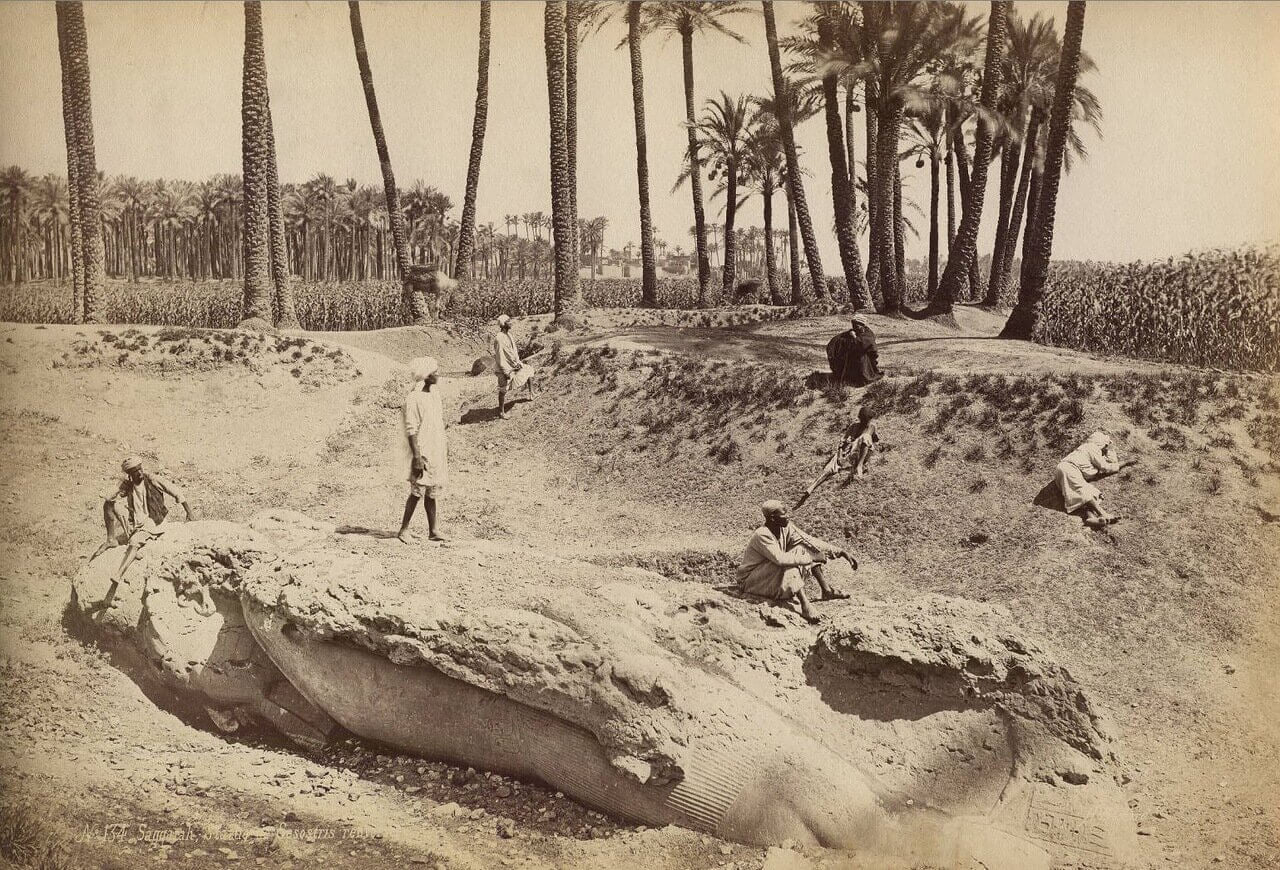
Für die wirklich Engagierten beinhalten die versteckten Geheimtipp-Stätten von egytravellux die Grabstätte des Qar (bemalte Reliefs noch lebhaft nach 4.000 Jahren, fast nie in Standard-Touren erwähnt), das Grab des Seshemnufer IV (selten besucht, genuinely intim) und das Memphis Open-Air-Museum mit Ramesses II’s 10-Meter-Koloss – Erlebnisse, die die transformative Reise von der Standard-Reise unterscheiden.

Für Reisende, die Pyramiden Kairo Preise evaluieren, rechtfertigen diese exklusiven kulturellen Zusätze oft die höheren Kosten eines spezialisierten Ägyptologen-geführten Reiseplans.

Luxus-VIP-Touren

Die Standard-Luxus-Kairo-Pyramiden-Tour bedeutet ein privates klimatisiertes SUV von Ihrem Fünf-Sterne-Hotel, einen PhD-Ägyptologen als Ihren exklusiven Guide und einen reservierten Tisch in einem Restaurant mit Nilblick zum Mittagessen. Aber Luxus 2026 ist nicht mehr nur Komfort – es geht um Zugang und Timing.

Operatoren wie egytravellux arrangieren Sonnenaufgangs-Zugang zum Gizeh-Plateau vor der öffentlichen Ankunft, was Ihnen 30–45 Minuten innerhalb des Komplexes mit nahezu totaler Stille und Licht gibt, das den Kalkstein auf Weise trifft, wie kein Nachmittags-Foto das je erfasst hat. Sie fotografieren die Pyramiden allein. Sie hören die Stimme Ihres Guides über das Plateau echoen.

Sie erleben das Gizeh-Plateau wie es sich vor 200 Jahren für Reisende anfühlte, bevor Massentourismus existierte. Im Großen Ägyptischen Museum bietet die Premium-Lounge-Stufe frühen Eintritt zu Tutanchamuns Schätzen vor dem 9:30-Uhr-Andrang von Gruppen-Touren.

Sie gehen durch Galerien in kontemplativer Ruhe, sehen Stücke auf Augenhöhe ohne 50 Menschen zwischen Ihnen und der Vitrine, und stellen detaillierte Fragen ohne Zeitdruck. Ihr Guide, Inhaber eines PhD in Ägyptologie, diskutiert nicht nur was Sie sehen, sondern welche Fragen Ägyptologen noch über spezifische Artefakte debattieren.

Für den Abend überspringen Sie die allgemeinen Sitzplätze der Sound & Light Show – buchen Sie VIP-Sitzplätze auf der exklusiven oberen Terrasse für ein wirklich spektakuläres Erlebnis.

Fügen Sie Abendessen auf Sequoia am Nil hinzu (ein Dachrestaurant, wo die Pyramiden über das Wasser sichtbar sind und Ihre Mahlzeit auf Sonnenuntergang zeitlich abgestimmt ist), und Sie haben einen Tag zusammengestellt, den Mitbewerber einfach nicht mit einem gemeinsamen Minibus replizieren können.

Ein Luxus-VIP-privater Tag kostet ab 420 Euro pro Person, vollständig privat, alle Tickets enthalten, mit kostenlosen Beratung auf egytravellux.com um jeden Detail anzupassen. Dies ist das Erlebnis für Reisende, die verstehen, dass der Wert nicht die Denkmäler selbst sind – sie sind für alle gleich – sondern das Wissen, der Zugang und die Timing um sie herum.

Was beinhaltet eine Pyramiden Kairo Tour wirklich?

Der Ausdruck „Pyramiden Kairo Tour” deckt einen enormen Bereich ab. Eine 30-Euro-Minibus mit einem Fahrer, der teilweise Englisch spricht, ist technisch eine Tour. So ist auch ein 450-Euro-pro-Person private Ägyptologen-Erlebnis mit Fünf-Sterne-Mittagessen und nach-Stunden-Sonnenuntergangs-Betrachtung. Das Verständnis der Ebenen ist, wie Sie Enttäuschung oder Überzahlung vermeiden.

Jede legitime Tour beinhaltet Transport von Ihrem Kairo- oder Gizeh-Hotel zum Plateau. Was sich enorm unterscheidet, ist, ob Eintrittsgebühren enthalten sind, ob Ihr Guide ein zugelassener Ägyptologe oder einfach ein Fahrer mit Begeisterung ist, und ob sich das Reiseplan über die Pyramiden hinaus auf das GEM, Saqqara oder den Khan el-Khalili Basar erstreckt.

Komponente Budget-Tour Premium-Tour
Hotel-Abholung Enthalten Enthalten (privates Fahrzeug)
Plateau-Eintrittskarten Oft NICHT enthalten – vor der Buchung abfragen Enthalten
Guide-Typ Fahrer-Guide (Englisch variiert) Zugelassener Ägyptologe
Pyramiden-Innen-Ticket Zusätzliche Kosten (10–30 Euro) Oft enthalten
Großes Ägyptisches Museum Separater Zusatz In Ganztags-Paketen enthalten
Saqqara / Dahschur Separater Tag erforderlich Verfügbar als Combo
Mittagessen Nicht enthalten / zusätzlich Enthalten (touristenfreundliches Restaurant)
Gruppengröße 8–15 Personen Privat: nur Sie + Guide
Kamelritt Vor Ort verhandelt (zusätzlich) Angeboten, normalerweise enthalten
Geschätzte Gesamtkosten 45–80 Euro pro Person 150–350 Euro pro Person

Tagesausflug vs. Vollpaket: Der echte Unterschied

Vergleich von Halbtags- vs. Ganztags-Gizeh-Pyramiden-Touren – Preis- und Dauer-Leitfaden

Dies ist die Entscheidung, die die meisten Reisenden falsch treffen, weil sie sich auf Preis konzentrieren, bevor sie verstehen, was jede Option wirklich liefert. Ein Halbtags-Ausflug ist keine heruntergespielte Version eines ganztägigen Ausflugs. Es sind echte unterschiedliche Erlebnisse, die für unterschiedliche Prioritäten konzipiert sind.

Der Halbtags-Ausflug (4–5 Stunden): Für wen er geeignet ist

Sie sind um 7:30 Uhr aus Ihrem Hotel weg und um 13:00 Uhr zurück. Sie sehen die drei Pyramiden, die Sphinx, den Taltempel und den Panorama-Aussichtspunkt vom westlichen Wüstenrand, wo Sie diesen ikonischen Winkel bekommen, in dem alle drei Pyramiden in einen einzigen Rahmen mit keinem Kairo im Hintergrund passen. Das ist die Fotografie. Das ist der Moment.

Halbtagstouren funktionieren wunderbar für Reisende, die nur eine Nacht bleiben (eine häufige Verbindung zum Roten Meer), für Familien mit kleinen Kindern, die nach drei Stunden die Konzentration verlieren, und für erfahrene Reisende bei einem Wiederbesuch, die einfach nur die Pyramiden ohne das ganze Programm mögen. Sie funktionieren nicht, wenn das GEM auf Ihrer Liste steht – das allein braucht drei bis vier Stunden.

Das Ganztags-Paket (8–10 Stunden): Das komplette Bild

Eine richtige Ganztags-Tour aus Kairo kombiniert normalerweise das Gizeh-Plateau (3–4 Stunden, idealerweise Öffnungszeit ankommend) mit dem Großen Ägyptischen Museum (2–3 Stunden) und beinhaltet oft Mittagessen in einem Restaurant mit Nilblick zwischen den beiden Orten. Beim Vergleich von Pyramiden Kairo Preisen sind Ganztags-Pakete oft die kostengünstigste Option, weil sie mehrere große Attraktionen in ein Reiseplan kombinieren. Einige Operatoren erweitern auf Saqqara, Ägyptens älteste Pyramiden-Stätte und Standort der Stufenpyramide des Djoser, die Gizeh um ein Jahrhundert überragt.

Dies ist die Version, die jede Frage beantwortet, die Sie nicht wussten, dass Sie sie hatten und hilft Reisenden besser zu verstehen, was in verschiedenen Pyramiden Kairo Preisen enthalten ist. Kulturelle Entdecker profitieren besonders vom Ganztags-Format. Das GEM beherbergt Tutanchamuns komplette Schatzsammlung – alle 5.000+ Teile, zum ersten Mal an einem Ort zusammengebracht nach Jahrzehnten über mehrere Kairo-Museen verteilt.

Die goldene Totenmaske persönlich zu sehen und zwei Stunden später an der Basis der Großen Pyramide zu stehen, schafft ein Verständnis, das kein Foto oder Dokumentarfilm replizieren kann. Für Reisende, die Pyramiden Kairo Preise evaluieren, bietet diese Kombination aus Welt-Klasse-Archäologie, Museumszu​gang und Experten-Anleitung oft den höchsten Gesamtwert.

HALBTAGS-AUSFLUG GANZTAGS-PAKET
Dauer: 4–5 Stunden Dauer: 8–10 Stunden
Orte: Gizeh-Plateau + Sphinx nur Orte: Gizeh + GEM + optional Saqqara
Am besten geeignet für: Enge Zeitpläne, Familien mit Kleinkindern, Wiederbesucher Am besten geeignet für: Erstbesucher, Kultur-Suchende, Luxus-Reisende

Pyramiden Kairo Preise reichen: 45–95 Euro pro Person

Pyramiden Kairo Preise reichen: 120–350 Euro pro Person

Mittagessen: Nicht enthalten (zurück vor Mittag) Mittagessen: Normalerweise im Restaurant enthalten
Guide-Tiefe: Orte-Übersicht Guide-Tiefe: Volle historische Erzählung + GEM-Kontext
Erforderliches Energielevel: Niedrig–moderat Erforderliches Energielevel: Moderat–hoch
🌍 Warum bei einem Tag stoppen?
Wenn die Pyramiden Sie nach mehr lechzen lassen, wecken unsere Multi-Tag-Pakete den Rest von Ägypten auf. Erkunden Sie die 8-Tage-Ägypten-Reiseroute für eine ausgewogene Nil-zu-Wüste-Reise oder gehen Sie tiefer mit der 10-Tage-Ägypten-Erkundungs-Tour, die Kairo, Luxor, Assuan und Abu Simbel abdeckt. Fordern Sie einen benutzerdefinierten Quote an und wir bauen ihn um Ihre Daten.

Pyramiden Kairo Preise : Jedes Ticket & Tour-Kosten

Pyramiden Kairo Tour

Die Preise unten sind ab frühjahr 2026 aktuell. Alle EGP-Beträge sind aktuell; USD-Konvertierungen verwenden ungefähr 50 EGP = 1 USD (vor der Reise aktuellen Kurs verifizieren – das EGP war seit 2024-Abwertungen volatil). Ticketpreise werden vom ägyptischen Ministerium für Tourismus und Altertümer festgelegt und sind an der Kasse nicht verhandelbar.

Offizielle Eintrittsgebühren — Gizeh-Plateau & Pyramiden

Ticket-Typ Preis (EGP / USD ungefähr)
Gizeh-Plateau Allgemeiner Eintritt (alle 3 Pyramiden außen + Sphinx) 700 EGP ≈ 14 Euro
Innen: Große Pyramide von Khufu 1.500 EGP ≈ 30 Euro
Innen: Pyramide von Khafre 280 EGP ≈ 5,60 Euro
Innen: Pyramide von Menkaure 200 EGP ≈ 4 Euro
Großes Ägyptisches Museum (GEM) Allgemeiner Eintritt 1.200 EGP ≈ 25 Euro
Saqqara-Plateau (Stufenpyramiden-Komplex) 450 EGP ≈ 9 Euro
Dahschur-Nekropole (Knick-Pyramide + Rote Pyramide) 60 EGP ≈ 1,20 Euro
Sound & Light Show (Abende) 450 EGP ≈ 9 Euro
Studentenrabatt (gültige ISIC-Karte) 50% Rabatt auf alle Standorte
Kinder unter 6 Kostenlos an allen Stätten

Tour-Paket-Preise: Budget, Mittelklasse & Luxus

Tour-Typ Was Sie bekommen Preis pro Person (2026)
Gemeinsame Gruppen-Halbtag Minibus, Guide, Plateau-Eintritt NICHT enthalten 35–50 Euro
Gemeinsame Gruppen-Ganztag + GEM Minibus, Ägyptologe, Mittagessen, Tickets manchmal enthalten 65–100 Euro
Privat Halbtag (2 Personen) Privates Fahrzeug, zugelassener Guide, Plateau-Tickets enthalten 90–140 Euro
Privat Ganztag + GEM (2 Personen) Privates Fahrzeug, Ägyptologe, alle Tickets, Mittagessen 150–250 Euro
Private Multi-Standort (Gizeh+Saqqara+GEM) Voller 10-Stunden-Tag, alle Tickets, Mittagessen, Kamelritt 200–320 Euro
Luxus-VIP-Privattag Luxus-Fahrzeug, Ägyptologe PhD, 5-Sterne-Mittagessen, GEM-Prioritätszugang 350–600 Euro
egytravellux benutzerdefiniertes Paket Vollständig angepasst: Timing, Stätten, Guide-Level, Ernährungswünsche Ab 180 Euro – kostenloses Beratungsgespräch

Alleinreisende zahlen mehr pro Person bei privaten Touren – das ist unvermeidlich, da das Fahrzeug und die Guide-Kosten fest sind. Für allein reisende auf einem Budget bietet der Beitritt zu einer kleine-Gruppen-Tour (maximal 6 Personen) ein viel besseres Guide-zu-Tourist-Verhältnis als ein 15er-Bus ohne die Allein-Prämie.

Ihre Pyramiden-Tour um Sie herum gebaut

Der Kulturelle Entdecker: Jenseits der Postkarte und Pyramiden Kairo Preise

Wenn Sie kommen, um die Pyramiden zu verstehen, nicht nur zu fotografieren, brauchen Sie einen Guide, der einen Abschluss in Ägyptologie hält – nicht nur einen Fahrer, der ein Skript auswendig gelernt hat. Für Reisende, die Pyramiden Kairo Preise vergleichen, macht die Investition in einen qualifizierten Ägyptologen oft den Unterschied zwischen einer Sightseeing-Reise und einem echten pädagogischen Erlebnis. Die Große Pyramide von Khufu wurde um 2560 v.Chr. vollendet und hielt 3.800 Jahre lang den Rekord als höchste menschengemachte Struktur der Welt.

Es enthält geschätzte 2,3 Millionen Kalksteinblöcke, jeder zwischen 2,5 und 15 Tonnen schwer, so präzise gefugt, dass eine Messerklinge nicht zwischen sie passt. Ihr Guide sollte Ihnen sagen können, was noch ehrlich über wie und warum das erreicht wurde, debattiert wird.

Die meisten Touristen überspringen das Solarboot-Museum, das an der Südseite der Großen Pyramide angebracht ist – ein schwerwiegender Fehler. Das 4.600 Jahre alte Zedernholz-Schiff wurde aus 1.224 Teilen wieder zusammengesetzt und ist das älteste intakte Schiff auf Erden. Das zweite Solarboot, 1987 ausgegraben, wird jetzt in einem dedizierten Flügel des GEM ausgestellt.

Das ist die Art von Sache, die ein richtiger Ägyptologe-Guide Ihnen ohne gefragt zu werden zeigt. Erlebnisse wie diese helfen zu erklären, warum Pyramiden Kairo Preise erheblich zwischen Standard-Gruppentouren und spezialisierten Kultur-Reiseübersicht variieren. Reisende, die Pyramiden Kairo Preise recherchieren, sollten Guide-Qualifikationen genau beachten, da Experten-Interpretation oft weit mehr Wert als den niedrigsten beworbenen Preis liefert.

KULTURELLER ENTDECKER: VERSTECKTE GEHEIMTIPP-STÄTTEN NEAR GIZEH
Grabstätte des Qar (Mastaba des Qar): Ein Grab eines alten Reichs-Beamten auf dem Gizeh-Plateau – bemalte Reliefs noch lebhaft nach 4.000 Jahren, fast nie in Standard-Tour-Skripten erwähnt.
Grab des Seshemnufer IV: Nähe des östlichen Friedhofs des Khufu – selten besucht, genuinely intim, Zugang über Ihren Ägyptologen-Guide.
Memphis Open-Air-Museum (30 min von Gizeh): Der gefallene Koloss des Ramesses II auf den Rücken gelegt, 10 Meter ruhiger Macht – die meisten Tagesausflügler überspringen es komplett.
Dahschur-Nekropole: Die Knick-Pyramide (2600 v.Chr.) und die Rote Pyramide sind für insgesamt 60 EGP zugänglich und sehen 1/50 der Gizeh-Menschenmengen. Das Innere der Roten Pyramide ist offen und außerordentlich.
egytravellux beinhaltet Dahschur und Memphis auf Anfrage in jedem benutzerdefinierten Reiseplan.

Der Luxus-Suchende: Private Erlebnisse und Pyramiden Kairo Preise

Die Standard-Luxus-Kairo-Pyramiden-Tour bedeutet ein privates klimatisiertes Fahrzeug von Ihrem Fünf-Sterne-Hotel, einen PhD-Ägyptologen als Ihren exklusiven Guide und einen reservierten Tisch in einem Restaurant mit Nilblick zum Mittagessen. Für Reisende, die Pyramiden Kairo Preise vergleichen, bieten Luxus-Pakete die höchste Anpassungsfähigkeit, den Komfort und den exklusiven Zugang. Aber egytravellux kann weiter gehen.

Sonnenaufgangs-Zugang am Gizeh-Plateau vor der öffentlichen Ankunft durch Arrangements mit der Stättenverwaltung bedeutet 30 Minuten innerhalb des Komplexes mit nahezu totaler Stille, das frühe Licht, das den Kalkstein auf Weise fängt, wie kein Nachmittags-Foto je erfasst hat.

Das GEM hat jetzt eine Premium-Lounge-Stufe mit frühem Eintritt zu Tutanchamuns Schätzen vor den geleiteten Gruppen-Ankünften um 9:30 Uhr. Für den Abend überspringen Sie die allgemeinen Sitzplätze der Sound & Light Show – buchen Sie VIP-Sitzplätze auf der exklusiven oberen Terrasse statt des allgemeinen Publikumsbereichs.

Diese exklusiven Vorteile erklären, warum Premium-Pyramiden Kairo Preise erheblich höher sind als Standard-Gruppentouren und ein völlig unterschiedliches Erlebnis-Level liefern.

LUXUS-SUCHENDE: VIP-PYRAMIDEN-KAIRO-TOUR (egytravellux)
7:00 Uhr morgens: Private Fahrzeug-Abholung von Ihrem Hotel (Four Seasons, Marriott, Kempinski)
7:30 Uhr: Ankommen bei Gizeh vor der allgemeinen Öffnung – fast-privater Plateau-Zugang
9:30 Uhr: GEM früher Eintritt, Ägyptologe-geführte Tutanchamun-Schatz-Tour
12:30 Uhr: Mittagessen in Marriott Mena House, Pyramiden sichtbar von der Garten-Terrasse
2:30 Uhr nachmittags: Saqqara – Stufenpyramide des Djoser mit optionaler Mastaba des Mereruka
5:00 Uhr nachmittags: Dahschur-Sonnenuntergang bei der Roten Pyramide (praktisch keine anderen Touristen)
7:30 Uhr abends: Rückfahrt zum Hotel ODER Sound & Light Show VIP-Sitzplätze
Preis: Ab 420 Euro pro Person | Vollständig privat | Alle Tickets enthalten | Kostenlose Beratung auf egytravellux.com

Der Familien-Reisende: Es mit Kindern funktionieren lassen

Familien sind Ägyptens am schnellsten wachsende Touristen-Segment und aus gutem Grund. Kinder werden überall im Land mit echter Wärme empfangen, und die Pyramiden sind eine der wenigen „großen” Stätten, wo Kinder echte Ehrfurcht erleben statt erwachsener-übersetzter Bedeutsamkeit. Die bloße Skalierung macht die Arbeit.

Ein zehnjähriges Kind, das an der Basis von Khufu steht und seinen Nacken krümmt, braucht keine Erklärung. Die Logistik ist wichtiger für Familien als für jede andere Gruppe. Kommen Sie spätestens um 8:00 Uhr auf dem Plateau an, um die Hauptmenge und die Mittags-Hitze zu schlagen. Kinder unter sechs Jahren haben freien Eintritt.

Beachten Sie, dass Kinder unter sechs Jahren aus Sicherheitsgründen nicht in die Pyramiden-Inneren dürfen – berücksichtigen Sie das beim Entscheiden, wer hineingeht und wer wartet. Das GEM hat hervorragende Klimatisierung, eine dedizierte Kinder-Galerie und ein Full-Service-Restaurant – ideal für die Nach-Pyramiden-Erholung.

FAMILIEN-REISENDE: PRAKTISCHE PYRAMIDEN-CHECKLISTE
Beste Tour-Format: Private Halbtag (Gizeh) + GEM Nachmittag – hält den Tag unter 8 Stunden
Beste Monate für Familien: November, Februar, März – handhabbare Hitze, Schulferien-Timing
Kamelritt: Spaß für 5+ aber verhandeln Sie den Preis BEVOR Sie aufsteigen – einigen Sie sich auf den Rückfahrtspreis im Voraus, um Debatten zu vermeiden
Essen am Plateau: Bringen Sie Snacks und mindestens 1,5L Wasser pro Person mit – On-Site-Verkäufer sind teuer
Sicherheit: Bleiben Sie auf den Hauptwegen und halten Sie Kinder neben sich im östlichen Friedhof (enge Gassen zwischen Mastabas)
Toiletten: Saubere Einrichtungen in der Nähe des Hauptticket-Büros und nahe der Sphinx-Aussichtspunkt – nutzen Sie sie bevor Sie eintreten
Kinderwagen: Nicht praktisch auf dem Plateau (Sand und unebenster Stein) – nutzen Sie einen Träger für Kleinkinder
egytravellux Tipp: Buchen Sie morgen-Eintritt vor 9 Uhr – die Menschenmengen nach 10 Uhr sind wirklich überwältigend für kleine Kinder

Der Solo-Abenteurer: Abseits der Standardroute und Pyramiden Kairo Preise

Kairos Solo-Reisenden-Szene ist entwickelter als die meisten Besucher erwarten. Die Stadt hat ein robustes Hostel-Netzwerk in Zamalek und der Innenstadt, eine boomende Coworking-Kultur und eine soziale Schicht um die Gizeh-Gegend, die Solo-Reisende seit Jahrzehnten anzapfen.

Das Marsam-Hotel-Äquivalent in Kairo ist die Pension Roma – ein 1940er-Art-Deco-Juwel in der Innenstadt, das 25 Euro pro Nacht kostet und Kaffee in Zimmern mit originalen Fliesen serviert. Es ist die Art von Ort, der eine Geschichte in jeder Ecke hat. Für unabhängige Reisende, die Pyramiden Kairo Preise recherchieren, kann die Solo-Exploration eine preiswerte Weise sein, Kairo zu erleben, während man vollständige Flexibilität behält. Für die wirklich Unabhängigen kann eine Kairo zu Gizeh Pyramiden Visite für weniger als 30 Euro insgesamt durchgeführt werden – U-Bahn-Linie 2 zur Gizeh-Station, dann 10 Minuten Uber zum Plateau. Die Eintrittsgebühr, Wasser und ein lokales Koshary-Mittagessen hinterher: fertig.

Was Sie verlieren ist Kontext. Die Steine sprechen nicht für sich zu uneducated Augen. Sogar eine 20-Euro-Gruppen-Tour mit anständigem Guide fügt mehr Bedeutung zum Plateau hinzu als zwei Stunden solo wandern. Beim Vergleich von Pyramiden Kairo Preisen entdecken viele Solo-Reisende, dass kleine-Gruppen-Touren das beste Gleichgewicht zwischen Erschwinglichkeit und Experten-Anleitung bieten. Das Verständnis von Pyramiden Kairo Preisen hilft auch Solo-Besuchern zu entscheiden, ob die hinzugefügte Einsicht eines Guides die zusätzliche Kosten im Vergleich zu einem vollständig unabhängigen Besuch wert ist.

SOLO-ABENTEURER: ABSEITS-DER-PFADE-PYRAMIDEN-ERLEBNISSE
Sonnenuntergang bei Dahschur: Nehmen Sie einen Uber von Gizeh (30 min, ~6 Euro) nach Dahschur am späten Nachmittag. Sie werden sehr wahrscheinlich der einzige ausländische Tourist dort sein. Die Rote Pyramide bei goldener Stunde ist außerordentlich.
Wüsten-Rand-Aussichtspunkt: Gehen Sie zu Fuß oder nehmen Sie ein Kamel zum westlichen Panorama-Aussichtspunkt auf dem Wüsten-Kamm – kostenlos, kein Guide erforderlich, am besten zwischen 7–9 Uhr morgens.
Abend im Khan el-Khalili: Beenden Sie Ihren Pyramiden-Tag im Basar. Kommen Sie um 19:00 Uhr an, wenn es kühler wird, finden Sie Fishawi’s Coffeehouse (seit 1797 offen), bestellen Sie einen Minztee und tun Sie eine Stunde lang nichts.
Coworking mit Aussicht: Nach den Pyramiden hat Cairo’s Workshop Coworking in Maadi Tagespässe für ~10 Euro. Orange Egypt 4G SIM (30GB für 3 Euro) hält Sie überall verbunden außer innerhalb von Gräbern.
Solo-Sicherheit: Ägypten ist allgemein sicher für Solo-Reisende. Nutzen Sie Uber/Careem statt unmarkierten Taxis. Am Plateau sagen Sie klar einmal ‘La shukran’ (Nein, danke) und gehen Sie weiter.

Die Fragen, die niemand stellt, aber jeder Reisende beantworted braucht

Wie gehen Sie respektvoll mit Pyramiden-Straßenverkäufern um?

Das Gizeh-Plateau hat Verkäufer, Kamel-Handler und Souvenir-Verkäufer – es ist eine Tatsache des Lebens und war es seit Jahrzehnten. Der Ansatz, der funktioniert: einmaliges festes, freundliches „La, shukran” (Nein, danke) auf Arabisch, Augenkontakt für genau eine Sekunde beibehalten, dann gehen Sie weiter. Kein Lächeln, das als Einladung missverstanden werden könnte. Kein erweiterter Augenkontakt.

Nicht stoppen, um zu erklären, dass Sie nichts wollen. Die Kamel-Handler-Situation verdient besondere Aufmerksamkeit. Wenn Sie einen Kamelritt mögen, einigen Sie sich auf den Preis für die volle Hin-und Rückfahrt BEVOR Sie aufsteigen. Der häufige Reibungspunkt ist, zum Aussichtspunkt mitgenommen zu werden und dann zu erfahren, dass der vereinbarte Preis nur eine Richtung war.

Bestätigen Sie: „Dieser Preis ist für die volle Fahrt, beide Wege, zurück zu diesem exakten Platz?” Ein guter Guide behandelt das ganz für Sie.

2026 Trinkgeld-Leitfaden für Pyramiden-Touren

Service Empfohlenes Trinkgeld (2026)
Zugelassener Ägyptologe (Ganztag) EGP 400–700 / 8–14 Euro
Fahrer (Ganztag) EGP 150–250 / 3–5 Euro
Kamel- oder Pferde-Handler EGP 50–100 / 1–2 Euro (nach der Fahrt, nicht davor)
Tempel-„Wächter”, der einen eingeschränkten Bereich öffnet EGP 20–50 / 0,40–1 Euro
Restaurant (Sitzen, touristischer Bereich) 12–15% der Rechnung
GEM Garderobe / Spind-Personal EGP 10–20 / 0,20–0,40 Euro
Hotel-Portier (pro Tasche) EGP 20–50 / 0,40–1 Euro
Toiletten-Aufsicht an Stätten EGP 5–10 / 0,10–0,20 Euro

Was zum Gizeh-Plateau 2026 bringen – Packliste

Bevor Sie Pyramiden Kairo Preise vergleichen, stellen Sie sicher, dass Sie für die Realitäten eines Tages auf dem Gizeh-Plateau vorbereitet sind. Selbst die besten-Wert-Touren werden weniger genussvoll, wenn Sie ohne die Essentials ankommen.

  • Wasser: Mindestens 1,5L pro Person – On-Site-Verkäufer berechnen das Dreifache des Stadt-Preises
  • Sonnencreme SPF 50+: Die Wüstenreflexivität ist brutal, auch im November
  • Komfortable geschlossene Schuhe: Keine Sandalen – die unebensten Kalksteinwege sind genuinely rau
  • Leichter Schal oder Wickeltuch: Erforderlich für Frauen, wenn Sie religiöse Stätten unterwegs besuchen; auch nützlich als Sonnen-Schutz auf Ihrem Nacken
  • Kleingeld in kleinen EGP-Scheinen: EGP 20s und 50s – die meisten Verkäufer können keinen 500er wechseln
  • Tragbare Handy-Batterie: Navigieren, Fotografieren und Übersetzen entlasten Handys schnell auf einer Ganztags-Tour
  • Leichte Snacks: Eine Handvoll Nüsse oder getrocknete Früchte für Energietiefs zwischen Stätten
  • Anständige Kleidung: Schultern und Knie bedeckt in allen Nicht-Resort-Bereichen von Ägypten

Ist WLAN / 4G zuverlässig genug für Remote-Arbeit?

Für Remote-Arbeiter: Eine Orange Egypt oder Vodafone Egypt SIM-Karte kostet EGP 150 (≈3 Euro) in der Cairo Airport Zone D und bietet 30GB 4G-Daten. Das Signal ist stark durchgehend Kairo, Gizeh und beim GEM. Es fällt innen die Pyramiden-Kammern und bei Dahschur ab (bringen Sie heruntergeladene Offline-Karten mit). Hotel-WLAN in 4-Sterne und höher Eigenschaften ist normalerweise schnell genug für Videoanrufe. Wenn Sie Pyramiden Kairo Preise recherchieren, während Sie reisen, macht zuverlässige mobile Daten es einfach, Operatoren zu vergleichen, Buchungen zu bestätigen und digitale Tickets zu nutzen. Viele Reisende, die Pyramiden Kairo Preise vergleichen, nutzen auch lokale SIM-Karten, um mit Guides und Tour-Providern während ihres Kairo-Aufenthalts verbunden zu bleiben.

Was wirklich zu sehen: Ein Prioritäts-Leitfaden

Jede Pyramiden Kairo Tour beinhaltet Entscheidungen über was zu priorisieren. Das sind egytravellux’s ehrliche Empfehlungen, organisiert nach Wert statt nach wie prominent sie in Broschüren erscheinen.

Muss-Sehen (Nicht-verhandelbar bei jedem Besuch)

  • Der westliche Panorama-Aussichtspunkt: Das ist die Fotografie. Kommen Sie hier vor 9 Uhr morgens oder nach 16:00 Uhr an.
  • Die Große Sphinx: Gehen Sie zur Sphinx-Aussichtsterrasse, nicht einfach nur vorbei – das Gesicht aus 50 Metern auf Augenhöhe ist die richtige Perspektive.
  • Der Taltempel des Khafre: Angrenzend zur Sphinx, selten überlaufen, enthält einige der ältesten Granit-Arbeiten in der ägyptischen Geschichte.
  • Innenbereich von mindestens einer Pyramide: Khufu, wenn Budget erlaubt (am dramatischsten); Menkaure, wenn Sie klaustrophobisch sind (kürzerer aufsteigender Gang).

Sehr empfohlen (Wenn Zeit erlaubt)

  • Großes Ägyptisches Museum: Mindestens 2,5 Stunden. Tutanchamuns goldene Totenmaske, die Königlichen-Mumien-Halle und das Große-Pyramiden-Modell sind die Anker.
  • Saqqara’s Stufenpyramide: Von Imhotep um 2650 v.Chr. gebaut – die erste monumentale Steinstruktur der Welt. Die Mastaba des Mereruka hat 32 Räume mit bemalten Reliefs.
  • Memphis Open-Air-Museum: 20 Minuten von Saqqara. Der gefallene Ramesses II Koloss ist unerwartet bewegend.

Oft überbewertet (Erwartungen verwalten)

  • Kamelritt am Plateau: Spaß für 15 Minuten aber selten die Verhandlungs-Spannung wert, sofern Ihr Guide nicht die Logistik behandelt.
  • Sound & Light Show: Genuinely wert wenn Sie die englische Aufführung wählen und VIP-Sitzplätze buchen – die Standard-Version wirkt outdated.
  • Khan el-Khalili Kombo am gleichen Tag: Nach einem vollen Tag bei Gizeh + GEM sind die meisten Reisenden zu müde, um den Basar zu schätzen. Besser als nur-Abend-Ausflug. Wenn Sie Pyramiden Kairo Preise vergleichen, konzentrieren Sie sich auf Gesamtwert statt auf den niedrigsten Kosten. Ein sachkundiger Guide, gut-geplantes Reiseplan und enthaltene Eintrittsgebühren machen oft einen großen Unterschied zu Ihrem Erlebnis am Gizeh-Plateau.

FAQ – Pyramiden Kairo Tour (Häufig gefragt)

F1: Wie lange dauert eine Pyramiden Kairo Tour?

Eine Halbtags-Tour des Gizeh-Plateaus allein braucht 3,5–5 Stunden. Eine Ganztags-Tour, die Gizeh mit dem Großen Ägyptischen Museum kombiniert, läuft 8–10 Stunden. Fügen Sie Saqqara und Dahschur hinzu und Sie schauen auf einen vollen 10–12-stündigen Tag über mehrere Pyramiden-Stätten. Die meisten erfahrenen Reisenden empfehlen, das GEM wenn möglich in eine separate Halbtag zu teilen – es verdient mehr Zeit als ein kombinierter Tag erlaubt.

F2: Kann ich eine Pyramiden-Tour als Tagesausflug vom Roten Meer machen?

Ja, und es ist sehr beliebt. Der Standard-Kairo-Tagesausflug von Hurghada beinhaltet eine 3,5–4-stündige Busfahrt oder einen 1-stündigen Charter-Flug. Flug-basierte Tagesausflüge verlassen Hurghada früh, verbringen 6 Stunden in Kairo und kehren zum Abend zurück – eng aber machbar. Bus-basierte Touren sind länger aber erschwinglicher. egytravellux koordiniert Rotes-Meer zu Kairo Tagesausflüge mit Hotel-zu-Hotel-Transfers in beiden Richtungen.

F3: Ist es den Bezahl wert für eine private Tour im Vergleich zu einer Gruppen-Tour?

Für Erstbesucher mit echtem kulturellem Interesse: ja, die private Tour ist die Premium wert. Ein zugelassener Ägyptologe in einer Eins-zu-Eins-Umgebung deckt 3x das Material eines Gruppen-Tour-Guides ab, der 12 Personen’ Fragen gleichzeitig verwaltet.

Für Budget-Reisende, die sich komfortabel unabhängig lernen: eine kleine-Gruppen-Tour (maximal 6) mit gutem Guide bietet hervorragendes Mittelgrund bei 40–60% weniger als eine private Tour.

F4: Muss ich eine Pyramiden Kairo Tour im Voraus buchen?

In der Hochsaison (November–Februar) buchen private Touren mit spezifischen Ägyptologen 2–3 Wochen voraus aus. Das GEM führt jetzt zeitgesteuerte Eintrittskarten während der Hochsaison auf, die an populären Daten ausverkauft sein können. Allgemeine Plateau-Tickets sind an der Kasse verfügbar, aber das ändert sich bei großen Ereignissen.

Grundsatz: buchen Sie mindestens 2 Wochen voraus von November bis Februar; früher wenn Sie einen spezifischen Guide oder Sonnenaufgangs-Zugang mögen.

F5: Welche ist die beste Tageszeit zum Besuch der Gizeh-Pyramiden?

Die Öffnungszeit ist 8:00 Uhr morgens und die erste Stunde ist genuinely ruhiger. Um 7:30 Uhr anzukommen für eine private Tour (die Ansicht-Bereiche in der Nähe der Öffnung mögen zugreifen) gibt Ihnen 45–60 Minuten bevor die Haupt-Tourbuse um 9–10 Uhr ankommen. Vermeiden Sie 10:00–14:00 Uhr im Sommer und jede Zeit an Freitag und Samstag (lokales Wochenende), wenn Inlandstourismus spitzt.

Das späte Nachmittags-Licht (16:00–17:00 Uhr) auf dem Kalkstein ist außerordentlich und die Menschenmengen beginnen sich zu verdünnen.

F6: Kann ich die Pyramiden unabhängig ohne Tour besuchen?

Absolut. Nehmen Sie U-Bahn-Linie 2 zur Gizeh-Station, dann eine 10-Minuten-Uber zum Haupteingang (E1). Kaufen Sie Tickets an der Kasse in Bargeld oder Karte. Das Plateau ist groß aber navigierbar ohne Guide mit Google Maps offline. Der ehrliche Kompromiss: Sie sparen 50–150 Euro auf einen Guide aber verlieren erheblichen historischen Kontext.

Die Steine sind beeindruckend auf jedem Wissenslevel, aber sie sind außerordentlich wenn jemand, der ein Jahrzehnt mit dem Studieren verbracht hat, Ihnen sagt, was Sie anschauen.

F7: Sind die Pyramiden von Gizeh sicher zum Besuch 2026?

Ja. Gizeh hat eine wesentliche Tourist-Polizei-Präsenz und ist eine der am meisten Sicherheit-gewährten Tourist-Stätten in Ägypten. Die 2026 Reise-Warnung vom UK FCDO und US-Außenministerium listen beide Gizeh als Standard-Tourismus-Risiko auf (die gleiche Kategorie wie große europäische Städte).

Die praktischen Anliegen sind Kleinkriminalität (halten Sie Ihre Tasche vor sich in überlaufenen Bereichen), aggressive Verkäufer-Aufmerksamkeit (handhabbar mit fester Höflichkeit) und Sonnen-Exposition. Physische Sicherheit an den Monumenten selbst ist ausgezeichnet.

Die richtige Pyramiden Kairo Tour ist die um Sie herum gebaut

Es gibt keine einzeln-richtige Antwort beim Vergleichen von Pyramiden Kairo Preisen 2026. Ein 24-Stunden-Kairo-Stopper-Reisender und ein Kultur-obsessiver Erstbesucher von Berlin brauchen völlig unterschiedliche Erlebnisse von den gleichen Monumenten. Das Verständnis von Pyramiden Kairo Preisen ist nur Teil der Entscheidung; was am wichtigsten ist, ist die Auswahl einer Tour, die Ihren Interessen, Zeitplan und Reisestil passt. Ob Sie ein Budget-freundliches Gruppen-Erlebnis oder ein Luxus-privates Abenteuer bevorzugen, die richtige Tour hilft Ihnen die Pyramiden auf eine Weise zu erleben, die persönlich und unvergesslich sich anfühlt.

Planen Sie Ihre perfekte Pyramiden Kairo Tour mit egytravellux

Egal ob Sie einen einzelnen Tag in Gizeh wollen oder ein vollständiges Ägypten-Abenteuer, wir bauen jedes Reiseplan um Sie herum. Stöbern Sie alle unsere Touren oder buchen Sie ein KOSTENLOSES 30-Minuten-Beratungsgespräch und lassen Sie uns zusammen Ihre Reise gestalten.

Kostenloses Beratungsgespräch buchen
Alle Touren anschauen

Egypt Trips to the Pyramids with panoramic view of the Great Pyramid, Khafre, Menkaure, and camel riders in Giza

Egypt Trips to the Pyramids: Best Private & Guided Tours, Prices & Travel Guide (2026)


Egypt Trips to the Pyramids: Find the Perfect Tour for an Unforgettable Adventure

Close your eyes for a moment. Imagine the golden Cairo sun warming your shoulders as you stand at the base of the Great Pyramid of Giza. The limestone blocks tower above you—481 feet of ancient engineering that has defied time for 4,500 years. In the distance, a camel caravan crosses the desert, and the Sphinx gazes silently over the sands. This isn’t a dream. This is what awaits you on Egypt trips to the Pyramids.

But here’s the truth: not all pyramid tours are created equal. The difference between a rushed, overcrowded group visit and a carefully curated private experience can make or break your once-in-a-lifetime journey. The right tour transforms a sightseeing checklist into a deeply personal encounter with history.

In this complete 2026 travel guide, we compare the best Egypt trips to the Pyramids—from budget-friendly half-day options to ultra-luxury private experiences. You’ll find real prices, honest pros and cons, what’s included, and insider booking tips that most tourists never learn. Let’s find your perfect pyramid adventure.


Panoramic view of the Great Pyramids of Giza with camel riders under a clear blue sky during an Egypt trip to the Pyramids
The iconic Giza Pyramids and camel caravan offer one of the most unforgettable experiences on Egypt trips to the Pyramids.

Egypt Trips to the Pyramids at a Glance

Best For First-time visitors & history lovers
Duration 4–10 hours
Starting Price From $45 per person
Hotel Pickup ✅ Included on most tours
Private Tours ✅ Available
Family Friendly ✅ Yes
Best Time to Visit October–April, early morning
Camel Rides ✅ Available on most tours

What Is the Best Egypt Trip to the Pyramids?

The best Egypt trip to the Pyramids for most travelers is a full-day private or small-group tour that includes the Giza Pyramids, the Great Sphinx, and the Grand Egyptian Museum with a licensed Egyptologist guide, hotel pickup, and a camel ride. Prices start around $100–$180 for quality mid-range options. Families and photographers may prefer sunrise or luxury private tours for flexibility and the best light.


Why Travelers Love These Tours

Rated highly by international travelers — Consistently praised for knowledgeable guides and seamless logistics

Flexible cancellation options — Book with confidence; most tours offer free cancellation up to 24 hours before

Licensed Egyptologist guides — Not just drivers with scripts, but certified experts who bring history alive

Hotel pickup included — No taxi hassles; your driver meets you at your hotel lobby

Suitable for everyone — Solo travelers, couples, families, and seniors all find ideal options


Table of Contents

  1. Why Book Egypt Trips to the Pyramids?
  2. 7 Best Egypt Trips to the Pyramids (Compared)
  3. Who Should Choose Each Tour?
  4. Egypt Trips to the Pyramids: Comparison Table
  5. How Much Do Egypt Trips to the Pyramids Cost in 2026?
  6. Private or Group Tour? Here’s Which One You Should Choose
  7. What’s Really Included in Most Pyramid Tours?
  8. Top Attractions Included on Pyramid Tours
  9. Did You Know?
  10. When Is the Best Time to Visit the Pyramids? (Avoid the Crowds)
  11. What to Wear
  12. What to Bring
  13. 7 Mistakes Travelers Make When Booking Pyramid Tours
  14. Insider Tips Before Booking
  15. Which Tour Is Right for You?
  16. How to Book the Best Egypt Trip to the Pyramids
  17. What Travelers Say
  18. Sample 3-Day Egypt Itinerary Including the Pyramids
  19. Why Book With Us?
  20. Why Trust Our Recommendations?
  21. Frequently Asked Questions

Why Book Egypt Trips to the Pyramids?

Booking Egypt trips to the Pyramids isn’t just convenient—it’s the smartest way to experience one of the world’s most extraordinary archaeological sites. Whether you’re visiting Egypt for the first time or returning to explore more of its ancient wonders, professionally organized Egypt trips to the Pyramids provide expert guidance, seamless transportation, and a far more rewarding experience than planning everything on your own.

Here’s why experienced travelers choose organized Cairo pyramid tours:

Hotel Pickup & Drop-Off

Forget negotiating with Cairo taxi drivers or figuring out public transportation. Your driver will meet you at your hotel lobby and return you safely after the tour. If you’re arriving through Cairo International Airport, arranging your airport transfer in advance makes the start of your journey much smoother.

Expert Egyptologist Guides

A licensed Egyptologist transforms your visit by explaining hieroglyphics, burial rituals, and the incredible engineering behind the pyramids. Without expert guidance, it’s easy to miss the fascinating stories hidden within these ancient monuments. Official visitor information and regulations are available through the Egyptian Ministry of Tourism and Antiquities.

Air-Conditioned Transportation

Cairo’s climate can be challenging, especially during summer. Comfortable air-conditioned vehicles with bottled water help ensure your tour remains enjoyable from start to finish.

Save Time

Skip ticket lines, avoid getting lost around the Giza Plateau, and maximize your sightseeing with a carefully planned itinerary that covers the highlights efficiently.

A Better Overall Experience

Experienced guides know the best photography locations, quieter viewpoints, and the ideal visiting times to avoid peak crowds.

Stress-Free Travel

From entrance tickets and parking to transportation and logistics, everything is handled for you—allowing you to simply enjoy the experience.

Whether you choose a private experience or a small-group excursion, Egypt trips to the Pyramids offer the easiest, safest, and most memorable way to discover one of the Seven Wonders of the Ancient World.

💡 Pro Tip: If you’re planning to explore beyond the Giza Plateau, you can compare transportation options or arrange your airport transfer in advance to make your first day seamless.

Professional Egyptologist guide explaining the history of the Great Pyramid of Giza to travelers during a guided Egypt pyramid tour
A licensed Egyptologist shares the fascinating history and engineering secrets of the Great Pyramid of Giza during a guided tour, helping visitors experience one of the world’s greatest ancient wonders.

7 Best Egypt Trips to the Pyramids (Compared)

We’ve handpicked the seven most popular Egypt pyramid tours based on traveler feedback, value, and overall experience. Each option below includes who it’s best for, highlights, duration, pros, drawbacks, and price ranges.


⭐ Best Overall: Full-Day Cairo & Pyramids Tour

Who It’s Best For: First-time visitors who want a comprehensive overview of Cairo’s top sites in one day.

Highlights:

  • Giza Pyramids and Sphinx
  • The Egyptian Museum or Grand Egyptian Museum
  • Khan El-Khalili Bazaar
  • Traditional Egyptian lunch at a local restaurant
  • Hotel pickup and guided narration throughout

Duration: 8–10 hours

Pros:

  • Maximum sightseeing efficiency
  • Combines ancient history with vibrant Cairo culture
  • Ideal for travelers with only one full day in the city

Possible Drawbacks:

  • Long day with considerable walking
  • Less flexibility than a private tour

Price Range: $75–$130 per person (group); $180–$280 (private)

This is the sweet spot for most travelers. You get the Pyramids and Cairo’s cultural highlights for roughly the price of two separate tours.

Image Suggestion: Tourists standing in front of the Great Sphinx with the Pyramid of Khafre in the background during golden hour.


⭐ Best Budget: Half-Day Giza Pyramids Tour

Who It’s Best For: Travelers on a tight schedule, cruise passengers, or business travelers with limited free time.

Highlights:

  • Visit the three main Giza Pyramids (Khufu, Khafre, Menkaure)
  • See the Great Sphinx and Valley Temple
  • Optional camel ride at the panorama viewpoint
  • Hotel pickup and drop-off included

Duration: 4–5 hours

Pros:

  • Perfect for short layovers or tight itineraries
  • Affordable entry point into trips to see the Pyramids in Egypt
  • Can be booked as a morning or afternoon departure

Possible Drawbacks:

  • Doesn’t include the Grand Egyptian Museum or Saqqara
  • Can feel rushed if you want deep historical context

Price Range: $45–$85 per person (group); $120–$180 (private)

This is the classic introduction to the Pyramids. If you’ve never been to Giza before, start here.


⭐ Best for History Lovers: Giza + Saqqara + Memphis Day Trip

Who It’s Best For: History enthusiasts and travelers who want to understand the full evolution of pyramid building.

Highlights:

  • Giza Pyramids and Sphinx
  • Saqqara Step Pyramid of Djoser (the world’s oldest stone monument)
  • Memphis Open-Air Museum and the colossal Ramses II statue
  • See the progression from step pyramids to true pyramids
  • Lunch at a countryside restaurant

Duration: 8–9 hours

Pros:

  • UNESCO World Heritage Site coverage across multiple locations
  • Far fewer crowds at Saqqara and Memphis compared to Giza
  • Fascinating context for how pyramid architecture evolved

Possible Drawbacks:

  • More time in the vehicle
  • Not ideal for travelers with mobility issues due to uneven terrain

Price Range: $85–$140 per person (group); $200–$320 (private)

The Giza Plateau, Memphis, and Saqqara together form a UNESCO World Heritage Site of extraordinary significance. Seeing all three in one day gives you a complete picture of ancient Egypt’s pyramid-building legacy.


⭐ Best Luxury: Luxury Private Pyramid Tour

Who It’s Best For: Honeymooners, VIP travelers, families celebrating special occasions, or anyone who wants the red-carpet treatment.

Highlights:

  • Private vehicle with professional chauffeur
  • Personal Egyptologist guide dedicated to your party
  • Flexible timing and custom pacing
  • Gourmet lunch at a high-end restaurant overlooking the Pyramids
  • Optional felucca ride on the Nile or camel trek at sunset
  • Access to less-visited areas of the plateau

Duration: 6–10 hours (fully customizable)

Pros:

  • Complete control over your itinerary
  • Best photography opportunities with no waiting
  • Privacy and comfort at every stage

Possible Drawbacks:

  • Premium pricing
  • Overkill for budget backpackers

Price Range: $350–$800+ per person depending on inclusions

When comfort, flexibility, and exclusivity matter most, a luxury private tour delivers. Arrange your luxury car rental with a driver or upgrade to a fully guided premium experience for unmatched service.


⭐ Best Photography: Sunrise Pyramid Tour

Who It’s Best For: Photographers, romantics, and travelers who want the Giza Plateau almost entirely to themselves.

Highlights:

  • Arrive at Giza before the gates officially open to the public
  • Watch the sun rise over the desert behind the Pyramids
  • Capture golden-hour photos with zero crowds
  • Visit the Sphinx in the soft morning light
  • Enjoy a peaceful breakfast overlooking the monuments

Duration: 5–6 hours (starts around 5:00 AM)

Pros:

  • The most magical atmosphere possible at Giza
  • Cooler temperatures in summer months
  • Unbeatable photo conditions

Possible Drawbacks:

  • Very early wake-up call
  • Some internal pyramid entrances may not be open yet

Price Range: $120–$200 per person (private recommended)

If your camera is your travel companion, this is the tour you want. The difference between midday and sunrise at Giza is the difference between a postcard and a masterpiece. View the Giza Plateau location to plan your early morning route.


Sunset Pyramid Tour

Who It’s Best For: Travelers who aren’t morning people, couples seeking romance, and anyone who loves dramatic desert light.

Highlights:

  • Late afternoon arrival at Giza
  • Watch the Pyramids glow orange and red as the sun dips
  • Camel ride at the panorama viewpoint during golden hour
  • Optional sound and light show add-on
  • Dinner with a pyramid view

Duration: 4–6 hours (starts around 3:00 PM)

Pros:

  • Stunning visual experience without the 5 AM alarm
  • Cooler than midday tours
  • Combines sightseeing with evening entertainment

Possible Drawbacks:

  • More crowded than sunrise
  • Shorter window of ideal light

Price Range: $90–$160 per person


⭐ Best for Families: Family Pyramid Tour

Who It’s Best For: Parents traveling with children (ages 4–16) who need a kid-friendly pace and engaging activities.

Highlights:

  • Slower pace with frequent breaks
  • Interactive storytelling from guides experienced with children
  • Camel rides (a guaranteed kid favorite)
  • Lunch at a family-friendly restaurant
  • Optional papyrus-making workshop or short Nile boat ride
  • Flexible schedule for nap times or snack breaks

Duration: 6–8 hours

Pros:

  • Guides know how to keep kids engaged with ancient history
  • No pressure to rush
  • Activities that children actually enjoy

Possible Drawbacks:

  • May skip deeper historical details that adults crave
  • Requires advance booking to secure child-friendly guides

Price Range: $70–$120 per child; $100–$180 per adult (group family rates available)


Ready to Experience the Pyramids?

✔ Private & Small-Group Options Available
✔ Instant Confirmation
✔ Hotel Pickup Included
✔ Free Cancellation Up to 24 Hours

👉 View Available Egypt Pyramid Tours


Who Should Choose Each Tour?

Traveler Type Best Tour Why
First-Time Visitor Full-Day Cairo & Pyramids See everything essential in one efficient day
Couple / Honeymoon Luxury Private Tour Romance, privacy, and unforgettable moments
Family with Kids Family Tour Kid-friendly pacing and engaging activities
Solo Traveler Full-Day Group Tour Meet fellow travelers; great value
Photographer Sunrise Tour Best light, zero crowds, magical atmosphere
Senior Traveler Private Tour Comfortable pacing, minimal walking, personal attention
Budget Backpacker Half-Day Tour Affordable, covers the essentials
History Buff Giza + Saqqara + Memphis Complete archaeological narrative
Luxury Seeker VIP Private Tour Premium service, gourmet dining, exclusivity

Egypt Trips to the Pyramids: Comparison Table

Tour Type Duration Private/Group Hotel Pickup Guide Camel Ride Lunch Best For Price
Half-Day Tour 4–5 hrs Both Optional Short on time $45–$180
Full-Day Cairo & Pyramids 8–10 hrs Both Optional First-time visitors $75–$280
Giza + Saqqara + Memphis 8–9 hrs Both Optional History lovers $85–$320
Luxury Private Tour 6–10 hrs Private Private Optional Gourmet VIPs & honeymooners $350–$800+
Sunrise Tour 5–6 hrs Private Optional Breakfast Photographers $120–$200
Sunset Tour 4–6 hrs Both Included Optional Romantics $90–$160
Family Tour 6–8 hrs Both Included Parents with kids $70–$180

How Much Do Egypt Trips to the Pyramids Cost in 2026?

Understanding pyramid tour pricing helps you book confidently and avoid hidden costs. Here’s what you can expect:

Category What’s Included Price Range (Per Person)
Budget Group tour, basic transportation, shared guide, entrance fees $45–$90
Mid-Range Small group or semi-private, hotel pickup, licensed guide, lunch, camel ride $100–$220
Luxury Private vehicle, personal Egyptologist, flexible itinerary, gourmet meals, premium add-ons $300–$800+

Factors That Affect Price

  • Group vs. Private: Private tours cost 2–4x more but offer complete flexibility.
  • Season: Peak season (December–February) commands higher rates. Book early for the best prices. If you’re still deciding when to travel, our complete guide to the best time to visit Egypt breaks down weather, crowds, and pricing by month.
  • Inclusions: Camel rides, lunch, entrance to internal pyramid chambers, and museum add-ons all affect the total.
  • Guide Quality: Licensed Egyptologist guides charge more than standard tour guides—but the difference in knowledge is enormous.
  • Vehicle Type: Standard van vs. luxury SUV or rental car with a driver changes the price significantly.

⚠️ Warning: Extremely cheap tours ($20–$30) often cut corners with unlicensed guides, old vehicles, and hidden shopping stops. If a deal seems too good to be true, it usually is.

For a detailed breakdown, see our dedicated guide on pyramid tour prices in Cairo.


Is a Private Tour Worth the Extra Cost?

If you’re traveling as a family, celebrating a special occasion, or serious about photography, Egypt trips to the Pyramids with a private guide are well worth the upgrade. Private tours offer flexibility, comfort, and personalized attention that group tours simply cannot match. For solo travelers on a budget, quality small-group Egypt trips to the Pyramids provide excellent value while still delivering an unforgettable experience. The key question is whether you value your time, comfort, and flexibility more than the price difference.


Private or Group Tour? Here’s Which One You Should Choose

Can’t decide between a private experience and a group tour? Here’s how they stack up:

Factor Private Pyramid Tours Group Guided Tours
Flexibility Complete control over timing, stops, and pace Fixed itinerary and schedule
Price Higher ($180–$800+) More affordable ($45–$140)
Privacy Just your party Shared with 6–20 strangers
Photography Unlimited time at each spot; guide helps with best angles Limited time; must keep up with the group
Families Ideal for kids—nap when needed, eat when hungry Can be stressful with young children
Solo Travelers Pricey alone, but perfect if you value solitude Great for meeting fellow travelers
Value Best for deep engagement and comfort Best for budget and social experience
Our Recommendation Book private for honeymoons, families, or photography Book group for solo travelers or tight budgets

The Bottom Line: If this is your once-in-a-lifetime opportunity to experience Egypt trips to the Pyramids, the extra cost of a private tour is almost always worth it. Private Egypt trips to the Pyramids provide greater flexibility, personalized service, and a more immersive experience than standard group tours. For a second visit or a quick add-on to a business trip, a quality small-group tour works perfectly.  travelers exploring Egypt vacation packages find that combining a private pyramid day with a group Nile cruise offers the best of both worlds.


What’s the Difference Between a Tour Guide and an Egyptologist?

A tour guide can show you around and share basic facts. An Egyptologist, however, holds a specialized degree in ancient Egyptian history, archaeology, and hieroglyphics. They can read the inscriptions on tomb walls, explain the religious significance of burial rituals, and answer complex questions about dynastic transitions. If you’re planning Egypt trips to the Pyramids, choosing a licensed Egyptologist can completely transform your experience. When booking Egypt trips to the Pyramids, always verify that your guide is a certified Egyptologist—not just a general tour operator.


What’s Really Included in Most Pyramid Tours?

Before you book, know exactly what you’re paying for. Here’s a standard checklist:

Inclusion Usually Included? Notes
Hotel pickup & drop-off ✅ Yes Within Cairo or Giza; airport pickup may cost extra
Air-conditioned vehicle ✅ Yes Private or shared depending on tour type
Licensed Egyptologist guide ✅ Yes Confirm this specifically—”guide” and “Egyptologist” are not the same
Entrance tickets to Giza Plateau ✅ Yes Usually included in reputable tours
Entrance to pyramid interiors ⚠️ Sometimes Often an add-on ($20–$40 extra)
Lunch ⚠️ Sometimes Full-day tours usually include it; half-day tours may not
Camel ride ⚠️ Sometimes 15–30 minute rides often included; longer treks are extra
Shopping stops ⚠️ Sometimes Some budget tours include papyrus or perfume shops—ask in advance
Bottled water ✅ Yes Standard on most tours
Grand Egyptian Museum tickets ❌ No Usually a separate add-on or separate tour

Top Attractions Included on Pyramid Tours

Giza Pyramids

The last remaining Wonder of the Ancient World is the highlight of most Egypt trips to the Pyramids. The Great Pyramid of Khufu, the slightly smaller Pyramid of Khafre (which still retains some of its original casing stones at the top), and the modest but elegant Pyramid of Menkaure dominate the Giza Plateau. During Egypt trips to the Pyramids, your licensed Egyptologist guide will explain the construction theories, astronomical alignments, and the fascinating mysteries that continue to puzzle archaeologists today.

Great Sphinx

Carved from a single limestone outcrop, the Great Sphinx stands 66 feet tall and 240 feet long. With the body of a lion and the head of a pharaoh—likely Khafre—this iconic monument has watched over the Giza necropolis for thousands of years. The Great Sphinx is one of the most unforgettable highlights of Egypt trips to the Pyramids, especially during the early morning when the lighting is ideal for photography. During Egypt trips to the Pyramids, your licensed Egyptologist guide will also share the latest theories about the Sphinx’s age, purpose, and enduring mysteries.

Grand Egyptian Museum (GEM)

Opening fully in 2026, the Grand Egyptian Museum is the largest archaeological museum in the world. Many Egypt trips to the Pyramids now combine Giza with GEM, allowing you to see Tutankhamun’s complete treasure collection and massive royal statues in the same day. Book a Pyramids and GEM combination tour to experience both in one seamless itinerary.

Grand Egyptian Museum near the Giza Pyramids included in Egypt trips to the Pyramids
The Grand Egyptian Museum (GEM) is one of the world’s largest archaeological museums and a popular stop on many Egypt trips to the Pyramids.

Saqqara

Just 30 minutes from Giza, Saqqara is home to the Step Pyramid of Djoser—the prototype for all future pyramids. Many Egypt trips to the Pyramids include Saqqara because it offers a deeper understanding of how pyramid architecture evolved over time. The site features impressive mastaba tombs with vivid hieroglyphics, the Imhotep Museum, and far fewer crowds than Giza. Adding Saqqara to your Egypt trips to the Pyramids is highly recommended if you want a richer and more complete ancient Egyptian experience.

The Step Pyramid of Djoser at Saqqara during Egypt trips to the Pyramids, showcasing the world's oldest stone monument
The Step Pyramid of Djoser at Saqqara is the world’s oldest stone pyramid and a must-visit stop on many Egypt trips to the Pyramids.

Memphis

The ancient capital of Egypt’s Old Kingdom, Memphis now lies in ruins—but what ruins. The colossal fallen statue of Ramses II and the Alabaster Sphinx are hauntingly beautiful. Many Egypt trips to the Pyramids include Memphis alongside Giza and Saqqara to tell the complete story of Egypt’s pyramid age. If you want a deeper understanding of ancient Egyptian civilization, Egypt trips to the Pyramids that feature Memphis offer one of the most rewarding historical experiences.


Did You Know?

✔ The Great Pyramid contains approximately 2.3 million limestone blocks, each weighing 2.5 to 15 tons.

✔ Construction took roughly 20 years during Pharaoh Khufu’s reign.

✔ The Giza Plateau welcomes over 14 million visitors annually, making it one of the world’s most visited archaeological sites.

✔ The Grand Egyptian Museum will display the complete Tutankhamun collection for the first time ever.


When Is the Best Time to Visit the Pyramids? (Avoid the Crowds)

Timing your visit can mean the difference between a magical experience and a sweaty, crowded ordeal.

Winter (November–February)

Pros: Pleasant temperatures (65–75°F), ideal for long walks on the plateau. Cons: Peak tourist season means larger crowds and higher prices. Book at least 2–3 weeks in advance.

Summer (June–August)

Pros: Fewer tourists, lower hotel rates, and easier last-minute bookings. Cons: Brutal heat (often exceeding 100°F). If you visit in summer, schedule your tour for early morning.

Morning vs. Sunset

  • Morning (8:00–11:00 AM): Cooler, better lighting for photos, and fewer crowds if you arrive at opening.
  • Sunset (4:00–6:00 PM): Spectacular colors, but more crowded and hotter in summer.

Crowds

The Giza Plateau receives over 14 million visitors annually, making Egypt trips to the Pyramids especially popular during peak travel seasons. Fridays and Saturdays (Egypt’s weekend) are the busiest days, while Tuesday and Wednesday mornings are typically the quietest. Planning Egypt trips to the Pyramids on a weekday morning helps you enjoy shorter lines, fewer crowds, and a more relaxed experience.

Photography

One of the highlights of Egypt trips to the Pyramids is capturing unforgettable photos. For the iconic shot of all three pyramids aligned, head to the panorama viewpoint. For the famous Sphinx photo with the Pyramid of Khafre behind it, position yourself at the Sphinx’s left paw early in the morning. Choosing the right time of day during your Egypt trips to the Pyramids will reward you with softer light, fewer people in the background, and truly spectacular images.


What to Wear

Dressing appropriately keeps you comfortable and shows respect for local culture:

  • Light, breathable fabrics — Linen and cotton are your best friends.
  • Long sleeves and pants — Protects from sun and follows modest dress codes.
  • Comfortable walking shoes — The plateau is sandy and uneven. Leave the flip-flops at the hotel.
  • Sun hat and sunglasses — The desert sun is intense year-round.
  • A light scarf — Useful for women covering shoulders at religious sites and for everyone during sand breezes.
  • Layers in winter — Mornings can be surprisingly chilly (50–55°F).

What to Bring

Use this checklist before you leave your hotel:

  • ✅ Passport or ID (required for ticket purchases)
  • ✅ Sunscreen (SPF 50+)
  • ✅ Bottled water (extra bottles, even if provided)
  • ✅ Cash for tips, camel rides, and souvenirs
  • ✅ Camera or smartphone with extra battery/power bank
  • ✅ Small backpack for personal items
  • ✅ Tissues or hand sanitizer
  • ✅ Snacks (especially for kids)
  • ✅ Valid entrance tickets (or confirmation if pre-booked)

7 Mistakes Travelers Make When Booking Pyramid Tours

Avoid these common pitfalls to ensure your trip to the Pyramids in Egypt goes perfectly:

  1. Booking the cheapest tour without reading reviews. Those $20 “deals” usually mean unlicensed guides, broken AC, and forced shopping stops.
  2. Not checking if entry tickets are included. Some tours advertise low prices but require you to pay entrance fees separately at the gate.
  3. Ignoring hotel pickup details. Confirm whether your specific hotel is within the free pickup zone or if you’ll pay extra.
  4. Booking midday tours in summer. Cairo’s summer heat is brutal. Morning tours are essential June through August.
  5. Choosing unlicensed guides. Anyone can call themselves a guide. Verify your guide is a certified Egyptologist through the Egyptian Ministry of Tourism and Antiquities.
  6. Ignoring the cancellation policy. Plans change. Make sure you can cancel or reschedule without penalty.
  7. Missing the Grand Egyptian Museum. If you’re already at Giza, skipping GEM is like visiting Paris and skipping the Louvre. Combine them in one tour.

Insider Tips Before Booking

These 10 practical tips come from years of experience arranging guided pyramid tours for international travelers:

  1. Book online in advance. Last-minute bookings at your hotel concierge often cost 30–50% more and offer less flexibility.
  2. Verify your guide’s credentials. A true Egyptologist guide has a license from the Ministry of Tourism and Antiquities. Ask for it.
  3. Confirm what’s included. “Pyramid tour” can mean just the plateau entrance or everything including camel rides and lunch. Get it in writing.
  4. Avoid Friday mornings if possible. The site is packed with local families enjoying their weekend.
  5. Bring small bills for tipping. Your guide, driver, and camel handler all appreciate tips in Egyptian pounds or USD.
  6. Say no to aggressive vendors. A firm “la, shukran” (no, thank you) usually works. Stay close to your guide in busy areas.
  7. Request the pyramid interior add-on early. Only 300 visitors per day can enter the Great Pyramid. Reserve this when booking, not on arrival.
  8. Combine with the Grand Egyptian Museum. If you’re already traveling to Giza, adding GEM creates a perfect full-day itinerary. See our Pyramids and GEM tour options.
  9. Check vehicle quality. Photos on booking sites don’t always match reality. Read recent reviews about vehicle cleanliness and air conditioning.
  10. Travelers who prefer flexible schedules may want to rent a car through Autours or book a private driver for multi-day Cairo exploration rather than joining multiple group tours.

Which Tour Is Right for You?

If you have only one day in Cairo… ↓ Most first-time visitors choose the Full-Day Cairo & Pyramids Tour — see the Pyramids, Sphinx, and Grand Egyptian Museum in one efficient day.

If you love photography and want the perfect light… ↓ The Sunrise Tour is your best bet — arrive before the crowds and capture the Pyramids in golden morning light.

If you’re traveling with children… ↓ The Family Tour offers kid-friendly pacing, interactive storytelling, and camel rides included.

If you’re a history enthusiast… ↓ The Giza + Saqqara + Memphis Tour traces the complete evolution of pyramid architecture across three UNESCO sites.

If you want luxury and total flexibility… ↓ The Luxury Private Tour delivers a custom itinerary, private vehicle, and gourmet dining.


How to Book the Best Egypt Trip to the Pyramids

Booking your perfect pyramid tour is simple when you follow these five steps:

Step 1: Choose Your Tour Browse our Egypt pyramid tours and select the experience that matches your schedule, budget, and travel style. Not sure? Use our comparison table above or contact our team for personalized recommendations.

Step 2: Pick Your Date Check availability for your preferred travel dates. We recommend booking at least 2–3 weeks ahead for peak season (December–February) and 1 week ahead for off-peak.

Step 3: Reserve Online Complete your booking through our secure website. You’ll receive instant confirmation with all details, including pickup time, what’s included, and your guide’s contact information.

Step 4: Receive Your Confirmation Within 24 hours, you’ll get a detailed itinerary, pickup instructions, and emergency contact numbers. Review everything and reply with any special requests.

Step 5: Enjoy Your Tour Meet your driver in the hotel lobby at the scheduled time. Bring your confirmation, camera, and sense of adventure. Your Egyptologist guide will handle the rest.


Ready to Book Your Pyramid Adventure?

✔ Private & Small-Group Options Available
✔ Instant Confirmation
✔ Hotel Pickup Included
✔ Free Cancellation Up to 24 Hours

👉 Check Availability & Reserve Your Tour Today


What Travelers Say

⭐⭐⭐⭐⭐
“Our Egyptologist guide made history come alive. Standing inside the Great Pyramid with someone who truly understands the engineering was unforgettable.”
Sarah M., United Kingdom

⭐⭐⭐⭐⭐
“The private sunrise tour was worth every dollar. We had the plateau almost to ourselves, and the photos are absolutely incredible.”
James T., Australia

⭐⭐⭐⭐⭐
“Hotel pickup was perfectly organized, the vehicle was spotless, and the guide kept our kids engaged for a full 8 hours. Highly recommend the family tour!”
The Chen Family, Canada


Sample 3-Day Egypt Itinerary Including the Pyramids

Day 1: Giza & the Grand Egyptian Museum

  • Morning: Private sunrise tour of the Giza Pyramids and Sphinx
  • Afternoon: Explore the Grand Egyptian Museum with your Egyptologist guide
  • Evening: Dinner at a restaurant overlooking the illuminated Pyramids

Day 2: Ancient Necropolis & Old Cairo

  • Morning: Day trip to Saqqara and Memphis
  • Afternoon: Coptic and Islamic Cairo — the Hanging Church, Khan El-Khalili Bazaar, and Al-Azhar Mosque
  • Evening: Nile dinner cruise with traditional Tanoura show

Day 3: Alexandria Coastal Escape

  • Full day: Drive to Alexandria to visit the Catacombs, Qaitbay Citadel, and the modern Library of Alexandria
  • Return to Cairo for departure

💡 Expert Recommendation: This itinerary balances ancient wonders with cultural immersion. If you have extra days, extend to Luxor and Aswan for the complete Egyptian experience. Browse our Egypt vacation packages for pre-planned multi-day journeys.


Why Book With Us?

Licensed Egyptologists — Every guide is certified by the Egyptian Ministry of Tourism and Antiquities
24/7 Support — Local assistance before, during, and after your tour
Free Cancellation — Flexible policies up to 24 hours before departure
Instant Confirmation — Receive your voucher and pickup details immediately
Secure Payments — Encrypted booking with no hidden fees
No Forced Shopping — We never include unwanted souvenir stops


Why Trust Our Recommendations?

Our travel experts regularly research Egypt trips to the Pyramids, compare itineraries, analyze traveler feedback, and monitor pricing to recommend experiences that deliver the best value. We partner only with licensed tour operators, certified Egyptologist guides, and well-maintained vehicle fleets to ensure every journey meets the highest standards. Every one of our recommended Egypt trips to the Pyramids has been carefully evaluated for quality, safety, and customer satisfaction. When you book through our trusted recommendations, you’re choosing reputable operators with proven track records—not random vendors or unreliable street offers.


Frequently Asked Questions

Which Egypt trip to the Pyramids is best?

For first-time visitors, the full-day Cairo and Pyramids tour offers the best balance of sights, value, and convenience. For photography enthusiasts, the sunrise private tour is unbeatable. Families should opt for a dedicated family tour with a kid-friendly guide. If you’re a history buff, don’t miss the Giza + Saqqara + Memphis combination.

How much does a pyramid tour cost?

In 2026, budget group tours start around $45–$90 per person, mid-range small-group or semi-private tours run $100–$220, and luxury private experiences range from $300–$800+. Prices vary by season, inclusions, and group size. See our detailed pyramid tour pricing guide for exact breakdowns.

Can I ride a camel at the Pyramids?

Yes, camel rides are available on most Egypt trips to the Pyramids at the Giza Plateau panorama viewpoint. Most mid-range and luxury tours include a 15–30 minute ride. Budget tours may offer it as an optional add-on ($10–$20). Always agree on the price and duration before mounting.

Is hotel pickup included?

On virtually all reputable Egypt trips to the Pyramids, yes. Pickup is typically included from hotels in Cairo and Giza. Airport pickup may require an additional transfer fee or a separate Cairo airport transfer arrangement.

Should I book my pyramid tour online?

Absolutely. Booking online locks in your price, guarantees your preferred date, and lets you review exactly what’s included. Last-minute bookings through hotel desks or street vendors often lead to upselling, hidden shopping stops, and unlicensed guides.

Are private tours worth the extra cost?

If you’re traveling as a family, celebrating a special occasion, or serious about photography, yes. Private tours offer flexibility, comfort, and personalized attention that group tours simply cannot match. For solo travelers on a budget, a quality small-group tour is perfectly adequate.

How long should I spend at the Pyramids?

Plan for at least 3–4 hours on the Giza Plateau itself to see the three pyramids, the Sphinx, and the panorama viewpoint without rushing. A full-day tour (8–10 hours) allows you to combine Giza with the Grand Egyptian Museum or other Cairo highlights.

Can I combine the Pyramids with the Grand Egyptian Museum?

Yes, and we highly recommend it. The museum sits just minutes from the Giza Plateau and houses the world’s most important collection of Egyptian antiquities. Many of our Pyramids and GEM combination tours are specifically designed to pair these two world-class experiences in one seamless day.


Conclusion

Egypt trips to the Pyramids are more than just sightseeing—they’re a journey into the heart of human achievement. Whether you choose a quick half-day introduction, a comprehensive archaeological deep dive through Giza, Saqqara, and Memphis, or a luxury private experience at sunrise, the key is choosing Egypt trips to the Pyramids that match your travel style, budget, and dreams.

The Pyramids have stood for over four millennia. They’ll be here long after we leave. But your experience—standing in their shadow, touching stones laid by hands 4,500 years ago, hearing the stories that bring them to life—that only happens once.

Don’t leave it to chance. Choose the right Egypt trips to the Pyramids, book with a trusted operator, and prepare for a moment that will stay with you forever.

Your Pyramid Moment Awaits

✔ Private & Small-Group Options Available
✔ Instant Confirmation
✔ Hotel Pickup Included
✔ Free Cancellation Up to 24 Hours

👉 View Available Egypt Pyramid Tours & Check Prices


Related Reads:

luxury car rental with driver in Egypt

Luxury Car Rental with Driver in Egypt 2026 Complete Guide


Luxury Car Rental with Driver in Egypt

Your Own Vehicle. Your Own Pace. Egypt Without Compromise — 2026 Complete Guide

A luxury car rental with driver in Egypt transforms how you experience the country. It is not simply transportation — it is a mobile command centre staffed by someone who knows Egypt better than you ever will, who handles logistics while you immerse yourself in one of the world’s greatest civilizations. This comprehensive guide covers everything you need to know before booking your luxury car rental with driver in Egypt: vehicles, drivers, routes, prices, and the specific value it delivers for cultural explorers, families, and luxury travellers.

Ready to book your luxury Egypt transport?

Discover why thousands of travellers choose egytravellux for their luxury car rental with driver in Egypt experience.

Book Your Luxury Car with Driver Now

Luxury car rental with driver in Egypt

Why Luxury Car Rental with Driver in Egypt Changes Everything

Cairo is one of the world’s most complex urban environments. Twenty-three million people, unmarked roads, Arabic signage, informal taxi ecosystems, and traffic patterns unlike any Western city. A luxury car rental with driver in Egypt removes every logistical variable simultaneously, and the cost — particularly when shared across a travel party — is far lower than most international visitors expect.

The fundamental value of a private driver extends far beyond navigation. A professional driver operating a luxury car rental with driver in Egypt service knows which entrance to the Karnak Temple reduces queue time by 40 minutes. He understands that Coptic Cairo street parking is impossible and coordinates the correct drop-off strategy at the Mar Girgis Metro entrance. He knows that Luxor’s east and west bank cross-points operate on specific hours that GPS apps do not track. These details are the difference between an excellent day and a frustrating one.

For multi-city Egypt itineraries — Cairo to Luxor to Aswan to the Red Sea — a luxury car rental with driver in Egypt creates a logistical continuity that no combination of domestic flights, taxis, and tour buses can replicate. Your luggage travels with you continuously. Your timeline remains yours alone. If you decide at 2:00 PM that you want to add a sunset visit to a site not on your original itinerary, the driver adjusts seamlessly. That flexibility is invaluable in a country as layered and surprising as Egypt.

The Cost-Benefit Reality

A full-day luxury car rental with driver in Egypt costs approximately $150–250 USD depending on vehicle type and group size. For a family of four, that is $37–62 USD per person for an entire day of transport, driver-coordinated logistics, and site access timing that would require hours of independent research and negotiation to replicate. The time efficiency alone — recovering 2–3 hours per day through optimized routing and advance site coordination — justifies the cost for any multi-site itinerary.

💡 Pro Tip: Per-Person Math

A Mercedes V-Class full-day luxury car rental with driver in Egypt costs $190–240 per day. Split two ways: $95–120 per person. Split six ways: $32–40 per person. Groups benefit dramatically from the luxury car model — often cheaper than shared tour buses while delivering a superior experience.

The egytravellux Luxury Fleet: Vehicles for Every Journey

Every luxury car rental with driver in Egypt is not the same. The vehicle you travel in is part of your experience, not just the transport mechanism. The egytravellux fleet is curated by journey type, party size, and terrain, with every vehicle maintained to international VIP-transfer standards and every driver holding a minimum of five years’ professional experience.

Mercedes S-Class: The Flagship Transfer Vehicle

For VIP arrivals, business-class transfers, and honeymooners, the Mercedes S-Class is the top tier of a luxury car rental with driver in Egypt experience. Leather seating, advanced climate control, bottled water, phone charging, and a formally attired driver who meets you at airport arrivals with your name sign. The S-Class sets the standard for executive transport and is the vehicle of choice for clients who want to arrive at their hotel making a statement.

Mercedes E-Class: The Versatile Business Sedan

For couples, solo travellers, and small families requiring a luxury car rental with driver in Egypt for city transfers and day tours, the Mercedes E-Class delivers professional business-class standards at a more accessible price point than the S-Class. Still leather, still climate-controlled, still handled by a professional driver — but configured for practical daily use rather than ceremonial arrival.

Mercedes V-Class: The Optimal Full-Day Tour Vehicle

The Mercedes V-Class is the signature vehicle for the luxury car rental with driver in Egypt full-day tour experience. Six to seven passenger capacity, individual seating rather than benches, generous luggage storage, and a ride quality that handles both Cairo’s traffic and the desert roads to Saqqara with equal composure. If you are booking a luxury car rental with driver in Egypt for a family of four to six, this is the vehicle you want.

Toyota Land Cruiser: The Desert Specialist

For any itinerary involving desert terrain, unpaved access roads, or the remote sites that define Egypt’s most extraordinary landscapes, the Toyota Land Cruiser is essential. Siwa Oasis, the White Desert, Wadi Natrun, the Eastern Desert monasteries — these require a 4WD vehicle with high ground clearance. egytravellux Land Cruisers are maintained to expedition standard with desert-certified drivers who carry emergency equipment as standard.

Luxury Minivans: Group Travel (8–16 passengers)

For larger families, corporate groups, and group pilgrimages following the Holy Family route or multi-city Egypt packages, egytravellux operates luxury minivans with full air conditioning, individual seating, onboard Wi-Fi, and luggage holds. Unlike standard tour buses, the luxury car rental with driver in Egypt minivan operates on your schedule, not a fixed route.

Vehicle Passengers Best For Key Features
Mercedes S-Class 1–3 VIP transfers, arrivals Flagship luxury, formal service, premium materials
Mercedes E-Class 1–3 City transfers, day tours Business-class comfort, practical daily use
Mercedes V-Class 4–7 Family tours, full-day sites Individual seating, luggage space, smooth ride
Toyota Land Cruiser 1–6 Desert routes, remote sites 4WD, high clearance, expedition-ready
Luxury Minivan 8–16 Groups, pilgrimages Wi-Fi, individual seats, group comfort

Where Can You Go? Complete Routes Across Egypt

Egypt spans approximately 1,400 km from Alexandria on the Mediterranean to Abu Simbel near the Sudanese border — roughly the distance from London to Madrid. A luxury car rental with driver in Egypt opens every region of the country, not just the Nile Valley. Understanding which routes are best served by private car versus domestic flight is essential to intelligent itinerary planning.

Cairo: The Optimal Luxury Car City

Cairo is where a luxury car rental with driver in Egypt delivers the most immediate value. The city’s traffic complexity, the 20+ km distance between Giza Plateau and Coptic Cairo, and the navigation challenges of moving between historic neighbourhoods make a private driver the most time-efficient choice. A full-day Cairo itinerary with a private driver typically covers 6–8 sites with no dead time, compared to a self-managed day that covers 3–4 sites with significant travel friction.

Cairo to Luxor: The Nile Valley Corridor

The Cairo-to-Luxor drive (670 km, 8 hours via Desert Road) is less common than the 1-hour domestic flight, but spectacular for travellers wanting to understand Egypt’s geography. A luxury car rental with driver in Egypt makes this route practical by providing a professional driver who manages the 8-hour journey while you experience the Nile Valley at ground level — sugar cane fields, ancient temple towns, the gradual desert transition. egytravellux recommends the drive south with domestic flight return for extended Egypt itineraries.

Luxor: Both Banks in One Day

Luxor’s sites span both banks — East Bank (Karnak, Luxor Temple) and West Bank (Valley of the Kings, Medinet Habu, Deir el-Bahri). A luxury car rental with driver in Egypt coordinates the car ferry crossing as a seamless component of your day. The driver accompanies you on the ferry and your vehicle waits on the West Bank when you arrive, eliminating the navigation and coordination challenges of independent travel.

Aswan and the Nubian Region

Aswan’s sites require a similar coordinated approach: Philae Temple (requiring motorboat), the Nubian Museum, granite quarries, and the Aswan High Dam. A luxury car rental with driver in Egypt in Aswan coordinates motorboat transfers as a seamless component of your day rather than a separate negotiation at the waterfront.

Desert Routes: Siwa, White Desert, and Fayum

These are the routes that make a luxury car rental with driver in Egypt genuinely transformative. Siwa Oasis is 750 km west of Cairo through open desert, requiring navigational confidence and vehicle capability. The White Desert — Egypt’s surreal landscape of wind-carved chalk formations near Bahariya — requires 4WD and desert-certified drivers. The Fayum Oasis (Wadi El-Rayan waterfall, Wadi Hitan whale fossils) is inaccessible by public transport.

Route Distance / Time Recommended Vehicle Itinerary Type
Cairo city full-day 50–120 km / 8–10 hrs Mercedes V-Class or E-Class Cultural immersion
Cairo → Alexandria day trip 220 km / 3 hrs each way S-Class or V-Class Coastal Mediterranean
Cairo → Giza + Saqqara + Dahshur 60 km / 10 hrs V-Class or Land Cruiser Pyramid triangle
Cairo → Fayum + White Desert 100–400 km / full day Land Cruiser Desert scenery
Cairo → Luxor (one-way) 670 km / 8 hrs Land Cruiser or V-Class Long-distance drive
Luxor both banks full-day 45 km + ferry / 8–10 hrs V-Class + ferry coordination Pharaonic immersion
Cairo → Siwa Oasis (one-way) 750 km / 9 hrs Land Cruiser Deep desert adventure
Cairo → Sharm El-Sheikh 490 km / 5.5 hrs V-Class Red Sea coastal

2026 Pricing: What You’ll Pay for Luxury Car Rental with Driver in Egypt

All prices below are current as of early 2026. USD conversions use 50 EGP = 1 USD. A luxury car rental with driver in Egypt includes: vehicle, professional driver, fuel, all tolls, and waiting time at archaeological sites. Entrance fees, specialist guide fees, and meals are separate unless specified in a package.

Standard Rates by Vehicle Type

These are the base rates for a luxury car rental with driver in Egypt broken down by vehicle and duration:

Vehicle / Service Half Day (4–5 hrs) Full Day (8–10 hrs) Multi-Day Rate
Mercedes E-Class (1–3 pax) $80–110 USD $150–200 USD $130–180 per day
Mercedes S-Class (1–3 pax) $120–160 USD $220–280 USD $200–250 per day
Mercedes V-Class (4–7 pax) $110–140 USD $190–240 USD $170–210 per day
Toyota Land Cruiser (1–6 pax) $100–130 USD $180–230 USD $160–200 per day
Luxury Minivan (8–16 pax) $140–180 USD $250–320 USD $220–280 per day
Airport transfer (one-way) $40–70 USD
Nile cruise pickup/dropoff $50–80 USD

Group Pricing Mathematics

The true value of a luxury car rental with driver in Egypt emerges in group pricing. A Mercedes V-Class full-day tour at $190–240 per day divided by:

  • 2 passengers: $95–120 per person
  • 4 passengers: $47–60 per person
  • 6 passengers: $32–40 per person

For groups of four or more, a luxury car rental with driver in Egypt becomes one of the most cost-efficient premium experiences in the country.

Multi-City Packages

egytravellux offers bundled luxury car rental with driver in Egypt packages for multi-day and multi-city itineraries:

Package / Route Duration Price Range (USD) Included
Cairo full-day package 1 day $150–240 Driver, vehicle, coordination
Cairo → Luxor drive 1 day (one-way) $280–380 Long-distance driver, vehicle, fuel
Cairo → Alexandria return 1 day $200–280 Full day transport + guide coordination
Luxor both banks full-day 1 day $190–240 Ferry crossing coordination included
Fayum + White Desert full-day 1 day $200–280 Land Cruiser, desert-certified driver
Cairo + Luxor + Aswan package 3 days $850+ All transfers, same driver continuity
Full Egypt luxury circuit 7 days $1,800+ Complete logistics, all transfers

The Drivers: Vetting, Training & Safety Standards

A luxury car rental with driver in Egypt is only as excellent as the driver. egytravellux’s vetting process is rigorous because the driver becomes part of your experience, not just a vehicle operator.

Driver Vetting Standards

Every egytravellux driver must meet these requirements before operating a luxury car rental with driver in Egypt:

  • Minimum 5 years’ professional driving experience
  • Full commercial driving licence with clean record
  • Defensive driving certification
  • English language assessment (all drivers), with French/German/Italian/Spanish available by request
  • Reference verification from previous international client engagements
  • VIP customer service training
  • First aid and emergency response certification

Desert-route drivers operating a luxury car rental with driver in Egypt in Land Cruisers require additional certification: 4WD desert navigation, emergency equipment handling, and extreme environment response.

Continuous Professionalism

Every luxury car rental with driver in Egypt driver is insured to international VIP-transfer liability standards and undergoes quarterly safety and customer service refresher training. The goal is simple: the driver should anticipate your needs, speak English fluently, know Egypt’s sites in depth, and maintain a vehicle and presentation standard that reflects the luxury service promise.

🛡️ Safety Assurance

All egytravellux drivers carrying a luxury car rental with driver in Egypt booking have undergone international safety vetting, maintain valid insurance, and are tracked via GPS for client security. In the unlikely event of vehicle breakdown, egytravellux dispatches a replacement from the nearest operational base at no additional cost to the client.

How to Book Your Luxury Car Rental with Driver in Egypt

Booking Timeline & Advance Notice

egytravellux recommends booking your luxury car rental with driver in Egypt at these intervals:

  • City day tours: Minimum 48 hours advance booking
  • Desert routes, inter-city drives: Minimum 7 days advance
  • Multi-day packages: Minimum 7–14 days advance
  • Peak season (Nov–Feb): 2–3 weeks recommended for complex itineraries

The Booking Process

To book your luxury car rental with driver in Egypt:

  1. Visit egytravellux transportation booking page
  2. Provide: itinerary dates, departure hotel, passenger count, preferred vehicle
  3. Contact via website, WhatsApp, or email (hello@egytravellux.com)
  4. Receive detailed written quote within 2 hours
  5. All pricing is fixed at booking — no surcharges at journey end
  6. Payment options: bank transfer, credit card, or cash-on-the-day for single-city bookings

Pre-Departure Communication

Once your luxury car rental with driver in Egypt is booked, egytravellux sends:

  • Driver name, phone number, and WhatsApp contact
  • Vehicle details and licence plate number
  • Pickup details and estimated arrival time
  • Detailed itinerary summary with timing and coordination notes
  • 24-hour support contact for any changes

Practical Travel Tips Before You Book

Best Time to Book

The optimal season for a luxury car rental with driver in Egypt is October to April, when temperatures are moderate (18–28°C / 64–82°F). Summer months are intensely hot (35–40°C / 95–104°F), making day-tour driving uncomfortable and exhausting. The best time to visit Egypt is November through February.

What to Pack for Your Luxury Car Journey

Even in a climate-controlled luxury car rental with driver in Egypt, consider:

  • Light, breathable clothing for desert/daytime travel
  • Comfortable walking shoes (sites require substantial walking)
  • Sun protection: sunscreen, hat, sunglasses
  • Water bottle (drivers provide bottled water, but personal hydration matters)
  • Power bank for phones (chargers are available in the vehicle)
  • Modest clothing for entering religious sites

Communication During Your Journey

Your luxury car rental with driver in Egypt driver will have WhatsApp and a local Egyptian phone number. Communicate directly with the driver about timing, route changes, or site additions. egytravellux supports real-time itinerary adjustment without penalty.

Luggage Logistics

One of the primary advantages of a luxury car rental with driver in Egypt for multi-city itineraries is luggage continuity. Your suitcases travel with you from Cairo to Luxor to Aswan without separate baggage handling or the lost-luggage risk of domestic flights. The driver loads and unloads all luggage at each hotel.

Frequently Asked Questions About Luxury Car Rental with Driver in Egypt

❓ Is a luxury car rental with driver in Egypt worth the cost?
Yes. For any multi-site itinerary in a single day, a luxury car rental with driver in Egypt justifies its cost through time efficiency alone. A private driver recovers 2–3 hours per day compared to ride apps and tourist transport, eliminating negotiation, language barriers, and navigational errors. For groups of four or more, per-person cost becomes competitive with shared tours while delivering superior flexibility and experience.
❓ How does a luxury car rental with driver compare to Uber/Careem?
Uber and Careem excel for quick city journeys but lack the site knowledge, reliability for inter-city routes, and continuity for complex itineraries that define a luxury car rental with driver in Egypt. Ride apps work in Cairo and major cities but are unavailable in Siwa, the White Desert, or remote temple sites. A private driver is the only option for comprehensive Egypt exploration.
❓ What if I want to change my itinerary during the day?
Real-time itinerary flexibility is a core feature of a luxury car rental with driver in Egypt. If you decide at 2:00 PM to add a sunset visit to a site not originally planned, the driver adjusts the schedule immediately. No penalty, no renegotiation — the driver’s job is to make your day work seamlessly.
❓ Can I hire the same driver for multiple days?
Yes. Multi-day driver packages assign the same professional throughout your trip, enabling continuity and increasingly sophisticated understanding of your preferences. Most clients report that their experience improves noticeably on day two and three as the driver learns your pace. Multi-day packages are available with discounts over individual day bookings.
❓ Are child safety seats available?
Yes. Infant seats, toddler seats, and booster seats are available in all Mercedes and minivan fleet vehicles. Request at booking with 48 hours’ notice and specify child age/weight. No additional charge — child safety seats are a standard family service component of luxury car rental with driver in Egypt bookings.
❓ Can the driver also serve as a cultural guide?
egytravellux drivers have working knowledge of Egyptian history and site logistics, but they are not Egyptologists or licensed specialist guides. For the deepest historical experience, combine a private driver with a specialist Egyptologist guide — the driver handles logistics while the guide handles interpretation. The two roles complement perfectly.
❓ What happens if there’s a vehicle breakdown on a desert route?
Desert-route Land Cruisers carry spare tyres, mechanical tools, 24-hour water reserves, first aid kits, and GPS satellite beacons. In the unlikely event of a mechanical issue that cannot be resolved on-site, egytravellux dispatches a replacement vehicle from the nearest operational base. The client’s schedule and costs are protected — breakdown costs are absorbed by egytravellux, not charged to the client.
❓ Is it safe to book a private driver as a solo female traveller?
Yes. All egytravellux drivers have been vetted to international standards and operate under professional protocols. Solo female travellers have safely used luxury car rental with driver in Egypt services for years. Consider joining group tours for parts of your itinerary if you want additional companionship, but a private driver is a secure and efficient option for independent exploration.
❓ How far in advance should I book?
For city day tours: 48 hours minimum. For desert routes and multi-city packages: 7–14 days minimum. For peak season (November–February): 2–3 weeks recommended for complex itineraries. Book your luxury car rental with driver in Egypt well in advance to secure your preferred vehicle and driver.
❓ What languages do the drivers speak?
All egytravellux drivers operating a luxury car rental with driver in Egypt speak English fluently. French, German, Italian, and Spanish-speaking drivers are available by advance request (48+ hours). Request your preferred language at booking.

Luxury Car Rental vs. Other Transport Options

Quick Comparison: Luxury Car Rental with Driver vs. Alternatives

Standard Cairo Taxi: Unpredictable vehicle condition, language barriers, price negotiation required, no site knowledge, no luggage continuity. Cost: $5–15 per journey.

Ride-Sharing Apps (Uber/Careem): Safe in cities, consistent pricing, available only in major metros, no inter-city capability, limited site knowledge. Cost: $8–20 per journey.

Standard Tour Bus: Fixed route, fixed schedule, large groups (30+ people), no flexibility, no privacy. Cost: $50–100 per person per day.

Domestic Flights (Cairo ↔ Luxor ↔ Aswan): Fast (1 hour), luggage separation hassle, airport time overhead, connects only major cities, expensive. Cost: $100–200 per ticket.

Luxury Car Rental with Driver: Private vehicle, English-speaking professional driver, fixed transparent pricing, site knowledge and logistics coordination, luggage continuity, complete flexibility, desert route access. Cost: $120–250 per full day (scalable for groups).

Why Choose egytravellux for Your Luxury Car Rental with Driver in Egypt

egytravellux is not the only luxury car rental with driver in Egypt service, but it is distinguished by three commitments:

1. Professional Driver Standards

Every egytravellux driver meets international vetting standards: minimum 5 years’ experience, English proficiency, customer service training, and ongoing safety certification. Your driver is a professional facilitator of your Egypt experience, not an afterthought.

2. Fleet Maintenance & Comfort

Every vehicle in the luxury car rental with driver in Egypt fleet is maintained to VIP-transfer standard with full air conditioning, bottled water, phone charging, and Wi-Fi (minivans). Vehicles are clean, reliable, and appropriate to your itinerary before you step in.

3. Site Knowledge & Logistics Coordination

egytravellux drivers know which entrance to Karnak reduces queue time, how to navigate Luxor’s ferry logistics, and how to time your arrival at the Sound and Light Show to avoid crowds. This knowledge comes from years operating luxury car rental with driver in Egypt services across every region of the country.

4. Flexibility & Real-Time Adjustment

Your itinerary is yours. A luxury car rental with driver in Egypt via egytravellux adjusts in real-time without penalty if you decide to add a sunset site visit or extend your time at a particular location. The driver’s job is to make your day work perfectly, not to enforce a schedule.

Ready to Experience Egypt Your Way?

A luxury car rental with driver in Egypt transforms your journey from a series of disconnected sites into a coherent, continuously excellent experience. Every transfer is seamless. Every site is reached at optimal timing. Every unexpected opportunity is seized.

Book Your Luxury Car with Driver Today

Need help planning your itinerary? Contact egytravellux for a free 30-minute consultation.

The Intelligent Egypt Experience Requires the Right Transport

A luxury car rental with driver in Egypt is not a luxury — it is the infrastructure that makes the rest of your trip work at the level you intend. The right vehicle, the right driver, and the right logistical knowledge transform an Egypt itinerary from isolated attraction visits into a seamless, immersive, continuously excellent experience.

Egypt rewards visitors who arrive prepared and organized. A luxury car rental with driver in Egypt is the single most effective preparation you can make for a multi-city, multi-site Egypt journey. Every transfer is seamless. Every site is reached at optimal timing. Every moment is yours to fully experience Egypt as it deserves to be experienced.

Book your luxury car rental with driver in Egypt and discover what traveling Egypt on your own terms actually means.

egytravelluxVIP transport for cultural explorers, families, luxury seekers & adventurers

Visit our website |
Book Transportation |
Explore Day Tours

Last Updated: July 2024 | For the most current rates and vehicle availability, visit egytravellux booking page


Cairo Egypt Pyramids Tours

Best Cairo Egypt Pyramids Tours 2026 | Full Day vs Half Day Guide

Before Cairo Wakes Up, the Pyramids Are Already Waiting

It is 7:52 AM and the Giza Plateau is still amber-quiet. The Great Pyramid of Khufu stands impossibly precise, completed around 2560 BC and still the most visited ancient structure on earth. By 10:00 AM this place will be loud and full. Right now, it belongs to you.

The only question is how you plan your Cairo Egypt Pyramids Tours so you get that version — not the rushed, crowded one too many first-timers unknowingly book. This guide by egytravellux gives you the complete 2026 comparison: half-day versus full-day Cairo Egypt Pyramids Tours, honest prices, insider logistics, and the specific experience each format delivers.

📊 Cairo Egypt Pyramids Tours: Key Statistics 2026

  • Egypt welcomed ~19 million tourists in 2025 — a 21% increase (Egypt Ministry of Tourism)
  • Giza Plateau: Africa’s most visited archaeological site, 15,000+ daily visitors in peak season
  • The Grand Egyptian Museum (GEM) opened November 2025, housing 100,000+ artefacts
  • Giza Plateau entry: 700 EGP (~$14) | Great Pyramid interior: 1,500 EGP (~$30) as of Jan 2026
  • Guided Cairo Egypt Pyramids Tours range from $45 to $450+ (2026 prices)
  • Tourism contributed EGP 1.4 trillion (8.5% of GDP) in 2024 — WTTC

⏰ Half Day vs Full Day Cairo Egypt Pyramids Tour: The Real Difference

Most searches treat “half-day” and “full-day” as budget categories. They are not. Cairo Egypt Pyramids Tours in each format deliver fundamentally different experiences. A half-day covers Giza Plateau: the three pyramids’ exterior, Sphinx, Valley Temple of Khafre, and the western panoramic viewpoint. A full-day adds the Grand Egyptian Museum, Saqqara, or both. The difference is depth, not duration.

⏰ HALF-DAY (4–5 hrs) 🗓️ FULL-DAY (8–10 hrs)
Sites: Giza Plateau + Sphinx only Sites: Giza + GEM and/or Saqqara
Best for: Tight schedules, families with toddlers Best for: First-timers, culture seekers, luxury travellers
Guide depth: Site overview & key facts Guide depth: Full narrative across 5,000 years
Pyramid interior: Optional extra ($5–30 pp) Pyramid interior: Usually pre-booked in package
Lunch: Not included Lunch: Included at Nile-view or hotel restaurant
GEM access: Not included GEM access: Included (3–4 hour visit)
Cost: $45–95 per person Cost: $120–$350 per person
Energy: Low–moderate Energy: Moderate–high

When the Half-Day Tour Is Right

Choose half-day Cairo Egypt Pyramids Tours for one-night Cairo stopovers, return visits, or with children under six. Book for 7:30 AM, arrive before 9:00 AM, and finish before the resort tour buses deploy. By 12:30 PM you’re back at your hotel with the afternoon free.

When the Full-Day Tour Is Right

The full-day Cairo Egypt Pyramids Tours is for first-timers who want to understand what they see. The GEM, opened November 2025, changes every itinerary. In Cairo Egypt Pyramids Tours Seeing Khufu in the morning and Tutankhamun’s golden mask three hours later creates historical depth neither delivers alone. Adding Saqqara (15 km south, Step Pyramid of Djoser, 2650 BC) requires energy — extraordinary if you have it, exhausting if you don’t.

Cairo Egypt Pyramids Tours

🏛️ What to Actually See on a Cairo Egypt Pyramids Tour

Non-Negotiable

  • Western panoramic viewpoint: All three pyramids in one frame, no Cairo visible. Arrive before 9 AM.
  • Great Sphinx & Valley Temple: Eye-level Sphinx angle; Valley Temple of Khafre (100-tonne granite blocks, ~2500 BC) — finest Old Kingdom architecture, consistently underexplained.
  • Interior of at least one pyramid: Cairo Egypt Pyramids Tours Khufu for drama; Menkaure for claustrophobics. The descending corridor, antechamber, and granite sarcophagus are worth the premium.

Highly Recommended

  • Grand Egyptian Museum: 3–4 hours minimum. Tutankhamun Treasury (5,000+ artefacts), Royal Mummies Hall, Great Pyramid scale model. Fully air-conditioned.
  • Saqqara: Step Pyramid of Djoser — world’s first stone building. Mastaba of Mereruka (32 painted rooms). Arrive 7:30 AM for solitude.
  • Memphis Open-Air Museum: Fallen colossus of Ramesses II — ten metres of absolute calm authority. Most skip it.

Manage Expectations

  • Camel ride: 15 minutes of fun, stressful negotiation unless your guide handles it. Agree round-trip price before mounting.
  • Khan el-Khalili same-day: Most are too depleted after a full pyramid day. Better as a separate evening excursion.
  • Sound and Light Show: Impressive with VIP English seating. Standard seats feel dated. Not on the same day as a full tour.

🔍 Hidden Gems Most Cairo Egypt Pyramids Tours Skip

  • Solar Boat Museum (south face of Great Pyramid): 4,600-year-old cedar boat of Khufu — oldest intact vessel on earth, reassembled from 1,224 pieces. Most half-day tours walk past it.
  • Tomb of Qar: Eastern cemetery of Giza. Old Kingdom official’s tomb with vivid painted reliefs after 4,000 years. Almost never mentioned.
  • Tombs of the Pyramid Builders (Heit el-Ghorab): Discovered 1990. Tombs of skilled workers — not slaves — buried with honour. The ancient-slaves myth was disproved here.
  • Dahshur Necropolis: 30 minutes south. Bent Pyramid and Red Pyramid — evolutionary steps between Step Pyramid and Giza perfection. Entry: 60 EGP (~$1.20). Almost nobody there.

egytravellux includes the Solar Boat Museum and Pyramid Builders’ tombs on all standard private Cairo Egypt Pyramids Tours.

💰 Cairo Egypt Pyramids Tours: 2026 Prices Breakdown

Prices accurate as of early 2026. 50 EGP = $1 USD (verify at XE.com; EGP has been volatile since 2024). Fees set by Egypt’s Ministry of Tourism and Antiquities, non-negotiable at the gate.

Official Entry Fees

Ticket / Site Price (EGP / USD)
Giza Plateau general entry 700 EGP ≈ $14
Inside Great Pyramid of Khufu 1,500 EGP ≈ $30
Inside Pyramid of Khafre 280 EGP ≈ $5.60
Inside Pyramid of Menkaure 200 EGP ≈ $4
GEM entry 1,200 EGP ≈ $25
Saqqara Plateau 450 EGP ≈ $9
Dahshur Necropolis 60 EGP ≈ $1.20
Sound & Light Show 450 EGP ≈ $9
Student discount (ISIC) 50% off all sites
Children under 6 Free

Tour Package Prices

Tour Type Duration Included Price/Person
Shared half-day 4–5 hrs Minibus + guide. Plateau entry usually extra $35–55
Shared full-day+GEM 8–10 hrs Minibus + Egyptologist + lunch. Tickets often extra $65–100
Private half-day (2 pax) 4–5 hrs Private vehicle + guide + plateau tickets $90–140
Private full-day+GEM 8–10 hrs Private vehicle + Egyptologist + all tickets + lunch $150–250
Private Giza+Saqqara 10–12 hrs Private vehicle + Egyptologist + all tickets + lunch + camel $200–320
Luxury VIP private 8–10 hrs Luxury vehicle + PhD Egyptologist + 5-star lunch + GEM priority $350–550
egytravellux custom Any Fully tailor-made From $180

Solo travellers pay higher per-person rates on private tours. The workaround: small-group tours capped at 6 passengers — better guide ratio than 15-seat buses at 30–40% less than fully private.

🎯 Cairo Egypt Pyramids Tours Built Around You

📚 The Cultural Explorer

The depth of Cairo Egypt Pyramids Tours depends entirely on guide quality. A licensed Egyptologist with active Giza research engagement delivers a fundamentally different experience from a driver-guide with a memorised script. egytravellux’s Egyptologists hold academic qualifications and visit the plateau regularly.

Maximum cultural depth in one day: Giza at 8:00 AM with private Egyptologist, 3.5 hours including Solar Boat Museum and Pyramid Builders’ tombs, then GEM for a private session on Giza artefacts. A coherent 5,000-year narrative impossible to replicate from a textbook.

💎 The Luxury Seeker

The essential luxury upgrade is timing. Cairo Egypt Pyramids Tours Arriving at Giza before 8:00 AM through private early-access arrangements puts you there during the 30–45 minutes before the public wave arrives. The silence and scale are absolute.

Lunch at Marriott Mena House — garden terrace looking directly at the Great Pyramid with nothing in between — is the natural midpoint. The view at noon with Egyptian mezze and the pyramid filling your entire vision has no parallel anywhere. egytravellux includes this on all premium Cairo Egypt Pyramids Tours.

Signature Luxury Day: 7:00 AM hotel pickup → 7:30 AM near-private plateau access → 9:30 AM Great Pyramid interior + Sphinx + Valley Temple → 12:30 PM Mena House lunch → 2:30 PM GEM private guide → 5:30 PM optional Sound & Light VIP or Dahshur sunset. From $380/person, fully private.

👨‍👩‍👧 The Family Traveler

The Giza Plateau is one of the world’s great family sites because the scale does the work. A ten-year-old at the base of the Great Pyramid, craning back at 138 metres of limestone, needs no explanation. Egypt’s children-welcoming culture means kids receive unexpected warmth from locals.

Family Checklist 2026: Best format: private half-day Giza (7:30–12:30) + GEM afternoon (1:00–5:00). Best months: November, February, March. Camel rides: fun for 5+, agree round-trip price BEFORE mounting (EGP 200–400). Pyramid interior: ages 8+ recommended, under 6 not permitted. Bring 1.5L water per person — vendors charge 3x. GEM children’s gallery: interactive space for ages 6–12. Strollers not practical on plateau — use carriers for toddlers.

🏞️ The Solo Adventurer

Giza independently costs under $30 total: Metro Line 2 to Giza Station, 10-minute Uber to the gate, entry by card or cash. Google Maps offline handles navigation. What you miss is context — the alignment to Orion’s Belt, what the hieroglyphs above Khufu’s burial chamber actually say.

egytravellux’s small-group morning Cairo Egypt Pyramids Tours (max 6) regularly include solo travellers from multiple countries. The post-tour dynamic — shared lunch, afternoon at GEM — reliably produces travel friends.

Solo pro tip: Skip Giza afternoon crowds and Uber to Dahshur (~$6). The Bent and Red Pyramid complex at 3:00 PM in October has perhaps fifty visitors. The Red Pyramid’s interior — accessible, dramatic, longer corridor than Khufu — in near-total solitude. This is the experience that makes Cairo regulars smug at dinner parties.

🎒 Practical Guide: Everything You Need

Best Time to Visit

Plateau opens 8:00 AM. Optimal arrival: 7:30 AM for private tours, 8:00 AM sharp for independents. Resort tour buses arrive 9:30–10:30 AM. By 11:00 AM the plateau is at full capacity in peak season. The 12 PM–2 PM summer window is the least comfortable and most crowded simultaneously. Late afternoon (4:00–5:00 PM) is the second-best window — crowds thin, limestone turns orange-gold, temperature drops. Plateau closes at 5:00 PM.

Handling Street Vendors

One firm, friendly “La, shukran” (No, thank you) in Arabic, with brief eye contact then continued walking, signals cultural awareness and clear disinterest. Do not smile apologetically while declining. Do not inspect merchandise unless buying. For camel rides: agree round-trip price BEFORE mounting. Confirm: “This price is for both ways, back to this exact spot?” A private guide handles all negotiation.

2026 Tipping Guide

Service Tip (2026)
Private Egyptologist (full day) EGP 400–700 / $8–14
Shared group guide (per person) EGP 200–400 / $4–8
Private driver (full day) EGP 150–250 / $3–5
Camel/horse handler EGP 50–100 / $1–2
Guard opening specific tomb EGP 20–50 / $0.40–1
Restaurant (sit-down) 12–15% of bill
Hotel porter (per bag) EGP 20–50 / $0.40–1
Toilet attendant EGP 5–10 / $0.10–0.20

What to Pack

  • Sunscreen SPF 50+: Desert reflectivity from limestone is severe even in November
  • Closed-toe walking shoes: No sandals. Plateau paths and pyramid interiors are uneven limestone
  • Water: 1.5L minimum per person. On-site vendors charge 3–4x city price
  • Winter layers: Cairo nights drop to 8–10°C. Even November benefits from a light jacket at 7:30 AM
  • Secure zip bag: For tickets, passport copy, phone, cash
  • Small EGP bills: EGP 20s and 50s for tips, toilet attendants, tea vendors
  • Portable charger: Photography, Google Maps, and translation apps drain batteries fast
  • Light scarf: For women entering religious/historic interiors; also sun protection

❓ FAQ — Cairo Egypt Pyramids Tours

Q1: How long does a Cairo Egypt pyramids tour take?

Half-day Giza Plateau: 4–5 hours. Full-day Giza + GEM: 8–10 hours. Adding Saqqara: 10–12 hours. Most experienced travellers recommend splitting GEM into a dedicated half-day — it alone deserves 3–4 hours.

Q2: Is a private pyramid tour worth it versus a group tour?

For first-timers with genuine cultural interest: yes, clearly. A licensed Egyptologist one-on-one covers three times the material of a group guide managing twelve people. The pace is yours. For budget travellers, a small-group tour (max 6) is the best middle ground — better ratio than 15-seat buses at 30–40% less than fully private.

Q3: Can I visit the pyramids without a guide?

Yes. The main circuit — three pyramids, Sphinx, panoramic viewpoint — is navigable with Google Maps offline. The GEM has a free audio guide. What you trade is historical context: the monument is impressive at any knowledge level, but genuinely profound when someone who has studied it for a decade tells you what you’re looking at.

Q4: Do I need to book Cairo Egypt pyramids tours in advance?

In peak season (November–February), private tours book 2–3 weeks ahead. GEM timed-entry can sell out — book via the official website or your tour operator. Giza Plateau tickets available at the gate. Great Pyramid interior tickets (limited daily) can run out by mid-morning in peak season; buy immediately on arrival at the secondary ticket office.

Q5: How much does a Cairo Egypt pyramids tour cost in 2026?

Shared half-day: $35–55 per person (plateau entry usually extra). Private full-day Giza+GEM: $150–250 per person (2 pax). Luxury with PhD Egyptologist: $350–550. Independent: ~$70 all-in (plateau $14 + interior $30 + GEM $25), no guide. See our full price guide.

Q6: What is the best time of year for Cairo Egypt pyramids tours?

November is the single best month: 18–24°C, manageable crowds, exceptional light. February is a close second. October is also excellent. Avoid June–August (40°C+ is genuinely difficult for outdoor sightseeing), though the GEM is air-conditioned year-round. Check AccuWeather or Weather.com before travelling.

Q7: Is the Grand Egyptian Museum worth visiting?

Yes — emphatically. The GEM holds the complete Tutankhamun treasury (5,000+ artefacts together for the first time since 1323 BC), the Royal Mummies Hall, and Giza-specific artefacts providing direct context for the plateau. Seeing GEM before the pyramids produces better cultural integration — you stand at Khufu’s base knowing what was inside.

Q8: Do I need a visa to visit Egypt?

Most nationalities require a visa. Obtain an e-visa in advance via the official Egyptian e-Visa portal, or purchase on arrival at Cairo Airport for $25. The e-visa is recommended. Passport must be valid for six months beyond your stay.

Q9: Are the pyramids a UNESCO World Heritage Site?

Yes. Memphis and its Necropolis — the Pyramid Fields from Giza to Dahshur were inscribed in 1979. This covers Giza, Saqqara, and Dahshur, recognizing their extraordinary universal value.

Q10: What currency should I bring?

Egyptian Pound (EGP) is official. While hotels and some operators accept USD/EUR, entrance fees, tips, and small purchases need EGP cash. ATMs are widely available in Cairo. Check XE.com for rates. Credit cards accepted at GEM and major hotels but not at most Giza vendors.

Q11: Can I fly directly to Cairo for a pyramids tour?

Yes. EgyptAir and international carriers fly into Cairo International Airport (CAI), ~45 minutes from Giza. Many combine Cairo Egypt Pyramids Tours with Nile cruises or Red Sea resorts. See our vacation packages.

Q12: What is the official tourism website for Egypt?

The Egyptian Ministry of Tourism and Antiquities and Experience Egypt are official government resources. For GEM tickets, use the museum’s official website.

Q13: Are there other UNESCO sites near Cairo?

Beyond Giza, Egypt has several UNESCO sites accessible from Cairo: Ancient Thebes with its Necropolis (Luxor), Nubian Monuments from Abu Simbel to Philae (Aswan), and Historic Cairo itself.

Q14: How do I check the weather before my tour?

Cairo weather varies significantly. Summer (June–August) exceeds 40°C — early morning tours essential. Winter (December–February) has pleasant days (18–24°C) but cold mornings. Always check AccuWeather or Weather.com before visiting.

Q15: Where can I find official exchange rates?

The Central Bank of Egypt publishes official rates. For real-time conversions, XE.com is most reliable. The EGP has been volatile since 2024 — verify rates close to your travel date.

✨ The Right Cairo Egypt Pyramids Tour Is the One Built for You

Half-day versus full-day is the wrong question. The right question is: what version of the Giza Plateau do you want, and which format delivers it? A first-timer who wants to understand needs the full day. A traveller on a tight connection who wants the moment — the scale, the silence, the photograph — needs the half-day, structured well. Both are right. Both require the right guide.

The pyramids have drawn travellers for 4,500 years. The difference between a photograph-and-leave experience and a genuinely life-changing one is almost never the monument itself. It is the preparation, the timing, the guide, and the small logistical decisions that someone who knows this plateau handles before you arrive. That is exactly what egytravellux is built to do.

Plan Your Cairo Egypt Pyramids Tour with egytravellux

Tailor-made experiences for cultural explorers, families, solo adventurers & luxury seekers.

Book a FREE 30-Minute Consultation

Cairo Giza Day Trip Prices
Explore Pyramid Trips

Holy Family Journey in Egypt

Holy Family Journey in Egypt :The Complete 2026 Pilgrim & Traveller’s Guide

Holy Family Journey in Egypt

The incense drifts sideways in the morning air inside the Cave Church of Abu Serga, and for a moment you stop thinking about logistics, about the itinerary, about the guide’s next instruction. The tradition says that the Holy Family — Mary, Joseph, and the infant Jesus — sheltered here in this very cave during their flight from King Herod into Egypt, and the stone walls around you are the same walls they touched. Egypt is the only country outside the Holy Land that appears by name in the Gospel of Matthew, and the route the Holy Family travelled is mapped, documented, and walked by hundreds of thousands of pilgrims every single year. This is one of the most ancient, most layered, and most profoundly moving journeys a traveller can make — and Egypt has made it accessible in ways that most people outside the Coptic faith community never discover.


THE HOLY FAMILY’S JOURNEY IN EGYPT: KEY FACTS
  •  Biblical source: Matthew 2:13–15 — ‘Flee to Egypt and remain there until I tell you’
  •  Route length: Approximately 3,500 km of total travel — including the southward journey and return (Egyptian Tourism Authority route documentation)
  •  Duration of stay: Tradition and Coptic sources hold the Holy Family remained in Egypt for approximately 3.5 years
  •  Number of sites: The Egyptian Tourism Authority has officially documented 25+ Holy Family sites across Egypt
  •  UNESCO status: Several sites on the route, including Coptic Cairo and the Monastery of St Anthony, are UNESCO-recognised heritage properties
  •  Tourism significance: Christian pilgrimage tourism to Egypt grew 35% in 2024 — Egypt Ministry of Tourism & Antiquities annual report 2024
  •  The route passes through: Sinai, the Nile Delta, Cairo (Old Cairo / Coptic Cairo), Middle Egypt, and Upper Egypt


Browse All Our Tours

The Holy Family in Egypt: Historical and Biblical Context

The Holy Family in Egypt: Historical and Biblical Context

The account in Matthew 2:13–15 is brief: an angel warns Joseph in a dream to take the child and his mother and flee to Egypt, because Herod is about to search for the child to destroy him. The family departs that night. The Gospel quotes the prophet Hosea — ‘Out of Egypt I called my son’ — and the journey is presented as a deliberate fulfilment of prophecy. What Matthew does not describe is the route, the duration, or the specific places. For those details, we rely on the Coptic Orthodox Church’s tradition, compiled over centuries from local oral history, early Christian writings, and the remarkable continuity of monastic communities that have guarded these sites since the 3rd and 4th centuries AD.

Egypt’s role in this story is not incidental. The country had been a place of refuge for the Hebrew people since the time of the patriarch Jacob, and there was a substantial Jewish community in Alexandria and throughout the Nile Delta at the time of the Holy Family’s arrival. Egypt was part of the Roman Empire and, critically, outside Herod’s jurisdiction. The choice of Egypt as the destination of safety carries the full weight of the Old Testament relationship between the Hebrew people and the land of the Nile — a place of bondage redeemed, in Christian theology, into a place of protection.

The Coptic Orthodox Church — Egypt’s ancient Christian community, tracing its founding to St Mark the Evangelist around 42 AD — has maintained the memory and physical presence of the Holy Family’s journey with extraordinary fidelity. The churches, caves, and monasteries that mark the route are not reconstructions or interpretations. They are, in many cases, the original structures built directly over the documented resting places, some dating to the 3rd and 4th centuries, making them among the oldest continuously used Christian sites on earth.


 CULTURAL EXPLORER — WHAT MOST VISITORS NEVER KNOW
The Coptic calendar marks 24 Bashans (June 1st) as the Feast of the Entry of the Holy Family into Egypt — an annual celebration observed by Egypt’s estimated 15 million Coptic Christians with processions at the key Holy Family sites.
The Gospel of Pseudo-Matthew (a 6th-century apocryphal text) and the Coptic Synaxarion (the calendar of saints) both contain detailed accounts of the Holy Family’s journey that supplement the brief biblical account significantly.
At the city of Hermopolis Magna (modern Ashmunein in Middle Egypt), tradition holds that the pagan idols in the temples fell from their pedestals when the Holy Family passed — fulfilling Isaiah’s prophecy: ‘Behold, the Lord shall come into Egypt on a swift cloud, and the idols of Egypt shall tremble.’
Egypt’s Coptic community is one of the oldest continuously existing Christian communities in the world — the word ‘Copt’ itself derives from the Greek Aigyptos (Egypt), making Coptic Christianity literally the ‘Egyptian Church’.
egytravellux assigns a Coptic history specialist for all Holy Family route packages — not a general Egyptian guide, but someone who reads the Synaxarion.


Browse All Our Tours

The Holy Family’s Route in Egypt: Site by Site


The Egyptian Tourism Authority has documented the Holy Family’s route as a structured trail running from the Sinai entry point at Farma (ancient Pelusium, near present-day Port Said) southward through the Nile Delta, into Cairo, south through Middle Egypt to the Assiut area, and then back north. The total journey, including the return, covers approximately 3,500 km and traces the geography of the Nile Valley and Delta with a precision that gives the account extraordinary plausibility.

Entry into Egypt: The Sinai Route

The Holy Family crossed into Egypt from the Sinai Peninsula, entering near the ancient city of Farma — today located in the Sinai governorate near the modern town of El-Qantara. This entry point is marked by the presence of some of the earliest archaeological evidence of the route and is the official starting point of the Egyptian Tourism Authority’s Holy Family Trail. From Farma, the family moved westward along the ancient coastal road toward the Nile Delta.

For modern travellers starting the route from Sinai, the logical entry point is through the Suez Canal crossing and into the Delta region. Most pilgrimage tours, however, begin in Cairo (specifically Coptic Cairo) because the concentration of key sites in and around the capital makes it the most accessible and logistically efficient starting point for international travellers.


The Nile Delta Sites: Bubastis, Meniet Samannoud, and Wadi Natroun

The Holy Family passed through multiple Delta cities that are now important Coptic pilgrimage sites. Bubastis (modern Zagazig) is one of the ancient cities associated with the route — known in pharaonic times as the city of the goddess Bastet and later home to a significant Jewish community. The Coptic church here marks the spot where, according to tradition, the family rested.

Samannoud, in the central Delta, contains the Church of the Virgin Mary built over the site where the Holy Family is said to have rested. Nearby Bilbeis was another documented stopping point. Most significantly for modern travellers, Wadi Natroun — the extraordinary monastic valley 100 km west of Cairo — contains four ancient monasteries, the Deir Anba Bishoi and Deir Abu Makar among them, that sit at the very beginning of Christian monasticism itself, founded in the 4th century by monks who specifically chose Egypt’s desert as the landscape closest in spirit to the Holy Family’s journey.


WADI NATROUN — THE MONASTIC VALLEY
Location: 100 km northwest of Cairo, off the Desert Highway
Key monasteries: Deir Anba Bishoi, Deir Abu Makar (St Macarius), Deir El-Baramus, Deir Anba Bola
Historical significance: These monasteries were founded in the 4th century and represent the physical origin of Christian monasticism. St Pachomius and St Anthony of the Desert established the model of communal monastic life that spread from Egypt to the entire Christian world.
Current status: All four monasteries are active — inhabited by Coptic monks, open to visitors of all faiths
Visiting: Open daily. Modest dress essential. Photography restricted in churches. Donation to monastery fund customary.
egytravellux includes a half-day Wadi Natroun visit in all Cairo-based Holy Family itineraries.


Coptic Cairo: The Heart of the Holy Family’s Egyptian Journey

Old Cairo — known as Coptic Cairo — is the densest concentration of Holy Family sites in Egypt and the emotional core of any pilgrimage route. The area sits on the site of the ancient Roman fortress of Babylon, and within and around its walls are some of the oldest Christian structures in the world. This is where the Holy Family tradition is most concentrated, most documented, and most tangibly present.

The Church of Abu Serga (St Sergius and Bacchus) is the primary Holy Family site in Coptic Cairo. Built in the 5th century directly over the cave where, by tradition, the Holy Family sheltered during their time in the city, it is one of the oldest churches in Egypt. The cave itself — now partially flooded by rising groundwater — is accessible through a crypt beneath the main nave. Standing in that crypt, lit by oil lamps, surrounded by 1,600-year-old stone, is one of the most genuinely affecting experiences in all of Egyptian travel.

The Hanging Church (Al-Muallaqah) — built on top of the south gate of the Roman fortress and dating from the 3rd to 4th century — is the most famous Coptic church in Egypt. The name comes from its nave, which is suspended over the Roman gatehouse. The wooden iconostasis dates to the 8th century. The Ben Ezra Synagogue, adjacent to Abu Serga, sits on the site where, according to both Jewish and Christian tradition, the infant Moses was placed in the bulrushes — and where the Holy Family also rested during their time in the area.


COPTIC CAIRO: THE ESSENTIAL SITES
Church of Abu Serga (St Sergius): PRIMARY Holy Family site. 5th century church over the cave of the Holy Family. Cave crypt accessible. Entry free.
The Hanging Church (Al-Muallaqah): 3rd–4th century. Suspended over Roman gatehouse. 8th-century iconostasis. One of Egypt’s most beautiful interiors.
Church of St Barbara: 5th century. Contains the relics of St Barbara. Adjacent to Abu Serga. Often overlooked by visitors.
Ben Ezra Synagogue: Restored 19th-century synagogue on a site associated with both Moses and the Holy Family. Houses the famous Cairo Geniza documents (originals now in Cambridge). Free entry.
Coptic Museum: Holds the world’s largest collection of Coptic art — icons, textiles, manuscripts, architectural fragments. Entry ~EGP 200. Allow 2 hours minimum.
Visiting hours: Most churches open 9 AM–4 PM. Coptic Museum: 9 AM–5 PM. Closed during major Coptic liturgical services.
Getting there: Metro Line 1, Mar Girgis station — the easiest site in Cairo to reach by public transport.


Middle Egypt: Dairut, Qusqam (Drunka), and Assiut

The Holy Family’s journey south along the Nile brought them through the regions of Middle Egypt — the provinces of Minya, Assiut, and the surrounding valley. This section of the route is the least visited by international tourists and the most extraordinary for cultural explorers. The landscape of Middle Egypt — limestone cliffs, sugar cane fields, narrow Nile, ancient tombs and pharaonic ruins on every escarpment — is among the most beautiful and least photographed in the country.

The most significant southern Holy Family site is the Monastery of the Virgin Mary at Drunka (Dair Al-Adhra), carved into the limestone cliffs above the city of Assiut. According to Coptic tradition, this is the southernmost point of the Holy Family’s journey in Egypt — the place where, tradition holds, they turned north and began their return to Nazareth. The annual pilgrimage festival here in August draws hundreds of thousands of Egyptian Christians to the cliff-carved monastery, making it one of the largest Christian pilgrimage events in the Middle East.


MIDDLE EGYPT HOLY FAMILY SITES — FOR THE DEDICATED EXPLORER
Hermopolis Magna (Ashmunein): Ancient city where pagan idols are said to have fallen at the Holy Family’s approach. Significant Thoth Temple ruins remain. Near Minya. Almost no tourist infrastructure.
The Speos of Artemidos (Cave of Artemis): Near Beni Hassan. Rock-cut shrine to the goddess Pakhet (conflated with Artemis by the Greeks). The Coptic tradition associates the area with the Holy Family’s passage.
Monastery of the Virgin at Drunka (Assiut): The southernmost Holy Family site. Carved into limestone cliff. August pilgrimage festival draws 200,000+ pilgrims. Outside pilgrimage season, almost deserted.
Deir Al-Muharraq (Monastery of the Holy Virgin, Qusqam): 4th-century monastery, 50 km north of Assiut. The main church (House of the Virgin) is said to be built directly over the house where the Holy Family lived for 6 months — the longest stay in any single location on the route.
Note: Middle Egypt requires a private vehicle and advance itinerary planning. Some areas benefit from coordination with local Coptic diocese offices. egytravellux handles all logistics for Middle Egypt Holy Family excursions.


Your Holy Family Journey — Designed Around You

 The Cultural Explorer: The Depth the Standard Tour Never Reaches

The Holy Family’s route is one of the richest intersections of religious history, ancient civilisation, and living tradition anywhere on earth. In Coptic Cairo alone, you have Byzantine architecture built over Roman fortifications built over Pharaonic foundations — three civilisations stacked in one square kilometre. The cultural explorer who arrives with a specialist Coptic historian rather than a general Egyptian guide experiences a completely different site.

The Coptic Museum’s collection deserves a morning on its own. The 7th-century wooden panels from Bawit Monastery are among the finest examples of early Christian art in existence. The textile collection includes woven fabrics that were buried with Christian Egyptians in the 4th century and survived intact in the dry desert sand for sixteen centuries. Seeing these objects — portraits, patterns, saints — and understanding that the hands that made them belonged to a community who were contemporaries of the early church councils is a fundamentally different experience from looking at labelled artefacts.

For the most dedicated cultural explorers, a journey to Middle Egypt’s Holy Family sites combined with the Byzantine-era monasteries of Wadi Natroun and the rock monasteries of the Eastern Desert constitutes one of the great cultural pilgrimages of the 21st century. Almost nobody does it. The logistics require specialist handling. The reward is access to a living religious tradition that connects directly to the 3rd century without interruption.


 CULTURAL EXPLORER — HIDDEN GEMS ON THE HOLY FAMILY ROUTE
Deir Al-Muharraq (Qusqam Monastery): The Coptic tradition holds the family lived here for 6 months — the House of the Virgin church is said to be the actual building. The altarstone is claimed to be the original table used by the Holy Family. 4th-century structure, largely intact.
Bawit Monastery (South of Minya): Partially excavated Byzantine monastery complex. Extraordinary painted chapels, some still with original frescoes. Requires advance access coordination.
St Anthony’s Monastery (Eastern Desert): Founded c. 356 AD, this is the world’s oldest continuously inhabited monastery — predating St Catherine’s by 200 years. The cave of St Anthony is a 2-hour hike above the monastery and requires a guide.
Deir El-Baramus (Wadi Natroun): The oldest of the four Wadi Natroun monasteries. Said to be founded by St Macarius the Great in the 4th century. Contains 6th-century paintings in the Church of the Virgin.
The Cave Church of Samaan (Moqattam Mountain, Cairo): An extraordinary modern cave church carved into a limestone cliff above Cairo’s Garbage Collector quarter — holds 20,000 people, walls carved with Gospel scenes. A living contemporary expression of Coptic Christianity.
egytravellux’s Holy Family cultural packages include a specialist Coptic Orthodox historian for all site visits.


 The Luxury Seeker: The Holy Family Route, Without Compromise

A luxury Holy Family tour in 2026 is a profoundly different experience from the standard pilgrimage format. You move in a private vehicle between carefully sequenced sites, with a specialist Coptic historian rather than a general guide, staying at Cairo’s best properties (the Four Seasons at Nile Plaza or the historic Shepheard’s Hotel) rather than pilgrim guesthouses, and accessing the monasteries at times when the general visitor flow has subsided.

The monasteries of Wadi Natroun after 3:00 PM — when the day-trip buses have departed and the monks return to their afternoon prayer — have a quality of silence and atmosphere that the morning crowds entirely obscure. egytravellux coordinates private afternoon access at Deir Anba Bishoi, where small groups can join the monastic community for evening prayer in the ancient church and be shown elements of the monastery not included in the standard visitor circuit. This is a curator-level experience available only through operator relationships built over years.

For the Red Sea extension, the Monastery of St Anthony in the Eastern Desert — the world’s oldest continuously inhabited monastery — can be reached from Hurghada or Cairo in a full day of private driving through some of the most dramatic desert landscape in Egypt. The cave of St Anthony, high above the monastery, is a two-hour climb through rock and silence that rewards every step.


 LUXURY HOLY FAMILY TOUR — egytravellux 5-DAY PRIVATE PACKAGE
Day 1: Cairo arrival. Four Seasons Nile Plaza. Evening: Coptic Cairo introduction with private historian.
Day 2: Full Coptic Cairo day: Abu Serga cave crypt, Hanging Church, Coptic Museum (private morning access), Ben Ezra Synagogue. Lunch at Sequoia on the Nile. Afternoon: Wadi Natroun monasteries (post-3 PM, vespers attendance at Deir Anba Bishoi).
Day 3: Private vehicle. Beni Hassan (Middle Kingdom tombs + Holy Family associations). Hermopolis Magna. Deir Al-Muharraq monastery (House of the Virgin). Overnight: boutique guesthouse near Assiut.
Day 4: Monastery of the Virgin at Drunka. Assiut Coptic Cathedral. Return north. Optional: St Anthony’s Monastery if itinerary allows 2-day eastern desert addition.
Day 5: Return Cairo. Cave Church of Samaan (Moqattam). Departure.
All-inclusive: Private vehicle, Coptic historian, all entries, all meals, 4-star+ accommodation throughout.
Price: From $650/person (2 pax) | Fully private | Free consultation: www.egytravellux.com/consultation

 The Family Traveler: Walking the Route With Children

The Holy Family’s route is, at its core, a story about a family. This makes it one of the most intrinsically meaningful journeys a family with faith can take together, and one of the most naturally engaging for children who understand even a basic version of the biblical narrative. The story of Mary, Joseph, and the infant Jesus fleeing danger and finding refuge is a human story first, a theological one second — and children understand human stories with surprising depth.

The Coptic Cairo sites are well-suited to families. The distances are short, the churches are compact, the cave crypt at Abu Serga is genuinely atmospheric in a way that older children (8+) find deeply engaging, and the Coptic Museum has a narrative logic that builds understanding across a two-hour visit. The Ben Ezra Synagogue garden is a genuinely beautiful outdoor space where children can decompress between church visits. Allow one full morning for Coptic Cairo and do not rush it.


 FAMILY HOLY FAMILY ROUTE CHECKLIST — 2026
Best format: 2–3-day Coptic Cairo focus + optional Wadi Natroun half-day for most families
Best age: 8+ for meaningful engagement with the history. Toddlers manage the compact Coptic Cairo sites well
Dress code: All churches require covered shoulders and knees for all ages. Bring wraps or light layers.
Entry: Most Coptic Cairo churches are free. The Coptic Museum costs approx. EGP 200 adults / EGP 100 children.
Food: Coptic Cairo has limited on-site dining options. Eat before arriving or bring snacks.
Safety: Old Cairo is a safe, tourist-managed area. Keep children close in the narrow alleys between churches.
Transport: Metro Line 1 to Mar Girgis is the easiest access. For Wadi Natroun, a private or hired vehicle is essential.
Best months: October–April for comfortable temperatures in Old Cairo’s open-air courtyards.
egytravellux family packages include child-paced private guides and logistics management throughout.


 The Solo/Adventurer: The Full Route, Your Way

The Holy Family’s route through Egypt is a serious undertaking in its complete form — stretching from the Sinai entry through the Delta, Cairo, and deep into Middle Egypt. For a solo traveller with genuine interest in early Christian history, doing the full route over 7–10 days is one of the most rewarding independent journeys available in Egypt, combining archaeological sites, living monastic communities, ancient Nile Valley landscapes, and the experience of being almost entirely off the international tourist trail south of Cairo.

Middle Egypt — Minya, Assiut, and the surrounding provinces — receives a fraction of the international visitors that Luxor and Aswan draw, despite containing extraordinary Pharaonic, Greco-Roman, and early Christian heritage. A solo traveller who arrives in Minya and spends two days at the Hermopolis ruins, the Beni Hassan tombs, and the Holy Family monastery sites will almost certainly be the only foreign visitor in those places on those days. That quality of solitary access to significant sites is increasingly rare in Egypt and increasingly valued.


SOLO ADVENTURER — HOLY FAMILY ROUTE TIPS FOR 2026
Base of operations: Cairo (for Coptic Cairo + Wadi Natroun) + Minya (for Middle Egypt sites). Both have reliable budget-to-mid-range accommodation.
Minya accommodation: Lotus Hotel or Aton Hotel — clean, local-facing properties used by Egyptian business travellers. From $30–50/night. Better quality-to-price than the few tourist-facing options.
Transport south of Cairo: Nile Delta + Middle Egypt are best navigated by private hired car with a local driver. Daily hire rates: EGP 600–1,200 / $12–24 USD. A driver who knows the Coptic sites is worth the extra.
Solo safety: Middle Egypt has a different profile from tourist areas. Travel with clear documentation of your itinerary. The Coptic communities in Minya and Assiut are extraordinarily hospitable to international visitors with genuine interest in the region’s history.
Connectivity: 4G coverage (Vodafone/Orange) is reliable in all major cities and along the main Nile highway. Monastery interiors and remote desert sites may have no signal.
Community: The Coptic guesthouses (sometimes called ‘khans’) attached to major monasteries such as Deir Al-Muharraq occasionally accommodate solo travellers for a night. Ask in advance through a local contact or tour operator.
Best time: October–March for all Middle Egypt sites. April is also excellent. Avoid June–September in Middle Egypt (extreme heat).


Holy Family Egypt Tour: 2026 Package Options & Prices


The Holy Family’s route can be experienced at almost any budget, from an independent day trip to Coptic Cairo ($5–10 in metro and entry costs) to a fully private multi-day pilgrimage tour with a specialist historian and luxury accommodation. The table below covers the main options for 2026.


Option What’s Included Price Per Person
Independent Coptic Cairo half-day Metro + free church entry. Self-guided. $5–15 USD (transport + Coptic Museum)
Shared group Coptic Cairo tour Guide, key churches, Coptic Museum $35–60 USD
Private Coptic Cairo day (2 pax) Private guide, all sites, Coptic Museum $90–150 USD pp
Private Coptic Cairo + Wadi Natroun (1 day) Vehicle, historian guide, monasteries $150–220 USD pp
Private 3-day (Cairo + Middle Egypt) Vehicle, historian, accommodation, sites $300–480 USD pp
egytravellux 5-day luxury package Private vehicle, specialist, 4-star+, all meals, all entries From $650 USD pp
Full 10-day route (Sinai to Assiut + return) Complete Holy Family route, all logistics From $1,200 USD pp


💰  BUDGET / INDEPENDENT 💎  LUXURY (egytravellux)
Transport: Metro Line 1 to Mar Girgis (~$0.30) Transport: Private A/C vehicle throughout
Guide: Free (self-guided with downloaded audio tour) Guide: Specialist Coptic Orthodox historian
Coptic Museum: ~EGP 200 (~$4 USD) Coptic Museum: Private morning access arranged
Monasteries: Own hire car or bus (Wadi Natroun) Monasteries: Private afternoon access + vespers
Meals: Local cafes near Old Cairo ($3–6/meal) Meals: All included, curated dining
Accommodation: Budget hotels from $30/night Accommodation: Four Seasons Cairo / boutique
Middle Egypt: Possible but complex independently Middle Egypt: Fully arranged, local contacts
Total 2-day experience: ~$50–80 Total 5-day: From $650/person


Practical Guide: Everything You Need to Know Before You Go

Dress Code and Etiquette at Holy Family Sites

All Coptic churches require modest dress: covered shoulders and knees for all visitors regardless of gender. Shoes are usually worn inside Coptic churches (unlike mosques), but some sites ask visitors to remove them before entering the innermost sanctuary. Photography is generally permitted in church exteriors and courtyards; inside many churches, photography of the iconostasis and altars is restricted or requires permission from the attending priest or monk. Always ask before raising a camera in an active place of worship.

These are living religious communities, not museums. If a liturgical service is in progress when you arrive, wait respectfully at the back or outside until it concludes before approaching the priest or monk for access. At the monasteries of Wadi Natroun and Middle Egypt, the monks are genuinely welcoming to visitors of all faiths but expect a baseline of respectful behaviour — quiet voices, modest clothing, no photographing of individual monks without permission.


2026 Tipping Guide for Holy Family Tour Sites


Service Recommended Tip (2026)
Private Coptic historian / specialist guide (full day) EGP 400–700 / $8–14 USD
General Egyptian guide (Coptic Cairo tour) EGP 200–400 / $4–8 USD per person
Private driver (full day) EGP 150–250 / $3–5 USD
Church / monastery donation box EGP 50–200 / $1–4 USD — supports conservation
Hotel porter (per bag) EGP 20–50 / $0.40–1 USD
Restaurant in Cairo tourist area 12–15% of bill
Toilet attendant at sites EGP 5–10 / $0.10–0.20 USD


What to Pack for the Holy Family Route

  • Modest clothing: Covered shoulders and knees for ALL church and monastery visits throughout the route
  • Comfortable walking shoes: Coptic Cairo’s narrow lanes and church floors are uneven limestone and cobblestone
  • A light scarf or shawl: Multi-purpose — extra coverage at conservative sites, shade in open courtyards
  • Cash in small EGP denominations: Donation boxes, toilet attendants, and local tea vendors work in cash only
  • Downloaded audio guides: The Coptic Cairo area has several excellent free audio guides available via museum apps
  • Water: 1.5L minimum, especially for Wadi Natroun and Middle Egypt sites (no water vendors at most monasteries)
  • Portable phone charger: A full day of photography, navigation, and translation app use depletes batteries quickly
  • Notebook or journal: The Holy Family route is a meditative journey — many travellers find they want to write


Is the Holy Family Route Safe for Tourists in 2026?

Old Cairo (Coptic Cairo) is one of the safest tourist areas in Egypt, well-maintained and with a significant tourist police presence. Wadi Natroun is a desert valley off the main Cairo-Alexandria highway — safe, well-visited by Egyptian families, and entirely routine for international tourists. Middle Egypt — specifically the Minya and Assiut regions — is safe for tourists who use a private vehicle and avoid travelling at night. It is not an area with significant tourist infrastructure, which is part of its appeal for cultural explorers.

The UK FCDO, US State Department, and Australian DFAT travel advisories all classify the areas of the Holy Family route (Old Cairo, the Delta, Middle Egypt along the Nile highway) as standard tourist travel. The practical precautions are the same as any off-the-beaten-path Egypt travel: use a registered operator or private vehicle, travel by day, carry copies of your passport, and inform your accommodation of your daily itinerary.


Best Time of Year to Follow the Holy Family Route

October through March is the ideal window for any Holy Family pilgrimage in Egypt. Temperatures in Middle Egypt — the section most challenging in summer — are manageable during these months (15–28°C). April is also excellent. The 24 Bashans (June 1st) Feast of the Entry into Egypt brings extraordinary atmosphere to the major sites but also significant crowds. The August pilgrimage at Drunka Monastery is a remarkable cultural event but involves enormous crowds, limited accommodation, and summer heat in the Assiut valley.


FAQ — The Holy Family’s Journey in Egypt

Q1: Where exactly did the Holy Family travel in Egypt?

The Egyptian Tourism Authority has documented 25+ sites on the Holy Family’s route, running from the Sinai entry point at Farma (near Port Said) through the Nile Delta cities (including Bubastis and Samannoud), into Coptic Cairo, south through Middle Egypt via Beni Hassan, Hermopolis Magna, and Ashmunein, to the Monastery of the Virgin at Drunka near Assiut — the traditional southernmost point — and then back north through the same corridor. The complete route is approximately 3,500 km including the return journey and took an estimated 3.5 years.

Q2: Which is the most important Holy Family site in Egypt?

The Church of Abu Serga (St Sergius and Bacchus) in Coptic Cairo is the single most significant Holy Family site in Egypt, as it is built directly over the cave where the family is said to have sheltered. The cave crypt beneath the church, though partially flooded by rising groundwater, is accessible and genuinely affecting. The Monastery of Deir Al-Muharraq near Assiut — where the family is said to have lived for six months — is considered by Coptic tradition to hold even greater significance as the longest continuous dwelling place on the route, but it is far less accessible for most international travellers.

Q3: Is Coptic Cairo only for Christians?

No. Coptic Cairo is a UNESCO-recognised world heritage area visited by tourists and cultural travellers of every faith and none. The Coptic Museum, the Hanging Church, and the Ben Ezra Synagogue (a Jewish site) all welcome international visitors regardless of religious affiliation. The experience of early Christian and ancient Jewish history in this extraordinary layered site transcends any single faith tradition. What visitors are asked to maintain is respectful behaviour appropriate to living places of worship — the same standard that applies at any religious site anywhere in the world.

Q4: How long does it take to visit Coptic Cairo?

A minimum of three hours is required to visit the key Holy Family sites in Coptic Cairo (Abu Serga, the Hanging Church, Ben Ezra Synagogue) at a meaningful pace. Add two hours for the Coptic Museum if you are a cultural explorer who wants context for what you are seeing in the churches. A full, unhurried day in Coptic Cairo — arriving at 9:00 AM and leaving by 3:00 PM — allows the complete circuit at a pace that lets the history actually land.

Q5: Can I do the Holy Family route as a day trip from Cairo?

The Coptic Cairo sites are easily done as a half-day from anywhere in the city — Metro Line 1 to Mar Girgis station puts you at the entrance in under 30 minutes from central Cairo. Wadi Natroun can be done as a full-day trip from Cairo (100 km each way). Middle Egypt requires at minimum a two-day overnight trip, and doing it justice requires three to four days. egytravellux recommends a minimum of two days (Coptic Cairo plus Wadi Natroun) for international visitors who want a meaningful experience of the route without the Middle Egypt extension.

Q6: Do I need a specialist guide for the Holy Family route?

For Coptic Cairo independently, a well-prepared traveller with a downloaded audio guide can navigate the sites meaningfully. For the Coptic Museum and the deeper history of Abu Serga’s icon collection and Byzantine architecture, a specialist adds enormous value — this is not a site that explains itself. For Middle Egypt and the monastery circuit, a specialist guide is effectively essential: the sites are not signposted for international visitors, many require local contact to access, and the history is sufficiently specialised that a general Egyptian guide cannot provide the level of interpretation these sites deserve.

Q7: What is the spiritual significance of the Holy Family’s time in Egypt for Coptic Christians?

For the Coptic Orthodox Church — Egypt’s ancient Christian community of approximately 15 million people — the Holy Family’s presence in Egypt is one of the most profound theological cornerstones of their identity. The belief that the land of Egypt was sanctified by the physical presence of the Holy Family transforms every site on the route from a historical memorial into a living sacred geography. The Coptic theologian Origen of Alexandria wrote in the 3rd century that Egypt was uniquely blessed among nations precisely because of this presence. For Coptic Christians, following this route is not tourism. It is a return to the origin of their faith’s relationship with their homeland.

One Route. Two Thousand Years. A Journey Unlike Any Other in Egypt.

The Holy Family’s journey through Egypt is the oldest pilgrimage route in Christendom, and it runs through one of the oldest civilisations on earth. It is not a static trail of ancient ruins — it is a living geography, with monks who have maintained their monasteries for 1,600 years, Coptic communities who celebrate the feast of the Entry into Egypt every June with the same liturgy their ancestors used in the 4th century, and cave churches where the incense and the oil lamps and the painted saints on the walls create an atmosphere that has not fundamentally changed in fifteen centuries.

Whether you come as a pilgrim, a cultural explorer, a family retracing a biblical story, or a solo traveller who simply wants to walk where the world was different, the Holy Family’s route through Egypt is one of the most profound journeys a traveller can make in 2026. Getting the logistics, the guide, and the pace right is the difference between a meaningful pilgrimage and an exhausting tour of locked churches. That is exactly what egytravellux exists to ensure.

egytravellux designs every Holy Family tour around your travel party, your faith tradition, and your depth of historical interest — from a private Coptic historian for the Abu Serga cave crypt to a family-paced Coptic Cairo morning with a guide who calibrates the narrative for every age in the group. Whatever version of this extraordinary route you are seeking, we have built that journey before.

Saint Catherine Monastery Tour

Saint Catherine Monastery Tour: The Complete 2026 Guide

Saint Catherine Monastery Tour

The last hour of the Mount Sinai ascent happens in darkness, and that is entirely the point. You climb by the light of a single torch while the cold presses in from all directions, and then, without warning, the eastern sky turns the colour of a coal ember — deep orange bleeding into violet — as the sun rises over the mountain where Moses is said to have received the Ten Commandments.

At your feet, 3,750 metres below, Saint Catherine’s Monastery sleeps in its granite valley, the oldest continuously operating Christian monastery on earth, its walls unchanged since the Emperor Justinian ordered them built in 565 AD. This is one of the most profound experiences available to any traveller in 2026, and almost nobody outside the faith tourism community knows how to plan it properly.

This guide — built by egytravellux  covers everything: the tour, the history, the best time to visit Saint Catherine, the logistics for families and solo hikers, and the luxury options that most travellers never discover. Consider it your insider briefing from someone who has made this journey more than once.

SAINT CATHERINE: BY THE NUMBERS
  •  The monastery was founded c. 530–565 AD under Byzantine Emperor Justinian I — the oldest continuously operating Christian monastery on earth
  •  UNESCO World Heritage Site since 2002 — designated for its exceptional cultural, religious, and natural significance
  •  The monastery’s library holds approximately 4,500 manuscripts — the second largest collection of early Christian manuscripts after the Vatican
  •  Mount Sinai (Jebel Musa): 2,285 metres elevation | 750 steps of repentance + camel path | approx. 3–4 hours ascent from the monastery
  •  South Sinai receives approximately 1.5–2 million tourists annually — Egypt Ministry of Tourism 2024 data
  •  UNESCO: The site contains one of the oldest and best-preserved collections of early Byzantine art anywhere in the world

Saint Catherine’s Monastery Egypt: What You’re Actually Visiting

Saint Catherine’s Monastery Egypt

Saint Catherine’s Monastery is not simply a historic building. It is a living monastic community, continuously inhabited by Greek Orthodox monks for approximately 1,500 years, built at the foot of the mountain where three of the world’s major religions — Christianity, Islam, and Judaism — all recognise that something foundational happened between a man named Moses and the divine. The walls you stand in front of are the original Byzantine walls, ordered by Emperor Justinian and completed around 565 AD. They have never fallen.

Inside the monastery walls are several structures that a cultural explorer needs to understand before arriving. The Basilica of the Transfiguration is the main church, built over the site traditionally identified as the Burning Bush. The apse mosaic — depicting the Transfiguration of Christ — dates from the 6th century and is one of the finest surviving examples of early Byzantine art anywhere in the world. The Burning Bush itself is still growing in the monastery garden; a live shrub believed by the monastic community to be the direct descendant of the one Moses encountered.

The monastery library is the second reason serious cultural explorers make this journey. Approximately 4,500 manuscripts are housed here, including the Codex Sinaiticus — one of the oldest and most complete manuscripts of the Christian Bible, dating from the 4th century AD. Most of the collection is not on public display, but the monastery museum holds rotating exhibitions of illuminated manuscripts, icons, and liturgical objects. This is not a tourist attraction. It is a repository of human civilization.

Best Time to Visit Saint Catherine, Sinai: Month-by-Month

Saint Catherine sits at 1,600 metres elevation in the South Sinai highlands. This is not coastal Sinai. The temperature range is extraordinary — summer days reach 35°C in the valley and winter nights on Mount Sinai’s summit drop to -5°C or below. The monastery itself is open to visitors for a narrow window each day, and the Mount Sinai sunrise hike is only truly safe and comfortable during specific months. Getting the timing right is the single most important planning decision for this trip.


Month Conditions Verdict
January Summit: -5 to 0°C at dawn. Valley: 5–15°C. Possible snow. Good for culture, challenging for hiking
February Similar to January. Occasional rain. Clear skies common. Good for culture, cold hiking
March Warming up. 10–20°C valley. Ideal shoulder season. Excellent all-round
April Best hiking conditions. Warm, clear, long days. Wildflowers. Peak for hiking + culture
May Getting warm. 20–30°C. Less crowded than April. Very good — ideal for adventurers
June Hot in valley (35°C). Summit still pleasant at dawn. Challenging. Early start essential
July Very hot valley. Dawn summit still manageable. Off-season. Hardcore hikers only
August Same as July. Monastery crowds at seasonal low. Avoid unless specifically seeking solitude
September Cooling down. 25–30°C. Crowds starting to return. Solid choice
October Excellent conditions. 15–25°C. Beautiful desert light. Highly recommended
November Best month overall. Cool, clear, low crowds, long evenings. Best time to visit Saint Catherine
December Cold nights. Summit may have snow. Clear crisp air. Atmospheric but prepare for cold

The verdict in one sentence: visit Saint Catherine’s Monastery and climb Mount Sinai in November, April, or October. These three months deliver the ideal combination of manageable temperatures, clear skies, and crowd levels that allow the spiritual weight of the place to actually land.

Winter visits (December–February) are not wrong — the snow on the granite peaks is extraordinary and the monastery feels even more otherworldly — but they require proper cold-weather gear for the summit hike, and the experience is physically demanding in a way that summer visitors to Egypt rarely anticipate.

Planning Your Saint Catherine Monastery Tour: Logistics

Saint Catherine sits approximately 500 km from Cairo by road (5–6 hours) and 240 km from Sharm El-Sheikh (3–3.5 hours). There is a small airport at Saint Catherine that handles select domestic routes from Cairo and charter connections from Hurghada, which makes it accessible as part of a combined itinerary without the road journey. Understanding the monastery’s visiting hours and dress code before you arrive will save you the frustration that affects a significant number of first-time visitors who arrive unprepared.

Monastery Visiting Hours & Entry Rules (2026)

The monastery is open to non-monastic visitors Monday through Friday only, from 9:00 AM to 12:00 noon. It is closed on Sundays, Greek Orthodox holidays, and Islamic holidays. These hours are strictly observed. Do not plan to arrive at 11:45 AM and assume you’ll see everything — the standard visitor experience inside requires 90 minutes minimum for the basilica, museum, and garden.

Entry is free, but a modest donation to the monastery’s conservation fund is customary and deeply appreciated. Dress code is strictly enforced: shoulders and knees covered for all visitors, both male and female. The monastery provides wraps at the entrance, but wearing appropriate clothing signals respect for a community that has maintained this site through fifteen centuries of political upheaval, conquest, and time.

The Mount Sinai Sunrise Hike: How It Works

Almost all hikers begin the Mount Sinai ascent at midnight or 1:00 AM, reaching the summit by 5:30–6:00 AM to watch the sunrise. The timing is calibrated so that you descend after sunrise — partly in the growing light and partly to avoid the midday heat in summer months. The ascent takes between 2.5 and 4 hours depending on fitness level and chosen route.

There are two routes up: the Camel Path (the longer, more gradual ascent, popular with families and older travelers) and the Steps of Repentance (3,750 ancient stone steps cut directly up the mountain face, shorter but steeper — used primarily by fit solo hikers). Both routes converge at the summit chapel. Camels are available for hire on the lower Camel Path section; they do not go beyond the steeper upper section regardless of what you are offered at the base.

Your Saint Catherine Monastery Tour— Designed Around You

 The Cultural Explorer: Layers No Standard Tour Reveals

The standard monastery tour covers the basilica, the Burning Bush, and a quick walk through the museum. For a cultural explorer, this is the introduction, not the content. The real depth of Saint Catherine’s is found in the library access (possible through advance arrangement), the icon collection’s pre-Iconoclasm treasures, and the gorges of the surrounding Sinai wilderness — which contain Nabataean rock inscriptions, ancient pilgrimage route markers, and monastery gardens that have been tended by monks for 1,500 years.

The surrounding desert landscape of the Saint Catherine Protectorate is a hidden-gem destination in itself. The Colored Canyon, thirty kilometres from the monastery, is a labyrinth of compressed, layered sandstone walls in burgundy, yellow, and cream — carved by water over millions of years. Most visitors who make the effort to reach Saint Catherine’s never know it is there. egytravellux builds Coloured Canyon into all multi-day Saint Catherine itineraries as standard.


 CULTURAL EXPLORER — HIDDEN GEM SITES AROUND SAINT CATHERINE
Coloured Canyon (Wadi Zalaqa): A sandstone canyon with extraordinary compressed layer formations in burgundy, yellow, purple, and white. 30km from St Catherine’s. No entrance fee. Best light: 9–11 AM.
Wadi Feiran Oasis: The largest oasis in the Sinai Peninsula, 80km from St Catherine’s. Ancient Christian pilgrimage stop; ruins of a 5th-century cathedral. Almost no tourists. Combine with a Coloured Canyon day.
St Catherine’s Garden (Monastery): The terraced garden maintained by the monks contains olive trees, fruit trees, and the Burning Bush. Open during monastery hours. Architecturally and horticulturally extraordinary.
The Nabataean Inscriptions at Wadi Mukattab: The ‘Valley of Inscriptions’ near Feiran contains thousands of Nabataean, Latin, Greek, and Aramaic inscriptions — a 2,000-year-old traveller’s wall of graffiti.
Mount Catherine (Jebel Katrina): At 2,629 metres, it is the highest peak in Egypt — higher than Jebel Musa (Mount Sinai). A full-day hike from St Catherine’s; almost no tourists. Requires a local guide.
egytravellux assigns a specialist desert guide with Sinai archaeology expertise for all multi-day cultural packages.

 The Luxury Seeker: Experiencing Saint Catherine Without Compromise

Most travelers hear “desert monastery” and assume luxury is off the table. It is not. The framework for a high-end Saint Catherine’s experience is a private vehicle throughout from wherever in Egypt you are starting, a Sinai Egyptologist-level specialist guide rather than a Bedouin driver, accommodation at the Daniela Village Hotel or the Morgenland Camp (the two best properties in the area, both significantly more comfortable than their desert setting suggests), and a private pre-arranged access window at the monastery through the guest monk system.

The guest monk arrangement — possible through specialist operators with established monastic relationships — allows small groups to visit outside standard public hours, access areas of the monastery not available to general visitors, and occasionally dine with the monastic community. This is not a commonly available experience. egytravellux has the operator network to request and coordinate it on behalf of luxury clients.

For the hiking component, a private guided sunrise ascent of Mount Sinai with a dedicated Bedouin guide — who carries a thermos of hot tea, a warm blanket for the summit, and knows the intermediate viewpoints that general hikers walk past — transforms the experience from a physical challenge into a meditative ritual. The stars on a clear Sinai night at 1:00 AM, halfway up the mountain with no other headlamps visible, are among the most dramatic skies available anywhere on earth.


 LUXURY SAINT CATHERINE EXPERIENCE — egytravellux 3-DAY PRIVATE PACKAGE
Day 1: Private vehicle from Sharm/Cairo. Afternoon arrival. Private Monastery visit (arranged in advance). Sunset at the Garden of the Burning Bush.
Day 2: Pre-dawn Mount Sinai sunrise hike with dedicated Bedouin guide and private picnic thermos service at summit. Post-hike monastery museum with specialist guide. Afternoon: Coloured Canyon private excursion.
Day 3: Wadi Feiran Oasis and Nabataean inscriptions. Departure by private vehicle.
Accommodation: Daniela Village (superior rooms) or Morgenland eco-camp (private tent with en-suite)
All meals included. All transfers private. Specialist guide throughout. Monastery access coordination included.
Price: From $480/person (2 pax) | Fully private | Free consultation: www.egytravellux.com/consultation

 The Family Traveler: Making Saint Catherine Monastery Tour Work With Kids

Saint Catherine’s Monastery is one of the most genuinely family-friendly cultural sites in Egypt — compact, manageable, and visually extraordinary in ways that connect with children without requiring prior knowledge. The monastery is not a ruin; it is a working building with human activity — monks moving through courtyards, bells, incense, the sound of a liturgy drifting from the basilica. This is living history, not a museum, and children feel that difference.

Mount Sinai at night is a different conversation. The ascent is physically demanding and takes place in darkness at altitude in cold temperatures. For families with children aged 12 and above who are reasonably fit, the Camel Path route is achievable and deeply memorable. For families with younger children, egytravellux recommends a sunrise viewpoint hike on one of the lower surrounding ridges — achievable in 90 minutes, spectacular views, and none of the altitude or cold risk of the full summit route.

 The Solo Adventurer: Sinai on Your Own Terms

Saint Catherine’s is one of the world’s great solo travel destinations. The combination of physical challenge, spiritual depth, extraordinary landscape, and an international community of pilgrims and hikers creates the kind of social fabric that solo travelers value most — genuine connection around shared experience, not organised group activities. The pre-dawn gathering at the base of Mount Sinai, where hikers from a dozen countries fall into step together by torchlight, is one of those rare moments where the concept of being alone briefly stops making sense.

For the hardcore solo adventurer, the full traverse from Saint Catherine’s to the monastery via Mount Catherine (Egypt’s highest peak at 2,629 metres) and back is a full-day wilderness hike that requires a registered local Bedouin guide, a good level of fitness, and advance notification at the Visitor Centre. This traverse is done by perhaps 200 people a year. On summit day, you may be alone on the highest point in Egypt.


 SOLO ADVENTURER — SAINT CATHERINE EXPERIENCES FOR 2026
Mount Catherine summit day (Jebel Katrina, 2,629m): Egypt’s highest point. Full-day hike from St Catherine’s with registered Bedouin guide. 7–8 hours round trip. Cost: ~$25–40 USD for guide. Bring all food and water.
Wadi Itlah solo morning: The valley immediately south of the monastery. A 2-hour walk through granite boulders with painted monk hermitage cells cut into the rock face. No fee, no guide required, almost no other visitors.
Photography at Blue Hour: The monastery walls at 30 minutes after sunset turn deep gold against a blue-black sky. The valley is silent. This is the photograph that nobody who goes at noon ever gets.
Social base: Most solo travelers stay at Fox Camp or the El-Milga Bedouin Camp — both budget-friendly, locally run, communal kitchen culture. You will meet other hikers and pilgrims from around the world.
Connectivity: Mobile 4G coverage is available in St Catherine’s town (Vodafone/Orange). The hike routes and mountain have no signal. Download offline maps (Maps.me or Google Maps offline) before setting out.
Safety: Always register your hiking route at the Visitor Centre. Never hike the wilderness areas alone without informing your accommodation of your destination and expected return time.

Saint Catherine Monastery Tour: 2026 Prices & Package Options


The cost of a Saint Catherine monastery tour varies enormously depending on your departure point, accommodation choice, and whether you use a private guide or navigate independently. The table below covers the full spectrum from budget independent travel to luxury private packages.


Option What’s Included Price Per Person (2026)
Independent from Sharm (public bus) Bus fare only | self-guided monastery + hike $10–20 USD transport
Shared group day tour from Sharm Minibus, basic guide, monastery visit only $40–60 USD
Shared group overnight (hike + monastery) Bus, 1 night at camp, Mount Sinai guided hike $80–120 USD
Private day tour from Sharm (2 pax) Private vehicle, guide, monastery + hike $120–180 USD pp
Private 2-day (monastery + hike + Coloured Canyon) Private vehicle, Egyptologist guide, 1 night hotel $200–320 USD pp
egytravellux 3-day luxury private Private transport, specialist guide, 2 nights, all tickets, meals From $480 USD pp
Overnight from Cairo (private) Private transfer Cairo–St Catherine + overnight + hike $250–400 USD pp


💰  BUDGET OPTION 💎  LUXURY OPTION
Transport: Public bus Sharm–St Catherine (~$10) Transport: Private A/C vehicle from any Egypt city
Accommodation: Fox Camp / El-Milga (~$15–25/night) Accommodation: Daniela Village or Morgenland eco-camp
Hike: Self-guided with basic torch from camp Hike: Private Bedouin guide + thermos service + blanket
Monastery: Free entry (donation customary) Monastery: Specialist Egyptologist guide + museum access
Meals: Local town restaurants ($3–6 per meal) Meals: All included; private picnic on summit
Total 2 days: ~$60–100 all-in Total 3 days: From $480/person (egytravellux package)

The Practical Questions Every Visitor Should Have Answered


What Is the Dress Code at Saint Catherine’s Monastery?

Strictly enforced. All visitors must cover shoulders and knees regardless of gender. The monastery provides wraps at the entrance for those who arrive unprepared, but these are limited and can feel awkward. Wear modest clothing as a baseline — long trousers or a below-knee skirt, and a top with at least short sleeves. Shoes must be removed before entering the basilica. Photography inside the basilica is not permitted; photography in the courtyard and garden is generally acceptable but always check with the attending monk.


Is South Sinai Safe to Visit in 2026?

South Sinai — which includes Saint Catherine’s, Sharm El-Sheikh, and Dahab — is categorised as safe for tourism by the UK FCDO, US State Department, and Australian DFAT, all of which distinguish between South Sinai (safe) and North Sinai (avoid, different region entirely). Tourist police are present at the monastery and the main hiking routes. The Sinai Bedouin community that guides and hosts visitors in the Saint Catherine area has a strong, multi-generational relationship with international travelers and a culture of hospitality that is entirely genuine.

Standard travel awareness applies: register hiking routes at the Visitor Centre, inform your accommodation of your itinerary, and carry sufficient water and warm clothing for high-altitude conditions. These are wilderness safety practices, not security concerns.


2026 Tipping Guide for Saint Catherine Tours


Service Recommended Tip (2026)
Private Egyptologist or specialist guide (full day) EGP 400–700 / $8–14 USD
Bedouin hiking guide (Mount Sinai or mountain hike) EGP 100–200 / $2–4 USD
Driver (full-day private transfer) EGP 150–250 / $3–5 USD
Camel handler (per ride, after dismounting) EGP 50–100 / $1–2 USD
Restaurant in St Catherine’s town 10% of bill (service not usually included)
Tea vendor at Mount Sinai summit EGP 5–10 over the listed price is appreciated
Monastery donation box EGP 50–200 / $1–4 USD — directly supports conservation


What to Pack for a Saint Catherine Monastery Tour

  • Warm jacket and thermal base layer: The summit temperature is 15–20°C colder than the valley at dawn. Non-negotiable.
  • Headlamp or torch with fresh batteries: The ascent begins in total darkness. Bring your own, not a rental.
  • Water: 2L minimum per person for the hike. The summit vendor charges 3x town prices.
  • Modest clothing: Long trousers/skirt, covered shoulders for the monastery. No shorts.
  • Comfortable, broken-in walking shoes: Not sandals. The stone steps are uneven and can be slippery in wet conditions.
  • Energy snacks: Nuts, dates, energy bars — for the summit approach when energy flags around the 2-hour mark.
  • Offline maps downloaded: Google Maps or Maps.me. No signal on the mountain routes.
  • Cash (EGP): Small bills for tea vendors, camel handlers, tips. No ATM at the monastery — use the town.


FAQ — Saint Catherine Monastery Tour (People Also Ask)

Q1: Is Saint Catherine’s Monastery open to tourists in 2026?

Yes. The monastery is open Monday through Friday from 9:00 AM to 12:00 noon. It is closed on Sundays, Greek Orthodox feast days, and Islamic public holidays. Entry is free. The monastery welcomes visitors of all faiths and none, but asks all guests to observe the dress code and to maintain the respectful atmosphere of an active religious community. Advance booking is not required for general visitors, but specialist access (library, restricted areas) requires advance arrangement through a registered tour operator.

Q2: How difficult is the Mount Sinai hike?

The Camel Path route is a moderate hike: long, at altitude, in the dark, and cold near the summit, but manageable for any reasonably fit adult without specific mountaineering experience. The Steps of Repentance are significantly more demanding — steep, uneven, and harder on the knees during descent. Most first-time visitors take the Camel Path up and the Steps down (or vice versa). The single biggest challenge is the cold at the summit, which surprises almost every visitor who has been in the warm valley just hours earlier.

Q3: Can I visit Saint Catherine’s as a day trip from Sharm El-Sheikh?

Yes, but it’s not optimal. The drive from Sharm El-Sheikh is approximately 3 to 3.5 hours each way, and a meaningful monastery visit requires at least 90 minutes on site. A day trip from Sharm allows the monastery visit but does not include the Mount Sinai hike, which starts at midnight. The far better approach is to spend at least one night in Saint Catherine’s town: visit the monastery in the morning, rest in the afternoon, and begin the Mount Sinai ascent that night. egytravellux builds this two-day format as the minimum recommendation.

Q4: What is the best time to visit Saint Catherine’s Monastery?

November is the single best month for a balanced experience: comfortable temperatures (5–20°C range from town to summit), clear skies, low crowds, and a quality of light in the granite Sinai landscape that is genuinely extraordinary. April is a close second, with the added benefit of spring wildflowers in the higher valleys. October is excellent for the same reasons as November. Avoid July and August unless you specifically want solitude and can manage early-morning starts to beat the valley heat.

Q5: Do I need a guide to visit Saint Catherine’s Monastery and climb Mount Sinai?

A guide is not legally required for either the monastery visit or the Mount Sinai hike. Both are accessible independently. A guide is required for wilderness hikes beyond the standard Jebel Musa route (including Mount Catherine, Wadi Feiran, and multi-day desert traverses). The practical argument for a specialist guide at the monastery is access to depth: the history, art, and manuscript collection of Saint Catherine’s are extraordinarily rich, and a licensed Egyptologist with Byzantine specialisation transforms what the stones and icons mean. This is not a site that explains itself.

Q6: What are the opening hours of Saint Catherine’s Monastery?

Open Monday, Tuesday, Wednesday, Thursday, and Friday from 9:00 AM to 12:00 noon. Closed Saturday, Sunday, and all Greek Orthodox and major Islamic holidays. These hours have remained consistent for several years but can change for specific religious observances. egytravellux confirms current hours as part of all Saint Catherine package preparation — visiting a site of this importance and finding it closed is an entirely avoidable disappointment.

Q7: How do I get from Cairo to Saint Catherine’s Monastery?

By road: approximately 500 km from Cairo, taking 5–6 hours via the Suez and Sinai highway. By flight: Saint Catherine International Airport handles domestic flights from Cairo (approximately 1 hour) and select charter connections. By bus: regular service from Cairo’s Turgoman bus station, journey time 7–8 hours. egytravellux recommends a private vehicle for all Saint Catherine itineraries from Cairo — the drive through the Sinai is itself extraordinary, passing through the Suez Canal crossing and into the coloured-stone landscape of the Sinai interior.

One of the Most Profound Travel Experiences in the World — If You Plan It Right

Saint Catherine’s Monastery is not on the standard Egypt itinerary for most first-time visitors, and that is a genuine loss. The pyramids are extraordinary. Karnak Temple is overwhelming. But Saint Catherine’s is something else entirely: a place where history, faith, landscape, and physical challenge combine into an experience that almost everyone who makes the journey describes as transformative. The three-faith mountain. The oldest monastery on earth. The pre-dawn desert silence. The stars at altitude.

Getting the timing right, the logistics sorted, and the guide calibrated to your travel style is what separates the transformative version from the exhausted, underprepared version. A family needs different logistics than a solo hiker. A luxury traveler needs a different accommodation and access structure than a budget backpacker. Getting that match correct is what egytravellux exists to do.

egytravellux designs every Saint Catherine tour around your specific travel party, pace, and interest — from a private Egyptologist for the monastery’s Byzantine icon collection to a family-paced Camel Path ascent with a Bedouin guide who brings a thermos of hot tea for the summit. Whatever version of this extraordinary place you are seeking, we have built that experience before.

Egypt Vacation Packages

Egypt Vacation Packages 2026: All-Inclusive Options Compared

The felucca tilts gently as a warm afternoon wind pushes it south along the Nile, and you realize that the same river, the same angle of light, the same green fringe of palm trees against yellow desert has been here every day for five millennia. Egypt does not feel like history—it feels like continuity. And for 2026, Egypt vacation packages have never offered more choice or value.

With a record 19 million visitors in 2025, the country’s tourism infrastructure, guiding quality, and travel experiences have all evolved to meet growing international demand. Whether you’re planning a luxury escape, a family holiday, or a cultural expedition, today’s Egypt vacation packages provide smoother logistics and more personalized experiences than ever before.

This guide is one of the most comprehensive Egypt vacation packages comparisons available for 2026. Whether you’re a family navigating logistics, a solo traveler chasing off-map experiences, a luxury seeker wanting private access to iconic sites, or a history enthusiast looking for expert Egyptologist guides, this guide helps you choose the perfect itinerary.

📊 Egypt Tourism 2026 — By The Numbers

👥
19 million tourists visited Egypt in 2025 — a 21% year-on-year increase (Source)
💰
Tourism contributed EGP 1.4 trillion (8.5% of GDP) to Egypt’s economy (Source)
🏆
Egypt ranked Africa’s #1 travel destination for the third consecutive year
💵
Average all-inclusive 10-day tour: ~$1,800 solo / ~$2,300 per couple
📈
Fitch Solutions projects 18.56 million international visitors in 2026 (Source)

🎯 What Does “All-Inclusive” Actually Mean for an Egypt Vacation?

The phrase “all-inclusive” means very different things depending on who is selling the package. At a Red Sea beach resort like Hurghada or Sharm El-Sheikh, it usually means unlimited meals, drinks, and entertainment within a single property—similar to the Caribbean resort model. By contrast, most premium Egypt vacation packages include accommodation across multiple destinations, domestic flights, entrance tickets, licensed Egyptologist guides, airport transfers, selected meals, and often visa assistance.

Understanding this distinction before booking can save both money and expectations. A beach resort package keeps you in one location, while a cultural Egypt vacation package takes you through Cairo, Luxor, Aswan, a Nile Cruise, and sometimes the Red Sea coast with every logistical detail professionally arranged.

Feature🏖️ Beach All-Inclusive🏛️ Tour All-Inclusive
📍 LocationOne resort, one destinationMultiple cities: Cairo, Luxor, Aswan & Red Sea
🍽️ DiningMeals & drinks at the resortHotels, restaurants & Nile cruise dining
ExperiencesPool, beach & entertainmentPyramids, temples, museums, Nile cruise & local markets
🎓 GuidingGuide usually optionalLicensed Egyptologist throughout the tour
✈️ FlightsDomestic flights excludedInternal transportation included
🎫 Entrance FeesEntrance tickets excludedEntrance fees pre-paid
🛂 VisaVisa not includedVisa assistance often available
🎯 Best ForBeach relaxationDiscovering history & culture
💰 Typical Cost$80 – $300 / night$1,050 – $3,500+ / person

💡 Why Choose a Curated Tour?

Fully curated multi-city itineraries are designed to deliver an authentic and seamless Egypt experience. Whether you’re a family navigating logistics, a solo traveler chasing off-map experiences, a luxury seeker wanting private access to iconic sites, or a history enthusiast looking for expert Egyptologist guides, choosing the right itinerary makes all the difference.

🔗 External Sources & References


Egypt Vacation Packages 2026: Tier-by-Tier Price Comparison

Egypt Vacation Packages

Egypt vacation packages in 2026 offer some of the best value in the world. Egypt remains one of the world’s most affordable premium destinations, supported by strong tourism infrastructure and favorable exchange rates. According to the World Travel & Tourism Council, Egypt’s tourism sector continues to be a major economic driver, while Experience Egypt — the country’s official tourism promotion board — actively markets its UNESCO-listed heritage to international visitors. The EGP devaluations of recent years mean that international travelers — paying in USD, EUR, or GBP — get extraordinary buying power. A five-star Luxor hotel that would cost $500/night in a comparable European city runs $120–180 here. That dynamic runs through every tier.

Budget Tier: $800 – $1,400 per person (7–10 days)

Budget Egypt vacation packages in 2026 deliver far more than the price tag suggests. You are staying in comfortable 3-star hotels, traveling in shared group minibuses with a guide who may not be a specialist Egyptologist, but will competently navigate the major sites. You will see the pyramids, the Sphinx, Karnak Temple, the Valley of the Kings, and possibly take a short Nile felucca ride. Entrance fees are often not included — check before booking. The trade-off is time efficiency and group size. Shared tours run to a fixed schedule that can feel rushed at sites like the Valley of the Kings, where an hour is genuinely not enough. The social element is a genuine plus for solo travelers, though — budget group tours from companies like Intrepid and G Adventures reliably produce the “travel friends for life” outcome.
BUDGET PACKAGE — WHAT TO EXPECT
Duration 7–10 days
Accommodation 3-star hotels in Cairo, Luxor, Aswan; shared cabin on standard Nile cruise
Guide English-speaking group guide (not always a licensed Egyptologist)
Group size 12–16 people typical
Meals Breakfast usually included; lunch/dinner at local restaurants (extra)
Entrance fees Often NOT included — budget an extra $80–120 USD for major sites
Internal transport Group minibus + Nile cruise included; domestic flights extra
Typical inclusions Cairo tour, Giza, Luxor, Aswan, short Nile cruise segment
Price range $800–$1,400 per person (land only, ex-Cairo)
For first-time visitors, Egypt vacation packages at the budget level provide an affordable introduction to the country’s most iconic attractions. If you are looking for a shorter city break, see our guide to Cairo Giza Day Trip Prices and Pyramids Cairo Tour Prices for add-on options.

Mid-Range Tier: $1,400 – $2,500 per person (8–12 days)

This is the sweet spot for most international travelers. Mid-range Egypt packages in 2026 typically include 4-star accommodation, a licensed guide, all entrance fees, domestic flights between Cairo and Aswan, a proper 5-night Nile cruise (rather than a 2-night budget option), and most meals. The Nile cruise alone accounts for much of the price jump — and it’s worth every cent. The mid-range experience lets you move at a human pace. You get two full days in the Valley of the Kings rather than a rushed morning. You sit on the sun deck of a properly appointed cruise ship at 5:30 PM as the temples of Edfu appear around a river bend in the last light, and the sound is just water against hull. That is not available at the budget tier, and it is the heart of why people come to Egypt.
MID-RANGE PACKAGE — WHAT TO EXPECT
Duration 8–12 days
Accommodation 4-star hotels; standard 5-night Nile cruise included
Guide Licensed Egyptologist (shared group, typically 8–12 people max)
Meals Breakfast + lunch included; dinners mostly on cruise ship
Entrance fees Included for all major sites (Giza, Karnak, Valley of the Kings, Abu Simbel sometimes extra)
Internal transport Domestic flight Cairo–Aswan or Luxor included
Typical itinerary Cairo (2 nights) + Nile cruise Luxor–Aswan (5 nights) + Hurghada optional (2 nights)
Grand Egyptian Museum Included as standard from November 2025 onwards
Price range $1,400–$2,500 per person (land + domestic flights; international flights separate)
Most travelers find that Egypt vacation packages in the mid-range category deliver the best balance between comfort, flexibility, and value. For more details on cruise options, explore our dedicated Nile Cruise Packages page.

Luxury Tier: $2,500 – $6,000+ per person (8–14 days)

Luxury Egypt vacations in 2026 operate in an entirely different register. Private vehicle, private Egyptologist (often PhD-level), priority access at sites, luxury Nile cruise or private dahabiya sailing vessel, five-star hotels throughout — including the legendary Marriott Mena House with its unobstructed pyramid view from the garden — and curated dining experiences that include rooftop Nile dinners and private lunches at Luxor temple sites. The defining difference is not comfort — it’s access and pace. A luxury Egypt vacation means arriving at Karnak Temple when it opens and standing in the hypostyle hall with 134 towering columns and almost no other visitors, while an Egyptologist who has spent fifteen years studying this site walks you through the inscriptions. Two hours later, the general public arrives. You are already on your private cruise, watching the river from a sundeck.
LUXURY PACKAGE — WHAT TO EXPECT (egytravellux Premium)
Duration 8–14 days (fully customizable)
Accommodation 5-star throughout — Marriott Mena House (Cairo), Winter Palace (Luxor), Old Cataract (Aswan)
Cruise Private dahabiya (2–4 cabins) or Sanctuary Sun Boat IV / Amoura luxury cruise
Guide Private PhD Egyptologist throughout — exclusive to your party only
Meals All meals included; private chef dinner options; Nile sundowner service
Entrance fees All included, plus optional interior pyramid access (pre-booked)
Internal transport Domestic charter flight available; private luxury vehicle
Extras Hot air balloon over Luxor, Sound & Light VIP seating, GEM early-entry
Abu Simbel Private day trip by charter flight from Aswan
Price range $2,500–$6,000+ per person (all-inclusive land; international flights extra or arrangeable)
Luxury Egypt vacation packages are designed for travelers seeking exclusive access, personalized service, and unforgettable cultural experiences. See our full collection of Luxury Egypt Tours and Egypt Private Tours for custom itineraries.

The Ultimate Egypt Vacation Itinerary: What to Include

A well-built Egypt vacation package in 2026 covers three distinct geographic zones: Cairo and the Giza Plateau, the Nile Valley corridor from Luxor to Aswan, and optionally the Red Sea coast. Each zone is its own world. Cairo is ancient and modern layered in one city. The Nile Valley is the spiritual spine of Egyptian civilization. The Red Sea is where the world comes to decompress.
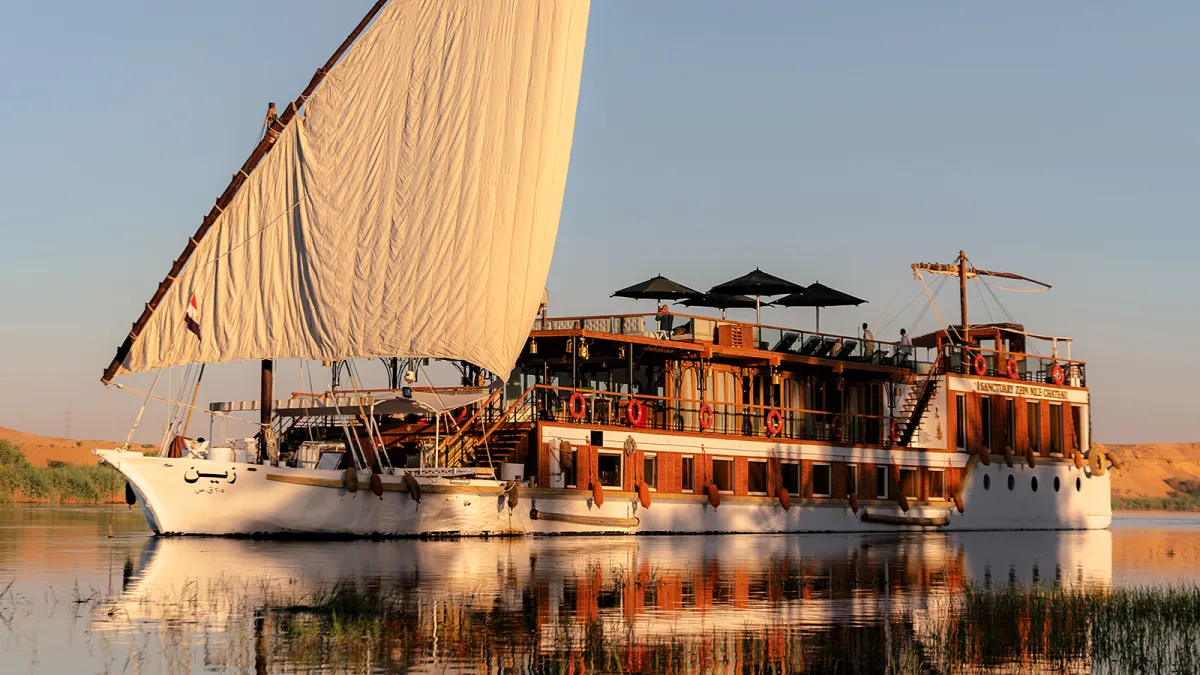
Zone 1: Cairo — 2–3 Nights

Cairo is overwhelming in the best possible way — 23 million people, 5,000 years of continuous habitation, the call to prayer from a thousand minarets echoing off limestone walls at 5 AM. The non-negotiables are the Giza Plateau (arrive at opening, before 9 AM), the Grand Egyptian Museum (allow 3–4 hours minimum for the Tutankhamun treasury alone), and a wander through Islamic Cairo’s al-Muizz Street at dusk. Khan el-Khalili bazaar at night, with a mint tea at Fishawi’s Coffeehouse (continuously open since 1797), is the cultural dessert. Hidden gem for cultural explorers: the Coptic Cairo neighborhood. The Hanging Church (Al-Muallaqah), built in the 4th century AD on top of a Roman fortress gate, is one of the oldest Christian churches in existence and is virtually empty on weekday mornings. Most Cairo tour packages skip it entirely. egytravellux always includes it. For a complete planning resource, read our Grand Egyptian Museum Guide.

Zone 2: The Nile Valley — Luxor to Aswan (5–7 Nights)

This is the irreplaceable core of any Egypt vacation. The distance from Luxor to Aswan by Nile cruise is approximately 225 km, and it is the most historically dense stretch of river on the planet. Luxor alone contains roughly 30% of the world’s ancient monuments — the Karnak Temple complex (the largest religious building ever constructed), the Valley of the Kings with its 63 identified royal tombs, and Luxor Temple glowing orange under floodlights at 9 PM. Aswan is quieter, warmer, and dominated by the great water: the Aswan High Dam, the granite quarries where ancient Egyptians cut the obelisks, and the Temple of Philae on its island. The Nile cruise between these two cities is not transport — it is the experience itself. Watching the Edfu Temple appear between date palms as you round a river bend at 7 AM, the engine barely audible, a cup of coffee in hand: this is what people mean when they say Egypt changed them. The cruise stops at Edfu and Kom Ombo temples, and the best operators — egytravellux included — time arrivals at dawn when crowds are absent. For more on timing your trip, see Best Time to Visit Egypt.
NILE CRUISE OPTIONS — 2026 COMPARISON
Standard Cruise (3–4 nights, Luxor–Aswan) Price: $400–$700 per person | Vessel: 60–100 cabin ship | Meals: Full board | Guide: Shared group
Premium Cruise (5–7 nights, full route) Price: $800–$1,500 per person | Vessel: Boutique 20–40 cabin ship | Private deck access | Egyptologist guide
Luxury Dahabiya (4–7 nights, private sailing vessel) Price: $1,800–$3,500 per person | 2–4 cabins only | Private chef | Full butler service | Zero crowds Recommended vessels: Amoura, Sonesta Moon Goddess, Sanctuary Sun Boat IV
Hot Air Balloon (Luxor, sunrise) Price: ~$90–$150 per person | Must be pre-booked | Minimum 2 passengers | Best Nov–Mar

Zone 3: Abu Simbel — The Non-Negotiable Day Trip

No Egypt vacation is complete without Abu Simbel. Ramesses II built these two rock-cut temples at the far southern edge of his empire around 1264 BC, and had them decorated with reliefs of his own divine status so that conquered Nubian peoples would be left in no doubt about who ruled the world. The four colossal seated figures of Ramesses — 20 metres tall each — watching the sunrise over Lake Nasser are the most audacious piece of architectural arrogance in human history, and they are magnificent. The UNESCO-led relocation of Abu Simbel in the 1960s (the entire temples were cut into blocks and reassembled 65 metres higher to save them from the rising waters of the Aswan High Dam) is itself a staggering achievement. Fly from Aswan — 55 minutes — or take a 3 AM convoy drive if budget is the priority. The Sun Festival on February 22nd and October 22nd, when the sun aligns to illuminate the inner sanctuary, is a once-in-a-lifetime calendar event. Book your Abu Simbel Tour in advance to secure the best flight or convoy slots.

Zone 4: The Red Sea Coast — Optional but Outstanding

Adding 2–3 nights at Hurghada or Sharm El-Sheikh after the Nile Valley segment is the format that works best for mixed groups: partners who want temples and others who want coral reefs get both. Hurghada is better for diving (the marine biodiversity of the Brothers Islands reef system is world-class); Sharm El-Sheikh has better resort infrastructure and easier connections back to international airports. The Red Sea coast is where all-inclusive beach resorts operate in the traditional sense. Properties like SUNRISE Arabian Beach Resort and Stella Di Mare Beach Hotel offer the full package: unlimited meals, activities, bars, and entertainment for a fixed nightly rate. These are not sites to rush — plan a minimum of two nights to make the travel worthwhile.

Your Egypt Vacation — Designed for Your Travel Style

🏺 The Cultural Explorer: Depth Over Distance

If you come to Egypt to understand it — not just photograph it — you need an itinerary built around access rather than checkboxes. The single most impactful upgrade you can make to any Egypt vacation package is a licensed Egyptologist as your private guide. Not a driver who has memorized a script. A specialist who can read the hieroglyphic inscriptions at Karnak and explain why the orientation of Ramesses III’s mortuary temple at Medinet Habu tells us something specific about his military campaign in Libya. Cultural explorers should prioritize: the Tomb of Seti I in the Valley of the Kings (the most elaborately decorated royal tomb ever discovered, only recently restored and reopened to limited visitors), the temple precinct of Dendera with its preserved Zodiac ceiling, and the off-map site of Abydos — home to the Temple of Seti I and the Osireion, a mysterious subterranean structure dedicated to the resurrection god Osiris. These three sites require a dedicated day from Luxor and appear in almost no standard packages. For authoritative site information, consult the Ministry of Tourism and Antiquities.
🔍 CULTURAL EXPLORER — HIDDEN GEM SITES FOR 2026Dendera Temple Complex (2 hrs from Luxor): The Hathor Temple has the best-preserved painted ceilings in Egypt. The famous Dendera Zodiac (the original is in the Louvre, but the carved ceiling here is extraordinary). Visit at 7 AM before the tour buses. Abydos (3 hrs from Luxor): The Osireion and Temple of Seti I — this is where pharaohs came to be declared legitimate rulers before the gods of creation. Almost no mass-market packages include it. Medinet Habu (Luxor, West Bank): The mortuary temple of Ramesses III is better preserved than most Karnak sections, and at 6:30 AM it is almost deserted. The hieroglyphic texts of the Sea Peoples War are here. Siwa Oasis (750km west of Cairo): The Oracle Temple where Alexander the Great was declared a god. No crowds, no tour buses — just palm groves, salt lakes, and 3,000 years of complete silence. egytravellux includes Dendera and Abydos as a standard option on all 10-day+ cultural itineraries.

💎 The Luxury Seeker: The Private Egypt Nobody Else Sees

A luxury Egypt vacation in 2026 is not about five-star thread counts (though those are here too). It is about exclusive access and pace. The Old Winter Palace Hotel in Luxor, opened in 1907 and still operated by Sofitel, has a terrace where Agatha Christie wrote “Death on the Nile.” The Old Cataract Hotel in Aswan sits on a granite cliff above the First Cataract, and the view at sunset — the Nile turning from bronze to ink, the feluccas catching the last wind, Elephantine Island in silhouette — is one of the most beautiful panoramas in the world. egytravellux’s luxury packages include elements that cannot be booked independently: pre-dawn private access to Karnak Temple (a site management arrangement that allows entry 45 minutes before public opening), a private dinner at the base of the Colossi of Memnon, and a full-day charter to Abu Simbel that includes arrival before the tour groups and a private picnic at the lake edge. None of these are advertised online. They are curator-level experiences built on years of relationships with Egyptian authorities.
🌟 LUXURY EGYPT VACATION — egytravellux SIGNATURE PACKAGE (10 DAYS)
Day 1–2 Cairo — Marriott Mena House; private GEM early-entry; Coptic Cairo; Khan el-Khalili by private car
Day 3 Private Giza tour at opening + Solar Boat Museum; interior of Great Pyramid; 5-star lunch
Day 4 Fly Aswan; Old Cataract Hotel; Philae Temple by private felucca at sunset
Day 5 Private charter Abu Simbel + Lake Nasser picnic; return Aswan for Elephantine Island evening
Day 6–10 Board private dahabiya Aswan–Luxor; Edfu (dawn arrival); Kom Ombo; Esna; Valley of Kings (2 days)
Day 10 Hot air balloon over Luxor at sunrise; Karnak pre-opening access; fly Cairo/home
All-inclusive Accommodation, all meals, Egyptologist, all transfers, all tickets, balloon, Abu Simbel charter
Price From $4,200 per person | Fully private | Free consultation: www.egytravellux.com/consultation

👨‍👩‍👧 The Family Traveler: Egypt That Works for Everyone

Egypt is better for families than most parents expect — and worse than most travel brochures suggest, for reasons that are entirely manageable with the right preparation. The good news: Egyptian culture loves children with a warmth that is entirely genuine, entrance fees for children under 12 are substantially reduced, and the scale of the monuments creates the kind of authentic, screen-free wonder that parents spend years trying to engineer. The pyramids do not need a presenter. The logistics are where preparation matters. Young children cannot enter pyramid interiors (under-6 restriction) and may find the Valley of the Kings challenging without a guide who can calibrate the narrative for their age. The GEM is exceptional for families — air-conditioned, well-organized, with a dedicated children’s gallery and a full restaurant. A Nile cruise is phenomenal for families: enclosed, safe, beautiful, and with enough downtime between temple stops for children to use the pool and recover. Plan a maximum of two site visits per day for any child under 10. For dedicated family options, visit our Egypt Family Holiday Packages page.
👨‍👩‍👧 FAMILY EGYPT VACATION CHECKLIST — 2026
  • Best format: Private 10-day package (Cairo + Nile cruise + optional Red Sea)
  • Best months: November, February, March — cool enough for children to handle full-day itineraries
  • Accommodation: Choose cruise ships with a children’s pool; hotels with in-room fridges for baby supplies
  • Meals: All major tourist restaurants cater to Western palates; cruise ships offer child menus
  • Medical: Bring a full first aid kit; ibuprofen and rehydration sachets are essential (heat + new food)
  • Strollers: Useless at Giza and Valley of Kings (sand + uneven stone) — use a carrier for toddlers
  • Night temperature: Cairo in winter drops to 8°C at night — pack a real jacket for children
  • Safety: Egypt is consistently reported as safe for family travel; tourist areas have visible police presence
  • egytravellux family packages include child-paced Egyptologist guides and private transfer throughout

The Solo Adventurer: Egypt on Your Own Terms

Solo travel in Egypt has a texture that group and family travel simply cannot replicate. You eat when you want, stop when something interests you, and end up in conversations with local archaeologists at Luxor guesthouses that reshape everything you thought you knew about the ancient world. The Luxor west bank guesthouse scene — particularly the Marsam Hotel, favored by excavation teams since the 1920s — operates as an informal salon for solo travelers who actually want to understand where they are. Safety for solo travelers, including solo women, is manageable with direct preparation. Dress modestly (shoulders and knees covered in non-resort areas), use Uber or Careem rather than unmarked taxis, and stay in well-reviewed accommodation. The solo premium on private packages is real — you pay more per person because the vehicle and guide cost is fixed — but joining a small-group tour of maximum eight people splits that cost and adds the social element without the cattle-herd experience of a 16-seat bus.
SOLO ADVENTURER — OFF-THE-BEATEN-PATH EGYPT 2026Dahshur at sunset (solo, no guide needed): The Bent Pyramid and Red Pyramid with almost zero tourists. Take an Uber from Giza (~$6). Budget 2 hours. The Red Pyramid interior is open and extraordinary. Luxor west bank by bicycle: Rent a bike from the ferry landing (EGP 50/day) and ride to Medinet Habu at 6 AM — the muezzin call echoing off 3,200-year-old walls with no other tourist in sight. Siwa Oasis 3-day solo trip: Bus from Cairo or charter jeep. Stay at Adrere Amellal eco-lodge (no electricity, no Wi-Fi, absolute silence). Visit the Oracle Temple of Amun where Alexander asked about his destiny. Coworking + culture: Cairo’s Workshop Coworking in Maadi (day pass ~$10); 4G SIM card 30GB for $3. 40Mbps average speed in Cairo. Drops inside tombs — bring downloaded offline maps. Social scene: Sequoia restaurant on the Nile (Cairo) for meeting other travelers; Sofra restaurant (Luxor) for the best local food with a genuinely mixed crowd. egytravellux builds solo-optimized itineraries that combine group morning temple tours with solo afternoon freedom.

Egypt Vacation Packages 2026: Complete Price Comparison

Before choosing between different Egypt vacation packages, compare what’s included carefully, especially flights, entrance fees, cruise quality, and guide credentials. Use this master table to match your budget, travel style, and preferred duration to the right package type. All prices are land-only (excluding international flights) and are quoted per person based on double occupancy unless otherwise noted.
Package Type Duration Price/Person Best For
Budget group tour 7–10 days $800–$1,400 Solo travelers, young couples, first-timers on budget
Mid-range group (incl. Nile cruise) 8–12 days $1,400–$2,000 Couples, small groups, balanced culture + comfort
Mid-range private (2 pax) 8–12 days $1,800–$2,500 Couples wanting private guide without luxury price
Luxury private (2 pax) 10–14 days $2,500–$4,500 Honeymoons, milestone trips, luxury seekers
egytravellux ultra-private 8–14 days $4,200–$6,500+ VIP, exclusive access, dahabiya, PhD Egyptologist
Beach all-inclusive (Red Sea) 7 nights $700–$1,800 Beach lovers, family relaxation, post-tour decompression
Cairo-only weekend (3 nights) 3–4 days $400–$900 City-break travelers, transit stopover maximizers
Cairo + Nile cruise (no Red Sea) 9–11 days $1,200–$3,500 Culture-focused, no beach needed, maximum history
Note: Exchange rates fluctuate. USD 1 ≈ EGP 50 as of early 2026. Packages priced in USD by international operators are stable; packages priced in EGP locally offer even better value as the rate moves. Always confirm inclusions of: entrance fees, domestic flights, GEM ticket, tipping, and visa assistance before booking.

The Questions You Didn’t Know to Ask — Answered

Do I Need a Visa for Egypt in 2026?

Citizens of most Western nations (USA, UK, EU, Australia, Canada) can obtain an Egypt e-Visa online at visa2egypt.gov.eg for approximately $25 USD. Apply at least 72 hours before travel. Visas on arrival are also available at Cairo International Airport for $25 USD cash (USD, EUR, or GBP accepted). Some nationalities qualify for a free visa on arrival — check your specific country on the official portal before departure. egytravellux’s all-inclusive packages include visa application assistance as standard. You supply the passport scan and payment; we handle the submission and follow up on your behalf. It takes 15 minutes and eliminates the single most common pre-departure anxiety for first-time Egypt visitors.

How Do I Handle Street Vendors Without Conflict?

Vendors at major sites — Giza, Luxor, Karnak — are persistent, skilled conversationalists, and entirely manageable once you know the approach. One clear, friendly “La, shukran” (No, thank you) in Arabic, said with brief eye contact and then continued walking, signals cultural awareness and firm disinterest simultaneously. Do not smile apologetically while declining — it reads as hesitation. Do not begin a price negotiation unless you intend to buy. If you have a private guide, this problem effectively disappears — they run interference continuously and their presence signals to vendors that you are in a managed party. On solo or group tours without a dedicated guide at the gate, the skill is learned within 30 minutes of your first site. It becomes genuinely stress-free. The vendors are not aggressive; they are entrepreneurial.

2026 Tipping Guide for Egypt Vacation Packages

Service Recommended Amount (2026)
Private Egyptologist guide (full day) EGP 400–700 / $8–14 USD per person
Shared group guide (full day) EGP 200–400 / $4–8 USD per person
Private driver (full day) EGP 150–250 / $3–5 USD
Nile cruise cabin steward (per night) EGP 50–100 / $1–2 USD
Hotel porter (per bag) EGP 20–50 / $0.40–1 USD
Restaurant (tourist areas) 12–15% of bill
Felucca captain (half-day) EGP 100–200 / $2–4 USD
Temple attendant who opens gate/shows detail EGP 20–50 / $0.40–1 USD
Toilet attendant at sites EGP 5–10 / $0.10–0.20 USD

Is Egypt Safe for International Tourists in 2026?

Egypt is consistently rated as one of the safer destinations in the MENA region for international tourists. The 2026 travel advisories from the UK FCDO and US State Department both classify tourist areas (Cairo, Luxor, Aswan, Red Sea resorts) as standard travel risk — the same category as many Southern European cities. Tourist police are visibly present at all major sites. The practical concerns are petty theft (keep bags in front of you at bazaars), vendor pressure (entirely manageable), and sun-related illness (preventable with water and sunscreen). North Sinai is categorized differently and should be avoided — this does not affect any standard tourist itinerary. The Sinai Peninsula’s resort areas (Sharm El-Sheikh, Dahab, Taba) are in South Sinai and are safe, as confirmed by the continued operation of major international hotel chains throughout the region.

Is Wi-Fi and 4G Reliable Enough for Remote Workers?

Cairo and Giza: strong 4G throughout (Vodafone Egypt or Orange Egypt SIM, 30GB for EGP 150 / ~$3 USD). Luxor and Aswan: reliable 4G in all major hotels and tourist areas. Nile cruise ships at 4-star and above: satellite Wi-Fi standard, download speeds of 10–20 Mbps typical. Dead zones: inside pyramid chambers and deep in Valley of the Kings tombs — download offline maps before entering. Siwa and desert areas: patchy to none; plan accordingly.

What to Pack for an Egypt Vacation: Season-by-Season

luxury egypt holiday

Peak Season (November – February)

  • Layers are essential: Cairo nights drop to 8–10°C — bring a real jacket, not just a light cardigan
  • Comfortable closed-toe walking shoes for temple floors (uneven limestone; no sandals at Karnak)
  • Scarf or shawl: required for women at mosques and Islamic sites; doubles as sun protection on desert sites
  • Sunscreen SPF 50+: winter sun reflects off pale limestone with surprising intensity
  • Light cotton or linen layers for daytime — even winter Aswan reaches 26°C in the afternoon
  • Portable power bank: full-day tours drain phones rapidly between navigation, photography, and translation apps
  • Small daypack with a secure zip pocket for tickets, passport copy, and cash

Shoulder Season (March – April, October)

  • Same as peak season, plus electrolyte packets — April heat in Upper Egypt builds fast
  • Wide-brim hat and UV-protection clothing for extended open-air sites like Giza and Saqqara
  • Check Ramadan dates for 2026 — site hours and restaurant availability shift during the holy month

Summer Season (May – September)

  • Electrolytes are non-negotiable: dehydration in 40°C+ heat is a real risk
  • Loose, long-sleeved UV-protection shirts: counterintuitively cooler than tank tops in direct desert sun
  • 2L+ refillable water bottle — bring from home to reduce plastic waste at sites
  • Cooling towel and small handheld fan for open-air temple sections
  • Plan all temple visits for 6–9 AM and 4–6 PM only; use midday for GEM (air-conditioned) or hotel pool

FAQ — Egypt Vacation Packages 2026

Q1: How much does an all-inclusive Egypt vacation cost in 2026?

The average cost of a 10-day tour is approximately $1,800 per solo traveler or $2,300 per couple for a mid-range all-inclusive land package (EgyptToursPlus, 2025). Budget packages start around $800 per person for a 7-day trip. Luxury private packages begin at $2,500 per person and can reach $6,000+ for fully curated, dahabiya-based itineraries. International flights are typically additional; round-trip tickets from US East Coast cities range from $700–$1,200 when booked 2–3 months in advance.

Q2: Is it worth booking an all-inclusive Egypt package vs. traveling independently?

For first-time visitors: yes, an all-inclusive package adds enormous value. Egypt’s logistical complexity — navigating domestic flights, negotiating taxi fares, managing entrance ticket queues, and understanding which sites are worth visiting in what order — is genuinely overwhelming without local expertise. The cost premium over independent travel is typically $200–500 per person for a 10-day trip, and in return you get a guide who transforms the monuments from impressive stones into living history. That trade-off is worth it for the vast majority of travelers.

Q3: What is the best Egypt vacation package for families?

A private 10-day package combining Cairo (2 nights) with a Nile cruise (5 nights) and optional Red Sea (2 nights) is the established best format for families. Private packages allow child-paced itineraries, flexible meal times, and guides who adjust their narrative depth for different ages. November through February is the best window for families: temperatures are manageable and the school holiday timing in most markets coincides with peak season quality.

Q4: Which Egypt vacation package is best for a honeymoon?

A luxury private dahabiya cruise from Aswan to Luxor (4–5 nights) combined with 2 nights at the Old Cataract Hotel in Aswan and the Old Winter Palace in Luxor is the definitive honeymoon Egypt experience. The dahabiya — a traditional wooden sailing vessel with 2–4 cabins maximum — offers complete privacy, sundowner cocktails on the upper deck, and dawn arrivals at Edfu and Kom Ombo temples before any other vessel has docked. Add a private hot air balloon over Luxor at sunrise and the experience is complete. Browse our Egypt Honeymoon Packages for romantic itineraries.

Q5: When is the best time to book an Egypt vacation in 2026?

For peak season travel (November–February), book at least 3–4 months in advance. Luxury Nile cruises and private dahabiyas sell out in February 6+ months ahead. The Grand Egyptian Museum now requires advance timed-entry tickets during peak season, which can also sell out. For shoulder season (March–April, October), 6–8 weeks is sufficient for most packages. egytravellux recommends booking any December or January trip by September at the latest.

Q6: Do I need vaccinations for Egypt?

There are no mandatory vaccinations for most travelers visiting Egypt from the US, UK, EU, or Australia. The recommended vaccinations (hepatitis A, typhoid, standard travel vaccines) are worth discussing with a travel medicine physician at least 4–6 weeks before departure. No malaria prophylaxis is required for standard tourist itineraries (Cairo, Luxor, Aswan, Red Sea). Bring all personal medications in original packaging with a doctor’s letter for prescription items.

Q7: Can I combine Egypt with another country in one trip?

Egypt pairs exceptionally well with Jordan (Petra, Wadi Rum) as a 14–16-day combined itinerary, operated by most major tour companies including egytravellux. The Egypt-Morocco combination is growing in popularity for travelers wanting a broader North African cultural experience. Greece or Turkey as a pre- or post-Egypt extension works well given the direct flight connections. egytravellux builds multi-country custom itineraries on request — the free consultation is the right starting point for these conversations.

The Right Egypt Vacation Package Is the One Built for You

Egypt in 2026 is the most visit-ready it has been in a generation. The infrastructure is exceptional, the Grand Egyptian Museum has reshaped what a Cairo day looks like, and the Nile Valley operates with a maturity of tourism service that rewards travellers who show up prepared. The choice between budget and luxury, between beach and Nile, between group and private is not about which is better — it is about which is better for you, specifically. The biggest mistake most travelers make is booking an Egypt vacation package that was designed for someone else. A family needs a different guide pace, a different accommodation type, and a different daily structure than a solo adventurer or a luxury honeymoon couple. Getting that match right is what turns a good trip into the trip that people talk about for the rest of their lives.
Design Your Egypt Vacation with egytravellux Tailor-made packages for families, solo travelers, luxury seekers & cultural explorers. Book a FREE 30-minute consultation Now!
At egytravellux, we design fully customized Egypt vacation packages that match your travel style, interests, and budget. Whether you’re planning your first visit or returning to discover more of Egypt, our tailor-made itineraries ensure an unforgettable experience.
 
Pyramiden Touren in Kairo 2026 – Preise, Buchung & Insider-Tipps

Pyramids Cairo Tour Prices 2026: Avoid Overpaying for Tickets & Best Private Tours

Pyramids Cairo Tour Prices 2026: Tickets, Best Private Tours & Best Cost Guide

Welcome to the most comprehensive guide to Giza Pyramids tours in 2026. Whether you’re planning a quick morning visit or an immersive full-day experience with a licensed Egyptologist, this guide covers everything you need to know—from current prices and best visiting times to insider tips that transform a standard tour into an unforgettable journey. If you’re comparing Pyramids Cairo Tour Prices
See Also Egypt Trip Cost 2026: Complete Budget Guide for Every Type of Traveler

in 2026, you’ll find options ranging from budget-friendly shared experiences to fully customized luxury tours. The Giza Plateau remains Africa’s most-visited archaeological site, welcoming over 15,000 daily visitors during peak season.

With options ranging from budget-friendly shared tours at $35 per person to exclusive VIP experiences at $600+, there’s a perfect pyramid tour for every traveler, budget, and interest level. Let’s help you plan an experience that matches your vision of this 4,500-year-old wonder.

At 6:15 AM, before the tour buses arrive, the Giza Plateau belongs to nobody. The three pyramids cut hard triangles into a bruised purple sky, and the Sphinx stares east as if it has been waiting four and a half millennia for the sun to prove its loyalty. You can feel the geometry of the place before you can even name it.

There is no checklist that prepares you for this, though knowing the best time to visit Egypt ensures you experience this stillness in the most perfect light. For many travelers, researching

Pyramids Cairo Tour Prices is the first step toward choosing the right experience, whether that’s a quick half-day visit or a full-day private tour with an Egyptologist guide.

Tourists exploring the Great Pyramid during a Cairo Giza day trip
WhatsApp Image 2026-07-01 at 3.28.37 PM (1)
WhatsApp Image 2026-07-01 at 3.28.37 PM
WhatsApp Image 2026-07-01 at 3.28.38 PM (1)
WhatsApp Image 2026-07-01 at 3.28.38 PM
WhatsApp Image 2026-07-01 at 3.29.27 PM (1)
WhatsApp Image 2026-07-01 at 3.29.27 PM (2)
Family visiting the Sphinx on a full-day Cairo Giza tour
WhatsApp Image 2026-07-01 at 3.29.27 PM (3)
WhatsApp Image 2026-07-01 at 3.29.27 PM
WhatsApp Image 2026-07-01 at 3.29.28 PM (1)
WhatsApp Image 2026-07-01 at 3.29.28 PM (2)
WhatsApp Image 2026-07-01 at 3.29.28 PM (3)
WhatsApp Image 2026-07-01 at 3.29.28 PM (4)
WhatsApp Image 2026-07-01 at 3.29.28 PM (5)
WhatsApp Image 2026-07-01 at 3.29.28 PM (6)
WhatsApp Image 2026-07-01 at 3.29.28 PM
WhatsApp Image 2026-07-01 at 3.29.29 PM (1)
Travelers taking photos at the Giza Plateau during a guided tour
WhatsApp Image 2026-07-01 at 3.29.29 PM (2)
WhatsApp Image 2026-07-01 at 3.29.29 PM
WhatsApp Image 2026-07-01 at 4.03.05 PM (1)
WhatsApp Image 2026-07-01 at 4.03.05 PM (2)
WhatsApp Image 2026-07-01 at 4.03.05 PM (3)
WhatsApp Image 2026-07-01 at 4.03.05 PM (4)
WhatsApp Image 2026-07-01 at 4.03.05 PM
WhatsApp Image 2026-07-01 at 4.03.06 PM (1)
WhatsApp Image 2026-07-01 at 4.03.06 PM (2)
WhatsApp Image 2026-07-01 at 4.03.06 PM (3)
WhatsApp Image 2026-07-01 at 4.03.06 PM (4)
WhatsApp Image 2026-07-01 at 4.03.06 PM (5)
Luxury Cairo Giza day trip with private Egyptologist guide
WhatsApp Image 2026-07-01 at 4.03.06 PM
BY THE NUMBERS: EGYPT PYRAMIDS TOURISM 2026
• Egypt received approximately 19 million international visitors in 2025 — a 21% year-on-year increase (Egypt Independent, Jan 2026)
• The Grand Egyptian Museum (GEM), opened fully Nov 2025, holds 100,000+ artifacts and draws 5M+ projected annual visitors
• The Giza Plateau is the most-visited site in Africa — peak season (Nov–Feb) sees 15,000+ daily visitors
• Guided tours range from $45–$75/person (group) to $150–$250/person (private Egyptologist) — Pure Nile Tours, Jan 2026
• General Giza Plateau entry: 700 EGP (~$14 USD) per adult; Great Pyramid interior: 1,500 EGP (~$30 USD)

Pyramids Cairo Tour Prices & Costs

Planning a Giza Pyramids tour in 2026 requires understanding the complete cost breakdown—not just the tour price, but entrance fees, optional experiences, and what’s actually included in each package. For travelers researching Pyramids Cairo Tour Prices

, comparing inclusions is just as important as comparing the advertised cost. Egypt received approximately 19 million international visitors in 2025, many of them heading straight to Giza, which means competition among tour operators is fierce and pricing varies dramatically based on what you’re actually getting.

From our research across multiple tour operators including Pure Nile Tours and egytravellux, current Giza Pyramids tour prices range from $45–$75 per person for group tours to $150–$600+ for private, luxury experiences. Understanding

Pyramids Cairo Tour Prices upfront prevents overpaying and ensures you’re comparing apples to apples when choosing between tour operators.

Pyramids Cairo Tour Prices & Costs

Official Entrance Fees and Pyramids Cairo Tour Prices in 2026

Before booking any tour, understand Egypt’s official entrance fees, which are set by the Ministry of Tourism and Antiquities and are non-negotiable at the gate. These fees are an important factor when comparing Pyramids Cairo Tour Prices

across different tour operators. The Giza Plateau general entry ticket costs 700 EGP (approximately $14 USD) per adult and gives you access to the exterior of all three pyramids plus the Great Sphinx and Valley Temple.

If you want to venture inside the Great Pyramid of Khufu—the largest and most dramatic interior experience—add another 1,500 EGP (~$30 USD). The Pyramid of Khafre interior costs 280 EGP (~$5.60 USD), while the smallest, Menkaure, is 200 EGP (~$4 USD).

Children under six enter free everywhere, though they’re not permitted inside pyramid chambers for safety reasons.

If your itinerary includes the Grand Egyptian Museum (GEM), which opened fully in November 2025 and now houses 100,000+ artifacts including Tutankhamun’s complete treasure collection, budget an additional 1,200 EGP (~$25 USD) and 2.5–3 hours of your time.

Add-on sites like Saqqara (450 EGP / $9) or Dahshur Necropolis (60 EGP / $1.20) are extraordinarily affordable and often overlooked, despite containing some of Egypt’s oldest stone structures. Understanding these ticket costs helps travelers evaluate

Pyramids Cairo Tour Prices more accurately and avoid unexpected expenses.

Tour Package Pricing by Type

Your total Giza Pyramids tour cost depends primarily on whether you choose a shared group experience or a private tour, and whether tickets and meals are bundled in. When comparing Pyramids Cairo Tour Prices

, it’s important to understand exactly what is included in each package. Shared group half-day tours typically cost $35–$50 per person and include hotel pickup and a minibus ride, though entrance fees are often NOT included—always confirm before booking.

For first-time visitors, shared full-day tours with the GEM run $65–$100 per person and usually include a licensed Egyptologist guide, entrance tickets to both Giza and the museum, and lunch at a tourist-standard restaurant.

Solo travelers should consider joining a small-group tour (maximum 6 people) to avoid the “solo premium” that bumps private tour costs higher, while still receiving better guide attention than a 15-person bus provides. Private tours reflect the fixed cost of your exclusive vehicle and guide, making them more expensive but infinitely more flexible.

A private half-day tour for two people costs $90–$140 and includes personalized service, though you’ll still need to budget for entrance fees unless stated otherwise.

The sweet spot for most travelers is a private full-day experience at $150–$250 per person, which bundles a private vehicle, licensed Egyptologist guide, all entrance tickets, and lunch. If you want to add Saqqara or Dahshur to create a sprawling 10–12 hour day across multiple pyramid sites, expect $200–$320 per person. Travelers researching

Pyramids Cairo Tour Prices

often find that private tours deliver significantly better value when comfort and flexibility are priorities.

At the top end, luxury experiences run $350–$600+ per person and include a PhD-level Egyptologist, sunrise access to the plateau before public opening, priority entry to the GEM’s premium Tutankhamun lounge, a five-star lunch with Nile views, and VIP seating for the evening Sound & Light Show.

Operators like egytravellux offer fully customizable packages starting at $180 per person with a free consultation, meaning you specify your interests, budget, group size, and dietary needs before they build your itinerary. Comparing these premium experiences with standard options gives travelers a clearer understanding of current

Pyramids Cairo Tour Prices and the value offered at each price point.

🐫 Ready to Walk Among the Pyramids?
Don’t just read about it—live it. Our Day Tour to Giza Pyramids includes hotel pickup, a licensed Egyptologist guide, and entrance tickets. Book your spot today—peak season slots fill fast.

Best Time to Visit the Pyramids

The question of when to visit the Giza Pyramids isn’t just about climate—it’s about crowd density, light quality for photography, and whether you’ll actually enjoy standing at the base of a 4,500-year-old monument or be squeezed shoulder-to-shoulder with thousands of other tourists.

The Giza Plateau’s peak season runs November through February, when Egypt’s temperature is perfect (72–77°F) but the site welcomes 15,000+ visitors daily. Summer months (May–September) are scorching—often exceeding 95°F—and the afternoon crowds are actually lighter because tourists arrive early and leave by noon.

The genuine sweet spot for most travelers is late November through February: manageable heat, longer daylight, and school holidays that align with family travel. Fridays and Saturdays are local Egyptian weekends, meaning domestic tourism peaks and the crowds become genuinely overwhelming.

Visit on a weekday if possible, and arrive no later than 8:00 AM—the first hour of opening is the only time the Giza Plateau feels quiet enough to actually absorb the geometry and history of the place.

Best Time to Visit the Pyramids

Half-Day Tours (4–5 hours)

A half-day Giza Pyramids tour departing your hotel at 7:30 AM and returning by 1:00 PM works beautifully for travelers with limited time: business travelers with only one night in Cairo, families with young children who lose focus after three hours, or experienced travelers on a return visit who simply want the pyramids without the full production.

You’ll see all three pyramids, the Great Sphinx from the proper viewing terrace (50 meters away, eye-level with the face), the Valley Temple of Khafre adjacent to the Sphinx, and the western panoramic viewpoint—that iconic angle where all three pyramids fit in a single frame with desert rather than Cairo in the background. This is the photograph.

This is the moment most visitors came for. Half-day tours cost $45–$95 per person on shared buses or $90–$140 for private experiences. The tradeoff: you’ll miss the Grand Egyptian Museum, which alone needs 2.5–3 hours and now houses artifacts that redefine how you understand ancient Egypt.

If the GEM is on your list—and it absolutely should be for first-timers—upgrade to a full-day tour or plan a separate afternoon visit.

Full-Day Tours (8–10 hours)

A proper full-day Giza Pyramids tour starting at 7:30 AM and finishing by 5:30–6:00 PM combines 3–4 hours on the Giza Plateau (ideally arriving at opening) with 2–3 hours at the Grand Egyptian Museum, plus a lunch break at a Nile-view restaurant between the two.

This format is the complete picture—you see the physical monuments that have dominated human imagination for millennia, then enter a museum that makes sense of them. For travelers comparing

Pyramids Cairo Tour Prices

, a full-day itinerary often provides the best overall value because it combines multiple major attractions in a single experience. Tutankhamun’s golden death mask, removed from its 3,000-year-old tomb and displayed in person for the first time in one place, hits differently when you’ve just stood at the base of the Great Pyramid.

Some operators extend full-day packages to include Saqqara—Egypt’s oldest pyramid site, home to the Step Pyramid of Djoser (predating Giza by a century) and the Mastaba of Mereruka with 32 rooms of astonishingly preserved painted reliefs—creating a 10–12 hour deep-dive into Egyptian funerary architecture across three centuries.

Full-day tours cost $120–$350 per person depending on guide credentials and inclusions, which is why many visitors research

Pyramids Cairo Tour Prices

before deciding between a standard group tour and a private Egyptologist-led experience. This format works best for first-time visitors, culture seekers who want historical narrative beyond monument facts, and luxury travelers willing to invest in a comprehensive experience.

The energy level required is moderate-to-high: you’re moving between locations, walking uneven limestone paths, and absorbing significant information.

Wear closed-toe shoes (sandals will destroy your feet on sharp stone), bring 1.5+ liters of water per person, and apply SPF 50+ sunscreen before you leave your hotel—the desert reflectivity off limestone is genuinely brutal even in November.

What to Expect on Your Giza Tour

A Giza Pyramids tour in 2026 is vastly different depending on whether you’re joining a 15-person minibus with a driver-guide, a small group of six with a licensed Egyptologist, or experiencing the plateau privately before the public arrives. The quality of your guide determines whether you see stones or understand civilization.

A great guide connects the physical monument to the political and engineering context, explains what scholars still debate about construction methods, and shows you the details the standard tourist script ignores.

The worst experience combines peak-hour crowds (10 AM–2 PM) with a guide focused on getting you to the souvenir shop rather than the solar boat museum. Here’s what to expect based on the type of experience you choose.

Cultural Explorer Experience and Pyramids Cairo Tour Prices

If you come to Egypt to understand the pyramids rather than simply photograph them, you need a guide with genuine academic credentials—a licensed Egyptologist holding a degree in Egyptology, not a charismatic driver who has memorized a script. When comparing Pyramids Cairo Tour Prices

, cultural-focused experiences often provide far greater value than standard sightseeing tours because of the depth of historical interpretation they offer. The difference is profound.

A true Egyptologist can explain that the Great Pyramid of Khufu was completed around 2560 BC and held the record as Earth’s tallest man-made structure for 3,800 years.

They know that 2.3 million limestone blocks, each weighing 2.5–15 tonnes, were fitted so precisely that a knife blade cannot pass between them—and they can tell you what’s still being honestly debated about how and why this was accomplished.

They understand the religious significance of orientation, the engineering of internal chambers, and the solar theology embedded in every angle.

Most tourists skip the Solar Boat Museum entirely—a grievous oversight that costs them an extraordinary 4,600-year-old cedar boat reassembled from 1,224 pieces and displayed as the oldest intact vessel on Earth.

A proper Egyptologist guide shows you this without being asked, then explains its funerary purpose and what it reveals about Old Kingdom beliefs about the afterlife.

At the Grand Egyptian Museum, while other tour groups rush past Tutankhamun’s treasures in 45 minutes, your Egyptologist spends 90 minutes on the royal mummies, explains the political context of each dynasty, and points out details in painted reliefs that transform them from pretty pictures into historical documents.

These enhanced experiences are one of the key factors influencing

Pyramids Cairo Tour Prices

, especially for travelers seeking a deeper educational journey. Budget $150–$250 per person for a full-day cultural explorer tour with a licensed Egyptologist. Tip your guide 400–700 EGP (~$8–$14 USD) at the end of the day—they’ve earned it.

For the truly committed, egytravellux’s hidden gem sites include the Tomb of Qar (painted reliefs still vivid after 4,000 years, almost never mentioned in standard tours), the Tomb of Seshemnufer IV (rarely visited, genuinely intimate), and the Memphis Open Air Museum with Ramesses II’s 10-meter fallen colossus—experiences that separate the transformative trip from the standard one.

For travelers evaluating

Pyramids Cairo Tour Prices, these exclusive cultural additions often justify the higher cost of a specialized Egyptologist-led itinerary.

Luxury VIP Tours

The standard luxury Cairo pyramid tour means a private air-conditioned SUV from your five-star hotel, a PhD-level Egyptologist as your exclusive guide, and a reserved table at a Nile-view restaurant for lunch. But luxury in 2026 is no longer just about comfort—it’s about access and timing.

Operators like egytravellux arrange sunrise access to the Giza Plateau before the general public arrives, giving you 30–45 minutes inside the complex with near-total silence and light hitting the limestone in ways that no afternoon photograph has ever captured. You photograph the pyramids alone. You hear your guide’s voice echo across the plateau.

You experience the Giza Plateau as it felt to travelers 200 years ago, before mass tourism. At the Grand Egyptian Museum, the premium lounge tier provides early-entry access to Tutankhamun’s treasury before the 9:30 AM surge of guided tour groups arrives.

You walk through galleries at a contemplative pace, see pieces at eye level without 50 people between you and the display case, and ask detailed questions without feeling rushed. Your guide, holding a PhD in Egyptology, discusses not just what you’re seeing but what questions Egyptologists are still debating about specific artifacts.

For the evening, skip the general seating at the Sound & Light Show—book VIP seating on the exclusive upper terrace for a genuinely spectacular experience.

Add dinner at Sequoia on the Nile (a rooftop restaurant where the pyramids are visible across the water and your meal is timed to sunset), and you’ve assembled a day that competitors simply cannot replicate with a shared minibus.

A luxury VIP private day costs from $420 per person, fully private, all tickets included, with a free consultation at egytravellux.com to customize every detail. This is the experience for travelers who understand that the value isn’t the monuments themselves—they’re the same for everyone—but the knowledge, access, and timing surrounding them.

luxury Cairo pyramid tour

What Does a Pyramids Cairo Tour Actually Include?

The phrase “pyramids Cairo tour” covers an enormous range. A $30 shared minibus with a driver who speaks partial English is technically a tour. So is a $450-per-person private Egyptologist experience with a five-star lunch and an after-hours sunset viewing. Understanding the layers is how you avoid disappointment or overpaying.

Every legitimate tour includes transport from your Cairo or Giza hotel to the plateau. What varies enormously is whether entrance fees are included, whether your guide is a licensed Egyptologist or simply a driver with enthusiasm, and whether the itinerary extends beyond the pyramids to the

GEM, Saqqara, or the Khan el-Khalili bazaar.

Component Budget Tour Premium Tour
Hotel pickup Included Included (private vehicle)
Plateau entry tickets Often NOT included — check first Included
Guide type Driver-guide (English varies) Licensed Egyptologist
Pyramid interior ticket Extra cost ($10–30 USD) Often included
Grand Egyptian Museum Separate add-on Included in full-day packages
Saqqara / Dahshur Separate day required Available as combo
Lunch Not included / extra Included (hotel-standard restaurant)
Group size 8–15 people Private: you + guide only
Camel ride Negotiated on-site (extra) Offered, usually included
Estimated total cost $45–80 per person $150–$350 per person

Day Trip vs Full Package: The Real Difference

Comparison of half-day vs full-day Giza Pyramids tours - pricing and duration guide
This is the decision most travelers get wrong because they focus on price before understanding what each option actually delivers. A half-day trip is not a cut-down version of a . They are genuinely different experiences designed for different priorities.

The Half-Day Trip (4–5 Hours): Who It’s For

You are out of your hotel by 7:30 AM and back by 1:00 PM. You see the three pyramids, the Sphinx, the Valley Temple, and the panoramic viewpoint from the western desert edge where you get that iconic angle of all three pyramids in a single frame with no Cairo in the background. This is the photograph. This is the moment.

Half-day tours work beautifully for for only one night (a common Red Sea connection), for families with young children who lose focus after three hours, and for experienced travelers on a return visit who simply want the pyramids without the full production. They do not work if the GEM is on your list that alone needs three to four hours.

The Full-Day Package (8–10 Hours): The Complete Picture

A proper full-day tour from Cairo typically combines the Giza Plateau (3–4 hours, ideally starting at opening time) with the Grand Egyptian Museum (2–3 hours) and often includes lunch at a Nile-view restaurant between the two. When comparing Pyramids Cairo Tour Prices

, full-day packages are often the most cost-effective option because they combine multiple attractions into a single itinerary. Some operators extend to Saqqara, Egypt’s oldest pyramid site and the location of the Step Pyramid of Djoser, which predates Giza by a century.

This is the version that answers every question you didn’t know you had and helps travelers better understand what is included in different

Pyramids Cairo Tour Prices

. Cultural explorers especially benefit from the full-day format. The GEM houses Tutankhamun’s complete treasure collection—all 5,000+ pieces, assembled for the first time in one place after decades across multiple Cairo museums.

Seeing the golden death mask in person, then standing at the base of the Great Pyramid two hours later, creates a depth of understanding that no photograph or documentary can replicate. For travelers evaluating

Pyramids Cairo Tour Prices, this combination of world-class archaeology, museum access, and expert guidance often delivers the highest overall value.

HALF-DAY TRIP FULL-DAY PACKAGE
Duration: 4–5 hours Duration: 8–10 hours
Sites: Giza Plateau + Sphinx only Sites: Giza + GEM + optional Saqqara
Best for: Tight itineraries, families with toddlers, return visitors Best for: First-timers, culture seekers, luxury travelers

Pyramids Cairo Tour Prices range: $45–95 per person

Pyramids Cairo Tour Prices range: $120–$350 per person

Lunch: Not included (back before midday) Lunch: Usually included at restaurant
Guide depth: Site overview Guide depth: Full historical narrative + GEM context
Energy level required: Low–moderate Energy level required: Moderate–high
🌍 Why Stop at One Day?
If the pyramids left you wanting more, our multi-day packages unlock the rest of Egypt. Explore the 8-Day Egypt Itinerary for a balanced Nile-to-desert journey, or go deeper with the 10-Day Explore Egypt Tour covering Cairo, Luxor, Aswan, and Abu Simbel. Request a custom quote and we’ll build it around your dates.

Pyramids Cairo Tour Prices : Every Ticket & Tour Cost

Pyramids Cairo Tour Prices
Prices below are accurate as of early 2026. All EGP figures are current; USD conversions use approximately 50 EGP = $1 USD (verify current rate before travel — the EGP has been volatile since 2024 devaluations). Ticket prices are set by Egypt’s Ministry of Tourism and Antiquities and are non-negotiable at the gate.

Official Entrance Fees — Giza Plateau & Pyramids

Ticket Type Price (EGP / USD approx.)
Giza Plateau general entry (all 3 pyramids exterior + Sphinx) 700 EGP ≈ $14 USD
Inside: Great Pyramid of Khufu 1,500 EGP ≈ $30 USD
Inside: Pyramid of Khafre 280 EGP ≈ $5.60 USD
Inside: Pyramid of Menkaure 200 EGP ≈ $4 USD
Grand Egyptian Museum (GEM) general entry 1,200 EGP ≈ $25 USD
Saqqara Plateau (Step Pyramid complex) 450 EGP ≈ $9 USD
Dahshur Necropolis (Bent Pyramid + Red Pyramid) 60 EGP ≈ $1.20 USD
Sound & Light Show (evenings) 450 EGP ≈ $9 USD
Student discount (valid ISIC card) 50% off all sites
Children under 6 Free entry at all sites

Tour Package Pricing: Budget, Mid-Range & Luxury

Tour Type What You Get Price Per Person (2026)
Shared group half-day Minibus, guide, plateau entry NOT included $35–50 USD
Shared group full-day + GEM Minibus, Egyptologist, lunch, tickets sometimes included $65–100 USD
Private half-day (2 pax) Private vehicle, licensed guide, plateau tickets included $90–140 USD
Private full-day + GEM (2 pax) Private vehicle, Egyptologist, all tickets, lunch $150–250 USD
Private multi-site (Giza+Saqqara+GEM) Full 10-hr day, all tickets, lunch, camel ride $200–320 USD
Luxury VIP private day Luxury vehicle, Egyptologist PhD, 5-star lunch, GEM priority access $350–600 USD
egytravellux custom package Fully tailor-made: timing, sites, guide level, dietary needs From $180 USD — free consultation

Solo travelers pay more per person on private tours this is unavoidable since the vehicle and guide cost is fixed. For solos on a budget, joining a small-group tour (maximum 6 people) offers a much better guide-to-tourist ratio than a 15-person bus without the solo premium.

Your Pyramids Tour Built Around You

The Cultural Explorer: Beyond the Postcard and Pyramids Cairo Tour Prices

If you come to understand the pyramids, not just photograph them, you need a guide who holds a degree in Egyptology—not just a driver who has memorized a script. For travelers comparing Pyramids Cairo Tour Prices

, investing in a qualified Egyptologist often makes the difference between a sightseeing trip and a genuinely educational experience. The Great Pyramid of Khufu was completed around 2560 BC and held the record as the world’s tallest man-made structure for 3,800 years.

It contains an estimated 2.3 million limestone blocks, each weighing between 2.5 and 15 tonnes, fitted so precisely that a knife blade cannot pass between them. Your guide should be able to tell you what’s still being debated about how it was built.

Most tourists skip the Solar Boat Museum, attached to the south face of the Great Pyramid—a grievous oversight. The 4,600-year-old cedar boat was reassembled from 1,224 pieces and is the oldest intact vessel on earth. The second solar boat, excavated in 1987, is now displayed in a dedicated wing of the GEM.

This is the kind of thing a proper Egyptologist shows you without being asked. Experiences like these help explain why

Pyramids Cairo Tour Prices vary significantly between standard group tours and specialized cultural itineraries. Travelers researching Pyramids Cairo Tour Prices should pay close attention to guide qualifications, as expert interpretation often delivers far more value than the lowest advertised price.

CULTURAL EXPLORER: HIDDEN GEM SITES NEAR GIZA
Tomb of Qar (Mastaba of Qar): An Old Kingdom official’s tomb on the Giza Plateau painted reliefs still vivid after 4,000 years, almost never mentioned in standard tour scripts.
Tomb of Seshemnufer IV: Near the eastern cemetery of Khufu rarely visited, genuinely intimate, access via your Egyptologist guide.
Memphis Open Air Museum (30 min from Giza): The fallen colossus of Ramesses II laid on its back, 10 metres of calm power most day-trippers skip it entirely.
Dahshur Necropolis: The Bent Pyramid (2600 BC) and the Red Pyramid are accessible for 60 EGP total and see 1/50th the crowds of Giza. The Red Pyramid interior is open and extraordinary.
egytravellux includes Dahshur and Memphis on request in any custom itinerary.

The Luxury Seeker: Private Experiences and Pyramids Cairo Tour Prices

The standard luxury Cairo pyramid tour means a private air-conditioned vehicle from your five-star hotel, a PhD-level Egyptologist as your exclusive guide, and a reserved table at a Nile-view restaurant for lunch. For travelers comparing Pyramids Cairo Tour Prices

, luxury packages offer the highest level of personalization, comfort, and exclusive access. But egytravellux can go further.
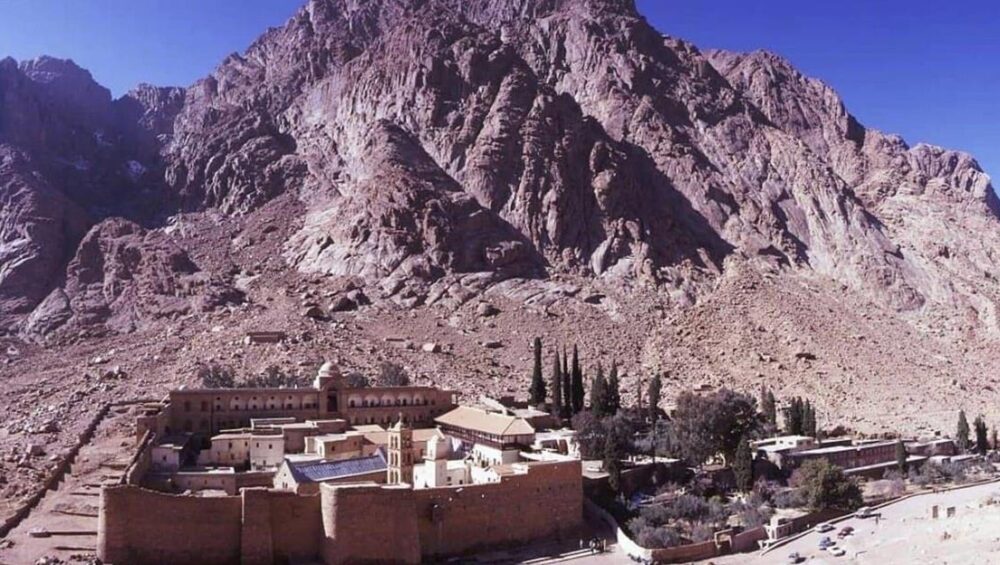
Sunrise access at the Giza Plateau before the general public arrives through arrangements with site management means 30 minutes inside the complex with near-total silence, the early light catching the limestone in a way that no afternoon photograph has ever captured.

The GEM now has a premium lounge tier with early-entry access to Tutankhamun’s treasury before the guided tour groups arrive at 9:30 AM. For the evening, the Sound & Light Show at the Sphinx is genuinely spectacular when booked with VIP seating on the exclusive upper terrace rather than the general audience area.

Add a rooftop dinner at Sequoia on the Nile, and you have a day that competitors simply cannot replicate with a shared bus. These exclusive benefits explain why premium

Pyramids Cairo Tour Prices are significantly higher than standard group tours while delivering a completely different level of experience.

LUXURY SEEKER: VIP PYRAMIDS CAIRO TOUR (egytravellux)
7:00 AM: Private vehicle pickup from your hotel (Four Seasons, Marriott, Kempinski)
7:30 AM: Arrive at Giza before general opening — near-private plateau access
9:30 AM: GEM early-entry, Egyptologist-led Tutankhamun Treasury tour
12:30 PM: Lunch at Marriott Mena House, pyramids visible from the garden terrace
2:30 PM: Saqqara — Step Pyramid of Djoser with optional tomb of Mereruka
5:00 PM: Dahshur sunset at the Red Pyramid (virtually no other tourists)
7:30 PM: Return to hotel OR Sound & Light Show VIP seating
Price: From $420/person | Fully private | All tickets included | Free consultation at egytravellux.com

The Family Traveler: Making It Work With Kids

Families are Egypt’s fastest-growing tourist segment and for good reason. Children are greeted with genuine warmth throughout the country, and the pyramids are one of the few “big” sites where kids experience authentic awe rather than adult-translated significance. The sheer scale does the work.

A ten-year-old standing at the base of Khufu, craning their neck, needs no explanation. Logistics matter for families more than any other group. Arrive at the plateau no later than 8:00 AM to beat the main crowd and the midday heat. Children under six enter free.

Note that children under six are not permitted inside the pyramid interiors for safety reasons so factor that into who goes in and who waits. The GEM has excellent air conditioning, a dedicated children’s gallery, and a full-service restaurant — ideal for the post-pyramid recovery hour.

FAMILY TRAVELER: PRACTICAL PYRAMID CHECKLIST
Best tour format: Private half-day (Giza) + GEM afternoon — keeps the day under 8 hours
Best months for families: November, February, March — manageable heat, school-holiday timing
Camel ride: Fun for ages 5+ but negotiate the price BEFORE mounting — agree on return price upfront to avoid disputes
Food at the plateau: Bring snacks and at least 1.5L water per person — on-site vendors are pricey
Safety: Stay on main paths and keep children beside you in the eastern cemetery (narrow passages between mastabas)
Restrooms: Clean facilities near the main ticket office and near the Sphinx viewpoint — use them before entering
Strollers: Not practical on the plateau (sand and uneven stone) — use a carrier for toddlers
egytravellux tip: Book morning entry before 9 AM — the crowds after 10 AM are genuinely overwhelming for small children

The Solo Adventurer: Off the Standard Route and Pyramids Cairo Tour Prices

Cairo’s solo traveler scene is more developed than most visitors expect. The city has a robust hostel network in Zamalek and downtown, a thriving coworking culture, and a social layer around the Giza area that solo travelers have been tapping into for decades.

The Marsam Hotel equivalent in Cairo is the Pension Roma—a 1940s Art Deco gem in downtown that charges $25/night and serves coffee in rooms with original tile floors. It’s the kind of place that has a story in every corner. For independent travelers researching

Pyramids Cairo Tour Prices

, solo exploration can be an affordable way to experience Cairo while maintaining complete flexibility. For the truly independent, a Cairo to Giza pyramid visit can be done solo for under $30 total—Metro Line 2 to Giza Station, then a 10-minute Uber to the plateau. The entrance fee, water, and a local koshary lunch afterward: done.

What you miss is context. The stones do not speak for themselves to the uninformed eye. Even a $20 shared tour with a decent guide adds more meaning to the plateau than two hours of solo wandering. When comparing

Pyramids Cairo Tour Prices, many solo travelers discover that small-group tours provide the best balance between affordability and expert guidance. Understanding Pyramids Cairo Tour Prices also helps solo visitors decide whether the added insight of a guide is worth the extra cost compared to a completely independent visit.

SOLO ADVENTURER: OFF-THE-BEATEN-PATH PYRAMID EXPERIENCES
Sunset at Dahshur: Take an Uber from Giza (30 min, ~$6) to Dahshur in the late afternoon. You will very likely be the only foreign tourist there. The Red Pyramid at golden hour is extraordinary.
Desert edge viewpoint: Walk or take a camel to the western panoramic viewpoint on the desert ridge — free, no guide required, best between 7–9 AM.
Evening at Khan el-Khalili: End your pyramid day at the bazaar. Arrive at 7 PM when it cools, find Fishawi’s Coffeehouse (open since 1797), order a mint tea, and do nothing for an hour.
Coworking with a view: After pyramids, Cairo’s Workshop Coworking in Maadi has day passes for ~$10 USD. 4G SIM card (Orange Egypt, 30GB for $3) keeps you connected everywhere except inside tombs.
Solo safety: Egypt is generally safe for solo travelers. Use Uber/Careem instead of unmarked taxis. At the plateau, say ‘La shukran’ (No, thank you) clearly once to vendors and keep walking.

The Questions Nobody Asks But Every Traveler Needs Answered

How Do You Handle Pyramid Street Vendors Politely?

The Giza Plateau has vendors, camel handlers, and souvenir sellers it is a fact of life and has been for decades. The approach that works: one firm, friendly “La, shukran” (No, thank you) in Arabic, eye contact maintained for exactly one second, then you keep walking. No smile that could be misread as invitation. No extended eye contact.

No stopping to explain that you don’t want anything. The camel handler situation deserves special attention. If you want a camel ride, agree on the price for the full round trip BEFORE you get on. The common friction point is being taken to a viewpoint and then being told the agreed price was only one way.

Confirm: “This price is for the full ride, both ways, back to this exact spot?” A good guide handles this entirely on your behalf.

2026 Tipping Guide for Pyramid Tours

Service Recommended Tip (2026)
Licensed Egyptologist (full day) EGP 400–700 / $8–14 USD
Driver (full day) EGP 150–250 / $3–5 USD
Camel or horse handler EGP 50–100 / $1–2 USD (after ride, not before)
Temple ‘guard’ who opens a restricted area EGP 20–50 / $0.40–1 USD
Restaurant (sit-down, tourist area) 12–15% of bill
GEM coat check / locker staff EGP 10–20 / $0.20–0.40 USD
Hotel porter (per bag) EGP 20–50 / $0.40–1 USD
Toilet attendant at sites EGP 5–10 / $0.10–0.20 USD

What to Bring to the Giza Plateau 2026 Packing List

Before comparing Pyramids Cairo Tour Prices, make sure you’re prepared for the realities of a day on the Giza Plateau. Even the best-value tours become less enjoyable if you arrive without the essentials.

  • Water: Minimum 1.5L per person — on-site vendors charge 3x the city price
  • Sunscreen SPF 50+: The desert reflectivity is brutal even in November
  • Comfortable closed-toe shoes: No sandals — the uneven limestone paths are genuinely rough
  • Light scarf or shawl: Required for women if visiting any religious sites en route; also useful as sun protection on your neck
  • Cash in small EGP bills: EGP 20s and 50s — most vendors cannot break a 500
  • Portable phone charger: Navigating, photographing, and translating drains phones fast on a full-day tour
  • Light snacks: A handful of nuts or dried fruit for between-site energy dips
  • Modest clothing: Shoulders and knees covered in all non-resort areas of Egypt

Is Wi-Fi / 4G Reliable Enough for Remote Work?

For remote workers: an Orange Egypt or Vodafone Egypt SIM card costs EGP 150 (≈$3 USD) at Cairo Airport Zone D and provides 30GB of 4G data. The signal is strong throughout Cairo, Giza, and at the GEM. It drops inside the pyramid chambers and at Dahshur (bring downloaded offline maps). Hotel Wi-Fi at 4-star and above properties is generally fast enough for video calls.

If you’re researching Pyramids Cairo Tour Prices while traveling, reliable mobile data makes it easy to compare operators, confirm bookings, and access digital tickets. Many travelers comparing Pyramids Cairo Tour Prices also use local SIM cards to stay connected with guides and tour providers throughout their stay in Cairo.

What to Actually See: A Priorities Guide

Every pyramids Cairo tour involves choices about what to prioritize. These are egytravellux’s honest recommendations, organized by value rather than by how prominently they appear in brochures.

Must-See (Non-Negotiable on Every Visit)

  • The western panoramic viewpoint: This is the photograph. Get here before 9 AM or after 4 PM.
  • The Great Sphinx: Walk to the Sphinx viewing terrace, not just past it the face from 50 metres at eye level is the correct perspective.
  • The Valley Temple of Khafre: Adjacent to the Sphinx, rarely crowded, contains some of the oldest granite construction work in Egyptian history.
  • Interior of at least one pyramid: Khufu if budget allows (most dramatic); Menkaure if you are claustrophobic (shorter ascending passage).

Highly Recommended (If Time Allows)

  • Grand Egyptian Museum: Minimum 2.5 hours. Tutankhamun’s golden death mask, the Royal Mummies Hall, and the Great Pyramid model are the anchors.
  • Saqqara’s Step Pyramid: Built by Imhotep around 2650 BC the world’s first monumental stone structure. The Mastaba of Mereruka has 32 rooms of painted reliefs.
  • Memphis Open Air Museum: 20 minutes from Saqqara. The fallen Ramesses II colossus is unexpectedly moving.

Often Overhyped (Manage Expectations)

  • Camel ride at the plateau: Fun for 15 minutes but rarely worth the negotiation stress unless your guide handles the logistics.
  • Sound & Light Show: Genuinely worth it if you choose the English performance and book VIP seating — the standard version feels dated.
  • Khan el-Khalili same-day combo: After a full day at Giza + GEM, most travelers are too tired to appreciate the bazaar. Better as an evening-only excursion.When comparing Pyramids Cairo Tour Prices, focus on overall value rather than the lowest cost. A knowledgeable guide, well-planned itinerary, and included entrance tickets often make a significant difference to your experience at the Giza Plateau.

FAQ — Pyramids Cairo Tour (People Also Ask)

Q1: How long does a Pyramids Cairo tour take?

A half-day tour of the Giza Plateau alone takes 3.5–5 hours. A full-day tour combining Giza with the Grand Egyptian Museum runs 8–10 hours. Add Saqqara and Dahshur and you are looking at a full 10–12-hour day. Most experienced travelers recommend splitting the GEM into a separate half-day if possible it deserves more time than a combined day allows.

Q2: Can I do a pyramids tour as a day trip from the Red Sea?

Yes, and it is very popular. The standard Cairo day trip from Hurghada involves a 3.5–4 hour coach journey or a 1-hour charter flight. Flight-based day trips leave Hurghada early, spend 6 hours in Cairo, and return by evening tight but achievable. Coach-based tours are longer but more affordable. egytravellux coordinates Red Sea to Cairo day trips with hotel-to-hotel transfers in both directions.

Q3: Is it worth paying for a private tour vs a group tour?

For first-time visitors with genuine cultural interest: yes, the private tour is worth the premium. A licensed Egyptologist in a one-on-one setting covers 3x the material of a group tour guide who is managing 12 people’s questions simultaneously.

For budget travelers who are comfortable learning independently: a small-group tour (maximum 6) with a good guide offers an excellent middle ground at 40–60% less than a private tour.

Q4: Do I need to book a pyramids Cairo tour in advance?

In peak season (November–February), private tours with specific Egyptologists book out 2–3 weeks ahead. The GEM now operates timed-entry ticketing during peak season, which can sell out on popular dates. General plateau tickets are available at the gate, but this changes during major events.

Bottom line: book at least 2 weeks ahead from November through February; earlier if you want a specific guide or sunrise access.

Q5: What is the best time of day to visit the Pyramids of Giza?

Opening time is 8:00 AM, and the first hour is genuinely quieter. Arriving by 7:30 AM for a private tour (which can access the viewing areas near opening) gives you 45–60 minutes before the main tour buses arrive at 9–10 AM. Avoid 10 AM–2 PM in summer and any time on Friday and Saturday (local weekend), when domestic tourism peaks.
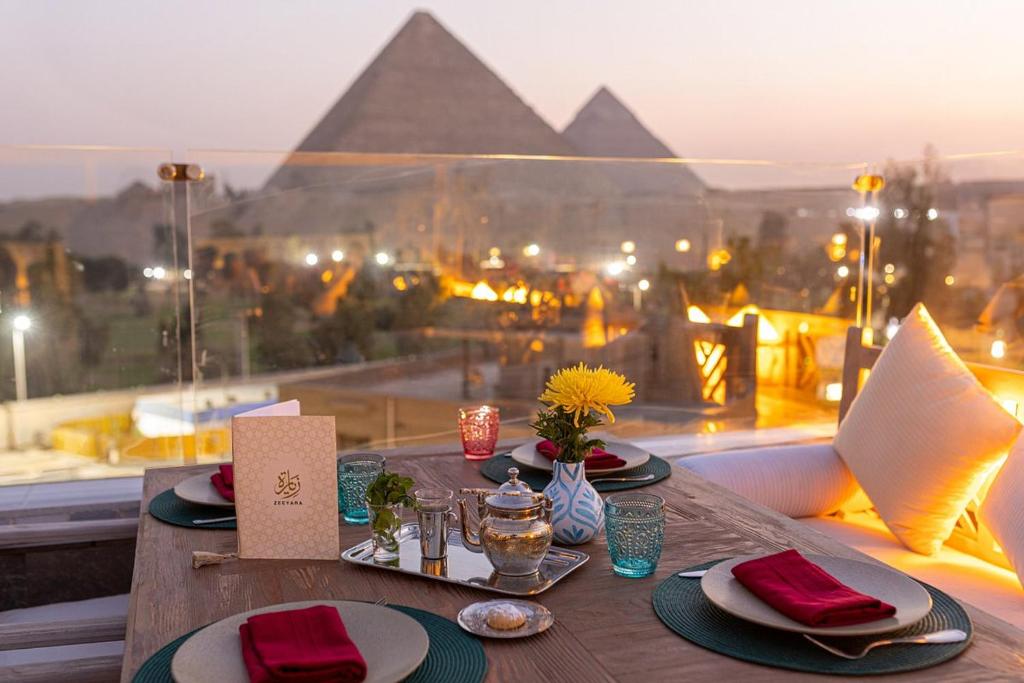
The late afternoon (4–5 PM) light on the limestone is extraordinary and the crowds begin to thin.
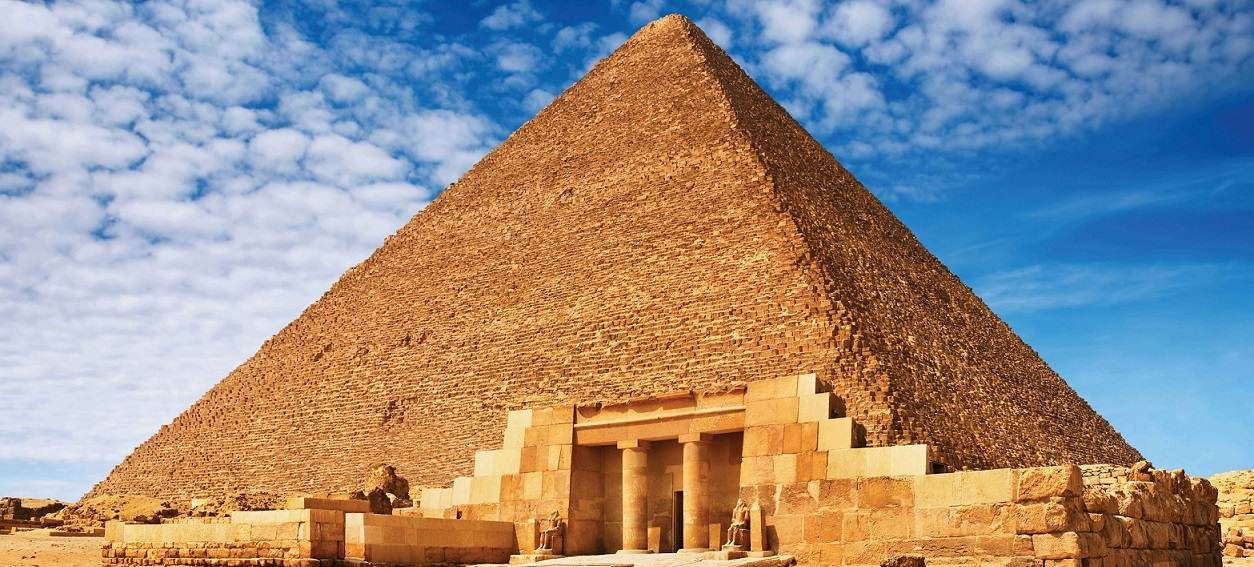
Q6: Can I visit the pyramids independently without a tour?

Absolutely. Take Metro Line 2 to Giza Station, then a 10-minute Uber to the main entrance (E1). Buy tickets at the gate in cash or by card. The plateau is large but navigable without a guide using Google Maps offline. The honest trade-off: you save $50–150 on a guide but lose significant historical context.

The stones are impressive at any level of knowledge, but they are extraordinary when someone who has spent a decade studying them tells you what you’re looking at.

Q7: Are the Pyramids of Giza safe to visit in 2026?

Yes. Giza has a substantial tourist police presence and is one of the most security-patrolled tourist sites in Egypt. The 2026 traveler advisory from the UK FCDO and US State Department both list Giza as standard tourism risk (the same category as major European cities).

The practical concerns are petty theft (keep your bag in front of you in crowded areas), aggressive vendor attention (manageable with firm politeness), and sun exposure. Physical safety at the monuments themselves is excellent.

The Right Pyramids Cairo Tour Is the One Built for You

There is no single correct answer when comparing Pyramids Cairo Tour Prices in 2026. A 24-hour Cairo stopover traveler and a culture-obsessed first-timer from London need entirely different experiences from the same monuments. Understanding Pyramids Cairo Tour Prices is only part of the decision; what matters most is choosing a tour that matches your interests, schedule, and travel style. Whether you prefer a budget-friendly group excursion or a luxury private experience, the right tour helps you experience the pyramids in a way that feels personal and memorable.

Plan Your Perfect Pyramids Cairo Tour with egytravellux

Whether you want a single day at Giza or a full Egypt adventure, we build every itinerary around you. Browse all our tours or book a FREE 30-minute consultation and let’s design your trip together.

Book Free Consultation
View All Tours

best time to visit egypt

Best Time to Visit Egypt in 2026: Month-by-Month Breakdown

Alexandria & North Coast Egypt Summer Travel Guide 2026

The Land That Invented Time: Why Summer Is the New Best Time to Visit Egypt

Picture this: It is 40°C in Seville. Rome's cobblestones are radiating heat like a pizza oven at 38-40°C. Athens is so packed that the Acropolis has implemented timed entry slots three weeks in advance. Meanwhile, on the Mediterranean coast of Egypt, you are eating grilled sea bass at a waterfront table in Alexandria, a sea breeze is keeping the temperature at a comfortable 30°C, and your hotel bill is half what you would pay in Santorini. For decades, travel guides have treated summer in Egypt as something to avoid. They were wrong. As Europe's heatwaves grow more extreme and its tourist hubs more expensive, a quiet reversal is underway. The best time to visit Egypt has always depended on what you value. If you value space, value, and the kind of travel moments that cannot be manufactured in a crowd, then Egypt in summer is not just viable. It is one of the smartest decisions a European traveler can make in 2026. Many seasoned travelers now argue that the best time to visit Egypt is no longer confined to winter months. Egypt welcomed a record-breaking 19 million international visitors in 2025, but the growth is no longer concentrated in winter. Summer bookings from Germany, the UK, France, and Italy rose 34% year-on-year as travelers discovered what Egyptians have always known: this country has multiple climates, and some of them are perfectly suited to July. Updated for Summer 2026 and based on current travel trends, this guide from egytravellux, your trusted Egyptian travel partner, dismantles the myths and shows you how to build an exceptional Egypt summer vacation. Deciding the best time to visit Egypt in 2026 requires looking at summer with fresh eyes.
2026 EGYPT TOURISM AT A GLANCE
• 19 million tourists visited Egypt in 2025, a 21% year-on-year increase (Egyptian Ministry of Tourism)
• Summer arrivals from European markets up 34% as travelers seek alternatives to Southern Europe overcrowding
• Tourism contributed EGP 1.4 trillion (8.5% of GDP) to Egypt's economy in 2024 (World Travel & Tourism Council)
• Egypt ranked Africa's #1 travel destination for the 3rd consecutive year (Nation Brand Performance Index 2024/25)
• The Grand Egyptian Museum fully opened November 2025; summer 2026 offers the most spacious visiting experience since its debut

Photo Gallery: Alexandria & the North Coast in Summer

Before diving into the full guide, take a visual tour of the Mediterranean coast that makes summer such a compelling season to visit Egypt.

Table of Contents

Why Egypt Is One of Europe's Best Summer Escapes

Europe's summer of 2025 broke temperature records from Lisbon to Ljubljana. The UK recorded its hottest June on record. France activated its highest heat alert level in twelve departments with peak temperatures reaching 38-40°C. Italy's health ministry issued red alerts for Rome, Florence, and Bologna on forty consecutive days with temperatures reaching 38-40°C. Spain's summer temperatures regularly exceeded 40°C. For travelers who remember Mediterranean summers as breezy, balmy affairs, the reality has shifted. The stone cities that charm in April become solar collectors in July. Determining the best time to visit Egypt means recognizing that summer in Egypt can be more comfortable than summer in Southern Europe. Egypt, paradoxically, offers relief. Not everywhere, and not blindly, but in specific, well-defined zones that reward the informed traveler. The mistake is treating Egypt as one climate. It is not. Alexandria weather is moderated by the Mediterranean. The North Coast Egypt enjoys onshore flows that keep temperatures lower than Alicante. The Red Sea coast is dry and predictable, with water temperatures that make summer diving superior to winter. Even Cairo and Luxor, genuinely hot at midday, reward travelers who adopt local rhythms: dawn starts, afternoon retreats, and evenings that come alive after sunset. For those researching the best time to visit Egypt, these climate zones prove that summer deserves serious consideration.
Did You Know? Egypt's North Coast averages 4–6°C cooler than Cairo in July and August, and receives steady onshore winds that drop the perceived temperature by an additional 3–4°C. Wealthy Cairenes have been summering here since the 1920s.
The value proposition compounds the appeal. A five-star sea-view room in Marsa Matrouh in August costs roughly what a three-star inland room in Nice costs in July. A private guide at Karnak in July, when the site receives a fraction of its winter traffic, costs the same but delivers a fundamentally superior experience. Direct flights from London to Cairo take four and a half hours; from Berlin, just under four. You are not flying to the other side of the world. You are flying to the other side of the Mediterranean, where your Euros and Pounds stretch further, the crowds thin out, and the beaches remain genuinely uncrowded. When evaluating the best time to visit Egypt, these practical advantages make summer increasingly attractive. For travelers asking where to go in Egypt in summer, the answer is multi-layered. This guide breaks down every option, from the Mediterranean Egypt coastline to the Red Sea reefs, from dawn temple visits to air-conditioned museum afternoons.
Ready to Plan Your Summer Trip? Not sure where to start? Contact Our Local Experts Now for a FREE consultation. Browse summer vacation packages that balance beaches, culture, and comfort.

Best Time to Visit Egypt: Europe vs Egypt Summer Temperatures

Before dismissing Egypt in summer as universally scorching, look at the numbers. Based on official Egyptian tourism data and meteorological records, the dry heat of Egypt's desert interior behaves differently from the humid, urban heat of European capitals. More importantly, Egypt's coastal zones offer genuine climatic refuge. Understanding these differences is essential when choosing the best time to visit Egypt.

Typical Summer Temperatures: Europe vs Egypt (Updated 2026)

Destination Average Summer High What to Expect
Southern Spain (Seville) 40–42°C 🔴 EXTREME: Intense, dry heat; historic center offers minimal shade; nights stay above 25°C
Rome, Italy 38–40°C 🔴 EXTREME: Humid, crowded; ancient stone radiates stored heat into the evening
Paris, France 38–40°C 🔴 EXTREME: Frequent heatwaves; heat alert levels activated; limited air conditioning
Athens, Greece 33–35°C ⚠️ CHALLENGING: Strong sun, minimal breeze; Acropolis provides almost no cover
London, UK 24–25°C ⚠️ VARIABLE: Summer heatwaves increasingly common; AC rare in historic hotels
Alexandria, Egypt 29–31°C ✅ COMFORTABLE: Mediterranean breeze; elevated humidity but cooling afternoon wind; nights drop to 24°C
North Coast (Marsa Matrouh) 28–30°C ✅ IDEAL: Cooler sea currents, low humidity, consistent onshore breeze
Cairo 35–37°C ⚠️ MANAGEABLE: Dry heat; entirely manageable with early-morning scheduling and midday rest
Hurghada / Sharm El Sheikh 33–35°C (air) / 26–28°C (water) ✅ EXCELLENT: Dry coastal climate; sea breezes and pool infrastructure make it comfortable
Local Insight: Cairenes do not sit in the sun at noon in July. They schedule museum visits for 10 AM, retreat to cafés or hotels by 1 PM, and re-emerge at 5 PM when the city breathes again. Copy this rhythm and Cairo becomes not just tolerable, but magical.

Is Egypt Too Hot in Summer? Myth vs Reality

The most persistent myth about Egypt summer vacation is that the entire country becomes uninhabitable between June and August. This is approximately as accurate as saying Italy is too cold in winter because the Dolomites have snow. Egypt spans over one million square kilometers and contains multiple distinct climate zones. Debunking these myths is crucial for anyone deciding the best time to visit Egypt.

Is Summer the Best Time to Visit Egypt?

Myth: Egypt is 45°C everywhere, all the time. Reality: Aswan and Luxor do reach 40–41°C in July. But Alexandria rarely exceeds 31°C. The North Coast Egypt is cooler than many Greek islands in peak season. The Red Sea coast is dry and moderated by the sea. The best time to visit Egypt depends entirely on which region you choose. Myth: You cannot see the Pyramids in summer. Reality: The Pyramids open at 7:00 AM. At 7:30 AM in July, the temperature is 28°C and the site is almost empty. By 10:30 AM, you are in the Grand Egyptian Museum, which is maintained at a crisp 21°C. For many visitors, this schedule makes summer the best time to visit Egypt for unobstructed views. Myth: Summer is only for budget travelers who cannot afford winter. Reality: Summer is increasingly the choice of experienced travelers who prioritize access over weather perfection. A private sunrise visit to the Valley of the Kings in July is a luxury product. It simply costs less than the same experience in February.
Summer Travel Tip: Book a "dawn tour" of the Giza Plateau through your hotel or Egypt Tour Packages. You enter the plateau before the official opening, watch the sun rise behind the Sphinx, and return to your hotel for breakfast before the day-trippers arrive. → RESERVE YOUR DAWN TOUR NOW

Best Time to Visit Egypt: Why Alexandria Is Cooler Than You Think

If you have never experienced Alexandria summer, you are working from outdated assumptions. Alexandria weather is governed by the Mediterranean, and the Mediterranean in July is significantly more forgiving than the interior of Southern Europe. When travelers ask about the best time to visit Egypt, Alexandria proves that July can be perfectly pleasant. Daytime highs hover between 29°C and 31°C. The humidity is higher than Cairo's, but the afternoon sea breeze, known locally as the roses, arrives reliably around 2 PM and drops the perceived temperature by several degrees. Evening temperatures fall to 24–25°C, making the Corniche—one of the legendary Alexandria beaches promenades—one of the most pleasant evening strolls on the African continent. This comfortable climate makes Alexandria a strong contender when considering the best time to visit Egypt. Compare this to Rome in July, where the urban heat island pushes midnight temperatures above 28°C and the cobblestones release stored heat until dawn. Alexandria cools down. It breathes. The city is also the cultural heart of Mediterranean Egypt. The Bibliotheca Alexandrina, the Royal Jewelry Museum, and the Citadel of Qaitbay are all either air-conditioned or positioned to catch the sea wind. Seafood restaurants along the harbor serve catch that was swimming that morning. The cafés of Stanley Bridge and San Stefano fill after sunset with families, students, and travelers who have discovered that Alexandria summer is Egypt's best-kept climate secret.
Editor's Recommendation: Spend your first two nights of any Egypt summer vacation in Alexandria. You acclimatize gently, you eat exceptionally well, and you begin your trip with Mediterranean rhythms rather than desert intensity. Then fly south to Cairo or east to Siwa.

Why Locals Choose Alexandria Every Summer

The most honest indicator of a destination's summer viability is where the locals go when they have a choice. In Egypt, the answer is unambiguous: Alexandria. Their annual migration offers a powerful clue about the best time to visit Egypt. Every July and August, Cairo empties. Government offices shift to summer hours. Families pack their cars and head north on the Desert Road. They do not go because Alexandria is exotic. They go because it is cooler, calmer, and designed for summer living. The local summer culture is worth experiencing. The beaches of Montaza and Maamoura fill with multigenerational picnics. The Corniche becomes a moving theater of Egyptian family life after 6 PM. Ice cream shops like Azza and Delices have queues that are themselves a social event. The city's famous shawarma and kebdah stalls stay open until 2 AM, serving food to beachgoers who have spent the day in the water. For travelers, this means authenticity. In winter, Alexandria is pleasant but quiet. In summer in Alexandria, it is alive in a way that reveals the city's true character. You are not visiting a museum piece. You are participating in a living summer tradition that predates package tourism by a century.
Explore a Cairo and Alexandria Tour Package: Want to combine Mediterranean breezes with the Pyramids? View our summer tour packages for a perfectly paced introduction to Egypt. → Book a custom itinerary with our experts

North Coast Egypt: The Mediterranean's Last Undiscovered Stretch

West of Alexandria lies one of the most significant developments in Egypt summer vacation planning: the North Coast Egypt, or Sahel as Egyptians call it. This 500-kilometer ribbon of Mediterranean shoreline, extending from Alexandria to the Libyan border, is where Egypt's elite have summered for generations. It is only now becoming accessible to international travelers in a meaningful way. For beach-focused travelers, this region alone redefines the best time to visit Egypt. Marsa Matrouh is the anchor. The water here is an almost unbelievable turquoise, the result of white limestone seabeds and shallow, clean depths. Cleopatra herself is said to have bathed in the protected cove now named for her. The beaches—Ageeba, Al-Obayed, Hana—are vast, sandy, and uncrowded compared with anything in the European Mediterranean. Summer temperatures peak around 30°C, and the water remains cool enough to be genuinely refreshing. Further east, El Alamein has transformed from a historic battlefield into a curated resort corridor. New developments by the Egyptian government have brought international hotel brands, marina facilities, and golf courses to a coastline that remains visually pristine. Sidi Abdel Rahman, positioned between Alexandria and Matrouh, offers the most exclusive beachfront, with private compounds and boutique hotels that rival the Amalfi Coast in aesthetics at roughly one-third the price.
Did You Know? Marsa Matrouh's sea temperature in August averages 27°C, cooler than the Red Sea and significantly more refreshing after a morning of sightseeing. The salinity is lower than the Red Sea, making long swims less tiring.
What distinguishes the North Coast from the Red Sea is the ecosystem. This is not a desert-meets-sea environment. It is Mediterranean: olive groves, fig trees, and wildflowers line the coastal road. The seafood is locally caught and grilled within hours. The pace is slower. For travelers seeking best beaches in Egypt in summer with a European coastal feel but without the European crowds, the North Coast beaches are the answer.
Ready to Discover the North Coast? Not sure whether Alexandria or the North Coast suits your travel style? Talk to a Local Egypt Travel Expert. We will match your priorities to the right region.

Red Sea Destinations in Summer: Hurghada and Sharm El Sheikh

While the North Coast offers Mediterranean coolness, the Red Sea coast offers something equally valuable in summer: predictability. Hurghada and Sharm El Sheikh are dry. The humidity is low. The sea breeze is steady. And the water temperature—26 to 28°C in July and August—feels like stepping into a warm bath that happens to contain some of the world's most spectacular marine life. These conditions make a strong case for summer being the best time to visit Egypt for diving enthusiasts. Summer is actually the high season for Red Sea diving. European dive schools and liveaboard operators schedule their peak itineraries between June and September because the conditions are calmer, the visibility is at its maximum, and the marine life is abundant. You are not compromising by visiting Hurghada in August. You are arriving at the optimal time. The infrastructure is designed for heat. Red Sea resorts along the coast are built around pools, shaded terraces, and air-conditioned interiors. Unlike historic European hotels where air conditioning is an afterthought, Egyptian Red Sea properties are engineered for summer comfort. The Luxury Tours offered by egytravellux include properties with private beach access, dedicated dive concierge services, and spa facilities that make the midday hours something to savor rather than endure.
Local Insight: Egyptian families increasingly choose the Red Sea over the North Coast for Egyptian summer holidays because the dry heat is easier to manage with children than humid coastal climates. Resorts offer kids' clubs, shallow entry pools, and all-inclusive dining that removes the stress of meal planning in the heat.

Summer Diving and Snorkeling: Better Than Winter

There is a reason experienced divers book Red Sea liveaboards in July. Summer diving offers advantages that winter cannot match. When weighing the best time to visit Egypt for underwater exploration, summer consistently wins. Water visibility often exceeds 30 meters in summer, compared with 20–25 meters in winter. The sea is calmer. The major sites—Ras Mohammed, the Thistlegorm wreck, Elphinstone Reef, the Brothers—are less crowded with day-trip boats because total tourist numbers are lower. Hammerhead shark season at Elphinstone peaks in summer. Manta rays are more frequently sighted at cleaning stations between June and September. For snorkelers, the shallow reefs at Hurghada's Giftun Islands or Sharm's Ras Um Sid are accessible, safe, and teeming with life. The warm water means you can stay in for an hour without the chill that cuts winter snorkeling short. This matters for families with children and for photographers who want time to compose shots without shivering.

The Grand Egyptian Museum: Your Air-Conditioned Sanctuary

Here is a summer strategy that transforms the hottest months into the most culturally rewarding: the Grand Egyptian Museum (GEM) is the largest archaeological museum in the world, and in July, you can walk through Tutankhamun's complete collection without jostling for position at the display cases. For culture lovers, this alone can make summer the best time to visit Egypt. The GEM maintains rigorous climate control. The atrium, the galleries, and the conservation labs are all held at comfortable temperatures. You can spend four hours inside without stepping into the heat. The museum's café overlooks the Pyramids, offering one of Cairo's most iconic views from an air-conditioned sanctuary. For culture lovers, this indoor experience is another reason why summer can be the best time to visit Egypt. In winter, the GEM is a highlight. In summer, it is a strategic centerpiece. Schedule your Giza and Pyramids visit for 7:00–10:00 AM, then move to the GEM from 10:30 AM to 3:00 PM. By the time you emerge, the day is cooling and you have seen two world wonders in complete comfort. This combination of early sightseeing and air-conditioned attractions is helping redefine the best time to visit Egypt for modern travelers. With smart planning, many visitors discover that summer is the best time to visit Egypt to experience both ancient monuments and world-class museums comfortably.
Editor's Recommendation: Book the GEM's evening ticket (5:00 PM entry) during summer. The light over the Pyramids at sunset from the museum's terrace is cinematic, and the temperature has dropped significantly by the time you exit.

The Early-Morning Strategy: How to See Everything in Summer

The secret to a successful Egypt summer itinerary is not avoiding the heat. It is outsmarting it. Egyptians have lived with summer for five millennia. Their strategy is simple: move with the sun, not against it. Mastering this rhythm is the key to discovering the best time to visit Egypt on your own terms. In Cairo and Giza, the day begins at 6:00 AM. By 6:30 AM, you can be inside the Giza Plateau with a private guide, watching the morning light strike the Sphinx. By 9:30 AM, you have completed three hours of outdoor exploration in temperatures below 30°C. You then retreat to the GEM, a hotel pool, or a Nile-side restaurant until 5:00 PM, when the city reopens for evening. In Luxor and Aswan, the same logic applies. The Valley of the Kings opens at 6:00 AM in summer. Arrive then, and you have the tombs to yourself. This early schedule is one of the reasons many experienced travelers consider summer the best time to visit Egypt. The limestone interiors are naturally cool—often 10°C below the outside temperature. By 10:30 AM, you are back at your hotel for breakfast and a swim. Karnak Temple, vast and partially shaded, is best visited at 4:30 PM when the light turns the columns gold and the tour buses have departed. Following this rhythm can make summer the best time to visit Egypt for exploring Upper Egypt in comfort.
Summer Travel Tip: egytravellux schedules all summer temple visits for dawn or late afternoon. Midday is reserved for the GEM, museum visits, Nile cruises, and hotel pool time. This is not a compromise. It is a superior way to experience Egypt, and it is why many now consider summer the best time to visit Egypt.
This rhythm is not a restriction. It is a revelation. The early morning light over the Nile is the most beautiful light of the day. The evening breeze on a Luxor rooftop is the perfect setting for dinner. You are not enduring summer. You are using it to access a quieter, more personal Egypt. For travelers who value comfort, authenticity, and fewer crowds, many now believe this is the best time to visit Egypt. Instead of following the traditional high season, you'll discover why summer is becoming the best time to visit Egypt for a more relaxed and rewarding experience.

Summer Luxury Hotel Deals: Five-Star for Three-Star Prices

Here is the economic reality of Egypt in summer: the same room that costs €400 per night in January costs €140 in July. The same private Nile dahabiya that charters for $4,000 in February is available for $2,200 in August. The value is not marginal. It is transformative. For luxury travelers, this pricing shift can make summer the best time to visit Egypt. Luxury properties in Cairo—the Four Seasons Nile Plaza, the St. Regis, the Kempinski—routinely offer summer packages that include spa credits, airport transfers, and room upgrades, making this the best time to visit Egypt for luxury travelers seeking exceptional value. On the Red Sea, the Ritz-Carlton Sharm El Sheikh and the Hurghada Marriott offer "stay four nights, pay for three" promotions that make extended beach holidays economically effortless, further proving that summer can be the best time to visit Egypt for five-star experiences at significantly lower prices. For travelers considering Luxury Tours, summer is the window where premium experiences become accessible. Private after-hours access to Karnak, helicopter transfers from Cairo to Abu Simbel, and personal Egyptologist guides are all more available and more affordable in the off-season.
🎁 EXCLUSIVE SUMMER OFFER! Book a luxury Egypt package and receive: ✓ Free airport transfers ✓ Complimentary spa credits ✓ Private guided experiences → CLAIM YOUR LUXURY SUMMER DEAL

Budget Travel in Summer: The Smartest Money You'll Spend

If you are a budget traveler, summer holiday Egypt is arguably the best-value destination on the planet. Mid-range hotels in downtown Cairo and Luxor drop to $25–$40 per night. Domestic flights between Cairo and Luxor can be found for under $50. Felucca rides on the Nile, negotiated in the quiet summer months, cost half their winter rate. When money matters, summer is objectively the best time to visit Egypt. For travelers focused on affordability, it is also the best time to visit Egypt without sacrificing experiences. The food is absurdly inexpensive and excellent. A full meal of grilled fish, rice, and mezze at a local restaurant in Alexandria costs less than a sandwich in Venice. Entry fees to archaeological sites remain low by global standards, and in summer, you do not need to book expensive skip-the-line tickets because there are no lines. Those savings reinforce why many visitors believe this is the best time to visit Egypt for maximizing every travel dollar. Did You Know? A solo traveler can comfortably experience Egypt for under $80 per day in summer, including accommodation, meals, transport, and site entries. In winter, the same itinerary costs $140–$180 per day. These dramatic price differences make summer the best time to visit Egypt for backpackers and long-term travelers, and for many visitors, simply the best time to visit Egypt if budget is the deciding factor.
💰 BUDGET TRAVELER? WE'VE GOT YOU! Get our budget summer itinerary free—maximize your money, minimize hassle. → REQUEST YOUR BUDGET PLAN NOW

Fewer Crowds: The Ultimate Luxury

There is a form of luxury that no amount of money can buy in February: solitude inside a 3,000-year-old temple. In July, you can stand in the hypostyle hall at Karnak and hear your footsteps echo. You can enter the tomb of Seti I in the Valley of the Kings and have a private conversation with your guide about the Book of Gates without whispering. You can photograph the Sphinx at dawn with no other tourists in your frame. This exclusivity is why many seasoned travelers insist that summer is the best time to visit Egypt. For visitors who value peaceful sightseeing over peak-season crowds, it quickly becomes the best time to visit Egypt. If your priority is exclusive access rather than perfect weather, summer may well be the best time to visit Egypt. This matters. Egypt's monuments are not just historical records. They are spatial experiences. The grandeur of Abu Simbel, the intimacy of the tombs at Beni Hassan, the scale of the Pyramids—these are diminished by crowds and amplified by silence. Summer gives you the silence.

Family Travel in Summer: Why It Works

Parents often assume that Egypt in summer is incompatible with children. The opposite can be true, provided you plan intelligently. Families who discover this secret often conclude that summer is the best time to visit Egypt with kids. Children adapt to the early-morning schedule more naturally than adults, which is one reason many parents consider summer the best time to visit Egypt with young children. A 6:00 AM start feels like an adventure. By midday, they are ready for the hotel pool, which is precisely what the schedule demands. Egyptian culture is genuinely welcoming to children; expect restaurant staff to offer extra attention, hotel concierges to accommodate special requests, and guides to tailor their explanations to younger listeners. For families who value flexibility and quieter attractions, this can easily become the best time to visit Egypt. The Red Sea resorts are particularly family-friendly in summer. The warm water means no shivering after ten minutes. Kids' clubs operate at full capacity. All-inclusive dining removes the stress of finding suitable meals. And the educational value—snorkeling over a coral reef one day, standing before the mummy of a pharaoh the next—is unmatched by any European beach holiday, making summer the best time to visit Egypt for active family vacations. Combined with lower prices and fewer crowds, many travelers now regard this season as the best time to visit Egypt for creating memorable experiences with children.
Local Insight: Egyptian families travel with children constantly in summer. There is no social expectation that children be seen and not heard. Restaurants, hotels, and even formal sites like the GEM are designed with family movement in mind.

Digital Nomad-Friendly Summer Destinations

For remote workers, Egypt in summer offers an underexplored proposition. Alexandria is the standout. The city has a genuine café culture, reliable 4G, and a cost of living that allows a comfortable lifestyle on a fraction of a European salary. For location-independent professionals, summer may be the best time to visit Egypt to combine work and Mediterranean living. Workshop Coworking in Maadi (Cairo) and several new spaces in Alexandria's Smouha district offer dedicated desks and fiber internet. The time zone (GMT+2, summer GMT+3) aligns perfectly with European business hours. A monthly apartment rental in a good Alexandria neighborhood costs less than a week in a Lisbon Airbnb, making summer the best time to visit Egypt for digital nomads looking to maximize value. The schedule also suits remote work. Work from 8 AM to 1 PM, take a long lunch and swim, then work again from 5 PM to 8 PM. It is a lifestyle that combines productivity with Mediterranean pleasure at a price point that no European coastal city can match, reinforcing why many remote professionals now see this season as the best time to visit Egypt.

Best Time to Visit Egypt: Summer Itineraries for 7, 10, and 14 Days

The 7-Day Mediterranean & Nile Escape

  • Day 1–2: Arrive Alexandria. Corniche walks, Bibliotheca Alexandrina, seafood dinners. Acclimatize.
  • Day 3: Morning train or flight to Cairo. Afternoon at the Grand Egyptian Museum.
  • Day 4: Dawn visit to Giza Pyramids and Sphinx. Midday flight to Luxor. Evening temple walk.
  • Day 5: 6:00 AM Valley of the Kings. Afternoon pool rest. 4:30 PM Karnak Temple.
  • Day 6: Dawn hot air balloon (cooler, calmer air). West Bank temples. Evening felucca.
  • Day 7: Depart Luxor, or extend to Aswan and Abu Simbel.

The 10-Day Coast, Culture & Desert

  • Day 1–3: North Coast Egypt. Base in Marsa Matrouh or El Alamein. Beach recovery from European travel.
  • Day 4–5: Alexandria. Museums, Citadel, local cafés.
  • Day 6–7: Cairo. GEM, Pyramids at dawn, Islamic Cairo evening food walk after 6 PM.
  • Day 8: Fly to Siwa. Salt lakes, Shali fortress, sunset at the dunes.
  • Day 9: Siwa oracle temple, palm grove cycling. Evening return to Cairo.
  • Day 10: Departure.

The 14-Day Complete Summer Egypt

  • Day 1–3: Alexandria and North Coast Egypt.
  • Day 4–6: Cairo and Giza. Mix dawn monuments with GEM and Coptic Cairo.
  • Day 7–9: Luxor. Dawn Valley of the Kings, afternoon pool, evening temple visits.
  • Day 10: Aswan. Philae Temple at sunset, Nubian village dinner.
  • Day 11: Abu Simbel day trip (early flight; back by 2 PM, pool by 3 PM).
  • Day 12–13: Fly to Hurghada or Sharm El Sheikh. Diving, beach, spa.
  • Day 14: Departure from Red Sea airport.
Editor's Recommendation: For first-time visitors, the 10-day itinerary is the sweet spot. It includes Mediterranean Egypt, the Pyramids, and either Siwa or the Red Sea, giving you three distinct climates and ecosystems without rushing.
Need a Customized Summer Itinerary? Every traveler has different heat tolerance and interests. Explore our customized Egypt vacations and we will build a private schedule that keeps you cool, comfortable, and completely captivated.

Best Places to Visit in Egypt During Summer

Not every destination in Egypt is equally suited to July and August. Here are the best places to visit in Egypt in summer, ranked by summer viability:
  • Alexandria — The summer capital. Mediterranean climate, sea breezes, exceptional food.
  • North Coast (Marsa Matrouh, El Alamein) — Cooler water, pristine beaches, low development density.
  • Hurghada / Sharm El Sheikh — Dry heat, warm water, world-class diving, full resort infrastructure.
  • Grand Egyptian Museum — Air-conditioned, world-class, and spacious even at peak hours.
  • Giza Pyramids — Entirely manageable with a 6:00 AM start and a private guide.
  • Luxor (West Bank) — Dawn Valley of the Kings; naturally cool tomb interiors; afternoon pool rest.
  • Siwa Oasis — Dry desert air; salt lakes; palm-shaded lodges. Best visited in early summer (May–June).
  • Aswan — Hot, but the Nile is wide here and the botanical island of Kitchener's Island offers shaded refuge.

Best Beaches in Egypt in Summer

Egypt has over 2,000 kilometers of coastline, and summer is when the water is at its most inviting. Mediterranean:
  • Ageeba Beach, Marsa Matrouh — Turquoise water, white sand, sheltered cove.
  • Al-Obayed Beach — Vast, uncrowded, family-friendly.
  • Sidi Abdel Rahman — Exclusive, clean, with boutique resort access.
  • Montaza Beach, Alexandria — Historic palace grounds, shaded gardens, urban convenience.
Red Sea:
  • Mahmya, Hurghada — Protected national park beach with snorkeling directly from the shore.
  • Naama Bay, Sharm El Sheikh — Calm, sandy entry, perfect for families.
  • Ras Um Sid, Sharm — Snorkeling beach with immediate reef access.

How to Beat the Heat in Egypt

Practical survival is straightforward. Egyptians do not "beat" the heat. They accommodate it. Following their example is the smartest way to enjoy the best time to visit Egypt during the warmer months.
  • Hydrate with intention. Drink water before you feel thirsty. Carry electrolyte packets.
  • Wear loose, long-sleeved linen or cotton. Counterintuitively, this keeps you cooler than bare skin in direct sun.
  • Schedule outdoor activity for 6:00–10:00 AM and 5:00–8:00 PM. The midday hours are for museums, pools, and long lunches.
  • Use the metro and Uber/Careem. Cairo's metro is air-conditioned. Taxis without AC are a choice you will regret.
  • Eat light at midday. Egyptian summer cuisine—khoshari in small portions, fresh juices, watermelon, and yogurt-based dishes—is designed for heat.
  • Never skip the afternoon rest. The siesta is not laziness. It is thermal logic.

Summer Packing Guide

  • UV-protection clothing (long-sleeved, breathable)
  • Wide-brimmed hat (the winter sun is mild; the summer sun is not)
  • Sunglasses with UV400 protection
  • SPF 50+ sunscreen, reef-safe for Red Sea snorkeling
  • Electrolyte tablets or powder
  • 2-liter refillable water bottle
  • Cooling towel
  • Portable handheld fan (useful in tomb queues)
  • Light scarf for mosque visits and dust protection
  • Comfortable walking sandals (temple floors are uneven limestone)
  • Swimwear (you will use it daily)

Egypt vs Greece vs Spain vs Italy for Summer Holidays (Updated 2026)

Factor Egypt Greece Spain Italy
Avg July High (Coastal) 29–33°C ✅ 30–32°C 40–42°C 38–40°C
5-Star Hotel (July) €120–180 ✅ €350–550 €300–450 €400–600
Daily Budget (Mid-Range) €80–120 ✅ €180–250 €150–200 €200–280
Archaeological Sites Uncrowded ✅ Overcrowded; timed entry Moderate crowds Severely overcrowded
Flight from London 4.5 hours 3.5–4 hours 2–2.5 hours 2–2.5 hours
Diving Quality World-class; warm water ✅ Good; cooler water Limited mainland options Limited; mostly Sardinia/Sicily
Unique Value 5,000 years of history + beaches ✅ Islands + cuisine Culture + nightlife Art + food

Why Egypt Offers Better Value Than Southern Europe

The arithmetic is simple and compelling. A couple spending ten days in Egypt in summer can expect to pay 50–60% less than the same couple spending ten days in Italy or Greece, while receiving equivalent or superior service. When value is a priority, summer is undeniably the best time to visit Egypt. In Egypt, a private guide for a full day costs $60–$100. In Rome, a group walking tour costs $80 per person. A seafood dinner for two on Alexandria's harbor costs $25–$40. In Positano, the same meal costs $120 before wine. A domestic flight from Cairo to Luxor costs $45. A train from Rome to Naples costs more, takes longer, and deposits you into equivalent summer heat. These savings are one of the reasons many travelers now consider summer the best time to visit Egypt if value is a priority. The value extends to experiences that money cannot buy elsewhere. Private access to Karnak after hours. A dawn hot air balloon over the Valley of the Kings with only two other baskets in the sky. A felucca on the Nile at sunset with no other boats in view. These are not budget compromises. They are summer advantages that make this season the best time to visit Egypt for travelers seeking exclusive experiences at a lower cost.
Did You Know? Egypt's currency has stabilized since 2024 reforms. As of mid-2026, $1 ≈ EGP 50. A three-course meal at a high-end Cairo restaurant now costs roughly what a pizza and two beers cost in Zurich.

Winter, Spring & Autumn: The Rest of the Year at a Glance

Summer is the focus of this guide, but completeness matters. Here is what you need to know about the other seasons, compressed into essential intelligence. While many sources claim winter is the only best time to visit Egypt, each season has its own logic.

Peak Season (November–February): The Classic Window

This is when Egypt is coolest and busiest, making it the best time to visit Egypt for travelers who prioritize mild temperatures and classic sightseeing. Daytime temperatures in Cairo range from 18–24°C, while Luxor is crisp and perfect for exploring ancient temples. The Abu Simbel Sun Festival falls on February 22nd and October 22nd—not November 22nd, a common error in older guides. December 2024 saw 1.53 million visitors, the busiest month on record. Book four months ahead, as prices peak and availability becomes limited during what many consider the best time to visit Egypt. The experience is magnificent but shared.

Shoulder Season (March, April & October): The Compromise

March and October offer the best balance for travelers who want good weather without peak prices, making them a popular choice for the best time to visit Egypt. Temperatures are warm but manageable. The Khamsin winds can blow in late March, carrying Saharan dust for a day or two. October's Abu Simbel Sun Festival draws smaller crowds than February's. April may overlap with Ramadan, which transforms the country's evening culture but requires schedule flexibility when planning the best time to visit Egypt.

May & September: The Transition Months

May is underrated—prices drop 30–40%, crowds thin, and Cairo is hot but navigable. September is the quietest month of the year; Luxor is still warm but descending from its peak. Both are excellent value months for travelers who want near-summer prices with slightly milder conditions, making them another great option if you're looking for the best time to visit Egypt.

Month-by-Month: Who Should Go When (Condensed)

Month Best For Skip If...
January Families, first-timers, peak-season travelers You hate crowds or paying premium rates
February Couples, luxury seekers, Abu Simbel Sun Festival Budget is tight; prices are highest
March Solo travelers, cyclists, shoulder-season value Sensitive to dust (Khamsin risk)
April Cultural explorers, Ramadan experience You need rigid schedules
May Budget travelers, pre-summer explorers You overheat easily
June–August Mediterranean coast, Red Sea diving, value hunters, families with pool time, digital nomads You insist on midday sightseeing in Luxor
September Ultra-budget seekers, quiet-site lovers Comfort is your top priority
October Return travelers, Abu Simbel fans, value seekers You want winter weather without any heat
November All-rounder month; ideal first visit You want Red Sea beach weather
December Festive season, family holidays You need last-minute availability

Frequently Asked Questions (People Also Ask)

Q1: What is the best time to visit Egypt in 2026?

The answer depends on your priorities. For mild weather and festive energy, November to February remains excellent. But for value, space, and coastal comfort, Egypt in summer has become a genuinely compelling option. If you are escaping Europe's heatwave, the Mediterranean coast of Egypt offers cooler temperatures than Southern Spain and significantly lower prices than Greece or Italy. Many experienced travelers now consider June through August the best time to visit Egypt when beaches, diving, and budget are priorities.

Q2: Is Egypt too hot to visit in summer?

Not if you plan intelligently. The interior (Luxor, Aswan) is genuinely hot at midday, but early-morning visits and air-conditioned afternoons make it manageable. The Mediterranean coast (Alexandria, North Coast Egypt) is cooler than many European cities in July. The Red Sea coast is dry and comfortable with resort infrastructure designed for heat.

Q3: Where should I go in Egypt to escape the heat?

Alexandria and the North Coast Egypt are your coolest options, with Mediterranean breezes and sea temperatures that refresh. The Red Sea resorts offer dry heat and pool access. For air-conditioned culture, the Grand Egyptian Museum is a climate-controlled sanctuary.

Q4: How does Alexandria's summer weather compare to Europe?

Alexandria weather in July averages 29–31°C with afternoon sea breezes and evening temperatures that drop to 24°C. It is comparable to Barcelona but with lower humidity than Rome and significantly more breeze than Athens. The sea is calmer and warmer than the Atlantic coast of Portugal.

Q5: Is Egypt cheaper than Greece or Italy for a summer holiday?

Significantly. Five-star hotels in Egypt cost 50–60% less than equivalent properties in Southern Europe. Dining, transport, and guided experiences are similarly reduced. A ten-day Egypt summer vacation typically costs 40–50% less than an equivalent itinerary in Italy or Greece.

Q6: Can I take children to Egypt in summer?

Yes, with schedule adjustments. Children adapt well to early-morning starts and pool-based afternoons. The Red Sea resorts are particularly family-friendly in summer, with warm water, kids' clubs, and all-inclusive convenience. Egyptian culture is welcoming to children everywhere.

Q7: What is the best summer itinerary for first-timers?

Start with 2–3 days in Alexandria for gentle acclimatization. Add 3 days in Cairo (dawn Pyramids, midday GEM, evening Nile walk). Finish with 4–5 days on the Red Sea or in Luxor with a dawn-focused schedule. See the detailed 7, 10, and 14-day itineraries above.

Q8: Is the Red Sea too warm for diving in summer?

No. Water temperatures of 26–28°C are ideal for extended dives without a wetsuit. Visibility is at its annual peak. Summer is considered high season for serious Red Sea diving.

Q9: How far in advance should I book a summer trip to Egypt?

Summer requires less advance booking than winter. Two to three months is generally sufficient for flights and hotels. However, if you want specific luxury properties in Alexandria or the North Coast, book four months ahead, as these fill with domestic tourists.

Q10: Is Egypt safe for solo female travelers in summer 2026?

Yes. Dress modestly in public areas, use Uber/Careem in cities, and book your first nights in advance. Summer sees fewer aggressive touts than winter because there are fewer tourists overall. Alexandria and the Red Sea resorts are consistently reported as safe and relaxed.

Tipping Amounts for Egypt in 2026

Tipping (baksheesh) remains embedded in Egyptian culture. Carry small bills.
Service Recommended Tip (2026)
Licensed private tour guide (full day) EGP 500–800 / $10–16 USD
Driver (full day) EGP 200–300 / $4–6 USD
Hotel porter (per bag) EGP 20–50 / $0.40–1 USD
Restaurant (sit-down, non-tourist) 10–12% of bill
Restaurant (tourist/hotel) 15% or service charge already added
Temple 'guardian' who opens a gate for you EGP 20–50 / $0.40–1 USD
Felucca captain (half-day trip) EGP 100–200 / $2–4 USD
Toilet attendant at sites EGP 5–10 / $0.10–0.20 USD

Is Egypt Safe in 2026?

Yes, with standard awareness. Security at major sites is rigorous and visible. Petty theft in crowded bazaars and overcharging by unlicensed guides are the most common issues, not serious crime. For summer travelers, the reduced crowds actually lower the risk of petty theft, making it an even more comfortable best time to visit Egypt. The Red Sea resorts and Alexandria are exceptionally safe. Solo women should dress modestly and use licensed transport. egytravellux provides 24/7 in-country support for all clients, helping you enjoy the best time to visit Egypt with confidence.

Why Book Your Summer Egypt Trip With egytravellux

Before you plan your best time to visit Egypt, know who you are traveling with. egytravellux is not an anonymous booking platform. We are a team of local specialists who design, guide, and support every trip we sell.
  • ✔ Local Egyptian Travel Experts
  • ✔ Private Customized Tours
  • ✔ Licensed Egyptologist Guides
  • ✔ Flexible Itineraries
  • ✔ Transparent Pricing
  • ✔ 24/7 In-Country Support
  • ✔ No Hidden Fees

🌞 READY TO DISCOVER SUMMER EGYPT?

Stop planning. Start experiencing. Your summer adventure awaits. → BOOK YOUR FREE CONSULTATION NOW

Limited availability for summer 2026 | Early bookers receive priority

→ BROWSE SUMMER PACKAGES

© 2026 egytravellux - Your Local Egyptian Travel Specialists Updated: July 2026 | All temperatures based on current meteorological data

Login

We are a team of professional tour operators who decided to turn our passion for travel and our 10 years of experience into a specialized travel agency in Egypt that helps visitors have the best travel experience in Egypt.

Address

Cairo, Egypt

Phone

Email