Discover the Lifeline of Egypt:
How Long is the Nile River?
From its mysterious origins deep in the heart of Africa to its majestic delta
in the Mediterranean, uncover the facts, figures, and magic behind the world's
most famous river — plus the best tours, prices, and seasons to experience it.
When planning a trip to Egypt, one question inevitably comes to mind as you
gaze upon the vast, glittering waters flowing through Cairo, Luxor, and Aswan:
how long is the nile river?
As the lifeblood of ancient and modern Egyptian civilization, the Nile is not
just a body of water; it is a sprawling, living monument that has shaped history
for millennia.
The exact answer to how long is the nile river is widely accepted by
geographers and historians as approximately
6,650 kilometers (4,130 miles),
making it the longest river in the world. In this comprehensive guide, we will
break down the incredible journey of this mighty river, compare the best seasons
and tour prices, and show you exactly how to experience it during your ultimate
Egyptian vacation.
For additional geographic context, see the
U.S. Geological Survey's river-length information
.
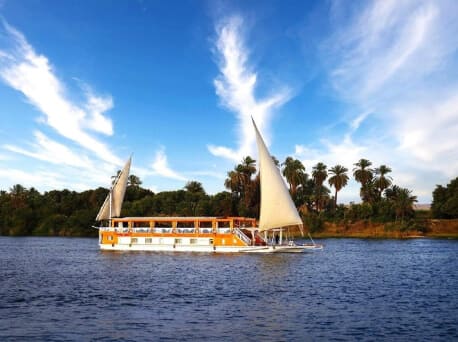
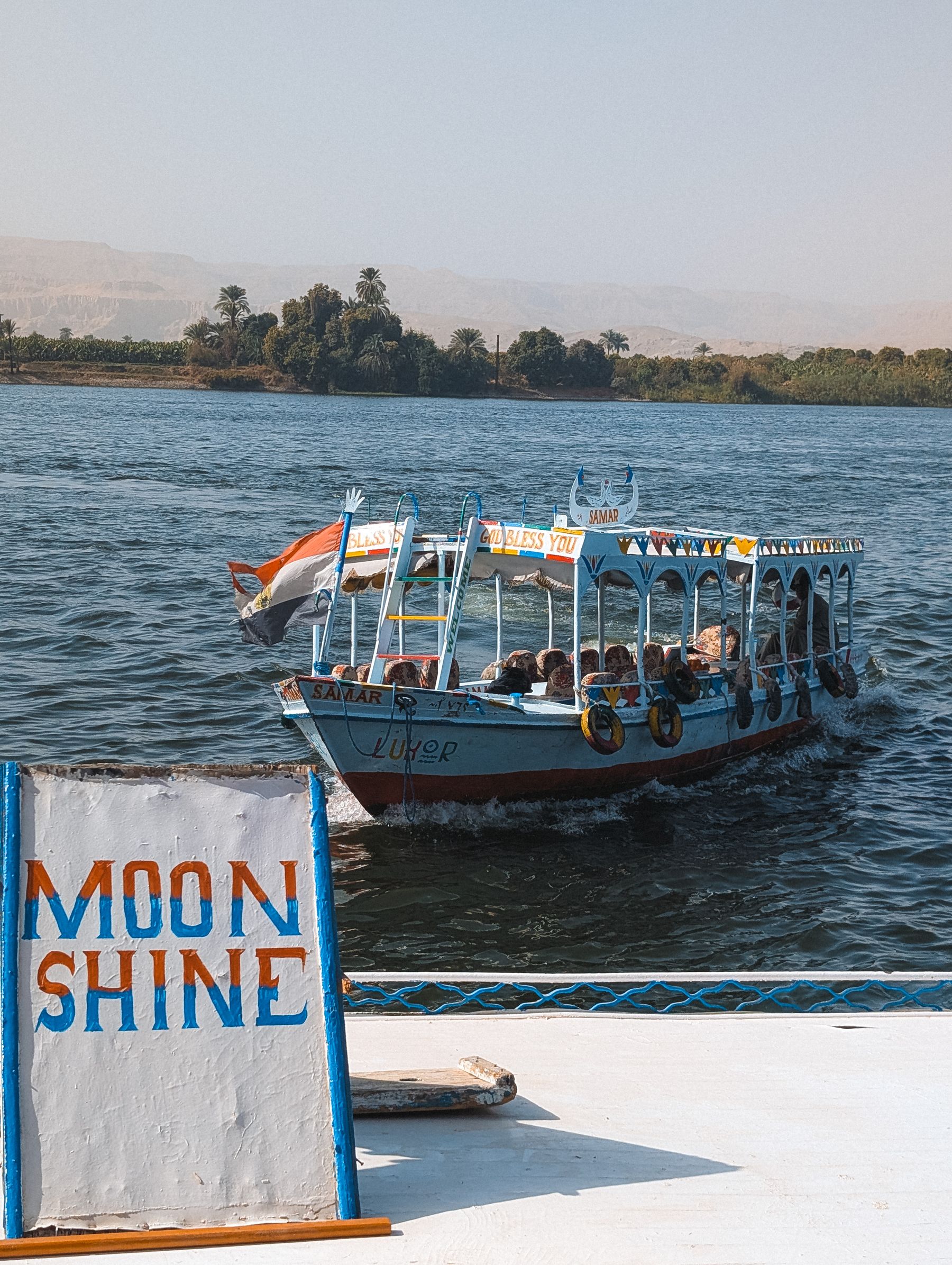
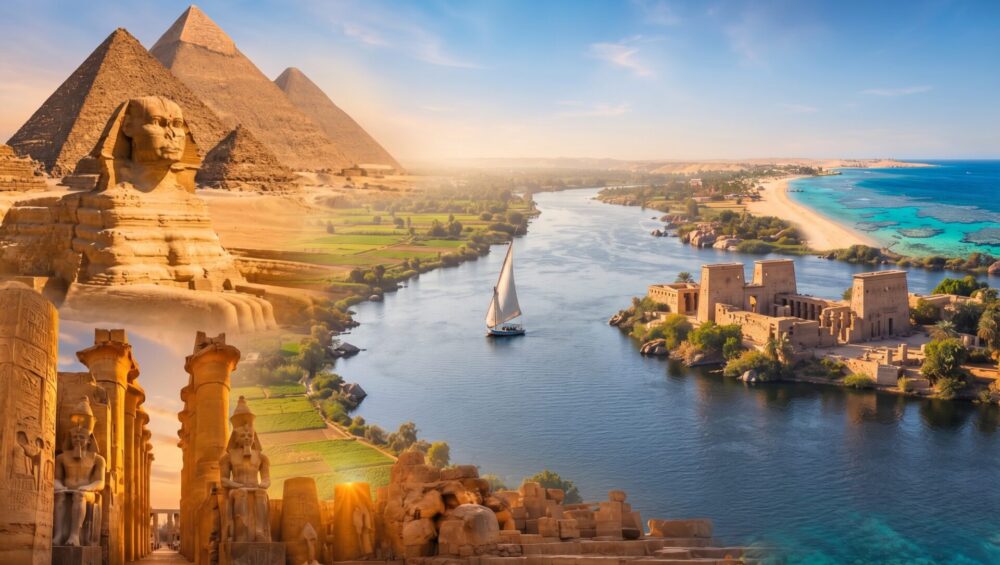
A traditional Egyptian boat sailing on the Nile River in Luxor, Egypt.
The Geography: How Long is the Nile River Exactly?
To truly understand how long is the nile river, we must trace
it back to its roots. The river does not simply start in one place. It is formed
by two major tributaries: the White Nile and the
Blue Nile.
The White Nile and The Blue Nile
The White Nile is considered the headwaters and primary stream of the Nile itself.
It begins in the Great Lakes region of central Africa, with the most distant source
located in Rwanda or Burundi. The Blue Nile, on the other hand, is the source of
most of the water and fertile soil. It begins at Lake Tana in Ethiopia.
These two mighty rivers meet in Khartoum, the capital of Sudan, before flowing north
through the Egyptian desert and eventually emptying into the Mediterranean Sea.
Spanning roughly 6,650 km, this massive waterway provides a lush ribbon of green
against the harsh, golden sands of the Sahara — a sight best appreciated from the
deck of a ship on our
Luxury Egypt Tour Package
.
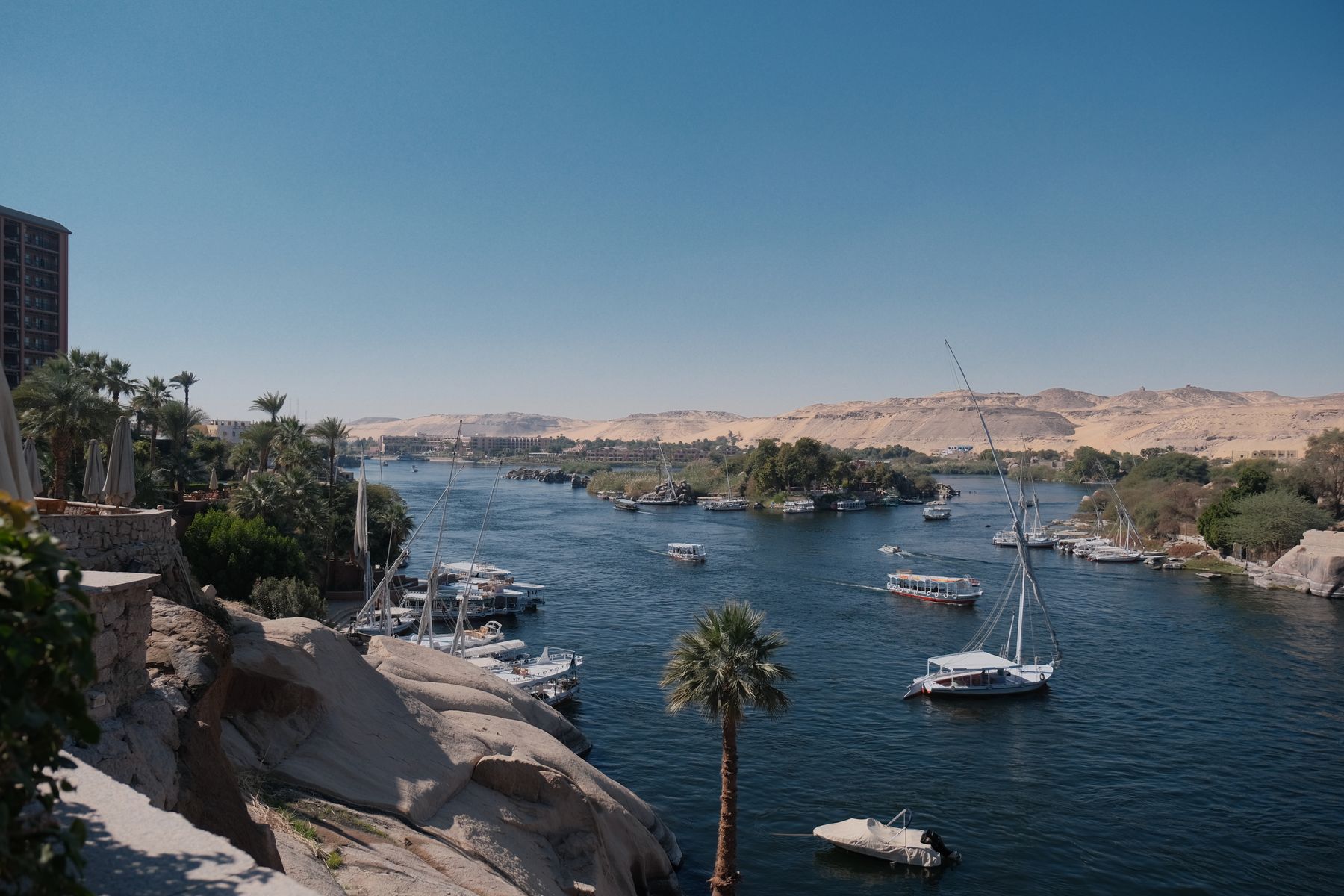
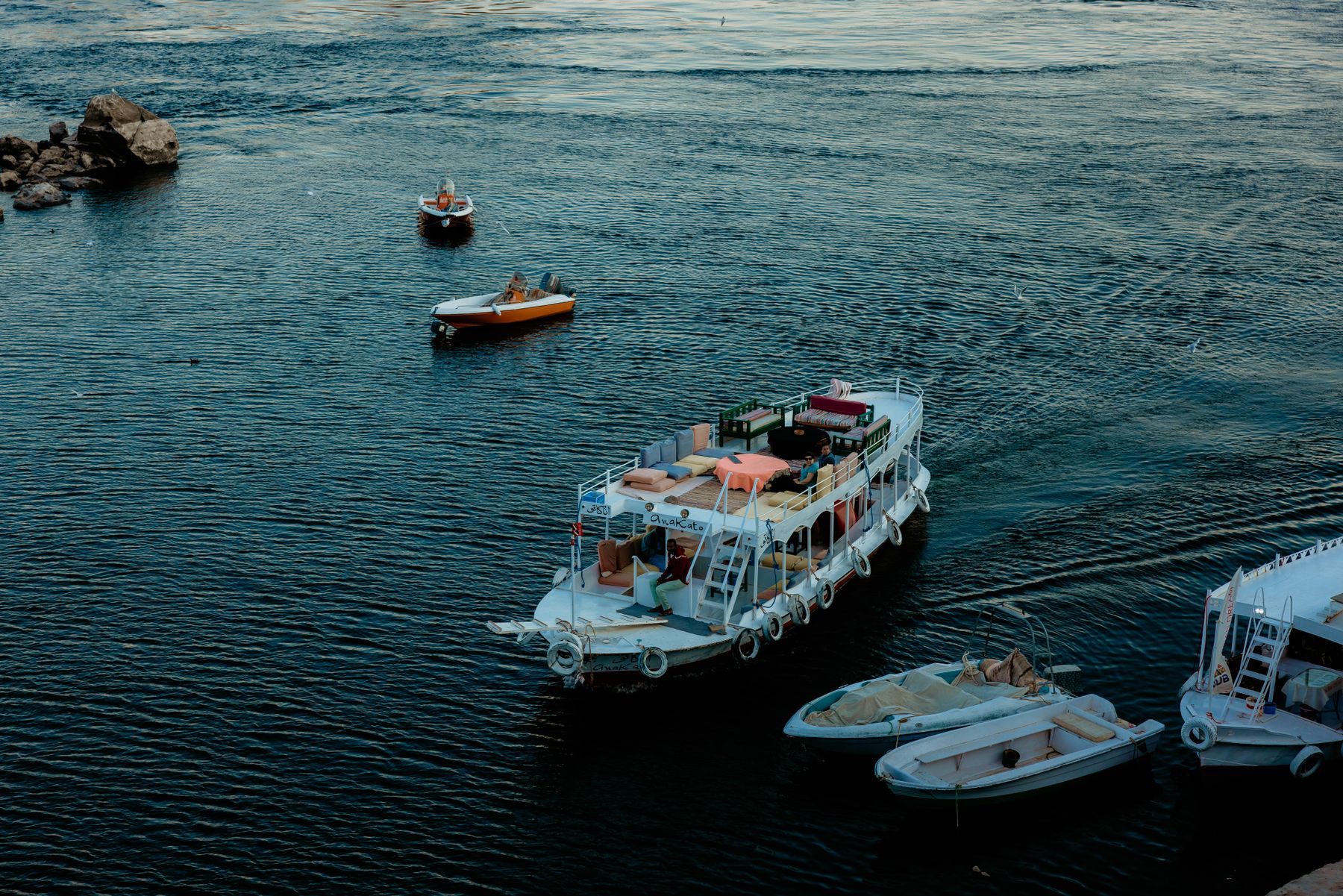
The Nile River in Aswan, Egypt, with traditional boats and palm-lined riverbanks.
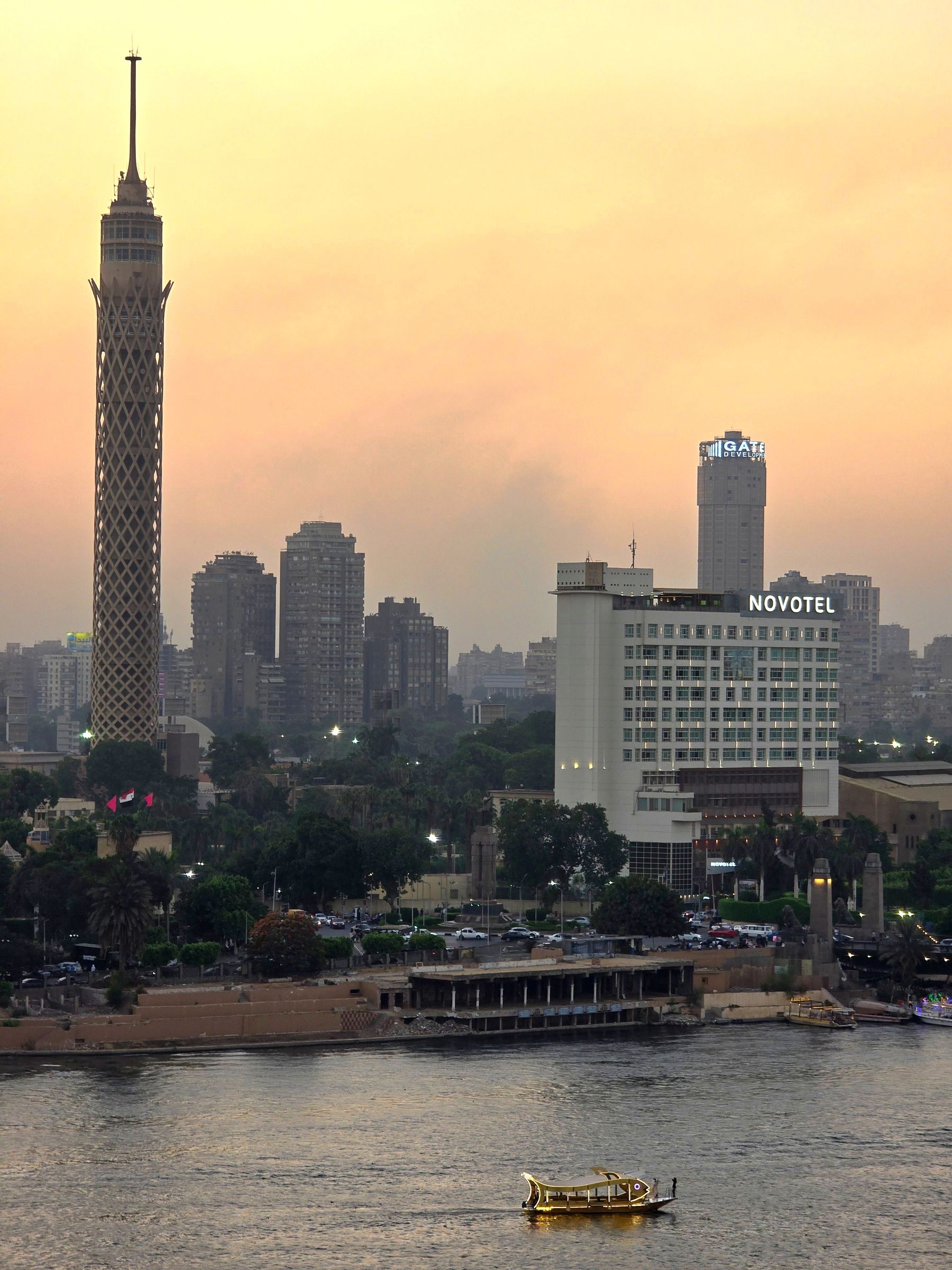
Cairo Tower overlooking the Nile River in Cairo, Egypt.
Best Time to Cruise the Nile: Weather Comparison by Month
Since the Nile stretches across more than 6,650 km of desert, the weather along
the cruise route between Luxor and Aswan swings dramatically between seasons.
Use this comparison table to pick the perfect month for your river journey:
Month
Cairo (High / Low °C)
Luxor (High / Low °C)
Aswan (High / Low °C)
Best for a Nile Cruise?
January
19° / 9°
23° / 6°
23° / 9°
✔ Perfect
February
20° / 10°
24° / 7°
24° / 11°
✔ Perfect
March
24° / 12°
29° / 13°
29° / 15°
✔ Great
April
29° / 15°
35° / 17°
35° / 20°
✔ Great
May
33° / 18°
39° / 22°
39° / 24°
✖ Getting hot
June
35° / 21°
41° / 25°
41° / 26°
✖ Very hot
July
35° / 23°
41° / 27°
42° / 27°
✖ Extreme heat
August
35° / 23°
41° / 27°
41° / 27°
✖ Extreme heat
September
33° / 22°
38° / 25°
38° / 25°
✖ Still hot
October
30° / 19°
34° / 20°
34° / 22°
✔ Perfect
November
25° / 15°
29° / 15°
29° / 16°
✔ Perfect
December
21° / 11°
24° / 7°
24° / 11°
✔ Great
💡 Insider tip:
The golden window for a Nile cruise is October to April,
when temple sightseeing is comfortable and the river breeze cools the decks.
July and August can exceed 41°C (106°F) in Luxor and Aswan.
If you travel in summer, our
Cairo + Red Sea + Nile Cruise itinerary
balances the heat with sea breezes.
Ancient Egyptian temple architecture beside the Nile in Luxor, Egypt.
Why the Nile's Length Matters for Your Egypt Tour
Knowing how long is the nile river helps travelers realize the
sheer scale of the monuments built along its banks. Because life in ancient Egypt
depended entirely on the river's annual flooding, almost all of the country's most
spectacular temples and tombs are located right on its shores. This makes sailing
the Nile the absolute best way to see the country.
The Nile's importance to ancient Egypt went far beyond transportation. Its annual
flooding helped provide fertile agricultural land and strongly influenced daily life,
settlement, and agriculture for thousands of years. Learn more in this
National Geographic feature on the Nile and ancient Egypt
.
Epic Adventures:
If you want to see how the river connects diverse landscapes—from the Pyramids
of Giza to lush oases and the Red Sea—the
Ultimate 15-Day Egypt Adventure
is the perfect way to experience the full breadth of the country.
Comprehensive Cruising:
For those looking to combine the history of Cairo with the relaxation of a long sail,
booking the
Cairo, St. Catherine, Sharm El Sheikh & Nile Cruise (12 Days)
offers a perfect balance of river exploration and coastal relaxation.
VIP Comfort:
Prefer to travel in absolute style?
The
Luxury Egypt Tour Package (12 Days)
allows you to float down the world's longest river while enjoying 5-star
amenities, private guides, and gourmet dining.
First-Timer Favorite:
The
10-Day Egypt Tour
covers all the essentials — Cairo, a full Nile cruise, and Abu Simbel —
in one seamless package.
Nile River Facts at a Glance
To put the question of how long is the nile river into perspective,
let's look at the hard data compared to other global waterways.
Feature
Details & Measurements
Total Length
~6,650 km (4,130 miles)
Primary Sources
White Nile (Lake Victoria) & Blue Nile (Lake Tana)
Nile Tour Prices: Egypt Travel Lux vs Other Websites
Because we are a local Egyptian operator with our own fleet and guides,
we can offer the same — often better — Nile cruise experiences at significantly
lower prices than international booking platforms. Here is an honest comparison:
Tour Package
EgyTravelLux Price
Other Websites (avg.)
You Save
Best 6-Day Egypt Tour —
Pyramids, Sphinx & Nile dinner cruise
from $950
$1,290
~$340
10-Day Egypt Tour —
Cairo + full Nile cruise + Abu Simbel
from $1,650
$2,150
~$500
Cairo, St. Catherine, Sharm & Nile Cruise — 12 Days
from $1,950
$2,490
~$540
Luxury Egypt Tour Package — 12 Days
(5-star all the way)
from $3,450
$4,300
~$850
Ultimate 15-Day Egypt Adventure
—
Pyramids, oases, Nile & Red Sea
from $2,890
$3,700
~$810
2-Day Holy Valley & Mount Sinai Sunrise Expedition
from $380
$520
~$140
💡 Why are we cheaper?
No middlemen, no international reseller commissions — you book directly with
our Cairo-based team. All prices include hotels, domestic transfers, entrance
fees and expert guides. "Other websites" figures reflect average market rates
for comparable 5-star itineraries.
Prices are subject to season and availability.
All of our most popular Nile experiences in one place:
Even if you don't have two weeks to spare, you can still witness the majesty
of this historic river. If your schedule is tight, checking out the
Best 6-Day Egypt Tour
gives you a highly curated, fast-paced overview of the Pyramids, the Sphinx,
and a magnificent dinner cruise on the Nile in Cairo.
Alternatively, if you are looking to combine the spirituality of the desert
with your river experience, you can pair a short Cairo stay with the incredible
2-Day Holy Valley & Mount Sinai Sunrise Expedition
to get a taste of everything Egypt has to offer—from lush riverbanks to
majestic mountain peaks. And if you can stretch to ten days, the
10-Day Egypt Tour
remains the single most popular way to sail the river and walk among the temples.
Traditional boats on the Nile River in Aswan, Egypt.
Frequently Asked Questions: How Long is the Nile River?
Exactly how long is the Nile River?
The Nile River is approximately 6,650 kilometers, or 4,130 miles long.
This staggering distance makes it the longest river on Earth, though some
scientists argue the Amazon may be slightly longer depending on how the
starting point is measured.
Is the Nile River longer than the Amazon?
Yes, according to the Guinness World Records and most geographic authorities,
the Nile is the longest river. When asking
how long is the nile river compared to the Amazon,
the Nile usually wins by about 250 kilometers (150 miles).
How long does it take to cruise the Nile in Egypt?
The classic cruise route between Luxor and Aswan covers about 220 km of the
Nile's total length and takes 3 to 5 nights. Most travelers combine this
with Cairo sightseeing — exactly what our
10-Day Egypt Tour
is designed around.
What is the best way to experience the Nile River in Egypt?
The absolute best way is via a multi-day Nile Cruise between Luxor and Aswan.
We highly recommend booking comprehensive packages like the
Luxury Egypt Tour Package (12 Days)
or the
10-Day Egypt Tour
to ensure you see all the ancient temples along the riverbanks.
Does the Nile River flow North or South?
Unlike many of the world's famous rivers, the Nile flows from South to North.
It starts in the highlands of Central and East Africa and flows downwards
(topographically) to empty into the Mediterranean Sea in Northern Egypt.
When is the best time of year for a Nile cruise?
October to April offers ideal conditions, with daytime highs of 21–34°C
along the Luxor–Aswan route. From May to September temperatures regularly
exceed 40°C, so we recommend our combined
Cairo, Red Sea & Nile Cruise itinerary
if you travel in summer.
Can I swim in the Nile River?
While the Nile is incredibly beautiful, swimming is generally only recommended
in specific, clean sections near Aswan. Most travelers prefer to enjoy the water
from the deck of a luxury cruise or a traditional wooden Felucca boat.
Which cities does the Nile pass through in Egypt?
Inside Egypt, the river passes through (or beside) Aswan, Luxor (ancient Thebes),
Minya, Beni Suef, and the capital Cairo, before splitting into the famous Nile
Delta north of the city. Nearly every stop on our
15-Day Ultimate Adventure
sits directly on its banks.
How much does a Nile cruise tour cost in 2026?
Our Nile itineraries start from $950 for 6 days and go up
to around $3,450 for a 12-day all-luxury package —
typically 20–30% cheaper than equivalent offers on international booking sites.
Check the price comparison table above for details.
Is the Nile cruise suitable for families with children?
Absolutely. Cruises are among the most family-friendly ways to explore Egypt —
no long bus transfers, pools on board, and a new temple to discover every morning.
For maximum comfort, families love the
Luxury Egypt Tour Package (12 Days)
.
Egyptian Gods: Names, Stories, Symbols & Ancient Beliefs
Explore the rich pantheon of ancient Egypt, examining their divine roles, sacred symbols, mythological stories, and how their legacy endures across monumental temples.
The Egyptian Gods formed the cornerstone of a complex, sophisticated religious system that sustained one of history's longest-lasting civilizations. When planning your cultural journey, reviewing our Complete Egypt Trip Cost Guide for 2026 and learning about the Best Time to Visit Egypt will help you prepare effectively. For international travelers wondering about paperwork, checking visa requirements for Egypt is essential before departure.
Who were the Egyptian gods? To the ancient Egyptians, deities were powerful cosmic forces and divine administrators who maintained Ma'at—the fundamental cosmic order of truth, balance, and justice. Understanding these divine beings requires looking beyond simplistic modern labels to examine how religion evolved over three millennia across different nomes, cities, and royal dynasties.
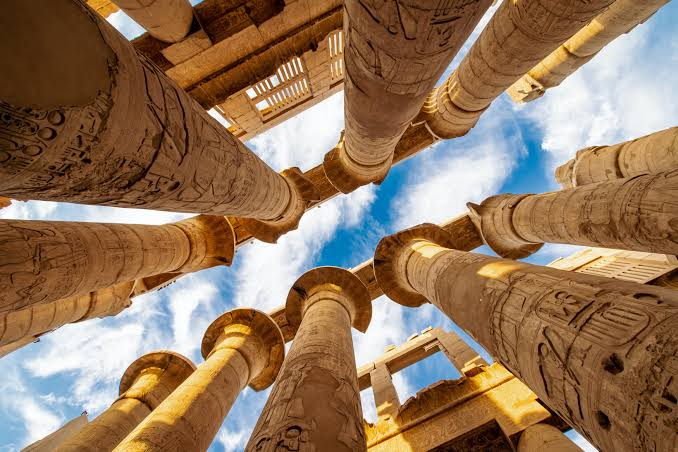
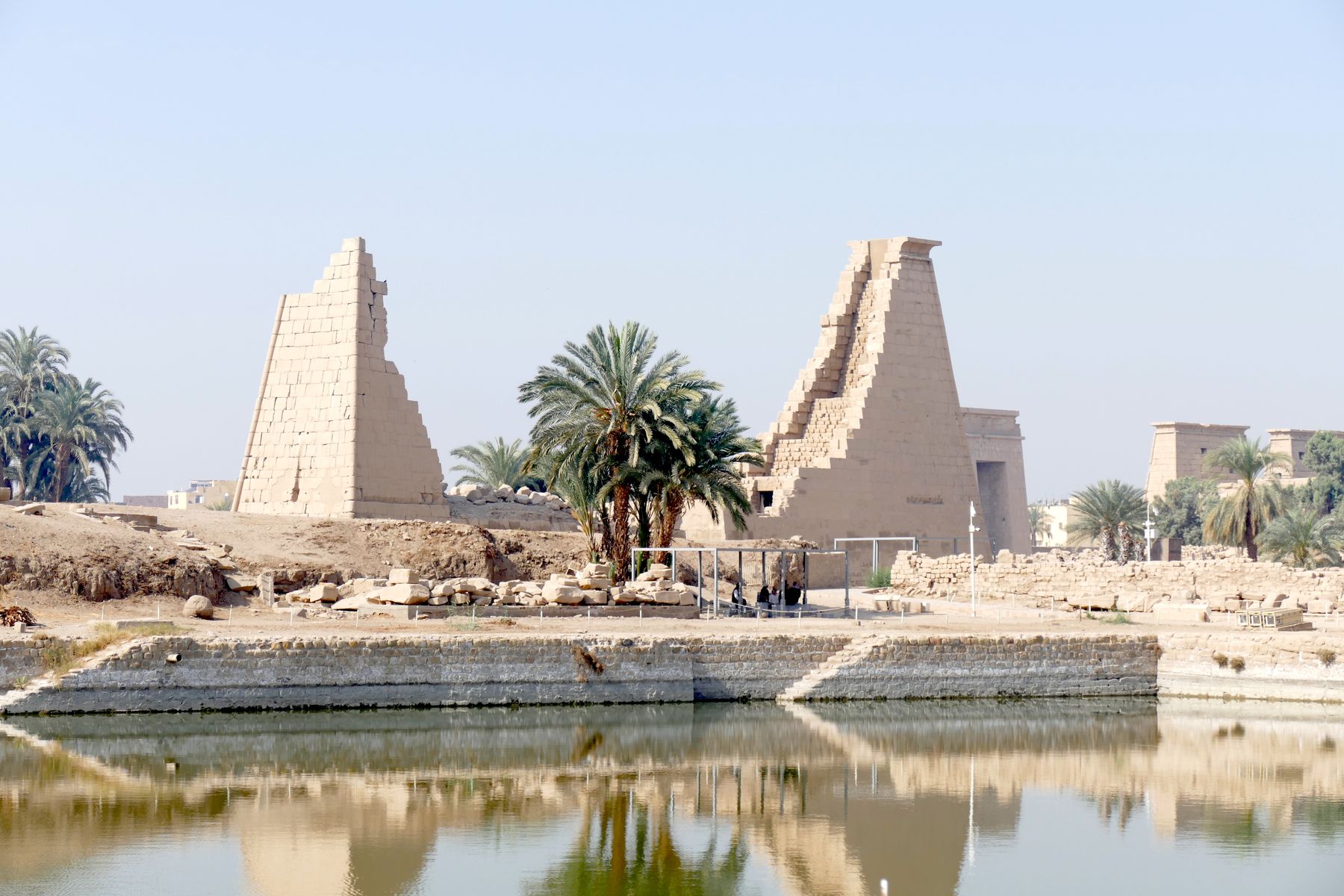
The monumental sandstone columns and sacred architecture of the Karnak Temple complex in Luxor.
Who Were the Egyptian Gods?
The religious framework of ancient Egypt was not a single, unified dogmatic system established on day one. Instead, the ancient Egyptian gods and goddesses developed over thousands of years through regional cults, political shifts, and theological synthesis. Different cities, such as Heliopolis, Memphis, Thebes, and Hermopolis, maintained their own creation myths and principal deities.
Rather than viewing their pantheon through a strictly monotheistic or polytheistic lens as understood today, ancient Egyptians practiced a fluid form of worship where local gods could be elevated to national prominence when their home cities rose to political power. Priests and scribes continuously reinterpreted divine relationships, resulting in a rich tapestry of overlapping powers, syncretism, and regional variations.
The Most Famous Egyptian Gods and Goddesses
While ancient Egypt recognized hundreds of divine entities, several major figures held central positions in state religion, mythology, and popular devotion. Below is an examination of the most prominent Egyptian god names and their historical significance.
Ra
Ra was the primordial sun god, predominantly centered at Heliopolis. He was visualized as the creator who traversed the sky during the day in a solar barge and navigated the perilous underworld at night. Kings of Egypt claimed descent from him, adopting the title "Son of Ra." Over time, Ra merged with other solar and state deities, most notably Amun, forming Amun-Ra during the New Kingdom.
Osiris
Osiris stands as one of the most enduring figures among ancient Egyptian gods and goddesses. As the lord of the dead and judge of the underworld, Osiris symbolized resurrection, agricultural fertility, and cyclical renewal. According to myth, he was murdered by his jealous brother Set, resurrected through the magic of his wife Isis, and became the eternal ruler of the afterlife.
Isis
Isis was the quintessential mother goddess, associated with magic, healing, motherhood, and royal protection. As the wife of Osiris and mother of Horus, her devotion spanned millennia, eventually spreading throughout the Greco-Roman world. Her temples, particularly at Philae, remained centers of active worship long after other ancient traditions had faded.
Horus
Depicted as a falcon or a falcon-headed man, Horus was intimately tied to divine kingship. As the son of Osiris and Isis, he avenged his father's death by defeating Set in epic mythological battles. The living pharaoh was considered the earthly embodiment of Horus, while his damaged and restored eye—the Eye of Horus—became a powerful amulet of healing, protection, and wholeness.
Anubis
Often mischaracterized in modern media solely as a terrifying entity, Anubis was the jackal-headed deity of embalming, cemeteries, and the protection of the dead. Egyptians observed jackals prowling near desert burial grounds, leading them to associate the animal with guarding tombs. Anubis presided over the weighing of the heart ceremony in the Hall of Two Truths, guiding souls safely into eternity.
Amun
Originally a local god of Thebes whose name meant "The Hidden One," Amun rose during the New Kingdom to become the supreme king of the gods. Centered at the monumental Karnak Temple complex, Amun wielded immense political and economic power. Combined with Ra as Amun-Ra, he received vast tributes that funded much of imperial Egypt's monumental architecture.
Thoth
Thoth was the divine arbiter of wisdom, science, writing, magic, and measurement. Often depicted with the head of an ibis or as a baboon, he served as the scribe of the gods and inventor of hieroglyphs. Thoth recorded the outcomes of the judgment of the dead and maintained cosmic balance through divine decree.
Bastet
Bastet evolved from a fierce warrior lioness in early Egyptian history into the beloved cat-headed goddess of home, fertility, and domestic protection. Cats were revered in her honor, and households across Egypt kept felines to ward off vermin and evil spirits, celebrating grand annual festivals marked by enthusiastic pilgrimage and devotion.
Sekhmet
In contrast to Bastet's domestic nature, Sekhmet was the powerful lioness goddess of warfare, plague, and healing. Known as the "Lady of Slaughter," she was feared for her destructive fury yet revered for her ability to ward off disease. Physicians and priests invoked her power to halt epidemics and protect the pharaoh in battle.
Ptah
Ptah was the supreme creator god of Memphis, revered by craftsmen, architects, and artisans. According to Memphite theology, Ptah did not create the universe through physical labor or combat, but conceived it in his heart and spoke it into existence through his tongue. Sculptors and metalworkers viewed him as their patron deity.
Hathor
Hathor was a multifaceted goddess of motherhood, joy, music, dance, foreign lands, and mining. Often depicted as a cow, or as a woman bearing cow horns and a solar disk, she welcomed deceased souls into the afterlife and embodied feminine grace across temples such as Dendera.
Sobek
Sobek, the crocodile god, personified the dangerous power of the Nile River and agricultural fertility. Worshiped intensely in the Faiyum oasis and at Kom Ombo, live crocodiles were adorned with jewelry, kept in sacred temple pools, and mummified upon death to honor his ferocious protective qualities.
Set
Set represented the desert, storms, foreign lands, chaos, and confusion. While modern storytelling often reduces him simply to a villainous "god of evil," ancient theology was more nuanced. Set protected the sun barge from the serpent Apophis during its nocturnal journey, making his chaotic strength a necessary component of cosmic balance.
Intricate ancient Egyptian hieroglyphic wall carvings and stone reliefs depicting divine rituals in temple sanctuaries.
Egyptian Gods List
To navigate the vast Egyptian mythology gods landscape, the reference table below outlines major deities, their primary roles, symbolic animals or objects, and main historical associations.
Egyptian God/Goddess
Main Role
Symbol/Animal
Major Association
Ra
Sun and creation
Solar disk, hawk
Heliopolis, kingship
Osiris
Underworld and resurrection
Crook, flail, mummy
Afterlife, agriculture
Isis
Motherhood, magic, protection
Throne, wings
Osirian myth, Philae
Horus
Kingship and sky
Falcon, Eye of Horus
Living pharaoh, Edfu
Anubis
Embalming and mortuary protection
Jackal
Cemeteries, judgment
Amun
King of the gods, hidden power
Ram, plumed crown
Thebes, Karnak Temple
Thoth
Wisdom, writing, moon
Ibis, baboon
Hermopolis, scribes
Bastet
Home, protection, fertility
Cat, sistrum
Bubastis, domestic life
Sekhmet
Warfare, healing, destruction
Lioness
Memphis, plague protection
Ptah
Master builder, creation
Djed pillar, staff
Memphis, craftsmen
Hathor
Joy, music, motherhood
Cow, horns, sun disk
Dendera, love
Sobek
Nile waters, fertility
Crocodile
Kom Ombo, Faiyum
Set
Desert, storms, chaos
Unknown composite beast
Nubian border, royal combat
Nephthys
Mourning, night, protection
Basket and house hieroglyph
Funeral rites, sister of Isis
Nut
Sky goddess
Starlit woman arching over earth
Cosmic vault, protection
Geb
Earth god
Goose, recumbent man
Vegetation, foundation of earth
Ma'at
Truth, justice, cosmic balance
Ostrich feather
Weighing of the heart
Khnum
Potter god, inundation
Ram with horizontal horns
First cataract, Elephantine
Mut
Mother goddess, queen of gods
Vulture, double crown
Thebes, consort of Amun
Wadjet
Lower Egypt protection
Cobra (Uraeus)
Buto, royal crown
Nekhbet
Upper Egypt protection
Vulture
Nekheb, royal protection
Taweret
Childbirth and pregnant women
Bipedal hippopotamus
Household protection
Khepri
Morning sun, rebirth
Scarab beetle
Self-creation, renewal
Atum
Primordial creator
Man wearing double crown
Heliopolis Ennead
Aten
Solar disk
Sun rays ending in human hands
Amarna period monolatry
Egyptian Gods and Their Symbols
Visual representation was paramount in ancient Egyptian religion. Egyptian god symbols and animal imagery were not literal zoolatry; rather, animals possessed specific traits that theological thinkers used to articulate divine attributes. For example, the swiftness and soaring height of the falcon mirrored the solar majesty of Horus, while the protective ferocity of a mother lioness personified Sekhmet.
Key iconographic pairings included:
Ra: The solar disk crowned with a sacred cobra (Uraeus).
Horus: The falcon and the royal Eye of Horus.
Anubis: The black jackal alerting guardians of the necropolis.
Bastet: The domestic cat and the sacred musical rattle (sistrum).
Sobek: The Nile crocodile resting upon riverbanks.
Thoth: The ibis bird and the scribe's palette.
Sekhmet: The raging lioness crowned with the solar disk.
Hathor: Cow ears, cow horns encasing the sun, or a broad collar necklace.
Osiris: Wrapped in linen like a mummy, holding the royal crook and flail.
Isis: Wearing a throne-shaped headdress or spreading protective vulture wings.
Egyptian Gods and Their Powers
Modern descriptions that label a deity simply as the "god of X" often oversimplify complex theological realities. Many gods of ancient Egypt possessed overlapping responsibilities. For instance, several deities were linked to healing, solar movement, or protection during childbirth.
Deities were understood to govern cosmic and earthly domains simultaneously. Ra commanded the physical sun while sustaining political kingship; Osiris governed subterranean geography while regenerating vegetation in the black silt of the Nile valley; Thoth adjudicated divine disputes while granting human scribes mastery over mathematics and language. Powers were dynamic, negotiated through temple ritual, offerings, and royal patronage.
The Most Important Egyptian God: Was There One?
A common inquiry concerns whether ancient Egypt ever settled on a single supreme deity. The answer is nuanced. While the Amarna period under Akhenaten (c. 1353–1336 BCE) witnessed an unprecedented focus on the Aten—the sun disk—as the sole universal creator god, this experiment was an historical exception.
Throughout most of Egyptian history, supremacy shifted with political dynasties. When Thebes dominated, Amun-Ra reigned supreme; during earlier eras, Ra of Heliopolis or Ptah of Memphis held primacy. Rather than rigid monotheism, Egyptian theology practiced syncretism—merging deities (such as Amun-Ra or Ra-Horakhty) to unite regional power bases into national state religion.
Egyptian Gods and Pharaohs
The pharaoh stood at the intersection between the human and divine worlds. Kingship was inherently divine: the living monarch was viewed as the manifestation of Horus, while the deceased king became identified with Osiris.
Temple reliefs across the Nile Valley depicted pharaohs offering incense, wine, and ritual figures to the gods in exchange for military victory, agricultural abundance, and eternal stability. This reciprocal exchange, known as maintaining Ma'at, legitimized royal authority and bound the economic wealth of the state to temple treasuries.
Pharaonic stone monuments and temple walls recording divine offerings made by ancient Egyptian kings.
Egyptian Gods and the Afterlife
The journey to the afterlife was governed by specific deities who tested, protected, and judged the deceased. Guided by Anubis, the soul entered the Hall of Two Truths. Here, before a tribunal of forty-two divine judges, the heart of the deceased was weighed upon a golden scale against the ostrich feather of Ma'at, representing truth and cosmic order.
Thoth recorded the verdict, while the fierce devourer Ammit stood ready to consume unworthy souls. Those justified by Osiris passed into the Field of Reeds—an idealized eternal duplicate of the fertile Nile Delta.
The Story of Osiris, Isis, Set and Horus
The most famous narrative cycle in Egyptian mythology explained the cyclical nature of life, death, and royal succession. Osiris ruled Egypt benevolently until his envious brother Set murdered him, trapping his body in a chest and casting it into the Nile.
Isis, fiercely devoted, tracked down the chest and used her potent magic to temporarily resurrect Osiris long enough to conceive their son, Horus. Set subsequently tore Osiris's body into fourteen pieces and scattered them across Egypt. Isis and her sister Nephthys recovered all the pieces, binding them together in history's first mummification.
When Horus reached adulthood, he waged a protracted series of legal and physical battles against Set for the throne of Egypt. Although Horus lost his left eye in the struggle (later restored as the magical Eye of Horus), the divine tribunal ultimately declared Horus the rightful king of the living, while Osiris assumed eternal sovereignty over the underworld.
Egyptian Gods in Ancient Egyptian Temples
Temples were not public houses of worship in the modern congregational sense; they were earthly palaces and fortresses for the gods. Only high priests and the pharaoh entered the sacred inner sanctuary to wash, clothe, and feed the divine cult statue daily.
Major deities were anchored to grand architectural complexes:
Karnak Temple: Dedicated primarily to Amun, Mut, and Khonsu.
Luxor Temple: Center for the annual Opet festival celebrating divine kingship and Amun.
Edfu Temple: The best-preserved sanctuary dedicated to Horus.
Kom Ombo Temple: Uniquely dual-dedicated to Sobek and Horus the Elder.
Dendera Temple: Renowned for its exquisite shrines to Hathor and astronomical ceilings.
Philae Temple: The island sanctuary celebrating Isis.
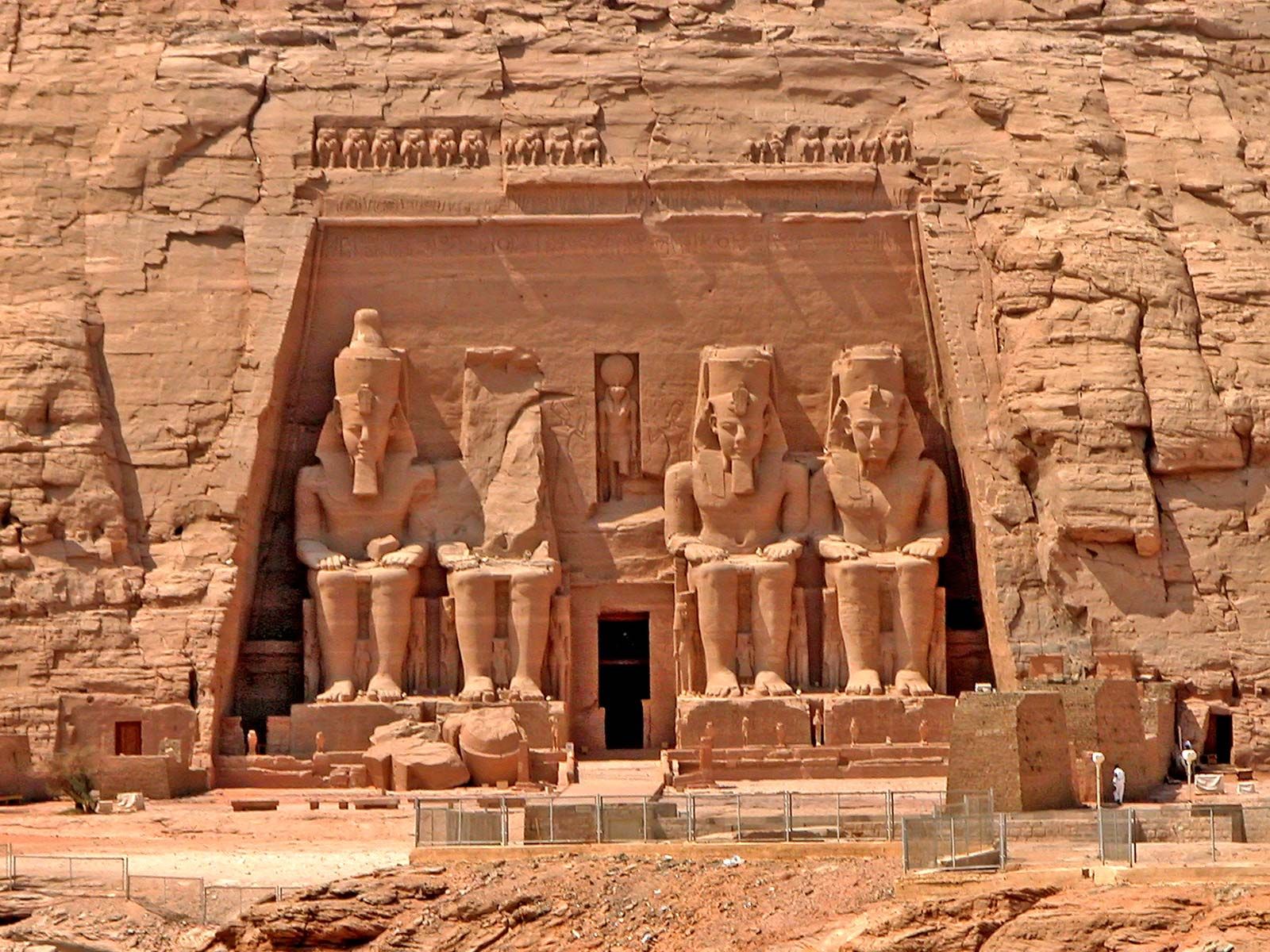
Abu Simbel: Rock-cut monuments celebrating Ramses II alongside Amun-Ra, Ra-Horakhty, and Ptah.
Where Can You See Egyptian Gods in Egypt Today?
For international travelers and history enthusiasts, encountering the pantheon firsthand is the highlight of an Egyptian expedition. You can explore these divine representations by booking our curated Egypt Tours or comprehensive Egypt Travel Packages.
Traveling south to Luxor, the towering pylons of Karnak and Luxor temples immerse visitors in the world of Amun-Ra. Along the Nile, embarking on a 4-Day Nile Cruise or an extensive 8-Day Cairo, Luxor & Aswan Nile Cruise Tour allows travelers to stop at Edfu to explore the magnificent falcon halls of Horus and Kom Ombo to examine crocodile reliefs dedicated to Sobek. You can also combine northern and southern highlights with our Cairo and Alexandria Egypt Tour Packages.
In Aswan and Nubia, the rescued temples of Philae celebrate the enduring cult of Isis, while the colossal facade of Abu Simbel displays monumental rock-cut statues of Ramses II flanked by solar deities. For seamless logistics across all destinations, you can arrange Private Transportations & Travel Services or book a professional Luxury Car Rental with Driver in Egypt.
The imposing stone pylon and monumental gates of historic Nile Valley sanctuaries in Upper Egypt.
Egyptian Gods vs Egyptian Goddesses
Female deities held immense power, independence, and respect within the Egyptian pantheon. Goddesses such as Isis, Hathor, Sekhmet, Bastet, Mut, and Ma'at were not subordinate figures; they wielded sovereign authority over magic, war, justice, and creation.
Ma'at personified the cosmic law to which even kings and gods were subject. Isis was revered as cleverer than a million gods combined, commanding magical secrets that even outwitted Ra. The balance between male and female energies was fundamental to maintaining cosmic harmony across Egyptian civilization.
Did Ancient Egyptians Believe in These Gods Literally?
Applying modern categories of religious "belief" to ancient Egypt requires caution. Egyptians did not necessarily think of their gods as static cartoon characters dwelling in the clouds; rather, they understood divinity as manifest in natural phenomena, royal authority, and sacred iconography.
Ritual action, temple maintenance, offerings, and festivals were paramount. The active performance of cult rituals sustained the universe and kept chaos at bay. The sacred texts, temple walls, and amulets functioned as living bridges connecting the human sphere with eternal cosmic truths.
Egyptian Gods FAQ
Who are the Egyptian gods?
The Egyptian gods were divine beings and cosmic forces worshiped in ancient Egypt to maintain cosmic order, fertility, health, and protection across a civilization spanning over three millennia.
Who is the most famous Egyptian god?
Ra, Osiris, Isis, and Horus are among the most famous Egyptian gods, celebrated globally for their central roles in creation myths, royal lineage, and afterlife traditions.
Who are the 5 main Egyptian gods?
While importance varied by era, Ra (sun), Osiris (underworld), Isis (motherhood/magic), Horus (kingship), and Anubis (embalming) are widely recognized as core figures in Egyptian mythology.
Who is the Egyptian god of death?
Ancient Egypt did not have a single "god of death" in the grim reaper sense. Instead, Osiris ruled the underworld and resurrection, while Anubis managed embalming and cemeteries.
Who is the Egyptian sun god?
Ra was the primary sun god, though other solar deities such as Khepri (morning sun), Atum (setting sun), and Aten (the solar disk) were worshiped during various periods.
Who is the Egyptian god of the underworld?
Osiris was the principal lord and judge of the underworld, presiding over the resurrection of the dead and the weighing of the heart.
Who is the Egyptian goddess of love?
Hathor was the primary goddess of love, joy, music, dance, motherhood, and feminine beauty in ancient Egypt.
Who is the Egyptian god with a jackal head?
Anubis, the deity of embalming and guardian of cemeteries, is famously depicted with the head of a black jackal.
Who is the Egyptian god with a falcon head?
Horus, the sky and kingship god, is traditionally depicted as a falcon or a falcon-headed man.
What are the 10 most famous Egyptian gods?
The ten most famous deities include Ra, Osiris, Isis, Horus, Anubis, Amun, Thoth, Bastet, Sekhmet, and Hathor.
Why did Egyptian gods have animal heads?
Animal-headed iconography was symbolic rather than literal. Egyptians used specific animal characteristics—such as the vigilance of a jackal or the soaring flight of a falcon—to visually express complex divine attributes.
What did Egyptian gods represent?
Egyptian gods represented natural forces, cosmic balance (Ma'at), royal legitimacy, moral order, and the cyclical regeneration of life, the Nile, and the sun.
Explore More Egypt Travel Experiences
To continue planning your exploration of ancient heritage, discover our comprehensive guides and Egypt Travel Packages.
Experience the Temples of Ancient Egypt Firsthand
Stand before the monumental sanctuaries of Luxor, Karnak, and Edfu with expert Egyptologists. Browse our handcrafted Egypt Tours to begin your journey.
City of the Dead Cairo: An Authentic Night Walking Tour & Nile Dinner Cruise
Explore Al Qarafa after dark—where medieval Islamic architecture meets everyday Egyptian life, then sail the Nile under the stars.
Quick Facts
LocationEastern Cairo, Egypt
Experience TypePrivate Walking & Evening Tour
Best TimeEvening / Night
Duration8 Hours
Tour StylePrivate Guided Experience
IncludesTransport, Guide, Dinner Cruise
There are places that reveal themselves only after sunset. The City of the Dead Cairo is one of them. Stretching across the eastern edge of Egypt's capital, this extraordinary district—known locally as Al Qarafa—is far more than a cemetery. It is a living, breathing quarter where medieval Islamic architecture stands shoulder to shoulder with everyday Egyptian life. For travelers seeking authentic Cairo experiences away from the well-trodden pyramids circuit, a City of the Dead Cairo walking tour offers something genuinely rare: a chance to walk through centuries of history while witnessing a community that has made its home among the monuments of the past.
In this guide, you will learn what makes this Cairo necropolis one of the most fascinating urban landscapes in the world, what to expect from an evening visit, how to combine it with the highlights of Islamic Cairo, and why ending your night with a Nile dinner cruise creates a perfect contrast between old and new.
Historic architecture gives the City of the Dead Cairo its distinctive character.
The City of the Dead in Cairo, or Al Qarafa, is a vast historic district composed of centuries-old cemeteries that have evolved into a functioning urban neighborhood. Spanning roughly four miles, this area contains some of the finest examples of Mamluk and Ottoman funerary architecture in the Islamic world. What sets it apart from any ordinary graveyard is that it is also home to a living population—families, artisans, shopkeepers, and children—who have resided here for generations.
For visitors, this duality is what makes the experience so powerful. You are not simply touring a Cairo cemetery city; you are observing a unique social ecosystem where the past and present coexist. The tombs of sultans and scholars have become the walls of homes, the courtyards of mosques serve as gathering places, and the narrow lanes function as everyday streets. It is one of the most compelling examples of historic Cairo you can explore.
Ready to experience this remarkable district for yourself? Explore our private City of the Dead Cairo walking tour and Nile dinner cruise with Egy Travel Lux, a licensed Egyptian travel company established in 1983.
Al Qarafa lies to the east of central Cairo, stretching from the foot of the Muqattam Hills toward the historic core of the city. It is divided into two main sections: the Northern Cemetery and the Southern Cemetery, with the Salah Salem Road roughly marking the boundary between them. The area sits adjacent to other major landmarks of Islamic Cairo, which makes it easy to combine with visits to Muizz Street Cairo, the Khan El Khalili bazaar, and the mosques of the old city.
Because the district is expansive and its street network can be disorienting, arriving with a knowledgeable guide and private transport is highly recommended. The entrance points are not always obvious to first-time visitors, and the most architecturally significant sections are best reached on foot once you are inside.
The History of Cairo's City of the Dead
The origins of the City of the Dead Egypt date back more than 1,300 years. What began as burial grounds outside the medieval city walls gradually expanded as successive dynasties—Fatimid, Ayyubid, Mamluk, and Ottoman—built increasingly elaborate mausoleums, mosques, and religious complexes for their elite. These were not modest graves but monumental statements of power and piety, constructed by the finest architects and artisans of their eras.
Over centuries, the cemeteries grew into a recognized part of the urban fabric. During periods of population pressure and housing shortages, particularly in the twentieth century, families began settling among the tombs. Rather than displacing the dead, they adapted the existing structures—living in the caretaker quarters of mausoleums, opening small shops in vaulted chambers, and establishing schools and workshops within the historic enclosures. Today, the Cairo necropolis stands as a UNESCO-recognized component of the Historic Cairo UNESCO World Heritage Site, protected for its extraordinary concentration of medieval Islamic monuments.
Is the City of the Dead Really a Cemetery?
Yes and no. While the City of the Dead Cairo remains an active burial ground and contains countless tombs, it functions simultaneously as a residential and commercial district. This is what distinguishes it from cemeteries almost anywhere else in the world. You will see laundry hanging between domed shrines, children playing in courtyards built for fourteenth-century sultans, and cafés serving tea beneath carved stone archways.
It is essential to approach this reality with cultural sensitivity. The residents of Al Qarafa are not curiosities; they are Egyptians carrying on their lives in a space that has served both the living and the dead for over a millennium. A respectful visitor observes, asks questions gently, and understands that this is a neighborhood first and a tourist destination second. The experience is not about spectacle—it is about understanding a different way of urban life.
What Can You See on a City of the Dead Cairo Walking Tour?
A City of the Dead Cairo walking tour reveals layers of history, architecture, and contemporary culture that are invisible from the outside. Here is what you can expect to encounter:
Historic Mausoleums and Islamic Architecture
The architectural heritage of Al Qarafa is extraordinary. You will walk past richly decorated mausoleums showcasing the finest Islamic design—ribbed domes, intricately carved stonework, marble paneling, and soaring minarets. Many of these structures were built for Mamluk sultans, religious scholars, and wealthy patrons who wished to be remembered in stone. The craftsmanship rivals anything you will see in the more famous monuments of Islamic Cairo, yet here you encounter it in a more intimate, less crowded setting.
Daily Life in the Necropolis
As you move through the district, you will witness the rhythms of daily life that make this place so unique. Small workshops produce traditional goods, corner shops sell groceries and household items, and neighbors gather for evening conversation. This is not a staged cultural performance; it is the genuine texture of authentic Cairo experiences. Observing life in the Cairo cemetery city offers a perspective on Egyptian society that no museum or monument can replicate.
Streets, Alleys and Local Atmosphere
The streetscape of Al Qarafa is unlike anywhere else in Cairo. Narrow lanes wind between domed structures, opening unexpectedly into small squares or courtyard mosques. The lighting at night—warm, uneven, and atmospheric—casts long shadows across centuries-old stone. The sounds are those of any Cairo neighborhood: the call to prayer, the murmur of conversation, the clatter of cooking. It is Cairo off the beaten path in the truest sense.
What to See Near the City of the Dead
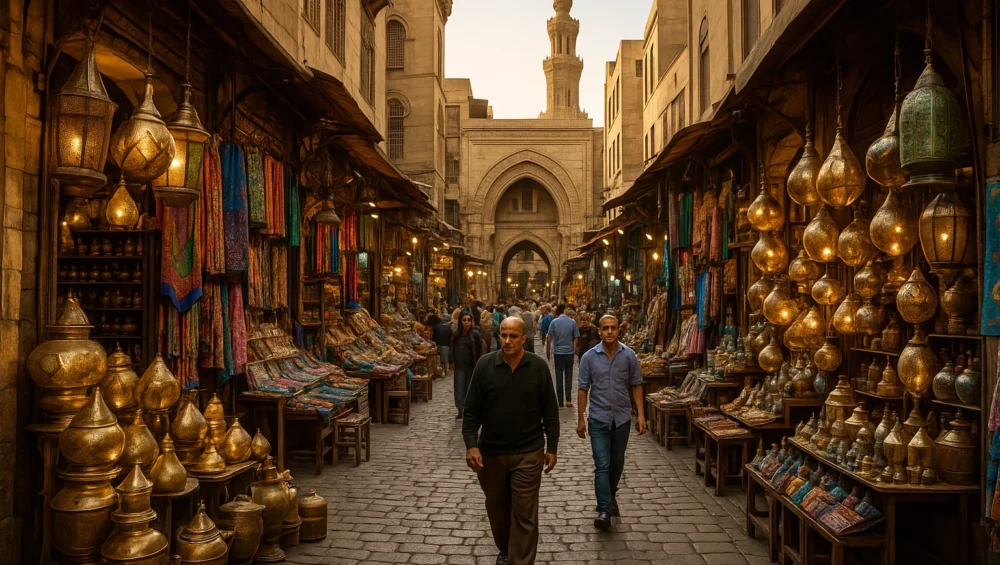
Khan El-Khalili adds a lively market experience to a City of the Dead Cairo walking tour.
One of the great advantages of visiting Al Qarafa is its proximity to other essential Cairo tours and landmarks. An evening exploration naturally flows into the surrounding historic district. Travelers who want to continue exploring the city can also consider an Old Cairo tour for a broader look at its historic quarters.
Muizz Street
Al-Muizz li-Din Allah Street is the spine of medieval Cairo and one of the greatest open-air museums of Islamic architecture in the world. Lined with mosques, madrasas, palaces, and caravanserais dating from the tenth to the nineteenth centuries, Muizz Street Cairo offers an unparalleled concentration of historic monuments.
Khan El-Khalili
No visit to Islamic Cairo is complete without wandering the alleys of Khan El Khalili, the city's most famous souk. Established in the fourteenth century, this labyrinthine bazaar remains a working market where you can find handwoven textiles, brassware, spices, and traditional jewelry.
Tahrir Square
The political and cultural heart of modern Egypt, Tahrir Square represents the contemporary counterpoint to the medieval quarters. An evening stroll here allows you to observe the daily life of Cairenes against a backdrop of classical twentieth-century architecture.
Cairo Tower
Rising 187 meters above Gezira Island, the Cairo Tower offers a panoramic view that puts everything into perspective—from the City of the Dead in the east to the pyramids on the western horizon.
Nile Corniche
The Corniche, Cairo's riverside promenade, comes alive at night. A walking tour along the Nile offers a cooling breeze, views of feluccas gliding on dark water, and the illuminated facades of luxury hotels and historic buildings. It serves as a natural transition between the intensity of the old city and the relaxed elegance of your evening finale.
Nile Dinner Cruise
Ending your night on a Nile dinner cruise is the perfect way to absorb the day's impressions. Aboard a beautifully decorated vessel, you will enjoy a buffet of Egyptian and international cuisine while live music and traditional oriental shows create a festive atmosphere. Looking out at the lights of Cairo reflecting on the water, you gain a sense of the city's scale and continuity. Travelers interested in extending their evening with traditional performance can also consider a Tanoura show in Cairo.
Want to see Cairo illuminated after dark? Our Cairo by Night Tour combines the city's most atmospheric evening experiences into one unforgettable journey.
Evening light creates a memorable atmosphere around the City of the Dead Cairo.
Visiting the City of the Dead Cairo at night is a qualitatively different experience from a daytime excursion. The heat of the day dissipates, the light softens into amber and shadow, and the district takes on an atmosphere of quiet solemnity mixed with everyday domesticity. Families sit outside their homes, the call to prayer echoes between stone walls, and the monuments reveal themselves in dramatic chiaroscuro.
There is nothing frightening about the experience. The area is populated, active, and familiar to its residents. What you feel is not fear but a profound sense of temporal depth—of standing in a place where human memory extends backward for centuries and forward into the lives of those who still call it home. For travelers interested in things to do in Cairo at night that go beyond restaurants and hotels, an evening walk through Al Qarafa offers genuine depth.
Is the City of the Dead Safe to Visit?
The City of the Dead is a residential neighborhood, and like any part of Cairo, it benefits from local knowledge and common-sense awareness. The area is not dangerous, but it is complex. Its maze-like layout, limited signage, and lack of tourist infrastructure mean that independent visitors can easily become disoriented or inadvertently intrude on private spaces.
This is why a private guided experience is strongly recommended. A licensed Egyptian guide knows the respectful routes, can introduce you to local context without causing offense, and ensures that you navigate the area efficiently. Traveling with a reputable operator like Egy Travel Lux, which has been crafting Egypt travel packages since 1983, provides both security and cultural fluency.
What Should You Wear for a City of the Dead Walking Tour?
What to Wear & Bring
Modest clothing covering shoulders and knees
Sturdy, comfortable walking shoes for uneven stone surfaces
A light jacket for cooler evenings, especially in winter
A small backpack with water and a camera
A scarf for women (useful for mosques and traditional areas)
Sun protection if arriving before sunset
How Long Do You Need?
A meaningful City of the Dead Cairo walking tour requires at least 60 to 90 minutes of exploration within the district itself. However, the experience is best appreciated as part of a broader evening itinerary that includes Muizz Street Cairo, Khan El Khalili, and the Nile dinner cruise. A well-paced private tour typically spans five to seven hours from hotel pickup to drop-off, allowing you to absorb each location without rushing.
Best Way to Experience the City of the Dead
The best way to experience Al Qarafa is slowly, respectfully, and with expert guidance. Independent travel here is possible but not ideal—the area's complexity rewards local knowledge, and a guide provides the historical narrative that transforms a walk through tombs into a meaningful encounter with Cairo's past and present.
We recommend booking a private evening tour that combines the City of the Dead with the surrounding highlights of historic Cairo. This approach allows you to see the district in its natural evening context, when the atmosphere is most evocative and the temperature most comfortable. Visitors building a longer Cairo itinerary can also add a Grand Egyptian Museum Tour on another day.
City of the Dead Cairo Walking Tour Itinerary
A wider view of Cairo helps place the City of the Dead within the capital’s historic and modern landscape.
Based on the established Egy Travel Lux experience, here is how a typical evening unfolds:
1
Evening Hotel Pickup
Your private guide and air-conditioned vehicle collect you from your Cairo hotel. Bottled water is provided, and your guide outlines the evening's journey.
2
City of the Dead Walking Experience
You arrive at Al Qarafa and begin a guided walk through the historic necropolis. Your guide introduces the architecture, the history of the monuments, and the contemporary life of the community.
3
Muizz Street
From the City of the Dead, you proceed to Al-Muizz li-Din Allah Street, the grand avenue of medieval Islamic architecture spanning nearly a thousand years of history.
4
Khan El-Khalili
A short walk brings you to the famous bazaar, where you can explore the alleys, observe traditional crafts, and experience the commercial heart of Islamic Cairo.
5
Tahrir Square
You transition to modern Cairo with a visit to Tahrir Square, observing the political and social center of contemporary Egypt.
6
Cairo Tower
You ascend the Cairo Tower for a panoramic view of the city at night, gaining perspective on everything you have explored.
7
Nile Corniche
A leisurely walk along the Corniche allows you to enjoy the riverside atmosphere before boarding your cruise.
8
Nile Dinner Cruise
You embark on a luxurious Nile dinner cruise, enjoying a buffet dinner with Egyptian and international dishes, live music, and oriental shows. As the city lights shimmer across the water, the cruise provides a relaxed finale to an evening focused on Cairo's history, architecture, and everyday life.
Why Choose a Private Guided Cairo Walking Tour?
Because the City of the Dead is both a historic necropolis and a living neighborhood, the quality of the experience depends heavily on context. A private guide can explain the architecture and history while helping you move through the area respectfully and efficiently. Private transportation also makes it easier to connect Al Qarafa with other evening stops without spending valuable time arranging transfers between locations.
Why Travelers Choose a Private Experience
Private air-conditioned transportation throughout the experience
A knowledgeable private guide to explain the history and local context
Flexible pacing for your group
Easy access to multiple Cairo highlights in one evening
A respectful approach to visiting a living residential community
A memorable Nile dinner cruise to finish the evening
Looking for a deeper introduction to Cairo after dark? Plan a private evening experience with Egy Travel Lux and combine historic neighborhoods, local atmosphere, and the Nile in one carefully arranged itinerary.
The City of the Dead Cairo, also known as Al Qarafa, is a historic necropolis that has developed into a living urban district. It contains centuries-old tombs, mausoleums, mosques, and other Islamic monuments alongside homes, workshops, shops, and everyday community life.
Why is it called the City of the Dead?
The name refers to the area's long history as a major burial ground containing extensive cemeteries and monumental mausoleums. Over time, the space also became home to generations of residents, so the modern district combines a historic cemetery landscape with an active neighborhood.
Where is the City of the Dead located in Cairo?
Al Qarafa lies in eastern Cairo near the historic Islamic districts and the Muqattam area. It is a large district rather than a single enclosed cemetery, with different sections and entrances.
Can tourists visit the City of the Dead?
Yes. Travelers can visit the historic parts of Al Qarafa, but they should remember that it is also a residential community. Visits should be conducted respectfully and with consideration for local residents, private spaces, and places of worship.
Is the City of the Dead safe to visit?
A visit should be approached like any urban sightseeing experience: remain aware of your surroundings, respect local residents, and avoid entering private areas. Traveling with a reputable local guide can make the experience more organized and culturally respectful.
Can you visit the City of the Dead at night?
An evening visit can be especially atmospheric because temperatures are generally more comfortable and the historic architecture takes on a different character under nighttime lighting. Visiting with a knowledgeable local guide is a practical way to enjoy the experience while respecting the community.
What can you see on a City of the Dead Cairo walking tour?
Depending on the route, you can see historic mausoleums, Islamic architectural details, narrow lanes, courtyards, and the everyday life of the neighborhood. An Egy Travel Lux evening itinerary also connects the City of the Dead with Muizz Street, Khan El-Khalili, Tahrir Square, Cairo Tower, the Nile Corniche, and a Nile dinner cruise.
How long does a City of the Dead tour take?
The complete Egy Travel Lux experience is an evening itinerary lasting about 8 hours from pickup to drop-off. It combines the City of the Dead with several major Cairo landmarks and finishes with a Nile dinner cruise.
What should I wear when visiting the City of the Dead?
Comfortable walking shoes are important because some surfaces may be uneven. Modest clothing that covers the shoulders and knees is also advisable, especially when the itinerary includes historic religious areas.
Can I combine the City of the Dead with Khan El-Khalili?
Yes. The City of the Dead can be combined with Khan El-Khalili as part of a broader historic Cairo itinerary. The contrast between the necropolis, medieval architecture, traditional market streets, and evening city life creates a more complete picture of Cairo.
Is Muizz Street near the City of the Dead?
Muizz Street is part of Cairo's historic core and can be included in an itinerary with Al Qarafa. Combining the locations with private transportation makes it easier to move between them during one evening.
Can I combine the walking tour with a Nile dinner cruise?
Yes. The established Egy Travel Lux experience combines the City of the Dead and other Cairo highlights with a Nile dinner cruise featuring a buffet dinner, live music, and oriental entertainment.
Should I hire a private guide?
A private guide is especially useful for first-time visitors because Al Qarafa is large, historically complex, and still functions as a neighborhood. A guide can explain architectural details, provide historical context, help with navigation, and support a respectful approach.
Is photography allowed in the City of the Dead?
Photography should be handled thoughtfully. Visitors should avoid photographing residents or private spaces without permission and can ask their guide when in doubt.
What is the best time to explore the City of the Dead?
An evening itinerary can be a comfortable choice, particularly when you want to combine the City of the Dead with Cairo's nighttime atmosphere. Visiting after sunset also creates a different visual experience of the historic monuments.
Final Thoughts
The City of the Dead Cairo is one of the capital's most unusual historic landscapes because it brings monumental architecture, burial traditions, and everyday community life into the same urban space. Rather than treating it as a conventional tourist attraction, the most rewarding approach is to explore it with curiosity, patience, and respect.
Combined with Muizz Street, Khan El-Khalili, Tahrir Square, Cairo Tower, the Nile Corniche, and a dinner cruise, the experience becomes a memorable introduction to both historic and modern Cairo. For travelers who want to go beyond the standard sightseeing route, this is an opportunity to see a more layered side of the city with the support of a local team.
Discover a Different Side of Cairo
Explore the City of the Dead with a private local guide, then finish your evening with the lights of Cairo reflected on the Nile.
How Far Are the Pyramids from Cairo? Distance, Travel Time & How to Get There | Egy Travel Lux
How Far Are the Pyramids from Cairo? Distance, Travel Time & How to Get There
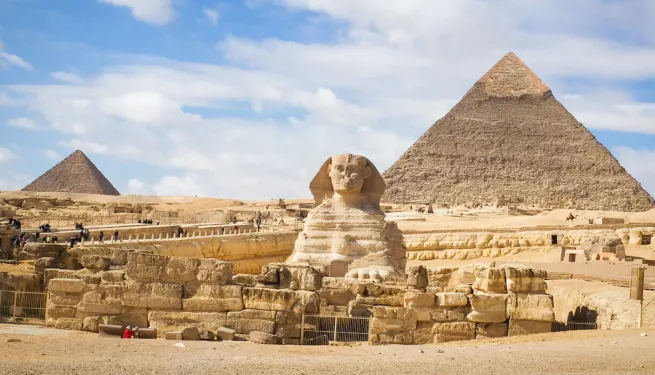
The Pyramids of Giza sit roughly 13 to 15 kilometers southwest of downtown Cairo, depending on your exact starting point. When travelers ask how far is pyramids from cairo, the answer is approximately 20 to 45 minutes by car under normal traffic conditions, though Cairo's busy roads can extend this considerably. The Pyramids are technically located in Giza, not central Cairo, which explains the short but variable journey.
How far is pyramids from cairo is one of the most common questions we receive from visitors planning their first trip to Egypt. Understanding the Cairo to Giza Pyramids distance helps you plan realistic schedules, choose the right transportation, and avoid the frustration of underestimated travel times in one of the world's most vibrant cities. Whether you are staying in Zamalek, downtown, or near Cairo Airport, the exact distance and travel time will differ, so it is worth knowing the details before you set out.
How Far Is Pyramids from Cairo?
How far is pyramids from cairo depends largely on where you begin your journey. From downtown Cairo, the road distance to the Giza Plateau is approximately 13 to 15 kilometers, while from Zamalek it is closer to 15 to 17 kilometers. These figures represent the actual driving route, not a straight line across the map, and they can vary slightly depending on which roads you take.
Distance overview: how far is pyramids from cairo by road from major starting points
Many visitors are surprised to learn how far is pyramids from cairo when measured from different neighborhoods. New Cairo and the airport area are significantly farther, at roughly 35 to 40 kilometers, which naturally adds to the travel time. The straight-line distance is shorter, but Cairo's road network means you will follow a longer route through the city's streets.
How far is pyramids from cairo also depends on whether you are thinking of Cairo as a city or a governorate. The Pyramids are located in Giza, which is part of the Greater Cairo metropolitan area, so the boundary between the two is not always obvious to first-time visitors. In practical terms, you are traveling from one district of the same urban sprawl to another.
Starting Point
Approximate Distance
Typical Driving Time
Downtown Cairo
13–15 km
30–60 minutes
Zamalek
15–17 km
30–60 minutes
Cairo Airport
35–40 km
45–90 minutes
New Cairo
35–40 km
45–90 minutes
When considering how far is pyramids from cairo, it is important to remember that road distance and driving time are not the same thing. A 15-kilometer journey through central Cairo can take twice as long as the same distance on an open highway. Traffic congestion, roadworks, and local driving patterns all play a role in how long your trip will actually take.
If you prefer to make the journey simple, consider booking a Giza Pyramids day tour with private transportation included.
How Far Is Pyramids from Cairo and How Long Does It Take?
How far is pyramids from cairo is only part of the equation; travel time is what truly matters for your itinerary. In light traffic, the drive from downtown Cairo to the Pyramids can take as little as 25 to 35 minutes. However, during busy periods, the same route can stretch to 60 minutes or more, which is why we always recommend allowing extra time.
Travel time estimates: how far is pyramids from cairo under different traffic conditions
Understanding how far is pyramids from cairo in terms of time rather than kilometers helps set realistic expectations. Cairo is a city of roughly 20 million people, and its roads reflect that scale. Rush hour typically runs from 7:00 AM to 10:00 AM and again from 4:00 PM to 8:00 PM, though these windows can shift depending on the day and local events.
How Far Is Pyramids from Cairo During Light Traffic?
How far is pyramids from cairo during quiet periods is a different experience altogether. If you depart early in the morning, around 7:00 AM or earlier, you may reach the Giza Plateau in under 30 minutes from downtown. Weekends and public holidays can also offer lighter traffic, though this is not guaranteed.
Even when asking how far is pyramids from cairo during off-peak hours, it is wise to check for any road closures or special events. Occasional construction work or security checkpoints can add unexpected delays. Light traffic generally offers the smoothest journey, but flexibility remains essential.
How Far Is Pyramids from Cairo During Heavy Traffic?
How far is pyramids from cairo feels much farther when you are sitting in gridlock. During peak hours, a 15-kilometer trip can easily take 60 to 90 minutes, particularly if you are traveling along the main arteries leading to Giza. The approach roads near the Pyramids themselves can also become congested with tour buses and local vehicles.
Visitors often underestimate how far is pyramids from cairo in terms of time during rush hour. If your schedule is tight, we strongly advise avoiding departures between 8:00 AM and 10:00 AM, when both commuter and tourist traffic peak. An afternoon departure after 2:00 PM can also be slow as schools and offices release.
How Far Is Pyramids from Cairo Airport?
How far is pyramids from cairo airport is a frequent question for travelers with limited time in the city. The driving distance from Cairo International Airport to the Giza Plateau is approximately 35 to 40 kilometers, with typical travel times ranging from 45 to 90 minutes depending on traffic conditions. Some travelers phrase the question differently, asking how far is cairo from the pyramids, and the answer is exactly the same regardless of direction.
Airport route: how far is pyramids from cairo international airport
When calculating how far is pyramids from cairo airport, remember that you are crossing from the northeast of the city to the southwest. This diagonal route takes you through or around some of Cairo's busiest districts. While a stopover visit is possible, we do not recommend it for layovers shorter than six hours, as you need time for security, transport, and the visit itself.
The Giza Plateau is part of the UNESCO World Heritage Site known as Memphis and its Necropolis, which adds to its global significance.
How Far Is Pyramids from Cairo Airport by Car?
How far is pyramids from cairo airport by car is best answered with a time range rather than a fixed number. A private car or pre-arranged transfer offers the most direct route, typically taking 50 to 70 minutes in moderate traffic. Ride-hailing services are also available, though pickup locations at the airport can involve a short walk to designated areas.
How far is pyramids from cairo airport by car also depends on whether you take the ring road or cut through the city center. The ring road is usually faster but longer in distance, while central routes can be shorter but slower. Most experienced drivers prefer the ring road during peak hours to avoid inner-city congestion.
How Far Is Pyramids from Cairo by Car?
How far is pyramids from cairo by car is a straightforward question with a variable answer. From downtown, the journey covers roughly 13 to 15 kilometers by road, but the actual experience depends on your pickup location, the time of day, and your driver's familiarity with the route. Private vehicles offer the greatest flexibility.
One advantage of asking how far is pyramids from cairo by car is that you control your departure time. Unlike public transportation, a private car allows you to leave early to beat traffic or adjust your plans if roads are blocked. For families with children or travelers with mobility considerations, this convenience is often worth the extra cost.
How Far Is Pyramids from Cairo by Car from Major Hotels?
How far is pyramids from cairo by car from major hotels varies by neighborhood. From properties in Tahrir Square or Garden City, expect a 30 to 50-minute drive. From Zamalek, the journey is slightly longer due to bridge crossings. Hotels in 6th of October City are much closer, often only 10 to 15 minutes away.
Travelers who want private transportation and a planned itinerary can explore our Cairo local tours that include door-to-door service.
How Far Is Pyramids from Cairo Using Different Transportation Options?
How far is pyramids from cairo can feel very different depending on how you choose to travel. Each transportation option offers its own balance of cost, convenience, and flexibility. International visitors should consider their comfort level, budget, and available time when selecting the best method for how to get from Cairo to the Pyramids.
Getting there: how far is pyramids from cairo using different transport methods
How Far Is Pyramids from Cairo by Private Car?
How far is pyramids from cairo by private car is not just about distance; it is about control. Having a dedicated vehicle and driver means you can depart when you choose, take alternative routes if traffic builds, and return to your hotel without waiting. This is particularly valuable for families or groups.
For visitors wondering how far is pyramids from cairo in maximum comfort, a private car is the answer. Air-conditioned vehicles, experienced drivers, and the ability to store bags or purchases securely make this the preferred choice for many of our guests. It also simplifies combining the Pyramids with other stops.
How Far Is Pyramids from Cairo Using Uber or Careem?
How far is pyramids from cairo using Uber or Careem is a popular question among tech-savvy travelers. Both services operate in Cairo and can provide reasonable rates, though pickup near the Pyramids can be chaotic due to crowds and unclear meeting points. Make sure you have mobile data and a local SIM card for the best experience.
How far is pyramids from cairo via ride-hailing also depends on driver availability in Giza. While finding a ride from central Cairo is usually easy, requesting a return trip from the Giza Plateau can take longer, especially during peak tourist hours. Some travelers prefer to book round-trip rides to avoid delays.
How Far Is Pyramids from Cairo by Taxi?
How far is pyramids from cairo by taxi is an option many visitors still choose. White Cairo taxis are metered, though drivers may suggest a fixed fare for tourists. It is wise to agree on a price or ensure the meter is running before departure. Taxis are widely available but offer less predictability than pre-booked options.
How Far Is Pyramids from Cairo by Public Transportation?
How far is pyramids from cairo by public bus or metro is technically answerable, but we rarely recommend this for first-time international visitors. The Cairo Metro does not reach the Pyramids directly, and buses can be crowded, poorly marked, and confusing for non-Arabic speakers. The savings in cost are often outweighed by the complexity.
How Far Is Pyramids from Cairo on a Guided Tour?
How far is pyramids from cairo becomes less of a concern when you join a guided tour. A reputable tour operator handles transportation, timing, and logistics, allowing you to focus on the experience rather than navigation. This is especially helpful if you want to combine the Pyramids with the Sphinx, Saqqara, or Memphis.
If you would rather explore the Pyramids with a guide and not worry about how far is pyramids from cairo, a Giza, Saqqara and Memphis tour offers a well-paced day that covers the key sites without the stress of arranging multiple rides.
How Far Is Pyramids from Cairo for a Half-Day Visit?
How far is pyramids from cairo is a critical factor when planning a half-day visit. The journey from downtown takes 30 to 60 minutes each way, meaning you should allocate at least one to two hours for transportation alone. This leaves roughly two to three hours for actual sightseeing.
For travelers asking how far is pyramids from cairo with limited time, a half-day trip is realistic but requires discipline. You will need time for security checks, ticket purchases, and walking between the Pyramid complex, the Sphinx, and the Valley Temple. A guided half-day tour can streamline this process.
How Far Is Pyramids from Cairo for a Quick Photo Stop?
How far is pyramids from cairo for a quick photo stop is manageable if you have three hours total. This allows for roughly 45 minutes of travel each way and 90 minutes at the site. You can capture the classic panorama, see the Sphinx, and snap a few close-up shots before returning.
How Far Is Pyramids from Cairo for a Standard Half-Day?
How far is pyramids from cairo for a standard half-day visit of four hours gives you more breathing room. With two hours on-site, you can enter the Great Pyramid complex, walk around the base of Khufu's Pyramid, and spend time at the Sphinx without rushing. This is the minimum we recommend for a meaningful experience.
How Far Is Pyramids from Cairo If You Want a Full Pyramids Experience?
How far is pyramids from cairo matters less when you plan to immerse yourself in the site. A full experience means more than ticking a box; it means exploring the Giza Plateau thoroughly, visiting the Solar Boat Museum, and taking in the view from the various vantage points. Allow at least half a day, ideally a full day.
How far is pyramids from cairo is just the beginning of the journey for visitors who want depth. Consider combining your Pyramids visit with the Grand Egyptian Museum, located nearby, to see the treasures associated with the very pharaohs who built these monuments. The official Grand Egyptian Museum offers a world-class collection that complements your time at Giza.
How Far Is Pyramids from Cairo and How Much Time Should You Spend There?
How far is pyramids from cairo and how much time you should spend there are two sides of the same planning coin. A quick visit of 90 minutes allows you to see the exteriors and the Sphinx. A standard visit of two to three hours lets you enter one pyramid and explore the plateau. A relaxed visit of four hours or more gives you time for photography, rest, and reflection.
Remember that how far is pyramids from cairo in travel time must be added to your sightseeing time. A three-hour visit plus two hours of round-trip transport equals a five-hour commitment. Factor in meals, rest, and possible delays when building your daily schedule.
How Far Is Pyramids from Cairo and When Should You Visit?
How far is pyramids from cairo and when you should visit are closely connected. Morning departures help you avoid both traffic and the midday heat, which can be intense during summer months. Arriving early also means fewer crowds and softer light for photography.
How far is pyramids from cairo during rush hour is a reminder that timing affects both the journey and the experience. Weekends can be busier at the site itself due to local visitors, while weekdays may have more traffic but fewer tourists. There is no perfect day, but early mornings generally offer the best balance.
How far is pyramids from cairo in the morning is typically the shortest journey of the day. Departing by 7:30 AM from downtown usually means a 25 to 40-minute drive. The site itself opens early, and the morning light casts long shadows across the plateau, creating dramatic photographic conditions.
How Far Is Pyramids from Cairo in the Afternoon?
How far is pyramids from cairo in the afternoon can feel longer due to traffic and heat. By 2:00 PM, roads are often congested, and the sun is at its strongest. If you must visit in the afternoon, aim to arrive after 3:00 PM when the light softens and temperatures begin to drop slightly.
How Far Is Pyramids from Cairo — Distance and Travel Time at a Glance
How far is pyramids from cairo is best understood with a clear summary. The table below offers a quick reference for the most common starting points, though actual times will always depend on traffic and your specific location.
Route
Approx. Distance
Typical Driving Time
Downtown Cairo → Pyramids
13–15 km
30–60 min
Zamalek → Pyramids
15–17 km
30–60 min
Cairo Airport → Pyramids
35–40 km
45–90 min
New Cairo → Pyramids
35–40 km
45–90 min
Always treat how far is pyramids from cairo as a flexible estimate rather than a fixed guarantee. Cairo is a dynamic city, and road conditions change daily. Building buffer time into your schedule is the single best way to ensure a relaxed and enjoyable visit.
Frequently Asked Questions About How Far Is Pyramids from Cairo
How far are the Pyramids from Cairo?
The Pyramids of Giza are approximately 13 to 15 kilometers from downtown Cairo by road. The exact distance depends on your starting point, with areas like Zamalek being slightly farther and the airport or New Cairo being 35 to 40 kilometers away.
How far is Cairo from the Pyramids by car?
The road distance from downtown Cairo to the Pyramids is about 13 to 15 kilometers by car. From the airport or eastern districts, it is roughly 35 to 40 kilometers. Driving time varies from 25 minutes to over an hour depending on traffic.
How long does it take to get from Cairo to the Pyramids?
Travel time from downtown Cairo to the Pyramids typically ranges from 30 to 60 minutes. In light traffic, the journey can take 25 to 35 minutes, while rush hour may extend it to 60 to 90 minutes.
How far is Cairo Airport from the Pyramids?
Cairo International Airport is approximately 35 to 40 kilometers from the Pyramids of Giza. The drive usually takes 45 to 90 minutes depending on traffic and the route taken.
Can you visit the Pyramids from Cairo in one day?
Yes, visiting the Pyramids from Cairo in one day is entirely realistic. Most travelers spend half a day to a full day, including transportation and sightseeing time.
Is it easy to get from Cairo to the Pyramids?
Yes, it is relatively easy. Options include private cars, taxis, Uber, and guided tours. Public transportation is available but less practical for first-time international visitors.
What is the easiest way to get from Cairo to the Pyramids?
The easiest way is a private car or a guided tour with included transportation. These options eliminate navigation stress and allow flexible timing.
Can I take Uber from Cairo to the Pyramids?
Yes, Uber and Careem both operate in Cairo and can take you to the Pyramids. Be aware that pickup at the Giza Plateau can be busy, and you may need a local SIM card for reliable service.
Is it better to visit the Pyramids in the morning?
Yes, mornings are generally better. You will encounter lighter traffic, cooler temperatures, fewer crowds, and softer light for photography.
How much time should I spend at the Pyramids?
A quick visit takes 90 minutes, a standard visit two to three hours, and a relaxed exploration four hours or more. Add travel time on top of these estimates.
Can I visit the Pyramids and the Grand Egyptian Museum on the same day?
Yes, the Grand Egyptian Museum is located near the Giza Plateau, making it practical to visit both in a single day. Allow a full day for a comfortable experience.
Are the Pyramids closer to Cairo or Giza?
The Pyramids are in Giza, which is part of the Greater Cairo metropolitan area. They are technically in Giza, not central Cairo, though the two blend together.
How far are the Pyramids from downtown Cairo?
The Pyramids are approximately 13 to 15 kilometers from downtown Cairo by road, with typical driving times of 30 to 60 minutes.
How far are the Pyramids from Cairo Airport?
The Pyramids are roughly 35 to 40 kilometers from Cairo International Airport. The journey typically takes 45 to 90 minutes by car.
Can I visit the Pyramids during a Cairo stopover?
A stopover visit is possible if you have at least six hours. Shorter layovers are risky due to airport security, traffic, and the time needed for the visit itself.
Conclusion
Understanding how far is pyramids from cairo is essential for any traveler planning an Egyptian adventure. The Pyramids sit just 13 to 15 kilometers from downtown Cairo, yet travel time can range from 25 minutes to over an hour depending on traffic. Remember that the Pyramids are in Giza, part of the Greater Cairo area, so you are traveling within one vast urban region rather than between separate cities. The Pyramids of Giza distance from Cairo may be short, but proper planning makes all the difference.
How far is pyramids from cairo is ultimately a question with multiple answers, but the key is to plan generously. Allow extra time for transport, choose your transportation method wisely, and consider a guided tour to remove the logistical burden. Whether you have half a day or a full day, the Pyramids of Giza reward every minute you spend with them.
If you want to combine the Pyramids with the Egyptian Museum, our Pyramids and Egyptian Museum tour offers a seamless day of discovery.
7 Überzeugende Gründe für eine Private Grand Egyptian Museum Tour mit dem Flugzeug
Lassen Sie die langen Fahrten und überfüllten Busse hinter sich. Erleben Sie Ägyptens größten archäologischen Schatz mit einer Private Grand Egyptian Museum Tour mit dem Flugzeug — Luxus, Komfort und Geschichte vereint.
Stellen Sie sich vor, Sie wachen in Ihrem Resort am Roten Meer auf und stehen nur wenige Stunden später den Schätzen von König Tutankhamun gegenüber. Eine Private Grand Egyptian Museum Tour mit dem Flugzeug macht diesen Traum zur Realität. Egal, ob Sie in Sharm El Sheikh, Hurghada oder Luxor wohnen, dieses exklusive Erlebnis bringt Sie per Flugzeug nach Kairo, spart Ihnen stundenlange Fahrten und bietet unvergleichliche Privatsphäre und Komfort.
Mit Preisen ab nur $85 pro Person ist eine Private Grand Egyptian Museum Tour mit dem Flugzeug weit zugänglicher, als die meisten Reisenden annehmen. In diesem Guide erklären wir Ihnen alles, was Sie wissen müssen — von den Leistungen bis hin zu den Gründen, warum die private Flugreise jede andere Option übertrifft.
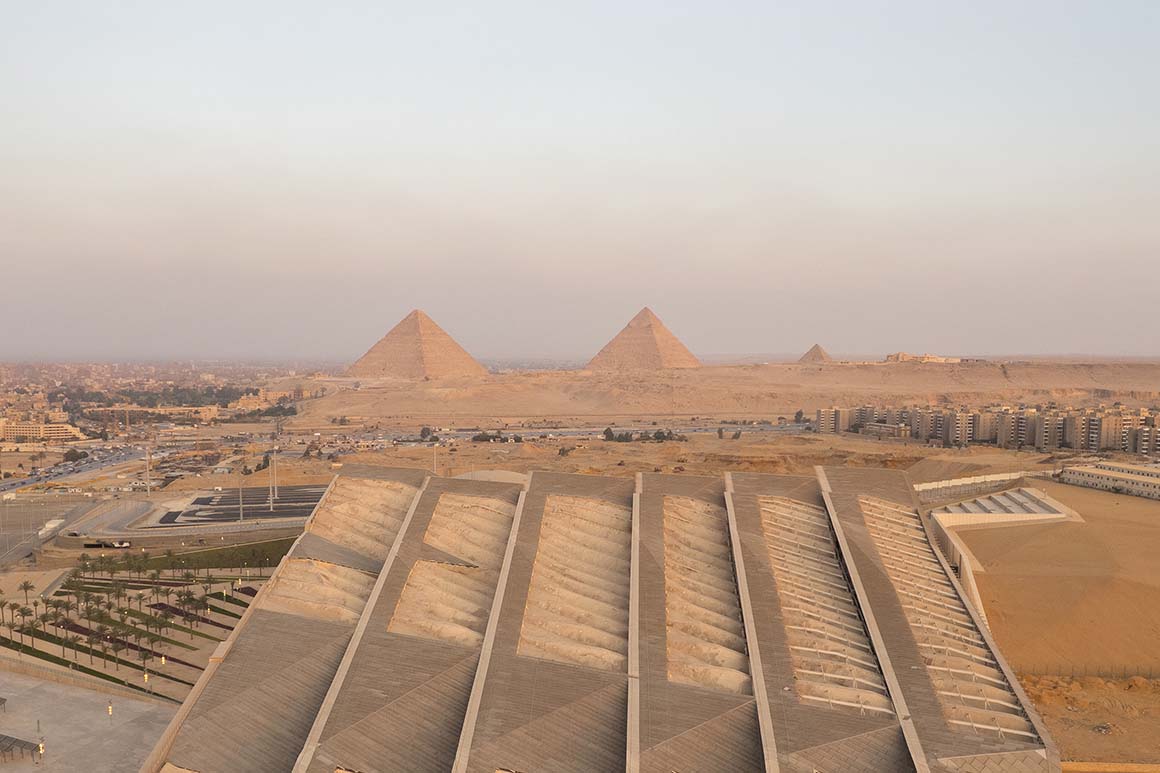
Die ikonische dreieckige Fassade des Grand Egyptian Museum, nur wenige Minuten von den Pyramiden von Giza entfernt.
Private Grand Egyptian Museum Tour mit dem Flugzeug: Das erwartet Sie
Eine Private Grand Egyptian Museum Tour mit dem Flugzeug ist für Reisende konzipiert, die ihre Zeit und ihren Komfort über alles schätzen. Ihr Tag beginnt in der Regel mit einem privaten Transfer von Ihrem Hotel zum nächstgelegenen Flughafen — sei es in Sharm El Sheikh, Hurghada oder Luxor. Von dort aus starten Sie mit einem kurzen Inlandsflug nach Kairo, wo ein engagierter Reiseleiter und ein Luxusfahrzeug auf Ihre Ankunft warten.
Flug & Transfers bei Ihrer Private Grand Egyptian Museum Tour mit dem Flugzeug
Der Flug selbst ist ein Highlight der Reise. Statt einer 6- bis 8-stündigen Fahrt durch die Wüste zu ertragen, gleiten Sie in unter einer Stunde über sie hinweg. Nach der Landung am Internationalen Flughafen Kairo begrüßt Sie Ihr privater Chauffeur und fährt Sie direkt zum Museum in einem modernen, klimatisierten Fahrzeug. Jedes Detail ist im Voraus arrangiert, sodass Sie nie anstehen oder verwirrende Terminals allein navigieren müssen.
Fliegen Sie direkt nach Kairo und genießen Sie bereits vor der Landung einen Luftblick auf die Pyramiden von Giza.
Das Museumserlebnis während Ihrer Private Grand Egyptian Museum Tour mit dem Flugzeug
Sobald Sie das Grand Egyptian Museum (GEM) betreten, führt Sie Ihr privater Reiseleiter in Ihrem eigenen Tempo durch die Galerien. Mit über 100.000 ausgestellten Artefakten — einschließlich der kompletten Tutankhamun-Sammlung — gibt es keine Mangel an Wundern zu entdecken. Da dies eine Privattour ist, können Sie bei den Exponaten verweilen, die Sie am meisten faszinieren, und die überspringen, die Sie nicht interessieren. Eine Private Grand Egyptian Museum Tour mit dem Flugzeug gibt Ihnen die totale Kontrolle über Ihren Reiseplan.
Warum eine Private Grand Egyptian Museum Tour mit dem Flugzeug wählen?
Es gibt Dutzende Möglichkeiten, das Grand Egyptian Museum zu besuchen, aber keine kann die Effizienz und Exklusivität einer Private Grand Egyptian Museum Tour mit dem Flugzeug erreichen. Hier sind die wichtigsten Gründe, warum erfahrene Reisende diese Erfahrung 2026 buchen:
Wertvolle Zeit sparen: Ein Flug von Hurghada nach Kairo dauert etwa 50 Minuten. Die gleiche Strecke auf der Straße kann sich über sieben Stunden erstrecken. Wenn Sie nur begrenzte Urlaubstage haben, zählt jede Stunde.
Totale Privatsphäre: Keine Fremden, keine starren Zeitpläne, kein Warten auf Zuspätkommende. Nur Sie, Ihre Begleiter und ein engagiertes Team, das sich ganz auf Ihr Erlebnis konzentriert.
Komfortabler Transport: Vom Privatflug bis zum Luxusfahrzeug in Kairo ist jeder Abschnitt der Reise auf Entspannung ausgelegt. Verstellbare Sitze, Klimakontrolle und Erfrischungen sind Standard.
Flexibler Reiseplan: Möchten Sie die Pyramiden von Giza oder eine Mittagskreuzfahrt auf dem Nil hinzufügen? Eine Privattour passt sich Ihren Interessen an, nicht umgekehrt.
Ideal für Kurztrips: Wenn Sie nur wenige Tage in Ägypten sind, ermöglicht Ihnen eine Private Grand Egyptian Museum Tour mit dem Flugzeug, das Kronjuwel des Landes zu sehen, ohne Ihre Strandzeit zu opfern.
Spazieren Sie durch die Große Treppe, gesäumt von kolossalen königlichen Statuen, die über 3.000 Jahre alt sind.
Grand Egyptian Museum Tour Preis: Was kostet sie?
Transparenz ist wichtig, wenn Sie eine einmalige Reise planen. Unsere Private Grand Egyptian Museum Tour mit dem Flugzeug-Pakete starten ab $85 pro Person für das Basis-Erlebnis. Dieser Einstiegspreis deckt Ihren Inlandsflug, die Flughafentransfers, das Privatfahrzeug in Kairo und einen professionellen Reiseleiter ab. Optionale Zusatzleistungen — wie Museumseintrittskarten, Mittagessen oder eine Erweiterung zu den Pyramiden von Giza — sind beim Checkout verfügbar.
Preisvergleich: Was ist inklusive vs. optionale Extras
Leistung
Base Package ($85/Person)
Premium Package ($145/Person)
Luxury Package ($220/Person)
Inlandsflug (Hin- und Rückflug)
✓ Inklusive
✓ Inklusive
✓ Inklusive
Private Flughafentransfers
✓ Inklusive
✓ Inklusive
✓ Inklusive
Privatfahrzeug in Kairo
✓ Inklusive
✓ Inklusive
✓ Inklusive
Professioneller englischsprachiger Reiseleiter
✓ Inklusive
✓ Inklusive
✓ Inklusive
Eintrittskarte Grand Egyptian Museum
✗ Optional
✓ Inklusive
✓ Inklusive
Mittagessen in einem lokalen Restaurant
✗ Optional
✓ Inklusive
✓ Inklusive
Besuch der Pyramiden von Giza & Sphinx
✗ Optional
✗ Optional
✓ Inklusive
Nil-Feluken-Fahrt
✗ Optional
✗ Optional
✓ Inklusive
Hinweis: Alle Preise gelten pro Person bei Doppelbelegung. Einzelzimmerzuschlag und Kinderermäßigung können zutreffen. Museumseintrittskarten (ca. $30 pro Erwachsenen) müssen im Voraus online über die offizielle GEM-Ticketing-Website gebucht werden.
Sichern Sie sich Ihre Private Grand Egyptian Museum Tour mit dem Flugzeug
Die Plätze sind in der Hochsaison schnell belegt. Sichern Sie sich noch heute Ihren Wunschtermin und profitieren Sie von unserer Bestpreisgarantie ab $85 pro Person.
Was ist in Ihrer Private Grand Egyptian Museum Tour mit dem Flugzeug inklusive?
Klarheit ist der Schlüssel bei der Buchung einer Private Grand Egyptian Museum Tour mit dem Flugzeug. Nachfolgend finden Sie eine detaillierte Aufschlüsselung der in jedem Paket bestätigten Leistungen sowie der optionalen Services, die Sie hinzufügen können, um Ihren Tag zu personalisieren:
Bestätigte Inklusivleistungen
Hin- und Rückflug Inlandsflug von Ihrer Resort-Stadt (Sharm El Sheikh, Hurghada oder Luxor) nach Kairo
Privater Meet-and-Greet-Service an Abflug- und Ankunftsflughäfen
Luxuriöses, klimatisiertes Privatfahrzeug mit professionellem Fahrer für den gesamten Kairo-Abschnitt
Lizenzierter, englischsprachiger Ägyptologe als Reiseleiter, exklusiv für Ihre Gruppe
Alle Flughafengebühren, Treibstoffzuschläge und Servicegebühren
Flaschenwasser und leichte Erfrischungen während der Transfers
24/7 Kundensupport und Notfallhilfe
Optionale Zusatzleistungen für Ihre Private Grand Egyptian Museum Tour mit dem Flugzeug
Eintrittskarte Grand Egyptian Museum (muss im Voraus gebucht werden; wir kümmern uns um die Reservierung)
Geführte Tour zu den Pyramiden von Giza und der Großen Sphinx
Mittagessen in einem traditionellen ägyptischen Restaurant mit Blick auf den Nil
Private Nil-Feluken-Segelbootfahrt
Professionelle Fotosession im Museum oder an den Pyramiden
Mehrsprachiger Reiseleiter (Spanisch, Französisch, Deutsch, Italienisch oder Chinesisch)
Die Große Treppe präsentiert 87 kolossale Statuen und Reliefs, die die gesamte dynastische Geschichte Ägyptens überspannen.
Grand Egyptian Museum Highlights, die Sie nicht verpassen dürfen
Keine Private Grand Egyptian Museum Tour mit dem Flugzeug ist komplett, ohne die atemberaubendsten Galerien des Museums zu erkunden. Am 1. November 2025 für die Öffentlichkeit eröffnet, ist das GEM nun das größte archäologische Museum der Welt und beherbergt über 100.000 Artefakte. Hier erfahren Sie, was Sie während Ihres Besuchs priorisieren sollten:
Die Tutankhamun-Sammlung
Die kompletten Schätze von König Tutankhamun — über 5.000 Objekte — werden erstmals in der Geschichte gemeinsam ausgestellt. Die goldene Totenmaske, die verschachtelten Särge, die Streitwagen und der Schmuck sind geradezu faszinierend. Ihr privater Reiseleiter wird die Geschichten hinter jedem Stück teilen und die Welt des jungen Königs in lebhaften Details zum Leben erwecken.
Die Große Treppe & Kolossale Statuen
Das architektonische Herzstück des Museums ist die Große Treppe, eine weitläufige Steigung, gesäumt von 87 monumentalen Statuen. Während Sie hinaufsteigen, reisen Sie chronologisch durch die Geschichte Ägyptens, von der Prädynastischen Periode bis zur Griechisch-Römischen Ära. Es ist eine eindrucksvolle Einführung in die Zivilisation, die die menschliche Geschichte geprägt hat.
Der goldene Außensarg von Tutankhamun, eines der ikonischsten Artefakte des gesamten Museums.
Königliche Mumienhalle & Sonderausstellungen
Die Königliche Mumienhalle bietet einen feierlichen, klimatisierten Raum, in dem 20 königliche Mumien ruhen, darunter Ramses II. und Hatshepsut. Darüber hinaus veranstaltet das Museum wechselnde Sonderausstellungen, die jüngste archäologische Entdeckungen präsentieren. Ihre Private Grand Egyptian Museum Tour mit dem Flugzeug kann so terminiert werden, dass sie mit diesen zeitlich begrenzten Ausstellungen zusammenfällt.
Für wen ist diese Privatflug-Tour am besten geeignet?
Eine Private Grand Egyptian Museum Tour mit dem Flugzeug ist kein Einheits-Erlebnis — aber sie passt für eine beeindruckend breite Palette von Reisenden. Hier erfahren Sie, wer am meisten profitiert:
Paare & Flitterwöchler: Genießen Sie einen intimen, romantischen Tag fernab der Menschenmassen. Private Transfers und ein flexibler Zeitplan bedeuten, dass Sie das Tempo bestimmen.
Familien mit Kindern: Lassen Sie die anstrengenden Autofahrten aus. Kinder lieben den Flug, und Eltern schätzen den Komfort des Tür-zu-Tür-Service.
Luxus-Reisende: Wenn Sie Premium-Service an jedem Berührungspunkt erwarten, liefert diese Tour genau das. Von der Privatluftfahrt bis zum VIP-Museumseintritt ist Luxus der Standard.
Reisende bei Kurztrips in Ägypten: Nur fünf oder sechs Tage im Land? Eine Private Grand Egyptian Museum Tour mit dem Flugzeug ermöglicht es Ihnen, die Highlights von Kairo zu sehen, ohne mehrere Tage zu verbrauchen.
Fotografie-Enthusiasten: Die Luftaufnahmen während des Flugs und die dramatische Architektur des Museums bieten endlose Möglichkeiten für atemberaubende Aufnahmen.
Perfekt für Familien — sicher, komfortabel und voller lehrreicher Momente für alle Altersgruppen.
Privat vs. Gruppen-Touren zum Grand Egyptian Museum
Noch unsicher, ob sich eine private Erfahrung lohnt? Dieser direkte Vergleich macht die Entscheidung leicht:
Faktor
Private Grand Egyptian Museum Tour mit dem Flugzeug
Standard Gruppen-Bustour
Reisezeit ab Hurghada
~1 Stunde (Flug)
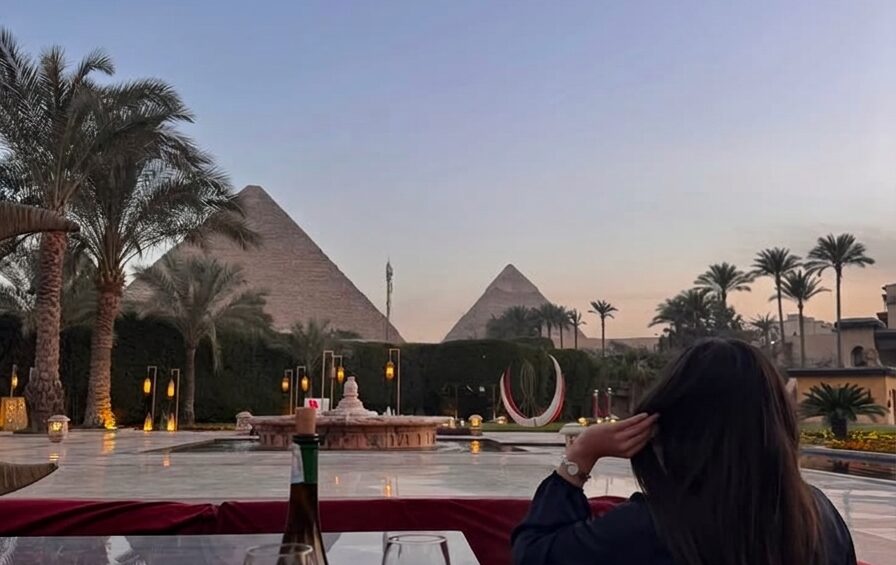
6–7 Stunden (Straße)
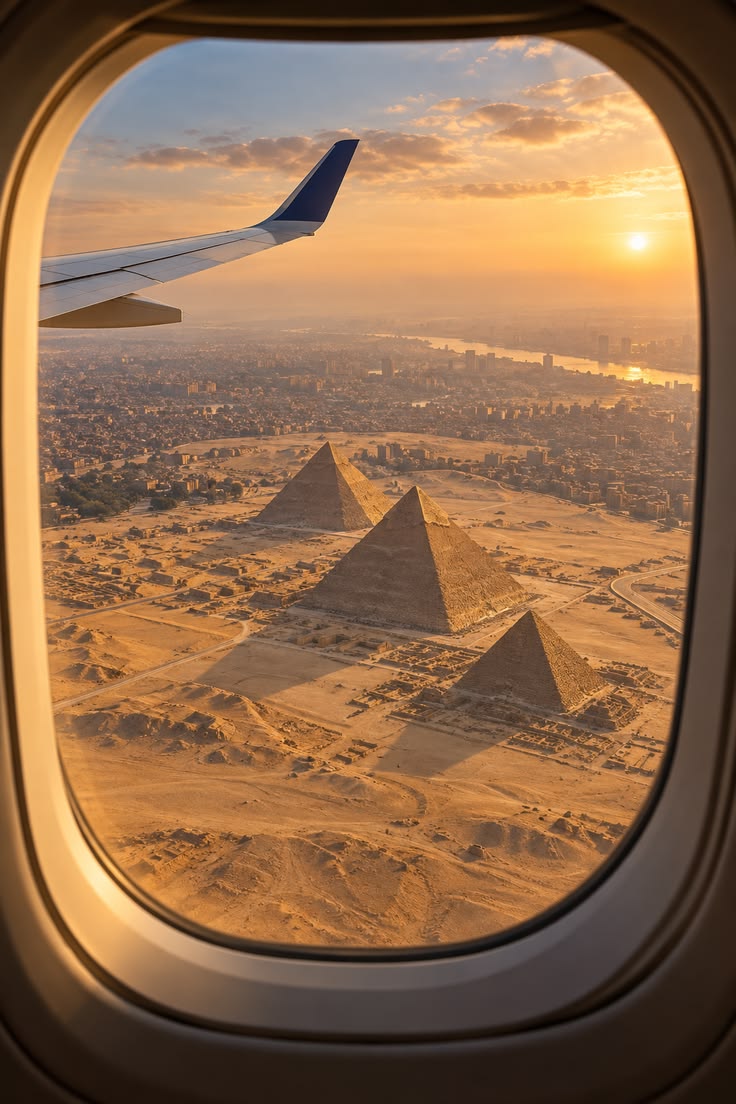
Privatsphäre-Level
Exklusiv für Ihre Gruppe
Geteilt mit 20–40 Fremden
Flexibilität des Reiseplans
Vollständig anpassbar
Fester Zeitplan
Aufmerksamkeit des Reiseleiters
100 % Ihnen gewidmet
Auf die Gruppe verteilt
Komfort & Fahrzeugqualität
Luxuriöses Privatauto/Van
Standard-Gruppenbus
Startpreis pro Person
Ab $85
Ab $45–$60
Am besten geeignet für
Zeitbewusste, Luxus-Suchende
Budget-Reisende mit flexiblem Zeitplan
Während Gruppen-Bustouren günstiger erscheinen, sind die versteckten Kosten Ihre Zeit und Energie. Eine Private Grand Egyptian Museum Tour mit dem Flugzeug verwandelt einen strapaziösen 14-Stunden-Tag in ein entspanntes, unvergessliches Abenteuer.
Beste Reisezeit: Kairo Wetter nach Monat
Die richtige Zeitplanung Ihrer Private Grand Egyptian Museum Tour mit dem Flugzeug nach dem Klima von Kairo kann einen erheblichen Unterschied für Ihren Komfort ausmachen. Hier ist ein monatlicher Temperatur-Guide, der Ihnen bei der Planung hilft:
Monat
Ø Max. (°C)
Ø Min. (°C)
Wetter
Am besten für
Januar
19°C
10°C
Kühl, trocken
Sightseeing, wenige Touristen
Februar
21°C
11°C
Mild, trocken
Fotografie, angenehme Spaziergänge
März
24°C
13°C
Warm, gelegentlicher Staub
Frühlingsblüten, Nebensaison
April
28°C
16°C
Angenehm, sonnig
Ideales Tour-Wetter
Mai
32°C
19°C
Warm, trocken
Vorsommer-Angebote
Juni
35°C
22°C
Heiß, sehr trocken
Frühmorgendliche Touren empfohlen
Juli
35°C
24°C
Hitzepitze
Fokus auf Indoor-Museum
August
35°C
24°C
Hitzepitze, feucht
Klimatisierte Behaglichkeit
September
33°C
23°C
Kühlt ab
Gutes Preis-Leistungs-Verhältnis, weniger Touristen
Oktober
30°C
20°C
Perfekter Herbst
Bester Monat insgesamt
November
25°C
16°C
Angenehm, trocken
Ideales Sightseeing
Dezember
21°C
12°C
Kühl, festlich
Urlaubsreisen, mildes Wetter
Quelle: Klimadaten basierend auf historischen Durchschnittswerten für Kairo, Ägypten. Für das angenehmste Erlebnis empfehlen wir, Ihre Private Grand Egyptian Museum Tour mit dem Flugzeug zwischen Oktober und April zu buchen.
Wie buchen Sie Ihre Private Grand Egyptian Museum Tour mit dem Flugzeug
Die Buchung Ihrer Private Grand Egyptian Museum Tour mit dem Flugzeug ist einfach und dauert weniger als fünf Minuten. Folgen Sie diesen Schritten, um Ihren Platz zu sichern:
Wählen Sie Ihre Abflugstadt — Sharm El Sheikh, Hurghada, Luxor oder Assuan.
Wählen Sie Ihr Paket — Base ($85/Person), Premium ($145/Person) oder Luxury ($220/Person).
Wählen Sie Ihr Reisedatum — Wir empfehlen eine Buchung mindestens 72 Stunden im Voraus, um Museumskarten zu sichern.
Fügen Sie optionale Extras hinzu — Pyramiden-Besuch, Nil-Mittagessen, Feluken-Fahrt oder professionelle Fotografie.
Bestätigen und zahlen Sie sicher — Wir akzeptieren alle gängigen Kreditkarten und PayPal. Sofortige Bestätigung per E-Mail.
Bereit, das Grand Egyptian Museum stilvoll zu erleben?
Schließen Sie sich Tausenden von Reisenden an, die den smarteren Weg entdeckt haben, Kairo zu erleben. Ihre Private Grand Egyptian Museum Tour mit dem Flugzeug erwartet Sie — ab nur $85 pro Person.
Die durchscheinende Alabaster-Fassade des Museums leuchtet in der Dämmerung wunderschön — ein Anblick, der allein die Reise wert ist.
Häufig gestellte Fragen zur Private Grand Egyptian Museum Tour mit dem Flugzeug
Wie viel kostet eine Private Grand Egyptian Museum Tour mit dem Flugzeug?
Unsere Private Grand Egyptian Museum Tour mit dem Flugzeug startet ab $85 pro Person für das Base Package, das Hin- und Rückflüge, private Transfers, ein Luxusfahrzeug in Kairo und einen engagierten Reiseleiter beinhaltet. Premium- und Luxury-Pakete mit Museumskarten, Mahlzeiten und Pyramiden-Besuchen reichen von $145 bis $220 pro Person.
Was ist in der Tour inklusive?
Jedes Paket beinhaltet Hin- und Rückflüge Inlandsflüge, private Flughafentransfers, ein luxuriöses klimatisiertes Fahrzeug in Kairo und einen erfahrenen Ägyptologen als Reiseleiter. Museumseintrittskarten, Mahlzeiten und zusätzliche Besichtigungen sind je nach gewähltem Paket optionale Zusatzleistungen.
Ist die Grand Egyptian Museum Tour privat?
Ja. Dies ist ausschließlich eine Private Grand Egyptian Museum Tour mit dem Flugzeug — was bedeutet, dass Ihre Gruppe das Fahrzeug, den Reiseleiter oder die Flugarrangements nicht mit anderen Reisenden teilt.
Wie lange dauert der Ausflug?
Der Flug von Resort-Städten wie Hurghada oder Sharm El Sheikh nach Kairo dauert pro Strecke etwa 50–60 Minuten. Inklusive Museumzeit, Transfers und optionalen Zwischenstopps dauert der Tagesausflug in der Regel 10–12 Stunden.
Sind Grand Egyptian Museum Tickets inklusive?
Museumskarten sind in unseren Premium- und Luxury-Paketen inklusive. Für das Base Package können wir Ihre Karten für ca. $30 pro Erwachsenen und $15 pro Kind (6–12 Jahre) über das offizielle GEM-Ticketing-System im Voraus buchen.
Kann ich den Reiseplan anpassen?
Absolut. Einer der größten Vorteile einer Private Grand Egyptian Museum Tour mit dem Flugzeug ist die totale Flexibilität. Fügen Sie die Pyramiden von Giza, eine Nil-Kreuzfahrt, den Khan El Khalili Basar oder jedes andere Kairoer Wahrzeichen hinzu.
Ist diese Tour für Familien geeignet?
Ja, sie ist ideal für Familien. Kinder lieben den Kurzflug, und Eltern schätzen es, die lange, anstrengende Busfahrt zu vermeiden. Wir stellen auf Wunsch Kindersitze zur Verfügung und können die Museumstour so gestalten, dass auch jüngere Reisende begeistert bleiben.
Von welchen Städten kann ich abfliegen?
Wir bieten Abflüge für die Private Grand Egyptian Museum Tour mit dem Flugzeug von Sharm El Sheikh, Hurghada, Luxor, Assuan und Marsa Alam an. Individuelle Abflüge von anderen Orten können auf Anfrage arrangiert werden.
Was sind die Öffnungszeiten des Grand Egyptian Museum?
Der GEM-Komplex ist täglich von 8:30 Uhr bis 19:00 Uhr geöffnet, mit verlängerten Öffnungszeiten bis 22:00 Uhr mittwochs und samstags. Die Galerien öffnen um 9:00 Uhr und schließen um 18:00 Uhr (21:00 Uhr Mi/Sa). Der letzte Einlass ist eine Stunde vor Schließung.
Brauche ich ein Visum für diese Tour?
Wenn Sie sich bereits mit einem gültigen Touristenvisum in Ägypten aufhalten, ist für Inlandsflüge kein zusätzliches Visum erforderlich. Ihr ursprüngliches Einreisevisum deckt Reisen zwischen ägyptischen Städten ab.
Was sollte ich im Museum tragen?
Bequeme Laufschuhe sind unerlässlich, da das Museum 480.000 Quadratmeter umfasst. Wir empfehlen bescheidene, leichte Kleidung, die für das Klima von Kairo geeignet ist. Das Museum ist vollständig klimatisiert, daher ist eine leichte Jacke nützlich.
Ist die Tour ganzjährig verfügbar?
Ja, unsere Private Grand Egyptian Museum Tour mit dem Flugzeug operiert 365 Tage im Jahr. Wir empfehlen jedoch eine Buchung zwischen Oktober und April für die angenehmsten Wetterbedingungen.
Kann ich diese Tour als Solo-Reisender buchen?
Ja, Solo-Reisende sind herzlich willkommen. Bitte beachten Sie, dass ein Einzelzimmerzuschlag anfallen kann, um die Kosten für Privatfahrzeug und Reiseleiter zu decken. Kontaktieren Sie uns für ein personalisiertes Angebot für Solo-Reisende.
Was passiert, wenn mein Flug verspätet oder annulliert wird?
Wir überwachen alle Flüge in Echtzeit. Im seltenen Fall einer Annullierung verschieben wir Ihre Tour ohne zusätzliche Kosten oder erstatten den vollen Betrag gemäß unserer flexiblen Stornierungsrichtlinie.
Gibt es Gepäckbeschränkungen?
Inlandsflüge in Ägypten erlauben in der Regel 20–23 kg Aufgabegepäck und 7 kg Handgepäck. Für einen Tagesausflug empfehlen wir, leicht zu packen — nur das Nötigste, eine Kamera und bequeme Schuhe.
Entdecken Sie weitere Ägypten-Reiseerlebnisse
Wenn Sie sich gerne über die Private Grand Egyptian Museum Tour mit dem Flugzeug informiert haben, könnten Sie auch an diesen verwandten Erlebnissen interessiert sein:
Cheap Trip in Egypt: How to Explore the Pyramids, Nile & Red Sea on a Budget
Discover how to experience Cairo, Luxor, Aswan, and the Red Sea without emptying your wallet. A cheap trip in Egypt does not mean missing out — it means traveling smarter.
Many travelers assume that visiting the land of the pharaohs requires a luxury budget. The truth is, a cheap trip in Egypt can deliver the same awe-inspiring moments as a high-end tour — if you know where to look. From the ancient streets of Cairo to the temple-lined banks of the Nile in Luxor and the crystal waters of the Red Sea, Egypt offers incredible value for budget-conscious explorers planning a cheap trip in Egypt.
In this complete guide, we break down exactly how much an affordable Egypt trip really costs, where to stay, what to eat, and how to experience the country's greatest highlights without overspending. Whether you are a backpacker, a family on a budget, or simply a savvy traveler, this guide will help you plan a budget trip to Egypt that is rich in memories and light on your wallet.
The Pyramids of Giza and the Sphinx are accessible to every traveler on a cheap trip in Egypt.
Cheap Trip in Egypt: What Does It Really Cost?
When people hear "cheap," they often worry about sacrificing comfort or safety. A cheap trip in Egypt is different. It is about making informed choices — traveling during the right season, eating where locals eat, and booking experiences through reputable local operators rather than overpriced middlemen. Planning a cheap trip in Egypt means understanding that low cost does not equal low quality.
Egypt's local currency, the Egyptian pound, means that travelers from Europe, North America, and the Gulf enjoy favorable exchange rates. A meal at a local restaurant can cost less than a coffee back home, and entrance fees to world-famous archaeological sites remain remarkably low compared to global standards. The key to a successful cheap trip in Egypt is knowing how to allocate your budget wisely.
For a deeper breakdown of overall spending during your cheap trip in Egypt, see our detailed guide on Egypt trip cost in 2026.
How Much Does a Cheap Trip to Egypt Cost?
The total Egypt trip cost for a cheap trip in Egypt depends heavily on your travel style. A backpacker sleeping in hostels and using public transport will spend far less than a mid-range traveler seeking private rooms and guided day trips. Below is a realistic overview of what you can expect to spend per person, per day, excluding international flights.
Estimated Costs by Travel Style for a Cheap Trip in Egypt
Expense Category
Budget Traveler
Mid-Range Traveler
Luxury Traveler
Accommodation (per night)
$10 – $25
$40 – $80
$150 – $400
Food (per day)
$5 – $10
$15 – $30
$50 – $100
Local Transportation (per day)
$2 – $5
$10 – $20
$50 – $100
Activities & Entrance Fees (per day)
$10 – $20
$25 – $50
$80 – $150
Estimated Daily Total
$27 – $60
$90 – $180
$330 – $750
Note: Prices are approximate and based on 2026 exchange rates. Actual costs for a cheap trip in Egypt may vary depending on season, booking timing, and personal preferences.
A cheap Egypt vacation and a cheap trip in Egypt are absolutely achievable on $40 to $60 per day if you stay in budget accommodations, use local transport, and eat at Egyptian restaurants. For those who prefer a bit more comfort, mid-range options still offer excellent value compared to many other global destinations.
Cheapest Ways to Travel Around Egypt on a Cheap Trip in Egypt
Getting around Egypt does not have to be expensive during your cheap trip in Egypt. The country has a well-developed network of trains, buses, and domestic flights that cater to every budget.
Trains: The Budget Traveler's Best Friend on a Cheap Trip in Egypt
Egyptian National Railways operates comfortable sleeper and seated trains between Cairo, Luxor, and Aswan. A first-class seated ticket from Cairo to Luxor costs a fraction of what you would pay for a domestic flight, and the overnight sleeper train saves you a night's accommodation. Booking in advance through the official railway website or at the station is highly recommended for any cheap trip in Egypt.
Buses and Minibuses for a Cheap Trip in Egypt
For shorter distances, companies like Go Bus offer air-conditioned coaches between major cities at very low prices. Within cities, Uber and Careem are affordable alternatives to taxis, while Cairo's metro is the cheapest way to cross the capital quickly during your cheap trip in Egypt.
Domestic Flights During Your Cheap Trip in Egypt
If you are short on time, budget airlines like EgyptAir and Air Cairo offer competitive fares between Cairo, Luxor, Aswan, and Sharm El Sheikh. Booking two to three weeks in advance often unlocks the best rates for an affordable Egypt trip and a cheap trip in Egypt.
Train travel along the Nile is affordable, scenic, and comfortable for a cheap trip in Egypt.
Affordable Accommodation for a Cheap Trip in Egypt
Finding a place to sleep on a budget trip to Egypt and during a cheap trip in Egypt is easier than you might think. The country offers a wide range of lodging options that cater to travelers watching their spending.
Hostels: Major cities like Cairo and Luxor have clean, social hostels with dorm beds starting from $8 to $12 per night. Many include breakfast and rooftop terraces with pyramid or Nile views, making them perfect for a cheap trip in Egypt.
Budget Hotels: Local two- and three-star hotels offer private rooms with air conditioning and en-suite bathrooms for $15 to $30 per night. Look for properties in downtown Cairo or near the Luxor Corniche during your cheap trip in Egypt.
Guesthouses: In Aswan and along the Nile, family-run guesthouses provide authentic hospitality at very low rates. Nubian guesthouses on Elephantine Island are particularly popular among budget travelers on a cheap trip in Egypt.
Red Sea Resorts: In Hurghada, all-inclusive budget resorts can be surprisingly affordable during the low season, with weekly packages that include meals and pool access.
Choosing accommodation slightly outside the most expensive tourist zones — such as staying in Giza rather than Zamalek, or in East Bank Luxor rather than the immediate temple area — can cut your nightly rate by 30 to 50 percent without sacrificing convenience on your cheap trip in Egypt.
Cheap Food in Egypt: What to Eat on a Budget Trip in Egypt
Egyptian cuisine is not only delicious but also incredibly budget-friendly. Eating like a local is one of the best ways to stretch your money during a cheap trip in Egypt.
Must-Try Budget Meals on Your Cheap Trip in Egypt
Koshary: Egypt's national dish — a hearty mix of rice, lentils, pasta, and tomato sauce — costs around $1 to $2 at local joints during a cheap trip in Egypt.
Ful Medames: Slow-cooked fava beans served with bread and tahini. A filling breakfast for less than a dollar on your cheap trip in Egypt.
Falafel (Taameya): Crispy Egyptian falafel made from fava beans, perfect for a quick lunch on the go while enjoying a cheap trip in Egypt.
Shawarma: Widely available and satisfying, with chicken or beef wraps costing $1 to $3 during a cheap trip in Egypt.
Fresh Juice: Sugarcane, mango, and orange juices are sold at street stalls for pennies and offer a refreshing break from the heat on your cheap trip in Egypt.
Koshary is Egypt's national dish and costs only $1–$2 — perfect for a cheap trip in Egypt.
Avoid hotel restaurants and tourist-area cafes where prices are inflated. Instead, follow the locals to small restaurants and street vendors. Not only will you save money, but you will also experience the authentic flavors that make Egypt travel on a budget and a cheap trip in Egypt so rewarding.
Cheap Things to Do in Cairo on a Cheap Trip in Egypt
Cairo is a paradise for budget travelers planning a cheap trip in Egypt. Many of the city's most memorable experiences cost little to nothing.
Start with a walk through Islamic Cairo, a UNESCO World Heritage area filled with medieval mosques, caravanserais, and winding alleyways. The Khan El Khalili bazaar is free to explore and offers endless photo opportunities. For a small fee, you can climb to the roof of the Bab Zuweila gate for panoramic views of the old city during your cheap trip in Egypt.
The Egyptian Museum in Tahrir Square remains one of the world's great museums, with an entrance fee that is remarkably low by international standards. While the Grand Egyptian Museum near Giza offers a more modern experience, budget travelers can still enjoy Cairo's rich museum scene without spending much on a cheap trip in Egypt.
Khan El Khalili bazaar is free to explore and one of Cairo's most atmospheric experiences on a cheap trip in Egypt.
Affordable Ways to Visit the Pyramids of Giza on a Cheap Trip in Egypt
No cheap Egypt trip or cheap trip in Egypt is complete without standing before the Great Pyramid of Giza. The good news is that visiting the pyramids is one of the most affordable major attractions in the world.
General admission to the Giza Plateau is budget-friendly, and the site is easily reachable by public bus or Uber from central Cairo. To save even more during your cheap trip in Egypt, avoid the overpriced camel rides offered directly outside the gate and instead negotiate a short ride further inside the plateau where prices are lower.
For travelers who want a guided experience without the luxury price tag, joining a small-group day tour can be a smart compromise. You get expert commentary and hassle-free transport while sharing costs with other travelers. See our Pyramids and Cairo tour prices for a range of options.
If you prefer to explore independently on your cheap trip in Egypt, arrive early in the morning to beat the crowds and the heat. Bring your own water and snacks, as on-site vendors charge tourist premiums.
Budget-Friendly Things to Do in Luxor on a Cheap Trip in Egypt
Luxor is often called the world's greatest open-air museum, and many of its wonders are surprisingly accessible on a budget during a cheap trip in Egypt.
The Luxor Temple is beautifully lit at night and located right in the city center, making it easy to visit on foot from downtown accommodations. The Karnak Temple Complex, one of the largest religious complexes ever built, offers hours of exploration for a modest entrance fee. Walking or cycling along the West Bank cornice costs nothing and provides stunning views of the Nile during your cheap trip in Egypt.
For an affordable guided experience on your cheap trip in Egypt, consider hiring a local freelance guide at the temple gates rather than booking through a hotel. Always verify credentials and agree on a price beforehand. You can also find excellent value in our range of Egypt tours that include Luxor.
Affordable Egypt Experiences in Aswan on a Cheap Trip in Egypt
Aswan moves at a slower pace than Cairo or Luxor, and its relaxed atmosphere makes it ideal for budget travelers seeking authentic experiences during a cheap trip in Egypt.
A public ferry to Elephantine Island costs mere cents and offers a glimpse into Nubian village life. The Aswan Botanical Garden on Kitchener's Island is an affordable half-day escape filled with exotic plants and peaceful walking paths. Watching the sunset from the Old Cataract Hotel terrace — without staying there — is a well-known budget hack for a cheap trip in Egypt.
For those considering a Nile cruise, a 4-day Nile cruise between Luxor and Aswan can be surprisingly affordable when booked as part of a package deal, often costing less than arranging transport and hotels separately during a cheap trip in Egypt.
A felucca ride on the Nile at sunset is one of Aswan's most affordable and magical experiences on a cheap trip in Egypt.
How to Enjoy the Red Sea on a Budget During a Cheap Trip in Egypt
The Red Sea is not just for luxury resort guests. Hurghada and Sharm El Sheikh both offer plenty of cheap places to visit in Egypt for beach and marine lovers on a cheap trip in Egypt.
Budget travelers can stay in hostels or small hotels in El Dahar, Hurghada's old town, where room rates are significantly lower than in the modern resort strips. Public beaches are free or charge a nominal entrance fee, and local dive shops offer introductory scuba experiences at a fraction of international prices during a cheap trip in Egypt.
Snorkeling trips to Giftun Island or Ras Mohammed can often be booked directly at the marina for less than through hotel concierges. For a complete affordable beach holiday, explore our Hurghada Red Sea holiday packages.
Cheap Egypt Trip Itinerary: Planning Your Cheap Trip in Egypt
Planning a budget Egypt itinerary and a cheap trip in Egypt is all about balancing must-see sights with smart logistics. Here is a sample 10-day route that covers the highlights without breaking the bank.
Sample 10-Day Budget Itinerary for a Cheap Trip in Egypt
Days 1–3: Cairo — Explore Islamic Cairo, visit the Egyptian Museum, and spend a full day at the Giza Plateau during your cheap trip in Egypt.
Day 4: Giza & Saqqara — Take a budget day trip to Saqqara and Memphis. See our Giza, Saqqara, and Memphis tour for affordable options.
Days 5–6: Luxor — Travel by sleeper train. Visit Karnak and Luxor temples, plus the West Bank tombs on your cheap trip in Egypt.
Days 7–8: Aswan — Relax by the Nile, visit the Nubian villages, and take a felucca ride during your cheap trip in Egypt.
Days 9–10: Hurghada — Unwind on the Red Sea. Snorkel, swim, and enjoy fresh seafood before your departure from your cheap trip in Egypt.
Estimated Daily Budget Breakdown for a Cheap Trip in Egypt
Category
Budget Option
Mid-Range Option
Notes
Accommodation
$10 – $20
$40 – $70
Hostels / 3-star hotels
Food
$5 – $10
$15 – $25
Local restaurants / hotel dining
Transportation
$3 – $8
$15 – $30
Public transport / private transfers
Activities
$8 – $15
$20 – $40
Entrance fees / guided tours
Estimated Daily Total
$26 – $53
$90 – $165
Per person, excluding flights
Best Time to Visit Egypt for Lower Prices on a Cheap Trip in Egypt
Timing your affordable Egypt trip and cheap trip in Egypt correctly can save you hundreds of dollars. The peak season runs from December to February, when pleasant weather draws the largest crowds and highest prices.
The shoulder months of March, April, September, and October offer a sweet spot of manageable heat and lower hotel rates. If you can tolerate warmer temperatures, visiting between May and August unlocks the lowest prices of the year. Hotels in Luxor and Aswan often drop their rates by 40 to 60 percent during the summer months, making it an ideal time for a cheap trip in Egypt.
Explore Our Budget Egypt Packages for a Cheap Trip in Egypt
Let Egy Travel Lux handle the logistics while you enjoy the adventure. Our budget Egypt packages combine accommodation, transport, and guided tours at prices designed for smart travelers planning a cheap trip in Egypt.
Small decisions add up to big savings on your cheap trip in Egypt. Here are proven strategies for keeping your Egypt trip cost low without compromising on experiences:
Travel in shoulder or low season. Hotel rates and tour prices drop significantly outside the December-to-February peak, making your cheap trip in Egypt even cheaper.
Book domestic transport early. Train and flight prices rise closer to the departure date. Secure your seats at least two weeks ahead for a cheap trip in Egypt.
Eat where locals eat. Street food and small family restaurants offer the best value and often the best flavor during a cheap trip in Egypt.
Use public transportation. Cairo's metro and local buses are safe, efficient, and incredibly cheap for a cheap trip in Egypt.
Compare tour options. Get quotes from multiple providers. Reputable local operators like Egy Travel Lux often beat international agency prices for a cheap trip in Egypt.
Stay outside tourist hubs. A hotel ten minutes from the pyramids costs far less than one with a direct view on your cheap trip in Egypt.
Combine attractions in one day. Group nearby sites to save on repeated transport costs during a cheap trip in Egypt.
Avoid unnecessary tourist markups. Buy water and snacks at supermarkets rather than from vendors at archaeological sites on your cheap trip in Egypt.
Understand what is included. Always check whether entrance fees, meals, and tips are included in your tour price for a cheap trip in Egypt.
Carry small bills. Having exact change prevents overpaying for small purchases and tips during a cheap trip in Egypt.
For travelers who prefer a structured experience, our Egypt vacation packages bundle everything together at a lower total cost than booking each element separately for your cheap trip in Egypt.
Cheap Trip in Egypt: Private vs Group Tours
One of the biggest decisions when planning a cheap trip to Egypt and a cheap trip in Egypt is whether to join a group tour or arrange a private experience.
Factor
Group Tour
Private Budget Tour
Price per person
Lower upfront cost
Higher base price, but flexible
Itinerary control
Fixed schedule
Fully customizable
Guide attention
Shared among 10–20 people
Dedicated to your group
Transport quality
Standard bus or van
Private air-conditioned vehicle
Best for
Solo travelers, tight budgets
Families, couples, specific interests
Group tours are excellent for meeting fellow travelers and minimizing costs. However, a private budget tour can be surprisingly affordable when split among two or more people, and it allows you to focus on the sites that interest you most. Egy Travel Lux offers both options, ensuring every traveler finds the right fit for their cheap trip in Egypt.
What Is Included in a Budget Egypt Tour for a Cheap Trip in Egypt?
When booking an affordable Egypt tour for a cheap trip in Egypt, it is important to know exactly what you are paying for. Budget tours vary widely, so read the inclusions carefully.
Typically Included on a Cheap Trip in Egypt
Airport transfers upon arrival and departure
Accommodation in budget or three-star hotels
Daily breakfast, and sometimes additional meals
Private or shared air-conditioned transport between cities
Licensed English-speaking guide for major sites
Entrance fees to listed attractions
Often Excluded on a Cheap Trip in Egypt
International flights to and from Egypt
Travel insurance
Meals not specified in the itinerary
Optional activities like hot air balloon rides or scuba diving
Gratuities for guides, drivers, and hotel staff
Personal expenses and shopping
Always confirm whether entrance fees to major sites like the Valley of the Kings or the Giza Plateau are included, as these can add up quickly if paid separately on your cheap trip in Egypt.
Estimated Costs by Destination for a Cheap Trip in Egypt
Your daily spending will vary depending on where you are in Egypt during your cheap trip in Egypt. Here is a rough guide to help you plan:
Destination
Budget per Day
Main Expenses
Money-Saving Tip
Cairo
$30 – $60
Museums, pyramids, transport
Use the metro and eat downtown
Luxor
$25 – $55
West Bank tombs, Karnak, guides
Walk between East Bank temples
Aswan
$25 – $50
Nubian villages, felucca, botanical garden
Take the public ferry to Elephantine
Hurghada
$30 – $70
Snorkeling, diving, beach access
Book boat trips at the marina directly
Sharm El Sheikh
$35 – $75
Marine park fees, diving, excursions
Stay in Naama Bay for walkable options
Prices are approximate per person per day and exclude international flights. Actual costs for a cheap trip in Egypt depend on season and personal choices.
Who Is a Cheap Egypt Trip Best For?
A cheap trip in Egypt is not just for backpackers. It suits a surprisingly wide range of travelers:
Solo Travelers: Egypt is increasingly popular with solo adventurers who appreciate the low cost of meeting people in hostels and joining group day trips during a cheap trip in Egypt.
Students and Young Professionals: With limited vacation time and tight budgets, younger travelers can see an incredible amount in just one or two weeks on a cheap trip in Egypt.
Families: A budget trip to Egypt and a cheap trip in Egypt allows families to introduce their children to world history without the expense of a luxury tour. Many budget hotels offer family rooms.
Long-Term Travelers: Those on extended journeys through Africa, the Middle East, or Europe find Egypt to be a cost-effective highlight.
Repeat Visitors: Travelers returning to Egypt for a second or third time often prefer a lighter, more independent approach focused on specific regions during a cheap trip in Egypt.
A cheap trip to Egypt and a cheap trip in Egypt can cost as little as $27 to $60 per person per day, excluding international flights. This covers budget accommodation, local food, public transport, and entrance fees to major sites. A two-week budget trip typically ranges from $800 to $1,500 total per person.
Is Egypt cheap to visit?
Yes, Egypt is one of the most affordable major tourist destinations in the world. Thanks to favorable exchange rates and low local costs, travelers from Europe, North America, and the Gulf can enjoy world-class attractions at a fraction of what they would pay elsewhere on a cheap trip in Egypt.
How much money do I need per day in Egypt?
Budget travelers can get by on $30 to $50 per day during a cheap trip in Egypt. Mid-range travelers should plan for $90 to $150 per day. These figures include accommodation, meals, local transport, and activities. Luxury travelers can expect to spend $300 or more daily.
What is the cheapest month to visit Egypt?
The cheapest months are typically June, July, and August, when summer heat keeps many tourists away. Hotel rates in Luxor, Aswan, and the Red Sea drop significantly during this period, making it ideal for a cheap trip in Egypt. May and September also offer good value with more tolerable temperatures.
How can I travel Egypt on a budget?
Travel during the low season, stay in local guesthouses or hostels, eat at Egyptian restaurants, use public transport, and book attractions directly or through reputable local operators. Combining nearby sites into single days also reduces transport costs on a cheap trip in Egypt.
Is Cairo expensive for tourists?
Cairo is very affordable for tourists compared to most global capitals. A meal at a local restaurant costs $2 to $5, metro rides are under $0.20, and major attractions like the Egyptian Museum have modest entrance fees. Costs rise only if you stick exclusively to international hotels and tourist restaurants during your cheap trip in Egypt.
How much does a budget Egypt tour cost?
Budget group tours typically start from $50 to $80 per person per day, including accommodation, transport, guides, and some meals. Private budget tours cost more but offer greater flexibility. Check our budget Egypt packages for current deals on a cheap trip in Egypt.
What are the cheapest places to visit in Egypt?
Cairo, Luxor, and Aswan offer the best value for history lovers, with low entrance fees and affordable food. For beach seekers, Hurghada provides cheaper accommodation and activities than Sharm El Sheikh. Dahab on the Sinai Peninsula is another excellent budget destination for a cheap trip in Egypt.
Can I visit the pyramids on a budget?
Absolutely. The Giza Plateau entrance fee is very reasonable by international standards. You can reach the site by public bus or Uber from Cairo, and exploring independently costs nothing beyond the ticket. Guided day tours are also available at budget-friendly rates for a cheap trip in Egypt.
Is Egypt cheaper than other popular tourist destinations?
Yes. Egypt is significantly cheaper than destinations like Italy, Greece, Japan, or the Maldives. A mid-range day in Egypt often costs less than a budget day in Western Europe. This makes it an ideal choice for travelers seeking maximum cultural impact per dollar on a cheap trip in Egypt.
Are budget hotels in Egypt safe?
Yes, provided you choose reputable properties with good reviews. Many budget hotels in Cairo, Luxor, and Aswan are clean, secure, and staffed by helpful teams. Always check recent traveler reviews and confirm that the property has 24-hour reception and secure luggage storage for your cheap trip in Egypt.
Should I book tours in advance or on arrival for a cheap trip in Egypt?
Booking in advance is generally recommended for popular experiences like Nile cruises and pyramid tours, especially during peak season. However, last-minute deals can sometimes be found on arrival, particularly in the low season. For guaranteed availability and better rates, advance booking is safer for a cheap trip in Egypt.
Explore More Egypt Travel Experiences for Your Cheap Trip in Egypt
If you are planning a cheap trip in Egypt, you may also find these resources helpful:
Start Planning Your Affordable Egypt Adventure and Cheap Trip in Egypt
Ready to turn your dream of a cheap trip in Egypt into reality? Browse our handpicked selection of budget-friendly tours and packages designed by local experts. A cheap trip in Egypt with Egy Travel Lux means unforgettable memories at unbeatable value.
Gira St Catherine 2026: Monte Sinaí, Wadi Tuwa, Mezquita Fatimí y Guía Completa de Viajes
Gira St Catherine 2026
Monte Sinaí, Wadi Tuwa, Mezquita Fatimí y Guía Completa de Viajes
Por Egy Travel Lux | Actualizado Julio 2026 | 15 minutos de lectura
Imagine estar en la cumbre del Monte Sinaí cuando los primeros rayos de oro del amanecer pintan los picos escarpados de las montañas más altas de Egipto en tonos ámbar y rosa. Debajo de usted, el antiguo Monasterio de St Catherine se anida en un valle que ha atraído a viajeros, peregrinos y aventureros durante más de quince siglos. Esta no es solo otra parada en un paquete de vacaciones a Egipto — es una de las experiencias más extraordinarias que ofrece la Península del Sinaí.
Una gira de St Catherine combina todo lo que buscan los viajeros exigentes: paisajes dramáticos de montaña, arquitectura patrimonial de la UNESCO, rica cultura beduina, senderismo de clase mundial y algunos de los cielos nocturnos más oscuros de la Tierra. Ya sea que esté planeando una aventura de senderismo en el Sinaí, una expedición fotográfica, o una inmersión cultural profunda en una de las regiones más fascinantes de Egipto, esta guía completa lo preparará para un viaje inolvidable.
En Egy Travel Lux, nos especializamos en crear tours privados a Egipto que revelan el alma auténtica de destinos como St Catherine. Que esta guía sea su hoja de ruta para una aventura que mezcla maravilla natural con milenios de historia humana.
¿Listo para Explorar St Catherine?
Reserve una gira privada de St Catherine con recogida de hotel, guía profesional y transporte cómodo. Experimente el Monte Sinaí, el monasterio, Wadi Tuwa y la Mezquita Fatimí en un viaje sin interrupciones.
St Catherine no es meramente un destino — es una experiencia que involucra todos los sentidos. A 1.570 metros sobre el nivel del mar, posee la distinción de ser el pueblo habitado más alto de Egipto, creando un microclima que se siente como otro mundo comparado con las bulliciosas calles de El Cairo o los complejos turísticos del Mar Rojo de Sharm El Sheikh.
Lo que hace que una gira de St Catherine sea verdaderamente especial es la notable diversidad empaquetada en una región:
Majestuosidad Montañosa: Los picos más altos de Egipto — Monte Catherine (2.629 m), Monte Sinaí (2.285 m) y Monte Serbal (2.070 m) — dominan el horizonte, ofreciendo algunos de los mejores escaladas de montaña que Egipto tiene para ofrecer.
Patrimonio de la UNESCO: El Monasterio de St Catherine es uno de los monasterios cristianos más antiguos en funcionamiento continuo en el mundo y un Sitio Patrimonio de la UNESCO.
Cultura Beduina: La comunidad beduina Jebeliya local mantiene tradiciones de hospitalidad, medicina herbal y artesanías que han perdurado durante siglos.
Paraíso del Eco-Turismo: El Parque Nacional de St Catherine alberga casi el 40% de la flora total de Egipto, incluyendo especies endémicas raras que no se encuentran en ningún otro lugar de la Tierra.
Patio de Juegos de Aventura: Desde caminatas al amanecer hasta camping en el desierto, escalada en roca a observación de estrellas, la región es un imán para tours de aventura de Egipto.
Oro Fotográfico: Picos de granito, arquitectura antigua, desiertos dorados y algunos de los cielos nocturnos más oscuros del Hemisferio Norte crean oportunidades infinitas para fotógrafos.
La Gira de St Catherine es donde el silencio del desierto se encuentra con el susurro de la historia — un lugar donde cada piedra cuenta una historia y cada amanecer se siente como el primero.
¿Dónde está St Catherine?
St Catherine se encuentra en el corazón del Sur del Sinaí, aproximadamente 200 kilómetros de Sharm El Sheikh y aproximadamente 450 kilómetros de El Cairo. El viaje desde El Cairo toma aproximadamente 6 a 7 horas por carretera, mientras que desde Sharm El Sheikh es un viaje escénico de 3 horas a través de las montañas del Sinaí.
Punto de Partida
Distancia
Tiempo de Viaje
Mejor Ruta
El Cairo
~450 km
6–7 horas
Carretera vía Túnel de Suez → Abu Zenima → St Catherine
Sharm El Sheikh
~200 km
3–3.5 horas
Carretera costera → Dahab → St Catherine
Dahab
~120 km
2 horas
Carretera de montaña directa
Hurghada
~350 km
5–6 horas
Ferry a Sharm → Carretera a St Catherine
La mayoría de visitantes internacionales acceden a St Catherine a través del Aeropuerto Internacional de Sharm El Sheikh (SSH), que recibe vuelos de ciudades europeas y de Oriente Medio importantes. Desde allí, reservar una gira privada con transporte incluido es la opción más conveniente, ya que los horarios de transporte público son limitados y pueden no alinearse con los tiempos de salida de las caminatas.
Principales Atracciones en St Catherine
Su gira de St Catherine puede personalizarse para coincidir con sus intereses, pero cada itinerario debe incluir estos aspectos destacados esenciales:
Monte Sinaí (Jabal Musa) — La icónica caminata al amanecer que atrae a aventureros de todo el mundo.
Monasterio de St Catherine — Una obra maestra Patrimonio de la UNESCO de arquitectura bizantina y manuscritos antiguos.
Wadi Tuwa (Al-Wadi Al-Muqaddas) — El Valle Sagrado de belleza de granito y tranquilidad profunda.
La Mezquita Fatimí — Una mezquita extraordinaria del siglo XII construida dentro de los muros del monasterio, simbolizando siglos de armonía religiosa.
Pueblos Beduinos — Encuentros auténticos con el pueblo Jebeliya y sus tradiciones atemporales.
Parque Nacional de St Catherine — Una naturaleza protegida de plantas endémicas, vida silvestre rara y ecosistemas desérticos prístinos.
Monte Sinaí (Jabal Musa)
Elevándose a 2.285 metros (7.497 pies), el Monte Sinaí es uno de los picos más célebres de Egipto y la pieza central de cualquier gira del monte sinai. La importancia de la montaña trasciende cualquier fe individual — se mantiene como un monumento a la espiritualidad humana, la grandeur natural, y el poder duradero del lugar.
La Experiencia de Senderismo
Dos rutas principales conducen a la cumbre, cada una ofreciendo una experiencia distinta:
La Ruta del Camello (Siket El Bashait): Esta es la ruta más popular y accesible, un ascenso gradual de 3.5 kilómetros que toma a la mayoría de excursionistas 2.5 a 3 horas para completar. El sendero serpentea a través de paisajes dramáticos de granito, con paradas de descanso en la Cuenca de Elías donde los guías beduinos sirven té tradicional a la luz de fuego. Esta ruta es adecuada para cualquiera con aptitud básica y es la ruta recomendada para familias y excursionistas primerizos.
Los Escalones del Arrepentimiento: Para aquellos que buscan un desafío, esta ruta presenta aproximadamente 3.750 escalones de piedra tallados directamente en la ladera de la montaña por un único monje en el siglo VI. La ascensión es empinada y exigente, tomando 1.5 a 2 horas para excursionistas en forma, pero recompensa el esfuerzo con vistas espectaculares y un profundo sentido de logro.
Senderismo al Amanecer
La caminata al amanecer es la experiencia quintaesencial del Monte Sinaí. Los tours típicamente salen de los hoteles entre las 8:00 PM y las 11:00 PM, permitiendo a los excursionistas llegar a la cumbre 30–60 minutos antes del amanecer. Mientras el cielo cambia de azul profundo a violeta, luego estalla en oro y carmesí, los picos circundantes de la maseta del Sinaí emergen en silueta impresionante.
En la cumbre, una pequeña capilla y mezquita se encuentran una al lado de la otra — un poderoso testimonio visual de la importancia universal de la montaña. El panorama de 360 grados abarca el Golfo de Aqaba, las montañas de Arabia Saudita, y en días excepcionalmente claros, las costas distantes de Jordania.
Patrimonio Islámico del Monte Sinaí
El Monte Sinaí tiene un profundo significado en la tradición islámica. Según el Sagrado Corán, el Profeta Musa (Moisés, que la paz sea con él) vino a esta región sagrada, y fue aquí en Al-Wadi Al-Muqaddas Tuwa (el Valle Sagrado de Tuwa) que Alá le hizo una llamada. El Corán relata en la Surah Taha (20:12): "Verdaderamente Yo soy tu Señor! Por lo tanto quítate los zapatos: estás en el valle sagrado Tuwa."
Además, Surah Al-A'raf (7:143) describe cómo el Profeta Musa pidió ver a su Señor, y Alá manifestó Su gloria a la montaña, causando que se desmorona. Estos relatos coránicos establecen el Monte Sinaí como uno de los sitios más históricos y espiritualmente significativos del mundo islámico — no como un sitio de adoración solamente, sino como un lugar donde la revelación divina se intersectó con la historia humana.
Este patrimonio hace del Monte Sinaí uno de los monumentos culturales más notables del mundo, atrayendo visitantes que buscan conectarse con capas de historia que abarcan milenios.
Oportunidades Fotográficas
Los fotógrafos encontrarán el Monte Sinaí infinitamente gratificante:
Amanecer en la Cumbre: Llegue 45–60 minutos antes para la mejor luz y composición.
Cuenca de Elías: Perfecta para fotografía de estrellas antes del amanecer.
Los 750 Escalones: Siluetas dramáticas de excursionistas contra el cielo.
Cresta Oriental: Vistas sin obstáculos hacia Arabia Saudita.
Consejo: Las temperaturas frías agotan rápidamente las baterías de las cámaras. Mantenga repuestos calientes en un bolsillo interior.
Explore Al-Wadi Al-Muqaddas Tuwa (El Valle Sagrado)
Justo más allá de los muros del monasterio se encuentra Wadi Tuwa — el Valle Sagrado — un paisaje de belleza extraordinaria que permanece sorprendentemente pasado por alto por muchos visitantes. Aquí, enormes bloques de granito, suavizados por milenios de inundaciones repentinas, descansan entre plantas desérticas raras y flores silvestres de temporada.
El significado coránico del valle agrega una dimensión profunda a cualquier visita. Caminando por Wadi Tuwa, se puede sentir la atemporalidad que hizo que este valle fuera sagrado. El silencio es absoluto, roto solo por el viento y el ocasional canto de un pinzón de Sinaí.
Para fotógrafos y entusiastas de la naturaleza, Wadi Tuwa ofrece:
Formaciones de granito en tonos dorados y rosas
Plantas endémicas raras incluyendo Artemisia y prímula del Sinaí
Piscinas cristalinas de temporada después de lluvias de invierno
Senderos para caminar adecuados para todos los niveles de aptitud
Luz perfecta para fotografía de paisaje durante las primeras horas de la mañana y el atardecer tardío
Una caminata guiada a través de Wadi Tuwa típicamente toma 1 a 2 horas y puede combinarse fácilmente con una visita al monasterio.
Visite el Monasterio de St Catherine
El Monasterio de St Catherine es uno de los sitios históricos más notables del Oriente Medio. Fundado por el Emperador Justiniano en 545 AD, ha funcionado continuamente durante casi 1.500 años, convirtiéndolo en uno de los monasterios cristianos más antiguos en existencia. En 2002, fue designado un Sitio Patrimonio de la UNESCO, reconocido por su valor universal destacado.
Qué Ver
Más que enfocarse en aspectos teológicos, los visitantes deben apreciar el monasterio como una obra maestra del logro humano:
Arquitectura Bizantina: Los enormes muros de granito, construidos para resistir ataques beduinos, son entre los mejores ejemplos de fortificación del siglo VI.
La Biblioteca: Hogar de la segunda colección más grande de códices tempranos y manuscritos del mundo, incluyendo el famoso Sinaiticus — una de las Biblias completas más antiguas jamás descubiertas.
El Museo: Muestra iconos, artefactos religiosos y tesoros que abarcan quince siglos de historia.
Los Jardines: Un oasis exuberante mantenido por la comunidad monástica, presentando olivos antiguos y hierbas medicinales.
La Zarza Ardiente: Un espécimen raro de Rubus sanctus, venerado por sus asociaciones históricas.
Información del Visitante
Detalle
Información
¿Puedo visitar el Monasterio de St Catherine?
Sí — abierto a visitantes de todos los orígenes y fe.
¿Está abierto el Monasterio de St Catherine?
Generalmente abierto diariamente, cerrado domingos y ciertos feriados religiosos.
Horario de Apertura
9:00 AM – 12:00 PM (cerrado 12:00 – 1:00 PM para oraciones) 1:00 PM – 4:30 PM
Mejor Momento para Visitar
Temprano en la mañana (9:00 AM) para menos multitudes y temperaturas más frías.
Requisitos de Entrada
Pasaporte o ID requerido. Se recomienda vestimenta modesta.
Fotografía
Limitada dentro de edificios. Fotografía exterior permitida.
Una gira de st catherine típicamente dura aproximadamente 1 hora, aunque los entusiastas de la historia pueden desear pasar más tiempo explorando el museo y los terrenos.
Visite la Mezquita Fatimí
Una de las características más extraordinarias y pasadas por alto del complejo del monasterio es la Mezquita Fatimí, construida entre 1101 y 1106 AD durante el reinado del Califa Fatimí al-Amir bi-Ahkam Allah. Esta no es meramente una curiosidad arquitectónica — es un símbolo poderoso de coexistencia religiosa que ha perdurado durante más de nueve siglos.
Ubicada en el sector noroeste del monasterio, opuesta a la Iglesia de la Transfiguración, el minarete de la mezquita se encuentra lado a lado con el campanario de la iglesia — una representación visual de armonía que se siente notablemente moderna. Según el Ministerio Egipcio de Turismo y Antigüedades, la mezquita fue construida para servir a peregrinos que viajaban a La Meca que necesitaban un lugar de oración.
La mezquita presenta varios arcos semicirculares y tres mihrabs (nichos de oración que indican la dirección de La Meca). El mihrab principal es arquitectónicamente similar a la sección más antigua de la Mezquita Al-Azhar del Cairo, y su minbar (púlpito) es uno de solo tres ejemplos completos supervivientes del Período Fatimí en el mundo.
Las inscripciones dejadas por peregrinos en las paredes del mihrab ofrecen un vistazo fascinante a la cultura de viajes medieval. Incluir la Mezquita Fatimí en su gira de St Catherine agrega una dimensión única que pocos otros destinos egipcios pueden igualar.
Experimente la Mezquita Fatimí y el Monasterio Juntos
Nuestras giras privadas de St Catherine incluyen visitas guiadas tanto al monasterio como a la Mezquita Fatimí, con comentarios expertos sobre la notable historia de armonía religiosa de la región.
Más allá del Monte Sinaí, la región de gira de St Catherine ofrece algunos de los mejores tours de senderismo de Egipto disponibles. La maseta de granito escarpada del Sur del Sinaí contiene cientos de kilómetros de senderos, desde caminatas suaves por la naturaleza hasta caminatas de varios días desafiantes.
Actividad
Duración
Dificultad
Mejor Temporada
Aspectos Destacados
Caminata al Amanecer del Monte Sinaí
5–7 horas total
Moderada
Mar–May, Oct–Nov
Amanecer icónico, panorama de cumbre
Cumbre del Monte Catherine
8–10 horas
Desafiante
Mar–May, Sep–Nov
Pico más alto de Egipto (2.629 m)
Caminata por la Naturaleza de Wadi Tuwa
1–2 horas
Fácil
Todo el año
Paisajes de granito, plantas endémicas
Camping en el Desierto
Nocturno
Fácil
Mar–May, Sep–Nov
Observación de estrellas, hospitalidad beduina
Escalada en Roca
Media día
Avanzada
Oct–Apr
Paredes de granito, rutas de múltiples pitones
Observación de Estrellas
Tarde
Fácil
Todo el año (invierno mejor)
Reserva de cielo oscuro, vistas de la Vía Láctea
Observación de Aves
2–4 horas
Fácil
Mar–May, Sep–Nov
Pinzón de Sinaí, estornino de Tristram
Para senderistas serios, los treks de Egipto no mejoran más que los senderos de varios días que conectan St Catherine Tour con pueblos costeros como Dahab y Nuweiba. Estas rutas atraviesan naturaleza prístina, huertos beduinos y wadis escondidos que pocos extranjeros jamás ven.
Parque Nacional de St Catherine
Establecido en 1996 y administrado por el Organismo Egipcio de Asuntos Ambientales, el Parque Nacional de St Catherine cubre aproximadamente 4.350 kilómetros cuadrados del terreno de montaña más espectacular del Sur del Sinaí. Es reconocido como un Área de Plantas Importante (IPA), un Área de Aves Importante (IBA), y un Área Clave de Biodiversidad (KBA) de importancia internacional.
La biodiversidad del parque es extraordinaria. Casi el 40% de la flora total de Egipto — aproximadamente 1.000 especies de plantas — se encuentra aquí, incluyendo 16 especies endémicas que no crecen en ningún otro lugar de la Tierra. Entre estos tesoros raros están la Primula boveana en peligro crítico (prímula del Sinaí), Rosa arabica, Micromeria serbaliana, y Silene oreosinaica.
Los entusiastas de la vida silvestre pueden avistar:
Íbice de Nubia (en peligro) — frecuentemente visto en caras de acantilados
Pinzón de Sinaí — el ave nacional de Jordania, común en elevaciones altas
Estornino de Tristram — un ave llamativa endémica de la región
Zorro de Ruppell — un zorro desértico adaptado a la vida montañosa
Oveja de Berbería — ocasionalmente avistada en wadis remotos
La historia de éxito de conservación del parque demuestra cómo el turismo ecológico de Egipto puede apoyar tanto a las comunidades locales como a la protección ambiental. Las cuotas de entrada financian directamente programas de conservación, y los guías beduinos sirven como embajadores naturales para el turismo sostenible.
Cultura Beduina
Los Jebeliya Beduinos — "Pueblo de las Montañas" — han habitado la región de gira de St Catherine durante más de 1.400 años. Originalmente traídos al Sinaí por el Emperador Justiniano para servir como guardias y guías para el monasterio, desarrollaron una cultura única que mezcla influencias árabes, bizantinas y norteafricanas.
Hoy, los Jebeliya mantienen tradiciones que son cada vez más raras en el mundo moderno:
Medicina Herbal: Conocimiento de más de 200 plantas medicinales, transmitido a través de generaciones.
Artesanías: Tejido intrincado, bordado y joyas de plata elaboradas usando técnicas sin cambios durante siglos.
Hospitalidad: El código beduino de hospitalidad sigue siendo absoluto — los visitantes son tratados como huéspedes honorados.
Cocina Tradicional: Comidas cocinadas sobre fuegos abiertos, presentando hierbas locales, miel de montaña y pan recién horneado.
Historia Oral: Historias, poesía y canciones que preservan la historia y memoria cultural de la región.
Involucrarse con comunidades beduinas es uno de los aspectos más gratificantes de cualquier gira de St Catherine. Ya sea compartiendo té en una tienda tradicional, aprendiendo sobre habilidades de supervivencia del desierto, o simplemente escuchando historias bajo las estrellas, estos encuentros ofrecen inmersión cultural auténtica que ningún museo puede replicar.
Cómo Visitar St Catherine
Llegar a St Catherine Tour requiere cierta planificación, pero el viaje es parte de la aventura. Aquí se muestra cómo se comparan diferentes tipos de tours:
Tipo de Tour
Transporte
Recogida de Hotel
Vehículo Privado
Guía Incluido
Mejor Para
Tour Privado
✓ Incluido
✓ Sí
✓ Sí
✓ Sí
Familias, fotógrafos, viajeros de lujo
Tour Compartido
✓ Incluido
✓ Sí (puntos designados)
✗ Vehículo compartido
✓ Sí
Viajeros de presupuesto, aventureros solitarios
Tour Personalizado
✓ Incluido
✓ Flexible
✓ Sí
✓ Sí
Intereses especiales, estadías extendidas
Tour de Varios Días
✓ Incluido
✓ Sí
✓ Sí
✓ Sí
Senderistas, fotógrafos, exploradores culturales
Transporte con Egy Travel Lux
Egy Travel Lux ofrece transporte cómodo como parte de sus experiencias de tours privados. Dependiendo del paquete seleccionado, los huéspedes pueden disfrutar de recogida y entrega de hotel desde El Cairo, Sharm El Sheikh u otras ubicaciones disponibles en vehículos modernos y con aire acondicionado conducidos por conductores profesionales experimentados. Esto le permite a los visitantes enfocarse en disfrutar el viaje en lugar de planificar transporte.
Póngase en contacto con Egy Travel Lux para confirmar disponibilidad de transporte, ubicación de recogida e inclusiones de tours antes de reservar.
¿Cuánto Cuesta una Gira de St Catherine?
¿Cuánto cuesta una gira del monasterio de St. Catherine? La respuesta depende de varios factores, y los precios varían significativamente según sus preferencias:
Factor de Costo
Impacto en el Precio
Temporada
La temporada alta (Mar–May) exige precios premium. La temporada baja ofrece mejor valor.
Tamaño del Grupo
Los grupos más grandes reducen el costo por persona. Los tours privados para 1–2 personas son más caros por persona.
Inclusiones
Comidas, cuotas de entrada, alquiler de equipo y experiencias beduinas afectan el costo total.
Transporte
La distancia desde la ubicación de recogida (El Cairo vs. Sharm) impacta significativamente los precios.
Alojamiento
Los tours nocturnos incluyen costos de hotel o camping. Los viajes de un día excluyen alojamiento.
Calidad de Guía
Los guías beduinos experimentados y los egiptólogos profesionales cobran honorarios más altos pero entregan experiencias superiores.
En lugar de listar precios específicos que pueden cambiar, recomendamos ponerse en contacto con Egy Travel Lux para una cotización personalizada basada en sus fechas de viaje, tamaño del grupo e inclusiones deseadas. Nuestro equipo diseñará una gira de St Catherine que se ajuste a su presupuesto y supere sus expectativas.
Mejor Momento para Visitar St Catherine
La elevación alta de St Catherine crea un clima único que difiere dramáticamente del resto de Egipto. Entender los patrones estacionales es esencial para planificar la visita perfecta.
Temporada
Temp. Día
Temp. Noche
Temp. Cumbre
Condiciones
Primavera (Mar–May)
22–32°C
10–20°C
5–15°C
🌟 Clima perfecto. Las flores silvestres florecen. Temporada alta.
Verano (Jun–Aug)
37–45°C
25–33°C
20–28°C
Muy caliente. Comienzos nocturnos esenciales. Menos multitudes.
Otoño (Sep–Nov)
25–35°C
13–23°C
8–18°C
🌟 Clima excelente. Menos turistas que primavera.
Invierno (Dec–Feb)
15–25°C
5–13°C
0–8°C
Cielos claros. Cumbre fría. Posible nieve. Multitudes mínimas.
Recomendaciones por Temporada
Primavera (Marzo–Mayo) se considera ampliamente el mejor momento para una gira de St Catherine. Las temperaturas diurnas son cómodas para el senderismo, las flores silvestres cubren las laderas de las montañas, y los cielos claros ofrecen las mejores vistas del amanecer. Esta es la temporada alta, así que reserve paquetes de tours de Egipto 4–6 semanas con anticipación.
Otoño (Septiembre–Noviembre) ofrece condiciones casi perfectas con menos multitudes que primavera. El calor del verano ha desaparecido, y el paisaje permanece vibrante después de la temporada de lluvias.
Invierno (Diciembre–Febrero) atrae a viajeros que buscan soledad y paisajes dramáticos. Las temperaturas de la cumbre pueden caer por debajo del punto de congelación, y la nieve ocasional transforma las montañas en un paisaje de invierno surrealista. Se requiere equipo de clima frío apropiado.
Verano (Junio–Agosto) es desafiante pero no imposible. Los senderistas deben comenzar el ascenso del Monte Sinaí antes de las 10:00 PM para evitar el calor del mediodía. Lleve agua extra (4–5 litros) y protección solar. La ventaja es multitudes mínimas y precios más bajos.
¿No Estás Seguro de Cuándo Visitar?
Nuestros expertos en viajes te ayudarán a elegir la temporada perfecta para tu aventura de Gira de St Catherine basado en tus preferencias, nivel de fitness y fechas de viaje.
St Catherine experimenta uno de los climas más dramáticos de Egipto debido a su elevación alta. Entender estos patrones te ayudará a empacar apropiadamente y planificar actividades que coincidan con las condiciones.
Comparación de Temperaturas Mensuales
Mes
Prom. Alto °C
Prom. Bajo °C
Cumbre °C
Clima
Actividades Recomendadas
Enero
15–20°C
5–10°C
0–5°C
Claro, noches frías
Visita al monasterio, fotografía, cielos claros
Febrero
18–23°C
7–12°C
2–7°C
Fresco, lluvia ocasional
Senderismo, monasterio, paisajes de invierno
Marzo
22–27°C
10–15°C
5–10°C
🌟 Condiciones perfectas
Todas las actividades, flores silvestres floreciendo
Abril
27–32°C
15–20°C
10–15°C
🌟 Clima excelente
Senderismo de pico, fotografía, camping
Mayo
32–37°C
20–25°C
15–20°C
Cálido, seco
Caminatas tempranas, exploración del desierto
Junio
37–42°C
25–30°C
20–25°C
Muy caliente
Solo caminatas nocturnas, monasterio temprano AM
Julio
40–45°C
28–33°C
23–28°C
Calor extremo
Actividad outdoor limitada, caminatas nocturnas
Agosto
40–45°C
28–33°C
23–28°C
Calor extremo
Visita al monasterio, senderismo mínimo
Septiembre
35–40°C
23–28°C
18–23°C
Aún caliente
Actividades tempranas en la mañana regresando
Octubre
30–35°C
18–23°C
13–18°C
🌟 Condiciones excelentes
Todas las actividades, menos multitudes
Noviembre
25–30°C
13–18°C
8–13°C
🌟 Clima excelente
Senderismo, fotografía, camping cómodo
Diciembre
20–25°C
8–13°C
3–8°C
Fresco, claro
Monasterio, fotografía, senderismo de invierno
Perspectivas Clave del Clima
Meses Más Fríos: Enero y Febrero — las temperaturas de la cumbre pueden caer por debajo del punto de congelación.
Meses Más Cálidos: Julio y Agosto — las temperaturas diurnas exceden 40°C en elevaciones más bajas.
Mejor Temporada de Senderismo: Marzo–Mayo y octubre–noviembre ofrecen temperaturas ideales y condiciones de senderos.
Mejor Temporada Fotográfica: Invierno (diciembre–febrero) proporciona los cielos más claros y la luz más dramática.
Mejor Temporada de Camping: Primavera y otoño — noches cómodas sin frío extremo o calor.
Mejor para Familias: Abril, mayo, octubre — temperaturas moderadas adecuadas para niños.
Comparación de Temperatura Día vs Noche
St Catherine Tour experimenta una de las mayores diferencias de temperatura día-noche en Egipto — a menudo superando 20°C — debido a su elevación alta y ubicación desértica. Este cambio dramático sorprende a muchos visitantes desprevenidos.
Temporada
Temperatura Promedio del Día
Temperatura Promedio Nocturna
Diferencia de Temperatura
Recomendación de Ropa
Primavera
25–32°C
12–20°C
12–15°C
Capas ligeras, cortavientos para tardes
Verano
38–45°C
26–33°C
10–15°C
Telas transpirables, protección solar esencial
Otoño
28–35°C
15–23°C
12–15°C
Ropa en capas, chaqueta ligera para tardes
Invierno
18–25°C
5–12°C
15–20°C
Capas térmicas, chaqueta pesada, guantes, gorro
Consejo Práctico: La clave para la comodidad en St Catherine es en capas. Incluso durante el verano, la cumbre del Monte Sinaí puede sentirse sorprendentemente fría antes del amanecer. Una capa base que absorba la humedad, una capa media aislante y una cubierta exterior a prueba de viento te mantendrá cómodo desde el piso del valle hasta la cumbre y de regreso.
Guía Meteorológica de Senderismo al Amanecer
Las temperaturas cambian dramáticamente durante un ascenso nocturno del Monte Sinaí. Aquí hay lo que esperar:
Hora de Salida
Temperatura Promedio
Qué Usar
Notas de Dificultad
10:00 PM
20–28°C (verano) 8–15°C (invierno)
Ropa transpirable ligera. Lleva capas cálidas en mochila.
Comienzo cómodo. El sendero está bien iluminado por la luz de la luna.
12:00 AM
15–22°C (verano) 5–10°C (invierno)
Agrega un forro polar ligero o cortavientos. Mantente en movimiento para mantenerte caliente.
La temperatura cae constantemente. Primera parada de descanso en la Cuenca de Elías.
2:00 AM
10–18°C (verano) 2–7°C (invierno)
Chaqueta cálida, guantes y gorro esenciales. Capas térmicas debajo.
Parte más fría del ascenso. La exposición al viento aumenta cerca de la cumbre.
Amanecer (5:30–6:30 AM)
8–15°C (verano) 0–5°C (invierno)
Todas las capas cálidas puestas. Chaqueta a prueba de viento crítica. Se recomiendan calentadores de manos.
Cumbre alcanzada. Temperaturas más frías de toda la experiencia. Té caliente disponible en la cafetería de la cumbre.
Por qué la ropa cálida es esencial incluso en verano: A 2.285 metros de elevación, la cumbre del Monte Sinaí es típicamente 15–20°C más fría que la base. Durante las noches de verano, mientras el valle puede sentirse agradablemente cálido, las temperaturas de la cumbre pueden caer a 8–15°C. Combinado con el frío del viento en puntos de vista expuestos, esto crea condiciones que se sienten significativamente más frías de lo que la mayoría de visitantes anticipan. El alquiler de mantas está disponible en la tienda de té de la cumbre, pero llevar tus propias capas cálidas asegura comodidad y seguridad.
Comparación Estacional
Temporada
Temperatura
Multitudes
Senderismo
Camping
Fotografía
Recomendación
Primavera
★★★★★
★★★☆☆
★★★★★
★★★★★
★★★★☆
Mejor temporada general
Verano
★★☆☆☆
★★★★★
★★☆☆☆
★★☆☆☆
★★★☆☆
Desafiante pero manejable con preparación
Otoño
★★★★★
★★★★☆
★★★★★
★★★★☆
★★★★★
Excelente alternativa a primavera
Invierno
★★★☆☆
★★★★★
★★★☆☆
★★☆☆☆
★★★★★
Mejor para soledad y cielos dramáticos
Consejos Meteorológicos
Noches Congeladas de Invierno: A elevaciones por encima de 1.600 metros, las temperaturas invernales caen regularmente por debajo de 0°C. La nieve no es poco común en enero y febrero. Siempre verifica el pronóstico meteorológico local antes de tu viaje.
Efectos de Altitud: A 2.285 metros, la cumbre del Monte Sinaí puede causar síntomas leves de altitud en individuos sensibles — ligero falta de aire y frecuencia cardíaca más rápida durante el esfuerzo. Cámbienta el ritmo y mantente hidratado.
Siempre Lleva Ropa Cálida: Incluso si las temperaturas diurnas alcanzan 40°C en verano, las temperaturas de la cumbre antes del amanecer raramente exceden 15°C. El frío del viento puede hacerlo sentir aún más frío. Nunca subestimes el clima de montaña.
Mejores Meses para Exploración Cómoda: Marzo, abril, octubre y noviembre ofrecen el equilibrio ideal de temperaturas cómodas, cielos claros y multitudes manejables.
Clima del Amanecer: Espera cielos claros el 80% de las veces durante primavera y otoño. El invierno trae las condiciones más claras pero las temperaturas más frías. El verano puede tener neblina pero garantiza cielos despejados.
Qué Usar en St Catherine
Las temperaturas en St Catherine varían significativamente entre el día y la noche debido a la elevación alta del área. La diferencia puede exceder 20°C, haciendo que las elecciones inteligentes de ropa sean esenciales para comodidad y seguridad.
Ropa por Temporada
Temporada
Ropa de Día
Ropa Nocturna
Telas Recomendadas
Primavera
Camisa manga larga ligera, pantalones de senderismo, sombrero sol
Base de lana merino, mid-layer poliéster, cubierta nylon
Verano
Camisa transpirable absorbente de humedad, pantalones ligeros, sombrero ala ancha
Forro polar ligero o cortavientos para cumbre (¡aún necesario!)
Poliéster ligero, telas absorbentes de humedad, ropa calificada UPF
Otoño
Camisa manga larga, pantalones de senderismo, gorra
Forro polar cálido, chaqueta a prueba de viento, gorro de invierno
Lana merino, forro polar, materiales softshell
Invierno
Capa base térmica, chaqueta aislada, pantalones cálidos
Chaqueta pesada de plumón o sintético, capas térmicas, guantes, bufanda, gorro
Térmica de lana merino, aislamiento de plumón, cubierta Gore-Tex
Por qué funciona mejor en capas: En lugar de usar una sola chaqueta pesada, vístete con múltiples capas delgadas. Este enfoque te permite agregar o quitar ropa mientras las temperaturas cambian a lo largo de tu caminata. Un sistema típico de capas incluye: (1) una capa base que absorba la humedad para mantener el sudor lejos de la piel, (2) una capa media aislante (forro polar o plumón) para atrapar calor corporal, y (3) una cubierta exterior a prueba de viento/agua para bloquear viento y lluvia ligera. Este sistema es mucho más versátil que un abrigo pesado único y se adapta a las condiciones que cambian rápidamente de St Catherine.
¿Qué Zapatos Deberías Usar?
Actividad
Zapatos Recomendados
Características Clave
Caminata del Monte Sinaí
Botas de senderismo (tobillo medio o alto)
Soporte de tobillo, suela de goma similar a Vibram, impermeabilización
Visita al Monasterio
Zapatos cómodos para caminar o zapatillas
Punta cerrada, suela acolchada, fácil de quitar (para la mezquita)
Caminata en Wadi Tuwa
Zapatos de trail running o botas de senderismo ligeras
Buen agarre en granito, transpirable, secado rápido
Camping
Botas de senderismo + sandalias de campamento
Botas para senderismo, sandalias para relajarse en campamento
Senderos Rocosos
Zapatos de aproximación o botas técnicas de senderismo
Suela rígida para protección de rocas, capacidad de tallado preciso
Importante: Prueba botas de senderismo nuevas antes de tu viaje. Las ampollas en el Monte Sinaí no solo son dolorosas sino que pueden volverse peligrosas en terreno remoto. Prueba tu calzado en terreno similar en casa.
Lista de Empaque Esencial
Pasaporte / ID (requerido para entrada al monasterio)
Mochila pequeña (20–30L para caminatas de un día)
Zapatos de senderismo (probados, con soporte de tobillo)
Chaqueta cálida (aislada, a prueba de viento)
Capas base térmicas (esencial en invierno)
Ropa transpirable ligera (esencial en verano)
Sombrero o gorra (protección solar)
Gafas de sol (protección UV, altitud alta = sol más fuerte)
Protector solar SPF 50+
Bálsamo labial con SPF
Botella de agua reutilizable (capacidad 2–3 litros)
Snacks de energía (nueces, barras, frutas secas)
Linterna o faro (esencial para caminatas nocturnas)
Batería portátil (el frío agota las baterías más rápido)
Cámara con baterías extras
Palos de caminata (opcional, útiles en el descenso)
Medicamento personal
Efectivo para tiendas locales (Libras Egipcias)
Chaqueta de lluvia ligera (invierno/primavera)
Guantes (incluso en verano para cumbre)
Bufanda o tubo de cuello
Calcetines extras (lana o sintético)
Lo QUE NO Debes Traer
Artículo
Por Qué No Se Recomienda
Equipaje pesado / maletas grandes
Difícil de manejar en terreno montañoso. Empaca ligero en una bolsa o mochila.
Tacones altos
Completamente impracticables para cualquier actividad en St Catherine. Peligroso en superficies irregulares.
Sandalias abiertas / chanclas
Sin protección en senderos rocosos. Riesgo de lesión por granito afilado y escorpiones.
Joyas caras
Riesgo innecesario en áreas remotas. Deja valuables en casa o en caja de seguridad del hotel.
Botellas plásticas desechables
El Parque Nacional de St Catherine promueve prácticas ecológicas. Usa botellas reutilizables.
Ropa de algodón para senderismo
El algodón retiene humedad y pierde propiedades aislantes cuando está mojado. Usa sintético o lana.
Lista de Verificación de Senderismo Nocturno del Monte Sinaí
Para visitantes escalando el Monte Sinaí por la noche, esta lista de verificación especializada asegura seguridad y comodidad:
Chaqueta térmica (aislamiento de plumón o sintético)
Guantes (a prueba de viento recomendado)
Calcetines de lana o térmicos (lana merino ideal)
Linterna o faro (con baterías frescas)
Teléfono completamente cargado
Batería portátil / powerbank
1–2 litros de agua (3+ litros en verano)
Barras de energía o mezcla de sendero
Palos de trekking (reduce tensión en rodillas en descenso)
Chaqueta a prueba de viento (bloquea frío de cumbre)
Kit pequeño de primeros auxilios (parches de ampollas, alivio del dolor, antiséptico)
Silbato de emergencia
Manta de emergencia ligera (tipo papel de aluminio)
Consejos de Ropa para Senderismo al Amanecer
Espera el frío: Las temperaturas antes del amanecer son a menudo mucho más frías de lo que los visitantes esperan. Incluso en julio, la cumbre puede sentirse como una mañana de invierno.
Sorpresas de Verano: Incluso en verano, temprano en la mañana en la cumbre puede sentirse frío debido a la exposición al viento y altitud. No dejes que el calor diurno te engañe.
Capa Progresivamente: Comienza con capas base transpirables y agrega capas aislantes a medida que la temperatura baja durante el ascenso. Quita capas después del amanecer cuando las temperaturas suben.
Protege Extremidades: Los dedos, pies y orejas sienten el frío primero. Guantes, calcetines cálidos y un gorro son innegociables para caminatas de invierno y fuertemente recomendados todo el año.
Consejos Rápidos de Empaque por Tipo de Viajero
Tipo de Viajero
Artículos Recomendados
Viajeros Solitarios
Equipo compacto, batería extra, silbato, kit de primeros auxilios, mapas sin conexión
Familias
Ropa extra cálida para niños, snacks familiares, linterna apta para niños, plan de ritmo lento
Viajeros Mayores
Palos para caminar, botas de senderismo cómodas, ruta de Ruta del Camello, paradas de descanso extras
Viajeros de Aventura
Equipo técnico, dispositivo GPS, suministro de comida para varios días, equipo de camping, equipo de escalada
Fotógrafos
Trípode, baterías extras (mantenidas cálidas), filtros ND, lente gran angular, kit de limpieza de lentes, faro con luz roja
Consejos de Viaje
Más allá de ropa y equipo, estos consejos prácticos te ayudarán a aprovechar al máximo tu gira de St Catherine:
Respeta Áreas Protegidas: El Parque Nacional de St Catherine es un ecosistema frágil. Mantente en senderos marcados, no remuevas plantas o rocas, y lleva toda la basura contigo.
Hidratación es Crítica: A alta altitud y en aire seco desértico, la deshidratación sucede más rápido de lo que realizas. Bebe agua regularmente, incluso si no tienes sed. Apunta a 3–4 litros por día durante senderismo activo.
Protección Solar: La radiación UV es significativamente más fuerte a 1.500+ metros de elevación. Aplica protector solar 30 minutos antes de la exposición y reaplica cada 2 horas.
Cambios Climáticos: El clima de montaña puede cambiar rápidamente. Una mañana clara puede volverse ventosa por la tarde. Verifica pronósticos y prepárate para sorpresas.
Guías Locales: Los guías beduinos conocen las montañas íntimamente. Su conocimiento de rutas seguras, patrones climáticos y puntos de vista escondidos agrega valor incalculable a tu experiencia.
Efectivo: Los pagos con tarjeta raramente son aceptados en St Catherine. Trae Libras Egipcias para propinas, compras y cuotas de entrada.
Vestimenta Modesta: Si bien St Catherine está acostumbrado a turistas, la vestimenta modesta se aprecia cuando se visita el monasterio y pueblos locales. Los hombros y rodillas deben estar cubiertos.
Conciencia de Altitud: Aunque la cumbre del Monte Sinaí está por debajo del umbral típico de mal de altitud, individuos sensibles pueden experimentar síntomas leves. Asciende lentamente y mantente hidratado.
Itinerario Sugerido de Un Día
Aquí hay una ideal gira de un día de St Catherine que captura la esencia de la región:
Hora
Actividad
Duración
Notas
8:00 PM
Salida de hotel (Sharm/Cairo)
—
Vehículo privado con conductor experimentado
11:00 PM
Llega a base del Monte Sinaí
—
Conoce guía beduino, comienza ascenso
11:30 PM – 2:30 AM
Senderismo del Monte Sinaí (Ruta del Camello)
3 horas
Paradas de descanso en la Cuenca de Elías para té
2:30 – 5:30 AM
Descanso en cumbre & observación de estrellas
3 horas
Mantas cálidas disponibles. Bebidas calientes para comprar.
5:30 – 6:30 AM
Amanecer en cumbre
1 hora
Uno de los amaneceres más espectaculares del mundo
6:30 – 8:30 AM
Descenso a base
2 horas
Toma los Escalones del Arrepentimiento para una ruta diferente
9:00 AM – 12:00 PM
Visita al Monasterio de St Catherine
3 horas
Biblioteca, museo, jardines, Mezquita Fatimí
12:00 – 1:00 PM
Almuerzo & descanso
1 hora
Restaurante local o comida beduina
1:00 – 3:00 PM
Caminata por Wadi Tuwa
2 horas
Caminata guiada por la naturaleza a través del Valle Sagrado
3:00 PM
Salida para viaje de retorno
—
Descansa durante el viaje. Llega por la tarde.
Para aquellos con más tiempo, un itinerario de dos días permite un ritmo más relajado, senderos de senderismo adicionales, y una experiencia de camping nocturno bajo los legendarios cielos oscuros del Sinaí.
Personaliza Tu Itinerario Perfecto de Gira de St Catherine
Ya sea que quieras una caminata al amanecer, una gira enfocada en fotografía, o una aventura de varios días, Egy Travel Lux diseña experiencias personalizadas adaptadas a tus intereses y nivel de aptitud.
Sí, el Monasterio de St Catherine está abierto a visitantes de todos los orígenes y fe. Es un Sitio Patrimonio de la UNESCO que da la bienvenida a turistas para explorar su arquitectura antigua, biblioteca mundialmente famosa, museo y jardines. Se requiere pasaporte o ID para entrada.
El monasterio generalmente está abierto diariamente de 9:00 AM a 12:00 PM y de 1:00 PM a 4:30 PM, con cierre a mediodía para oraciones. Está cerrado los domingos y ciertos feriados religiosos. Siempre verifica horarios actuales antes de tu visita, ya que los horarios pueden variar según la temporada.
Los costos de la gira de St Catherine varían según tipo de gira (privada vs. compartida), tamaño del grupo, temporada, inclusiones y ubicación de recogida. Las giras privadas ofrecen la máxima flexibilidad y experiencia personalizada. Contacta Egy Travel Lux para una cotización personalizada adaptada a tus fechas de viaje y preferencias.
La caminata del Monte Sinaí típicamente toma 2.5 a 3 horas vía la Ruta del Camello gradual, o 1.5 a 2 horas vía la ruta empinada de los Escalones del Arrepentimiento. La experiencia total, incluyendo descanso en cumbre y descenso, es aproximadamente 5 a 7 horas.
El Monte Sinaí se considera dificultad moderada. La Ruta del Camello es un ascenso gradual adecuado para la mayoría de personas con aptitud básica. Los Escalones del Arrepentimiento son más desafiantes y requieren buen fortalecimiento de piernas. No se requieren habilidades técnicas de escalada para ninguna ruta.
Sí, niños de 8 años en adelante pueden hacer exitosamente senderismo en el Monte Sinaí con preparación apropiada y supervisión de adultos. Las familias deben elegir la Ruta del Camello, empacar ropa extra cálida para niños, y considerar una gira familiar privada con un guía experimentado.
Usa ropa en capas incluyendo una capa base que absorba humedad, capa media aislante y cubierta exterior a prueba de viento. Las botas de senderismo robustas con soporte de tobillo son esenciales. Siempre trae una chaqueta cálida, sombrero y guantes para temperaturas de cumbre, incluso en verano. Protector solar, gafas de sol y un sombrero de ala ancha son críticos para protección diurna.
Sí, St Catherine está aproximadamente 200 km de Sharm El Sheikh y es uno de los viajes de un día más populares desde Sharm. El viaje toma aproximadamente 3 horas por carretera. Las giras privadas con recogida y entrega de hotel son la opción más conveniente.
Sí, el camping está permitido en áreas designadas dentro del Parque Nacional de St Catherine. Los visitantes deben seguir regulaciones del área protegida, usar prácticas ecológicas, y obtener permisos necesarios. El camping ofrece una experiencia inolvidable de los cielos oscuros del Sinaí y el silencio del desierto.
Wadi Tuwa (Al-Wadi Al-Muqaddas, el Valle Sagrado) es el valle cerca del Monte Sinaí conocido por sus paisajes dramáticos de granito, plantas endémicas raras, e importancia histórica significativa. Se menciona en el Sagrado Corán como el lugar donde Alá hizo una llamada al Profeta Musa. Una caminata guiada toma 1–2 horas.
La Mezquita Fatimí está ubicada dentro del complejo del Monasterio de St Catherine en el sector noroeste, opuesta a la Iglesia de la Transfiguración. Construida en 1106 AD, es uno de los ejemplos más significativos de arquitectura Fatimí superviviente y un símbolo poderoso de armonía religiosa.
Absolutamente. St Catherine ofrece una combinación única de senderismo de clase mundial, arquitectura Patrimonio de la UNESCO, rica cultura beduina, biodiversidad extraordinaria y algunos de los paisajes más espectaculares de Egipto. Ya sea que busques aventura, historia, fotografía o reflexión espiritual, St Catherine entrega una experiencia incomparable a cualquier otro destino en el país.
Conclusión
Una gira de St Catherine no es meramente un viaje de un día — es un viaje a uno de los paisajes más extraordinarios de Egipto, donde la belleza natural, la historia antigua y la cultura viva convergen de maneras que dejan una impresión duradera en cada visitante. Desde la cumbre del Monte Sinaí al amanecer hasta los pasillos silenciosos de la Mezquita Fatimí, desde la maravilla de granito de Wadi Tuwa hasta la cálida hospitalidad de anfitriones Beduinos, cada momento en St Catherine ofrece algo extraordinario.
Ya seas atraído por el desafío de una caminata al amanecer, el atractivo del patrimonio de la UNESCO, la promesa de desierto prístino, o la oportunidad de experimentar una de las intersecciones culturales más únicas del mundo, St Catherine recompensa al viajero curioso con recuerdos que perduran mucho después de que el viaje termine.
En Egy Travel Lux, creemos que las mejores experiencias de viaje son aquellas elaboradas con cuidado, conocimiento y pasión genuina por el destino. Nuestros tours privados de Egipto a St Catherine están diseñados para revelar el alma auténtica de esta región extraordinaria — no solo sus monumentos famosos, sino los senderos escondidos, historias no contadas y conexiones cálidas que transforman un viaje en una verdadera aventura.
¿Listo para experimentar St Catherine?Contacta Egy Travel Lux hoy para planificar tu gira privada de St Catherine. Déjanos manejar la logística mientras te enfocas en lo que importa — crear recuerdos que durarán toda la vida.
New Alamein Tourism 2026: Best Places, Things to Do & Travel Guide
New Alamein Tourism is emerging as one of the most compelling stories on Egypt's Mediterranean coastline. Once a stretch of quiet shoreline west of Alexandria, this ambitious development has transformed into a futuristic city that combines pristine beaches with striking modern architecture, world-class entertainment, and a growing selection of upscale hotels and restaurants. For international travelers seeking an alternative to Egypt's traditional resort towns, Egy Travel Lux recommends exploring this dynamic destination before the rest of the world discovers what makes it special.
Whether you are planning a short weekend escape or a longer New Alamein Tourism experience woven into a broader Egypt vacation package, this guide covers everything you need to know. From the best beaches and iconic towers to practical travel costs and weather patterns, we break down exactly why this North Coast destination deserves a place on your 2026 travel itinerary. Learn more about our approach to crafting personalized Egyptian journeys.
New Alamein sits on Egypt's North Coast approximately 100 kilometers west of Alexandria and about 300 kilometers northwest of Cairo. Strategically positioned along the Mediterranean Sea, this planned city occupies a prime stretch of coastline historically known for the World War II battles that took place nearby. Today, New Alamein Tourism benefits from excellent road connections, making it easily accessible for both domestic visitors and international travelers arriving through Cairo or Alexandria airports. The area falls under Egypt's ambitious development plans for the North Coast, supported by the Ministry of Tourism and Antiquities. Browse transportation options for seamless transfers across Egypt.
Why Is New Alamein Tourism Becoming Popular?
New Alamein Tourism has gained remarkable momentum over the past five years as Egypt reimagines its coastal development strategy. Unlike older resort areas that grew organically without centralized planning, New Alamein was designed from the ground up as a smart city featuring sustainable infrastructure, wide boulevards, integrated entertainment districts, and carefully zoned residential and hotel areas. The result is a destination that feels distinctly modern while still offering the relaxed Mediterranean atmosphere travelers seek during summer months.
The Egyptian government's substantial investment in roads, utilities, and cultural venues has created an environment where New Alamein Tourism can flourish year after year. New hotels continue to open, restaurant scenes expand, and attractions like the massive Alamein Arena draw visitors who might otherwise head to Sharm El-Sheikh or Hurghada. For travelers who value cleanliness, organization, and contemporary design alongside natural beauty, this city delivers a rare combination on the Egyptian coast. Consider private transfers to explore the region in comfort.
Ready to Discover Egypt's Newest Coastal Gem?
Let Egy Travel Lux design a personalized itinerary that combines New Alamein with Cairo, Alexandria, and Egypt's ancient wonders. From airport transfers to guided excursions, we handle every detail.
One of the most exciting aspects of New Alamein Tourism is the diversity of attractions packed into this relatively compact city. Visitors can move from sandy beaches to futuristic skyscrapers, from traditional heritage zones to massive entertainment complexes, all within a short drive. Whether you prefer cultural immersion, architectural photography, or simple relaxation by the sea, the following destinations should top your list. View combined Cairo and Alexandria packages that can include New Alamein extensions.
New Alamein Beaches — The Heart of New Alamein Tourism
The Mediterranean shoreline remains the primary draw for visitors, and New Alamein Tourism revolves heavily around its pristine beaches. The coastline here features clean, soft sand and remarkably clear water that stays refreshingly cool even during peak summer heat. Unlike some older Egyptian resorts where beach access can feel crowded or unregulated, New Alamein offers well-maintained stretches with proper facilities, lifeguards, and organized water sports. Several hotel properties operate private beach clubs, while public areas remain accessible for day visitors. According to the Egyptian Tourism Authority, Egypt's North Coast is known for its white sandy beaches, Mediterranean waters, and summer activities, with New Alamein forming part of this popular coastal stretch. Visitors can also explore Egypt's Mediterranean beaches and beach activities for more information about swimming, kayaking, surfing, and other water sports. Check the best time to visit Egypt for optimal beach conditions.
New Alamein Towers
No skyline defines New Alamein Tourism quite like the cluster of iconic towers rising from the city's downtown district. These architectural landmarks include some of the tallest structures on the Mediterranean coast, featuring mixed-use designs that combine residential units, hotels, observation decks, and commercial spaces. The tallest tower offers panoramic views across the sea and desert, particularly stunning at sunset. For architecture enthusiasts and photographers, these buildings represent Egypt's bold vision for modern urban development. Review Egypt trip costs for 2026 to budget your visit.
Heritage City
While much of the city feels futuristic, Heritage City provides a deliberate counterpoint that enriches New Alamein Tourism with cultural depth. This district recreates traditional Egyptian architectural styles, with winding alleys, artisan workshops, and restaurants serving classic Alexandrian and Egyptian cuisine. It serves as both a living museum and an active commercial area where visitors can purchase handmade crafts, sample local sweets, and experience architectural traditions that reference Egypt's rich history. The area comes alive in the evenings when families stroll through illuminated courtyards. The architectural preservation efforts align with broader UNESCO principles for safeguarding cultural heritage. Experience Cairo by night for more evening entertainment.
Alamein Arena and the Growth of New Alamein Tourism
Entertainment options within New Alamein Tourism reach impressive scale at Alamein Arena, one of the largest multipurpose venues on the North Coast. This massive complex hosts international concerts, sporting events, exhibitions, and cultural festivals throughout the summer season. Its modern design accommodates thousands of visitors while offering excellent acoustics and sightlines. For travelers who want more than beach time, checking the arena's event calendar before your trip can add a memorable highlight to your vacation. Discover traditional Egyptian entertainment like the Tanoura show in Cairo.
Best Things to Do in New Alamein
Active travelers will find that New Alamein Tourism delivers far more than passive beach relaxation. The city's marinas offer sailing, jet skiing, and paddleboarding, while organized diving and snorkeling trips explore nearby Mediterranean reefs. Golf enthusiasts can access courses designed with sea views, and fitness-focused visitors appreciate the jogging paths and cycling lanes integrated into the city's master plan. For those who prefer slower pacing, beachfront yoga sessions and spa treatments at luxury hotels provide restorative alternatives.
Beyond physical activities, the city's dining scene continues to evolve, with restaurants ranging from casual seafood grills to fine-dining establishments featuring international chefs. Shopping districts offer everything from international brands to local boutiques, and the evening promenades create a social atmosphere reminiscent of European coastal cities. Consider a day cruise to Alexandria for additional coastal exploration, or browse specialized Egypt women tours for thoughtfully curated experiences.
Best Time to Visit New Alamein
Timing your visit correctly can significantly enhance your New Alamein Tourism experience. The city operates on a seasonal rhythm similar to other North Coast destinations, with peak activity between June and September when temperatures soar and the Mediterranean offers perfect relief. However, shoulder months like May and October increasingly attract visitors who want pleasant weather without peak-season crowds. Winter months remain quiet, with some hotels and restaurants operating reduced hours, though the mild climate still appeals to travelers seeking peaceful coastal walks. Seasonal data aligns with Egyptian Meteorological Authority climate classifications for the northern coastal zone. Read our complete guide on the best time to visit Egypt.
New Alamein Weather and Tourism Conditions
Understanding seasonal patterns helps shape successful New Alamein Tourism plans. The city enjoys a classic Mediterranean climate with hot, dry summers and mild, wetter winters. Rainfall concentrates between December and February, though even then, showers remain infrequent compared to European coastal destinations. Humidity stays moderate year-round, making the heat feel more manageable than in Egypt's inland cities. Summer breezes from the sea provide natural cooling during afternoon hours, which is why beach life dominates the peak season. Verify visa requirements well before your departure date.
New Alamein Temperature by Month
Month
Average High
Average Low
Beach Conditions
January
18°C / 64°F
9°C / 48°F
Cool, off-season
February
19°C / 66°F
10°C / 50°F
Cool, occasional rain
March
21°C / 70°F
12°C / 54°F
Warming, variable
April
24°C / 75°F
14°C / 57°F
Pleasant, early beach days
May
27°C / 81°F
17°C / 63°F
Excellent, pre-season
June
30°C / 86°F
21°C / 70°F
Peak season begins
July
32°C / 90°F
24°C / 75°F
Hot, ideal for swimming
August
32°C / 90°F
24°C / 75°F
Hot, peak summer
September
30°C / 86°F
22°C / 72°F
Excellent, warm seas
October
27°C / 81°F
19°C / 66°F
Great, fewer crowds
November
23°C / 73°F
14°C / 57°F
Pleasant, mild days
December
19°C / 66°F
11°C / 52°F
Cool, quiet season
Reviewing monthly averages allows travelers to align their New Alamein Tourism itinerary with personal preferences. June through August delivers the classic Egyptian summer beach experience with guaranteed warm water and endless sunshine. May and September offer nearly ideal conditions with slightly thinner crowds and more moderate temperatures. For budget-conscious travelers, April and October provide pleasant weather at reduced rates, while winter months suit those seeking tranquility over swimming.
How Many Days Do You Need?
Most visitors find that three to four days provides a solid introduction to New Alamein Tourism, allowing time to enjoy the beaches, explore Heritage City, dine at multiple restaurants, and experience at least one major attraction like the towers or arena. A weekend trip from Cairo works well for Egyptians and residents, while international travelers typically benefit from staying longer to fully adjust to the relaxed coastal pace. If you plan to combine the city with Alexandria or Cairo, add at least two days per additional destination. Explore our 10-day Egypt tour package or 12-day comprehensive itinerary for deeper exploration.
How to Get to New Alamein from Cairo
Reaching the coast is straightforward, and New Alamein Tourism accessibility continues to improve with infrastructure upgrades. The most common route from Cairo follows the Desert Road northwest for approximately three hours by car, depending on traffic and your departure point within the capital. Several bus companies operate daily services from Cairo to the North Coast during summer months, offering affordable options for budget travelers. During peak season, demand increases significantly, so reserving transportation in advance proves essential.
Private transfers and rental cars remain popular options for visitors who value flexibility, and the well-maintained roads make self-driving manageable for confident drivers. Alternatively, some travelers fly into Alexandria's Borg El Arab Airport and arrange ground transport for the remaining 100 kilometers. Arrange reliable transportation through Egy Travel Lux, or rent a luxury car with driver for a stress-free journey.
Where to Stay in New Alamein
Accommodation choices are expanding rapidly, ensuring that New Alamein Tourism visitors find options matching every preference and budget. The city currently features several international hotel brands alongside boutique properties and serviced apartments. Beachfront resorts offer the classic Mediterranean vacation experience with private beaches, multiple pools, and all-inclusive dining. Downtown hotels near the towers provide urban convenience with easy access to restaurants and shopping. For longer stays or families, furnished apartments offer kitchen facilities and separate living spaces. Browse vacation packages designed for American travelers that include preferred North Coast hotels.
New Alamein Accommodation Prices
Travel Style
Hotel / Night
Meals / Day
Activities
Transportation
Estimated Daily Cost
Budget
$40 – $70
$15 – $25
$10 – $20
$15 – $30
$80 – $145
Mid-Range
$100 – $180
$40 – $60
$30 – $50
$30 – $50
$200 – $340
Luxury
$250 – $450
$80 – $120
$60 – $100
$60 – $100
$450 – $770
Expense
Budget
Mid-Range
Luxury
Accommodation
$40 – $70
$100 – $180
$250 – $450
Food
$15 – $25
$40 – $60
$80 – $120
Transportation
$15 – $30
$30 – $50
$60 – $100
Activities
$10 – $20
$30 – $50
$60 – $100
Total / Day
$80 – $145
$200 – $340
$450 – $770
Budget planning is easier when you understand how New Alamein Tourism pricing varies by season. Peak summer months (July and August) command premium rates, while shoulder seasons offer significant savings. The tables above present estimated ranges only; actual prices fluctuate based on availability, specific hotel choices, and special events. Always confirm current rates before booking. See our detailed Egypt trip cost guide for 2026 for broader budgeting context.
Find Your Perfect Stay on the North Coast
From boutique beachfront resorts to luxury city hotels, Egy Travel Lux secures preferred rates and exclusive perks for our guests. Let us match you with accommodation that fits your style and budget.
Questions about pricing? Contact our team for a personalized quote.
New Alamein Travel Costs
Overall trip expenses depend heavily on travel style, but New Alamein Tourism remains competitive compared to similar Mediterranean destinations in Europe or the Middle East. Budget travelers can manage comfortably on under $100 per day by choosing modest hotels, eating at local restaurants, and using public transportation. Mid-range visitors enjoy significantly enhanced comfort for $200–$350 daily, while luxury travelers access world-class hotels, private dining, and exclusive experiences starting around $450 per day.
Dining and activities offer particular flexibility, making New Alamein Tourism suitable for travelers who want to control spending without sacrificing experience. A fresh seafood meal at a local restaurant costs a fraction of equivalent European prices, while high-end international restaurants provide splurge options. Water sports, arena events, and tower visits each carry separate fees that should factor into your planning. Browse vacation packages designed for American travelers or tours departing from the USA.
New Alamein vs Other North Coast Destinations
Feature
New Alamein
Alexandria
Other North Coast
Beaches
Pristine, organized, clean
Historic, urban, variable
Natural, often remote
Nightlife
High-end, modern venues
Traditional, diverse options
Limited, seasonal
Architecture
Futuristic towers, planned
Colonial, historic, layered
Minimal development
Family Friendliness
Excellent, safe, spacious
Good, busy streets
Variable by location
Luxury Travel
World-class hotels
Moderate luxury options
Limited upscale choices
Cultural Attractions
Heritage City, modern museums
Rich history, libraries, forts
Few cultural sites
Entertainment
Alamein Arena, malls, golf
Theaters, museums, cafes
Beach-focused mainly
Best For
Modern luxury seekers
Culture + coastal blend
Budget, remote relaxation
Typical Trip Length
3–5 days
2–3 days
2–4 days
When evaluating options, New Alamein Tourism stands out for its modern infrastructure, organized beach access, and comprehensive entertainment ecosystem. Alexandria offers superior cultural depth and historical significance but lacks the pristine, purpose-built resort atmosphere. Other North Coast destinations like Marsa Matruh provide beautiful natural settings with fewer amenities, appealing to travelers who prioritize solitude over convenience. Your ideal choice depends on whether you value contemporary luxury, historical exploration, or rustic simplicity. Explore combined Cairo and Alexandria tour packages that can incorporate New Alamein.
Tips for Visiting New Alamein
Practical preparation enhances any New Alamein Tourism adventure. First, book accommodation and transportation well in advance if visiting during July or August, when domestic demand peaks and availability shrinks rapidly. Pack light, breathable clothing for daytime beach activities, but bring a jacket for evenings when Mediterranean breezes can feel cool. Sunscreen remains essential even for experienced beachgoers, as the summer sun reflects intensely off both sand and water.
Consider purchasing a local SIM card upon arrival for reliable navigation and communication, as some international roaming plans perform inconsistently along the North Coast. Cash remains useful for smaller restaurants and beach vendors, though major hotels and malls accept cards. Female travelers and families should know that New Alamein maintains a relaxed, cosmopolitan atmosphere compared to more conservative inland areas. Explore our Egypt women tours or exclusive female-guided experiences for additional comfort and cultural insights.
Can You Combine New Alamein With a Cairo or Alexandria Trip?
One of the greatest advantages of New Alamein Tourism is its proximity to Egypt's most visited urban centers. A well-planned itinerary can easily combine three to four days on the New Alamein coast with two days exploring Alexandria's Greco-Roman history and at least three days discovering Cairo's pyramids, museums, and vibrant neighborhoods. The road between New Alamein and Alexandria takes roughly 90 minutes, making day trips feasible in either direction.
As Egypt's Mediterranean coastline evolves, New Alamein Tourism represents the country's most ambitious attempt to redefine coastal travel for the modern era. The city successfully merges natural Mediterranean beauty with contemporary urban planning, creating a destination that feels both exciting and accessible. While it may lack the ancient monuments that draw visitors to Luxor or the timeless chaos of Cairo's streets, New Alamein offers something equally valuable: a polished, relaxing environment where travelers can recharge between more intensive cultural explorations.
For 2026, this destination deserves serious consideration from anyone planning an Egyptian vacation that extends beyond the classic Nile Valley circuit. Whether you seek beachfront luxury, family-friendly entertainment, or simply a new perspective on modern Egypt, New Alamein delivers. Contact Egy Travel Lux to start planning your personalized journey.
Experience Egypt Beyond the Ordinary
Ready to experience Egypt beyond the usual tourist route? Let Egy Travel Lux create a personalized itinerary combining Cairo, Alexandria, New Alamein and Egypt's most iconic destinations. From the Pyramids of Giza to the Mediterranean coast, we craft journeys that match your pace and passions.
Absolutely. New Alamein offers a unique blend of pristine Mediterranean beaches, modern architecture, and organized entertainment that distinguishes it from older Egyptian resort towns. The city's planned infrastructure creates a clean, safe environment ideal for families, couples, and solo travelers seeking contemporary comfort alongside natural coastal beauty.
What is New Alamein famous for?
New Alamein is famous for its futuristic skyline featuring some of the Mediterranean's tallest towers, pristine organized beaches, the massive Alamein Arena entertainment complex, and Heritage City which recreates traditional Egyptian architecture. It represents Egypt's vision for next-generation coastal development.
What is the best time to visit New Alamein?
The best time to visit is between May and October, with June through August offering peak beach weather. May and September provide excellent conditions with fewer crowds and slightly lower prices. July and August represent the high season when all facilities operate at full capacity.
How far is New Alamein from Cairo?
New Alamein lies approximately 300 kilometers northwest of Cairo. The drive typically takes three to four hours depending on traffic and your departure point. Bus services operate regularly during summer, and private transfers offer the most comfortable option.
How far is New Alamein from Alexandria?
The city sits roughly 100 kilometers west of Alexandria, making the journey approximately 90 minutes by car. This proximity allows easy day trips between the two destinations and makes combining both cities in one itinerary highly practical.
Can foreigners visit New Alamein?
Yes, New Alamein welcomes foreign visitors with standard Egyptian entry requirements. International travelers need a valid passport and appropriate visa. The city maintains a cosmopolitan atmosphere with English widely spoken in hotels and major restaurants. Check visa requirements for American citizens.
What are the best beaches in New Alamein?
The city features multiple well-maintained beach areas, with hotel private beaches offering the most amenities including loungers, umbrellas, and water sports equipment. Public beaches remain clean and accessible, while the marina area provides additional coastal activities. All share the characteristic clear Mediterranean water and soft sand.
What are the best things to do in New Alamein?
Top activities include swimming and water sports along the beaches, visiting the iconic towers for panoramic views, exploring Heritage City's traditional architecture, attending events at Alamein Arena, golfing at sea-view courses, and dining at the growing selection of restaurants. Evening promenades along the marina offer relaxed social atmospheres.
Is New Alamein suitable for families?
New Alamein excels as a family destination. The planned city features wide sidewalks, safe beach areas with lifeguards, family-friendly hotels with kids' pools and clubs, and entertainment options that appeal to multiple generations. The clean, organized environment reduces many stresses associated with more chaotic tourist areas.
How much does a trip to New Alamein cost?
Daily costs range from approximately $80–$145 for budget travelers, $200–$340 for mid-range visitors, and $450–$770 for luxury experiences. These estimates include accommodation, meals, local transport, and activities. Prices peak during July and August. Review our complete Egypt cost guide for 2026.
How many days do you need in New Alamein?
Three to four days provides an ideal introduction, allowing time for beach relaxation, sightseeing, and dining. Weekend trips work for nearby residents, while international travelers often benefit from longer stays. Combine with Alexandria for a week-long coastal experience, or add Cairo for a comprehensive two-week Egyptian vacation. Consider our 10-day Egypt tour package or 12-day comprehensive itinerary.
Is New Alamein expensive?
Compared to European Mediterranean destinations, New Alamein offers excellent value. While luxury hotels and fine dining command international prices, mid-range and budget options remain affordable. Overall, Egypt's favorable exchange rate makes the destination accessible for travelers across various budgets.
Can I visit New Alamein and Alexandria on the same trip?
Yes, combining both cities is highly recommended. The 90-minute drive between them makes day trips practical. Alexandria offers historical depth and cultural richness that complements New Alamein's modern resort atmosphere. Many travelers allocate two to three days per city for a balanced experience. View our combined Cairo and Alexandria packages.
What is the weather like in New Alamein?
New Alamein enjoys a Mediterranean climate with hot, dry summers and mild, wetter winters. Summer temperatures reach 30–32°C with warm seas perfect for swimming. Winter brings mild 18–19°C days with occasional rain. Spring and autumn offer pleasant intermediate conditions ideal for exploration.
Can New Alamein be included in an Egypt vacation itinerary?
7 Amazing Reasons to Book a Private Grand Egyptian Museum Tour by Plane
Skip the long drives and crowded buses. Experience Egypt's greatest archaeological treasure with a private Grand Egyptian Museum tour by plane — luxury, comfort, and history combined.
Imagine waking up in your resort by the Red Sea and, within hours, standing face-to-face with the treasures of King Tutankhamun. A private grand egyptian museum tour by plane makes this dream a reality. Whether you are staying in Sharm El Sheikh, Hurghada, or Luxor, this exclusive experience whisks you to Cairo by air, saving you hours of road travel while delivering unmatched privacy and comfort.
With prices starting from just $85 per person, a private grand egyptian museum tour by plane is far more accessible than most travelers assume. In this guide, we break down everything you need to know — from what is included to why flying private beats every other option.
The iconic triangular facade of the Grand Egyptian Museum, located just minutes from the Giza Pyramids.
Private Grand Egyptian Museum Tour by Plane: What to Expect
A private grand egyptian museum tour by plane is designed for travelers who value their time and comfort above all else. Your day typically begins with a private transfer from your hotel to a nearby airport — whether that is Sharm El Sheikh, Hurghada, or Luxor. From there, you board a short domestic flight to Cairo, where a dedicated guide and luxury vehicle await your arrival.
Flight & Transfers on Your Private Grand Egyptian Museum Tour by Plane
The flight itself is the highlight of the journey. Instead of enduring a 6-to-8-hour drive through the desert, you soar above it in under an hour. Upon landing at Cairo International Airport, your private chauffeur greets you and drives you directly to the museum in a modern, air-conditioned vehicle. Every detail is pre-arranged, so you never wait in lines or navigate confusing terminals alone.
Fly directly to Cairo and enjoy aerial views of the Pyramids of Giza before landing.
The Museum Experience During Your Private Grand Egyptian Museum Tour by Plane
Once inside the Grand Egyptian Museum (GEM), your private guide leads you through the galleries at your own pace. With over 100,000 artifacts on display — including the complete Tutankhamun collection — there is no shortage of wonders to explore. Because this is a private tour, you can linger at the exhibits that fascinate you most and skip the ones that do not. A private grand egyptian museum tour by plane gives you total control over your itinerary.
Why Choose a Private Grand Egyptian Museum Tour by Plane?
There are dozens of ways to visit the Grand Egyptian Museum, but none match the efficiency and exclusivity of a private grand egyptian museum tour by plane. Here are the top reasons savvy travelers are booking this experience in 2026:
Save Precious Time: A flight from Hurghada to Cairo takes roughly 50 minutes. The same journey by road can stretch past seven hours. When you have limited vacation days, every hour counts.
Total Privacy: No strangers, no rigid schedules, no waiting for latecomers. Just you, your companions, and a dedicated team focused entirely on your experience.
Comfortable Transportation: From the private flight to the luxury vehicle in Cairo, every leg of the journey is designed for relaxation. Reclining seats, climate control, and refreshments are standard.
Flexible Itinerary: Want to add the Pyramids of Giza or a Nile lunch cruise? A private tour adapts to your interests, not the other way around.
Ideal for Short Trips: If you are only in Egypt for a few days, a private grand egyptian museum tour by plane lets you see the country's crown jewel without sacrificing your beach time.
Walk through the Grand Staircase lined with colossal royal statues dating back over 3,000 years.
Grand Egyptian Museum Tour Price: How Much Does It Cost?
Transparency matters when you are planning a once-in-a-lifetime trip. Our private grand egyptian museum tour by plane packages start from $85 per person for the base experience. This entry-level rate covers your domestic flight, airport transfers, private vehicle in Cairo, and a professional guide. Optional add-ons — such as museum admission tickets, lunch, or a Giza Pyramids extension — are available at checkout.
Price Comparison: What's Included vs. Optional Extras
Feature
Base Package ($85/person)
Premium Package ($145/person)
Luxury Package ($220/person)
Domestic flight (round-trip)
✓ Included
✓ Included
✓ Included
Private airport transfers
✓ Included
✓ Included
✓ Included
Private vehicle in Cairo
✓ Included
✓ Included
✓ Included
Professional English-speaking guide
✓ Included
✓ Included
✓ Included
Grand Egyptian Museum admission ticket
✗ Optional
✓ Included
✓ Included
Lunch at a local restaurant
✗ Optional
✓ Included
✓ Included
Giza Pyramids & Sphinx visit
✗ Optional
✗ Optional
✓ Included
Nile felucca ride
✗ Optional
✗ Optional
✓ Included
Note: All prices are per person based on double occupancy. Single supplements and child discounts may apply. Museum admission tickets (approximately $30 per adult) must be booked online in advance through the official GEM ticketing website.
Lock in Your Private Grand Egyptian Museum Tour by Plane
Spots fill fast during peak season. Secure your preferred date today and enjoy our best-rate guarantee starting from $85 per person.
What Is Included in Your Private Grand Egyptian Museum Tour by Plane?
Clarity is key when booking a private grand egyptian museum tour by plane. Below is a detailed breakdown of what is confirmed in every package, plus the optional services you can add to personalize your day:
Confirmed Inclusions
Round-trip domestic flight from your resort city (Sharm El Sheikh, Hurghada, or Luxor) to Cairo
Private meet-and-greet service at both departure and arrival airports
Luxury, air-conditioned private vehicle with professional driver for the entire Cairo portion
Licensed, English-speaking Egyptologist guide dedicated exclusively to your group
All airport taxes, fuel surcharges, and service fees
Bottled water and light refreshments during transfers
24/7 customer support and emergency assistance
Optional Add-Ons for Your Private Grand Egyptian Museum Tour by Plane
Grand Egyptian Museum admission ticket (must be pre-booked; we handle the reservation)
Guided tour of the Giza Pyramids and the Great Sphinx
Lunch at a traditional Egyptian restaurant overlooking the Nile
Private Nile felucca sailboat ride
Professional photography session at the museum or pyramids
Multi-language guide (Spanish, French, German, Italian, or Chinese)
The Grand Staircase features 87 colossal statues and reliefs spanning Egypt's entire dynastic history.
Grand Egyptian Museum Highlights You Cannot Miss
No private grand egyptian museum tour by plane is complete without exploring the museum's most breathtaking galleries. Opened to the public on November 1, 2025, the GEM is now the largest archaeological museum in the world, housing over 100,000 artifacts. Here is what to prioritize during your visit:
The Tutankhamun Collection
The complete treasures of King Tutankhamun — over 5,000 items — are displayed together for the first time in history. The golden death mask, nested coffins, chariots, and jewelry are nothing short of mesmerizing. Your private guide will share the stories behind each piece, bringing the boy king's world to life in vivid detail.
The Grand Staircase & Colossal Statues
The museum's architectural centerpiece is the Grand Staircase, a sweeping ascent flanked by 87 monumental statues. As you climb, you travel chronologically through Egypt's history, from the Predynastic Period to the Greco-Roman era. It is a powerful introduction to the civilization that shaped human history.
Tutankhamun's golden outer coffin, one of the most iconic artifacts in the entire museum.
Royal Mummies Hall & Special Exhibitions
The Royal Mummies Hall offers a solemn, climate-controlled space where 20 royal mummies rest, including Ramses II and Hatshepsut. Additionally, the museum hosts rotating special exhibitions that showcase recent archaeological discoveries. Your private grand egyptian museum tour by plane can be timed to coincide with these limited-time displays.
Who Is This Private Plane Tour Best For?
A private grand egyptian museum tour by plane is not a one-size-fits-all experience — but it does fit an impressively wide range of travelers. Here is who benefits most:
Couples & Honeymooners: Enjoy an intimate, romantic day away from the crowds. Private transfers and a flexible schedule mean you set the pace.
Families with Children: Skip the exhausting road trips. Kids love the flight, and parents love the convenience of door-to-door service.
Luxury Travelers: If you expect premium service at every touchpoint, this tour delivers. From private aviation to VIP museum entry, luxury is the standard.
Travelers on Short Egypt Trips: Only have five or six days in the country? A private grand egyptian museum tour by plane lets you see Cairo's highlights without eating up multiple days.
Photography Enthusiasts: The aerial views during the flight and the museum's dramatic architecture provide endless opportunities for stunning shots.
Perfect for families — safe, comfortable, and packed with educational moments for all ages.
Private vs. Group Grand Egyptian Museum Tours
Still debating whether a private experience is worth it? This side-by-side comparison makes the choice clear:
Factor
Private Grand Egyptian Museum Tour by Plane
Standard Group Bus Tour
Travel time from Hurghada
~1 hour (flight)
6–7 hours (road)
Privacy level
Exclusive to your group
Shared with 20–40 strangers
Itinerary flexibility
Fully customizable
Fixed schedule
Guide attention
100% dedicated to you
Divided among the group
Comfort & vehicle quality
Luxury private car/van
Standard shared bus
Starting price per person
From $85
From $45–$60
Best for
Time-conscious, luxury seekers
Budget travelers with flexible time
While group bus tours are cheaper upfront, the hidden cost is your time and energy. A private grand egyptian museum tour by plane turns a grueling 14-hour day into a relaxed, memorable adventure.
Best Time to Visit: Cairo Weather by Month
Timing your private grand egyptian museum tour by plane around Cairo's climate can make a significant difference in your comfort. Here is a month-by-month temperature guide to help you plan:
Month
Avg. High (°C)
Avg. Low (°C)
Weather
Best For
January
19°C
10°C
Cool, dry
Sightseeing, low crowds
February
21°C
11°C
Mild, dry
Photography, comfortable walks
March
24°C
13°C
Warm, occasional dust
Spring blooms, shoulder season
April
28°C
16°C
Pleasant, sunny
Ideal tour weather
May
32°C
19°C
Warm, dry
Pre-summer deals
June
35°C
22°C
Hot, very dry
Early morning tours recommended
July
35°C
24°C
Peak heat
Indoor museum focus
August
35°C
24°C
Peak heat, humid
Air-conditioned comfort
September
33°C
23°C
Cooling down
Great value, fewer crowds
October
30°C
20°C
Perfect autumn
Best overall month
November
25°C
16°C
Comfortable, dry
Ideal sightseeing
December
21°C
12°C
Cool, festive
Holiday travel, mild weather
Source: Climate data based on historical averages for Cairo, Egypt. For the most comfortable experience, we recommend booking your private grand egyptian museum tour by plane between October and April.
How to Book Your Private Grand Egyptian Museum Tour by Plane
Booking your private grand egyptian museum tour by plane is simple and takes less than five minutes. Follow these steps to secure your spot:
Choose your departure city — Sharm El Sheikh, Hurghada, Luxor, or Aswan.
Select your package — Base ($85/person), Premium ($145/person), or Luxury ($220/person).
Pick your travel date — We recommend booking at least 72 hours in advance to secure museum tickets.
Add optional extras — Pyramids visit, Nile lunch, felucca ride, or professional photography.
Confirm and pay securely — We accept all major credit cards and PayPal. Instant confirmation via email.
Ready to Experience the Grand Egyptian Museum in Style?
Join thousands of travelers who have discovered the smarter way to see Cairo. Your private grand egyptian museum tour by plane awaits — starting from just $85 per person.
The museum's translucent alabaster facade glows beautifully at dusk — a sight worth the trip alone.
Frequently Asked Questions About the Private Grand Egyptian Museum Tour by Plane
How much does a private Grand Egyptian Museum tour by plane cost?
Our private grand egyptian museum tour by plane starts from $85 per person for the base package, which includes round-trip flights, private transfers, a luxury vehicle in Cairo, and a dedicated guide. Premium and luxury packages with museum tickets, meals, and pyramid visits range from $145 to $220 per person.
What is included in the tour?
Every package includes round-trip domestic flights, private airport transfers, a luxury air-conditioned vehicle in Cairo, and an expert Egyptologist guide. Museum admission tickets, meals, and additional sightseeing are optional add-ons depending on your chosen package.
Is the Grand Egyptian Museum tour private?
Yes. This is exclusively a private grand egyptian museum tour by plane — meaning your group will not share the vehicle, guide, or flight arrangements with any other travelers.
How long does the trip take?
The flight from resort cities like Hurghada or Sharm El Sheikh to Cairo takes approximately 50–60 minutes each way. Including museum time, transfers, and optional stops, the full day trip typically lasts 10–12 hours.
Are Grand Egyptian Museum tickets included?
Museum tickets are included in our Premium and Luxury packages. For the Base package, we can pre-book your tickets for approximately $30 per adult and $15 per child (ages 6–12) through the official GEM ticketing system.
Can I customize the itinerary?
Absolutely. One of the biggest advantages of a private grand egyptian museum tour by plane is total flexibility. Add the Pyramids of Giza, a Nile cruise, Khan El Khalili bazaar, or any other Cairo landmark.
Is this tour suitable for families?
Yes, it is ideal for families. Children love the short flight, and parents appreciate avoiding the long, tiring bus ride. We provide child seats upon request and can tailor the museum tour to keep younger travelers engaged.
Which cities can I depart from?
We operate private grand egyptian museum tour by plane departures from Sharm El Sheikh, Hurghada, Luxor, Aswan, and Marsa Alam. Custom departures from other locations can be arranged on request.
What are the Grand Egyptian Museum opening hours?
The GEM Complex is open daily from 8:30 AM to 7:00 PM, with extended hours until 10:00 PM on Wednesdays and Saturdays. Galleries open at 9:00 AM and close at 6:00 PM (9:00 PM on Wed/Sat). Last entry is one hour before closing.
Do I need a visa for this tour?
If you are already in Egypt on a valid tourist visa, no additional visa is required for domestic flights. Your original entry visa covers travel between Egyptian cities.
What should I wear to the museum?
Comfortable walking shoes are essential, as the museum covers 480,000 square meters. We recommend modest, lightweight clothing suitable for Cairo's climate. The museum is fully air-conditioned, so a light jacket is useful.
Is the tour available year-round?
Yes, our private grand egyptian museum tour by plane operates 365 days a year. However, we recommend booking between October and April for the most pleasant weather conditions.
Can I book this tour as a solo traveler?
Yes, solo travelers are welcome. Please note that a single supplement may apply to cover the private vehicle and guide costs. Contact us for a personalized solo traveler quote.
What happens if my flight is delayed or cancelled?
We monitor all flights in real-time. In the rare event of a cancellation, we will reschedule your tour at no extra cost or provide a full refund according to our flexible cancellation policy.
Are there any luggage restrictions?
Domestic flights within Egypt typically allow 20–23 kg of checked luggage and 7 kg of carry-on. For a day trip, we recommend packing light — just essentials, a camera, and comfortable shoes.
Explore More Egypt Travel Experiences
If you enjoyed learning about the private grand egyptian museum tour by plane, you may also be interested in these related experiences:
Egypt Tour Packages with Flights: Complete Guide, Prices & Itineraries
Planning a trip to the land of the pharaohs starts with finding the right egypt tour packages with flights. These travel solutions combine airfare, accommodation, guided sightseeing, and transfers into one booking. Whether traveling from the USA, Europe, or elsewhere, egypt tour packages with flights eliminate coordination hassles. At Egy Travel Lux, we craft personalized egypt tour packages with flights matching your schedule and budget.
Quick Answer: What Are Egypt Tour Packages with Flights?
Egypt tour packages with flights are pre-arranged bundles including airfare, hotels, guided tours, and transfers. Some cover international airfare, while others include only domestic flights between Cairo, Luxor, and Aswan. Always confirm which flights are included in your egypt tour packages with flights before booking.
Quick Facts: Egypt Tour Packages with Flights
Package Feature
Typical Details
Destination
Egypt
Main Cities
Cairo, Luxor, Aswan
International Flights
Depends on package
Domestic Flights
Available in selected itineraries
Hotels
Depends on package category
Airport Transfers
Available with selected packages
Tours
Private or small-group options
Duration
5–15+ days
Price
Varies by itinerary and flight arrangements
What Is Included in Egypt Tour Packages with Flights?
Before booking egypt tour packages with flights, understand what comes with your reservation. Inclusions vary by tier.
Included
Usually Included?
International Flights
Depends on package
Domestic Flights
Selected packages
Hotels
Yes
Airport Transfers
Selected packages
Private Tours
Selected packages
Egyptologist Guide
Selected packages
Nile Cruise
Selected packages
Meals
Depends on itinerary
Entrance Fees
Depends on package
Egypt Tour Packages with Flights: What Does “Flights Included” Mean?
This is the most important question when evaluating egypt tour packages with flights:
International airfare: Round-trip from home to Cairo. Not all egypt tour packages with flights include this.
Domestic flights: Connections between Cairo, Luxor, Aswan, Hurghada, or Sharm El Sheikh.
Round-trip airfare: Both outbound and return international flights.
Open-jaw flights: Into one city, departing from another.
Economy vs premium: Most egypt tour packages with flights use economy, with upgrades available.
Separate costs: Some providers list flights and land arrangements separately.
Always request a detailed breakdown for your egypt tour packages with flights.
How Much Do Egypt Tour Packages with Flights Cost?
The cost of egypt tour packages with flights varies by departure city, dates, hotel category, and duration. The table shows indicative ranges only.
Package Type
Typical Duration
Starting Price
Budget
5–7 Days
From [price]
Classic Egypt
7–10 Days
From [price]
Nile Cruise Package
8–10 Days
From [price]
Luxury Egypt
10–14 Days
From [price]
Extended Egypt Vacation
14+ Days
From [price]
Price factors include departure city, season, airline, hotel stars, group size, tour type, domestic flights, and cruise category.
Flight Price Comparison by Season for Egypt Tour Packages with Flights
Season
International Flight Trend
Domestic Flight Trend
Package Impact
Peak (Dec–Feb)
Highest
Moderate
Premium pricing
Shoulder (Mar–May, Sep–Nov)
Moderate
Lower
Best value
Summer (Jun–Aug)
Lower
Lowest
Budget-friendly
Holidays (Easter, Christmas)
Peak
High
Book early
Looking for transparent Cairo tour prices? Check our Pyramids of Giza tour prices.
Best Egypt Tour Packages with Flights by Route
Not all egypt tour packages with flights follow the same route. Your interests and budget should guide your choice.
Cairo + Giza Egypt Tour Packages with Flights
These egypt tour packages with flights focus on the Pyramids of Giza, Sphinx, and Grand Egyptian Museum. Ideal for 4–5 days. Best for first-time visitors and families. Most travelers fly into Cairo International Airport.
Cairo + Luxor Egypt Tour Packages with Flights
Adding Luxor transforms your egypt tour packages with flights into a deeper historical journey. Ideal for 6–7 days. A domestic flight from Cairo to Luxor saves hours. Best for history enthusiasts visiting Karnak and Valley of the Kings.
Cairo + Nile Cruise Egypt Tour Packages with Flights
These egypt tour packages with flights combine Cairo with a cruise between Luxor and Aswan. Ideal for 8–10 days. Best for couples seeking sightseeing and leisure. Usually includes a domestic flight to Luxor or Aswan.
Cairo + Luxor + Aswan Egypt Tour Packages with Flights
For the complete experience, these egypt tour packages with flights cover all three destinations. Ideal for 10–12 days. Key experiences include Abu Simbel, Philae Temple, and the Aswan High Dam.
Luxury Egypt Tour Packages with Flights
Luxury egypt tour packages with flights feature five-star hotels, premium Nile cruises, and private guides. Ideal for 10–14 days. Often include business-class upgrades and exclusive experiences.
Sample 7-Day Egypt Tour Package with Flights
A realistic example of egypt tour packages with flights:
Day 1: Arrival in Cairo. Transfer to hotel.
Day 2: Giza Pyramids, Sphinx, and Grand Egyptian Museum.
Day 3: Islamic Cairo, Citadel, and Khan El Khalili.
Day 4: Fly to Luxor. Visit Karnak and Luxor Temples.
Day 5: Valley of the Kings, Hatshepsut Temple, and Colossi of Memnon.
Day 6: Nile Cruise to Aswan. Visit Edfu and Kom Ombo.
Day 7: Departure from Aswan or return to Cairo.
Exact routing depends on flight schedules and your egypt tour packages with flights design.
Many wonder whether egypt tour packages with flights offer value versus booking separately.
Booking separately suits experienced travelers with time to coordinate vendors. You assume responsibility for missed connections.
Booking complete egypt tour packages with flights provides peace of mind, local support, and bundled pricing. A licensed provider like Egy Travel Lux handles logistics.
For most travelers, especially first-timers, egypt tour packages with flights are the smarter choice.
Private Transportation for Your Egypt Tour Packages with Flights
Reliable ground transport enhances egypt tour packages with flights. Having luxury car rental with driver in Egypt ensures punctual airport pickups and comfortable sightseeing. This is especially valuable for families, luxury travelers, and multi-attraction days.
Why Book Egypt Tour Packages with Flights with Egy Travel Lux?
Choosing the right provider for your egypt tour packages with flights matters. Egy Travel Lux is a licensed Egyptian company with deep local expertise. We design private, customizable itineraries.
Our egypt tour packages with flights include reliable transfers, experienced Egyptologist guides, and personalized service. We specialize in multi-city itineraries connecting Cairo, Luxor, Aswan, and the Red Sea.
Do egypt tour packages with flights include international flights?
Some do, some do not. Always confirm before booking.
Are domestic flights included in egypt tour packages with flights?
Many selected itineraries include them. Budget packages may use ground transport.
How much do egypt tour packages with flights cost?
Prices vary by city, season, hotel, and duration. Contact us for a quote.
What is usually included in egypt tour packages with flights?
Most include hotels, guided tours, and some transfers. Flights and meals vary.
Can I customize egypt tour packages with flights?
Yes. We specialize in customizable egypt tour packages with flights.
Is it cheaper to book egypt tour packages with flights together?
Often yes. Bundling unlocks better rates and simplifies coordination.
Which cities should I include in egypt tour packages with flights?
Cairo and Giza are essential. Luxor and Aswan add depth. Hurghada adds beaches.
How many days do I need for egypt tour packages with flights?
Seven to ten days is ideal for the classic route.
What airport should I use for egypt tour packages with flights?
Cairo International is the main gateway. Luxor and Aswan help multi-city trips.
Are airport transfers included in egypt tour packages with flights?
Many selected packages include them. Confirm when comparing options.
Ready to Plan Your Egypt Tour Packages with Flights?
Egypt tour packages with flights offer the most convenient way to experience one of history’s greatest civilizations. From Giza to Luxor and the Nile, a well-planned package removes stress and maximizes your time.
At Egy Travel Lux, request a personalized quote, explore our Egypt tours, and customize every detail. Our team arranges hotels, transfers, domestic flights, and private guides.
Contact us today and discover why travelers trust our egypt tour packages with flights.
We are a team of professional tour operators who decided to turn our passion for travel and our 10 years of experience into a specialized travel agency in Egypt that helps visitors have the best travel experience in Egypt.