Things to Do in Cairo, Egypt: The Ultimate 2026 Guide | Egy Travel Lux
The Ultimate List of Things to Do in Cairo, Egypt (2026 Edition)
Introduction: What Kind of City Are You Visiting?
Cairo is the largest city in the Arab world, the gateway to the last surviving wonder of the ancient world, and a place where you can eat breakfast next to a 4,500-year-old pyramid and watch Sufi dancers spin in a 14th-century courtyard the same evening. It is also loud, dusty, endlessly alive, and far more layered than most itineraries give it credit for. Deciding what to do in Cairo is less about finding enough attractions and more about choosing between them, because this is a city of more than twenty million people where distances, traffic and heat shape what you can realistically fit into a day.
This guide covers the full range: the monuments everyone comes for, the museums worth arguing over, the medieval Islamic quarter that UNESCO compares to no other city on earth, the neighborhoods where actual daily life happens, and the food, river evenings and cultural performances that give a Cairo trip its texture. Along the way you will find 2026 ticket prices from official sources, honest notes about crowds and logistics, and suggested combinations that keep your days efficient instead of exhausting.
A note on who is writing: Egy Travel Lux is an Egyptian tour operator with decades of experience arranging private tours and multi-city itineraries for international visitors. The recommendations here are written for independent-minded travelers first — you do not need to buy anything to use this guide — but where a guided option genuinely makes a visit easier, it is flagged as such.
Cairo Trip Planning: Quick Answers to the Big Questions
Before getting into the attraction list, here are direct answers to the questions travelers ask most often when they start planning. Each one is expanded on later in the guide, but these are the decisions that shape everything else.
How many days do you need in Cairo?
Short answer: two full days for the essentials, three to four for a satisfying visit. With one day, you can see the Pyramids of Giza and one major museum, then finish with an evening in Islamic Cairo. With two days, you add Coptic Cairo and a proper walk through the medieval quarter. A third day opens up Saqqara, Dahshur and Memphis — the older pyramid fields that many travelers end up preferring to Giza itself. Four or five days lets you add Alexandria or Fayoum, or simply slow the pace down, which in this city is a luxury worth buying.
What should first-time visitors prioritize?
If you have never been, five experiences define the city: the Pyramids of Giza and the Sphinx, the Grand Egyptian Museum, a walk through Islamic Cairo ending at Khan el-Khalili, the churches of Coptic Cairo, and an evening on the Nile. Everything else in this guide builds on or around those five. If you must cut something, travelers consistently report that the museums and the medieval quarter give more lasting value than a second trip to any single monument.
Is Cairo safe to visit?
Millions of international visitors travel to Cairo every year, and violent crime against tourists is rare. The realistic challenges are not that kind of danger: chaotic traffic that demands real attention when crossing streets, persistent sellers at major monuments, and occasional unwanted attention directed at women traveling alone. Most visits pass without any serious incident. That said, no responsible guide will call any megacity "completely safe" — check your own government's current travel advice before booking, take normal precautions with belongings in crowds, and consider how you will handle evenings (ride-hailing apps solve most of it). Solo female travelers will find specific, practical notes in the practical tips section below.
What is the best time of year to visit Cairo?
October through April is prime season, with daytime temperatures usually between 20°C and 30°C and cool evenings. Summer months regularly push past 35°C, which turns exposed sites like the Giza Plateau into a test of endurance — visits there become early-morning affairs. Ramadan changes the city's rhythm: hours shift, daytime streets quiet down, and evenings turn festive. The month-by-month details are covered in our guide to the best time to visit Egypt, including how Upper Egypt compares with Cairo seasonally.
What about visas and entry requirements?
Most nationalities need a visa, available on arrival for around USD 25 or in advance through Egypt's official e-visa portal. Rules vary by passport, and the details trip up enough travelers that it deserves its own checklist — our explanation of Egypt's visa requirements for American travelers walks through the process step by step and applies to many other nationalities with minor variations.
How much does a Cairo trip cost?
Cairo can be done on almost any budget, but it helps to know where the money actually goes. Attractions are inexpensive by international standards, guided days and private transport are the main variable costs, and accommodation ranges from $20 hostels to grand riverfront hotels. The table below shows 2026 foreign-adult ticket prices from official sources; for flights, hotels and full itineraries, our 2026 Egypt trip cost breakdown goes line by line.
| Attraction (Foreign Adult, 2026) | Approx. Ticket Price | Time Needed | Notes |
|---|---|---|---|
| Giza Plateau (Pyramids & Sphinx) | EGP 700 (interior of the Great Pyramid extra, around EGP 1,500) | Half day | Student tickets around half price; prices set by the Ministry of Tourism and Antiquities |
| Grand Egyptian Museum (GEM) | From ~USD 30 | 3–5 hours | Galleries 9 AM–6 PM; until 9 PM Wednesdays & Saturdays |
| Egyptian Museum, Tahrir | EGP 550 | 2–3 hours | Tutankhamun collection has moved to the GEM; still holds major masterpieces |
| Citadel of Saladin | EGP 550 | 2–3 hours | Includes the Mosque of Muhammad Ali; best combined with Sultan Hassan Mosque |
| Saqqara area | ~EGP 600 (Step Pyramid complex ticketed separately, ~EGP 280) | Half day | Memphis and Dahshur are separate tickets, usually combined in one day |
| Al-Azhar Park | ~EGP 35–50 | 1–2 hours | Best in the last two hours of daylight |
Prices verified from official and current sources as of October 2026. Egypt adjusts monument fees periodically, so treat these as planning figures and confirm shortly before travel.
Can you explore Cairo independently, or do you need a guided tour?
Honestly, both work, and most good trips mix them. Cairo's ride-hailing apps, cheap metro and walkable old-city core make independent sightseeing more practical than first-time visitors expect. What guides genuinely add is context that transforms mute stones into stories, and insulation from the sales pitches that can wear you down at Giza. Here is the balanced picture:
Guided tours work best for
- First-time visitors who want historical context at museums and monuments
- Travelers short on time who need efficient routing between distant sites
- Anyone who would rather not negotiate with sellers and camel touts
- Families and older travelers who value door-to-door logistics
Independent exploring works best for
- Budget travelers comfortable with the metro and ride-hailing apps
- Second visits and slow travelers revisiting favorite corners
- Neighborhood wandering in Downtown, Zamalek and the old city, where a guide adds little
- Photographers who want to linger without a schedule
Want Your Cairo Days Pre-Planned?
If you would rather land with the logistics already handled, browse our Cairo day tours — private, guided days covering the pyramids, museums, Islamic Cairo and the city's hidden corners, with hotel pickup and licensed Egyptologist guides included.
Browse Egypt Travel Lux Day ToursBest Things to Do in Cairo
Cairo rewards travelers who match experiences to interests rather than ticking boxes, because its attractions are wildly different from one another — a desert plateau, a modern museum the size of an airport terminal, a medieval city of mosques and caravanserais, and a river that cuts through all of it. The ten recommendations below are ordered roughly the way a first-time visitor should prioritize them, and each one explains what you are actually getting into, how long it takes, and which other sights pair well with it geographically.
1. Stand Before the Pyramids of Giza and the Great Sphinx
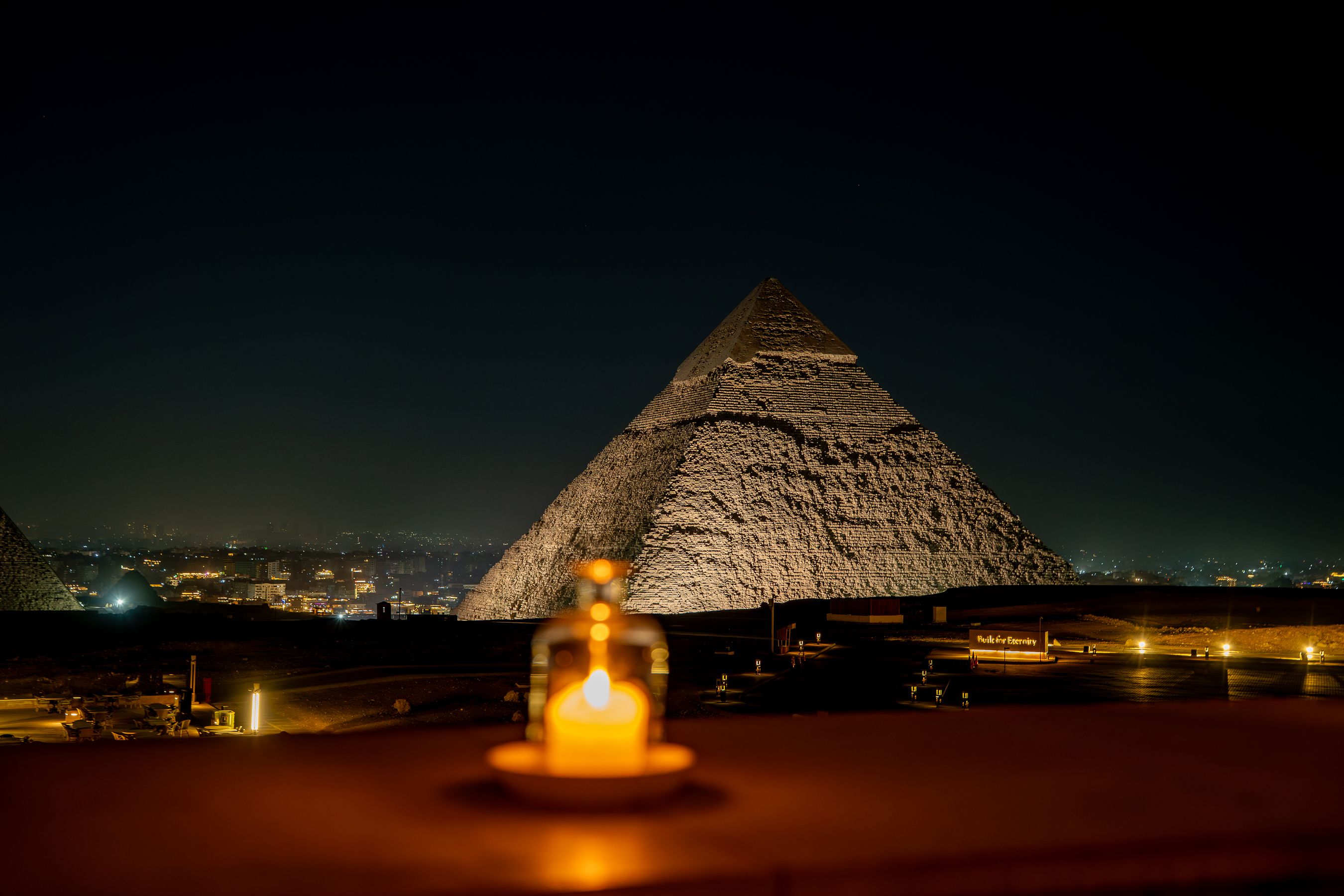
What it is and why it matters: The Giza necropolis holds the Great Pyramid of Khufu, the last surviving monument of the Seven Wonders of the ancient world. Built around 2560 BC from more than 2.3 million blocks and standing 146.5 meters at completion, it remained the tallest human structure on earth for nearly 4,000 years. The Sphinx — carved from a single limestone outcrop — guards the valley below, and the desert-edge setting is part of the experience: the pyramids rise directly from the sand where the metropolis simply stops.
What to expect: The plateau is bigger than most visitors anticipate — the three pyramids sit along a ridge roughly two kilometers long, so plan to cover ground by vehicle between stops. The iconic panorama where all three pyramids line up is at the southern end of the site. Expect sellers offering camel and horse rides, photo "help" and souvenirs from the moment you arrive; a polite but firm la, shukran (no, thank you) works, and agreeing on any ride price in writing before mounting avoids disputes later. Going inside the Great Pyramid costs extra (around EGP 1,500 on top of the EGP 700 area ticket as of 2026) and involves a crouched climb up a steep passage — memorable, claustrophobic, and honestly not for everyone; the empty chamber rewards the engineering story more than the view.
Timing and practical advice: Arrive at the 8 AM opening to beat both tour buses and midday heat, and allow half a day including transport. The plateau sits on Giza's western edge — closer to downtown than many people assume, roughly 45 minutes outside rush hour, and our guide to the distance from Cairo and how to get there compares every transport option. If you want the site with a licensed Egyptologist and pre-arranged tickets, current Cairo and Giza pyramid tour prices show what different levels of guiding and transport actually cost, while budget-friendly pyramid tour options exist for travelers watching their spend. Pairing Giza with the Grand Egyptian Museum the same day is the classic combination — the museum sits minutes away (see the next section). And if the pyramids capture you the way they capture most people, our Egypt pyramid tours extend the theme to Saqqara, Dahshur and the great temples of Upper Egypt.
2. Spend Half a Day at the Grand Egyptian Museum
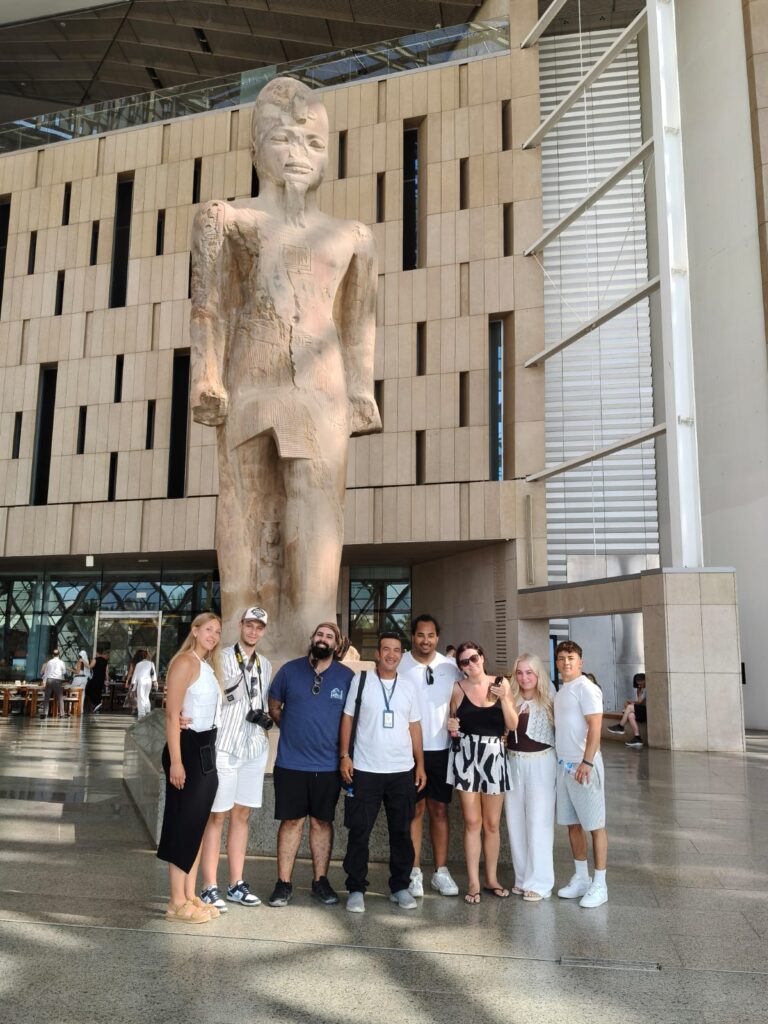
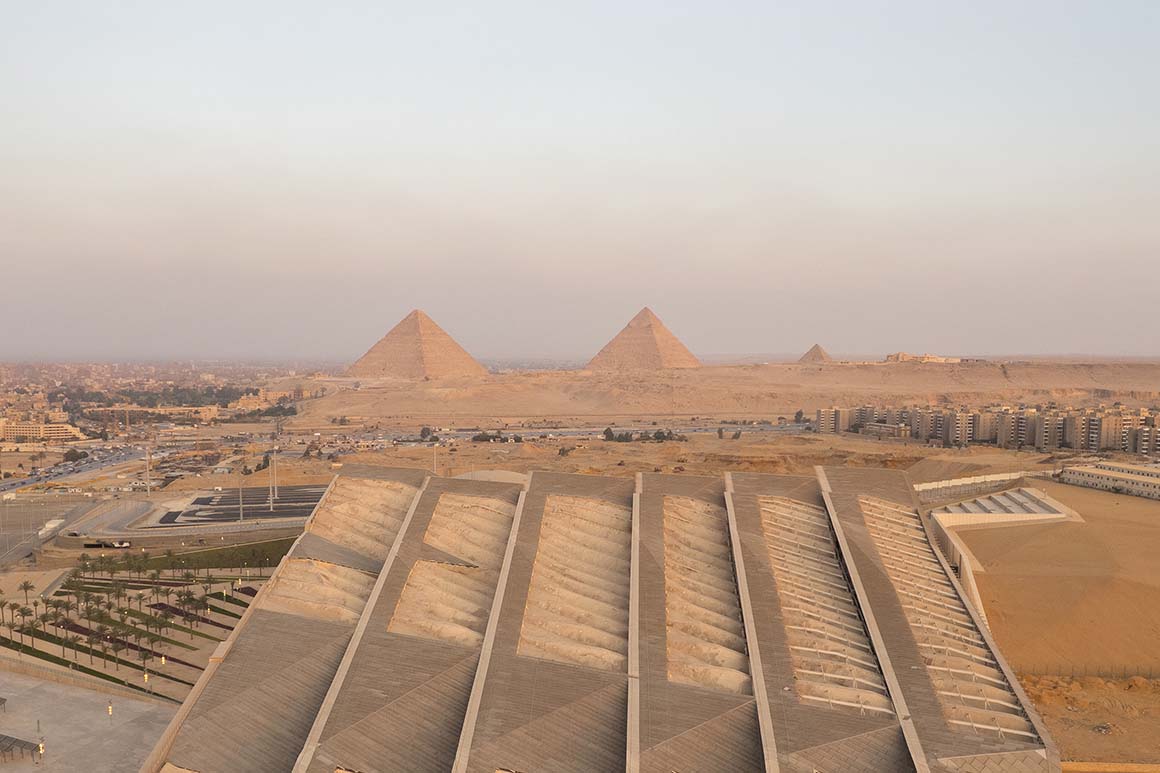
What it is and why it matters: The GEM is the largest museum in the world dedicated to a single civilization, and after its full opening in November 2025 it finally houses what it was built for: the complete contents of Tutankhamun's tomb — more than 5,000 objects, including the golden burial mask — displayed together for the first time since Howard Carter opened the tomb in 1922. The building itself is part of the experience: a translucent triangular facade aligned with the pyramids, a monumental staircase lined with royal statuary, and the colossal statue of Ramses II greeting visitors in the atrium.
What to see and do: Give the Tutankhamun galleries at least ninety minutes, save time for the Grand Staircase's sculpture parade, and do not miss Khufu's reconstructed solar boat — a 4,500-year-old cedar vessel — in its own wing. The museum is airy and uncrowded by Cairo standards, with excellent signage, and its Wednesday and Saturday late openings (galleries run until 9 PM those days) make it a great evening activity. Tickets start from around USD 30 for foreign adults as of 2026, rising to $35 from November 2026 — check the official GEM ticketing site for current prices and hours before your visit.
Practical advice: The museum sits between Giza and downtown, so combining it with a morning at the pyramids is the most efficient route — one hour there, five here, lunch in between. A self-guided visit works fine thanks to the labeling, but if context is what you are after, our guided Grand Egyptian Museum tour covers the highlights in a structured half-day with an Egyptologist. Budget half a day minimum; museum-fatigue is real and the café is decent enough to plan a break around it.
3. Decide Between the Egyptian Museum in Tahrir — or Add It Anyway
The century-old pink palace on Tahrir Square is no longer the headliner — Tutankhamun's golden mask and his tomb's treasures moved to the GEM in the 2025 transfer — but the Egyptian Museum remains worth understanding rather than dismissing. It still holds tens of thousands of artifacts in gloriously old-school display cases, including the unbroken silver funerary masks and gold coffins from the royal tombs at Tanis, Old Kingdom statues that rival anything in Giza, and the famous Gebelein "screaming" mummy. Entry costs EGP 550, it sits steps from Downtown and the metro, and two focused hours here feel like walking through the history of Egyptian archaeology itself.
The practical decision for most first-time visitors: choose the GEM for Tutankhamun and modern presentation, keep Tahrir for a second museum day or a quick Central Cairo stop. There is a third option too — the National Museum of Egyptian Civilization in Fustat, which pairs beautifully with Coptic Cairo (they are neighbors) and whose Royal Mummies Hall displays the actual mummified kings and queens of the New Kingdom in a dramatically lit underground gallery; admission runs EGP 550. Whichever museum you choose, the exhibits make far more sense with some background first — our guide to ancient Egyptian civilization, gods and burial beliefs explains the mythology behind the artifacts in plain language.
4. Walk Islamic Cairo from Al-Muizz Street to the Great Mosques
Why it matters: The medieval core of the city is inscribed by UNESCO as Historic Cairo, a World Heritage Site — one of the world's oldest Islamic cities, founded in the 10th century, with a concentration of mosques, madrasas, hammams and fountains that has no real parallel. This is the Cairo most tourists photograph least and remember most.
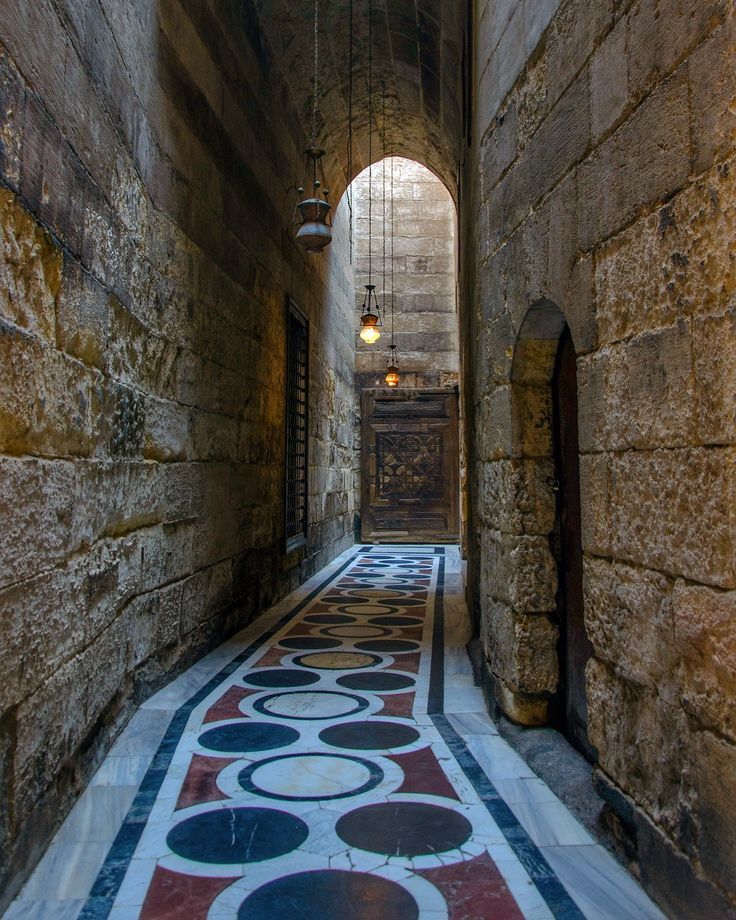
What to see and do: Start at Bab el-Futuh, the northern crusader-era gate, and walk south down Al-Muizz li-Din Allah Street, the spine of Fatimid Cairo, where restored Mamluk mosques, Quran schools, palaces and water fountains stand shoulder to shoulder. Detour into Bayt Al-Suhaymi, a perfectly restored Ottoman merchant house with shaded courtyards and mashrabiya screens. Continue to Bab Zuweila — climb its minarets for rooftop views — and, if your feet allow, push on to the Mosque of Ibn Tulun, Cairo's oldest surviving mosque in its original form, with its spiral minaret and vast brick courtyard. Near the Citadel, the Mosque-Madrassa of Sultan Hassan is the masterpiece of Mamluk architecture, a vast cruciform college carved from stone.
What to know: Active mosques ask visitors to remove shoes, cover shoulders and knees, and avoid prayer times (especially Friday midday); women should carry a light scarf. Entry is free or a small donation, and student guides often offer themselves at the door — agree terms clearly if you accept. Allow three to four unhurried hours, and time the walk for morning light or the golden hour before sunset, when the district is at its most photogenic and least sweltering.
5. End Your Walk at Khan el-Khalili and El-Fishawy Café
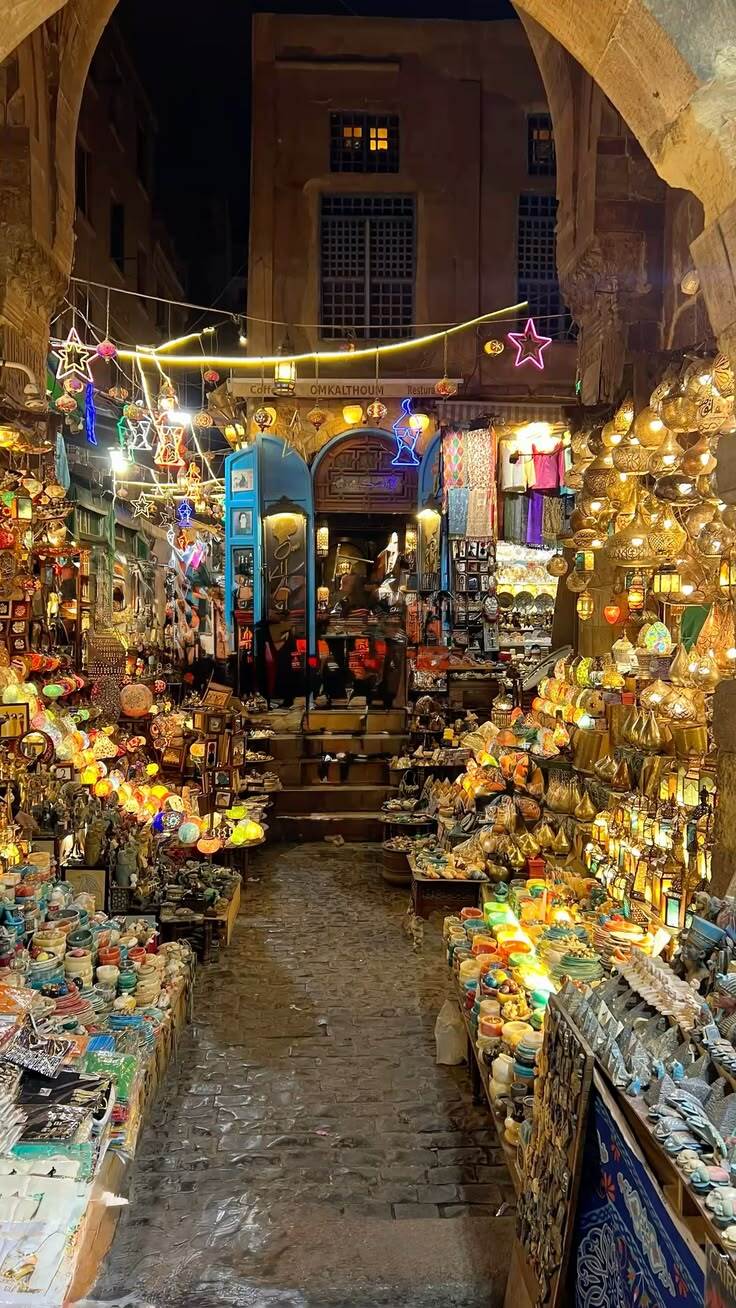
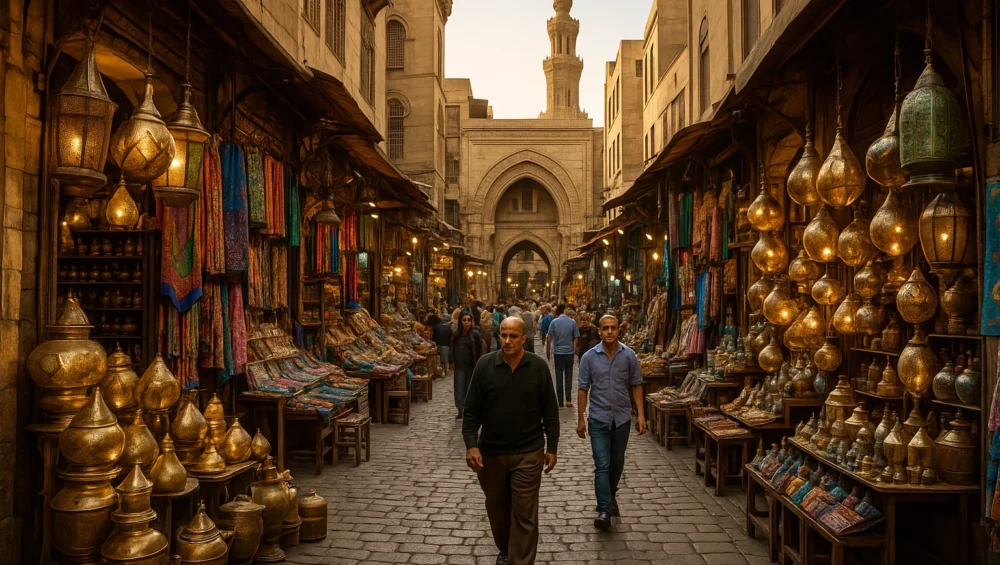
Khan el-Khalili has been the city's bazaar since the 1380s, and it makes no pretense of being a hidden gem — it is the commercial heart of Islamic Cairo, half tourist market, half genuine trade quarter where locals still buy kitchenware beside the souvenir stalls. The brass lantern shops and spice pyramids are the postcard; the real pleasure is the café ritual. El-Fishawy, pouring mint tea and shisha continuously since 1797, is the classic stop, its mirrors and decades of patina unchanged in spirit even as the crowds have grown. Haggling is expected and friendly: open around half of the asking price, stay good-humored, and walk away without guilt if the deal stalls — half the game is the conversation. The Khan sits directly off Al-Muizz Street, so the two belong to the same outing; arrive as the light softens, when the lanterns switch on and the lane under the ornate gateway feels like the 14th century with electricity.
6. Explore Coptic Cairo's Ancient Churches
Long before the mosques, Cairo was a Christian capital, and the district Egyptians still call Coptic Cairo preserves that layer inside the walls of the Roman fortress of Babylon. The Hanging Church (El Muallaqa) earns its name by hovering above a fortress gateway, its nave reached up a staircase and its ceiling shaped like Noah's ark. Down the lane, Church of St. Sergius (Abu Serga) claims the crypt where the Holy Family sheltered during their flight into Egypt — a pilgrimage site for sixteen centuries — and the small but excellent Coptic Museum displays the woven textiles and iconography that bridged pharaonic and Islamic art. The Ben Ezra Synagogue, where the medieval Geniza documents were discovered, completes a story of three faiths within a five-minute walk.
The practical appeal is efficiency: the district sits at Mar Girgis metro station, twenty minutes from Downtown, and pairs naturally with the National Museum of Egyptian Civilization in neighboring Fustat. Come in the morning before tour groups fill the narrow lanes, dress as you would for a mosque (covered shoulders, nothing too short), and allow two hours. It is compact, shaded, calm — and one of the few major sights in Cairo where nobody will try to sell you a papyrus.
7. Climb to the Citadel of Saladin and the Alabaster Mosque
Saladin began this hilltop fortress in 1176 to defend the city against Crusaders, and Egypt ruled from inside its walls for seven centuries. Today the Citadel's centerpiece is the Mosque of Muhammad Ali (1830–1848), the Ottoman-style "Alabaster Mosque" whose twin minarets and vast dome define Cairo's skyline. Inside, alabaster panels climb toward a domed ceiling hung with enormous chandeliers, and the polished floor reflects light in a way that surprises everyone expecting a somber interior. The terraces outside deliver the best panoramic view in the city — on clear days you can pick out the pyramids beyond the urban haze.
Admission runs EGP 550 for foreign adults (2026), the complex opens 8 AM to 5 PM, and three to four hours covers the mosque, the smaller Mamluk-era Mosque of al-Nasir Muhammad with its distinctive enameled minarets, and a couple of the interior museums if they are open (they rotate renovations, so treat them as bonuses). Geographically the Citadel belongs with Islamic Cairo: visit the mosque-madrassa of Sultan Hassan directly below it, then descend to Al-Azhar Park for sunset — an ideal single afternoon. Midday summer heat is brutal up here with little shade, and Friday prayer times bring crowds; mornings are calmer.
8. Watch the Sunset from Al-Azhar Park
Where a 500-year mound of rubble once separated the old city from its eastern edge, the Aga Khan Trust spent decades creating a 30-hectare garden — and Cairo responded like it had been waiting for one. Al-Azhar Park is where local families picnic, couples take wedding photos, and travelers discover that the best skyline view of the minarets and domes of Historic Cairo comes from a lakeside lawn. Entry is a token EGP 35–50, the paths are level and stroller-friendly, and the hilltop café terrace frames the Citadel across the valley. Time your visit for the last two hours of daylight: the park fills with golden light, the call to prayer rolls over the old city, and the lanterns come on along the water channel. It pairs perfectly after a Citadel visit (they face each other across the valley) and works for every kind of traveler — families, couples, and anyone needing an hour of green after tomb-hopping.
9. Take in the View from Cairo Tower
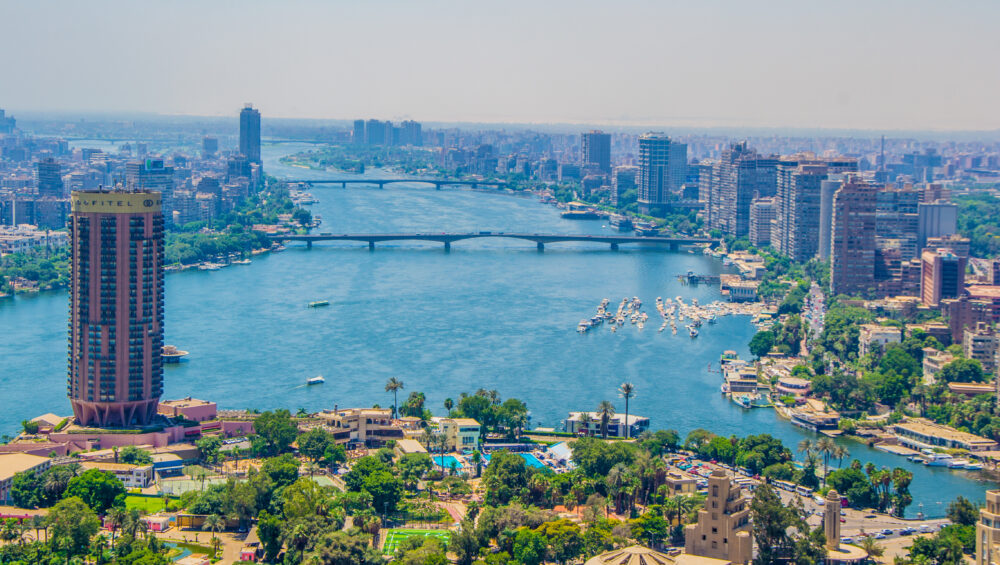
Built in 1961 and faced with eight million mosaic tiles in a latticework pattern said to evoke the lotus flower, the 187-meter Cairo Tower on Gezira Island remains the best place to understand the city's sheer scale. The observation deck circles the top, a glass-fronted elevator makes the ascent part of the fun, and a slowly revolving restaurant turns a drink into a full panorama. Sunset is the magic window — the city shifts from sand-colored to glittering, the Nile catches the last light, and on clear evenings the tower's own lights make it a landmark for the rest of your trip. Admission runs around EGP 350 for foreign adults (2026), it stays open late, and it combines naturally with a Zamalek dinner or a corniche walk afterwards. Photographers take note: the deck's mesh railing is shootable-through with a phone pressed close, and blue hour beats full dark for cityscape shots.
10. Day-Trip to Saqqara, Dahshur and Memphis
Why it matters: Giza gets the fame, but the pyramid story starts earlier and ends more quietly about 40 minutes south. Saqqara is Egypt's vast royal necropolis, home to the Step Pyramid of Djoser (c. 2670 BC) — the world's oldest monumental stone building, designed by the architect Imhotep — plus painted nobles' tombs whose carved daily-life scenes outclass anything you can photograph at Giza. Nearby Dahshur holds the Bent Pyramid and the Red Pyramid, the experimental and successful ancestors of Giza's perfection; the Red Pyramid is usually enterable at no extra charge, with a gloriously empty interior corridor. Memphis, the Old Kingdom capital, adds an open-air museum built around a colossal recumbent statue of Ramses II.
What to expect: The Saqqara area ticket runs about EGP 600 with the Djoser enclosure ticketed separately (~EGP 280), crowds are a fraction of Giza's, and sellers are gentler. It is a full or three-quarter day from central Cairo — sites are spread across desert roads where transport between them matters — which is why the day is almost always run as a circuit; our Giza, Saqqara and Memphis day tour shows how the route is structured with an Egyptologist. Travelers with a strong interest in archaeology consistently rank this day above everything else in Cairo; travelers with less patience for heat and driving should choose either Saqqara+Memphis or Dahshur, not all three, in July or August.
One Day, Both Icons: Pyramids + Grand Egyptian Museum
Short on days? Our Giza Pyramids and Grand Egyptian Museum tour combines the plateau and the complete Tutankhamun collection into a single well-paced day — private transport, licensed Egyptologist, and tickets handled, so you spend your energy on the sites instead of the logistics.
See the Giza + Grand Egyptian Museum Day TourBeyond the Tourist Trail: Neighborhoods Worth Exploring
Once the headline sights are covered, Cairo's neighborhoods become the attraction. These three areas are established on the city's cultural map rather than secret — locals know them well — but they sit well outside the standard tour-bus circuit, and each shows a different face of how the city actually lives. They suit second-day visitors, slow travelers, and anyone whose interest runs more toward contemporary Egypt than ancient Egypt.
City of the Dead (Qarafa): History and Life Among the Tombs
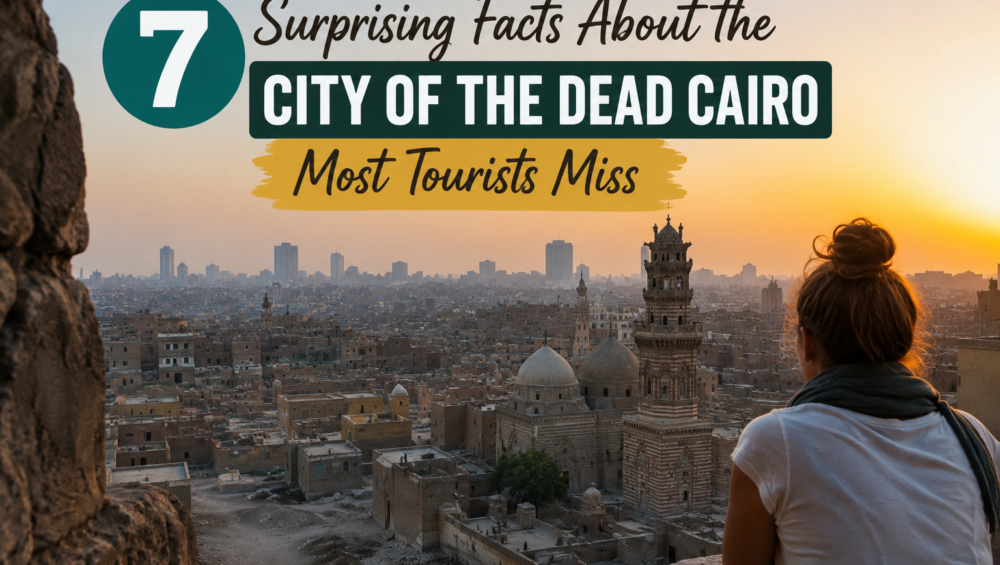
The belt of Mamluk and Ottoman cemeteries beneath the Citadel cliffs is one of the most misunderstood places in Egypt. Western media long reduced it to a sensational label — "a city where people live in graves" — while the reality is more layered: a four-kilometer necropolis of monumental mausoleums where generations of cemetery caretakers and urban migrants built real neighborhoods among the tomb enclosures, complete with cafés and workshops. Architecturally it holds some of Cairo's finest Mamluk funerary complexes; socially it is a working district that deserves the same respect you would give any neighborhood. Go with a guide who is known there — our City of the Dead explainer covers its history and complexities, and the City of the Dead walking tour supports local residents while taking you through complexes most visitors never find. Greet people, ask before photographing, and this becomes one of the most memorable mornings Cairo offers. Budget half a day.
Garbage City and the Cave Church of St. Simon
On the eastern slopes of the Mokattam hills, the district of Manshiyat Naser — universally known as Garbage City — hosts the Zabbaleen community, Coptic Christian recyclers who built one of the world's most effective informal recycling economies, recovering the large majority of the waste they collect by hand. Two things draw visitors: the extraordinary scale of the recycling workshops themselves, and the Cave Church of St. Simon, a cathedral carved directly into the rock quarry above the district, seating thousands beneath a carved cliff facade — often described as one of the largest churches in the Middle East. It is an intense, eye-opening visit rather than a comfortable one; go with a guide, ideally on one of the organized community visits such as our Garbage City tour, dress modestly, and be prepared for a landscape of commerce and dust rather than postcard scenery. Photographers and travelers interested in social realities rate it among their most valuable Cairo experiences; it is not for everyone, and that is fine.
Downtown Cairo, Zamalek and the Corniche
Cairo's 19th and early-20th century core — the district Egyptians simply call "Downtown" (Wust el-Balad) — is a warren of Belle Époque apartment blocks with wrought-iron balconies, colonial-era arcades and a rediscovering-in-real-time creative scene around Emad Eddin Street's old theaters and Tahrir's painted walls. The pleasure here is aimless: coffee at a marble-table café, bookshops, vinyl stores, and the contrast of this faded Europe against the medieval city a mile east. Across the river, leafy Zamalek island is the city's quiet quarter — art galleries around the Gezira grounds, the Cairo Opera House, embassies, and riverside terraces where afternoon light on the Nile does the entertainment. Neither district needs a guide or a ticket; they need two or three unstructured hours. Combine Downtown with the Egyptian Museum, or pair Zamalek with the Cairo Tower and a corniche dinner — geography does the planning for you.
Unique Things to Do in Cairo
These are the experiences that give a Cairo trip its stories — the evenings, rituals and tastes you remember after the monuments blur together. None requires a full day, and most slot naturally into gaps in your itinerary.
Watch the Tanoura Dancers at Wekalet El Ghouri
In a 15th-century Mamluk caravanserai in the heart of Islamic Cairo, the tanoura troupe performs Egypt's mesmerizing take on Sufi whirling: musicians drum and chant as dancers in layered skirts spin — and spin, and spin — their colored panels opening like flowers, for a show that is folk art and devotional trance at once. Performances traditionally run on Monday, Wednesday and Saturday evenings around 8 PM in the open-air courtyard of Wekalet El Ghouri, with entry historically free or for a nominal ticket collected at the door. Because schedules and arrangements do change, confirm the current details before building an evening around the tanoura show at Wekalet El Ghouri. Arrive by 7:30 for a seat, and let the final ten minutes — a dozen spinning dancers in simultaneous orbit — justify the whole trip. It combines perfectly with an Al-Muizz Street afternoon and a Khan el-Khalili dinner, since the wikala sits just off the bazaar's edge.
Sail the Nile on a Felucca at Golden Hour
The lateen-sailed wooden felucca is the Nile's original vessel, and an hour aboard one as the day cools is Cairo at its most peaceful. Boats depart from the corniche gardens (the most reliable access is near Garden City and Zamalek's eastern shore), pilots charge per boat rather than per person, and everything — departure time, route, duration — is negotiable before you step aboard; agree the price and length first and there will be no surprises. Bring a layer: the river breeze turns cool even in summer, and in winter it is genuinely cold after sunset. Sunrise sails are quieter, but the classic is the last hour of daylight, when the city slides gold behind the bridges.
Eat Your Way Through Old Cairo on a Food Walk
Cairo's street food rewards the curious: ful medames slow-stewed since dawn, ta'ameya (Egyptian falafel, green with herbs) fried to order, hawawshi blistering in bakery ovens, and the national dish koshary — rice, lentils, pasta, chickpeas and tomato sauce under a shell of crisp fried onions — at marble counters that have fed the same recipe for generations. Guided food walks through Downtown and the old city exist and are excellent for first-timers who want the hygiene logic and the history explained; independent eaters should simply follow the queues, since turnover is the best food-safety indicator. Our favorite combination for visitors: a Downtown lunch crawl around Tahrir, then mint tea at El-Fishawy as the bazaar lights come on. Details and specific stops are in the food section below.
See the Pyramids After Dark at the Sound & Light Show
Each evening the Giza Plateau hosts a projected narration-and-light program across the Sphinx and the pyramids — theatrical, a little dated in that charming way, and genuinely atmospheric once the lasers start tracing the monument silhouettes against the stars. Shows run in multiple languages on different nights (check the current schedule when booking), seats are open-air so bring a jacket in winter, and families with young children tend to love it even when parents find it campy. Is it essential? No. Is it an easy, low-energy evening that fits the night before a long flight? Often, yes — and it lets you see the pyramids twice for the price of one drive out to Giza.
Things to Do in Cairo at Night
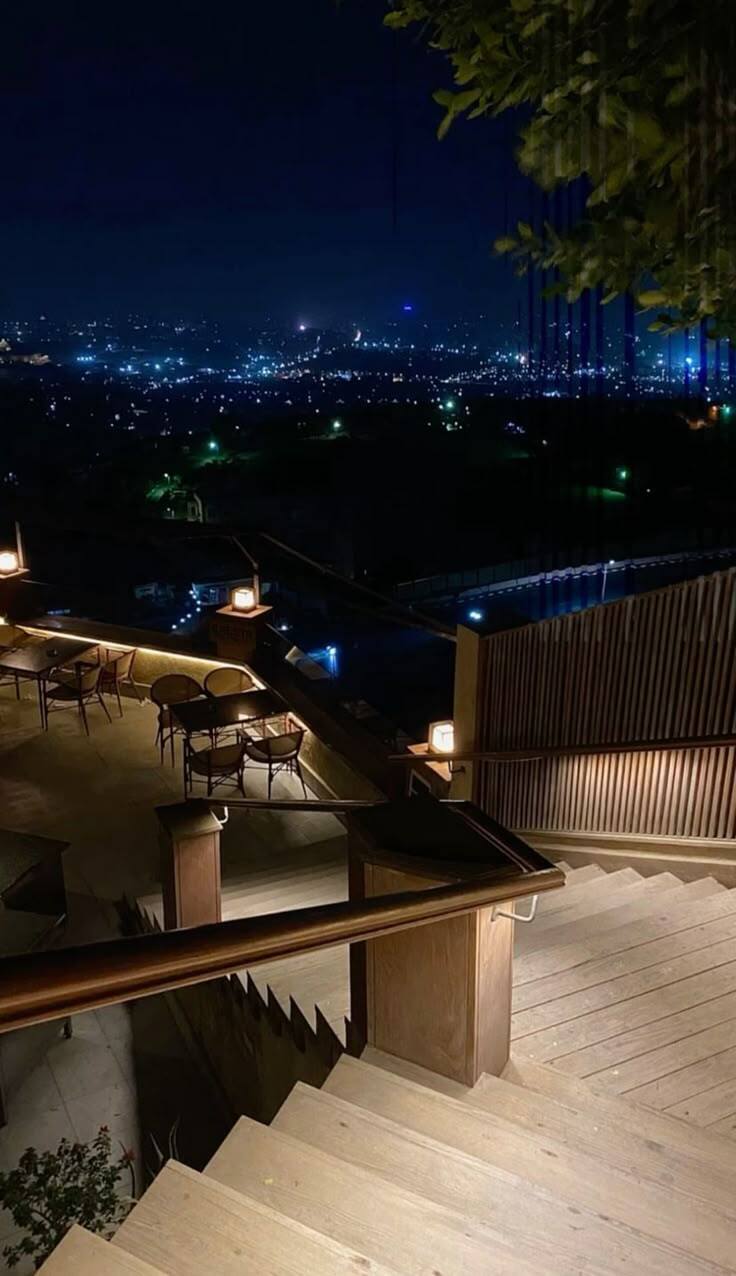
Cairo genuinely starts its second shift after dark. The heat drops, the corniche fills with families, and the monuments and streets take on a different character. If you structure your days well, one or two of these evenings will do more for your trip than any additional daytime stop.
- Dinner cruise on the Nile: The fixed menu is rarely the point — it is the floating front row on a glittering corniche, usually with live music aboard. Quality varies between operators, so treat it as scenery-plus-dinner rather than fine dining, and skip the ones that feel like coach-group cattle runs.
- Islamic Cairo after the lanterns come on: Al-Muizz Street and the Khan are calmer and dramatically lit in the evening; pair with the tanoura show (Mondays, Wednesdays, Saturdays) and a late dinner nearby.
- A structured Cairo by night route: If you want the evening highlights — illuminated landmarks, the corniche, a felucca or cruise, and safe door-to-door logistics — our Cairo by night tour strings them together in one relaxed loop.
- Rooftop and riverside drinks: Zamalek and Garden City hotel terraces put you at eye level with the skyline; the Cairo Tower's revolving restaurant is the classic splurge.
- Sound & Light at Giza: Covered in the unique experiences section — an easy add-on for a free evening.
One honest note on getting back: the metro thins out early and street taxis after midnight mean negotiation in the dark. Use Uber or Careem, which is how most Cairenes get around at night anyway, and you remove the only real friction from Cairo evenings.
What and Where to Eat in Cairo
Egyptian food is built on generosity and starch, and eating well in Cairo costs almost nothing. Start with breakfast the local way: ful medames (fava beans stewed overnight, dressed with cumin, lemon and olive oil) and ta'ameya — Egypt's herb-flecked falafel — scooped into baladi bread from any street cart before 10 AM. Lunch belongs to koshary, the beloved rice-lentil-pasta mountain that is Egypt's national dish; the marble-counter koshary houses around Downtown serve a bowl for pocket change and feed hundreds an hour, which is exactly the turnover you want. In the evening, order hawawshi (spiced minced beef baked inside bread until the crust shatters), molokhia (the deep-green jute-leaf stew visitors either adopt for life or politely decline), mahshi (vegetables stuffed with herbed rice), and finish with om ali, the milk-soaked pastry pudding that outclasses its pudding-in-a-cup appearance.
Where to eat: follow the queues at street stalls — high turnover means fresh food — sit down to grills and mezze in the old-city restaurants around Al-Hussein and the Khan, and treat El-Fishawy in Khan el-Khalili as your tea-and-shisha salon rather than a meal. A few practical notes: most classic street dishes are vegetarian-friendly, spice levels are mild by regional standards, tap water is best skipped in favor of bottled, and the busiest-looking place with laminated menus and tourists-only seating is usually the one to walk past. A food walk with a local guide (see the unique experiences section) compresses a week of trial-and-error into an afternoon if you are short on days.
Day Trips from Cairo
Cairo anchors plenty of itineraries that stretch beyond the city, and three destinations earn the early alarm clock. Note that the Saqqara–Dahshur–Memphis circuit, covered as attraction #10 above, is itself the most popular day trip — everything below assumes you have that covered or are choosing between them.
Alexandria
Egypt's Mediterranean second city sits about 220 km northwest — call it three hours each way on the desert highway — and offers a completely different atmosphere: sea wind, 19th-century corniche architecture, the striking modern Bibliotheca Alexandrina, and the Qaitbay Citadel on the harbor's thumb where the ancient Lighthouse once stood. A long day trip works, but Alexandria rewards an overnight if your schedule stretches; our Cairo and Alexandria tour packages show how the two cities combine across two to six days. Visit October–April for the sea at its best; summer brings the crowds and the humidity.
Fayoum and Wadi El-Rayan
About two hours southwest, the Fayoum oasis is where Cairenes go to breathe: waterwheels still turning in the provincial town, the salt lake of Qarun, the cascades of Wadi El-Rayan, and — for the committed — the UNESCO-listed Wadi Al-Hitan, the Valley of the Whales, where 40-million-year-old whale skeletons lie exposed in the desert. It is a rougher, more adventurous day than Alexandria, usually run with 4x4 transfers, and pairs beautifully with a night in an eco-lodge if you want to go slower.
Luxor and Aswan (the classic extension)
If you have three extra days rather than one, the classic Egyptian move is flying south. A one-hour flight from Cairo puts you among Karnak, the Valley of the Kings and the riverside temples of Upper Egypt, and the traditional way to experience them is by river — our Cairo and Nile cruise package explains how the two halves of Egypt connect by air. Day-tripping Luxor from Cairo is technically possible but exhausting; treat it as an overnight minimum.
Suggested Cairo Itineraries for 1 to 4 Days
The table below strings the recommendations above into realistic days, ordered to minimize backtracking. The logic: pyramids and museums live in the west, medieval Cairo in the east, and the river runs between them — so anchor each day to one side.
| Day | Morning | Afternoon | Evening |
|---|---|---|---|
| Day 1 The icons | Pyramids of Giza & Sphinx (8 AM arrival) | Grand Egyptian Museum | Felucca at golden hour; corniche dinner |
| Day 2 Medieval Cairo | Islamic Cairo walk: Bab el-Futuh → Al-Muizz → Bayt Al-Suhaymi | Khan el-Khalili + El-Fishawy; Coptic Cairo (or swap with the Citadel) | Tanoura show at Wekalet El Ghouri (Mon/Wed/Sat) |
| Day 3 Older pyramids | Saqqara & the Step Pyramid | Dahshur (Red Pyramid interior) and Memphis | Cairo Tower at sunset; Zamalek dinner |
| Day 4 Depth day | Citadel & Muhammad Ali Mosque; Sultan Hassan below | Al-Azhar Park; Downtown & Zamalek wandering | Sound & Light at Giza, or City of the Dead morning on Day 3's swap |
Two honest calibrations: in summer, days 1 and 3 should start earlier than this table implies, and any single day that includes both Giza and a museum is a full day even when a tour company promises otherwise. If a one-day visit is all you have, the efficient solo day is Giza + GEM with a Khan evening — pricing for that classic single day is broken down on our Cairo and Giza day trip price guide.
And when Cairo grows into a longer Egypt trip, the natural progressions are already mapped: a relaxed six days split between Cairo and Alexandria, a 7-day Egypt itinerary that adds Luxor and Aswan by air, or a fully guided 7-day Egypt tour that handles every transfer for you. Pick based on whether you want depth (two cities), breadth (four), or a hands-off week.
Getting Around Cairo
Cairo's geography is simple — the Nile splits the city, the pyramids anchor the west, medieval Cairo the east — but its traffic is genuinely among the most intense on the planet, and every itinerary above assumes you budget transport time honestly. Here is what actually works:
- Ride-hailing (Uber, Careem, inDrive): The default choice for visitors — cheap by Western standards, cash-free, with a route you can show a driver. Surge pricing at rush hour is real; 20 minutes of misjudged timing can double a fare and cost you an hour.
- The metro: Two useful lines for visitors — Line 1 stops at Mar Girgis (Coptic Cairo) and Line 2 serves Giza and the Egyptian Museum side of Downtown. It is fast, extremely cheap, and the first two carriages of each train are reserved for women, a detail solo female travelers appreciate. It gets crowded at rush hour but never inefficient.
- Private car with driver: For full sightseeing days, especially with family or in summer heat, a dedicated vehicle removes every transport decision; our private car and driver service in Egypt prices it by day rather than by ride.
- White taxis: Street-hail taxis exist but run no meters you can trust; agree the fare before entering or skip them in favor of the apps.
- Walking: Rewards come in Islamic Cairo, Downtown and Zamalek — but crossing major roads is a skill (move steadily, commit, and locals will flow around you), and summer midday walks are best kept short.
For how all of this fits into travel between cities — trains, domestic flights, and the red-eye bus options — our guide to getting around Egypt covers the whole country, and the same principles apply inside the capital.
Practical Tips Before You Visit
The details below come up on nearly every first visit. None is complicated, and knowing them in advance is the difference between friction and flow:
- Dress with the heat and the culture in mind: loose, breathable clothing that covers shoulders and knees works everywhere; mosques additionally ask women for a headscarf and everyone for shoes off. A light scarf in your day bag solves it on the spot.
- Cash and cards both matter: carry small Egyptian pound notes for entry tickets, tips and cafés; the GEM and major museums take cards, but many gates and markets remain cash-first. ATMs are everywhere.
- Learn the rhythm of baksheesh: small tips oil daily life — a few pounds for the museum cloakroom, the bathroom attendant, the person who helps you at the felucca dock. Keep a stash of EGP 10–20 notes and hand them over without stress.
- Friday afternoons shift everything: midday prayer closes many mosques to visitors and slows the old city; it is a fine museum or park day. During Ramadan, expect adjusted hours everywhere and gloriously busy nights.
- Book the two big timed experiences early: GEM tickets and any guided Giza morning sell through in peak season (October–April), and December–January needs weeks of lead time.
- Water and sun are the real health risks: two liters of bottled water per person per day in warm months, a hat for the plateau, and sunscreen even on hazy days — the desert sun does not negotiate.
- Solo women travelers: thousands visit Cairo independently every year. Modest dress, ride-hailing at night, and a confident "no thank you" handle most situations; many travelers also choose to start with a female tour guide in Cairo or join a women-only Cairo tour for the first day or two before venturing out alone.
- Photography: bring your camera everywhere, but ask before photographing people — especially women, and especially in the City of the Dead and Garbage City — and expect guards to prohibit tripods at some monuments.
Frequently Asked Questions About Visiting Cairo
How many days do you need in Cairo?
Two full days cover the essential Cairo experiences: the Giza Pyramids with the Grand Egyptian Museum on day one, and Islamic and Coptic Cairo on day two. A third day adds Saqqara, Dahshur and Memphis, while four or five days leave room for Alexandria or Fayoum at a calmer pace.
Is Cairo safe for tourists?
Millions of international travelers visit Cairo each year, and violent crime against visitors is rare. The realistic challenges are heavy traffic, persistent sellers at major sites, and occasional petty harassment, especially of women traveling alone. Check your government's current travel advice before booking and take normal city precautions.
What is the best time of year to visit Cairo?
October through April offers the most comfortable sightseeing weather, with daytime temperatures usually between 20°C and 30°C. Summer often exceeds 35°C, which makes exposed sites like the Giza Plateau demanding. Ramadan changes opening hours and rhythms, though its evenings are atmospheric.
How much do Cairo's main attractions cost in 2026?
As of October 2026, foreign adult tickets cost around EGP 700 for the Giza Plateau, EGP 550 for the Egyptian Museum and the Citadel, roughly USD 30 for the Grand Egyptian Museum, and about EGP 600 for the Saqqara area. Fees change periodically, so confirm current prices on official channels shortly before your visit.
Is the Grand Egyptian Museum open, and where is Tutankhamun's mask now?
The Grand Egyptian Museum opened fully in November 2025 and now displays the complete contents of Tutankhamun's tomb, including the golden burial mask, together for the first time. Galleries are open daily from 9 AM to 6 PM, with extended hours on Wednesdays and Saturdays. A guided GEM museum tour helps first-time visitors focus the visit.
Do I need a guide for the Pyramids of Giza?
You can visit independently using ride-hailing apps, but a licensed Egyptologist guide adds historical context, handles ticketing and logistics, and manages approaches from camel and horse touts. The plateau has little signage, so most first-time visitors find a guided or semi-guided visit more rewarding.
What should I wear in Cairo?
Lightweight, loose clothing that covers shoulders and knees works well year-round and is respectful in local neighborhoods. Mosques require shoes to be removed, and women need a headscarf inside active mosques. Bring a warm layer for winter evenings and sturdy shoes for uneven archaeological sites.
What is the best way to get around Cairo?
Uber and Careem are inexpensive and widely used, and the metro is fast for trips along its two main lines, including stations for Coptic Cairo and Giza. Traffic is heavy at rush hours, so plan around it. A private car with driver is a comfortable option for full sightseeing days.
Is Cairo a good destination for families with children?
Yes, with realistic pacing. Children tend to enjoy the pyramids, camel rides, felucca sails, Al-Azhar Park and the GEM Children's Museum. Heat, traffic and long museum galleries are the main challenges, so plan one major activity per day and keep afternoons light.
What are the best day trips from Cairo?
Saqqara, Dahshur and Memphis combine easily into one day of Old Kingdom history. Alexandria works as a long day trip of roughly three hours each way, and Fayoum offers lakes, waterfalls and desert scenery about two hours away. Longer extensions add Luxor and Aswan, usually by short domestic flight.
Conclusion: How to Prioritize Your Cairo Trip
Cairo asks you to choose. The pyramids, the museums, the medieval quarter, the river, the neighborhoods — all of them are excellent, and none of them are next door to each other. The travelers who love this city are the ones who pick a theme per day, start early, and accept that twenty million people cannot be hurried. Two days will show you the icons; four will show you the city; five or more will start to feel like understanding it.
Wherever you land, come hungry, come early, and leave room for the Cairo that never makes the itinerary — the mint tea, the river breeze, and the call to prayer rolling over a city that has been doing this for a very long time.
Let Us Shape Cairo Around Your Dates and Budget
If the planning feels heavier than the trip deserves — distances, tickets, heat, timing — that is precisely the work we do every day. Our team can turn the recommendations in this guide into a seamless private itinerary, whether that means two focused Cairo days or a full journey on to Alexandria, Luxor and the Nile.
Start a Tailor-Made Egypt ItinerarySources
Factual and time-sensitive details in this guide — ticket prices, opening hours, museum collections and heritage listings — were verified against the following official and current sources (accessed October 2026):
- Egyptian Ministry of Tourism and Antiquities — The Great Pyramid and Giza Plateau tickets & hours
- Grand Egyptian Museum — official ticketing site and Plan Your Visit (hours & inclusions)
- Egyptian Museum, Cairo — official tickets & opening hours
- Ministry of Tourism and Antiquities — Cairo Citadel entry & hours
- National Museum of Egyptian Civilization — official site and NMEC ticket prices
- UNESCO World Heritage Centre — Historic Cairo (C 89)
- BBC News — Egypt's Grand Museum opens, displaying Tutankhamun's full collection (Nov 1, 2025)
- Al-Azhar Park — official FAQs (hours & entry fee)
- Cultural Development Fund / Wekalet El Ghouri — Tanoura performance schedule (Monday, Wednesday, Saturday evenings; confirm locally before visiting)