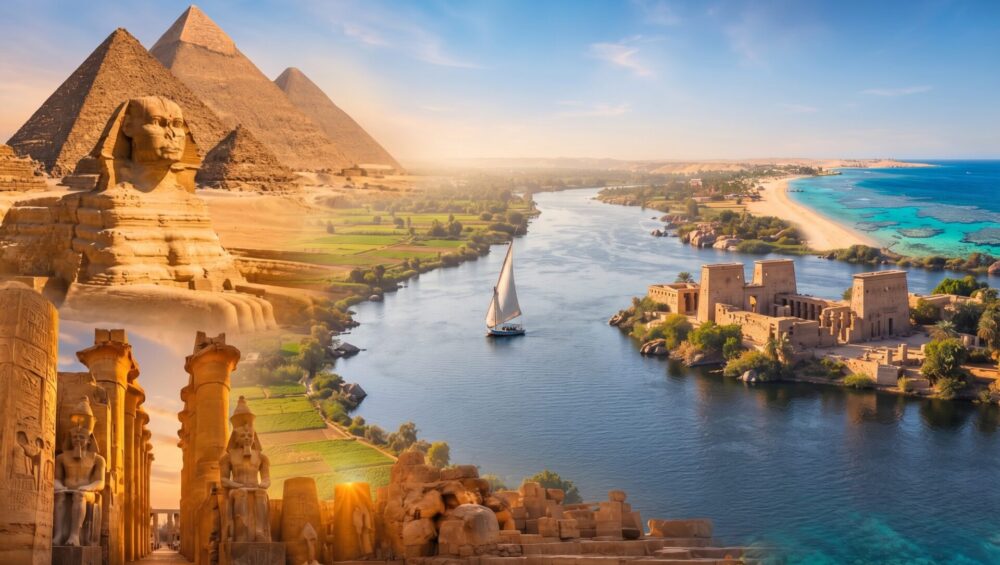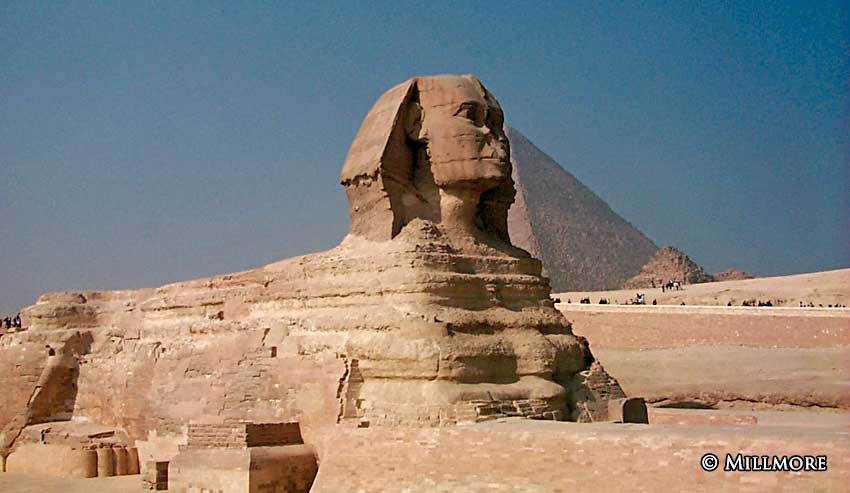
The Great Sphinx of Giza carved from natural limestone bedrock with the Pyramid of Khafre rising behind it on the Giza Plateau

Great Sphinx of Giza: 15 Amazing Secrets & Mysteries (2026)

The Great Sphinx of Giza: History, Facts, Mysteries & How to Visit
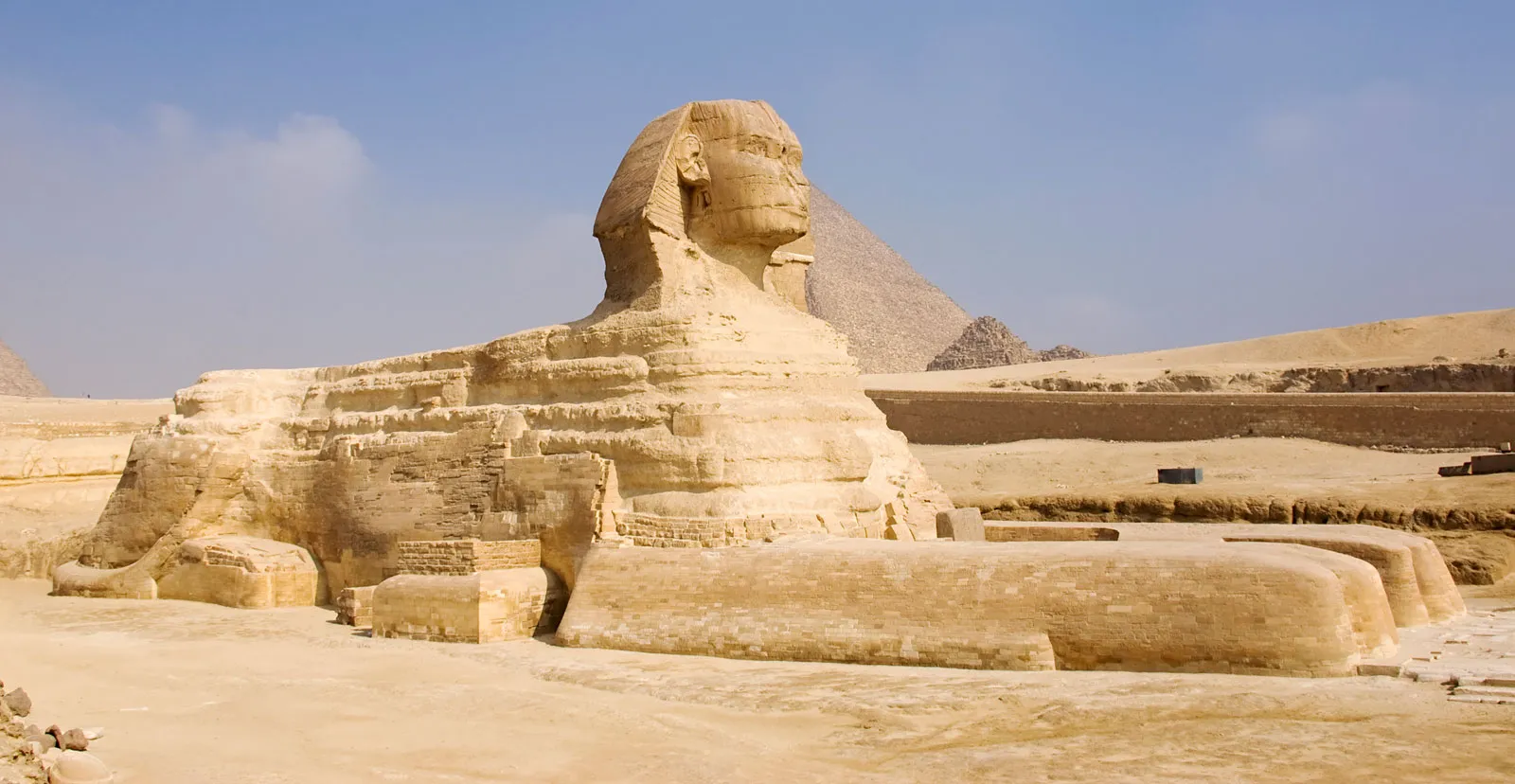
The Great Sphinx of Giza carved from natural limestone bedrock on the Giza Plateau in Egypt
The Great Sphinx of Giza stands on the eastern terrace of the Giza Plateau beside the funerary complex of King Khafre.

The Great Sphinx of Giza is a colossal monolithic limestone statue combining the recumbent body of a lion with the head of an ancient Egyptian king wearing a royal headdress. Located on the eastern lower terrace of the Giza Plateau on the west bank of the Nile, just outside modern Cairo, it is the oldest known monumental sculpture from ancient Egypt and one of the most recognizable landmarks in human history. Carved directly from the natural bedrock of the plateau rather than assembled from transported stone blocks, the statue stretches approximately 73 meters (240 feet) in length and rises 20 meters (66 feet) from the floor of its quarry enclosure to the top of its head.

Despite standing in plain sight beside the famous pyramids of Khufu, Khafre, and Menkaure for roughly four and a half millennia, the monument presents historians and archaeologists with enduring challenges. No surviving Old Kingdom text records its original name, its exact construction date, or the name of the pharaoh who commissioned it. While contextual archaeology strongly connects the monument to the Fourth Dynasty complex of King Khafre, scholars continue to examine the details of its geological weathering, phased restoration, and evolving religious role. Whether you are researching ancient history or organizing guided Egypt trips to the pyramids, this comprehensive resource separates verified archaeological evidence from later folklore and explains how to experience the Giza Plateau firsthand.

What Is the Great Sphinx of Giza?

The Great Sphinx of Giza is a monumental rock-cut statue sculpted directly into the limestone bedrock of the Giza necropolis. Rather than standing atop a raised pedestal built on flat ground, the Sphinx sits inside a U-shaped quarry pit—known to archaeologists as the Sphinx Sanctuary or Sphinx Ditch—that ancient workmen excavated around a natural limestone outcrop. As Egypt's Ministry of Tourism and Antiquities states in its official monument record: “It was carved directly out of the bedrock during the 4th Dynasty.” By cutting a deep trench into the plateau floor and removing massive blocks of stone for nearby temple walls, Fourth Dynasty quarrymen isolated a long ridge of living rock and shaped it into a couchant lion with the facial features and regalia of a ruling pharaoh.
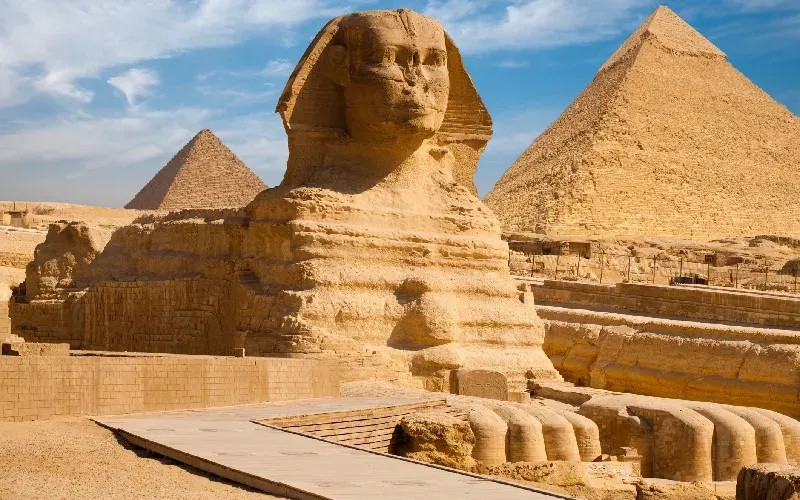
Detailed view of the Great Sphinx of Giza showing its royal nemes headdress, missing nose, and limestone bedrock layers
Sculpted directly from the living rock of the plateau, the Great Sphinx combines a pharaoh's head wearing the royal nemes headcloth with a recumbent lion's body.

Architecturally and symbolically, the statue does not stand in isolation. It forms an integral part of the royal funerary landscape on the eastern edge of the Giza Plateau. Directly in front of its outstretched paws lies the Old Kingdom Sphinx Temple, while immediately to its south sits the remarkably preserved Valley Temple of King Khafre. A long, monumental stone causeway runs westward from the side of the Valley Temple and the southern flank of the Sphinx Ditch all the way up the slope to Khafre's mortuary temple and pyramid. Travelers who book a comprehensive Giza, Saqqara, and Memphis historical guide can trace how this lower temple complex evolved from earlier royal enclosures at Saqqara into the solar-aligned necropolis of the Fourth Dynasty.

Great Sphinx of Giza — Quick Facts

Before examining the archaeological debates and conservation history of the monument in detail, the following table summarizes its core physical specifications, historical attribution, and the scholarly level of certainty attached to each feature.

Table 1: Great Sphinx of Giza — Verified Specifications and Historical Context
FactInformationNotes & Level of Certainty
LocationEastern edge of the Giza Plateau, Giza Governorate, Greater Cairo, EgyptConfirmed geographical setting within the Memphis and its Necropolis UNESCO World Heritage area.
Total LengthApprox. 73 meters (240 feet) from paw tip to tail baseConfirmed by modern photogrammetric and archaeological surveys of the bedrock core and masonry casing.
Total HeightApprox. 20 meters (66 feet) from the sanctuary floor to the crown of the headConfirmed physical measurement.
Width of FaceApprox. 4.1 meters (13.5 feet) across the cheekbonesConfirmed physical measurement; the nose alone originally measured roughly 1 meter (3.3 feet) wide.
Material & ConstructionMonolithic natural limestone bedrock (Mokattam Formation) with ancient and modern limestone block casingConfirmed by geological analysis; the core body was sculpted in situ from three distinct natural limestone strata.
Likely Construction PeriodOld Kingdom, Fourth Dynasty (approx. mid-26th century BCE)High archaeological consensus based on quarry stratigraphy, temple architecture, and tool marks; no exact calendar year survives.
Leading Royal AttributionKing Khafre (builder of the second pyramid at Giza)Leading scholarly attribution supported by the contiguous causeway, Valley Temple, and Sphinx Temple; not confirmed by a surviving contemporary inscription.
Alternative Royal ProposalsKing Khufu or King Djedefre (Fourth Dynasty)Minority scholarly interpretations based on stylistic comparisons and plateau development; debated among Egyptologists.
OrientationDue East (facing the rising sun and the Nile Valley)Confirmed alignment corresponding with the east-west axis of the adjacent Sphinx Temple and solar liturgy.
Original Old Kingdom NameUnknownConfirmed historical gap; no surviving Fourth Dynasty text records what its original builders called the statue.
New Kingdom Religious NameHoremakhet (“Horus in the Horizon”)Confirmed by numerous Eighteenth and Nineteenth Dynasty stelae and sanctuary inscriptions found around the monument.
The Dream StelePink granite royal inscription erected between the paws by Pharaoh Thutmose IV (18th Dynasty, c. 1401–1391 BCE)Confirmed artifact standing in situ; records an ancient sand-clearing and restoration campaign.
Planning to stand before the Great Sphinx in person? Explore our private Giza, Saqqara, and Memphis tour to walk the plateau, Khafre's Valley Temple, and the Sphinx viewpoint with a licensed Egyptologist guide.

Who Built the Great Sphinx of Giza?

For travelers standing at the viewing terrace above the Sphinx Sanctuary, the first question is almost always who ordered the statue to be carved. Unlike later New Kingdom temples covered from base to cornice with royal cartouches and dedicatory narratives, the Old Kingdom monuments at Giza are remarkably austere in their surviving surface inscriptions. Neither the bedrock body of the Great Sphinx nor the massive limestone walls of the Sphinx Temple preserve a Fourth Dynasty dedication naming the commissioning pharaoh. Consequently, Egyptologists rely on architectural stratigraphy, quarry geology, and the layout of the surrounding necropolis to determine who built the monument.

The Khafre Theory

The leading attribution among mainstream Egyptologists—and the primary context presented by Egypt's Ministry of Tourism and Antiquities—links the Great Sphinx to King Khafre, the Fourth Dynasty ruler who built the second-largest pyramid at Giza around 2558–2532 BCE. This attribution does not rest on guesswork; it is anchored in physical evidence linking the Sphinx quarry directly to Khafre's building program.

First, the spatial planning of the lower Giza complex treats the Sphinx, the Sphinx Temple, Khafre's Valley Temple, and Khafre's causeway as a unified architectural ensemble. The western end of the southern wall of the Sphinx Ditch runs directly along the northern side of Khafre's monumental causeway. Had the causeway been constructed long after the Sphinx, or vice versa without coordination, their drainage channels, foundation cuts, and enclosure walls would show clear signs of disruption. Instead, archaeological mapping demonstrates that the builders laid out the Valley Temple, the Sphinx Temple, and the Sphinx quarry as adjacent components of the same lower funerary complex.

Second, geological micro-analysis of the massive core blocks used to build both Khafre's Valley Temple and the Sphinx Temple reveals that these multi-ton megaliths were quarried directly from the U-shaped trench excavated around the body of the Sphinx. As workmen cut down into the limestone plateau to extract heavy masonry for Khafre's lower temples, they left the central bedrock outcrop standing and sculpted it into the royal lion. Furthermore, Old Kingdom royal statuary discovered across Giza—much of which travelers can examine by booking a Grand Egyptian Museum tour right beside the plateau—provides an authentic Fourth Dynasty reference point for royal portraiture and headcloth carving techniques.

Even with this strong contextual framework, careful historians note its boundary: architectural association proves that the Sphinx Ditch and Khafre's Valley Temple belonged to the same overarching Fourth Dynasty construction horizon, but the absence of a surviving contemporary dedicatory inscription leaves room for ongoing scholarly discussion about the exact sequence of work.

Could It Represent Khufu or Djedefre?

While Khafre remains the primary candidate, a minority of respected Egyptologists have proposed alternative Fourth Dynasty attributions—most notably Khafre's father, King Khufu (builder of the Great Pyramid), or Khafre's older brother and predecessor, King Djedefre.

The hypothesis attributing the Sphinx to Khufu, developed by the late German Egyptologist Rainer Stadelmann, argues that Khufu originally quarried the eastern plateau during the construction of the Great Pyramid and that Khafre later routed his causeway slightly southward to avoid an already existing Sphinx. Stadelmann also pointed to stylistic features of the Sphinx's face—such as the broad, square jaw, the absence of a relief-carved headband across the brow, and the specific pleating pattern of the nemes headdress—arguing that they resemble early Fourth Dynasty conventions closer to Khufu's reign.

Another scholarly proposal, advanced by Vassil Dobrev, suggests that King Djedefre—whose own pyramid was built northward at Abu Rawash—may have commissioned the Sphinx in the image of his deified father, Khufu, as part of a solar cult homage at Giza. Both the Khufu and Djedefre proposals remain completely within the accepted Fourth Dynasty archaeological timeline, differing from the Khafre consensus by only one or two royal generations. Visitors who combine plateau exploration with museum collections on the Giza Pyramids and GEM tour can compare the facial proportions of Fourth Dynasty rulers side by side to see why the majority of field archaeologists continue to view Khafre as the best-supported candidate.

How Old Is the Great Sphinx?

Based on the archaeological, architectural, and geological evidence from the Giza Plateau, the Great Sphinx of Giza is approximately 4,500 years old, dating to Egypt's Fourth Dynasty during the Old Kingdom (roughly 2613–2494 BCE, with the reigns of Khufu, Djedefre, and Khafre falling in the 26th century BCE). Because ancient Egyptian chronology for the Old Kingdom relies on royal king lists, astronomical alignments, and radiocarbon dating of organic mortar inclusions from the surrounding pyramid complexes, historians express Fourth Dynasty dates as an approximate scholarly range rather than a single immutable year.

Understanding how archaeologists establish this Fourth Dynasty timeframe helps explain why claims placing the Sphinx at 10,000 or 12,000 BCE are rejected by mainstream Egyptology. When archaeologists excavate a rock-cut monument, they do not try to carbon-date the natural limestone itself—which formed from marine sediments millions of years ago during the Eocene epoch. Instead, they date the human activity that shaped the stone. At the Sphinx Sanctuary, pottery shards, copper-chisel marks, pounder stones, quarry levels, and the foundational architecture of the Sphinx Temple and Valley Temple all belong squarely to the material culture of the Fourth Dynasty.

Nowhere on the Giza Plateau—or anywhere else in the Nile Valley—has any archaeological excavation uncovered urban infrastructure, stone-quarrying tools, social organization, or monumental architecture dating to 10,000 BCE capable of excavating multi-ton limestone blocks and carving a 73-meter royal statue wearing a dynastic nemes headdress. Travelers exploring the plateau on guided Cairo and Giza day tours can still see the unfinished Old Kingdom quarry trenches and tool marks cut directly into the bedrock floor around the pyramids and the Sphinx.

15 Fascinating Facts About the Great Sphinx of Giza

To appreciate the engineering, geology, and turbulent post-pharaonic history of the monument, here are 15 distinct, verifiable facts about the Great Sphinx of Giza:

  1. It Is a True Monolith Carved from Living Bedrock: Unlike the pyramids behind it, which were assembled from millions of quarried stone blocks stacked course by course, the core body and head of the Great Sphinx were sculpted directly out of the natural limestone bedrock of the Giza Plateau.
  2. It Is the Oldest Known Monumental Sculpture in Egypt: While small statuettes of lions and rulers existed in the Early Dynastic Period, the Great Sphinx represents the earliest surviving colossal royal sculpture on Earth, measuring roughly 73 meters (240 feet) long and 20 meters (66 feet) tall.
  3. The Statue Was Created by Digging Down, Not Building Up: Only the head and neck originally projected above the natural slope of the plateau as a limestone knoll (known geologically as a yardang). Ancient workmen had to excavate a deep U-shaped ditch into the surrounding bedrock to carve the massive lion body below ground level.
  4. Its Stones Built the Temple Directly in Front of It: Rather than discarding the limestone cut away from around the Sphinx's body, Fourth Dynasty masons extracted it in giant rectangular blocks weighing up to 100 tons or more and used them to construct the adjacent Sphinx Temple and Khafre's Valley Temple.
  5. Three Different Limestone Layers Explain Its Uneven Weathering: Geologists divide the Sphinx's bedrock into three members of the Mokattam Formation. The base belongs to a hard, fossil-rich reefal limestone; the middle body consists of alternating soft, yellow, clay-rich limestone strata that flake easily; and the head was carved from a much harder, dense upper stratum, explaining why the face survived far better than the paws and torso.
  6. The Head Is Proportionately Smaller Than a Natural Lion's Body: Visitors often notice that the head appears slightly small compared to the elongated 73-meter leonine torso (roughly a 1:7 head-to-body ratio rather than the 1:5 typical of later Egyptian sphinxes). Many geologists and Egyptologists note that natural fissures running through the bedrock body forced the ancient sculptors to lengthen the back to avoid structural cracking, or that the upper rock knoll limited the maximum width of the head.
  7. It Wears the Royal Nemes Headdress and Uraeus Cobra: The human head is framed by the pleated nemes cloth, an emblem reserved exclusively for pharaohs and deities representing royal authority. Above the brow sits the carved base and socket of the uraeus—the sacred rearing cobra that protected the king—though the upper hood of the cobra broke away in antiquity.
  8. Its Original Old Kingdom Name Has Never Been Found: No surviving text from the Fourth Dynasty mentions the Sphinx. For roughly a thousand years after its carving, the monument does not appear in known Old or Middle Kingdom written archives, leaving its original title a mystery.
  9. New Kingdom Egyptians Worshipped It as the Solar God Horemakhet: By the Eighteenth Dynasty (c. 1550–1292 BCE), the statue had become the focus of a vibrant pilgrimage cult. New Kingdom worshippers called it Horemakhet—translated by Egypt's Ministry of Tourism and Antiquities as “Horus in the Horizon”—identifying the monument as a living manifestation of the rising sun god. You can learn more about how Horus, Re, and Atum merged in solar theology in our Egyptian civilization gods guide.
  10. The Word “Sphinx” Comes from Classical Greece, Possibly via an Egyptian Phrase: The Greeks applied the name Sphinx (after the winged mythological creature of Thebes in Greek legend) to Egyptian human-headed lions. Many philologists suggest the Greek word may also echo the ancient Egyptian phrase shesep-ankh, meaning “living image.”
  11. The Dream Stele Was Repurposed from an Old Kingdom Stone Threshold: Standing between the front paws, the granite Dream Stele of Pharaoh Thutmose IV (c. 1400 BCE) records how the young prince cleared away desert sand after the Sphinx appeared to him in a dream. Closer archaeological inspection revealed that the granite slab itself was originally a massive lintel or threshold block taken from Khafre's nearby mortuary temple.
  12. The Ceremonial Beard Was Likely a New Kingdom Addition: The bedrock chin of the Sphinx shows no damage scar where a monolithic beard would have been carved during the Fourth Dynasty. Instead, the braided royal beard—fragments of which were excavated between the paws in 1817—was added using fitted limestone blocks, most likely during New Kingdom restoration work when the statue was venerated as Horemakhet. Visitors interested in royal regalia can also book a GEM Museum Cairo tour to see how pharaonic ceremonial beards and headdresses were sculpted across dynasties.
  13. Napoleon's Soldiers Did Not Shoot Off the Nose: One of the most persistent travel myths claims French artillery destroyed the Sphinx's nose during Napoleon Bonaparte's 1798 campaign. In reality, Danish explorer Frederic Louis Norden sketched the Sphinx in 1737—more than sixty years before Napoleon set foot in Egypt—and his drawings clearly show the nose already missing.
  14. Traces of Red, Yellow, and Blue Pigment Still Survive: Although today the Sphinx appears uniform sandy beige, sheltered creases around the face and ears preserve microscopic traces of red ochre pigment, while parts of the nemes headdress and beard fragments retain hints of yellow and blue paint.
  15. It Spent Most of Its 4,500-Year History Buried Up to Its Neck in Sand: Because the Sphinx sits inside a depressed quarry hollow at the edge of the Western Desert, prevailing winds constantly refill the ditch with blown sand. Without human intervention, the Sphinx Sanctuary fills completely within a few decades; it was only fully and permanently cleared down to its bedrock floor between 1925 and 1936 by French engineer Émile Baraize.

Why Does the Sphinx Have a Lion's Body and a Human Head?

In ancient Egyptian art and royal ideology, hybrid forms were never monstrous accidents; they were visual statements combining complementary powers. The lion was the premier desert predator visible along the fringes of the Nile Valley—an animal renowned for physical strength, solar vigilance, and fierce protection of its territory. By uniting the muscular, recumbent body of a lion with the composed human face of the reigning pharaoh wearing the royal nemes headcloth, Fourth Dynasty sculptors created a visual metaphor for kingship itself: brute natural might governed by royal intelligence and divine order (Ma'at).

Archaeological parallels confirm that this fusion was deeply rooted in early dynastic iconography. Even before the Fourth Dynasty, commemorative palettes (such as the Battlefield Palette and Narmer's ideological heirs) depicted the king subduing chaotic forces in the guise of a lion or bull. From the reign of Djedefre and Khafre onward, the royal sphinx became the standard guardian figure placed along temple avenues, thresholds, and funerary causeways. Unlike the female, winged, riddle-posing Sphinx of later Greek mythology—which throttled travelers outside Thebes—the Egyptian royal sphinx was predominantly male, wingless, benevolent toward the cosmic order, and fiercely protective of the sacred necropolis.

It is also important to distinguish this well-documented Egyptian artistic tradition from modern speculative claims that the lion's body was originally carved thousands of years earlier to mirror the astronomical constellation Leo. In ancient Egyptian sky lore, stellar groupings were mapped differently from the later Babylonian and Greco-Roman zodiac, and no Old Kingdom text or astronomical ceiling links the Giza bedrock monument to a prehistoric age of Leo. Walking the plateau with a dedicated female tour guide in Cairo or a licensed Egyptologist helps bring these authentic Old Kingdom artistic traditions to life on site.

The Ancient Name of the Great Sphinx

Because no Fourth Dynasty inscription survives on the monument, we do not know what Khafre's priests or quarry builders called the Great Sphinx when it was first completed. During the Old Kingdom, the statue appears to have functioned silently within the architectural ritual of the royal funerary complex, possibly conceptualized as a colossal shesep-ankh—a “living image” of the divine king merging with the sun god Re as he rose over the eastern horizon.

Roughly a millennium after the Fourth Dynasty, during the New Kingdom (c. 1550–1070 BCE), the monument's identity underwent a profound transformation that is abundantly documented in stone. As royal princes, military charioteers, and pilgrims visited the Giza Plateau from nearby Memphis and Heliopolis, they recognized the towering head rising above the desert sand as an embodiment of the solar deity himself. In numerous New Kingdom stelae erected around the sanctuary, the statue is named Horemakhet (rendered in Greek centuries later as Harmachis). As documented by Egypt's Ministry of Tourism and Antiquities, this title translates to “Horus in the Horizon.”

During this era, Pharaoh Amenhotep II built a mudbrick and limestone temple dedicated specifically to Horemakhet just northeast of the Sphinx's forepaws, where rulers and commoners left votive limestone plaques carved with ears—praying that the great solar guardian would hear their petitions. Later still, in the Late Period and Greco-Roman era, local Aramaic and Arabic speakers knew the monument by names such as Bel-hit or Abu al-Hol (often translated in popular Arabic folklore as “Father of Dread” or “Father of Awe,” and discussed by etymologists as a possible phonetic preservation of an older Egyptian cult title meaning “Place of Horus”). Travelers who enjoy seeing how ancient pharaonic heritage blends into living Egyptian culture often pair their morning plateau visit with a Cairo by Night tour through the historic heart of the capital.

The Dream Stele of Thutmose IV

Nestled directly between the masonry-clad forepaws of the Great Sphinx stands one of the most important historical inscriptions on the Giza Plateau: the Dream Stele of Thutmose IV. Measuring approximately 3.6 meters (nearly 12 feet) tall and carved from rose granite, this freestanding royal monument dates to the Eighteenth Dynasty (c. 1401–1391 BCE)—meaning that when Thutmose IV placed it before the Sphinx's chest, the Great Sphinx was already more than a thousand years old.

The Dream, the Sand, and the Promise of Kingship

The upper lunette of the stele depicts Thutmose IV appearing twice in symmetrical scenes, offering incense and libations to the Great Sphinx, which rests atop a high temple-like pedestal wearing its royal headdress and ceremonial beard. Beneath this relief, a hieroglyphic text recounts a vivid royal narrative. According to the inscription, when Thutmose was still a young prince—and not necessarily the first in line to succeed his father, Pharaoh Amenhotep II—he went hunting and practicing chariotry across the desert near Memphis and Giza. At midday, exhausted by the heat, the young prince lay down to rest in the shadow of the great statue, which was then buried up to its shoulders in encroaching desert sand.

As Prince Thutmose slept, the sun god Horemakhet-Khepri-Re-Atum spoke to him through the statue as a father speaks to a son. The deity complained that the heavy desert sands of the necropolis were pressing against his body and promised that if Thutmose would clear away the sand and restore the sanctuary, the god would grant him the Double Crown of Upper and Lower Egypt. Historians carefully distinguish the theological framing of this text from independently verified political events: while the dream narrative served as a classic piece of royal legitimation explaining why Thutmose IV ascended the throne ahead of older brothers, the physical fact that he excavated the sand from the Sphinx Sanctuary and encased parts of the eroded lion body in protective limestone blocks is confirmed by the archaeology of the site.

Why the Dream Stele Matters

According to Egypt's Ministry of Tourism and Antiquities, the Dream Stele of Thutmose IV is vital not only for documenting the New Kingdom cult of Horemakhet (“Horus in the Horizon”), but also as a landmark record in the history of archaeological conservation. It proves that even 3,400 years ago, ancient Egyptians viewed the Old Kingdom monuments of Giza as sacred antiquities requiring active maintenance against desert erosion. Moreover, as discussed in Smithsonian Magazine's analysis of Sphinx research, the lowest weathered lines of the stele contain a damaged syllable—Khaf—which early Egyptologists recognized as a reference linking the monument's ancient heritage back to King Khafre. Visitors fascinated by Thutmose IV and the Eighteenth Dynasty can trace his royal legacy from the Giza Plateau all the way to the Valley of the Kings on an 8-day Cairo, Luxor, and Aswan Nile Cruise tour.

Why Is the Great Sphinx Missing Its Nose?

The Great Sphinx is missing its nose because the bridge and nostrils were deliberately pried off with metal chisels or rods during the medieval period, centuries before modern European armies arrived in Egypt. Detailed forensic inspection of the statue's face reveals clear tool marks: one chisel or lever was driven downward from the bridge of the nose above, and another was wedged into the side near the right nostril, snapping the meter-wide limestone projection away from the face.

For generations, popular guidebooks and travelers repeated the tale that Napoleon Bonaparte's soldiers blasted the nose off with cannon fire during the French campaign in Egypt in 1798 (or, in variant retellings, British or Mamluk troops). This story is conclusively disproved by the historical archive. In 1737—sixty-one years before Napoleon landed in Alexandria—the Danish naval captain and artist Frederic Louis Norden traveled to Giza and drew detailed sketches of the Great Sphinx, published in 1755 in his work Voyage d'Égypte et de Nubie. Norden's engravings clearly show the Sphinx's nose already missing.

What actually happened to the nose? As highlighted in historical investigations covered by Smithsonian Magazine, the earliest detailed medieval testimony comes from the fifteenth-century Egyptian historian al-Maqrizi (writing around 1400–1440 CE). Al-Maqrizi recorded that in 1378 CE, a pious Sufi ascetic named Muhammad Sa'im al-Dahr from the khanqah of Sa'id al-Su'ada became outraged when he saw local peasants making offerings to the Sphinx in hopes of increasing their agricultural harvest and halting the desert sands. According to al-Maqrizi's account, Sa'im al-Dahr defaced the statue's nose and ears to prove it was merely stone, after which angry locals retaliated against him, and blowing sand buried local fields.

Careful historians distinguish between physical evidence and written testimony here: the chisel marks on the face are an undeniable archaeological fact proving deliberate human defacement rather than wind erosion alone, while al-Maqrizi's account—along with an earlier tenth-century Arab reference suggesting the face already showed damage—provides the strongest medieval historical context for why iconoclastic defacement occurred long before the modern era. Solo travelers and small groups who join a women-only Cairo tour or private historical walk can examine the exact angle of the facial tool marks from the southern Sphinx terrace.

The Sphinx's Missing Beard and Original Colors

Along with its nose, the Great Sphinx is missing its plaited royal beard (false beard), a key symbol of divine kingship. In 1817, the Italian explorer Captain Giovanni Battista Caviglia led the first modern excavation of the Sphinx's chest and paws. Buried in the sand between the forepaws, Caviglia uncovered several large limestone fragments carved with the distinctive braided pattern of a royal ceremonial beard, together with a fragment of the royal uraeus cobra from the forehead.

Today, the largest surviving pieces of the Sphinx's beard are held in Cairo's antiquities collections, while one smaller fragment—measuring roughly 78 centimeters (30 inches) long and representing about one-thirtieth of the beard's original mass—was presented by Caviglia to the British Museum in London. Archaeological examination of the Sphinx's bedrock chin shows no masonry mortise or broken core stone from the Fourth Dynasty. Instead, the braided beard was supported against the chest by a solid stone strut and attached with masonry blocks, leading most Egyptologists to conclude that the beard was added during the Eighteenth Dynasty when Thutmose IV or Amenhotep II restored the statue as the god Horemakhet.

Visitors are also often surprised to learn that the Great Sphinx was not originally left bare limestone. In ancient Egypt, monumental stone sculptures were routinely plastered with a thin layer of gypsum gesso and painted in vivid mineral pigments. Sheltered beneath the ears and along the cheeks of the Sphinx, conservators have documented surviving traces of red ochre pigment—the traditional color used in Egyptian art to depict male skin and solar vitality. Additionally, patches of yellow and blue pigment were observed by early modern excavators on the alternating stripes of the nemes headdress and on the recovered beard fragments. To see well-preserved examples of painted Old Kingdom limestone statues alongside your plateau visit, consider booking a Giza Pyramids and Grand Egyptian Museum tour.

Excavation and Restoration of the Great Sphinx

Because the Great Sphinx sits inside a quarried basin below the surrounding plateau surface, its conservation history is a 3,500-year struggle against two relentless forces: windblown desert sand and salt-driven limestone flaking. Surprisingly, the periods when the Sphinx was buried up to its neck in sand actually protected the soft middle strata of its body from wind abrasion and atmospheric moisture.
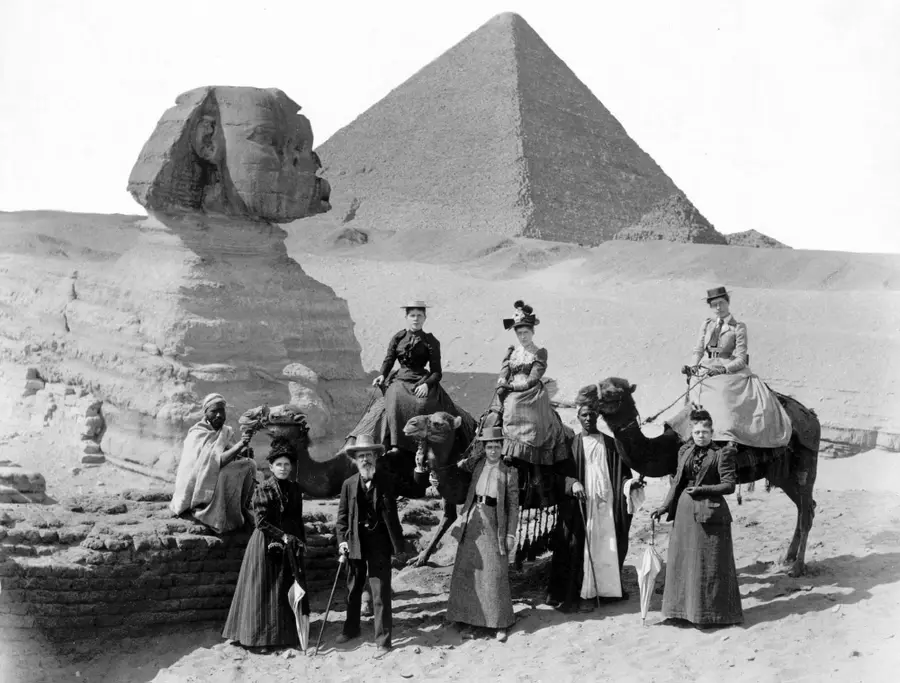
Historic 19th-century archival photograph of the Great Sphinx of Giza buried up to its shoulders in desert sand before modern excavation
One of the oldest surviving archival photographs of the Great Sphinx of Giza, capturing the monument buried up to its chest and neck in desert sand before modern clearing.

This remarkable nineteenth-century archival photograph—among the oldest surviving camera images ever taken of the Great Sphinx—vividly illustrates how the monument looked to travelers for most of post-pharaonic history. Taken before twentieth-century engineers permanently cleared the surrounding quarry enclosure, the image shows drifted desert sand completely burying the 73-meter lion body, the outstretched paws, the Dream Stele, and the adjacent Old Kingdom temples, leaving only the weathered chest, neck, and royal head emerging above the dunes. Beyond its immense historical value as early photography, this visual record provides firsthand archaeological proof of how rapidly windblown sand refilled the Sphinx Ditch whenever active human maintenance stopped, confirming the exact desert conditions described millennia earlier on the Dream Stele of Thutmose IV. If you want to avoid seasonal spring sandstorms (the Khamsin winds) when photographing the monument today, read our seasonal guide on the best time to visit Egypt.

  • New Kingdom Restoration (Eighteenth & Nineteenth Dynasties, c. 1400–1250 BCE): Pharaoh Thutmose IV cleared the sand from the Sphinx Sanctuary, erected the Dream Stele, and installed large limestone casing blocks over already-eroded sections of the paws and flank. Later rulers, including Ramesses II, left additional stelae and maintained the sanctuary walls.
  • Saite & Greco-Roman Repairs (c. 664 BCE–200 CE): During the Twenty-Sixth Dynasty and extensively under Ptolemaic and Roman emperors (including Marcus Aurelius and Septimius Severus), engineers cleared the sanctuary floor again, built high mudbrick and stone retaining walls along the edge of the ditch to hold back desert sand, placed a monumental staircase descending into the sanctuary from the east, and clad the paws and tail in small limestone masonry blocks.
  • Nineteenth-Century Clearing Attempts (1817–1886): Following Caviglia's 1817 dig at the chest, French Egyptologist Auguste Mariette cleared portions of the complex in the 1850s and uncovered the nearby Valley Temple of Khafre, while Gaston Maspero conducted further sand removal in the 1880s. In each case, desert winds rapidly refilled the trench.
  • Complete Excavation by Émile Baraize (1925–1936): Working for the Egyptian Antiquities Service, French engineer Émile Baraize spent eleven years completely excavating the Sphinx Ditch down to the bedrock floor, reinforcing the back of the head and neck cheeks where deep fissures threatened stability, and resetting dislodged ancient casing stones.
  • Late Twentieth-Century & Modern Conservation (1980s–Present): In the 1980s, restoration teams mistakenly used Portland cement mortar and incompatible limestone blocks during repairs; the cement trapped subterranean moisture and salts inside the porous bedrock, accelerating flaking. Beginning in the late 1980s and continuing through extensive campaigns led by Egypt's Ministry of Tourism and Antiquities in partnership with international geologists and the Getty Conservation Institute, conservators removed the damaging cement, replaced deteriorated stones with matching high-purity limestone and lime-sand mortar, installed environmental monitoring stations, and introduced modern water-table drainage systems across the lower plateau to stop capillary groundwater from rising into the bedrock.

Great Sphinx Mysteries — Evidence vs. Myths

Few monuments on Earth attract as much popular speculation as the Great Sphinx of Giza. From television specials about lost prehistoric civilizations to claims of vast underground libraries, popular media frequently blurs the line between genuine geological questions and unsupported myth. The comparison table below evaluates the six most common popular claims against peer-reviewed archaeological and geological evidence.

Table 2: Great Sphinx Mysteries — Archaeological Evidence vs. Popular Myths
Popular Claim or QuestionWhat the Available Evidence SupportsWhat Remains Uncertain
Is the Great Sphinx older than the Giza Pyramids (e.g., 10,000 BCE)?Quarried blocks from the Sphinx Ditch directly form the core walls of the adjacent Fourth Dynasty Sphinx Temple and Khafre's Valley Temple. All tool marks, pottery, and architectural stratigraphy date the monument to the Old Kingdom (c. 26th century BCE).The exact year within the Fourth Dynasty when carving began, and whether the natural uncarved rock knoll (yardang) already drew religious attention before Fourth Dynasty masons sculpted it.
The Water-Erosion Hypothesis (Precipitation-Induced Weathering)Mainstream geologists demonstrate that the deep vertical fissures and undulating horizontal recesses in the Sphinx Ditch result from pre-existing Eocene tectonic joints in the limestone combined with salt exfoliation, morning dew condensation, rising groundwater, wind abrasion, and wet-dry flaking of the soft marl-rich Layer II limestone.The exact proportion of weathering caused by brief Old Kingdom rainstorms and historical Nile flood seepage versus ongoing atmospheric salt crystallization.
Orion and Leo Astronomical Alignment ClaimsThe Sphinx faces due east toward the rising sun at the equinoxes, matching the east-west solar axis of the Sphinx Temple directly in front of it and Old Kingdom solar theology.While solar alignment is firmly established by temple architecture, claims that the Sphinx was built in 10,500 BCE to mirror the zodiacal constellation Leo lack any textual or archaeological support in Egyptian astronomy.
The Alleged “Hall of Records” from AtlantisThe “Hall of Records” originated in the 1930s from the trance claims of American mystic Edgar Cayce, not from ancient Egyptian texts or archaeological surveys. Decades of excavations and geophysical tests have found zero evidence of an Atlantean archive.Nothing in the archaeological record supports the existence of an Atlantean library; the concept is purely modern esoteric folklore.
Claims of Hidden Chambers and TunnelsNatural karstic dissolution cavities exist throughout the Eocene limestone of the Giza Plateau, along with a few small, shallow man-made shafts cut into the Sphinx's rump, back, and base by ancient treasure hunters or Roman/nineteenth-century excavators.Whether small, unexcavated natural limestone fissures detected by seismic or radar equipment beneath the plateau floor contain any minor ancient quarry cuts.
Extraterrestrial or Lost High-Technology ConstructionThe quarries at Giza preserve unfinished trenches, copper-tool marks, dolerite pounder stones, lever sockets, and workers' settlements demonstrating exactly how skilled Egyptian craftsmen carved and moved limestone blocks using Old Kingdom engineering.Specific workshop sequences and the exact rigging methods used to maneuver the heaviest 100-ton blocks inside the cramped corridors of the Sphinx Temple.

As this comparison illustrates, identifying a genuine geological feature—such as differential weathering across soft limestone beds or a natural karstic void in porous rock—is entirely different from proving the existence of a lost prehistoric civilization. Scientific archaeology requires converging lines of physical evidence: stratified artifacts, contemporary architecture, and verifiable material culture.

Has a Hidden Chamber Been Found Beneath the Great Sphinx?

No confirmed hidden archaeological chamber containing royal burials, papyrus archives, or secret rooms has ever been discovered beneath the Great Sphinx of Giza. However, to understand why rumors persist, it helps to separate two very different things: small physical shafts that actually exist on the monument's surface, and subsurface geological anomalies detected by remote-sensing instruments.

First, the Sphinx does have three known, physically inspected small openings on or immediately beside its body, none of which lead to secret underground halls:

  • The Crown Hole: A shallow circular cavity at the very top of the head (roughly 1.5 meters wide and deep), which originally served as an anchor socket for an additional sculptural crown or headrest ornament during antiquity and was filled in with protective mortar during twentieth-century conservation.
  • The Dorsal Shaft: A short, dead-end vertical cut behind the head along the back, excavated in the nineteenth century by early explorers and sealed during Émile Baraize's 1920s restoration.
  • The Rump Passage: A narrow crevice at the rear northern haunch of the Sphinx extending a few meters into the bedrock and floor—likely an ancient or medieval treasure-hunter's probe following a natural fissure in the limestone. It terminates in solid rock and contains no chamber or inscriptions.

Second, beginning in the late 1970s and continuing in the 1980s and 1990s, geophysical teams from institutions such as SRI International, Waseda University, and Florida State University conducted ground-penetrating radar (GPR), acoustic, and seismic refraction surveys around the Sphinx Sanctuary. As noted in Smithsonian Magazine's coverage of Sphinx investigations, the limestone bedrock of the Giza Plateau is naturally honeycombed with karstic solution cavities—irregular hollows dissolved into the rock by water millions of years ago. While geophysical scans occasionally register density variations or natural voids under the sanctuary floor, rotary test drillings conducted under the supervision of Egyptian antiquities authorities confirmed that these features are natural geological cavities in the Eocene limestone rather than constructed subterranean rooms. In archaeology, extraordinary claims of secret chambers require direct, independently verifiable physical evidence, not ambiguous radar echoes in porous limestone.

Where Is the Great Sphinx of Giza?

The Great Sphinx of Giza stands at the eastern foot of the Giza Plateau in the Giza Governorate, on the west bank of the Nile River approximately 15 to 20 kilometers (9 to 12.5 miles) southwest of downtown Cairo. Within the layout of the Giza necropolis, the Sphinx occupies a low rocky terrace directly east of the second pyramid (the Pyramid of Khafre) and southeast of the Great Pyramid of Khufu, right beside the secondary eastern entrance gate (commonly called the Sphinx Gate, located across from the Nazlet el-Samman neighborhood). First-time visitors can check our detailed guide on how far the pyramids are from Cairo, including travel time and directions from every major hotel district.

On a broader historical scale, the Giza Plateau is not an isolated site; it is the northern anchor of a vast chain of Old Kingdom royal cemeteries stretching more than 30 kilometers along the desert escarpment overlooking the ancient capital of Memphis. In 1979, this entire archaeological belt was inscribed on the UNESCO World Heritage List as Memphis and its Necropolis – the Pyramid Fields from Giza to Dahshur. Understanding this geographic relationship helps visitors appreciate why the Great Sphinx faces due east: in antiquity, a canal fed by the annual inundation of the Nile brought ceremonial barges right up to a harbor basin in front of Khafre's Valley Temple and the Sphinx Temple, making the towering guardian the first monumental sight greeting royal funeral processions arriving from the river valley.

How to Visit the Great Sphinx of Giza

Visiting the Great Sphinx of Giza requires practical preparation so that logistics do not overshadow the history in front of you. Access to the standard Sphinx viewing terrace is included with the general Giza Plateau admission ticket, which you obtain at either the northern Great Pyramid gate (Fayoum Road entrance) or the eastern Sphinx Gate. To stand directly beside the monument, visitors walk through the atmospheric pink-granite halls of the Valley Temple of Khafre and exit along a paved passage that leads to an elevated viewing platform overlooking the Sphinx's southern flank and profile, with the Pyramid of Khafre rising directly behind it.

When organizing your day, follow a logical route across the plateau:

  1. Start Early at the Upper Plateau: Arrive as close to the morning opening hour as possible to explore the base of the Great Pyramid of Khufu and the Pyramid of Khafre before midday heat and large tour buses peak.
  2. Visit the Western Panoramic Viewpoint: Head out to the high desert ridge southwest of the three main pyramids for wide-angle photographs showing Khufu, Khafre, and Menkaure aligned against the desert horizon.
  3. Descend to the Valley Temple and the Great Sphinx Last: Finish your plateau circuit at the lower eastern terrace. Morning and early-to-midday light illuminates the face and profile of the Sphinx favorably, and ending near the Sphinx Gate makes meeting your driver or walking to nearby lunch spots straightforward.

Before traveling, always confirm current ticket categories, payment rules (Egyptian archaeological sites now operate on card-only electronic ticketing systems at the gates), and seasonal opening hours through official channels. Note that walking down inside the enclosed Sphinx Ditch—directly between the paws in front of the Dream Stele—is closed to regular general-admission ticket holders for conservation reasons and requires special advance permission and high-tier private-access fees issued by the Ministry of Tourism and Antiquities. To estimate your overall sightseeing expenses accurately, review our breakdown of Cairo and Giza pyramids tour prices, consult our guide to planning your 2026 Egypt trip budget, and—if you are flying in from the United States—check whether Americans need a visa for Egypt prior to departure.

Can You Visit the Sphinx and the Giza Pyramids on the Same Tour?

Yes, the Great Sphinx and the three main pyramids of Giza are located within the same fenced archaeological zone and are virtually always visited together on a single excursion. The distance from the base of the Great Pyramid of Khufu down the slope to the Valley Temple and the Great Sphinx is roughly 600 to 800 meters (less than half a mile). While healthy travelers can walk downhill from the pyramids to the Sphinx, navigating the sprawling upper plateau and the high desert viewpoint in the sun is far easier with a dedicated air-conditioned vehicle waiting at each stop.

When comparing Cairo and Giza day-trip costs, make sure your itinerary includes reliable transportation options in Egypt or book a luxury car rental with a driver in Egypt so you can move effortlessly between the upper pyramid checkpoints, the panoramic ridge, and the lower Sphinx Sanctuary.

How Much Time Should You Allow for the Visit?

While there is no official minimum time limit once inside the gates, most visitors find that allowing 3 to 4 hours on the Giza Plateau provides a comfortable, unhurried experience. Of that window, travelers typically spend 45 to 60 minutes exploring the Valley Temple of Khafre and the Great Sphinx viewing terrace—leaving ample time to examine the diorite and granite masonry joints, view the limestone strata and missing nose in detail, and photograph the monument from different angles.

The total duration of your excursion depends heavily on your broader itinerary. If you plan to enter the interior burial chamber of the Great Pyramid of Khufu, ride a camel across the desert ridge, or combine Giza with Saqqara, Memphis, or a major museum in Cairo, you should budget a full 8-hour sightseeing day.

Should You Choose a Private Tour or a Larger Egypt Itinerary?

Choosing between a standalone Cairo/Giza day tour and a multi-day Egypt package comes down to how your international flights and hotel bookings are structured. If you have already booked your Cairo hotel independently or are visiting on a short city break or stopover, a private single-day excursion gives you targeted door-to-door pickup, a dedicated Egyptologist, and complete control over your morning schedule.

Conversely, if you plan to see the Great Sphinx and Giza Pyramids before continuing south to the temples of Luxor and Aswan, sailing on a Nile cruise, or visiting Alexandria and the Red Sea, booking one of our complete Egypt vacation packages or specialized Egypt vacation packages for Americans eliminates the stress of coordinating domestic flights, intercity transfers, and separate guides in every city. Always check individual tour pages to confirm specific ticket, meal, and hotel inclusions before booking.

Want to combine the Great Sphinx and the Pyramids with Egypt's greatest museum treasures? View our Giza Pyramids and Grand Egyptian Museum tour to experience the plateau and the nearby museum complex in one seamless day.

Explore Cairo and the Giza Pyramids with Egy Travel Lux

Whether you want a focused half-day walk through the Giza necropolis, a full day of Old Kingdom pyramid evolution, or a multi-week journey down the Nile, Egy Travel Lux offers curated sightseeing itineraries led by knowledgeable Egyptologist guides. If you are planning a full vacation across Egypt that begins with the Great Sphinx and Giza Pyramids before venturing to Alexandria, Upper Egypt, or the Red Sea, the table below organizes our top multi-day packages from Search Console by duration and regional focus.

Table 3: Featured Cairo, Giza & Multi-Day Egypt Tour Packages
Destination FocusDurationRecommended Egy Travel Lux Itineraries
Giza, Saqqara & MemphisFull-Day ExcursionTrace the evolution of royal burials from Djoser's Step Pyramid to Khafre's Valley Temple and the Great Sphinx on our signature Giza, Saqqara, and Memphis guided tour.
Cairo & AlexandriaMulti-Day Short BreaksCombine the Giza Pyramids and Great Sphinx with Greco-Roman and Mediterranean landmarks through our Cairo and Alexandria Egypt tour packages.
Cairo, Luxor, Aswan & Nile Cruise7 to 8 DaysPair Giza sightseeing with Upper Egypt temples via our Cairo and Nile Cruise package, our popular 7-day Egypt tour and Nile Cruise, or our 8-day Cairo, Luxor, and Aswan Nile Cruise tour.
Grand Egypt Expeditions10 to 12 DaysConnect the Giza Plateau with Upper Egypt, Alexandria, and the Red Sea coast on a 10-day Egypt tour or the Ultimate 12-day Cairo, Alexandria, Nile Cruise, and Hurghada package.

Frequently Asked Questions About the Great Sphinx of Giza

1. What is the Great Sphinx of Giza?

The Great Sphinx of Giza is a colossal monolithic statue carved directly out of the natural limestone bedrock on the Giza Plateau near Cairo, Egypt. Combining the recumbent body of a lion with the head of an ancient Egyptian king wearing a pleated nemes headdress, it is the oldest known monumental royal sculpture from ancient Egypt.

2. Who built the Great Sphinx of Giza?

Although no surviving contemporary Old Kingdom inscription records the builder's name, mainstream Egyptologists attribute the Great Sphinx primarily to Fourth Dynasty Pharaoh Khafre. This attribution is supported by the archaeological integration of the Sphinx Ditch with Khafre's adjacent Valley Temple, the Sphinx Temple, and the causeway leading up to his pyramid, though a few scholars have proposed Khufu or Djedefre as alternative Fourth Dynasty candidates.

3. How old is the Great Sphinx?

Based on archaeological stratigraphy, quarry tool marks, and the surrounding funerary temples, the Great Sphinx dates to Egypt's Fourth Dynasty during the Old Kingdom (roughly the mid-26th century BCE), making it approximately 4,500 years old. Popular claims that it dates back to 10,000 BCE are not supported by archaeological evidence.

4. How tall and long is the Great Sphinx?

The Great Sphinx measures approximately 73 meters (240 feet) in total length from the tips of its outstretched front paws to the base of its tail, and rises about 20 meters (66 feet) from the floor of the Sphinx Sanctuary to the top of its head. Its face alone measures roughly 4.1 meters (13.5 feet) wide across the cheekbones.

5. What does the Great Sphinx symbolize?

In ancient Egyptian royal ideology, the Great Sphinx symbolized the union of supreme physical power and royal wisdom, acting as a sacred solar guardian over the Giza necropolis. By the New Kingdom, it was also revered directly as a manifestation of the sun god rising on the eastern horizon.

6. Why does the Sphinx have a human head and a lion's body?

Ancient Egyptian sculptors combined the lion—the fiercest predator of the desert margin and an emblem of solar vigilance—with the human head of the reigning pharaoh wearing the royal nemes headcloth. This composite form visually expressed that the king possessed the unmatched strength of a lion guided by human intelligence and divine authority.

7. Why is the Great Sphinx missing its nose?

Forensic examination of the face shows chisel and pry-bar marks near the bridge and nostril, demonstrating that the nose was deliberately broken off by human hands during the medieval period. Fifteenth-century Egyptian historian al-Maqrizi attributed the damage to a fourteenth-century Sufi figure named Muhammad Sa'im al-Dahr around 1378 CE, though earlier medieval accounts also mention facial damage.

8. Did Napoleon's soldiers destroy the Sphinx's nose?

No. The widespread rumor blaming Napoleon Bonaparte's artillery during the 1798 French campaign is disproved by historical drawings made in 1737 by Danish explorer Frederic Louis Norden, which clearly depict the Great Sphinx without its nose more than sixty years before Napoleon arrived in Egypt.

9. What is the Dream Stele of Thutmose IV?

The Dream Stele is a 3.6-meter-tall pink granite slab erected between the front paws of the Great Sphinx by Eighteenth Dynasty Pharaoh Thutmose IV (c. 1400 BCE). Its hieroglyphic inscription recounts how the young prince fell asleep in the shade of the sand-buried Sphinx and dreamed that the solar god Horemakhet promised him the Egyptian throne if he cleared the sand away and restored the sanctuary.

10. What was the original name of the Great Sphinx?

The original Fourth Dynasty name of the Great Sphinx is unknown because no Old Kingdom text mentioning the statue has survived. During the New Kingdom, about a thousand years later, Egyptians worshipped the monument under the name Horemakhet (“Horus in the Horizon”), while the word “Sphinx” was introduced later by Greek travelers.

11. Was the Great Sphinx originally painted?

Yes, surviving traces of mineral pigment indicate that at least parts of the Great Sphinx were painted in antiquity. Conservators and early excavators have documented red ochre pigment on sheltered areas of the face and ears, along with traces of yellow and blue paint on the royal nemes headdress and ceremonial beard fragments.

12. Has a hidden chamber been discovered beneath the Sphinx?

No confirmed hidden archaeological chamber, burial room, or archive has ever been found beneath the Great Sphinx. While geophysical surveys have detected natural karstic cavities and solution voids typical of the porous Eocene limestone of the Giza Plateau, test drillings and physical inspections have never revealed an artificial underground room or “Hall of Records.”

13. Is the Great Sphinx older than the pyramids?

No established archaeological evidence indicates that the Great Sphinx is older than the Giza pyramid age. Rather, the Great Pyramid of Khufu was built first, and the megalithic limestone blocks quarried from the trench around the Sphinx's body were used directly to build the adjacent Fourth Dynasty Sphinx Temple and Khafre's Valley Temple.

14. Can visitors get close to the Great Sphinx?

Yes, standard Giza Plateau admission allows visitors to walk through the Valley Temple of Khafre onto an elevated viewing terrace immediately beside the southern flank of the Sphinx. Accessing the lower quarry floor directly between the paws requires a special private-access permit arranged in advance through Egypt's Ministry of Tourism and Antiquities.

15. Can you visit the Great Sphinx and Giza Pyramids on the same tour?

Yes, the Great Sphinx stands inside the same Giza Plateau archaeological complex as the Pyramids of Khufu, Khafre, and Menkaure, less than a kilometer down the slope from the Great Pyramid. Every standard half-day or full-day Giza sightseeing tour includes both the three pyramids and the Great Sphinx.

Discover the Great Sphinx for Yourself

After four and a half millennia of desert winds, shifting sands, royal restorations, and modern conservation, the Great Sphinx of Giza remains an extraordinary testament to Old Kingdom stone-carving and ancient Egyptian solar beliefs. Reading about the bedrock strata of the Sphinx Ditch, the rose-granite columns of Khafre's Valley Temple, and the Dream Stele of Thutmose IV prepares you to look past popular myths—but nothing replaces standing on the eastern terrace of the Giza Plateau and seeing the monument in its true architectural setting beside the pyramids.
Ready to experience the Great Sphinx and the Giza Plateau with an expert Egyptologist? Browse our full collection of guided Egypt tours or check our Cairo and Giza pyramids tour prices to start planning your journey today.
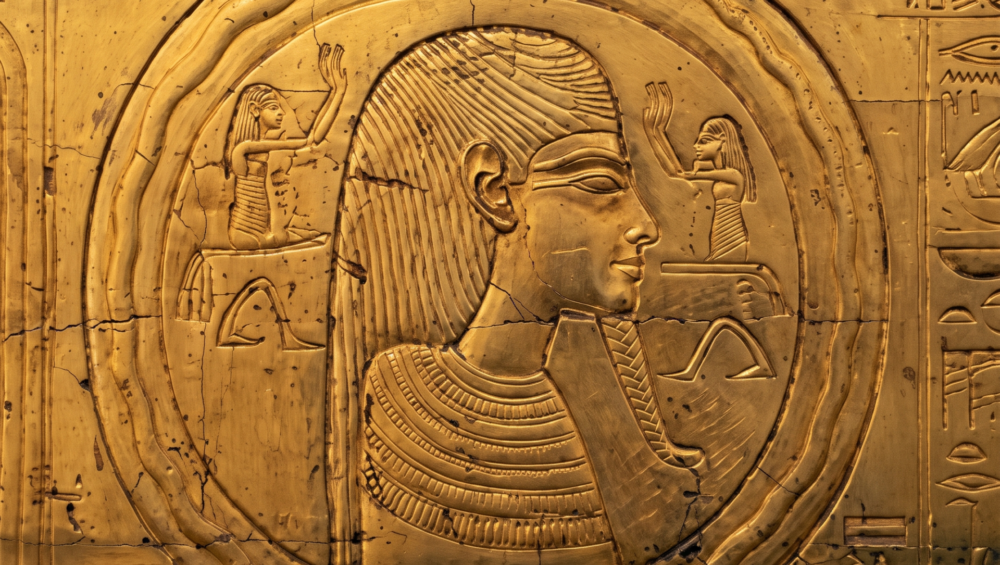
Ouroboros Symbol in ancient Egyptian mythology, depicting a serpent biting its own tail and symbolizing renewal and eternity

7 Fascinating Ouroboros Symbol Secrets from Ancient Egypt –

Ouroboros Symbol: Ancient Egyptian Meaning, Origins & History | Egy Travel Lux

The Ouroboros Symbol: Ancient Egyptian Origins, Meaning & History

The Ouroboros Symbol is one of the most intriguing images in the history of mythology. Usually shown as a serpent biting its own tail, it forms a closed circle with no obvious beginning or end. Today, many people associate the Ouroboros with eternity, renewal, unity, and the repeating cycles of life. Yet the symbol's history is more nuanced than a single modern definition suggests.

One of the earliest known examples of this tail-biting serpent appears in the royal funerary imagery associated with the second shrine of Pharaoh Tutankhamun, dating to the New Kingdom. In that setting, the serpent belongs to a complex religious composition concerned with the underworld and the relationship between solar and Osirian divinity. Later Greek-speaking, Roman, Gnostic, and alchemical traditions gave the image new interpretations, helping it become a familiar emblem of continuity and transformation.

This guide explores the Ouroboros Symbol in ancient Egypt, the evidence from Tutankhamun's shrine, its relationship to the protective serpent Mehen, and the meanings that developed in later cultures. It also explains how to distinguish historical evidence from popular interpretations, so readers can understand the motif without assuming that every culture used it in exactly the same way.

At a glance: The Ouroboros is the image of a serpent biting its tail. Its early Egyptian examples appear within funerary and theological contexts, while ideas such as infinity, cyclical time, and alchemical unity became prominent through later interpretations.

1. What Is the Ouroboros Symbol?

The Ouroboros Symbol depicts a serpent, snake, or dragon consuming its own tail. The creature's body forms a ring, creating an image that appears self-contained and continuous. The word Ouroboros comes from ancient Greek and is commonly translated as “tail-devourer.” The name describes the visual motif, but it does not prove that every society using the image gave it the same meaning.

In popular culture, the circular serpent is often described as a universal emblem of eternal return. That is one influential interpretation, especially in later philosophy and alchemy. In an ancient Egyptian setting, however, a serpent's meaning depended on its role in the scene, the identity of the figures it surrounded, and the religious text accompanying the image.

Serpents had varied roles in Egyptian thought. Some embodied threats that had to be overcome; others acted as protectors of gods, kings, and the dead. A circular serpent surrounding a divine figure therefore cannot be interpreted from its shape alone. Historians consider the surrounding iconography and inscriptions before drawing conclusions about its meaning.

Common interpretationWhat it suggestsHow to treat it historically
EternityA continuous process without a clear endpointA prominent later interpretation; not automatically the only meaning of an Egyptian image
RenewalLife or order returning after a period of darkness or changeUseful when discussing Egyptian solar and funerary beliefs, with context
UnityDifferent parts belonging to one wholeExplicitly important in some later alchemical imagery
ProtectionA guardian enclosing or defending a figureRelevant to Egyptian protective-serpent traditions
TransformationChange that forms part of an ongoing processCommon in modern explanations and later esoteric traditions

2. The Ouroboros Symbol in Ancient Egypt

The early Egyptian history of the Ouroboros Symbol is closely connected with the country's rich traditions of royal funerary art and religious texts. In ancient Egypt, images were not simply decorative. Their placement, accompanying inscriptions, and relationship to particular gods often contributed to a larger statement about kingship, protection, the cosmos, and existence after death.

A well-known early example of a tail-biting serpent appears in imagery associated with Tutankhamun's second gilded shrine. The shrine dates to the fourteenth century BCE and formed part of the elaborate funerary equipment in the king's tomb. The imagery is connected with enigmatic underworld compositions and the theological relationship between the sun god Ra and Osiris, a major god of the dead and regeneration.

John Coleman Darnell's scholarly study, The Enigmatic Netherworld Books of the Solar-Osirian Unity, examines the cryptographic religious compositions associated with Tutankhamun's shrine and other royal tombs. The work provides important context for understanding why the image should be studied as part of a complex theological scene rather than as an isolated sign with a simple one-line definition. See the academic reference at Yale University's publication record.

Serpent imagery in Egypt was not limited to one deity or idea. Mehen could protect the sun god on his journey through the underworld, while Apophis represented a dangerous force opposing the sun's progress. The contrast shows why the same broad animal category could carry different associations depending on context.

For a broader introduction to Egyptian gods and religious figures, readers can continue with our guide to Egyptian civilization, gods, and mythology.

3. Tutankhamun's Shrine and the Serpent Image

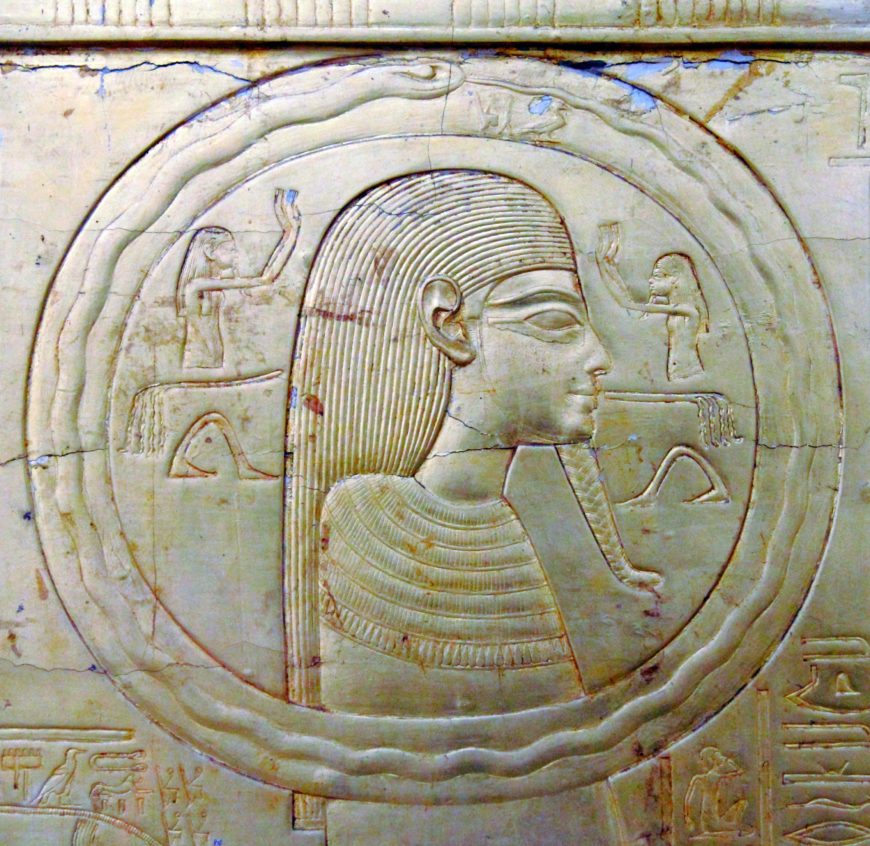
Ouroboros Symbol carved around a figure on a shrine associated with Tutankhamun
A circular serpent motif associated with the funerary imagery of Tutankhamun's shrine. Image reference: Smarthistory.

The tomb of Tutankhamun, discovered by Howard Carter in 1922, contained a remarkable collection of funerary objects, including several gilded shrines surrounding the king's sarcophagus. These shrines were decorated with religious scenes and texts that expressed ideas about divine protection and the king's passage into the afterlife.

The circular serpent image is notable because it appears within this wider religious program. In the relevant scene, serpent forms enclose parts of a large mummiform figure, and scholarly interpretation connects the imagery with the solar-Osirian unity. The meaning emerges through the relationship between the serpent, the figures inside the circle, and the accompanying composition.

This context does not make every modern explanation of the Ouroboros historically certain. It does establish that a close visual relative of the familiar tail-biting serpent was used in Egyptian royal funerary art long before the motif became a prominent image in European alchemy. When describing the relief, it is better to say that it belongs to funerary imagery associated with divine renewal than to claim that it proves the symbol always meant mathematical infinity.

The shrine also demonstrates the sophistication of ancient Egyptian religious writing. Some royal compositions used cryptographic signs and unusual arrangements that were not intended to function as ordinary everyday writing. Darnell's work and research on New Kingdom netherworld texts help explain why specialist study is necessary when interpreting them.

Image alt text: Ouroboros Symbol on Tutankhamun's shrine in ancient Egyptian funerary art.

4. Mehen: The Protective Serpent in Egyptian Mythology

Mehen is an important figure for understanding the religious background of the Ouroboros Symbol. His name is often associated with the idea of being coiled. In Egyptian religious imagery, Mehen is a protective serpent connected with Ra during the sun god's nighttime journey through the underworld.

The sun's daily movement gave Egyptian religious thought a powerful model of continuity. At sunset, Ra disappeared from the visible sky and entered the underworld. His nightly journey involved dangers and encounters, and his return at dawn represented the renewal of solar order. A protective serpent surrounding the god was therefore part of a meaningful religious image, not just an ornamental frame.

Mehen should not be treated as exactly synonymous with the Ouroboros. Mehen is a deity with a particular role; Ouroboros is the name used for the motif of a serpent biting its own tail. Some images of Mehen are coiled or encircling without showing the distinct tail-biting arrangement. This difference matters when explaining the symbol's origins accurately.

FeatureMehenOuroboros motif
What it isAn Egyptian protective serpent deityA visual motif of a serpent biting its tail
Main associationProtection of Ra during the underworld journeyMeanings vary by period and culture
Typical shapeOften coiled around or near a protected figureForms a closed ring by connecting mouth and tail
Key cautionNot every depiction shows a tail-biting serpentNot every circular serpent can be assigned one fixed meaning

Mehen also helps place Egyptian serpent imagery within a broader religious system. Serpents could guard sacred spaces or divine figures, but another serpent, Apophis, symbolized a force that threatened the solar journey. Readers interested in seeing more of Egypt's material culture can explore the Grand Egyptian Museum tour and its focus on the objects and artistic traditions of ancient Egypt.

5. The Ouroboros Symbol Meaning: Renewal, Unity, and Cycles

The phrase Ouroboros Symbol meaning is often answered with a list of concepts: eternity, rebirth, infinity, unity, and the cycle of life. These interpretations are useful starting points, but their historical significance changes across traditions. The table below distinguishes the common associations from the Egyptian context in which related imagery first became important.

Renewal and rebirth

Renewal is a useful concept for discussing Egyptian solar and funerary religion. The sun's return each morning and the possibility of continued existence after death were major themes within Egyptian religious life. A serpent in an underworld composition may contribute to a narrative of protection and transformation, but its precise role should be identified from the surrounding scene and texts.

Continuity and cyclical time

The Ouroboros's closed circle makes it easy to read the image as a continuing cycle. Later writers and artists adopted this visual potential to represent processes that repeat, rather than events that move in a straight line from a fixed beginning to a final end. While solar cycles are central to Egyptian religion, it would be an overstatement to claim that every Egyptian image of a serpent explicitly encoded the same abstract theory of time.

Unity and wholeness

Unity became especially clear in later alchemical imagery, where the Ouroboros could accompany language expressing that “the All is One.” In that setting, the image suggests that distinct parts can belong to a single whole. This is a documented later development and should be distinguished from conclusions based only on the shape of an earlier Egyptian relief.

Protection and boundaries

A serpent that surrounds a figure can visually create a protective boundary. This is especially relevant to Egyptian guardian-serpent traditions such as Mehen. The precise significance of an enclosing serpent depends on the identity of the protected figure and the wider religious composition.

Transformation through opposing forces

Some later interpretations use the Ouroboros to discuss creation and destruction, growth and decline, or endings that become beginnings. These are powerful modern and philosophical readings. They are best presented as interpretations that developed through the symbol's reception rather than as a single definition shared by every ancient culture.

6. Ra, Osiris, and the Cycle of Renewal

The relationship between Ra and Osiris provides an important framework for understanding the funerary context associated with the Egyptian Ouroboros Symbol. Ra was associated with the sun's daily journey, while Osiris was a central deity of the dead and the possibility of renewed existence. Egyptian religious compositions could bring their roles together to express a relationship between solar movement and regeneration in the afterlife.

Rather than treating the two gods as identical, it is more accurate to explain that Egyptian theology could connect them in particular contexts. In royal funerary imagery, this association helped express how the deceased king might participate in divine processes that continued beyond bodily death.

The circular serpent on Tutankhamun's shrine belongs to this dense visual and theological setting. It is a reminder that ancient Egyptian symbols were not always standalone icons with concise dictionary definitions. Their meanings depended on the scene as a whole, the accompanying text, and the religious function of the object.

For travelers who want to connect these stories to real places and collections, our Giza Pyramids and Grand Egyptian Museum tour is a relevant next step for exploring Egyptian monuments and artifacts with historical context. If you want to explore beyond Cairo and allow time for several major sites, you can also review our 10-day Egypt tour.

7. The Ouroboros Symbol in Greek and Roman Traditions

The motif continued beyond Egypt and gained new contexts across the Greek-speaking and Roman worlds. The name Ouroboros is Greek, while one of the best-known early images related to the motif belongs to Egyptian royal funerary art. The difference between the image's surviving history and the word used to describe it illustrates how symbols travel across cultures.

Greek-language magical and esoteric texts helped transmit Egyptian and Egyptian-influenced imagery in the Mediterranean. In later traditions, the tail-biting serpent could be used to express continuity, cosmic unity, or a self-contained process. Its precise meaning varied according to the artifact, text, or philosophical setting in which it appeared.

It is best to avoid a simplistic story in which every society adopted the Ouroboros and preserved a single Egyptian definition unchanged. Instead, the symbol's history shows cultural transmission: communities borrowed recognizable forms and reinterpreted them through their own religious beliefs and intellectual interests.

8. The Ouroboros Symbol in Alchemy and Gnosticism

The Ouroboros in alchemy

Alchemy brought together experimentation, natural philosophy, religious thought, and symbolic imagery. The Ouroboros became influential in this tradition because its closed circle could express a process whose stages belonged to a complete whole. An image known as the Chrysopoeia of Cleopatra shows a serpent forming a circle alongside the Greek phrase commonly read as hen to pan, or “the All is One.” This inscription makes the association with unity especially clear.

Later alchemical interpretations connected the serpent with transformation and the integration of different stages of a process. Some traditions also related it to the philosopher's stone. These associations belong to the later history of the symbol and should not automatically be projected onto the Egyptian shrine image.

The Ouroboros in Gnostic and esoteric thought

Gnosticism describes diverse ancient religious movements rather than one uniform system. Some later esoteric settings interpreted the circular serpent in terms of cosmic unity, spiritual boundaries, or the structure of existence. Not every Gnostic group used the image in the same way, so it is more precise to discuss particular texts and traditions than to assign one meaning to all of Gnosticism.

Historical settingCommon use of the motifWhat not to assume
Ancient Egyptian funerary artSerpent imagery within royal and underworld compositionsThat every instance means abstract infinity
Greek-speaking traditionsTransmission and reinterpretation of the imageThat the Greek name proves a Greek visual origin
AlchemyUnity, transformation, and a complete processThat later meanings were already fixed in the New Kingdom
Modern art and popular cultureCycles, identity, continuity, and personal changeThat contemporary uses are direct evidence of ancient beliefs

9. Ouroboros Symbol vs. Other Ancient Egyptian Symbols

The Ouroboros is often discussed alongside the ankh, Eye of Horus, djed pillar, scarab, and uraeus. These symbols should not be confused with one another. Each has its own visual form and a history shaped by different religious, royal, and cultural settings.

SymbolTypical visual formCommon association
OuroborosSerpent biting its own tailContinuity, unity, and renewal in later interpretations
AnkhCross-like form with a loop at the topLife and continued existence
Eye of HorusStylized eye with distinctive markingsProtection, healing, and restoration
Djed pillarColumn-like form with horizontal bandsStability and endurance
ScarabBeetle, sometimes shown with a solar diskTransformation and solar renewal
UraeusUpright cobra, often on a royal crownRoyal protection and divine authority

The comparison highlights what makes the Ouroboros Symbol distinctive: its shape turns the creature into a closed loop. That form lends itself to later ideas of continuity and unity, while other Egyptian signs communicate their associations through different images and mythological backgrounds.

For a wider look at Egypt's archaeological heritage, explore our Giza, Saqqara, and Memphis tour, which introduces travelers to major sites connected with the long history of ancient Egyptian civilization. If you prefer to build in more time for several destinations, compare it with the 12-day Egypt tour package.

10. The Ouroboros Symbol in Modern Culture

Today, the Ouroboros appears in literature, fantasy art, jewelry, tattoos, philosophy, and popular media. Its continued popularity comes from the simple visual idea of a creature forming a circle with its own body. The image can prompt questions about beginnings and endings, the relationship between a part and a whole, or processes that repeatedly renew themselves.

In art, literature, and design

Artists and writers may use the symbol to suggest a recurring history, a self-contained world, an endless conflict, or a transformation that brings an experience back to its starting point. The design can be rendered realistically or reduced to a minimal outline while remaining recognizable.

In tattoos and jewelry

People who choose the Ouroboros for a tattoo or piece of jewelry may associate it with resilience, personal growth, continuity, or the belief that difficult endings can lead to new beginnings. These personal interpretations can be meaningful, but they should not be presented as a universal ancient Egyptian custom.

In philosophy

The Ouroboros can work as a metaphor for systems that generate, consume, or transform their own components. Some interpretations focus on cyclical time, while others emphasize the relationship between apparent opposites. Modern readings are part of the symbol's continuing history—not proof that its meaning remained unchanged for thousands of years.

11. Explore Ancient Egyptian History in Egypt

Egypt offers outstanding opportunities to explore the religious, artistic, and funerary traditions that provide context for symbols such as the Ouroboros. A visit cannot guarantee that every specific artifact will be on display, but museums and archaeological sites help visitors understand the civilization's visual language and beliefs about kingship, gods, and the afterlife.

Cairo and museum collections

Museum collections help visitors compare representations of gods, pharaohs, animals, and funerary objects. Look for collection information and current display details before visiting, because particular objects may be stored, moved, or undergoing conservation. The Grand Egyptian Museum tour is a useful internal resource for planning a visit focused on ancient Egyptian artifacts and royal history.

Giza, Saqqara, and Memphis

The wider Giza and Saqqara area offers context for the long development of Egyptian royal culture, funerary architecture, and artistic traditions. These sites do not all contain the Ouroboros motif specifically, but they help place the image within the broader civilization that produced Egypt's monumental art and religious texts.

Luxor and the Valley of the Kings

Luxor is especially valuable for understanding royal funerary religion. Tombs in the Valley of the Kings contain complex scenes and texts describing the sun's passage through the underworld. Studying these visual narratives with a qualified guide can make the relationship between imagery, divine figures, and afterlife beliefs easier to understand. For an itinerary that combines major historical destinations with a Nile cruise and time on the Red Sea, see the Ultimate 12-day Egypt tour package.

Explore Ancient Egypt with a Guided Tour

Discover Egypt's museums, monumental sites, and royal history with an itinerary shaped around your interests. Explore our Giza Pyramids and Grand Egyptian Museum tour to learn more about Egypt's archaeological heritage.

Explore the Tour

12. Conclusion: The Lasting Legacy of the Ouroboros Symbol

The Ouroboros Symbol links early Egyptian imagery with a much longer history of cultural interpretation. Its appearance in funerary imagery associated with Tutankhamun places the circular serpent within a sophisticated religious setting concerned with divine protection, the underworld, and the relationship between Ra and Osiris.

Mehen is an important part of this context because the protective serpent demonstrates that Egyptian snakes could represent guardianship as well as danger. Later Greek-speaking, Roman, alchemical, and esoteric traditions developed additional meanings, including unity, transformation, and eternity. These interpretations helped make the Ouroboros a lasting presence in art and modern culture.

The most useful way to understand the symbol is to separate its early historical context from the ideas attached to it later. Its circle remains visually powerful, but a careful reading of each image depends on its date, setting, accompanying text, and cultural background. For more about the gods and beliefs behind Egyptian imagery, continue to our guide to Egyptian civilization and its gods. Visitors planning a more comprehensive journey can also explore the 15-day Best of Egypt trip, which gives more time to discover the country's historical highlights.

Plan Your Egypt History Experience

Turn your interest in ancient Egyptian civilization into a real journey. Browse our Egypt trips to the Pyramids and explore options for discovering Egypt's historic sites.

View Egypt Trips

13. Frequently Asked Questions About the Ouroboros Symbol

1. What is the Ouroboros Symbol?

The Ouroboros Symbol depicts a serpent or dragon biting its own tail to form a circle. Its meanings vary by historical context and include unity, renewal, continuity, and eternity in later interpretations.

2. Is the Ouroboros Symbol Egyptian or Greek?

The motif has early surviving Egyptian evidence, including an example associated with Tutankhamun's second shrine. The word Ouroboros is Greek, and Greek-speaking traditions helped shape its later history.

3. What does the Ouroboros Symbol mean in ancient Egypt?

In its early Egyptian context, the circular serpent appears in royal funerary imagery linked with the underworld and divine renewal. Its precise meaning depends on the surrounding figures, inscriptions, and religious composition.

4. How old is the Ouroboros Symbol?

One of the earliest known examples of the tail-biting serpent motif is associated with Tutankhamun's second shrine, dating to the fourteenth century BCE.

5. What is the connection between the Ouroboros and Tutankhamun?

The circular serpent appears in imagery on the second gilded shrine associated with Tutankhamun's tomb. The shrine's decoration forms part of a complex royal funerary composition.

6. Who is Mehen in Egyptian mythology?

Mehen is a protective serpent deity associated with guarding Ra during the sun god's nightly journey through the underworld.

7. Is Mehen the same as the Ouroboros?

No. Mehen is an Egyptian deity, while Ouroboros is the name for a serpent biting its own tail. Some images are visually related, but the terms are not interchangeable.

8. Does the Ouroboros Symbol represent eternity?

Eternity is one of the motif's best-known later interpretations. The circle suggests continuity, but the meaning of an ancient Egyptian example should be interpreted through its specific context.

9. What does the Ouroboros mean in alchemy?

In alchemical traditions, the Ouroboros became associated with unity, transformation, and a process whose stages belong to a complete whole. Some later interpretations also connected it with the philosopher's stone.

10. What does “Hen to Pan” mean?

The Greek phrase hen to pan is commonly translated as “the All is One” or “one is all.” It appears with an Ouroboros in a well-known alchemical image and emphasizes unity.

11. Is the Ouroboros connected to Ra and Osiris?

An important Egyptian example appears within royal funerary imagery associated with solar-Osirian unity, connecting themes related to Ra's solar journey and Osiris's role in death and renewed existence.

12. Is the Ouroboros the same as the infinity symbol?

No. The Ouroboros is a serpent biting its tail, while the mathematical infinity symbol is a sideways figure eight. Modern interpretations may associate both with endlessness, but they are visually distinct.

13. How is the Ouroboros different from the Eye of Horus?

The Ouroboros is a circular serpent motif. The Eye of Horus is a separate Egyptian symbol commonly associated with protection, healing, and restoration.

14. Why do people choose the Ouroboros for tattoos?

Some people use it to express personal growth, resilience, continuity, or the idea that endings can lead to new beginnings. These are modern interpretations rather than one universal ancient Egyptian meaning.

15. Where can I see ancient Egyptian artifacts?

Museums in Egypt display important collections of ancient Egyptian objects, although specific artifacts and displays can change. Check current museum information before planning a visit.

16. Is the Ouroboros always shown as a snake?

The classic form is a serpent biting its tail, but some later versions depict a dragon or another serpent-like creature. The form varies by artistic tradition.

17. Why is the Ouroboros circular?

The serpent's mouth meets its tail, forming a closed ring. This shape lends itself to later interpretations involving continuity, cycles, and unity.

18. Is the Ouroboros a religious symbol today?

It appears in several contemporary spiritual, philosophical, artistic, and popular contexts. Its meaning depends on the individual or group using it.

19. What is the difference between Egyptian and alchemical meanings of the Ouroboros?

Early Egyptian examples appear within specific funerary and theological compositions. Later alchemical images more explicitly associated the motif with unity and transformation, sometimes using inscriptions to explain the idea.

20. What is the best way to learn about ancient Egyptian symbolism?

Use museum collection records, scholarly Egyptology publications, and reliable guides to archaeological sites. Compare the artwork with its inscriptions and original context instead of relying only on modern symbol lists.

Further Reading and Historical References

Editorial note: The interpretation of ancient imagery is context-dependent. This article distinguishes early Egyptian funerary imagery from meanings developed in later Greek and alchemical traditions.

Affordable pyramids tours at the Giza Plateau in Cairo, Egypt

Affordable Pyramids Tours: Prices From 60$, Tickets & Cairo Day Trip Costs

Affordable Pyramids Tours: Prices, Tickets & Cairo Day Trip Costs

Affordable pyramids tours with a guided visit to the Giza Pyramid Complex
Affordable Pyramids Tours at the Giza Plateau at sunrise.

For centuries, the majestic monuments of the Giza Plateau have captured the imagination of global travelers. However, planning a trip to these ancient wonders often brings up immediate practical questions about budget. Finding affordable pyramids tours is entirely possible, provided you understand the various components that make up the total expense, from official entry tickets to transportation and guide fees.

Whether you are a solo backpacker looking for a budget Giza pyramids tour or a family seeking a comfortable yet reasonably priced private excursion, navigating the costs requires absolute clarity. Before deciding between a shared excursion and a private experience, read our Cairo Giza day trip price guide to understand the main cost factors and compare the types of tours available. In this comprehensive guide, we will break down the official ticket prices, evaluate different tour packages, and help you determine exactly how much a Cairo day tour costs so you can plan your adventure without encountering hidden fees.

Affordable Pyramids Tours: What Can You Expect to Pay?

When searching for affordable pyramids tours, the first step is recognizing that a "tour package price" and a "monument ticket price" are two entirely distinct things. The total cost of your Egypt sightseeing tours will vary wildly depending on what is explicitly included in the initial quote you receive. A surprisingly low upfront price might completely exclude the pyramid ticket price, lunch, taxes, or even the Egyptologist guide's fee.

Typically, a budget Giza pyramids tour focuses strictly on the essentials: transportation from your hotel to the plateau and a licensed local guide. Conversely, premium or all-inclusive packages will bundle your transportation, general admission, separate monument tickets, meals, and optional activities into one upfront cost. When asking how much does a Cairo day tour cost, you must look beyond the advertised number and read the detailed inclusions. Travelers must always compare apples to apples—checking if hotel pickup is included, whether the guide speaks your preferred language, and if the tour operates on a private or shared basis.

Affordable Pyramids Tours and Pyramid Ticket Price Explained

The foundation of any Giza sightseeing budget is the official entrance fee. Every visitor must purchase a general admission ticket to enter the Giza Plateau. This baseline ticket allows you to walk around the vast complex, get up close to the exterior of the Great Pyramid of Khufu, Khafre, and Menkaure, and visit the Great Sphinx and the Valley Temple.

Before visiting the Giza Plateau, check the official Giza Plateau ticket information to confirm the applicable admission fees, opening hours, and whether additional monument tickets are required. If you wish to go inside the pyramids, you must purchase supplementary tickets. The pyramid ticket price to enter the Great Pyramid of Khufu is significantly higher than the general admission, reflecting its status and the ongoing efforts to preserve its interior. Travelers should verify the latest ticket availability and applicable charges through the official Giza Pyramids ticket booking platform before finalizing their sightseeing budget.

It is crucial to note that official site fees change periodically. Always verify current prices in Egyptian Pounds (EGP) or the accepted foreign currency standard via the Ministry's official channels, as affordable pyramids tours will reflect these baseline operational costs.

Table 1: Pyramid Ticket Price — Admission and Optional Experiences
Ticket CategoryWhat It CoversWho May Need to PayVerification Source
General Site AdmissionAccess to the Giza Plateau grounds, Sphinx viewing area, and exterior pyramid views.All visitors (mandatory baseline fee).Official Ministry Booking Platform
Great Pyramid (Interior)Entry into the steep, narrow corridors leading to the King's Chamber of Khufu.Optional for visitors wishing to explore inside.Official Ministry Booking Platform
Khafre / Menkaure (Interior)Entry into the secondary pyramids (access is usually rotated for conservation).Optional for visitors.Official Ministry Booking Platform
Student DiscountsReduced rates for general admission and monument interiors.Valid international student cardholders (ISIC).On-site ticketing office

*Note: Official entrance fees are subject to adjustment by the Egyptian Ministry of Tourism and Antiquities. Always verify current rates via their official portal.

Pyramid ticket price information for visitors planning a Giza tour
Checking the pyramid ticket price requirements helps you budget for optional interior access.

Affordable Pyramids Tours: Budget, Standard and Private Options

To compare different sightseeing experiences, explore our guide to Pyramids Cairo tour prices and package options and review what may be included in each tour. The market for affordable pyramids tours is broadly divided into three main categories: shared group tours, private guided tours, and independent visits. None of these options is automatically the definitive "best"—it depends entirely on your group size, budget, and travel style.

A budget Giza pyramids tour typically involves a shared air-conditioned minibus with other tourists. While highly economical for a solo traveler, you sacrifice pacing and flexibility. A private tour provides a dedicated Egyptologist guide and driver, allowing you to completely control the schedule. If you want to linger at the Sphinx or skip a crowded panoramic viewpoint, you have that freedom. Finally, an independent visit involves hiring a taxi to the gates and buying your own tickets. This can be the cheapest raw method, but you miss out on the rich historical context provided by a licensed guide.

Table 2: Affordable Pyramids Tours — Main Tour Types
Tour ExperiencePrice BasisTypical InclusionsFlexibility & Suitability
Shared Group TourPer person (fixed rate)Bus transport, shared group guide.Low flexibility. Best for solo backpackers on a strict budget.
Private Guided TourPer vehicle / group sizePrivate car, dedicated Egyptologist guide, direct hotel pickup.High flexibility. Ideal for couples, families, and avid photographers.
Independent VisitPay as you goNone (you arrange all transport, tickets, and navigation).Total schedule flexibility but requires extensive self-planning and local bargaining.

Budget Giza Pyramids Tour: What Is Included?

When assessing a budget Giza pyramids tour, the advertised rate is just the starting point. You must ask explicitly what that exact rate covers. Does it include the general pyramid ticket price? If so, does it also cover the Great Pyramid's interior, or is that extra? Are meals provided, and if so, do they include beverages?

Many affordable pyramids tours maintain low advertised base prices by excluding entrance fees, meals, and tipping (gratuities). By clearly understanding these inclusions, you avoid frustrating surprises at the gate. A trustworthy travel operator will always provide a written itinerary stating exactly what is "Included" and "Excluded."

Table 3: Budget Giza Pyramids Tour — Cost Breakdown
Potential Cost ComponentTypically Included?Important Considerations
Transportation (Hotel Pickup)Yes (in organized tours)Verify if your hotel location (e.g., New Cairo or Airport) incurs an extra distance fee.
Egyptologist Guide ServicesYesConfirm the language spoken by the guide to ensure a good experience.
General Admission TicketsDependent on ProviderBudget tours often exclude this so you pay directly at the gate.
Meals / LunchSometimesDrinks at restaurants are usually excluded even if the food is provided.
Optional Experiences (Camel Ride)Rarely IncludedUsually paid separately; always negotiate or confirm the price beforehand.

How Much Does a Cairo Day Tour Cost?

So, exactly how much does a Cairo day tour cost? To answer this, we must look at the variables. Group size drastically changes the per-person rate for private excursions. A solo traveler booking a private car and guide will pay the highest per-person rate, whereas a family of four can split the vehicle and guide costs, making a private tour highly economical.

The pyramids of Giza tour price will also fluctuate based on the duration (half-day vs. full-day) and whether you combine the Giza Plateau with other sites like the Egyptian Museum, Saqqara, or the Citadel. Below is a budget scenario worksheet to help you estimate costs. Because official prices fluctuate, this transparent framework helps you calculate current numbers based on verified quotes from providers.

Table 4: How Much Does a Cairo Day Tour Cost? — Budget Scenarios
Traveler ScenarioTransport & Guide LogicTickets & Extras LogicTotal Cost Calculation Structure
Solo Traveler (Shared Tour)Fixed per-person rate on a busUsually pay your own tickets at the gateTour Rate + General Admission = Total Per Person
Couple (Private Tour)Split private vehicle/guide cost by 2Add 2x tickets + 2x lunch(Vehicle + Guide) / 2 + Tickets = Total Per Person
Family of 4 (Private Tour)Split larger family van/guide by 4Add 4x tickets (check for child discounts)(Van + Guide) / 4 + Tickets = Highly affordable per person

*Tip: Always confirm with your tour operator if their provided quote represents a total group price or a per-person price.

Budget Giza pyramids tour with views of the Great Pyramid of Khufu
A budget Giza pyramids tour lets you experience the Great Pyramid of Khufu affordably.

Pyramids of Giza Tour Price: Half-Day vs. Full-Day Tours

When evaluating the pyramids of Giza tour price, time is money. A half-day tour generally lasts 4 to 5 hours, covering the Giza Plateau, the Panoramic Point, and the Sphinx. It is ideal for travelers on a tight schedule, those with young children, or those who wish to avoid the intense afternoon heat.

A full-day tour lasts 8 to 9 hours and maximizes your fixed transportation expenses. By booking a full-day vehicle, you can seamlessly transition from Giza to the Step Pyramid of Djoser at Saqqara, and then to the ancient capital of Memphis, all in one outing. While the upfront pyramids of Giza tour price is higher for a full day, it represents a much better overall value per hour of guided exploration.

Table 5: Pyramids of Giza Tour Price — Half-Day vs. Full-Day
Comparison FactorTypical Half-Day TourTypical Full-Day Tour
Expected DurationApprox. 4-5 hoursApprox. 8-9 hours
Itinerary FocusGiza Plateau, Great Pyramid exterior, Sphinx, Valley Temple.Giza complex PLUS Saqqara, Memphis, or the Egyptian Museum.
Price & ValueLower total cost; quick, focused, and efficient.Higher total cost, but significantly better value-per-hour for sightseeing.
SuitabilityQuick layovers, traveling with toddlers, avoiding summer heat.First-time visitors wanting comprehensive historical context.

Affordable Pyramids Tours: Private Tour vs. Group Tour

Many travelers assume that a budget Giza pyramids tour must be a crowded, shared group experience. However, affordable pyramids tours can absolutely be private. In a shared group, you adhere to a rigid schedule; if you want to spend another 20 minutes photographing the Sphinx, you cannot if the bus is leaving. Transport also involves multiple hotel stops, eating into your sightseeing time.

Private tours offer unparalleled guide attention. Your Egyptologist can tailor the narrative to your interests—whether that is ancient engineering, mythology, or art. For groups of three or more, the per-person cost of a private tour often matches or barely exceeds the cost of purchasing individual tickets for a large, shared bus tour. Therefore, when looking for affordable pyramids tours, always price out a private option for your specific group size to see the true value.

Table 6: Affordable Pyramids Tours — Private vs. Group Experience
Tour FeaturePrivate ExperienceGroup Experience
Privacy & Pace FlexibilityYou control the pace; no waiting for strangers.Strict schedule; must keep up with the larger group.
Guide Attention1-on-1 interaction; easy to ask detailed questions.Guide speaks to the crowd; harder to interact personally.
Transport ArrangementsDirect hotel pickup in a dedicated, private vehicle.Multiple hotel stops to pick up and drop off other guests.
Pricing BasisHighly affordable per-person for families/small groups.Generally the cheapest option for a single solo traveler.
Pyramids of Giza tour price comparison for private and group sightseeing
Comparing private versus group sightseeing helps you optimize your Cairo day trip budget.

Affordable Pyramids Tours: Independent Visit vs. Guided Tour

Is it cheaper to visit the Pyramids of Giza independently? If you only count the raw pyramid ticket price and a basic taxi fare, yes. However, independent planning requires navigating Cairo's intense traffic, negotiating with taxi drivers, and dealing with aggressive vendors on the plateau without a local buffer.

Organized affordable pyramids tours remove this friction entirely. A licensed guide not only explains the history—vital for appreciating monuments that have stood for 4,500 years—but they also act as your advocate. They handle ticket purchasing, guide you to the best photo spots away from the crowds, and respectfully decline unwanted sales pitches on your behalf. For deep historical information about the Great Pyramid of Khufu before you go, consult the Egyptian Ministry of Tourism and Antiquities' guide to the Great Pyramid.

Table 7: Affordable Pyramids Tours — Independent Planning vs. Organized Tour
Comparison PointIndependent VisitOrganized Tour
Planning EffortHigh: You must arrange all transport, tickets, and logistics.Low: Door-to-door service is handled completely for you.
Historical ContextMinimal (unless you bring a detailed guidebook).High: In-depth insights from a trained Egyptologist.
Potential Hidden ExpensesHigh risk of overpaying for transport or unofficial "guides".Transparent costs if booked through a reliable, verified operator.

Affordable Pyramids Tours: Transportation Costs and Pickup Options

When asking how much does a Cairo day tour cost, transportation is a major variable. Cairo is a sprawling metropolis. If you are staying in Downtown Cairo, Garden City, or Zamalek, reaching Giza is relatively straightforward. However, if you are staying in New Cairo or near Cairo International Airport, the distance is significantly longer, and transport costs will naturally rise.

Transport options range from ride-hailing apps to traditional white taxis. While apps provide price transparency, relying on them for the return trip from the crowded Giza entrance can sometimes be frustrating due to poor connectivity or driver cancellations. Pre-arranging a private vehicle through your tour operator guarantees a reliable, air-conditioned ride waiting for you when you finish your exploration in the desert heat. We advise against publishing unverified transport rates, as fuel prices and exchange rates in Egypt cause taxi and ride-hailing fares to fluctuate frequently. Always confirm pickup logistics directly with your provider.

Affordable Pyramids Tours: Best Budget Itineraries

Travelers planning a longer vacation can also browse our cheap Egypt tour packages to explore itinerary options beyond a single visit to the pyramids. For day trips, crafting the right itinerary prevents wasted money and time.
  • For Travelers with Only a Few Hours: Stick to the essentials of the Giza Plateau. Book a half-day private tour focusing on the Great Pyramid, the Panoramic Point, and the Sphinx.
  • For Travelers with a Full Day: If you have enough time to explore sites beyond Giza, consider a Giza, Saqqara and Memphis tour to compare the possibilities for combining several important archaeological destinations. This classic trio provides a chronological look at early pyramid construction.
  • For Couples and Solo Travelers: Combining the pyramids with the Egyptian Museum makes for a perfect cultural day. For visitors interested in combining the pyramids with another major cultural attraction, the Giza Pyramids and Royal Mummies Tour provides another itinerary to evaluate, mixing ancient architecture with incredible artifacts.

The Giza pyramids form part of a much wider, ancient archaeological landscape. The UNESCO World Heritage listing for Memphis and its Necropolis provides excellent additional context about the pyramid fields extending from Giza all the way toward Dahshur.

Extending Beyond Cairo: Multi-Day Egypt Tour Packages

Many international travelers visiting the Pyramids quickly realize that Cairo is simply the gateway to Egypt's vast historical tapestry. If your travel window permits more than a quick day trip, bundling your Giza excursion into an extended holiday package provides immense cost savings per sightseeing day compared to booking individual flights, Nile cruises, and regional transfers independently.

For travelers planning a classic ten-day vacation, our 10-day Egypt tour offers the ideal balance, taking you from the Giza Plateau into Upper Egypt to sail between Luxor and Aswan. If you have slightly more time, you can evaluate an affordable 12-day Egypt tour package designed for maximum budget optimization across major archaeological landmarks. For those desiring an all-encompassing trip connecting the Mediterranean coast to the Red Sea, the ultimate 12-day Egypt tour package featuring Cairo, Alexandria, a Nile cruise, and Hurghada seamlessly blends deep history with beach relaxation. Finally, travelers seeking the definitive grand expedition can embark on our comprehensive best of Egypt trip in 15 days, covering every major pharaonic complex without feeling rushed.

Affordable Pyramids Tours: Additional Costs and Optional Activities

A budget Giza pyramids tour can quickly become expensive if you aren't prepared for optional activities. The most common additions are entering the pyramids, taking a camel or horse ride at the Panoramic Point, and professional photography fees (though using a standard cell phone is free, professional equipment often requires a permit).

Always clarify with your guide before engaging in any extra activity to confirm whether the cost is optional, mandatory, included in your package, or paid separately. Reputable operators will not force you into expensive extras or mandatory shopping stops.

Table 8: Affordable Pyramids Tours — Included vs. Extra Costs
Activity / Expense ItemTypical StatusQuestions Customers Should Ask
Camel or Horse RideExtra CostIs a 15-minute photo ride included, or is this an hour-long paid desert trek?
Monument InteriorsExtra CostWhich specific pyramid interior am I paying to enter?
Shopping Stops (Papyrus/Oils)OptionalCan we skip the shopping stops to maximize our actual sightseeing time?
Gratuities (Baksheesh)Extra CostIs tipping the guide and driver included in the upfront price, or expected at the end?

Affordable Pyramids Tours: How to Save Money Without Sacrificing Quality

To secure a budget Giza pyramids tour without compromising safety or enjoyment, follow these practical rules: First, travel with a small group if possible to split private transport costs. Second, skip the interior of the Great Pyramid if you are claustrophobic or on a strict budget—the sheer scale of the exterior is the main draw for most. Third, bring your own snacks and plenty of bottled water, as prices at tourist-site cafes are heavily inflated. Finally, avoid "too good to be true" street offers; comparing inclusions and confirming the final price through a verified, licensed agency ensures you won't fall victim to hidden charges.

Affordable pyramids tours exploring the Giza Plateau and Great Sphinx
Affordable pyramids tours exploring the Giza Plateau and Great Sphinx offer incredible value for history lovers.

Affordable Pyramids Tours: The Best Time to Visit

Timing your visit impacts both your comfort and your wallet. Those planning to visit multiple Egyptian destinations can explore our Egypt vacation packages and compare longer itineraries with a standalone Cairo excursion. For a day trip to Giza, the best time to arrive is right at opening time (typically 8:00 AM). The desert heat is manageable, the smog is minimal, and the massive tour bus crowds have not yet arrived. Early arrivals also secure the best lighting for photography.

Visiting between October and April offers the most comfortable weather for exploring the vast, unshaded Giza Plateau. However, visitors should always verify opening hours before traveling, particularly during the holy month of Ramadan or major national holidays, when site hours may be shortened.

Affordable Pyramids Tours: Essential Planning Tips

Preparation prevents unnecessary expenses. When embarking on affordable pyramids tours, wear breathable clothing that covers your shoulders and knees out of respect for local culture and to protect against the fierce sun. Hydration is critical; the arid environment is deceptive. Sturdy, comfortable walking shoes are non-negotiable—the plateau is sandy, rocky, and highly uneven.

For families, note that pushing a stroller through the deep sand near the Sphinx can be highly challenging; a wearable carrier is often better. Finally, carry small denominations of Egyptian Pounds for restroom attendants, minor tips, and small souvenir purchases.

Affordable Pyramids Tours: How to Choose a Reliable Tour Operator

But how do you vet an operator? Look for absolute transparency. A reliable company will provide a detailed, written itinerary breaking down exact inclusions and exclusions. They will outline their cancellation conditions clearly, confirm the guide arrangements, and send secure pickup confirmation in advance.

Customer support is vital. If a company takes days to reply to a simple question about a pyramid ticket price, they may not be reliable if your flight is delayed. Look for secure booking procedures, positive verified reviews, and responsive communication before you hand over a deposit.

Affordable Pyramids Tours: Frequently Asked Questions

1. How much do affordable pyramids tours usually cost?

The cost of affordable pyramids tours varies based on group size and inclusions. A basic shared tour can be highly economical, while a private tour offers greater value for groups sharing the vehicle cost. Always check if the quoted rate includes transportation, guide services, and entrance fees, as these dramatically affect the final price.

2. What is the current pyramid ticket price?

The current pyramid ticket price for general admission allows entry to the Giza Plateau to view the pyramids from the outside and see the Sphinx. Separate, higher-priced tickets are required to enter the interior of the Great Pyramid of Khufu or the other pyramids. Prices require confirmation via the Ministry of Tourism and Antiquities' official booking platform.

3. How much does a Cairo day tour cost?

Wondering how much does a Cairo day tour cost? It depends on the itinerary. A basic half-day Giza tour will cost less than a comprehensive full-day tour combining Giza, Saqqara, and Memphis. Factors like private versus shared transport, hotel location, and included meals or tickets will define the total budget.

4. What is included in a budget Giza pyramids tour?

A standard budget Giza pyramids tour typically includes air-conditioned transportation from your hotel and the services of a licensed, English-speaking Egyptologist guide. To keep baseline prices low, budget tours often exclude the general admission tickets, monument interior tickets, meals, and guide gratuities.

5. How much is the Pyramids of Giza tour price per person?

The Pyramids of Giza tour price per person fluctuates depending on the total number of travelers in your party. Solo travelers pay the highest per-person rate for private tours, whereas families of three or four can split the fixed vehicle and guide costs, drastically lowering the per-person expense.

6. Is it cheaper to visit the Pyramids of Giza independently?

While an independent visit might appear cheaper upfront, it requires you to navigate chaotic traffic, negotiate taxi fares, and explore without historical context. Affordable pyramids tours organized by professionals eliminate hidden transport fees and provide invaluable insights from an Egyptologist, often making them a better overall value.

7. Are private pyramid tours worth the extra cost?

Yes, private pyramid tours are incredibly worthwhile. They offer complete flexibility over your schedule, personalized attention from your guide, and the ability to avoid crowded areas or unwanted shopping stops. For families or small groups, the per-person cost difference between private and shared tours is often negligible.

8. Are entrance tickets included in guided pyramid tours?

This depends entirely on the tour package. Many affordable pyramids tours exclude tickets so travelers can decide on-site whether they want to purchase standard admission or add expensive interior tickets. Always check the "Inclusions and Exclusions" tab of your tour itinerary before booking.

9. Do visitors need separate tickets to enter the Great Pyramid?

Yes. The general pyramid ticket price only grants access to the plateau grounds. If you wish to climb the narrow, steep passageways into the King's Chamber of the Great Pyramid of Khufu, you must purchase a specific, supplementary ticket at the entrance.

10. What is the difference between a half-day and full-day pyramids tour?

A half-day tour typically lasts 4–5 hours and focuses strictly on the Giza Plateau, the Sphinx, and the Valley Temple. A full-day tour lasts 8–9 hours, combining Giza with older archaeological sites like the Step Pyramid of Saqqara and the ancient capital of Memphis, or the Egyptian Museum.

11. Can visitors book affordable pyramids tours with hotel pickup?

Absolutely. Almost all reputable affordable pyramids tours include door-to-door hotel pickup and drop-off. Be sure to confirm your exact hotel location, as properties far from the city center, such as those in New Cairo or near the airport, might require a small transport surcharge.

12. How can travelers avoid unexpected charges on a pyramid tour?

To avoid unexpected charges, book your budget Giza pyramids tour through a verified, reputable operator that provides a written list of inclusions. Bring your own bottled water, politely decline unrequested services from street vendors, and clarify tipping expectations with your tour company beforehand.

13. Are affordable pyramids tours suitable for families with children?

Yes. In fact, booking a private, affordable pyramids tour is the best way for families to visit. Private transport allows you to carry supplies easily, take breaks when children get tired, and leave the site when you are ready, without waiting for a large tour bus.

14. When is the best time to visit the Pyramids of Giza?

The best time to visit is early in the morning, right when the site opens (typically 8:00 AM). The weather is cooler, the lighting is excellent for photography, and the massive crowds have not yet arrived. The cooler months between October and April are the most popular travel seasons.

15. How can travelers compare pyramids tour prices before booking?

Travelers can compare the Pyramids of Giza tour price by looking past the headline rate and evaluating the inclusions. Compare whether hotel pickup, entrance fees, taxes, and meals are covered. Also, check reviews for mentions of hidden mandatory shopping stops, which cheap operators sometimes use to subsidize low upfront prices.

Affordable Pyramids Tours: Final Cost Comparison and Booking Checklist

Booking the perfect excursion does not have to be stressful. When finalizing your plans for affordable pyramids tours, use this simple checklist: Have you verified if the base pyramid ticket price is included? Do you know whether you want a half-day or full-day experience? Have you checked if a private tour might actually be cheaper for your family than a shared bus?

By defining your priorities—whether that is absolute bottom-dollar pricing, air-conditioned comfort, or deep historical context—you can easily answer the question of how much does a Cairo day tour cost for your specific needs. The Giza Plateau is a bucket-list destination; ensuring you have the right logistical support allows you to focus on the magic of the ancient world rather than the stress of modern navigation.

Ready to plan your visit? Contact Egy Travel Lux to plan your Egypt tour and ask about the itinerary, inclusions, and total price before booking!
Luxury Egypt Tours featuring a five-star Nile cruise sailing at sunset

Luxury Egypt Tours: Private Itineraries, Cruises & Prices (2026)

Luxury Egypt Tours: The Ultimate Guide to Private & Tailor-Made Travel

Discover how to plan a five-star Egyptian holiday. Compare private itineraries, luxury Nile cruises, destination highlights, and transparent cost frameworks to create a journey that matches your exact travel style.

2026 Travel Guide • Private Itineraries • Luxury Cruising

Exploring the land of the pharaohs should be an experience of a lifetime, and Luxury Egypt Tours are designed to ensure that every moment of your journey is seamless, comfortable, and deeply enriching. A premium holiday to Egypt goes far beyond merely visiting ancient monuments; it is about how you experience them. From private access to archaeological wonders to unwinding on the sun-deck of a five-star Nile cruise, luxury travel in Egypt is defined by personalized service, expert guidance, and exceptional accommodation.

Many travelers find themselves overwhelmed by the sheer scale of the country and the vast array of tour options available. The difference between a standard group package and a personalized luxury journey lies in the details: the caliber of your private Egyptologist guide, the flexibility of your daily schedule, the quality of your transportation, and the transparency of your travel arrangements.

In this comprehensive guide, we will explore everything you need to know to plan a luxury vacation to Egypt. You will learn how to choose the right itinerary duration, evaluate different classes of Nile cruises, understand the true costs involved, and navigate the booking process with confidence. Whether you are seeking a romantic honeymoon, a multi-generational family adventure, or a deep dive into history, this resource will help you shape a trip tailored exactly to your preferences.

Plan Your Luxury Egypt Tours

Ready to skip the generic packages? Speak directly with our destination experts to design a completely customized, high-end itinerary built around your unique preferences and dates.

Request a Personalized Travel Plan

What Makes Luxury Egypt Tours Different?

The term "luxury" is frequently overused in the travel industry, but in the context of Egypt, it translates to highly tangible, practical benefits that directly impact the quality of your holiday. Egypt is a vibrant, bustling, and historically dense country; navigating it with the support of premium services transforms the experience from exhausting to exhilarating.

True luxury Egypt tours are defined by several critical factors:

  • Qualified Egyptologist Guides: You aren't just getting a chaperone; you are paired with a highly educated, fluent professional—often holding advanced degrees in Egyptology—who can contextualize 5,000 years of history based on your personal level of interest.
  • Private Transportation: From VIP airport meet-and-greet services (assisting with visa formalities before passport control) to private, climate-controlled, late-model vehicles for all sightseeing and intercity transfers.
  • Premium Accommodation: Stays at iconic, globally recognized five-star properties (such as the Marriott Mena House overlooking the Pyramids, or the Sofitel Winter Palace in Luxor) with preferred room categories, such as Nile-view suites.
  • Personalized Sightseeing Schedules: The ability to avoid the peak crowds. A private tour allows you to start early, adjust your pace, spend more time at sites that fascinate you, and skip those that do not.
  • Luxury Nile Cruise Options: Access to the highest tier of river cruising, including boutique Dahabiyas (traditional sailing vessels) or ultra-luxury cruise ships that offer gourmet dining, spacious suites, and private balconies.
  • Logistical Coordination: Behind-the-scenes orchestration of domestic flights, permits, ticketing, and restaurant reservations, ensuring you never wait in a line or worry about local logistics.

Ultimately, a luxury tour respects your time and energy, allowing you to focus entirely on the marvels of ancient Egypt while a dedicated team handles the complexities of travel.

Luxury Egypt Tours vs. Private Egypt Tours vs. Tailor-Made Egypt Tours

Travelers often encounter these terms interchangeably while researching their holiday. While they frequently overlap—a trip can easily be all three simultaneously—understanding the nuances will help you communicate exactly what you want to your tour operator.

FeatureLuxury Egypt ToursPrivate Egypt ToursTailor-Made Egypt Tours
Primary FocusPremium comfort, high-end accommodation, and exclusive VIP experiences.Exclusivity of the group. No sharing vehicles or guides with strangers.100% personalization of the itinerary, pace, and destination choices.
AccommodationExclusively 5-star standard, 5-star deluxe, or ultra-luxury historic hotels and ships.Flexible. Can range from comfortable 4-star boutique hotels to 5-star properties.Entirely up to the traveler's preference and budget.
Guiding & SightseeingTop-tier Egyptologists, often with VIP access or special entrance tickets included.Dedicated guide and driver just for your party, moving at your pace.Customized focus (e.g., heavily focused on architecture, or family-friendly pacing).
FlexibilityHigh. The itinerary can be adjusted, but premium services are pre-booked.Very high on the ground. You decide when to start the day and how long to linger.Maximum. The entire trip is built from scratch around your specific requests.
Cost FactorHighest baseline cost due to the premium nature of the physical assets (hotels, boats).Mid-to-high. You are paying a premium for exclusive services, but can save on hotels.Highly variable. Cost is directly tied to the specific choices you make during planning.
Planning Tip: You do not need to choose just one category. The finest experiences are typically "Tailor-Made Luxury Private Tours," combining the flexibility of custom planning with the exclusivity of private guiding and five-star comfort.

Best Places to Visit on Luxury Egypt Tours

Egypt offers a staggering density of historical and natural wonders. When designing a premium itinerary, selecting the right destinations is just as important as selecting the right hotels. Here is how the most iconic locations fit into a luxury journey.

Cairo and the Giza Pyramids

The gateway to Egypt. A luxury stay here often involves a room with direct views of the Great Pyramids. Key experiences include private guided tours of the Giza Plateau, the Sphinx, the ancient step pyramid at Saqqara, and the historic atmosphere of Islamic Cairo and the Khan el-Khalili bazaar. Typically, 2 to 3 days is recommended.

The Grand Egyptian Museum (GEM)

Located just outside central Cairo near the Pyramids, the GEM is set to be the largest archaeological museum in the world. Depending on current opening phases and access information at the time of your travel, a private tour of this state-of-the-art facility is an absolute must to view the complete Tutankhamun collection.

Luxor and the Valley of the Kings

Often described as the world's greatest open-air museum. Luxor is essential for any luxury itinerary. The West Bank houses the Valley of the Kings, the Temple of Hatshepsut, and the Colossi of Memnon. Premium tours often include special entrance tickets to the vividly preserved Tomb of Seti I or the Tomb of Nefertari in the nearby Valley of the Queens.

Karnak Temple

Situated on the East Bank of Luxor, Karnak is a vast temple complex that served as the religious center of ancient Thebes. A private Egyptologist is vital here to help you decipher the immense Hypostyle Hall and the towering obelisks without feeling overwhelmed by the scale.

Aswan and Philae Temple

Aswan offers a notably more relaxed, scenic atmosphere than Cairo or Luxor. The Nile flows through granite boulders and lush islands here. Highlights include the beautiful Philae Temple (reached by a private motorboat) and the Unfinished Obelisk. Luxury travelers often enjoy high tea at the historic Old Cataract Hotel, a favorite of Agatha Christie.

Abu Simbel

Located south of Aswan near the Sudanese border, the colossal rock-cut temples of Ramses II are breathtaking. For luxury travelers, visiting Abu Simbel is usually achieved via a short domestic round-trip flight from Aswan, allowing for a comfortable half-day excursion with a private guide.

Luxury Nile Cruises (Luxor to Aswan)

The classic mode of transport between Luxor and Aswan. A high-end cruise serves as a floating five-star hotel, allowing you to unpack once while visiting temples along the riverbanks, such as Edfu and Kom Ombo. Cruises typically sail for 3, 4, or 7 nights.

The Red Sea (Hurghada or Sharm El Sheikh)

After days of intensive temple exploration, many luxury itineraries conclude with relaxation on the Red Sea coast. Destinations like Hurghada feature premium beachfront resorts, world-class scuba diving, private boat charters, and exceptional spa facilities.

Private Egypt Tours exploring the Great Pyramids of Giza at sunrise
A private guide can help you explore the Giza Plateau during the quietest, most atmospheric times of the day.

Luxury Egypt Tours Itinerary Options

Crafting the perfect trip requires balancing the desire to see everything with the need for a comfortable, enjoyable pace. Below are sample itinerary frameworks. These are not rigid schedules, but foundational concepts that Egy Travel Lux can customize to your liking.

Itinerary NameOvernight DestinationsBest Suited ForLogistical Considerations
5-Day Luxury Egypt TourCairo (4 nights)Travelers on a tight schedule or taking a brief stopover.Focuses entirely on Cairo and Giza. No domestic flights required. Very relaxed pace or highly concentrated sightseeing.
7-Day Luxury Egypt TourCairo (3 nights), Luxor (3 nights)Those wanting to see the absolute highlights (Pyramids & Tombs) without a cruise.Requires round-trip domestic flights between Cairo and Luxor. Excludes Aswan and sailing.
10-Day Luxury Egypt TourCairo (3 nights), Nile Cruise (4 nights), Cairo (2 nights)The classic, balanced Egyptian experience. First-time visitors.Incorporates Cairo, Luxor, Aswan, and the river. Requires careful alignment with specific cruise departure days.
12-Day Luxury Egypt TourCairo (3 nights), Nile Cruise (4 nights), Red Sea (4 nights)Honeymooners and travelers wanting a mix of deep history and beach relaxation.Requires multiple domestic flights. Excellent balance of active sightseeing and downtime.
14-Day Luxury Egypt TourCairo (3), Cruise (4), Aswan (1), Red Sea (5)Travelers seeking a comprehensive, unhurried journey with extra time for Abu Simbel.Maximum comfort and coverage. The extended duration justifies the long-haul international flight.
Important note regarding itineraries: These are sample frameworks. Actual schedules depend heavily on your international flight arrival times and the fixed departure days of luxury Nile cruise ships (which typically sail on specific days of the week, such as Mondays or Fridays).

How Much Do Luxury Egypt Tours Cost?

Transparent pricing is a hallmark of a reputable tour operator. The cost of a luxury vacation to Egypt varies dramatically based on your choices. When reviewing a quote, it is vital to understand the underlying cost drivers rather than just looking at the bottom line.

Primary Factors Affecting Trip Prices

  • Number of Travelers: Private tours become more cost-effective per person as fixed costs (like the private vehicle and guide) are divided among a family or group of friends. Solo travelers typically pay a single-room supplement.
  • Travel Dates: Peak season (Christmas, New Year, and Easter) commands premium pricing and requires booking months in advance. The shoulder seasons (October/November and March/April) offer standard high-season rates, while summer (June to August) often sees lower prices but high heat.
  • Hotel and Cruise Category: The difference between a standard 5-star hotel and an ultra-luxury heritage property (like the Four Seasons or the Old Cataract) is significant. Similarly, boutique Dahabiya cruises command a premium over larger luxury ships.
  • Domestic Flights: Egypt is a large country. Most comprehensive itineraries require two to three domestic flights (e.g., Cairo to Luxor, Aswan to Cairo).
  • Specialized Access: Standard entrance fees are relatively inexpensive, but special access tickets (such as going inside the Great Pyramid, or visiting the exclusive Tomb of Nefertari) add significant value and cost to the itinerary.

Cost Framework by Travel Style

Tour StyleTypical DurationMain Cost DriversBest Suited ForWhat to Verify in a Quote
5-Star Standard Private8-10 DaysStandard 5-star hotels, large luxury cruise ships, standard private guiding.Couples and families wanting comfort and private service at a measured budget.Are all domestic flights, transfers, and basic entrance fees included?
Premium Luxury10-12 DaysUpgraded rooms with views, high-end boutique cruise ships, included special tomb access.Honeymooners, milestone anniversaries, and travelers accustomed to international luxury brands.Is the cruise cabin on an upper deck? Are special entrance tickets explicitly listed?
Ultra-Luxury / VIP12-14+ DaysTop-tier suites, private Dahabiya charters, VIP airport services, specialized expert guides.Discerning travelers seeking maximum privacy, exclusivity, and the absolute highest tier of service.Does the quote include all meals (full board), premium drinks, and VIP fast-track airport services?

Note: Because prices fluctuate based on exact dates and availability, we provide customized quotations rather than static prices. Please contact us for a precise, itemized proposal based on your specific requirements.

Customize Your Private Egypt Tour

You have seen the options and understand the logistics. Now, let our experts design a private, tailor-made itinerary that perfectly balances your budget with your desire for five-star comfort.

Explore Customizable Tour Packages

Best Time to Book Luxury Egypt Tours

Egypt is a desert climate, meaning the weather plays a massive role in the enjoyment of your trip, especially in the sun-drenched southern cities of Luxor and Aswan.

The Peak Season: October through April

This is the most comfortable time to visit. Daytime temperatures are generally ranging from 65°F to 80°F / 18°C to 26°C, making it ideal for exploring open-air archaeological sites. Because this is the most popular time to travel, it is crucial to book at least 6 to 9 months in advance to secure premium cruise cabins and the best suites at luxury hotels.

Christmas and New Year

The final two weeks of December and the first week of January are the absolute peak of the Egyptian tourist season. Expect mandatory gala dinner supplements at hotels and premium pricing. Availability for luxury Nile cruises during this window vanishes quickly; booking a year in advance is not unusual for this period.

The Shoulder and Summer Seasons

May and September are transition months, offering a balance of manageable heat and fewer crowds. Summer (June through August) can see temperatures soar above 105°F (40°C) in Upper Egypt. While luxury tours mitigate this with air-conditioned private vehicles and early morning tours (starting at 6:00 AM to beat the heat), summer is generally best suited for those prioritizing Red Sea beach resorts over intensive temple sightseeing.

Choosing the Best Luxury Nile Cruise

A Nile cruise is often the centerpiece of a luxury Egypt tour. However, not all ships are created equal, and understanding the categories is vital to ensuring your expectations are met.

Cruise CategoryAccommodation StyleAtmosphere & PrivacyDining & FacilitiesBest Suited For
Standard 5-Star CruiseComfortable, traditional ship cabins with large windows. Around 50-70 cabins.Bustling, lively, and structured. Shore excursions are often done in larger groups.Large buffet dining, sun deck pool, evening entertainment (e.g., Nubian shows).Families and travelers seeking a classic, active cruise experience.
Premium Luxury CruiseSpacious cabins, often with private balconies or panoramic French windows. Premium linens.Sophisticated, quieter, and highly attentive service. Private guides for shore visits.A mix of à la carte and high-end buffet dining. Upgraded spa and lounge facilities.Couples, honeymooners, and travelers accustomed to international 5-star standards.
Luxury DahabiyaBoutique sailing vessel. Only 5 to 10 cabins. Intimate and authentically Egyptian.Maximum privacy, incredibly peaceful. Relies on wind power (with a tugboat backup).Gourmet, chef-prepared meals served communally on deck. Access to smaller, exclusive islands.Travelers seeking a slow, romantic, and highly exclusive sailing experience away from crowds.

Route Options: Most luxury cruises operate between Luxor and Aswan (or vice versa). A Luxor-to-Aswan route typically takes 4 nights, while the Aswan-to-Luxor route takes 3 nights (covering the same sites, just sailing with the current). Confirm departure schedules with your operator, as ships do not sail every day.

Luxury Nile cruise sailing between Luxor and Aswan on a clear day
A premium Nile cruise offers the perfect vantage point to watch rural Egyptian life unfold along the riverbanks.

What Is Included in Luxury Egypt Tour Packages?

To avoid unwelcome surprises, it is critical to know exactly what your package covers. A reputable luxury tour operator will provide a transparent checklist of inclusions and exclusions.

Common Inclusions

  • Accommodation: All hotel nights and cruise nights, including breakfast and taxes.
  • VIP Meet & Greet: Assistance through passport control and baggage claim upon arrival.
  • Private Transportation: A dedicated, late-model, air-conditioned vehicle and professional driver for all transfers and sightseeing.
  • Expert Guiding: A private, licensed Egyptologist guide for all listed excursions.
  • Domestic Flights: Internal airfare (e.g., Cairo to Luxor, Aswan to Cairo).
  • Entrance Fees: Tickets for all standard archaeological sites and museums listed in the itinerary.
  • Meals on Cruise: Typically full board (Breakfast, Lunch, Dinner) while sailing.

Standard Exclusions

  • International Flights: Airfare to and from your home country.
  • Entry Visas: Tourist visa fees (though assistance is provided upon arrival).
  • Travel Insurance: Comprehensive medical and trip cancellation coverage.
  • Gratuities (Tipping): Tips for guides, drivers, and cruise staff (unless pre-paid tipping is specifically requested).
  • Special Entrance Tickets: Inside the Great Pyramid, the Mummies Room (if applicable), or the Tomb of Nefertari, unless explicitly requested.
  • Personal Expenses: Laundry, spa treatments, alcoholic beverages, and meals not listed.

Always review your final booking confirmation document; it is the ultimate authority on what services you are receiving.

Private Egypt Tours for Couples, Families, and Luxury Travelers

The beauty of a tailor-made luxury tour is its ability to adapt to the specific demographics and dynamics of your travel party.

For Couples and Honeymooners

Privacy and romance are the priorities. We design itineraries that include boutique hotels with Nile views, private sunset felucca (sailboat) rides, exclusive Dahabiya cruises, and secluded dinners. The pace is generally relaxed, allowing for leisurely mornings and spa treatments alongside the historical sightseeing.

For Families with Children

Keeping young travelers engaged in ancient history requires a special touch. We pair families with Egyptologists who are skilled at storytelling and bringing the mythology of the pharaohs to life. Itineraries are adjusted to limit overly long days, incorporating fun elements like camel rides, interactive museum visits, and downtime at hotel pools.

For Multi-Generational Families

When traveling with grandparents, parents, and grandchildren, pacing and accessibility are paramount. Private tours allow the group to move at a comfortable speed. We ensure that transportation is spacious, hotels have appropriate accessibility (such as ground-floor rooms or reliable elevators), and itineraries avoid overly strenuous climbs where possible.

How to Customize Tailor-Made Egypt Tours

Planning a custom luxury tour is a collaborative process between you and our destination experts. Here is the step-by-step framework we use at Egy Travel Lux to build your perfect trip:

  1. Establish the Basics: Determine your ideal travel dates, the total duration of your trip, and the number of people in your party.
  2. Discuss Your Travel Style: Do you prefer large, international luxury hotel brands, or intimate, historic boutique properties? Are you deeply interested in archaeology, or do you want a mix of history and relaxation?
  3. Select Destinations & Cruising: Decide if you want to include a Nile cruise, a Red Sea beach extension, or a specialized trip to Abu Simbel. We will align these with domestic flight schedules and cruise departure days.
  4. Refine the Experiences: Add special touches, such as a hot air balloon ride over Luxor at sunrise, VIP access to restricted tombs, or private dining experiences.
  5. Review the Proposal: We present a detailed, day-by-day itinerary and a transparent quotation outlining all inclusions and exclusions.
  6. Adjust and Confirm: We tweak the itinerary based on your feedback until it is perfect, then secure the premium bookings on your behalf.

Is Egypt Suitable for a Luxury Vacation?

Absolutely. Egypt has a long, storied history of hosting royalty, dignitaries, and discerning travelers for over a century. The tourism infrastructure at the high end is robust and highly developed.

While the streets of Cairo are famously chaotic and the cultural norms are different from those in Western countries, a luxury tour acts as a refined buffer. Your private driver navigates the traffic while you relax in a climate-controlled vehicle; your VIP representative handles the airport logistics; and your Egyptologist manages the interactions at busy monuments. You experience the raw, authentic beauty and history of Egypt without having to deal with the logistical friction.

For up-to-date travel advisories and entry requirements, we always recommend travelers consult their respective government's official foreign travel portals before planning.

How to Choose the Right Egypt Tour Operator

Your choice of local operator dictates the quality of your entire vacation. When comparing companies, look beyond the marketing language and evaluate them on these criteria:

  • Transparent Pricing: Do they provide a clear, itemized list of what is included and excluded, or are there hidden mandatory fees?
  • Local Expertise: Are they based in Egypt with direct control over the guides, vehicles, and logistics, or are they a foreign middleman reselling generic packages?
  • Guide Credentials: Do they guarantee licensed, fluent Egyptologists for your private tours?
  • Flexibility and Communication: Are they responsive during the planning phase? Do they listen to your requests and customize the itinerary, or do they push you toward a rigid package?
  • Clear Policies: Do they have straightforward, written terms and conditions regarding deposits, cancellations, and payment security?

Why Plan Your Luxury Egypt Tours with Egy Travel Lux?

Since 1983, Egy Travel Lux has been a trusted partner for travelers seeking authentic, personalized, and premium experiences in Egypt. We are not a volume-based booking engine; we are a boutique team of destination experts dedicated to the art of tailor-made travel.

Because we operate directly on the ground in Egypt, we have deep-rooted relationships with the country's finest hotels, cruise lines, and elite Egyptologists. This local presence allows us to secure preferred rooms, react instantly to any logistical changes, and provide 24/7 in-country support. When you book with Egy Travel Lux, you receive an itinerary built exclusively for you, backed by decades of proven operational excellence.

Start Planning Your Tailor-Made Egypt Tour

Turn your dream of visiting the Pyramids and sailing the Nile into a beautifully orchestrated reality. Contact our experts today to receive your custom itinerary and quotation.

Get Your Custom Quote Today

Plan Your Luxury Egypt Tours Today

A luxury vacation in Egypt is a profound journey through the cradle of civilization, made unforgettable by the comfort and personalized service of a private tour. By carefully selecting your travel season, itinerary duration, cruise category, and expert guide, you can create a holiday that perfectly balances thrilling exploration with five-star relaxation.

Don't settle for a rigid, off-the-shelf package. Share your travel dates, group size, and interests with us, and let Egy Travel Lux craft an itinerary that exceeds your expectations.

Frequently Asked Questions About Luxury Egypt Tours

1. How much do luxury Egypt tours cost?

The cost depends on the duration, hotel category, cruise choice, and travel dates. A private luxury 10-day tour generally ranges from $4,000 to $6,500+ per person, excluding international flights. Specialized ultra-luxury itineraries with boutique Dahabiyas or VIP access will cost significantly more. We provide exact quotations based on your specific requirements.

2. What is included in a luxury Egypt tour package?

A comprehensive luxury package typically includes premium hotel and cruise accommodation, domestic flights, a private air-conditioned vehicle with a driver, a dedicated private Egyptologist guide, airport VIP meet-and-greet services, and standard entrance fees to all listed sites. International flights and personal gratuities are usually excluded.

3. How many days do you need for a luxury Egypt tour?

We recommend a minimum of 8 to 10 days to comfortably explore Cairo, Luxor, and Aswan without feeling rushed. If you wish to add a relaxing stay at a Red Sea resort (like Hurghada) or travel at a slower pace, a 12 to 14-day itinerary is ideal.

4. What is the best time of year to visit Egypt?

The most comfortable time to visit is from October to April, when temperatures are cooler and ideal for exploring ancient temples. However, this is peak season, so early booking is essential. Summer (June to August) is very hot, making it better suited for Red Sea beach holidays rather than intensive sightseeing.

5. What are the best luxury Egypt tours for first-time visitors?

For first-timers, a 10-day itinerary combining 3 nights in Cairo (for the Pyramids and Grand Egyptian Museum) with a 4-night luxury Nile cruise between Luxor and Aswan offers the most comprehensive, comfortable introduction to the country's main highlights.

6. What is the difference between private Egypt tours and group tours?

Private tours provide a dedicated guide and vehicle exclusively for your travel party, allowing you to control the daily schedule, pace, and focus of the sightseeing. Group tours require you to travel on a fixed schedule in a large bus with dozens of strangers, offering zero flexibility.

7. Can I customize my luxury Egypt tour itinerary?

Yes, tailor-made Egypt tours are entirely customizable. You can adjust the number of days, choose specific hotel brands, upgrade your Nile cruise cabin, add special excursions like a hot air balloon ride, or request extra downtime depending on your personal preferences.

8. What are the best luxury Nile cruises in Egypt?

The best options include ultra-luxury ships (like the Sanctuary Sun Boat or Oberoi vessels) that offer gourmet dining and spacious suites, or boutique Dahabiyas, which are traditional sailboats featuring only a handful of cabins for an incredibly private, romantic sailing experience.

9. Is a Nile cruise included in luxury Egypt tour packages?

A Nile cruise is included in most 8 to 14-day luxury packages that cover southern Egypt, as it is the most comfortable and scenic way to travel between Luxor and Aswan. However, if you prefer to stay in luxury hotels on land instead of cruising, the itinerary can easily be customized to accommodate that.

10. Can I visit Cairo, Luxor, and Aswan in one trip?

Yes, visiting all three cities is the foundation of a classic Egypt itinerary. You will typically spend a few days in Cairo, take a short domestic flight to either Luxor or Aswan, and then travel between those two southern cities via a luxury Nile cruise or private vehicle.

11. Is seven days enough for a private Egypt tour?

Seven days is sufficient to see the absolute highlights—specifically Cairo/Giza and Luxor—by utilizing round-trip domestic flights. However, a 7-day trip generally does not allow enough time to include Aswan, Abu Simbel, or a multi-night Nile cruise without the schedule feeling overly exhausting.

12. Is ten days enough to explore Egypt and take a Nile cruise?

Yes, 10 days is the perfect duration for a well-paced luxury itinerary. It provides enough time for 3 to 4 nights in Cairo to explore the Pyramids and museums, followed by a relaxing 4-night Nile cruise exploring the temples between Luxor and Aswan.

13. Can luxury Egypt tours include Abu Simbel?

Absolutely. Abu Simbel can easily be added to your custom itinerary. For luxury travelers, we typically arrange a short round-trip domestic flight from Aswan to Abu Simbel, allowing you to explore the magnificent temples of Ramses II with your private guide and return to Aswan in time for lunch.

14. Is Egypt suitable for a luxury honeymoon or family vacation?

Yes, Egypt is an outstanding destination for both. Honeymooners can enjoy romantic Dahabiya cruises, private tomb viewings, and premium Red Sea resorts. Families benefit from private guides who keep children engaged, spacious connecting hotel rooms, and comfortable private transport that makes traveling stress-free.

15. What should I check before booking a private Egypt tour?

Before booking, verify that your quote includes a licensed private Egyptologist, all domestic flights, and private transfers. Check the exact names of the proposed hotels and cruise ships to ensure they meet your standards, and confirm what is excluded (like visas, tips, and international airfare) so there are no surprise costs.

How long is the Nile River? Discover its 6,650 km journey, Nile cruise routes, best travel seasons, Egypt tour prices, and iconic sights in Cairo, Luxor & Aswan.:Nile River in Aswan Egypt with traditional felucca boats and palm trees

Discover the Lifeline of Egypt 2026: How Long is the Nile River?

Discover the Lifeline of Egypt: How Long is the Nile River?

From its mysterious origins deep in the heart of Africa to its majestic delta in the Mediterranean, uncover the facts, figures, and magic behind the world's most famous river — plus the best tours, prices, and seasons to experience it.

Explore Egypt's Ancient Wonders
Home › Egypt Tours › Nile Travel Guides › How Long is the Nile River

When planning a trip to Egypt, one question inevitably comes to mind as you gaze upon the vast, glittering waters flowing through Cairo, Luxor, and Aswan: how long is the nile river? As the lifeblood of ancient and modern Egyptian civilization, the Nile is not just a body of water; it is a sprawling, living monument that has shaped history for millennia.

The exact answer to how long is the nile river is widely accepted by geographers and historians as approximately 6,650 kilometers (4,130 miles), making it the longest river in the world. In this comprehensive guide, we will break down the incredible journey of this mighty river, compare the best seasons and tour prices, and show you exactly how to experience it during your ultimate Egyptian vacation. For additional geographic context, see the U.S. Geological Survey's river-length information .

Tour boat sailing on the Nile River in Luxor Egypt
A traditional Egyptian boat sailing on the Nile River in Luxor, Egypt.

The Geography: How Long is the Nile River Exactly?

To truly understand how long is the nile river, we must trace it back to its roots. The river does not simply start in one place. It is formed by two major tributaries: the White Nile and the Blue Nile.

The White Nile and The Blue Nile

The White Nile is considered the headwaters and primary stream of the Nile itself. It begins in the Great Lakes region of central Africa, with the most distant source located in Rwanda or Burundi. The Blue Nile, on the other hand, is the source of most of the water and fertile soil. It begins at Lake Tana in Ethiopia.

For a closer look at the Nile's complex headwaters and the debate surrounding its most distant source, explore this National Geographic report on the Nile's source .

These two mighty rivers meet in Khartoum, the capital of Sudan, before flowing north through the Egyptian desert and eventually emptying into the Mediterranean Sea. Spanning roughly 6,650 km, this massive waterway provides a lush ribbon of green against the harsh, golden sands of the Sahara — a sight best appreciated from the deck of a ship on our Luxury Egypt Tour Package .

Nile River with boats and palm trees in Aswan Egypt
The Nile River in Aswan, Egypt, with traditional boats and palm-lined riverbanks.
Nile River and Cairo Tower in Cairo Egypt
Cairo Tower overlooking the Nile River in Cairo, Egypt.

Best Time to Cruise the Nile: Weather Comparison by Month

Since the Nile stretches across more than 6,650 km of desert, the weather along the cruise route between Luxor and Aswan swings dramatically between seasons. Use this comparison table to pick the perfect month for your river journey:

MonthCairo (High / Low °C)Luxor (High / Low °C)Aswan (High / Low °C)Best for a Nile Cruise?
January19° / 9°23° / 6°23° / 9°✔ Perfect
February20° / 10°24° / 7°24° / 11°✔ Perfect
March24° / 12°29° / 13°29° / 15°✔ Great
April29° / 15°35° / 17°35° / 20°✔ Great
May33° / 18°39° / 22°39° / 24°✖ Getting hot
June35° / 21°41° / 25°41° / 26°✖ Very hot
July35° / 23°41° / 27°42° / 27°✖ Extreme heat
August35° / 23°41° / 27°41° / 27°✖ Extreme heat
September33° / 22°38° / 25°38° / 25°✖ Still hot
October30° / 19°34° / 20°34° / 22°✔ Perfect
November25° / 15°29° / 15°29° / 16°✔ Perfect
December21° / 11°24° / 7°24° / 11°✔ Great
💡 Insider tip: The golden window for a Nile cruise is October to April, when temple sightseeing is comfortable and the river breeze cools the decks. July and August can exceed 41°C (106°F) in Luxor and Aswan. If you travel in summer, our Cairo + Red Sea + Nile Cruise itinerary balances the heat with sea breezes.
Ancient Egyptian temple beside the Nile River in Luxor Egypt
Ancient Egyptian temple architecture beside the Nile in Luxor, Egypt.

Why the Nile's Length Matters for Your Egypt Tour

Knowing how long is the nile river helps travelers realize the sheer scale of the monuments built along its banks. Because life in ancient Egypt depended entirely on the river's annual flooding, almost all of the country's most spectacular temples and tombs are located right on its shores. This makes sailing the Nile the absolute best way to see the country.

The Nile's importance to ancient Egypt went far beyond transportation. Its annual flooding helped provide fertile agricultural land and strongly influenced daily life, settlement, and agriculture for thousands of years. Learn more in this National Geographic feature on the Nile and ancient Egypt .

  • Epic Adventures: If you want to see how the river connects diverse landscapes—from the Pyramids of Giza to lush oases and the Red Sea—the Ultimate 15-Day Egypt Adventure is the perfect way to experience the full breadth of the country.
  • Comprehensive Cruising: For those looking to combine the history of Cairo with the relaxation of a long sail, booking the Cairo, St. Catherine, Sharm El Sheikh & Nile Cruise (12 Days) offers a perfect balance of river exploration and coastal relaxation.
  • VIP Comfort: Prefer to travel in absolute style? The Luxury Egypt Tour Package (12 Days) allows you to float down the world's longest river while enjoying 5-star amenities, private guides, and gourmet dining.
  • First-Timer Favorite: The 10-Day Egypt Tour covers all the essentials — Cairo, a full Nile cruise, and Abu Simbel — in one seamless package.

Nile River Facts at a Glance

To put the question of how long is the nile river into perspective, let's look at the hard data compared to other global waterways.

FeatureDetails & Measurements
Total Length~6,650 km (4,130 miles)
Primary Sources White Nile (Lake Victoria) & Blue Nile (Lake Tana)
Countries it Flows Through 11 (Egypt, Sudan, South Sudan, Ethiopia, Uganda, Congo, Kenya, Tanzania, Rwanda, Burundi, Eritrea)
Discharge (Average) 2,830 cubic meters per second
Mouth / End Point The Mediterranean Sea (Nile Delta)

Ready to Sail the World's Longest River?

Don't just read about the Nile—experience its magic firsthand. Join our top-rated classic itineraries and uncover the secrets of the Pharaohs.

Book Our 10-Day Egypt Tour Today

Nile Tour Prices: Egypt Travel Lux vs Other Websites

Because we are a local Egyptian operator with our own fleet and guides, we can offer the same — often better — Nile cruise experiences at significantly lower prices than international booking platforms. Here is an honest comparison:

Tour PackageEgyTravelLux PriceOther Websites (avg.)You Save
Best 6-Day Egypt Tour — Pyramids, Sphinx & Nile dinner cruise from $950 $1,290 ~$340
10-Day Egypt Tour — Cairo + full Nile cruise + Abu Simbel from $1,650 $2,150 ~$500
Cairo, St. Catherine, Sharm & Nile Cruise — 12 Days from $1,950 $2,490 ~$540
Luxury Egypt Tour Package — 12 Days (5-star all the way) from $3,450 $4,300 ~$850
Ultimate 15-Day Egypt Adventure — Pyramids, oases, Nile & Red Sea from $2,890 $3,700 ~$810
2-Day Holy Valley & Mount Sinai Sunrise Expedition from $380 $520 ~$140
💡 Why are we cheaper? No middlemen, no international reseller commissions — you book directly with our Cairo-based team. All prices include hotels, domestic transfers, entrance fees and expert guides. "Other websites" figures reflect average market rates for comparable 5-star itineraries. Prices are subject to season and availability.

All of our most popular Nile experiences in one place:

Short on Time? You Can Still See the Nile!

Even if you don't have two weeks to spare, you can still witness the majesty of this historic river. If your schedule is tight, checking out the Best 6-Day Egypt Tour gives you a highly curated, fast-paced overview of the Pyramids, the Sphinx, and a magnificent dinner cruise on the Nile in Cairo.

Alternatively, if you are looking to combine the spirituality of the desert with your river experience, you can pair a short Cairo stay with the incredible 2-Day Holy Valley & Mount Sinai Sunrise Expedition to get a taste of everything Egypt has to offer—from lush riverbanks to majestic mountain peaks. And if you can stretch to ten days, the 10-Day Egypt Tour remains the single most popular way to sail the river and walk among the temples.

Boats sailing on the Nile River in Aswan Egypt
Traditional boats on the Nile River in Aswan, Egypt.

Frequently Asked Questions: How Long is the Nile River?

Exactly how long is the Nile River?

The Nile River is approximately 6,650 kilometers, or 4,130 miles long. This staggering distance makes it the longest river on Earth, though some scientists argue the Amazon may be slightly longer depending on how the starting point is measured.

Is the Nile River longer than the Amazon?

Yes, according to the Guinness World Records and most geographic authorities, the Nile is the longest river. When asking how long is the nile river compared to the Amazon, the Nile usually wins by about 250 kilometers (150 miles).

How long does it take to cruise the Nile in Egypt?

The classic cruise route between Luxor and Aswan covers about 220 km of the Nile's total length and takes 3 to 5 nights. Most travelers combine this with Cairo sightseeing — exactly what our 10-Day Egypt Tour is designed around.

What is the best way to experience the Nile River in Egypt?

The absolute best way is via a multi-day Nile Cruise between Luxor and Aswan. We highly recommend booking comprehensive packages like the Luxury Egypt Tour Package (12 Days) or the 10-Day Egypt Tour to ensure you see all the ancient temples along the riverbanks.

Does the Nile River flow North or South?

Unlike many of the world's famous rivers, the Nile flows from South to North. It starts in the highlands of Central and East Africa and flows downwards (topographically) to empty into the Mediterranean Sea in Northern Egypt.

When is the best time of year for a Nile cruise?

October to April offers ideal conditions, with daytime highs of 21–34°C along the Luxor–Aswan route. From May to September temperatures regularly exceed 40°C, so we recommend our combined Cairo, Red Sea & Nile Cruise itinerary if you travel in summer.

Can I swim in the Nile River?

While the Nile is incredibly beautiful, swimming is generally only recommended in specific, clean sections near Aswan. Most travelers prefer to enjoy the water from the deck of a luxury cruise or a traditional wooden Felucca boat.

Which cities does the Nile pass through in Egypt?

Inside Egypt, the river passes through (or beside) Aswan, Luxor (ancient Thebes), Minya, Beni Suef, and the capital Cairo, before splitting into the famous Nile Delta north of the city. Nearly every stop on our 15-Day Ultimate Adventure sits directly on its banks.

How much does a Nile cruise tour cost in 2026?

Our Nile itineraries start from $950 for 6 days and go up to around $3,450 for a 12-day all-luxury package — typically 20–30% cheaper than equivalent offers on international booking sites. Check the price comparison table above for details.

Is the Nile cruise suitable for families with children?

Absolutely. Cruises are among the most family-friendly ways to explore Egypt — no long bus transfers, pools on board, and a new temple to discover every morning. For maximum comfort, families love the Luxury Egypt Tour Package (12 Days) .

Explore the ultimate 2026 guide to ancient Egyptian gods, myths, symbols, and sacred temples. Discover Ra, Osiris, Isis, and plan your Egypt tour!

Egyptian Gods: Names, Stories, Symbols & Ancient Beliefs

Egyptian Gods: Names, Stories, Symbols & Ancient Beliefs

Explore the rich pantheon of ancient Egypt, examining their divine roles, sacred symbols, mythological stories, and how their legacy endures across monumental temples.

Ancient Historical Guide
Home › Egypt Tours › Egyptian Gods

The Egyptian Gods formed the cornerstone of a complex, sophisticated religious system that sustained one of history's longest-lasting civilizations. When planning your cultural journey, reviewing our Complete Egypt Trip Cost Guide for 2026 and learning about the Best Time to Visit Egypt will help you prepare effectively. For international travelers wondering about paperwork, checking visa requirements for Egypt is essential before departure.

Who were the Egyptian gods? To the ancient Egyptians, deities were powerful cosmic forces and divine administrators who maintained Ma'at—the fundamental cosmic order of truth, balance, and justice. Understanding these divine beings requires looking beyond simplistic modern labels to examine how religion evolved over three millennia across different nomes, cities, and royal dynasties.

Ancient Egyptian monumental temple architecture and sandstone columns at Karnak
The monumental sandstone columns and sacred architecture of the Karnak Temple complex in Luxor.

Who Were the Egyptian Gods?

The religious framework of ancient Egypt was not a single, unified dogmatic system established on day one. Instead, the ancient Egyptian gods and goddesses developed over thousands of years through regional cults, political shifts, and theological synthesis. Different cities, such as Heliopolis, Memphis, Thebes, and Hermopolis, maintained their own creation myths and principal deities.

Rather than viewing their pantheon through a strictly monotheistic or polytheistic lens as understood today, ancient Egyptians practiced a fluid form of worship where local gods could be elevated to national prominence when their home cities rose to political power. Priests and scribes continuously reinterpreted divine relationships, resulting in a rich tapestry of overlapping powers, syncretism, and regional variations.

The Most Famous Egyptian Gods and Goddesses

While ancient Egypt recognized hundreds of divine entities, several major figures held central positions in state religion, mythology, and popular devotion. Below is an examination of the most prominent Egyptian god names and their historical significance.

Ra

Ra was the primordial sun god, predominantly centered at Heliopolis. He was visualized as the creator who traversed the sky during the day in a solar barge and navigated the perilous underworld at night. Kings of Egypt claimed descent from him, adopting the title "Son of Ra." Over time, Ra merged with other solar and state deities, most notably Amun, forming Amun-Ra during the New Kingdom.

Osiris

Osiris stands as one of the most enduring figures among ancient Egyptian gods and goddesses. As the lord of the dead and judge of the underworld, Osiris symbolized resurrection, agricultural fertility, and cyclical renewal. According to myth, he was murdered by his jealous brother Set, resurrected through the magic of his wife Isis, and became the eternal ruler of the afterlife.

Isis

Isis was the quintessential mother goddess, associated with magic, healing, motherhood, and royal protection. As the wife of Osiris and mother of Horus, her devotion spanned millennia, eventually spreading throughout the Greco-Roman world. Her temples, particularly at Philae, remained centers of active worship long after other ancient traditions had faded.

Horus

Depicted as a falcon or a falcon-headed man, Horus was intimately tied to divine kingship. As the son of Osiris and Isis, he avenged his father's death by defeating Set in epic mythological battles. The living pharaoh was considered the earthly embodiment of Horus, while his damaged and restored eye—the Eye of Horus—became a powerful amulet of healing, protection, and wholeness.

Anubis

Often mischaracterized in modern media solely as a terrifying entity, Anubis was the jackal-headed deity of embalming, cemeteries, and the protection of the dead. Egyptians observed jackals prowling near desert burial grounds, leading them to associate the animal with guarding tombs. Anubis presided over the weighing of the heart ceremony in the Hall of Two Truths, guiding souls safely into eternity.

Amun

Originally a local god of Thebes whose name meant "The Hidden One," Amun rose during the New Kingdom to become the supreme king of the gods. Centered at the monumental Karnak Temple complex, Amun wielded immense political and economic power. Combined with Ra as Amun-Ra, he received vast tributes that funded much of imperial Egypt's monumental architecture.

Thoth

Thoth was the divine arbiter of wisdom, science, writing, magic, and measurement. Often depicted with the head of an ibis or as a baboon, he served as the scribe of the gods and inventor of hieroglyphs. Thoth recorded the outcomes of the judgment of the dead and maintained cosmic balance through divine decree.

Bastet

Bastet evolved from a fierce warrior lioness in early Egyptian history into the beloved cat-headed goddess of home, fertility, and domestic protection. Cats were revered in her honor, and households across Egypt kept felines to ward off vermin and evil spirits, celebrating grand annual festivals marked by enthusiastic pilgrimage and devotion.

Sekhmet

In contrast to Bastet's domestic nature, Sekhmet was the powerful lioness goddess of warfare, plague, and healing. Known as the "Lady of Slaughter," she was feared for her destructive fury yet revered for her ability to ward off disease. Physicians and priests invoked her power to halt epidemics and protect the pharaoh in battle.

Ptah

Ptah was the supreme creator god of Memphis, revered by craftsmen, architects, and artisans. According to Memphite theology, Ptah did not create the universe through physical labor or combat, but conceived it in his heart and spoke it into existence through his tongue. Sculptors and metalworkers viewed him as their patron deity.

Hathor

Hathor was a multifaceted goddess of motherhood, joy, music, dance, foreign lands, and mining. Often depicted as a cow, or as a woman bearing cow horns and a solar disk, she welcomed deceased souls into the afterlife and embodied feminine grace across temples such as Dendera.

Sobek

Sobek, the crocodile god, personified the dangerous power of the Nile River and agricultural fertility. Worshiped intensely in the Faiyum oasis and at Kom Ombo, live crocodiles were adorned with jewelry, kept in sacred temple pools, and mummified upon death to honor his ferocious protective qualities.

Set

Set represented the desert, storms, foreign lands, chaos, and confusion. While modern storytelling often reduces him simply to a villainous "god of evil," ancient theology was more nuanced. Set protected the sun barge from the serpent Apophis during its nocturnal journey, making his chaotic strength a necessary component of cosmic balance.

Ancient Egyptian stone wall reliefs and hieroglyphic carvings inside a pharaonic temple
Intricate ancient Egyptian hieroglyphic wall carvings and stone reliefs depicting divine rituals in temple sanctuaries.

Egyptian Gods List

To navigate the vast Egyptian mythology gods landscape, the reference table below outlines major deities, their primary roles, symbolic animals or objects, and main historical associations.

Egyptian God/GoddessMain RoleSymbol/AnimalMajor Association
RaSun and creationSolar disk, hawkHeliopolis, kingship
OsirisUnderworld and resurrectionCrook, flail, mummyAfterlife, agriculture
IsisMotherhood, magic, protectionThrone, wingsOsirian myth, Philae
HorusKingship and skyFalcon, Eye of HorusLiving pharaoh, Edfu
AnubisEmbalming and mortuary protectionJackalCemeteries, judgment
AmunKing of the gods, hidden powerRam, plumed crownThebes, Karnak Temple
ThothWisdom, writing, moonIbis, baboonHermopolis, scribes
BastetHome, protection, fertilityCat, sistrumBubastis, domestic life
SekhmetWarfare, healing, destructionLionessMemphis, plague protection
PtahMaster builder, creationDjed pillar, staffMemphis, craftsmen
HathorJoy, music, motherhoodCow, horns, sun diskDendera, love
SobekNile waters, fertilityCrocodileKom Ombo, Faiyum
SetDesert, storms, chaosUnknown composite beastNubian border, royal combat
NephthysMourning, night, protectionBasket and house hieroglyphFuneral rites, sister of Isis
NutSky goddessStarlit woman arching over earthCosmic vault, protection
GebEarth godGoose, recumbent manVegetation, foundation of earth
Ma'atTruth, justice, cosmic balanceOstrich featherWeighing of the heart
KhnumPotter god, inundationRam with horizontal hornsFirst cataract, Elephantine
MutMother goddess, queen of godsVulture, double crownThebes, consort of Amun
WadjetLower Egypt protectionCobra (Uraeus)Buto, royal crown
NekhbetUpper Egypt protectionVultureNekheb, royal protection
TaweretChildbirth and pregnant womenBipedal hippopotamusHousehold protection
KhepriMorning sun, rebirthScarab beetleSelf-creation, renewal
AtumPrimordial creatorMan wearing double crownHeliopolis Ennead
AtenSolar diskSun rays ending in human handsAmarna period monolatry

Egyptian Gods and Their Symbols

Visual representation was paramount in ancient Egyptian religion. Egyptian god symbols and animal imagery were not literal zoolatry; rather, animals possessed specific traits that theological thinkers used to articulate divine attributes. For example, the swiftness and soaring height of the falcon mirrored the solar majesty of Horus, while the protective ferocity of a mother lioness personified Sekhmet.

Key iconographic pairings included:

  • Ra: The solar disk crowned with a sacred cobra (Uraeus).
  • Horus: The falcon and the royal Eye of Horus.
  • Anubis: The black jackal alerting guardians of the necropolis.
  • Bastet: The domestic cat and the sacred musical rattle (sistrum).
  • Sobek: The Nile crocodile resting upon riverbanks.
  • Thoth: The ibis bird and the scribe's palette.
  • Sekhmet: The raging lioness crowned with the solar disk.
  • Hathor: Cow ears, cow horns encasing the sun, or a broad collar necklace.
  • Osiris: Wrapped in linen like a mummy, holding the royal crook and flail.
  • Isis: Wearing a throne-shaped headdress or spreading protective vulture wings.

Egyptian Gods and Their Powers

Modern descriptions that label a deity simply as the "god of X" often oversimplify complex theological realities. Many gods of ancient Egypt possessed overlapping responsibilities. For instance, several deities were linked to healing, solar movement, or protection during childbirth.

Deities were understood to govern cosmic and earthly domains simultaneously. Ra commanded the physical sun while sustaining political kingship; Osiris governed subterranean geography while regenerating vegetation in the black silt of the Nile valley; Thoth adjudicated divine disputes while granting human scribes mastery over mathematics and language. Powers were dynamic, negotiated through temple ritual, offerings, and royal patronage.

The Most Important Egyptian God: Was There One?

A common inquiry concerns whether ancient Egypt ever settled on a single supreme deity. The answer is nuanced. While the Amarna period under Akhenaten (c. 1353–1336 BCE) witnessed an unprecedented focus on the Aten—the sun disk—as the sole universal creator god, this experiment was an historical exception.

Throughout most of Egyptian history, supremacy shifted with political dynasties. When Thebes dominated, Amun-Ra reigned supreme; during earlier eras, Ra of Heliopolis or Ptah of Memphis held primacy. Rather than rigid monotheism, Egyptian theology practiced syncretism—merging deities (such as Amun-Ra or Ra-Horakhty) to unite regional power bases into national state religion.

Egyptian Gods and Pharaohs

The pharaoh stood at the intersection between the human and divine worlds. Kingship was inherently divine: the living monarch was viewed as the manifestation of Horus, while the deceased king became identified with Osiris.

Temple reliefs across the Nile Valley depicted pharaohs offering incense, wine, and ritual figures to the gods in exchange for military victory, agricultural abundance, and eternal stability. This reciprocal exchange, known as maintaining Ma'at, legitimized royal authority and bound the economic wealth of the state to temple treasuries.

Ancient Egyptian temple stonework and hieroglyphs illustrating royal pharaonic offerings
Pharaonic stone monuments and temple walls recording divine offerings made by ancient Egyptian kings.

Egyptian Gods and the Afterlife

The journey to the afterlife was governed by specific deities who tested, protected, and judged the deceased. Guided by Anubis, the soul entered the Hall of Two Truths. Here, before a tribunal of forty-two divine judges, the heart of the deceased was weighed upon a golden scale against the ostrich feather of Ma'at, representing truth and cosmic order.

Thoth recorded the verdict, while the fierce devourer Ammit stood ready to consume unworthy souls. Those justified by Osiris passed into the Field of Reeds—an idealized eternal duplicate of the fertile Nile Delta.

The Story of Osiris, Isis, Set and Horus

The most famous narrative cycle in Egyptian mythology explained the cyclical nature of life, death, and royal succession. Osiris ruled Egypt benevolently until his envious brother Set murdered him, trapping his body in a chest and casting it into the Nile.

Isis, fiercely devoted, tracked down the chest and used her potent magic to temporarily resurrect Osiris long enough to conceive their son, Horus. Set subsequently tore Osiris's body into fourteen pieces and scattered them across Egypt. Isis and her sister Nephthys recovered all the pieces, binding them together in history's first mummification.

When Horus reached adulthood, he waged a protracted series of legal and physical battles against Set for the throne of Egypt. Although Horus lost his left eye in the struggle (later restored as the magical Eye of Horus), the divine tribunal ultimately declared Horus the rightful king of the living, while Osiris assumed eternal sovereignty over the underworld.

Egyptian Gods in Ancient Egyptian Temples

Temples were not public houses of worship in the modern congregational sense; they were earthly palaces and fortresses for the gods. Only high priests and the pharaoh entered the sacred inner sanctuary to wash, clothe, and feed the divine cult statue daily.

Major deities were anchored to grand architectural complexes:

  • Karnak Temple: Dedicated primarily to Amun, Mut, and Khonsu.
  • Luxor Temple: Center for the annual Opet festival celebrating divine kingship and Amun.
  • Edfu Temple: The best-preserved sanctuary dedicated to Horus.
  • Kom Ombo Temple: Uniquely dual-dedicated to Sobek and Horus the Elder.
  • Dendera Temple: Renowned for its exquisite shrines to Hathor and astronomical ceilings.
  • Philae Temple: The island sanctuary celebrating Isis.
  • Abu Simbel: Rock-cut monuments celebrating Ramses II alongside Amun-Ra, Ra-Horakhty, and Ptah.

Where Can You See Egyptian Gods in Egypt Today?

For international travelers and history enthusiasts, encountering the pantheon firsthand is the highlight of an Egyptian expedition. You can explore these divine representations by booking our curated Egypt Tours or comprehensive Egypt Travel Packages.

In Cairo and Giza, the Egyptian Museum in Tahrir Square and the Grand Egyptian Museum house thousands of statues, golden sarcophagi, and amulets depicting Anubis, Osiris, Hathor, and Tutankhamun's divine guardian figures. You can also experience these artifacts up close through The Giza Pyramids and GEM Tour. Day trips via our Giza, Saqqara, and Memphis Tour reveal early pyramid texts and depictions of Ptah. To plan your budget, check our Pyramids and Cairo Tour Prices and Cairo and Giza Day Trip Pricing. If you want to experience the city after sunset, book the Cairo by Night Tour, or explore regional history through our Saint Catherine Monastery Tour and The Holy Family's Journey in Egypt guide.

Traveling south to Luxor, the towering pylons of Karnak and Luxor temples immerse visitors in the world of Amun-Ra. Along the Nile, embarking on a 4-Day Nile Cruise or an extensive 8-Day Cairo, Luxor & Aswan Nile Cruise Tour allows travelers to stop at Edfu to explore the magnificent falcon halls of Horus and Kom Ombo to examine crocodile reliefs dedicated to Sobek. You can also combine northern and southern highlights with our Cairo and Alexandria Egypt Tour Packages.

In Aswan and Nubia, the rescued temples of Philae celebrate the enduring cult of Isis, while the colossal facade of Abu Simbel displays monumental rock-cut statues of Ramses II flanked by solar deities. For seamless logistics across all destinations, you can arrange Private Transportations & Travel Services or book a professional Luxury Car Rental with Driver in Egypt.

Majestic sandstone pylon entrance of an ancient Egyptian temple along the Nile Valley
The imposing stone pylon and monumental gates of historic Nile Valley sanctuaries in Upper Egypt.

Egyptian Gods vs Egyptian Goddesses

Female deities held immense power, independence, and respect within the Egyptian pantheon. Goddesses such as Isis, Hathor, Sekhmet, Bastet, Mut, and Ma'at were not subordinate figures; they wielded sovereign authority over magic, war, justice, and creation.

Ma'at personified the cosmic law to which even kings and gods were subject. Isis was revered as cleverer than a million gods combined, commanding magical secrets that even outwitted Ra. The balance between male and female energies was fundamental to maintaining cosmic harmony across Egyptian civilization.

Did Ancient Egyptians Believe in These Gods Literally?

Applying modern categories of religious "belief" to ancient Egypt requires caution. Egyptians did not necessarily think of their gods as static cartoon characters dwelling in the clouds; rather, they understood divinity as manifest in natural phenomena, royal authority, and sacred iconography.

Ritual action, temple maintenance, offerings, and festivals were paramount. The active performance of cult rituals sustained the universe and kept chaos at bay. The sacred texts, temple walls, and amulets functioned as living bridges connecting the human sphere with eternal cosmic truths.

Egyptian Gods FAQ

Who are the Egyptian gods?

The Egyptian gods were divine beings and cosmic forces worshiped in ancient Egypt to maintain cosmic order, fertility, health, and protection across a civilization spanning over three millennia.

Who is the most famous Egyptian god?

Ra, Osiris, Isis, and Horus are among the most famous Egyptian gods, celebrated globally for their central roles in creation myths, royal lineage, and afterlife traditions.

Who are the 5 main Egyptian gods?

While importance varied by era, Ra (sun), Osiris (underworld), Isis (motherhood/magic), Horus (kingship), and Anubis (embalming) are widely recognized as core figures in Egyptian mythology.

Who is the Egyptian god of death?

Ancient Egypt did not have a single "god of death" in the grim reaper sense. Instead, Osiris ruled the underworld and resurrection, while Anubis managed embalming and cemeteries.

Who is the Egyptian sun god?

Ra was the primary sun god, though other solar deities such as Khepri (morning sun), Atum (setting sun), and Aten (the solar disk) were worshiped during various periods.

Who is the Egyptian god of the underworld?

Osiris was the principal lord and judge of the underworld, presiding over the resurrection of the dead and the weighing of the heart.

Who is the Egyptian goddess of love?

Hathor was the primary goddess of love, joy, music, dance, motherhood, and feminine beauty in ancient Egypt.

Who is the Egyptian god with a jackal head?

Anubis, the deity of embalming and guardian of cemeteries, is famously depicted with the head of a black jackal.

Who is the Egyptian god with a falcon head?

Horus, the sky and kingship god, is traditionally depicted as a falcon or a falcon-headed man.

What are the 10 most famous Egyptian gods?

The ten most famous deities include Ra, Osiris, Isis, Horus, Anubis, Amun, Thoth, Bastet, Sekhmet, and Hathor.

Why did Egyptian gods have animal heads?

Animal-headed iconography was symbolic rather than literal. Egyptians used specific animal characteristics—such as the vigilance of a jackal or the soaring flight of a falcon—to visually express complex divine attributes.

What did Egyptian gods represent?

Egyptian gods represented natural forces, cosmic balance (Ma'at), royal legitimacy, moral order, and the cyclical regeneration of life, the Nile, and the sun.

Explore More Egypt Travel Experiences

To continue planning your exploration of ancient heritage, discover our comprehensive guides and Egypt Travel Packages.

Experience the Temples of Ancient Egypt Firsthand

Stand before the monumental sanctuaries of Luxor, Karnak, and Edfu with expert Egyptologists. Browse our handcrafted Egypt Tours to begin your journey.

Explore Egypt Tours
City of the Dead Cairo historic district at sunset with Islamic architecture and Cairo skyline

7 Surprising Facts About the City of the Dead Cairo Most Tourists Miss

Egy Travel Lux Experience

City of the Dead Cairo: An Authentic Night Walking Tour & Nile Dinner Cruise

Explore Al Qarafa after dark—where medieval Islamic architecture meets everyday Egyptian life, then sail the Nile under the stars.

Quick Facts
Location Eastern Cairo, Egypt
Experience Type Private Walking & Evening Tour
Best Time Evening / Night
Duration 8 Hours
Tour Style Private Guided Experience
Includes Transport, Guide, Dinner Cruise

There are places that reveal themselves only after sunset. The City of the Dead Cairo is one of them. Stretching across the eastern edge of Egypt's capital, this extraordinary district—known locally as Al Qarafa—is far more than a cemetery. It is a living, breathing quarter where medieval Islamic architecture stands shoulder to shoulder with everyday Egyptian life. For travelers seeking authentic Cairo experiences away from the well-trodden pyramids circuit, a City of the Dead Cairo walking tour offers something genuinely rare: a chance to walk through centuries of history while witnessing a community that has made its home among the monuments of the past.

In this guide, you will learn what makes this Cairo necropolis one of the most fascinating urban landscapes in the world, what to expect from an evening visit, how to combine it with the highlights of Islamic Cairo, and why ending your night with a Nile dinner cruise creates a perfect contrast between old and new.

What Is the City of the Dead Cairo?

City of the Dead Cairo historic mosque and Islamic architecture
Historic architecture gives the City of the Dead Cairo its distinctive character.

The City of the Dead in Cairo, or Al Qarafa, is a vast historic district composed of centuries-old cemeteries that have evolved into a functioning urban neighborhood. Spanning roughly four miles, this area contains some of the finest examples of Mamluk and Ottoman funerary architecture in the Islamic world. What sets it apart from any ordinary graveyard is that it is also home to a living population—families, artisans, shopkeepers, and children—who have resided here for generations.

For visitors, this duality is what makes the experience so powerful. You are not simply touring a Cairo cemetery city; you are observing a unique social ecosystem where the past and present coexist. The tombs of sultans and scholars have become the walls of homes, the courtyards of mosques serve as gathering places, and the narrow lanes function as everyday streets. It is one of the most compelling examples of historic Cairo you can explore.

Ready to experience this remarkable district for yourself? Explore our private City of the Dead Cairo walking tour and Nile dinner cruise with Egy Travel Lux, a licensed Egyptian travel company established in 1983.

Book Your Private Tour

Where Is the City of the Dead in Cairo?

Al Qarafa lies to the east of central Cairo, stretching from the foot of the Muqattam Hills toward the historic core of the city. It is divided into two main sections: the Northern Cemetery and the Southern Cemetery, with the Salah Salem Road roughly marking the boundary between them. The area sits adjacent to other major landmarks of Islamic Cairo, which makes it easy to combine with visits to Muizz Street Cairo, the Khan El Khalili bazaar, and the mosques of the old city.

Because the district is expansive and its street network can be disorienting, arriving with a knowledgeable guide and private transport is highly recommended. The entrance points are not always obvious to first-time visitors, and the most architecturally significant sections are best reached on foot once you are inside.

The History of Cairo's City of the Dead

The origins of the City of the Dead Egypt date back more than 1,300 years. What began as burial grounds outside the medieval city walls gradually expanded as successive dynasties—Fatimid, Ayyubid, Mamluk, and Ottoman—built increasingly elaborate mausoleums, mosques, and religious complexes for their elite. These were not modest graves but monumental statements of power and piety, constructed by the finest architects and artisans of their eras.

Over centuries, the cemeteries grew into a recognized part of the urban fabric. During periods of population pressure and housing shortages, particularly in the twentieth century, families began settling among the tombs. Rather than displacing the dead, they adapted the existing structures—living in the caretaker quarters of mausoleums, opening small shops in vaulted chambers, and establishing schools and workshops within the historic enclosures. Today, the Cairo necropolis stands as a UNESCO-recognized component of the Historic Cairo UNESCO World Heritage Site, protected for its extraordinary concentration of medieval Islamic monuments.

Is the City of the Dead Really a Cemetery?

Yes and no. While the City of the Dead Cairo remains an active burial ground and contains countless tombs, it functions simultaneously as a residential and commercial district. This is what distinguishes it from cemeteries almost anywhere else in the world. You will see laundry hanging between domed shrines, children playing in courtyards built for fourteenth-century sultans, and cafés serving tea beneath carved stone archways.

It is essential to approach this reality with cultural sensitivity. The residents of Al Qarafa are not curiosities; they are Egyptians carrying on their lives in a space that has served both the living and the dead for over a millennium. A respectful visitor observes, asks questions gently, and understands that this is a neighborhood first and a tourist destination second. The experience is not about spectacle—it is about understanding a different way of urban life.

What Can You See on a City of the Dead Cairo Walking Tour?

A City of the Dead Cairo walking tour reveals layers of history, architecture, and contemporary culture that are invisible from the outside. Here is what you can expect to encounter:

Historic Mausoleums and Islamic Architecture

The architectural heritage of Al Qarafa is extraordinary. You will walk past richly decorated mausoleums showcasing the finest Islamic design—ribbed domes, intricately carved stonework, marble paneling, and soaring minarets. Many of these structures were built for Mamluk sultans, religious scholars, and wealthy patrons who wished to be remembered in stone. The craftsmanship rivals anything you will see in the more famous monuments of Islamic Cairo, yet here you encounter it in a more intimate, less crowded setting.

Daily Life in the Necropolis

As you move through the district, you will witness the rhythms of daily life that make this place so unique. Small workshops produce traditional goods, corner shops sell groceries and household items, and neighbors gather for evening conversation. This is not a staged cultural performance; it is the genuine texture of authentic Cairo experiences. Observing life in the Cairo cemetery city offers a perspective on Egyptian society that no museum or monument can replicate.

Streets, Alleys and Local Atmosphere

The streetscape of Al Qarafa is unlike anywhere else in Cairo. Narrow lanes wind between domed structures, opening unexpectedly into small squares or courtyard mosques. The lighting at night—warm, uneven, and atmospheric—casts long shadows across centuries-old stone. The sounds are those of any Cairo neighborhood: the call to prayer, the murmur of conversation, the clatter of cooking. It is Cairo off the beaten path in the truest sense.

What to See Near the City of the Dead

City of the Dead Cairo walking tour near Khan El-Khalili Bazaar
Khan El-Khalili adds a lively market experience to a City of the Dead Cairo walking tour.

One of the great advantages of visiting Al Qarafa is its proximity to other essential Cairo tours and landmarks. An evening exploration naturally flows into the surrounding historic district. Travelers who want to continue exploring the city can also consider an Old Cairo tour for a broader look at its historic quarters.

Muizz Street

Al-Muizz li-Din Allah Street is the spine of medieval Cairo and one of the greatest open-air museums of Islamic architecture in the world. Lined with mosques, madrasas, palaces, and caravanserais dating from the tenth to the nineteenth centuries, Muizz Street Cairo offers an unparalleled concentration of historic monuments.

Khan El-Khalili

No visit to Islamic Cairo is complete without wandering the alleys of Khan El Khalili, the city's most famous souk. Established in the fourteenth century, this labyrinthine bazaar remains a working market where you can find handwoven textiles, brassware, spices, and traditional jewelry.

Tahrir Square

The political and cultural heart of modern Egypt, Tahrir Square represents the contemporary counterpoint to the medieval quarters. An evening stroll here allows you to observe the daily life of Cairenes against a backdrop of classical twentieth-century architecture.

Cairo Tower

Rising 187 meters above Gezira Island, the Cairo Tower offers a panoramic view that puts everything into perspective—from the City of the Dead in the east to the pyramids on the western horizon.

Nile Corniche

The Corniche, Cairo's riverside promenade, comes alive at night. A walking tour along the Nile offers a cooling breeze, views of feluccas gliding on dark water, and the illuminated facades of luxury hotels and historic buildings. It serves as a natural transition between the intensity of the old city and the relaxed elegance of your evening finale.

Nile Dinner Cruise

Ending your night on a Nile dinner cruise is the perfect way to absorb the day's impressions. Aboard a beautifully decorated vessel, you will enjoy a buffet of Egyptian and international cuisine while live music and traditional oriental shows create a festive atmosphere. Looking out at the lights of Cairo reflecting on the water, you gain a sense of the city's scale and continuity. Travelers interested in extending their evening with traditional performance can also consider a Tanoura show in Cairo.

Want to see Cairo illuminated after dark? Our Cairo by Night Tour combines the city's most atmospheric evening experiences into one unforgettable journey.

Explore Cairo by Night

City of the Dead Cairo at Night: What to Expect

City of the Dead Cairo evening streets and traditional Egyptian atmosphere
Evening light creates a memorable atmosphere around the City of the Dead Cairo.

Visiting the City of the Dead Cairo at night is a qualitatively different experience from a daytime excursion. The heat of the day dissipates, the light softens into amber and shadow, and the district takes on an atmosphere of quiet solemnity mixed with everyday domesticity. Families sit outside their homes, the call to prayer echoes between stone walls, and the monuments reveal themselves in dramatic chiaroscuro.

There is nothing frightening about the experience. The area is populated, active, and familiar to its residents. What you feel is not fear but a profound sense of temporal depth—of standing in a place where human memory extends backward for centuries and forward into the lives of those who still call it home. For travelers interested in things to do in Cairo at night that go beyond restaurants and hotels, an evening walk through Al Qarafa offers genuine depth.

Is the City of the Dead Safe to Visit?

The City of the Dead is a residential neighborhood, and like any part of Cairo, it benefits from local knowledge and common-sense awareness. The area is not dangerous, but it is complex. Its maze-like layout, limited signage, and lack of tourist infrastructure mean that independent visitors can easily become disoriented or inadvertently intrude on private spaces.

This is why a private guided experience is strongly recommended. A licensed Egyptian guide knows the respectful routes, can introduce you to local context without causing offense, and ensures that you navigate the area efficiently. Traveling with a reputable operator like Egy Travel Lux, which has been crafting Egypt travel packages since 1983, provides both security and cultural fluency.

What Should You Wear for a City of the Dead Walking Tour?

What to Wear & Bring
  • Modest clothing covering shoulders and knees
  • Sturdy, comfortable walking shoes for uneven stone surfaces
  • A light jacket for cooler evenings, especially in winter
  • A small backpack with water and a camera
  • A scarf for women (useful for mosques and traditional areas)
  • Sun protection if arriving before sunset

How Long Do You Need?

A meaningful City of the Dead Cairo walking tour requires at least 60 to 90 minutes of exploration within the district itself. However, the experience is best appreciated as part of a broader evening itinerary that includes Muizz Street Cairo, Khan El Khalili, and the Nile dinner cruise. A well-paced private tour typically spans five to seven hours from hotel pickup to drop-off, allowing you to absorb each location without rushing.

Best Way to Experience the City of the Dead

The best way to experience Al Qarafa is slowly, respectfully, and with expert guidance. Independent travel here is possible but not ideal—the area's complexity rewards local knowledge, and a guide provides the historical narrative that transforms a walk through tombs into a meaningful encounter with Cairo's past and present.

We recommend booking a private evening tour that combines the City of the Dead with the surrounding highlights of historic Cairo. This approach allows you to see the district in its natural evening context, when the atmosphere is most evocative and the temperature most comfortable. Visitors building a longer Cairo itinerary can also add a Grand Egyptian Museum Tour on another day.

City of the Dead Cairo Walking Tour Itinerary

City of the Dead Cairo and historic Cairo skyline at night
A wider view of Cairo helps place the City of the Dead within the capital’s historic and modern landscape.

Based on the established Egy Travel Lux experience, here is how a typical evening unfolds:

1

Evening Hotel Pickup

Your private guide and air-conditioned vehicle collect you from your Cairo hotel. Bottled water is provided, and your guide outlines the evening's journey.

2

City of the Dead Walking Experience

You arrive at Al Qarafa and begin a guided walk through the historic necropolis. Your guide introduces the architecture, the history of the monuments, and the contemporary life of the community.

3

Muizz Street

From the City of the Dead, you proceed to Al-Muizz li-Din Allah Street, the grand avenue of medieval Islamic architecture spanning nearly a thousand years of history.

4

Khan El-Khalili

A short walk brings you to the famous bazaar, where you can explore the alleys, observe traditional crafts, and experience the commercial heart of Islamic Cairo.

5

Tahrir Square

You transition to modern Cairo with a visit to Tahrir Square, observing the political and social center of contemporary Egypt.

6

Cairo Tower

You ascend the Cairo Tower for a panoramic view of the city at night, gaining perspective on everything you have explored.

7

Nile Corniche

A leisurely walk along the Corniche allows you to enjoy the riverside atmosphere before boarding your cruise.

8

Nile Dinner Cruise

You embark on a luxurious Nile dinner cruise, enjoying a buffet dinner with Egyptian and international dishes, live music, and oriental shows. As the city lights shimmer across the water, the cruise provides a relaxed finale to an evening focused on Cairo's history, architecture, and everyday life.

Why Choose a Private Guided Cairo Walking Tour?

Because the City of the Dead is both a historic necropolis and a living neighborhood, the quality of the experience depends heavily on context. A private guide can explain the architecture and history while helping you move through the area respectfully and efficiently. Private transportation also makes it easier to connect Al Qarafa with other evening stops without spending valuable time arranging transfers between locations.

Why Travelers Choose a Private Experience
  • Private air-conditioned transportation throughout the experience
  • A knowledgeable private guide to explain the history and local context
  • Flexible pacing for your group
  • Easy access to multiple Cairo highlights in one evening
  • A respectful approach to visiting a living residential community
  • A memorable Nile dinner cruise to finish the evening

Looking for a deeper introduction to Cairo after dark? Plan a private evening experience with Egy Travel Lux and combine historic neighborhoods, local atmosphere, and the Nile in one carefully arranged itinerary.

Plan Your Cairo Evening

Frequently Asked Questions

What is the City of the Dead Cairo?
The City of the Dead Cairo, also known as Al Qarafa, is a historic necropolis that has developed into a living urban district. It contains centuries-old tombs, mausoleums, mosques, and other Islamic monuments alongside homes, workshops, shops, and everyday community life.
Why is it called the City of the Dead?
The name refers to the area's long history as a major burial ground containing extensive cemeteries and monumental mausoleums. Over time, the space also became home to generations of residents, so the modern district combines a historic cemetery landscape with an active neighborhood.
Where is the City of the Dead located in Cairo?
Al Qarafa lies in eastern Cairo near the historic Islamic districts and the Muqattam area. It is a large district rather than a single enclosed cemetery, with different sections and entrances.
Can tourists visit the City of the Dead?
Yes. Travelers can visit the historic parts of Al Qarafa, but they should remember that it is also a residential community. Visits should be conducted respectfully and with consideration for local residents, private spaces, and places of worship.
Is the City of the Dead safe to visit?
A visit should be approached like any urban sightseeing experience: remain aware of your surroundings, respect local residents, and avoid entering private areas. Traveling with a reputable local guide can make the experience more organized and culturally respectful.
Can you visit the City of the Dead at night?
An evening visit can be especially atmospheric because temperatures are generally more comfortable and the historic architecture takes on a different character under nighttime lighting. Visiting with a knowledgeable local guide is a practical way to enjoy the experience while respecting the community.
What can you see on a City of the Dead Cairo walking tour?
Depending on the route, you can see historic mausoleums, Islamic architectural details, narrow lanes, courtyards, and the everyday life of the neighborhood. An Egy Travel Lux evening itinerary also connects the City of the Dead with Muizz Street, Khan El-Khalili, Tahrir Square, Cairo Tower, the Nile Corniche, and a Nile dinner cruise.
How long does a City of the Dead tour take?
The complete Egy Travel Lux experience is an evening itinerary lasting about 8 hours from pickup to drop-off. It combines the City of the Dead with several major Cairo landmarks and finishes with a Nile dinner cruise.
What should I wear when visiting the City of the Dead?
Comfortable walking shoes are important because some surfaces may be uneven. Modest clothing that covers the shoulders and knees is also advisable, especially when the itinerary includes historic religious areas.
Can I combine the City of the Dead with Khan El-Khalili?
Yes. The City of the Dead can be combined with Khan El-Khalili as part of a broader historic Cairo itinerary. The contrast between the necropolis, medieval architecture, traditional market streets, and evening city life creates a more complete picture of Cairo.
Is Muizz Street near the City of the Dead?
Muizz Street is part of Cairo's historic core and can be included in an itinerary with Al Qarafa. Combining the locations with private transportation makes it easier to move between them during one evening.
Can I combine the walking tour with a Nile dinner cruise?
Yes. The established Egy Travel Lux experience combines the City of the Dead and other Cairo highlights with a Nile dinner cruise featuring a buffet dinner, live music, and oriental entertainment.
Should I hire a private guide?
A private guide is especially useful for first-time visitors because Al Qarafa is large, historically complex, and still functions as a neighborhood. A guide can explain architectural details, provide historical context, help with navigation, and support a respectful approach.
Is photography allowed in the City of the Dead?
Photography should be handled thoughtfully. Visitors should avoid photographing residents or private spaces without permission and can ask their guide when in doubt.
What is the best time to explore the City of the Dead?
An evening itinerary can be a comfortable choice, particularly when you want to combine the City of the Dead with Cairo's nighttime atmosphere. Visiting after sunset also creates a different visual experience of the historic monuments.

Final Thoughts

The City of the Dead Cairo is one of the capital's most unusual historic landscapes because it brings monumental architecture, burial traditions, and everyday community life into the same urban space. Rather than treating it as a conventional tourist attraction, the most rewarding approach is to explore it with curiosity, patience, and respect.

Combined with Muizz Street, Khan El-Khalili, Tahrir Square, Cairo Tower, the Nile Corniche, and a dinner cruise, the experience becomes a memorable introduction to both historic and modern Cairo. For travelers who want to go beyond the standard sightseeing route, this is an opportunity to see a more layered side of the city with the support of a local team.

Discover a Different Side of Cairo

Explore the City of the Dead with a private local guide, then finish your evening with the lights of Cairo reflected on the Nile.

Book Your City of the Dead Tour

For official tourism information, visit the Egypt Ministry of Tourism and Antiquities.

How Far Are the Pyramids from Cairo? Distance, Travel Time & How to Get There

How Far Are the Pyramids from Cairo? Distance, Travel Time & How to Get There

How Far Are the Pyramids from Cairo? Distance, Travel Time & How to Get There | Egy Travel Lux

How Far Are the Pyramids from Cairo? Distance, Travel Time & How to Get There

The Pyramids of Giza sit roughly 13 to 15 kilometers southwest of downtown Cairo, depending on your exact starting point. When travelers ask how far is pyramids from cairo, the answer is approximately 20 to 45 minutes by car under normal traffic conditions, though Cairo's busy roads can extend this considerably. The Pyramids are technically located in Giza, not central Cairo, which explains the short but variable journey.

How far is pyramids from cairo is one of the most common questions we receive from visitors planning their first trip to Egypt. Understanding the Cairo to Giza Pyramids distance helps you plan realistic schedules, choose the right transportation, and avoid the frustration of underestimated travel times in one of the world's most vibrant cities. Whether you are staying in Zamalek, downtown, or near Cairo Airport, the exact distance and travel time will differ, so it is worth knowing the details before you set out.

How Far Is Pyramids from Cairo?

How far is pyramids from cairo depends largely on where you begin your journey. From downtown Cairo, the road distance to the Giza Plateau is approximately 13 to 15 kilometers, while from Zamalek it is closer to 15 to 17 kilometers. These figures represent the actual driving route, not a straight line across the map, and they can vary slightly depending on which roads you take.

how far is pyramids from cairo - distance map showing 13 to 15 km from downtown Cairo to Giza
Distance overview: how far is pyramids from cairo by road from major starting points

Many visitors are surprised to learn how far is pyramids from cairo when measured from different neighborhoods. New Cairo and the airport area are significantly farther, at roughly 35 to 40 kilometers, which naturally adds to the travel time. The straight-line distance is shorter, but Cairo's road network means you will follow a longer route through the city's streets.

How far is pyramids from cairo also depends on whether you are thinking of Cairo as a city or a governorate. The Pyramids are located in Giza, which is part of the Greater Cairo metropolitan area, so the boundary between the two is not always obvious to first-time visitors. In practical terms, you are traveling from one district of the same urban sprawl to another.

Starting PointApproximate DistanceTypical Driving Time
Downtown Cairo13–15 km30–60 minutes
Zamalek15–17 km30–60 minutes
Cairo Airport35–40 km45–90 minutes
New Cairo35–40 km45–90 minutes

When considering how far is pyramids from cairo, it is important to remember that road distance and driving time are not the same thing. A 15-kilometer journey through central Cairo can take twice as long as the same distance on an open highway. Traffic congestion, roadworks, and local driving patterns all play a role in how long your trip will actually take.

If you prefer to make the journey simple, consider booking a Giza Pyramids day tour with private transportation included.

How Far Is Pyramids from Cairo and How Long Does It Take?

How far is pyramids from cairo is only part of the equation; travel time is what truly matters for your itinerary. In light traffic, the drive from downtown Cairo to the Pyramids can take as little as 25 to 35 minutes. However, during busy periods, the same route can stretch to 60 minutes or more, which is why we always recommend allowing extra time.

how far is pyramids from cairo - travel time and traffic conditions from light to heavy
Travel time estimates: how far is pyramids from cairo under different traffic conditions

Understanding how far is pyramids from cairo in terms of time rather than kilometers helps set realistic expectations. Cairo is a city of roughly 20 million people, and its roads reflect that scale. Rush hour typically runs from 7:00 AM to 10:00 AM and again from 4:00 PM to 8:00 PM, though these windows can shift depending on the day and local events.

How Far Is Pyramids from Cairo During Light Traffic?

How far is pyramids from cairo during quiet periods is a different experience altogether. If you depart early in the morning, around 7:00 AM or earlier, you may reach the Giza Plateau in under 30 minutes from downtown. Weekends and public holidays can also offer lighter traffic, though this is not guaranteed.

Even when asking how far is pyramids from cairo during off-peak hours, it is wise to check for any road closures or special events. Occasional construction work or security checkpoints can add unexpected delays. Light traffic generally offers the smoothest journey, but flexibility remains essential.

How Far Is Pyramids from Cairo During Heavy Traffic?

How far is pyramids from cairo feels much farther when you are sitting in gridlock. During peak hours, a 15-kilometer trip can easily take 60 to 90 minutes, particularly if you are traveling along the main arteries leading to Giza. The approach roads near the Pyramids themselves can also become congested with tour buses and local vehicles.

Visitors often underestimate how far is pyramids from cairo in terms of time during rush hour. If your schedule is tight, we strongly advise avoiding departures between 8:00 AM and 10:00 AM, when both commuter and tourist traffic peak. An afternoon departure after 2:00 PM can also be slow as schools and offices release.

How Far Is Pyramids from Cairo Airport?

How far is pyramids from cairo airport is a frequent question for travelers with limited time in the city. The driving distance from Cairo International Airport to the Giza Plateau is approximately 35 to 40 kilometers, with typical travel times ranging from 45 to 90 minutes depending on traffic conditions. Some travelers phrase the question differently, asking how far is cairo from the pyramids, and the answer is exactly the same regardless of direction.

how far is pyramids from cairo airport - 35 to 40 km travel route infographic
Airport route: how far is pyramids from cairo international airport

When calculating how far is pyramids from cairo airport, remember that you are crossing from the northeast of the city to the southwest. This diagonal route takes you through or around some of Cairo's busiest districts. While a stopover visit is possible, we do not recommend it for layovers shorter than six hours, as you need time for security, transport, and the visit itself.

The Giza Plateau is part of the UNESCO World Heritage Site known as Memphis and its Necropolis, which adds to its global significance.

How Far Is Pyramids from Cairo Airport by Car?

How far is pyramids from cairo airport by car is best answered with a time range rather than a fixed number. A private car or pre-arranged transfer offers the most direct route, typically taking 50 to 70 minutes in moderate traffic. Ride-hailing services are also available, though pickup locations at the airport can involve a short walk to designated areas.

How far is pyramids from cairo airport by car also depends on whether you take the ring road or cut through the city center. The ring road is usually faster but longer in distance, while central routes can be shorter but slower. Most experienced drivers prefer the ring road during peak hours to avoid inner-city congestion.

How Far Is Pyramids from Cairo by Car?

How far is pyramids from cairo by car is a straightforward question with a variable answer. From downtown, the journey covers roughly 13 to 15 kilometers by road, but the actual experience depends on your pickup location, the time of day, and your driver's familiarity with the route. Private vehicles offer the greatest flexibility.

One advantage of asking how far is pyramids from cairo by car is that you control your departure time. Unlike public transportation, a private car allows you to leave early to beat traffic or adjust your plans if roads are blocked. For families with children or travelers with mobility considerations, this convenience is often worth the extra cost.

How Far Is Pyramids from Cairo by Car from Major Hotels?

How far is pyramids from cairo by car from major hotels varies by neighborhood. From properties in Tahrir Square or Garden City, expect a 30 to 50-minute drive. From Zamalek, the journey is slightly longer due to bridge crossings. Hotels in 6th of October City are much closer, often only 10 to 15 minutes away.

Travelers who want private transportation and a planned itinerary can explore our Cairo local tours that include door-to-door service.

How Far Is Pyramids from Cairo Using Different Transportation Options?

How far is pyramids from cairo can feel very different depending on how you choose to travel. Each transportation option offers its own balance of cost, convenience, and flexibility. International visitors should consider their comfort level, budget, and available time when selecting the best method for how to get from Cairo to the Pyramids.

how far is pyramids from cairo - transportation options including private car and guided tours
Getting there: how far is pyramids from cairo using different transport methods

How Far Is Pyramids from Cairo by Private Car?

How far is pyramids from cairo by private car is not just about distance; it is about control. Having a dedicated vehicle and driver means you can depart when you choose, take alternative routes if traffic builds, and return to your hotel without waiting. This is particularly valuable for families or groups.

For visitors wondering how far is pyramids from cairo in maximum comfort, a private car is the answer. Air-conditioned vehicles, experienced drivers, and the ability to store bags or purchases securely make this the preferred choice for many of our guests. It also simplifies combining the Pyramids with other stops.

How Far Is Pyramids from Cairo Using Uber or Careem?

How far is pyramids from cairo using Uber or Careem is a popular question among tech-savvy travelers. Both services operate in Cairo and can provide reasonable rates, though pickup near the Pyramids can be chaotic due to crowds and unclear meeting points. Make sure you have mobile data and a local SIM card for the best experience.

How far is pyramids from cairo via ride-hailing also depends on driver availability in Giza. While finding a ride from central Cairo is usually easy, requesting a return trip from the Giza Plateau can take longer, especially during peak tourist hours. Some travelers prefer to book round-trip rides to avoid delays.

How Far Is Pyramids from Cairo by Taxi?

How far is pyramids from cairo by taxi is an option many visitors still choose. White Cairo taxis are metered, though drivers may suggest a fixed fare for tourists. It is wise to agree on a price or ensure the meter is running before departure. Taxis are widely available but offer less predictability than pre-booked options.

How Far Is Pyramids from Cairo by Public Transportation?

How far is pyramids from cairo by public bus or metro is technically answerable, but we rarely recommend this for first-time international visitors. The Cairo Metro does not reach the Pyramids directly, and buses can be crowded, poorly marked, and confusing for non-Arabic speakers. The savings in cost are often outweighed by the complexity.

How Far Is Pyramids from Cairo on a Guided Tour?

How far is pyramids from cairo becomes less of a concern when you join a guided tour. A reputable tour operator handles transportation, timing, and logistics, allowing you to focus on the experience rather than navigation. This is especially helpful if you want to combine the Pyramids with the Sphinx, Saqqara, or Memphis.

If you would rather explore the Pyramids with a guide and not worry about how far is pyramids from cairo, a Giza, Saqqara and Memphis tour offers a well-paced day that covers the key sites without the stress of arranging multiple rides.

How Far Is Pyramids from Cairo for a Half-Day Visit?

How far is pyramids from cairo is a critical factor when planning a half-day visit. The journey from downtown takes 30 to 60 minutes each way, meaning you should allocate at least one to two hours for transportation alone. This leaves roughly two to three hours for actual sightseeing.

For travelers asking how far is pyramids from cairo with limited time, a half-day trip is realistic but requires discipline. You will need time for security checks, ticket purchases, and walking between the Pyramid complex, the Sphinx, and the Valley Temple. A guided half-day tour can streamline this process.

How Far Is Pyramids from Cairo for a Quick Photo Stop?

How far is pyramids from cairo for a quick photo stop is manageable if you have three hours total. This allows for roughly 45 minutes of travel each way and 90 minutes at the site. You can capture the classic panorama, see the Sphinx, and snap a few close-up shots before returning.

How Far Is Pyramids from Cairo for a Standard Half-Day?

How far is pyramids from cairo for a standard half-day visit of four hours gives you more breathing room. With two hours on-site, you can enter the Great Pyramid complex, walk around the base of Khufu's Pyramid, and spend time at the Sphinx without rushing. This is the minimum we recommend for a meaningful experience.

How Far Is Pyramids from Cairo If You Want a Full Pyramids Experience?

How far is pyramids from cairo matters less when you plan to immerse yourself in the site. A full experience means more than ticking a box; it means exploring the Giza Plateau thoroughly, visiting the Solar Boat Museum, and taking in the view from the various vantage points. Allow at least half a day, ideally a full day.

How far is pyramids from cairo is just the beginning of the journey for visitors who want depth. Consider combining your Pyramids visit with the Grand Egyptian Museum, located nearby, to see the treasures associated with the very pharaohs who built these monuments. The official Grand Egyptian Museum offers a world-class collection that complements your time at Giza.

You can also combine the Pyramids with Old Cairo on a Pyramids and Sphinx tour with Old Cairo for a broader perspective on Egypt's layered history.

How Far Is Pyramids from Cairo and How Much Time Should You Spend There?

How far is pyramids from cairo and how much time you should spend there are two sides of the same planning coin. A quick visit of 90 minutes allows you to see the exteriors and the Sphinx. A standard visit of two to three hours lets you enter one pyramid and explore the plateau. A relaxed visit of four hours or more gives you time for photography, rest, and reflection.

Remember that how far is pyramids from cairo in travel time must be added to your sightseeing time. A three-hour visit plus two hours of round-trip transport equals a five-hour commitment. Factor in meals, rest, and possible delays when building your daily schedule.

How Far Is Pyramids from Cairo and When Should You Visit?

How far is pyramids from cairo and when you should visit are closely connected. Morning departures help you avoid both traffic and the midday heat, which can be intense during summer months. Arriving early also means fewer crowds and softer light for photography.

How far is pyramids from cairo during rush hour is a reminder that timing affects both the journey and the experience. Weekends can be busier at the site itself due to local visitors, while weekdays may have more traffic but fewer tourists. There is no perfect day, but early mornings generally offer the best balance.

For current conditions and official guidance, consult the Egyptian Ministry of Tourism and Antiquities.

How Far Is Pyramids from Cairo in the Morning?

How far is pyramids from cairo in the morning is typically the shortest journey of the day. Departing by 7:30 AM from downtown usually means a 25 to 40-minute drive. The site itself opens early, and the morning light casts long shadows across the plateau, creating dramatic photographic conditions.

How Far Is Pyramids from Cairo in the Afternoon?

How far is pyramids from cairo in the afternoon can feel longer due to traffic and heat. By 2:00 PM, roads are often congested, and the sun is at its strongest. If you must visit in the afternoon, aim to arrive after 3:00 PM when the light softens and temperatures begin to drop slightly.

How Far Is Pyramids from Cairo — Distance and Travel Time at a Glance

How far is pyramids from cairo is best understood with a clear summary. The table below offers a quick reference for the most common starting points, though actual times will always depend on traffic and your specific location.

RouteApprox. DistanceTypical Driving Time
Downtown Cairo → Pyramids13–15 km30–60 min
Zamalek → Pyramids15–17 km30–60 min
Cairo Airport → Pyramids35–40 km45–90 min
New Cairo → Pyramids35–40 km45–90 min

Always treat how far is pyramids from cairo as a flexible estimate rather than a fixed guarantee. Cairo is a dynamic city, and road conditions change daily. Building buffer time into your schedule is the single best way to ensure a relaxed and enjoyable visit.

For a deeper exploration, consider a Giza Pyramids and Grand Egyptian Museum tour that pairs the ancient wonders with modern archaeological displays.

Frequently Asked Questions About How Far Is Pyramids from Cairo

How far are the Pyramids from Cairo?

The Pyramids of Giza are approximately 13 to 15 kilometers from downtown Cairo by road. The exact distance depends on your starting point, with areas like Zamalek being slightly farther and the airport or New Cairo being 35 to 40 kilometers away.

How far is Cairo from the Pyramids by car?

The road distance from downtown Cairo to the Pyramids is about 13 to 15 kilometers by car. From the airport or eastern districts, it is roughly 35 to 40 kilometers. Driving time varies from 25 minutes to over an hour depending on traffic.

How long does it take to get from Cairo to the Pyramids?

Travel time from downtown Cairo to the Pyramids typically ranges from 30 to 60 minutes. In light traffic, the journey can take 25 to 35 minutes, while rush hour may extend it to 60 to 90 minutes.

How far is Cairo Airport from the Pyramids?

Cairo International Airport is approximately 35 to 40 kilometers from the Pyramids of Giza. The drive usually takes 45 to 90 minutes depending on traffic and the route taken.

Can you visit the Pyramids from Cairo in one day?

Yes, visiting the Pyramids from Cairo in one day is entirely realistic. Most travelers spend half a day to a full day, including transportation and sightseeing time.

Is it easy to get from Cairo to the Pyramids?

Yes, it is relatively easy. Options include private cars, taxis, Uber, and guided tours. Public transportation is available but less practical for first-time international visitors.

What is the easiest way to get from Cairo to the Pyramids?

The easiest way is a private car or a guided tour with included transportation. These options eliminate navigation stress and allow flexible timing.

Can I take Uber from Cairo to the Pyramids?

Yes, Uber and Careem both operate in Cairo and can take you to the Pyramids. Be aware that pickup at the Giza Plateau can be busy, and you may need a local SIM card for reliable service.

Is it better to visit the Pyramids in the morning?

Yes, mornings are generally better. You will encounter lighter traffic, cooler temperatures, fewer crowds, and softer light for photography.

How much time should I spend at the Pyramids?

A quick visit takes 90 minutes, a standard visit two to three hours, and a relaxed exploration four hours or more. Add travel time on top of these estimates.

Can I visit the Pyramids and the Grand Egyptian Museum on the same day?

Yes, the Grand Egyptian Museum is located near the Giza Plateau, making it practical to visit both in a single day. Allow a full day for a comfortable experience.

Are the Pyramids closer to Cairo or Giza?

The Pyramids are in Giza, which is part of the Greater Cairo metropolitan area. They are technically in Giza, not central Cairo, though the two blend together.

How far are the Pyramids from downtown Cairo?

The Pyramids are approximately 13 to 15 kilometers from downtown Cairo by road, with typical driving times of 30 to 60 minutes.

How far are the Pyramids from Cairo Airport?

The Pyramids are roughly 35 to 40 kilometers from Cairo International Airport. The journey typically takes 45 to 90 minutes by car.

Can I visit the Pyramids during a Cairo stopover?

A stopover visit is possible if you have at least six hours. Shorter layovers are risky due to airport security, traffic, and the time needed for the visit itself.

Conclusion

Understanding how far is pyramids from cairo is essential for any traveler planning an Egyptian adventure. The Pyramids sit just 13 to 15 kilometers from downtown Cairo, yet travel time can range from 25 minutes to over an hour depending on traffic. Remember that the Pyramids are in Giza, part of the Greater Cairo area, so you are traveling within one vast urban region rather than between separate cities. The Pyramids of Giza distance from Cairo may be short, but proper planning makes all the difference.

How far is pyramids from cairo is ultimately a question with multiple answers, but the key is to plan generously. Allow extra time for transport, choose your transportation method wisely, and consider a guided tour to remove the logistical burden. Whether you have half a day or a full day, the Pyramids of Giza reward every minute you spend with them.

If you want to combine the Pyramids with the Egyptian Museum, our Pyramids and Egyptian Museum tour offers a seamless day of discovery.

7 Überzeugende Gründe für eine Private Grand Egyptian Museum Tour mit dem Flugzeug – Luxus, Komfort und Geschichte ab $85 pro Person.

7 Überzeugende Gründe für eine Private Grand Egyptian Museum Tour mit dem Flugzeug

7 Überzeugende Gründe für eine Private Grand Egyptian Museum Tour mit dem Flugzeug

Lassen Sie die langen Fahrten und überfüllten Busse hinter sich. Erleben Sie Ägyptens größten archäologischen Schatz mit einer Private Grand Egyptian Museum Tour mit dem Flugzeug — Luxus, Komfort und Geschichte vereint.

Ab $85 pro Person
Startseite › Ägypten Touren › Kairo Touren › Private Grand Egyptian Museum Tour by Plane

Stellen Sie sich vor, Sie wachen in Ihrem Resort am Roten Meer auf und stehen nur wenige Stunden später den Schätzen von König Tutankhamun gegenüber. Eine Private Grand Egyptian Museum Tour mit dem Flugzeug macht diesen Traum zur Realität. Egal, ob Sie in Sharm El Sheikh, Hurghada oder Luxor wohnen, dieses exklusive Erlebnis bringt Sie per Flugzeug nach Kairo, spart Ihnen stundenlange Fahrten und bietet unvergleichliche Privatsphäre und Komfort.

Mit Preisen ab nur $85 pro Person ist eine Private Grand Egyptian Museum Tour mit dem Flugzeug weit zugänglicher, als die meisten Reisenden annehmen. In diesem Guide erklären wir Ihnen alles, was Sie wissen müssen — von den Leistungen bis hin zu den Gründen, warum die private Flugreise jede andere Option übertrifft.

Grand Egyptian Museum Außenansicht aus der Luft
Die ikonische dreieckige Fassade des Grand Egyptian Museum, nur wenige Minuten von den Pyramiden von Giza entfernt.

Private Grand Egyptian Museum Tour mit dem Flugzeug: Das erwartet Sie

Eine Private Grand Egyptian Museum Tour mit dem Flugzeug ist für Reisende konzipiert, die ihre Zeit und ihren Komfort über alles schätzen. Ihr Tag beginnt in der Regel mit einem privaten Transfer von Ihrem Hotel zum nächstgelegenen Flughafen — sei es in Sharm El Sheikh, Hurghada oder Luxor. Von dort aus starten Sie mit einem kurzen Inlandsflug nach Kairo, wo ein engagierter Reiseleiter und ein Luxusfahrzeug auf Ihre Ankunft warten.

Flug & Transfers bei Ihrer Private Grand Egyptian Museum Tour mit dem Flugzeug

Der Flug selbst ist ein Highlight der Reise. Statt einer 6- bis 8-stündigen Fahrt durch die Wüste zu ertragen, gleiten Sie in unter einer Stunde über sie hinweg. Nach der Landung am Internationalen Flughafen Kairo begrüßt Sie Ihr privater Chauffeur und fährt Sie direkt zum Museum in einem modernen, klimatisierten Fahrzeug. Jedes Detail ist im Voraus arrangiert, sodass Sie nie anstehen oder verwirrende Terminals allein navigieren müssen.

EgyptAir-Flugzeug fliegt über Pyramiden
Fliegen Sie direkt nach Kairo und genießen Sie bereits vor der Landung einen Luftblick auf die Pyramiden von Giza.

Das Museumserlebnis während Ihrer Private Grand Egyptian Museum Tour mit dem Flugzeug

Sobald Sie das Grand Egyptian Museum (GEM) betreten, führt Sie Ihr privater Reiseleiter in Ihrem eigenen Tempo durch die Galerien. Mit über 100.000 ausgestellten Artefakten — einschließlich der kompletten Tutankhamun-Sammlung — gibt es keine Mangel an Wundern zu entdecken. Da dies eine Privattour ist, können Sie bei den Exponaten verweilen, die Sie am meisten faszinieren, und die überspringen, die Sie nicht interessieren. Eine Private Grand Egyptian Museum Tour mit dem Flugzeug gibt Ihnen die totale Kontrolle über Ihren Reiseplan.

Warum eine Private Grand Egyptian Museum Tour mit dem Flugzeug wählen?

Es gibt Dutzende Möglichkeiten, das Grand Egyptian Museum zu besuchen, aber keine kann die Effizienz und Exklusivität einer Private Grand Egyptian Museum Tour mit dem Flugzeug erreichen. Hier sind die wichtigsten Gründe, warum erfahrene Reisende diese Erfahrung 2026 buchen:

  • Wertvolle Zeit sparen: Ein Flug von Hurghada nach Kairo dauert etwa 50 Minuten. Die gleiche Strecke auf der Straße kann sich über sieben Stunden erstrecken. Wenn Sie nur begrenzte Urlaubstage haben, zählt jede Stunde.
  • Totale Privatsphäre: Keine Fremden, keine starren Zeitpläne, kein Warten auf Zuspätkommende. Nur Sie, Ihre Begleiter und ein engagiertes Team, das sich ganz auf Ihr Erlebnis konzentriert.
  • Komfortabler Transport: Vom Privatflug bis zum Luxusfahrzeug in Kairo ist jeder Abschnitt der Reise auf Entspannung ausgelegt. Verstellbare Sitze, Klimakontrolle und Erfrischungen sind Standard.
  • Flexibler Reiseplan: Möchten Sie die Pyramiden von Giza oder eine Mittagskreuzfahrt auf dem Nil hinzufügen? Eine Privattour passt sich Ihren Interessen an, nicht umgekehrt.
  • Ideal für Kurztrips: Wenn Sie nur wenige Tage in Ägypten sind, ermöglicht Ihnen eine Private Grand Egyptian Museum Tour mit dem Flugzeug, das Kronjuwel des Landes zu sehen, ohne Ihre Strandzeit zu opfern.
Grand Egyptian Museum Innenhalle mit Statuen
Spazieren Sie durch die Große Treppe, gesäumt von kolossalen königlichen Statuen, die über 3.000 Jahre alt sind.

Grand Egyptian Museum Tour Preis: Was kostet sie?

Transparenz ist wichtig, wenn Sie eine einmalige Reise planen. Unsere Private Grand Egyptian Museum Tour mit dem Flugzeug-Pakete starten ab $85 pro Person für das Basis-Erlebnis. Dieser Einstiegspreis deckt Ihren Inlandsflug, die Flughafentransfers, das Privatfahrzeug in Kairo und einen professionellen Reiseleiter ab. Optionale Zusatzleistungen — wie Museumseintrittskarten, Mittagessen oder eine Erweiterung zu den Pyramiden von Giza — sind beim Checkout verfügbar.

Preisvergleich: Was ist inklusive vs. optionale Extras

LeistungBase Package ($85/Person)Premium Package ($145/Person)Luxury Package ($220/Person)
Inlandsflug (Hin- und Rückflug)✓ Inklusive✓ Inklusive✓ Inklusive
Private Flughafentransfers✓ Inklusive✓ Inklusive✓ Inklusive
Privatfahrzeug in Kairo✓ Inklusive✓ Inklusive✓ Inklusive
Professioneller englischsprachiger Reiseleiter✓ Inklusive✓ Inklusive✓ Inklusive
Eintrittskarte Grand Egyptian Museum✗ Optional✓ Inklusive✓ Inklusive
Mittagessen in einem lokalen Restaurant✗ Optional✓ Inklusive✓ Inklusive
Besuch der Pyramiden von Giza & Sphinx✗ Optional✗ Optional✓ Inklusive
Nil-Feluken-Fahrt✗ Optional✗ Optional✓ Inklusive

Hinweis: Alle Preise gelten pro Person bei Doppelbelegung. Einzelzimmerzuschlag und Kinderermäßigung können zutreffen. Museumseintrittskarten (ca. $30 pro Erwachsenen) müssen im Voraus online über die offizielle GEM-Ticketing-Website gebucht werden.

Sichern Sie sich Ihre Private Grand Egyptian Museum Tour mit dem Flugzeug

Die Plätze sind in der Hochsaison schnell belegt. Sichern Sie sich noch heute Ihren Wunschtermin und profitieren Sie von unserer Bestpreisgarantie ab $85 pro Person.

Verfügbarkeit prüfen & jetzt buchen

Was ist in Ihrer Private Grand Egyptian Museum Tour mit dem Flugzeug inklusive?

Klarheit ist der Schlüssel bei der Buchung einer Private Grand Egyptian Museum Tour mit dem Flugzeug. Nachfolgend finden Sie eine detaillierte Aufschlüsselung der in jedem Paket bestätigten Leistungen sowie der optionalen Services, die Sie hinzufügen können, um Ihren Tag zu personalisieren:

Bestätigte Inklusivleistungen

  • Hin- und Rückflug Inlandsflug von Ihrer Resort-Stadt (Sharm El Sheikh, Hurghada oder Luxor) nach Kairo
  • Privater Meet-and-Greet-Service an Abflug- und Ankunftsflughäfen
  • Luxuriöses, klimatisiertes Privatfahrzeug mit professionellem Fahrer für den gesamten Kairo-Abschnitt
  • Lizenzierter, englischsprachiger Ägyptologe als Reiseleiter, exklusiv für Ihre Gruppe
  • Alle Flughafengebühren, Treibstoffzuschläge und Servicegebühren
  • Flaschenwasser und leichte Erfrischungen während der Transfers
  • 24/7 Kundensupport und Notfallhilfe

Optionale Zusatzleistungen für Ihre Private Grand Egyptian Museum Tour mit dem Flugzeug

  • Eintrittskarte Grand Egyptian Museum (muss im Voraus gebucht werden; wir kümmern uns um die Reservierung)
  • Geführte Tour zu den Pyramiden von Giza und der Großen Sphinx
  • Mittagessen in einem traditionellen ägyptischen Restaurant mit Blick auf den Nil
  • Private Nil-Feluken-Segelbootfahrt
  • Professionelle Fotosession im Museum oder an den Pyramiden
  • Mehrsprachiger Reiseleiter (Spanisch, Französisch, Deutsch, Italienisch oder Chinesisch)
Große Treppe des Grand Egyptian Museum
Die Große Treppe präsentiert 87 kolossale Statuen und Reliefs, die die gesamte dynastische Geschichte Ägyptens überspannen.

Grand Egyptian Museum Highlights, die Sie nicht verpassen dürfen

Keine Private Grand Egyptian Museum Tour mit dem Flugzeug ist komplett, ohne die atemberaubendsten Galerien des Museums zu erkunden. Am 1. November 2025 für die Öffentlichkeit eröffnet, ist das GEM nun das größte archäologische Museum der Welt und beherbergt über 100.000 Artefakte. Hier erfahren Sie, was Sie während Ihres Besuchs priorisieren sollten:

Die Tutankhamun-Sammlung

Die kompletten Schätze von König Tutankhamun — über 5.000 Objekte — werden erstmals in der Geschichte gemeinsam ausgestellt. Die goldene Totenmaske, die verschachtelten Särge, die Streitwagen und der Schmuck sind geradezu faszinierend. Ihr privater Reiseleiter wird die Geschichten hinter jedem Stück teilen und die Welt des jungen Königs in lebhaften Details zum Leben erwecken.

Die Große Treppe & Kolossale Statuen

Das architektonische Herzstück des Museums ist die Große Treppe, eine weitläufige Steigung, gesäumt von 87 monumentalen Statuen. Während Sie hinaufsteigen, reisen Sie chronologisch durch die Geschichte Ägyptens, von der Prädynastischen Periode bis zur Griechisch-Römischen Ära. Es ist eine eindrucksvolle Einführung in die Zivilisation, die die menschliche Geschichte geprägt hat.

Goldener Sarg von Tutankhamun im GEM
Der goldene Außensarg von Tutankhamun, eines der ikonischsten Artefakte des gesamten Museums.

Königliche Mumienhalle & Sonderausstellungen

Die Königliche Mumienhalle bietet einen feierlichen, klimatisierten Raum, in dem 20 königliche Mumien ruhen, darunter Ramses II. und Hatshepsut. Darüber hinaus veranstaltet das Museum wechselnde Sonderausstellungen, die jüngste archäologische Entdeckungen präsentieren. Ihre Private Grand Egyptian Museum Tour mit dem Flugzeug kann so terminiert werden, dass sie mit diesen zeitlich begrenzten Ausstellungen zusammenfällt.

Für wen ist diese Privatflug-Tour am besten geeignet?

Eine Private Grand Egyptian Museum Tour mit dem Flugzeug ist kein Einheits-Erlebnis — aber sie passt für eine beeindruckend breite Palette von Reisenden. Hier erfahren Sie, wer am meisten profitiert:

  • Paare & Flitterwöchler: Genießen Sie einen intimen, romantischen Tag fernab der Menschenmassen. Private Transfers und ein flexibler Zeitplan bedeuten, dass Sie das Tempo bestimmen.
  • Familien mit Kindern: Lassen Sie die anstrengenden Autofahrten aus. Kinder lieben den Flug, und Eltern schätzen den Komfort des Tür-zu-Tür-Service.
  • Luxus-Reisende: Wenn Sie Premium-Service an jedem Berührungspunkt erwarten, liefert diese Tour genau das. Von der Privatluftfahrt bis zum VIP-Museumseintritt ist Luxus der Standard.
  • Reisende bei Kurztrips in Ägypten: Nur fünf oder sechs Tage im Land? Eine Private Grand Egyptian Museum Tour mit dem Flugzeug ermöglicht es Ihnen, die Highlights von Kairo zu sehen, ohne mehrere Tage zu verbrauchen.
  • Fotografie-Enthusiasten: Die Luftaufnahmen während des Flugs und die dramatische Architektur des Museums bieten endlose Möglichkeiten für atemberaubende Aufnahmen.
Familientour an den Pyramiden von Giza
Perfekt für Familien — sicher, komfortabel und voller lehrreicher Momente für alle Altersgruppen.

Privat vs. Gruppen-Touren zum Grand Egyptian Museum

Noch unsicher, ob sich eine private Erfahrung lohnt? Dieser direkte Vergleich macht die Entscheidung leicht:

FaktorPrivate Grand Egyptian Museum Tour mit dem FlugzeugStandard Gruppen-Bustour
Reisezeit ab Hurghada~1 Stunde (Flug)6–7 Stunden (Straße)
Privatsphäre-LevelExklusiv für Ihre GruppeGeteilt mit 20–40 Fremden
Flexibilität des ReiseplansVollständig anpassbarFester Zeitplan
Aufmerksamkeit des Reiseleiters100 % Ihnen gewidmetAuf die Gruppe verteilt
Komfort & FahrzeugqualitätLuxuriöses Privatauto/VanStandard-Gruppenbus
Startpreis pro PersonAb $85Ab $45–$60
Am besten geeignet fürZeitbewusste, Luxus-SuchendeBudget-Reisende mit flexiblem Zeitplan

Während Gruppen-Bustouren günstiger erscheinen, sind die versteckten Kosten Ihre Zeit und Energie. Eine Private Grand Egyptian Museum Tour mit dem Flugzeug verwandelt einen strapaziösen 14-Stunden-Tag in ein entspanntes, unvergessliches Abenteuer.

Beste Reisezeit: Kairo Wetter nach Monat

Die richtige Zeitplanung Ihrer Private Grand Egyptian Museum Tour mit dem Flugzeug nach dem Klima von Kairo kann einen erheblichen Unterschied für Ihren Komfort ausmachen. Hier ist ein monatlicher Temperatur-Guide, der Ihnen bei der Planung hilft:

MonatØ Max. (°C)Ø Min. (°C)WetterAm besten für
Januar19°C10°CKühl, trockenSightseeing, wenige Touristen
Februar21°C11°CMild, trockenFotografie, angenehme Spaziergänge
März24°C13°CWarm, gelegentlicher StaubFrühlingsblüten, Nebensaison
April28°C16°CAngenehm, sonnigIdeales Tour-Wetter
Mai32°C19°CWarm, trockenVorsommer-Angebote
Juni35°C22°CHeiß, sehr trockenFrühmorgendliche Touren empfohlen
Juli35°C24°CHitzepitzeFokus auf Indoor-Museum
August35°C24°CHitzepitze, feuchtKlimatisierte Behaglichkeit
September33°C23°CKühlt abGutes Preis-Leistungs-Verhältnis, weniger Touristen
Oktober30°C20°CPerfekter HerbstBester Monat insgesamt
November25°C16°CAngenehm, trockenIdeales Sightseeing
Dezember21°C12°CKühl, festlichUrlaubsreisen, mildes Wetter

Quelle: Klimadaten basierend auf historischen Durchschnittswerten für Kairo, Ägypten. Für das angenehmste Erlebnis empfehlen wir, Ihre Private Grand Egyptian Museum Tour mit dem Flugzeug zwischen Oktober und April zu buchen.

Wie buchen Sie Ihre Private Grand Egyptian Museum Tour mit dem Flugzeug

Die Buchung Ihrer Private Grand Egyptian Museum Tour mit dem Flugzeug ist einfach und dauert weniger als fünf Minuten. Folgen Sie diesen Schritten, um Ihren Platz zu sichern:

  1. Wählen Sie Ihre Abflugstadt — Sharm El Sheikh, Hurghada, Luxor oder Assuan.
  2. Wählen Sie Ihr Paket — Base ($85/Person), Premium ($145/Person) oder Luxury ($220/Person).
  3. Wählen Sie Ihr Reisedatum — Wir empfehlen eine Buchung mindestens 72 Stunden im Voraus, um Museumskarten zu sichern.
  4. Fügen Sie optionale Extras hinzu — Pyramiden-Besuch, Nil-Mittagessen, Feluken-Fahrt oder professionelle Fotografie.
  5. Bestätigen und zahlen Sie sicher — Wir akzeptieren alle gängigen Kreditkarten und PayPal. Sofortige Bestätigung per E-Mail.

Bereit, das Grand Egyptian Museum stilvoll zu erleben?

Schließen Sie sich Tausenden von Reisenden an, die den smarteren Weg entdeckt haben, Kairo zu erleben. Ihre Private Grand Egyptian Museum Tour mit dem Flugzeug erwartet Sie — ab nur $85 pro Person.

Reservieren Sie noch heute Ihren Platz
Grand Egyptian Museum bei Nacht beleuchtet
Die durchscheinende Alabaster-Fassade des Museums leuchtet in der Dämmerung wunderschön — ein Anblick, der allein die Reise wert ist.

Häufig gestellte Fragen zur Private Grand Egyptian Museum Tour mit dem Flugzeug

Wie viel kostet eine Private Grand Egyptian Museum Tour mit dem Flugzeug?

Unsere Private Grand Egyptian Museum Tour mit dem Flugzeug startet ab $85 pro Person für das Base Package, das Hin- und Rückflüge, private Transfers, ein Luxusfahrzeug in Kairo und einen engagierten Reiseleiter beinhaltet. Premium- und Luxury-Pakete mit Museumskarten, Mahlzeiten und Pyramiden-Besuchen reichen von $145 bis $220 pro Person.

Was ist in der Tour inklusive?

Jedes Paket beinhaltet Hin- und Rückflüge Inlandsflüge, private Flughafentransfers, ein luxuriöses klimatisiertes Fahrzeug in Kairo und einen erfahrenen Ägyptologen als Reiseleiter. Museumseintrittskarten, Mahlzeiten und zusätzliche Besichtigungen sind je nach gewähltem Paket optionale Zusatzleistungen.

Ist die Grand Egyptian Museum Tour privat?

Ja. Dies ist ausschließlich eine Private Grand Egyptian Museum Tour mit dem Flugzeug — was bedeutet, dass Ihre Gruppe das Fahrzeug, den Reiseleiter oder die Flugarrangements nicht mit anderen Reisenden teilt.

Wie lange dauert der Ausflug?

Der Flug von Resort-Städten wie Hurghada oder Sharm El Sheikh nach Kairo dauert pro Strecke etwa 50–60 Minuten. Inklusive Museumzeit, Transfers und optionalen Zwischenstopps dauert der Tagesausflug in der Regel 10–12 Stunden.

Sind Grand Egyptian Museum Tickets inklusive?

Museumskarten sind in unseren Premium- und Luxury-Paketen inklusive. Für das Base Package können wir Ihre Karten für ca. $30 pro Erwachsenen und $15 pro Kind (6–12 Jahre) über das offizielle GEM-Ticketing-System im Voraus buchen.

Kann ich den Reiseplan anpassen?

Absolut. Einer der größten Vorteile einer Private Grand Egyptian Museum Tour mit dem Flugzeug ist die totale Flexibilität. Fügen Sie die Pyramiden von Giza, eine Nil-Kreuzfahrt, den Khan El Khalili Basar oder jedes andere Kairoer Wahrzeichen hinzu.

Ist diese Tour für Familien geeignet?

Ja, sie ist ideal für Familien. Kinder lieben den Kurzflug, und Eltern schätzen es, die lange, anstrengende Busfahrt zu vermeiden. Wir stellen auf Wunsch Kindersitze zur Verfügung und können die Museumstour so gestalten, dass auch jüngere Reisende begeistert bleiben.

Von welchen Städten kann ich abfliegen?

Wir bieten Abflüge für die Private Grand Egyptian Museum Tour mit dem Flugzeug von Sharm El Sheikh, Hurghada, Luxor, Assuan und Marsa Alam an. Individuelle Abflüge von anderen Orten können auf Anfrage arrangiert werden.

Was sind die Öffnungszeiten des Grand Egyptian Museum?

Der GEM-Komplex ist täglich von 8:30 Uhr bis 19:00 Uhr geöffnet, mit verlängerten Öffnungszeiten bis 22:00 Uhr mittwochs und samstags. Die Galerien öffnen um 9:00 Uhr und schließen um 18:00 Uhr (21:00 Uhr Mi/Sa). Der letzte Einlass ist eine Stunde vor Schließung.

Brauche ich ein Visum für diese Tour?

Wenn Sie sich bereits mit einem gültigen Touristenvisum in Ägypten aufhalten, ist für Inlandsflüge kein zusätzliches Visum erforderlich. Ihr ursprüngliches Einreisevisum deckt Reisen zwischen ägyptischen Städten ab.

Was sollte ich im Museum tragen?

Bequeme Laufschuhe sind unerlässlich, da das Museum 480.000 Quadratmeter umfasst. Wir empfehlen bescheidene, leichte Kleidung, die für das Klima von Kairo geeignet ist. Das Museum ist vollständig klimatisiert, daher ist eine leichte Jacke nützlich.

Ist die Tour ganzjährig verfügbar?

Ja, unsere Private Grand Egyptian Museum Tour mit dem Flugzeug operiert 365 Tage im Jahr. Wir empfehlen jedoch eine Buchung zwischen Oktober und April für die angenehmsten Wetterbedingungen.

Kann ich diese Tour als Solo-Reisender buchen?

Ja, Solo-Reisende sind herzlich willkommen. Bitte beachten Sie, dass ein Einzelzimmerzuschlag anfallen kann, um die Kosten für Privatfahrzeug und Reiseleiter zu decken. Kontaktieren Sie uns für ein personalisiertes Angebot für Solo-Reisende.

Was passiert, wenn mein Flug verspätet oder annulliert wird?

Wir überwachen alle Flüge in Echtzeit. Im seltenen Fall einer Annullierung verschieben wir Ihre Tour ohne zusätzliche Kosten oder erstatten den vollen Betrag gemäß unserer flexiblen Stornierungsrichtlinie.

Gibt es Gepäckbeschränkungen?

Inlandsflüge in Ägypten erlauben in der Regel 20–23 kg Aufgabegepäck und 7 kg Handgepäck. Für einen Tagesausflug empfehlen wir, leicht zu packen — nur das Nötigste, eine Kamera und bequeme Schuhe.

Entdecken Sie weitere Ägypten-Reiseerlebnisse

Wenn Sie sich gerne über die Private Grand Egyptian Museum Tour mit dem Flugzeug informiert haben, könnten Sie auch an diesen verwandten Erlebnissen interessiert sein:

Für offizielle Museumsinformationen besuchen Sie die offizielle Website des Grand Egyptian Museum oder das ägyptische Tourismusministerium. Mehr über die UNESCO-Welterbestätten Ägyptens erfahren Sie beim UNESCO World Heritage Centre.

Cheap Trip in Egypt Explore the Pyramids, Nile & Red Sea on a Budget

Cheap Trip in Egypt 2026: How to Explore the Pyramids, Nile & Red Sea on a Budget

Cheap Trip in Egypt: How to Explore the Pyramids, Nile & Red Sea on a Budget

Discover how to experience Cairo, Luxor, Aswan, and the Red Sea without emptying your wallet. A cheap trip in Egypt does not mean missing out — it means traveling smarter.

From $45 per day
Home › Egypt Tours › Egypt Travel Guide › Cheap Trip in Egypt

Many travelers assume that visiting the land of the pharaohs requires a luxury budget. The truth is, a cheap trip in Egypt can deliver the same awe-inspiring moments as a high-end tour — if you know where to look. From the ancient streets of Cairo to the temple-lined banks of the Nile in Luxor and the crystal waters of the Red Sea, Egypt offers incredible value for budget-conscious explorers planning a cheap trip in Egypt.

In this complete guide, we break down exactly how much an affordable Egypt trip really costs, where to stay, what to eat, and how to experience the country's greatest highlights without overspending. Whether you are a backpacker, a family on a budget, or simply a savvy traveler, this guide will help you plan a budget trip to Egypt that is rich in memories and light on your wallet.

The Great Sphinx and Pyramids of Giza during a cheap trip in Egypt
The Pyramids of Giza and the Sphinx are accessible to every traveler on a cheap trip in Egypt.

Cheap Trip in Egypt: What Does It Really Cost?

When people hear "cheap," they often worry about sacrificing comfort or safety. A cheap trip in Egypt is different. It is about making informed choices — traveling during the right season, eating where locals eat, and booking experiences through reputable local operators rather than overpriced middlemen. Planning a cheap trip in Egypt means understanding that low cost does not equal low quality.

Egypt's local currency, the Egyptian pound, means that travelers from Europe, North America, and the Gulf enjoy favorable exchange rates. A meal at a local restaurant can cost less than a coffee back home, and entrance fees to world-famous archaeological sites remain remarkably low compared to global standards. The key to a successful cheap trip in Egypt is knowing how to allocate your budget wisely.
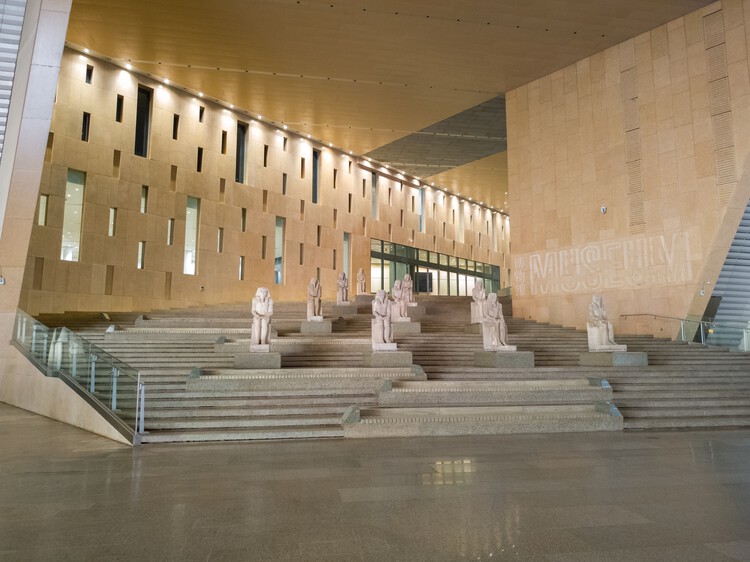
For a deeper breakdown of overall spending during your cheap trip in Egypt, see our detailed guide on Egypt trip cost in 2026.

How Much Does a Cheap Trip to Egypt Cost?

The total Egypt trip cost for a cheap trip in Egypt depends heavily on your travel style. A backpacker sleeping in hostels and using public transport will spend far less than a mid-range traveler seeking private rooms and guided day trips. Below is a realistic overview of what you can expect to spend per person, per day, excluding international flights.
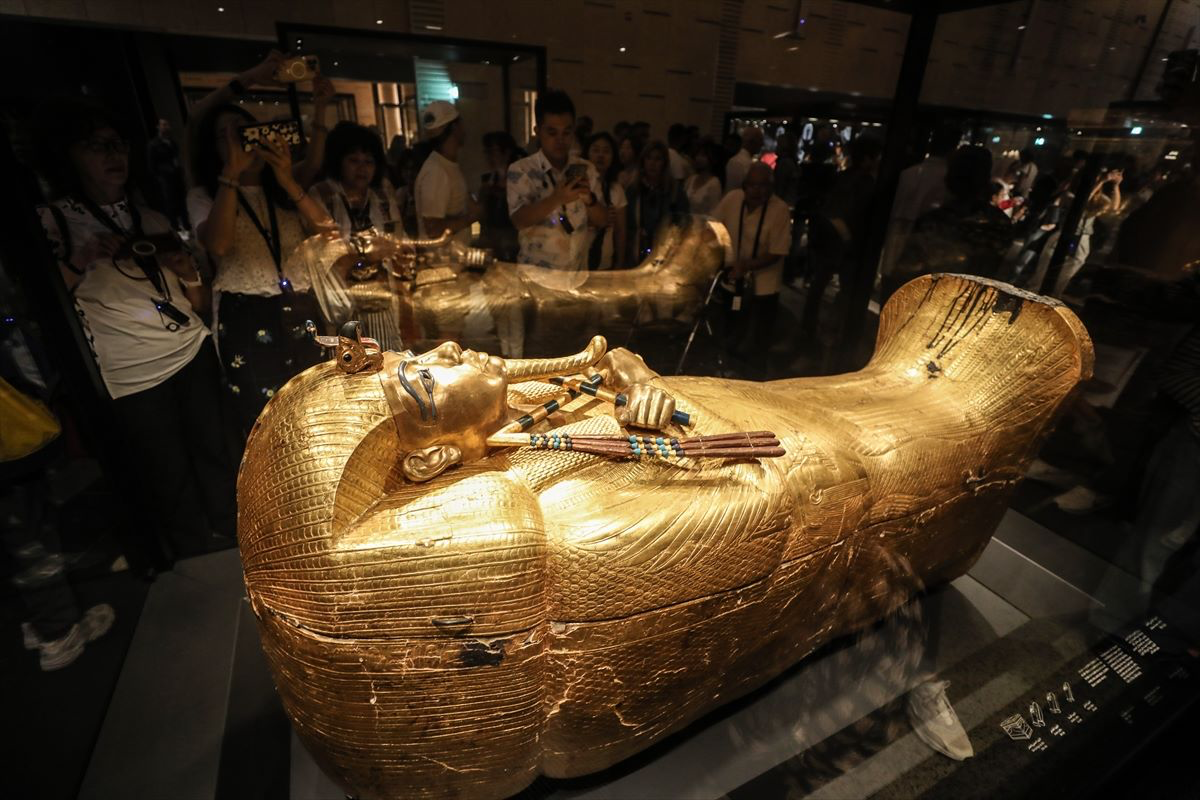
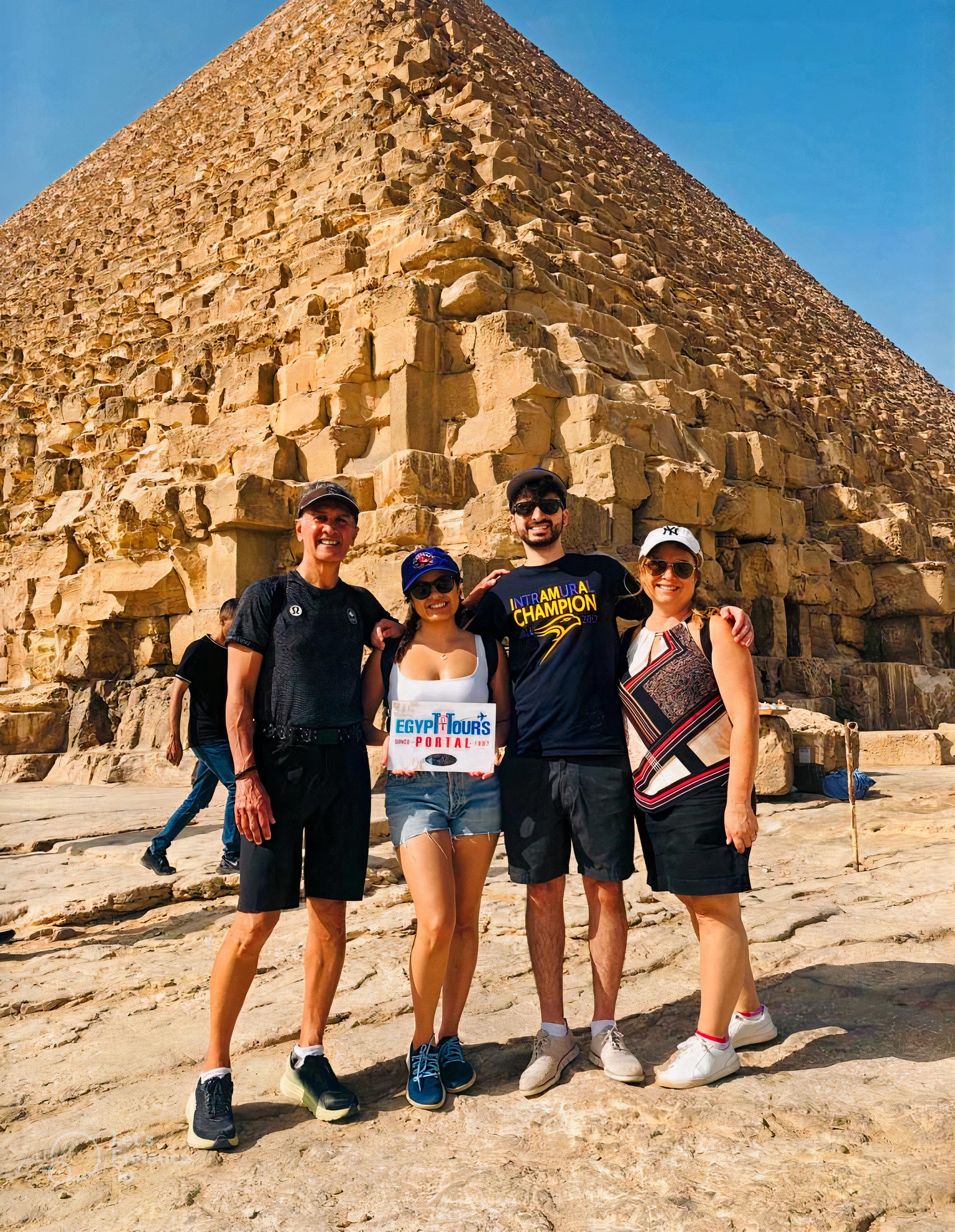
Estimated Costs by Travel Style for a Cheap Trip in Egypt

Expense CategoryBudget TravelerMid-Range TravelerLuxury Traveler
Accommodation (per night)$10 – $25$40 – $80$150 – $400
Food (per day)$5 – $10$15 – $30$50 – $100
Local Transportation (per day)$2 – $5$10 – $20$50 – $100
Activities & Entrance Fees (per day)$10 – $20$25 – $50$80 – $150
Estimated Daily Total$27 – $60$90 – $180$330 – $750

Note: Prices are approximate and based on 2026 exchange rates. Actual costs for a cheap trip in Egypt may vary depending on season, booking timing, and personal preferences.

A cheap Egypt vacation and a cheap trip in Egypt are absolutely achievable on $40 to $60 per day if you stay in budget accommodations, use local transport, and eat at Egyptian restaurants. For those who prefer a bit more comfort, mid-range options still offer excellent value compared to many other global destinations.

Cheapest Ways to Travel Around Egypt on a Cheap Trip in Egypt

Getting around Egypt does not have to be expensive during your cheap trip in Egypt. The country has a well-developed network of trains, buses, and domestic flights that cater to every budget.

Trains: The Budget Traveler's Best Friend on a Cheap Trip in Egypt

Egyptian National Railways operates comfortable sleeper and seated trains between Cairo, Luxor, and Aswan. A first-class seated ticket from Cairo to Luxor costs a fraction of what you would pay for a domestic flight, and the overnight sleeper train saves you a night's accommodation. Booking in advance through the official railway website or at the station is highly recommended for any cheap trip in Egypt.

Buses and Minibuses for a Cheap Trip in Egypt

For shorter distances, companies like Go Bus offer air-conditioned coaches between major cities at very low prices. Within cities, Uber and Careem are affordable alternatives to taxis, while Cairo's metro is the cheapest way to cross the capital quickly during your cheap trip in Egypt.

Domestic Flights During Your Cheap Trip in Egypt

If you are short on time, budget airlines like EgyptAir and Air Cairo offer competitive fares between Cairo, Luxor, Aswan, and Sharm El Sheikh. Booking two to three weeks in advance often unlocks the best rates for an affordable Egypt trip and a cheap trip in Egypt.

Egyptian train traveling along the Nile Valley for a cheap trip in Egypt
Train travel along the Nile is affordable, scenic, and comfortable for a cheap trip in Egypt.

Affordable Accommodation for a Cheap Trip in Egypt

Finding a place to sleep on a budget trip to Egypt and during a cheap trip in Egypt is easier than you might think. The country offers a wide range of lodging options that cater to travelers watching their spending.

  • Hostels: Major cities like Cairo and Luxor have clean, social hostels with dorm beds starting from $8 to $12 per night. Many include breakfast and rooftop terraces with pyramid or Nile views, making them perfect for a cheap trip in Egypt.
  • Budget Hotels: Local two- and three-star hotels offer private rooms with air conditioning and en-suite bathrooms for $15 to $30 per night. Look for properties in downtown Cairo or near the Luxor Corniche during your cheap trip in Egypt.
  • Guesthouses: In Aswan and along the Nile, family-run guesthouses provide authentic hospitality at very low rates. Nubian guesthouses on Elephantine Island are particularly popular among budget travelers on a cheap trip in Egypt.
  • Red Sea Resorts: In Hurghada, all-inclusive budget resorts can be surprisingly affordable during the low season, with weekly packages that include meals and pool access.

Choosing accommodation slightly outside the most expensive tourist zones — such as staying in Giza rather than Zamalek, or in East Bank Luxor rather than the immediate temple area — can cut your nightly rate by 30 to 50 percent without sacrificing convenience on your cheap trip in Egypt.

Cheap Food in Egypt: What to Eat on a Budget Trip in Egypt

Egyptian cuisine is not only delicious but also incredibly budget-friendly. Eating like a local is one of the best ways to stretch your money during a cheap trip in Egypt.

Must-Try Budget Meals on Your Cheap Trip in Egypt

  • Koshary: Egypt's national dish — a hearty mix of rice, lentils, pasta, and tomato sauce — costs around $1 to $2 at local joints during a cheap trip in Egypt.
  • Ful Medames: Slow-cooked fava beans served with bread and tahini. A filling breakfast for less than a dollar on your cheap trip in Egypt.
  • Falafel (Taameya): Crispy Egyptian falafel made from fava beans, perfect for a quick lunch on the go while enjoying a cheap trip in Egypt.
  • Shawarma: Widely available and satisfying, with chicken or beef wraps costing $1 to $3 during a cheap trip in Egypt.
  • Fresh Juice: Sugarcane, mango, and orange juices are sold at street stalls for pennies and offer a refreshing break from the heat on your cheap trip in Egypt.
Traditional Egyptian Koshary dish served during a cheap trip in Egypt
Koshary is Egypt's national dish and costs only $1–$2 — perfect for a cheap trip in Egypt.

Avoid hotel restaurants and tourist-area cafes where prices are inflated. Instead, follow the locals to small restaurants and street vendors. Not only will you save money, but you will also experience the authentic flavors that make Egypt travel on a budget and a cheap trip in Egypt so rewarding.

Cheap Things to Do in Cairo on a Cheap Trip in Egypt

Cairo is a paradise for budget travelers planning a cheap trip in Egypt. Many of the city's most memorable experiences cost little to nothing.

Start with a walk through Islamic Cairo, a UNESCO World Heritage area filled with medieval mosques, caravanserais, and winding alleyways. The Khan El Khalili bazaar is free to explore and offers endless photo opportunities. For a small fee, you can climb to the roof of the Bab Zuweila gate for panoramic views of the old city during your cheap trip in Egypt.

The Egyptian Museum in Tahrir Square remains one of the world's great museums, with an entrance fee that is remarkably low by international standards. While the Grand Egyptian Museum near Giza offers a more modern experience, budget travelers can still enjoy Cairo's rich museum scene without spending much on a cheap trip in Egypt.

For current pricing on guided experiences, check our overview of Cairo and Giza day trip prices.

Colorful traditional lanterns at Khan El Khalili bazaar in Cairo for a cheap trip in Egypt
Khan El Khalili bazaar is free to explore and one of Cairo's most atmospheric experiences on a cheap trip in Egypt.

Affordable Ways to Visit the Pyramids of Giza on a Cheap Trip in Egypt

No cheap Egypt trip or cheap trip in Egypt is complete without standing before the Great Pyramid of Giza. The good news is that visiting the pyramids is one of the most affordable major attractions in the world.

General admission to the Giza Plateau is budget-friendly, and the site is easily reachable by public bus or Uber from central Cairo. To save even more during your cheap trip in Egypt, avoid the overpriced camel rides offered directly outside the gate and instead negotiate a short ride further inside the plateau where prices are lower.

For travelers who want a guided experience without the luxury price tag, joining a small-group day tour can be a smart compromise. You get expert commentary and hassle-free transport while sharing costs with other travelers. See our Pyramids and Cairo tour prices for a range of options.

If you prefer to explore independently on your cheap trip in Egypt, arrive early in the morning to beat the crowds and the heat. Bring your own water and snacks, as on-site vendors charge tourist premiums.

Budget-Friendly Things to Do in Luxor on a Cheap Trip in Egypt

Luxor is often called the world's greatest open-air museum, and many of its wonders are surprisingly accessible on a budget during a cheap trip in Egypt.

The Luxor Temple is beautifully lit at night and located right in the city center, making it easy to visit on foot from downtown accommodations. The Karnak Temple Complex, one of the largest religious complexes ever built, offers hours of exploration for a modest entrance fee. Walking or cycling along the West Bank cornice costs nothing and provides stunning views of the Nile during your cheap trip in Egypt.

For an affordable guided experience on your cheap trip in Egypt, consider hiring a local freelance guide at the temple gates rather than booking through a hotel. Always verify credentials and agree on a price beforehand. You can also find excellent value in our range of Egypt tours that include Luxor.

Affordable Egypt Experiences in Aswan on a Cheap Trip in Egypt

Aswan moves at a slower pace than Cairo or Luxor, and its relaxed atmosphere makes it ideal for budget travelers seeking authentic experiences during a cheap trip in Egypt.

A public ferry to Elephantine Island costs mere cents and offers a glimpse into Nubian village life. The Aswan Botanical Garden on Kitchener's Island is an affordable half-day escape filled with exotic plants and peaceful walking paths. Watching the sunset from the Old Cataract Hotel terrace — without staying there — is a well-known budget hack for a cheap trip in Egypt.

For those considering a Nile cruise, a 4-day Nile cruise between Luxor and Aswan can be surprisingly affordable when booked as part of a package deal, often costing less than arranging transport and hotels separately during a cheap trip in Egypt.

Traditional felucca sailboat on the Nile River in Aswan during a cheap trip in Egypt
A felucca ride on the Nile at sunset is one of Aswan's most affordable and magical experiences on a cheap trip in Egypt.

How to Enjoy the Red Sea on a Budget During a Cheap Trip in Egypt

The Red Sea is not just for luxury resort guests. Hurghada and Sharm El Sheikh both offer plenty of cheap places to visit in Egypt for beach and marine lovers on a cheap trip in Egypt.

Budget travelers can stay in hostels or small hotels in El Dahar, Hurghada's old town, where room rates are significantly lower than in the modern resort strips. Public beaches are free or charge a nominal entrance fee, and local dive shops offer introductory scuba experiences at a fraction of international prices during a cheap trip in Egypt.

Snorkeling trips to Giftun Island or Ras Mohammed can often be booked directly at the marina for less than through hotel concierges. For a complete affordable beach holiday, explore our Hurghada Red Sea holiday packages.

Cheap Egypt Trip Itinerary: Planning Your Cheap Trip in Egypt

Planning a budget Egypt itinerary and a cheap trip in Egypt is all about balancing must-see sights with smart logistics. Here is a sample 10-day route that covers the highlights without breaking the bank.

Sample 10-Day Budget Itinerary for a Cheap Trip in Egypt

  1. Days 1–3: Cairo — Explore Islamic Cairo, visit the Egyptian Museum, and spend a full day at the Giza Plateau during your cheap trip in Egypt.
  2. Day 4: Giza & Saqqara — Take a budget day trip to Saqqara and Memphis. See our Giza, Saqqara, and Memphis tour for affordable options.
  3. Days 5–6: Luxor — Travel by sleeper train. Visit Karnak and Luxor temples, plus the West Bank tombs on your cheap trip in Egypt.
  4. Days 7–8: Aswan — Relax by the Nile, visit the Nubian villages, and take a felucca ride during your cheap trip in Egypt.
  5. Days 9–10: Hurghada — Unwind on the Red Sea. Snorkel, swim, and enjoy fresh seafood before your departure from your cheap trip in Egypt.

Estimated Daily Budget Breakdown for a Cheap Trip in Egypt

CategoryBudget OptionMid-Range OptionNotes
Accommodation$10 – $20$40 – $70Hostels / 3-star hotels
Food$5 – $10$15 – $25Local restaurants / hotel dining
Transportation$3 – $8$15 – $30Public transport / private transfers
Activities$8 – $15$20 – $40Entrance fees / guided tours
Estimated Daily Total$26 – $53$90 – $165Per person, excluding flights

Best Time to Visit Egypt for Lower Prices on a Cheap Trip in Egypt

Timing your affordable Egypt trip and cheap trip in Egypt correctly can save you hundreds of dollars. The peak season runs from December to February, when pleasant weather draws the largest crowds and highest prices.

The shoulder months of March, April, September, and October offer a sweet spot of manageable heat and lower hotel rates. If you can tolerate warmer temperatures, visiting between May and August unlocks the lowest prices of the year. Hotels in Luxor and Aswan often drop their rates by 40 to 60 percent during the summer months, making it an ideal time for a cheap trip in Egypt.

For a detailed month-by-month breakdown, read our guide on the best time to visit Egypt.

Explore Our Budget Egypt Packages for a Cheap Trip in Egypt

Let Egy Travel Lux handle the logistics while you enjoy the adventure. Our budget Egypt packages combine accommodation, transport, and guided tours at prices designed for smart travelers planning a cheap trip in Egypt.

View Budget Packages

How to Save Money on a Cheap Trip in Egypt

Small decisions add up to big savings on your cheap trip in Egypt. Here are proven strategies for keeping your Egypt trip cost low without compromising on experiences:

  • Travel in shoulder or low season. Hotel rates and tour prices drop significantly outside the December-to-February peak, making your cheap trip in Egypt even cheaper.
  • Book domestic transport early. Train and flight prices rise closer to the departure date. Secure your seats at least two weeks ahead for a cheap trip in Egypt.
  • Eat where locals eat. Street food and small family restaurants offer the best value and often the best flavor during a cheap trip in Egypt.
  • Use public transportation. Cairo's metro and local buses are safe, efficient, and incredibly cheap for a cheap trip in Egypt.
  • Compare tour options. Get quotes from multiple providers. Reputable local operators like Egy Travel Lux often beat international agency prices for a cheap trip in Egypt.
  • Stay outside tourist hubs. A hotel ten minutes from the pyramids costs far less than one with a direct view on your cheap trip in Egypt.
  • Combine attractions in one day. Group nearby sites to save on repeated transport costs during a cheap trip in Egypt.
  • Avoid unnecessary tourist markups. Buy water and snacks at supermarkets rather than from vendors at archaeological sites on your cheap trip in Egypt.
  • Understand what is included. Always check whether entrance fees, meals, and tips are included in your tour price for a cheap trip in Egypt.
  • Carry small bills. Having exact change prevents overpaying for small purchases and tips during a cheap trip in Egypt.

For travelers who prefer a structured experience, our Egypt vacation packages bundle everything together at a lower total cost than booking each element separately for your cheap trip in Egypt.

Cheap Trip in Egypt: Private vs Group Tours

One of the biggest decisions when planning a cheap trip to Egypt and a cheap trip in Egypt is whether to join a group tour or arrange a private experience.

FactorGroup TourPrivate Budget Tour
Price per personLower upfront costHigher base price, but flexible
Itinerary controlFixed scheduleFully customizable
Guide attentionShared among 10–20 peopleDedicated to your group
Transport qualityStandard bus or vanPrivate air-conditioned vehicle
Best forSolo travelers, tight budgetsFamilies, couples, specific interests

Group tours are excellent for meeting fellow travelers and minimizing costs. However, a private budget tour can be surprisingly affordable when split among two or more people, and it allows you to focus on the sites that interest you most. Egy Travel Lux offers both options, ensuring every traveler finds the right fit for their cheap trip in Egypt.

What Is Included in a Budget Egypt Tour for a Cheap Trip in Egypt?

When booking an affordable Egypt tour for a cheap trip in Egypt, it is important to know exactly what you are paying for. Budget tours vary widely, so read the inclusions carefully.

Typically Included on a Cheap Trip in Egypt

  • Airport transfers upon arrival and departure
  • Accommodation in budget or three-star hotels
  • Daily breakfast, and sometimes additional meals
  • Private or shared air-conditioned transport between cities
  • Licensed English-speaking guide for major sites
  • Entrance fees to listed attractions

Often Excluded on a Cheap Trip in Egypt

  • International flights to and from Egypt
  • Travel insurance
  • Meals not specified in the itinerary
  • Optional activities like hot air balloon rides or scuba diving
  • Gratuities for guides, drivers, and hotel staff
  • Personal expenses and shopping

Always confirm whether entrance fees to major sites like the Valley of the Kings or the Giza Plateau are included, as these can add up quickly if paid separately on your cheap trip in Egypt.

Estimated Costs by Destination for a Cheap Trip in Egypt

Your daily spending will vary depending on where you are in Egypt during your cheap trip in Egypt. Here is a rough guide to help you plan:

DestinationBudget per DayMain ExpensesMoney-Saving Tip
Cairo$30 – $60Museums, pyramids, transportUse the metro and eat downtown
Luxor$25 – $55West Bank tombs, Karnak, guidesWalk between East Bank temples
Aswan$25 – $50Nubian villages, felucca, botanical gardenTake the public ferry to Elephantine
Hurghada$30 – $70Snorkeling, diving, beach accessBook boat trips at the marina directly
Sharm El Sheikh$35 – $75Marine park fees, diving, excursionsStay in Naama Bay for walkable options

Prices are approximate per person per day and exclude international flights. Actual costs for a cheap trip in Egypt depend on season and personal choices.

Who Is a Cheap Egypt Trip Best For?

A cheap trip in Egypt is not just for backpackers. It suits a surprisingly wide range of travelers:

  • Solo Travelers: Egypt is increasingly popular with solo adventurers who appreciate the low cost of meeting people in hostels and joining group day trips during a cheap trip in Egypt.
  • Students and Young Professionals: With limited vacation time and tight budgets, younger travelers can see an incredible amount in just one or two weeks on a cheap trip in Egypt.
  • Families: A budget trip to Egypt and a cheap trip in Egypt allows families to introduce their children to world history without the expense of a luxury tour. Many budget hotels offer family rooms.
  • Long-Term Travelers: Those on extended journeys through Africa, the Middle East, or Europe find Egypt to be a cost-effective highlight.
  • Repeat Visitors: Travelers returning to Egypt for a second or third time often prefer a lighter, more independent approach focused on specific regions during a cheap trip in Egypt.

For official travel advice and entry requirements, consult the Egyptian Tourism Authority.

FAQs About Cheap Trips to Egypt

How much does a cheap trip to Egypt cost?

A cheap trip to Egypt and a cheap trip in Egypt can cost as little as $27 to $60 per person per day, excluding international flights. This covers budget accommodation, local food, public transport, and entrance fees to major sites. A two-week budget trip typically ranges from $800 to $1,500 total per person.

Is Egypt cheap to visit?

Yes, Egypt is one of the most affordable major tourist destinations in the world. Thanks to favorable exchange rates and low local costs, travelers from Europe, North America, and the Gulf can enjoy world-class attractions at a fraction of what they would pay elsewhere on a cheap trip in Egypt.

How much money do I need per day in Egypt?

Budget travelers can get by on $30 to $50 per day during a cheap trip in Egypt. Mid-range travelers should plan for $90 to $150 per day. These figures include accommodation, meals, local transport, and activities. Luxury travelers can expect to spend $300 or more daily.

What is the cheapest month to visit Egypt?

The cheapest months are typically June, July, and August, when summer heat keeps many tourists away. Hotel rates in Luxor, Aswan, and the Red Sea drop significantly during this period, making it ideal for a cheap trip in Egypt. May and September also offer good value with more tolerable temperatures.

How can I travel Egypt on a budget?

Travel during the low season, stay in local guesthouses or hostels, eat at Egyptian restaurants, use public transport, and book attractions directly or through reputable local operators. Combining nearby sites into single days also reduces transport costs on a cheap trip in Egypt.

Is Cairo expensive for tourists?

Cairo is very affordable for tourists compared to most global capitals. A meal at a local restaurant costs $2 to $5, metro rides are under $0.20, and major attractions like the Egyptian Museum have modest entrance fees. Costs rise only if you stick exclusively to international hotels and tourist restaurants during your cheap trip in Egypt.

How much does a budget Egypt tour cost?

Budget group tours typically start from $50 to $80 per person per day, including accommodation, transport, guides, and some meals. Private budget tours cost more but offer greater flexibility. Check our budget Egypt packages for current deals on a cheap trip in Egypt.

What are the cheapest places to visit in Egypt?

Cairo, Luxor, and Aswan offer the best value for history lovers, with low entrance fees and affordable food. For beach seekers, Hurghada provides cheaper accommodation and activities than Sharm El Sheikh. Dahab on the Sinai Peninsula is another excellent budget destination for a cheap trip in Egypt.

Can I visit the pyramids on a budget?

Absolutely. The Giza Plateau entrance fee is very reasonable by international standards. You can reach the site by public bus or Uber from Cairo, and exploring independently costs nothing beyond the ticket. Guided day tours are also available at budget-friendly rates for a cheap trip in Egypt.

Is Egypt cheaper than other popular tourist destinations?

Yes. Egypt is significantly cheaper than destinations like Italy, Greece, Japan, or the Maldives. A mid-range day in Egypt often costs less than a budget day in Western Europe. This makes it an ideal choice for travelers seeking maximum cultural impact per dollar on a cheap trip in Egypt.

Are budget hotels in Egypt safe?

Yes, provided you choose reputable properties with good reviews. Many budget hotels in Cairo, Luxor, and Aswan are clean, secure, and staffed by helpful teams. Always check recent traveler reviews and confirm that the property has 24-hour reception and secure luggage storage for your cheap trip in Egypt.

Should I book tours in advance or on arrival for a cheap trip in Egypt?

Booking in advance is generally recommended for popular experiences like Nile cruises and pyramid tours, especially during peak season. However, last-minute deals can sometimes be found on arrival, particularly in the low season. For guaranteed availability and better rates, advance booking is safer for a cheap trip in Egypt.

Explore More Egypt Travel Experiences for Your Cheap Trip in Egypt

If you are planning a cheap trip in Egypt, you may also find these resources helpful:

For more inspiration, visit the official Egyptian tourism portal or explore Egypt's incredible heritage through the UNESCO World Heritage Centre.

Start Planning Your Affordable Egypt Adventure and Cheap Trip in Egypt

Ready to turn your dream of a cheap trip in Egypt into reality? Browse our handpicked selection of budget-friendly tours and packages designed by local experts. A cheap trip in Egypt with Egy Travel Lux means unforgettable memories at unbeatable value.

Explore All Egypt Tours