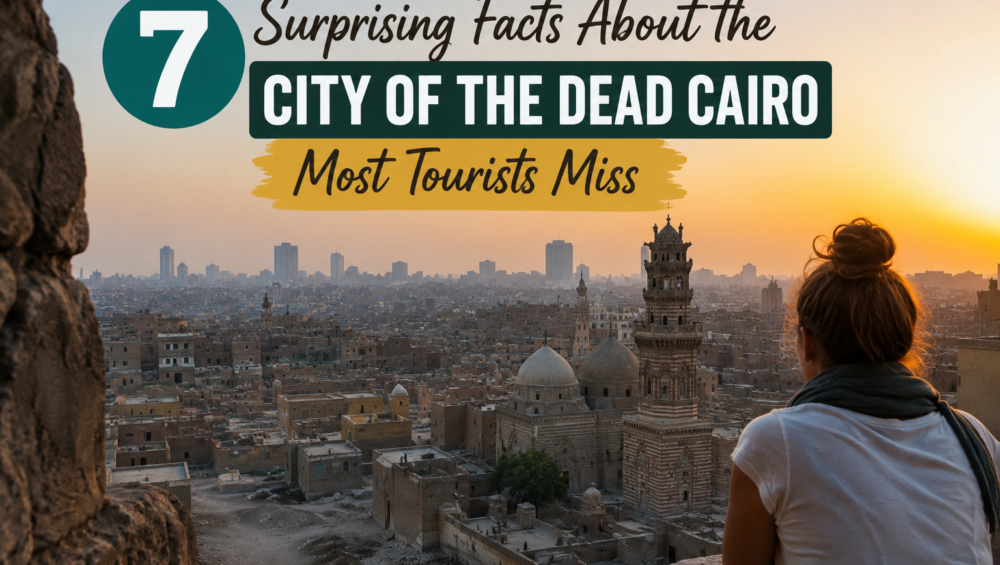
City of the Dead Cairo historic district at sunset with Islamic architecture and Cairo skyline

7 Surprising Facts About the City of the Dead Cairo Most Tourists Miss

Egy Travel Lux Experience

City of the Dead Cairo: An Authentic Night Walking Tour & Nile Dinner Cruise

Explore Al Qarafa after dark—where medieval Islamic architecture meets everyday Egyptian life, then sail the Nile under the stars.

Quick Facts
Location Eastern Cairo, Egypt
Experience Type Private Walking & Evening Tour
Best Time Evening / Night
Duration 8 Hours
Tour Style Private Guided Experience
Includes Transport, Guide, Dinner Cruise

There are places that reveal themselves only after sunset. The City of the Dead Cairo is one of them. Stretching across the eastern edge of Egypt's capital, this extraordinary district—known locally as Al Qarafa—is far more than a cemetery. It is a living, breathing quarter where medieval Islamic architecture stands shoulder to shoulder with everyday Egyptian life. For travelers seeking authentic Cairo experiences away from the well-trodden pyramids circuit, a City of the Dead Cairo walking tour offers something genuinely rare: a chance to walk through centuries of history while witnessing a community that has made its home among the monuments of the past.

In this guide, you will learn what makes this Cairo necropolis one of the most fascinating urban landscapes in the world, what to expect from an evening visit, how to combine it with the highlights of Islamic Cairo, and why ending your night with a Nile dinner cruise creates a perfect contrast between old and new.

What Is the City of the Dead Cairo?

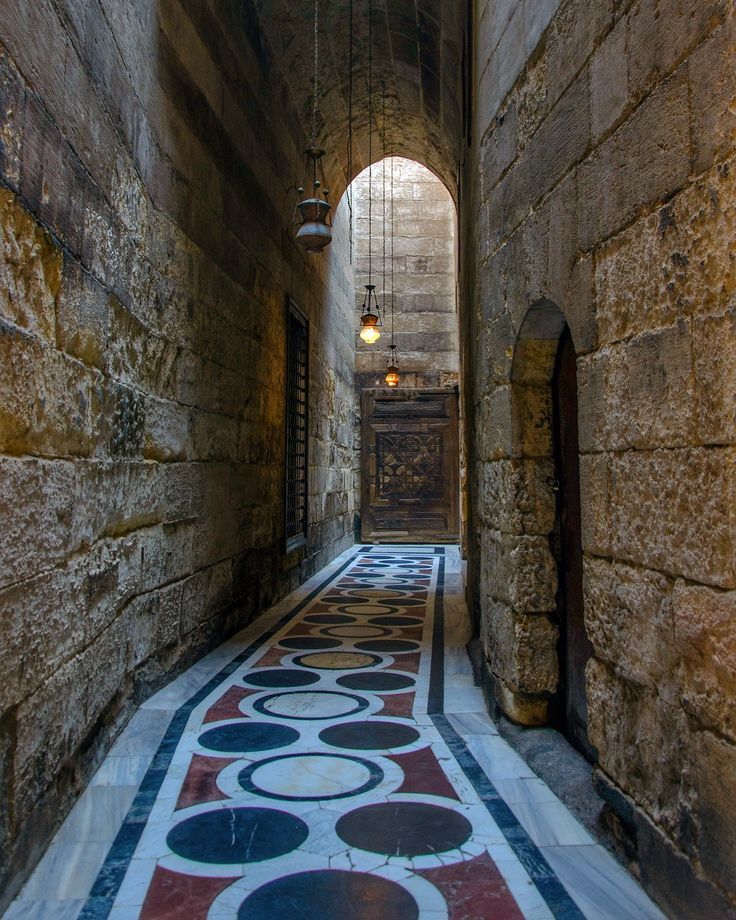
City of the Dead Cairo historic mosque and Islamic architecture
Historic architecture gives the City of the Dead Cairo its distinctive character.

The City of the Dead in Cairo, or Al Qarafa, is a vast historic district composed of centuries-old cemeteries that have evolved into a functioning urban neighborhood. Spanning roughly four miles, this area contains some of the finest examples of Mamluk and Ottoman funerary architecture in the Islamic world. What sets it apart from any ordinary graveyard is that it is also home to a living population—families, artisans, shopkeepers, and children—who have resided here for generations.

For visitors, this duality is what makes the experience so powerful. You are not simply touring a Cairo cemetery city; you are observing a unique social ecosystem where the past and present coexist. The tombs of sultans and scholars have become the walls of homes, the courtyards of mosques serve as gathering places, and the narrow lanes function as everyday streets. It is one of the most compelling examples of historic Cairo you can explore.

Ready to experience this remarkable district for yourself? Explore our private City of the Dead Cairo walking tour and Nile dinner cruise with Egy Travel Lux, a licensed Egyptian travel company established in 1983.

Book Your Private Tour

Where Is the City of the Dead in Cairo?

Al Qarafa lies to the east of central Cairo, stretching from the foot of the Muqattam Hills toward the historic core of the city. It is divided into two main sections: the Northern Cemetery and the Southern Cemetery, with the Salah Salem Road roughly marking the boundary between them. The area sits adjacent to other major landmarks of Islamic Cairo, which makes it easy to combine with visits to Muizz Street Cairo, the Khan El Khalili bazaar, and the mosques of the old city.

Because the district is expansive and its street network can be disorienting, arriving with a knowledgeable guide and private transport is highly recommended. The entrance points are not always obvious to first-time visitors, and the most architecturally significant sections are best reached on foot once you are inside.

The History of Cairo's City of the Dead

The origins of the City of the Dead Egypt date back more than 1,300 years. What began as burial grounds outside the medieval city walls gradually expanded as successive dynasties—Fatimid, Ayyubid, Mamluk, and Ottoman—built increasingly elaborate mausoleums, mosques, and religious complexes for their elite. These were not modest graves but monumental statements of power and piety, constructed by the finest architects and artisans of their eras.

Over centuries, the cemeteries grew into a recognized part of the urban fabric. During periods of population pressure and housing shortages, particularly in the twentieth century, families began settling among the tombs. Rather than displacing the dead, they adapted the existing structures—living in the caretaker quarters of mausoleums, opening small shops in vaulted chambers, and establishing schools and workshops within the historic enclosures. Today, the Cairo necropolis stands as a UNESCO-recognized component of the Historic Cairo UNESCO World Heritage Site, protected for its extraordinary concentration of medieval Islamic monuments.

Is the City of the Dead Really a Cemetery?

Yes and no. While the City of the Dead Cairo remains an active burial ground and contains countless tombs, it functions simultaneously as a residential and commercial district. This is what distinguishes it from cemeteries almost anywhere else in the world. You will see laundry hanging between domed shrines, children playing in courtyards built for fourteenth-century sultans, and cafés serving tea beneath carved stone archways.

It is essential to approach this reality with cultural sensitivity. The residents of Al Qarafa are not curiosities; they are Egyptians carrying on their lives in a space that has served both the living and the dead for over a millennium. A respectful visitor observes, asks questions gently, and understands that this is a neighborhood first and a tourist destination second. The experience is not about spectacle—it is about understanding a different way of urban life.

What Can You See on a City of the Dead Cairo Walking Tour?

A City of the Dead Cairo walking tour reveals layers of history, architecture, and contemporary culture that are invisible from the outside. Here is what you can expect to encounter:

Historic Mausoleums and Islamic Architecture

The architectural heritage of Al Qarafa is extraordinary. You will walk past richly decorated mausoleums showcasing the finest Islamic design—ribbed domes, intricately carved stonework, marble paneling, and soaring minarets. Many of these structures were built for Mamluk sultans, religious scholars, and wealthy patrons who wished to be remembered in stone. The craftsmanship rivals anything you will see in the more famous monuments of Islamic Cairo, yet here you encounter it in a more intimate, less crowded setting.

Daily Life in the Necropolis

As you move through the district, you will witness the rhythms of daily life that make this place so unique. Small workshops produce traditional goods, corner shops sell groceries and household items, and neighbors gather for evening conversation. This is not a staged cultural performance; it is the genuine texture of authentic Cairo experiences. Observing life in the Cairo cemetery city offers a perspective on Egyptian society that no museum or monument can replicate.

Streets, Alleys and Local Atmosphere

The streetscape of Al Qarafa is unlike anywhere else in Cairo. Narrow lanes wind between domed structures, opening unexpectedly into small squares or courtyard mosques. The lighting at night—warm, uneven, and atmospheric—casts long shadows across centuries-old stone. The sounds are those of any Cairo neighborhood: the call to prayer, the murmur of conversation, the clatter of cooking. It is Cairo off the beaten path in the truest sense.

What to See Near the City of the Dead
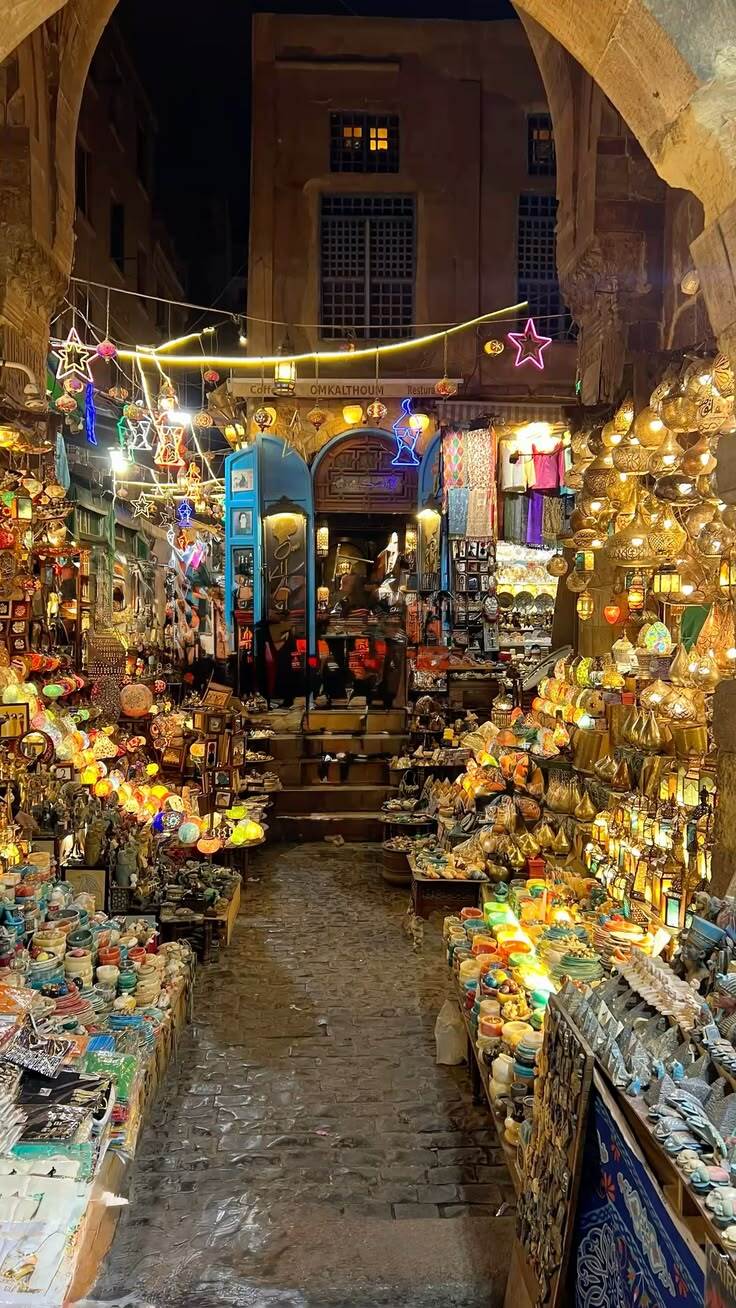
City of the Dead Cairo walking tour near Khan El-Khalili Bazaar
Khan El-Khalili adds a lively market experience to a City of the Dead Cairo walking tour.

One of the great advantages of visiting Al Qarafa is its proximity to other essential Cairo tours and landmarks. An evening exploration naturally flows into the surrounding historic district. Travelers who want to continue exploring the city can also consider an Old Cairo tour for a broader look at its historic quarters.

Muizz Street

Al-Muizz li-Din Allah Street is the spine of medieval Cairo and one of the greatest open-air museums of Islamic architecture in the world. Lined with mosques, madrasas, palaces, and caravanserais dating from the tenth to the nineteenth centuries, Muizz Street Cairo offers an unparalleled concentration of historic monuments.

Khan El-Khalili

No visit to Islamic Cairo is complete without wandering the alleys of Khan El Khalili, the city's most famous souk. Established in the fourteenth century, this labyrinthine bazaar remains a working market where you can find handwoven textiles, brassware, spices, and traditional jewelry.

Tahrir Square

The political and cultural heart of modern Egypt, Tahrir Square represents the contemporary counterpoint to the medieval quarters. An evening stroll here allows you to observe the daily life of Cairenes against a backdrop of classical twentieth-century architecture.

Cairo Tower

Rising 187 meters above Gezira Island, the Cairo Tower offers a panoramic view that puts everything into perspective—from the City of the Dead in the east to the pyramids on the western horizon.

Nile Corniche

The Corniche, Cairo's riverside promenade, comes alive at night. A walking tour along the Nile offers a cooling breeze, views of feluccas gliding on dark water, and the illuminated facades of luxury hotels and historic buildings. It serves as a natural transition between the intensity of the old city and the relaxed elegance of your evening finale.

Nile Dinner Cruise

Ending your night on a Nile dinner cruise is the perfect way to absorb the day's impressions. Aboard a beautifully decorated vessel, you will enjoy a buffet of Egyptian and international cuisine while live music and traditional oriental shows create a festive atmosphere. Looking out at the lights of Cairo reflecting on the water, you gain a sense of the city's scale and continuity. Travelers interested in extending their evening with traditional performance can also consider a Tanoura show in Cairo.

Want to see Cairo illuminated after dark? Our Cairo by Night Tour combines the city's most atmospheric evening experiences into one unforgettable journey.

Explore Cairo by Night

City of the Dead Cairo at Night: What to Expect
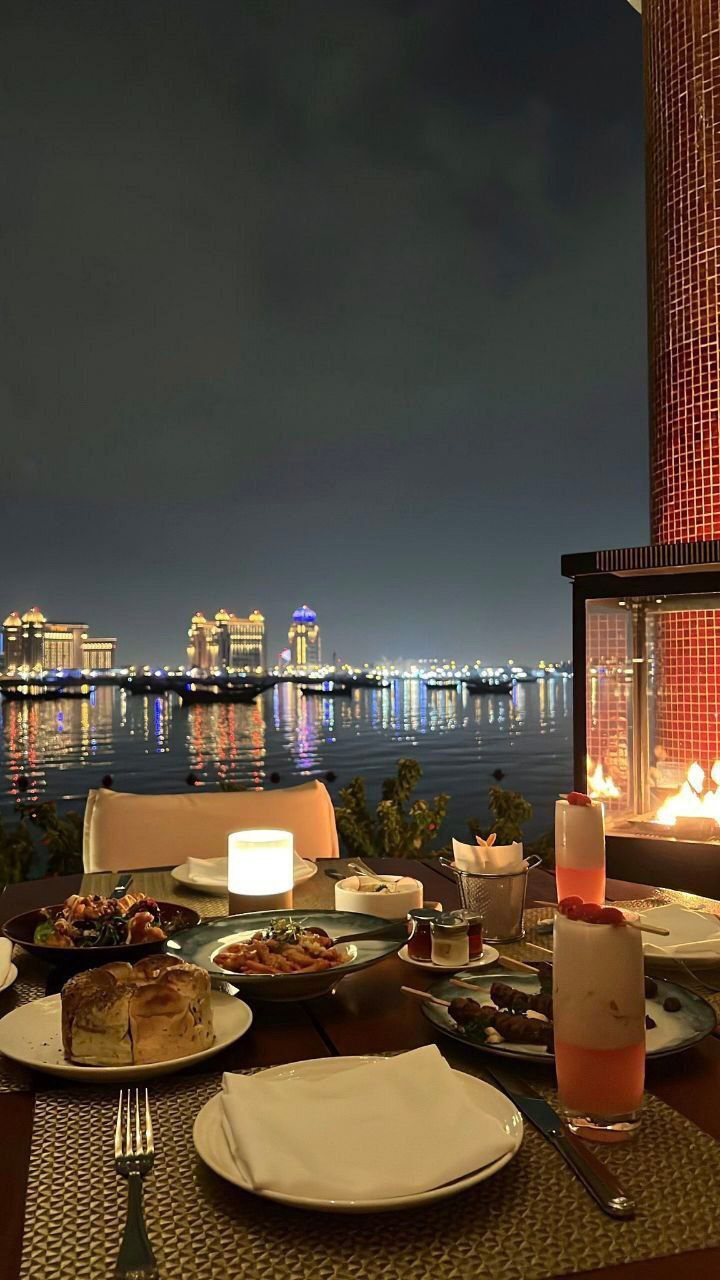
City of the Dead Cairo evening streets and traditional Egyptian atmosphere
Evening light creates a memorable atmosphere around the City of the Dead Cairo.

Visiting the City of the Dead Cairo at night is a qualitatively different experience from a daytime excursion. The heat of the day dissipates, the light softens into amber and shadow, and the district takes on an atmosphere of quiet solemnity mixed with everyday domesticity. Families sit outside their homes, the call to prayer echoes between stone walls, and the monuments reveal themselves in dramatic chiaroscuro.

There is nothing frightening about the experience. The area is populated, active, and familiar to its residents. What you feel is not fear but a profound sense of temporal depth—of standing in a place where human memory extends backward for centuries and forward into the lives of those who still call it home. For travelers interested in things to do in Cairo at night that go beyond restaurants and hotels, an evening walk through Al Qarafa offers genuine depth.

Is the City of the Dead Safe to Visit?

The City of the Dead is a residential neighborhood, and like any part of Cairo, it benefits from local knowledge and common-sense awareness. The area is not dangerous, but it is complex. Its maze-like layout, limited signage, and lack of tourist infrastructure mean that independent visitors can easily become disoriented or inadvertently intrude on private spaces.

This is why a private guided experience is strongly recommended. A licensed Egyptian guide knows the respectful routes, can introduce you to local context without causing offense, and ensures that you navigate the area efficiently. Traveling with a reputable operator like Egy Travel Lux, which has been crafting Egypt travel packages since 1983, provides both security and cultural fluency.

What Should You Wear for a City of the Dead Walking Tour?

What to Wear & Bring
  • Modest clothing covering shoulders and knees
  • Sturdy, comfortable walking shoes for uneven stone surfaces
  • A light jacket for cooler evenings, especially in winter
  • A small backpack with water and a camera
  • A scarf for women (useful for mosques and traditional areas)
  • Sun protection if arriving before sunset

How Long Do You Need?

A meaningful City of the Dead Cairo walking tour requires at least 60 to 90 minutes of exploration within the district itself. However, the experience is best appreciated as part of a broader evening itinerary that includes Muizz Street Cairo, Khan El Khalili, and the Nile dinner cruise. A well-paced private tour typically spans five to seven hours from hotel pickup to drop-off, allowing you to absorb each location without rushing.

Best Way to Experience the City of the Dead

The best way to experience Al Qarafa is slowly, respectfully, and with expert guidance. Independent travel here is possible but not ideal—the area's complexity rewards local knowledge, and a guide provides the historical narrative that transforms a walk through tombs into a meaningful encounter with Cairo's past and present.

We recommend booking a private evening tour that combines the City of the Dead with the surrounding highlights of historic Cairo. This approach allows you to see the district in its natural evening context, when the atmosphere is most evocative and the temperature most comfortable. Visitors building a longer Cairo itinerary can also add a Grand Egyptian Museum Tour on another day.

City of the Dead Cairo Walking Tour Itinerary
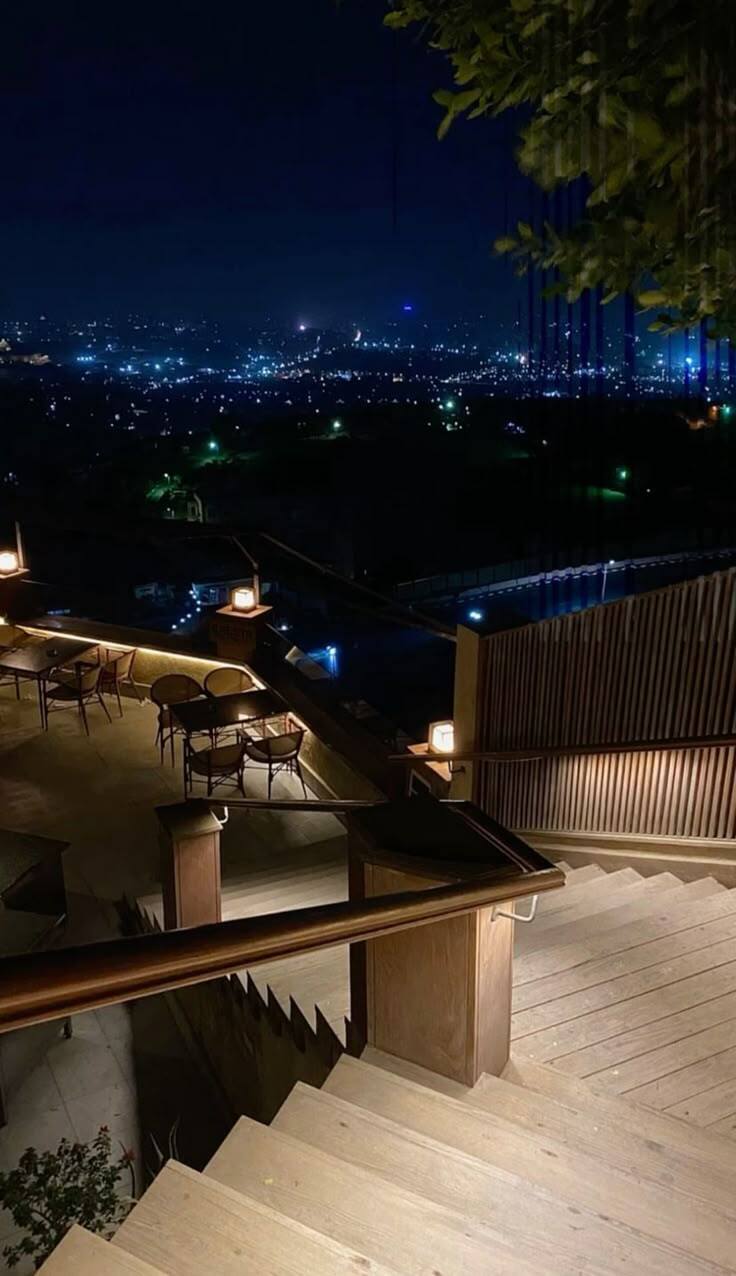
City of the Dead Cairo and historic Cairo skyline at night
A wider view of Cairo helps place the City of the Dead within the capital’s historic and modern landscape.

Based on the established Egy Travel Lux experience, here is how a typical evening unfolds:

1

Evening Hotel Pickup

Your private guide and air-conditioned vehicle collect you from your Cairo hotel. Bottled water is provided, and your guide outlines the evening's journey.

2

City of the Dead Walking Experience

You arrive at Al Qarafa and begin a guided walk through the historic necropolis. Your guide introduces the architecture, the history of the monuments, and the contemporary life of the community.

3

Muizz Street

From the City of the Dead, you proceed to Al-Muizz li-Din Allah Street, the grand avenue of medieval Islamic architecture spanning nearly a thousand years of history.

4

Khan El-Khalili

A short walk brings you to the famous bazaar, where you can explore the alleys, observe traditional crafts, and experience the commercial heart of Islamic Cairo.

5

Tahrir Square

You transition to modern Cairo with a visit to Tahrir Square, observing the political and social center of contemporary Egypt.

6

Cairo Tower

You ascend the Cairo Tower for a panoramic view of the city at night, gaining perspective on everything you have explored.

7

Nile Corniche

A leisurely walk along the Corniche allows you to enjoy the riverside atmosphere before boarding your cruise.

8

Nile Dinner Cruise

You embark on a luxurious Nile dinner cruise, enjoying a buffet dinner with Egyptian and international dishes, live music, and oriental shows. As the city lights shimmer across the water, the cruise provides a relaxed finale to an evening focused on Cairo's history, architecture, and everyday life.

Why Choose a Private Guided Cairo Walking Tour?

Because the City of the Dead is both a historic necropolis and a living neighborhood, the quality of the experience depends heavily on context. A private guide can explain the architecture and history while helping you move through the area respectfully and efficiently. Private transportation also makes it easier to connect Al Qarafa with other evening stops without spending valuable time arranging transfers between locations.

Why Travelers Choose a Private Experience
  • Private air-conditioned transportation throughout the experience
  • A knowledgeable private guide to explain the history and local context
  • Flexible pacing for your group
  • Easy access to multiple Cairo highlights in one evening
  • A respectful approach to visiting a living residential community
  • A memorable Nile dinner cruise to finish the evening

Looking for a deeper introduction to Cairo after dark? Plan a private evening experience with Egy Travel Lux and combine historic neighborhoods, local atmosphere, and the Nile in one carefully arranged itinerary.

Plan Your Cairo Evening

Frequently Asked Questions

What is the City of the Dead Cairo?
The City of the Dead Cairo, also known as Al Qarafa, is a historic necropolis that has developed into a living urban district. It contains centuries-old tombs, mausoleums, mosques, and other Islamic monuments alongside homes, workshops, shops, and everyday community life.
Why is it called the City of the Dead?
The name refers to the area's long history as a major burial ground containing extensive cemeteries and monumental mausoleums. Over time, the space also became home to generations of residents, so the modern district combines a historic cemetery landscape with an active neighborhood.
Where is the City of the Dead located in Cairo?
Al Qarafa lies in eastern Cairo near the historic Islamic districts and the Muqattam area. It is a large district rather than a single enclosed cemetery, with different sections and entrances.
Can tourists visit the City of the Dead?
Yes. Travelers can visit the historic parts of Al Qarafa, but they should remember that it is also a residential community. Visits should be conducted respectfully and with consideration for local residents, private spaces, and places of worship.
Is the City of the Dead safe to visit?
A visit should be approached like any urban sightseeing experience: remain aware of your surroundings, respect local residents, and avoid entering private areas. Traveling with a reputable local guide can make the experience more organized and culturally respectful.
Can you visit the City of the Dead at night?
An evening visit can be especially atmospheric because temperatures are generally more comfortable and the historic architecture takes on a different character under nighttime lighting. Visiting with a knowledgeable local guide is a practical way to enjoy the experience while respecting the community.
What can you see on a City of the Dead Cairo walking tour?
Depending on the route, you can see historic mausoleums, Islamic architectural details, narrow lanes, courtyards, and the everyday life of the neighborhood. An Egy Travel Lux evening itinerary also connects the City of the Dead with Muizz Street, Khan El-Khalili, Tahrir Square, Cairo Tower, the Nile Corniche, and a Nile dinner cruise.
How long does a City of the Dead tour take?
The complete Egy Travel Lux experience is an evening itinerary lasting about 8 hours from pickup to drop-off. It combines the City of the Dead with several major Cairo landmarks and finishes with a Nile dinner cruise.
What should I wear when visiting the City of the Dead?
Comfortable walking shoes are important because some surfaces may be uneven. Modest clothing that covers the shoulders and knees is also advisable, especially when the itinerary includes historic religious areas.
Can I combine the City of the Dead with Khan El-Khalili?
Yes. The City of the Dead can be combined with Khan El-Khalili as part of a broader historic Cairo itinerary. The contrast between the necropolis, medieval architecture, traditional market streets, and evening city life creates a more complete picture of Cairo.
Is Muizz Street near the City of the Dead?
Muizz Street is part of Cairo's historic core and can be included in an itinerary with Al Qarafa. Combining the locations with private transportation makes it easier to move between them during one evening.
Can I combine the walking tour with a Nile dinner cruise?
Yes. The established Egy Travel Lux experience combines the City of the Dead and other Cairo highlights with a Nile dinner cruise featuring a buffet dinner, live music, and oriental entertainment.
Should I hire a private guide?
A private guide is especially useful for first-time visitors because Al Qarafa is large, historically complex, and still functions as a neighborhood. A guide can explain architectural details, provide historical context, help with navigation, and support a respectful approach.
Is photography allowed in the City of the Dead?
Photography should be handled thoughtfully. Visitors should avoid photographing residents or private spaces without permission and can ask their guide when in doubt.
What is the best time to explore the City of the Dead?
An evening itinerary can be a comfortable choice, particularly when you want to combine the City of the Dead with Cairo's nighttime atmosphere. Visiting after sunset also creates a different visual experience of the historic monuments.

Final Thoughts

The City of the Dead Cairo is one of the capital's most unusual historic landscapes because it brings monumental architecture, burial traditions, and everyday community life into the same urban space. Rather than treating it as a conventional tourist attraction, the most rewarding approach is to explore it with curiosity, patience, and respect.

Combined with Muizz Street, Khan El-Khalili, Tahrir Square, Cairo Tower, the Nile Corniche, and a dinner cruise, the experience becomes a memorable introduction to both historic and modern Cairo. For travelers who want to go beyond the standard sightseeing route, this is an opportunity to see a more layered side of the city with the support of a local team.

Discover a Different Side of Cairo

Explore the City of the Dead with a private local guide, then finish your evening with the lights of Cairo reflected on the Nile.

Book Your City of the Dead Tour

For official tourism information, visit the Egypt Ministry of Tourism and Antiquities.
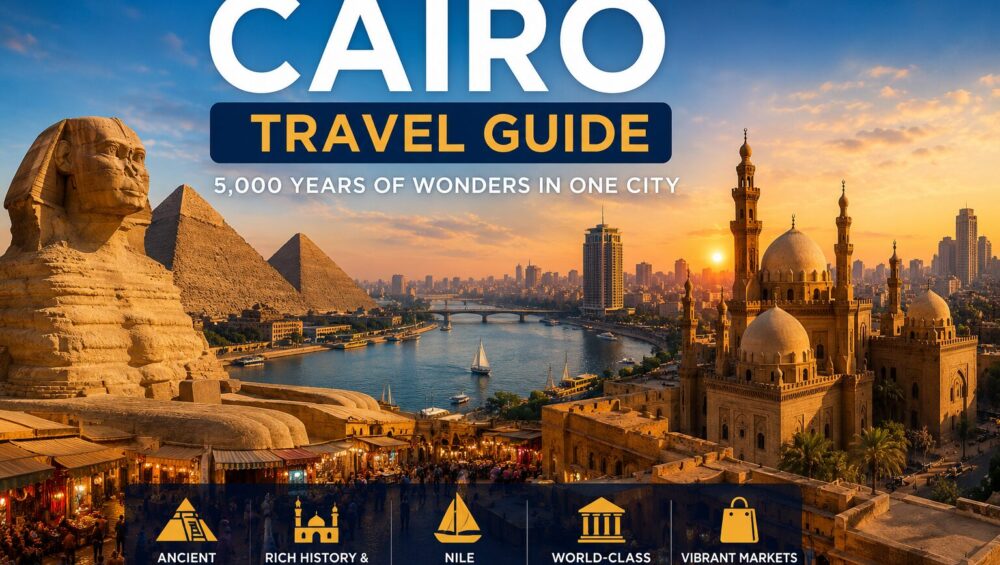
Cairo Travel Guide 2026 showcasing the Pyramids of Giza, the Great Sphinx, the Nile River, and Cairo skyline, highlighting the best places to visit and top attractions in Cairo, Egypt.

Cairo Travel Guide: 5,000 Years of Wonders and Majesty in One Capital City


Cairo Travel Guide 2026:
5,000 Years of Wonders in Cairo, Egypt

Your complete Cairo travel guide to Egypt’s timeless capital — from the Pyramids of Giza to the winding alleys of Khan el-Khalili in Cairo.

📍 Cairo, Egypt
⏱ 15 min read
🗓 Updated August 2026


⚡ Quick Answer: What Is Cairo?

Cairo is the capital of Egypt and the largest city in Africa and the Arab world. Founded in 969 CE by the Fatimid dynasty, this sprawling metropolis sits where the Nile Valley meets the Delta. Today, Cairo is home to over 22 million people and stands as one of the few places on Earth where ancient pyramids, medieval mosques, and modern boulevards coexist in daily life. For travelers planning a Cairo adventure, this Cairo travel guide covers everything you need to know about visiting Cairo.

Cairo Quick Facts

Item Details
Country Egypt
Population ~22 million (Greater Cairo)
Language Arabic (English widely spoken in tourist areas of Cairo)
Currency Egyptian Pound (EGP)
Airport Cairo International Airport (CAI)
Time Zone GMT+2 (EET)
Best Time to Visit Cairo October through April
Minimum Stay in Cairo 3–4 days
Cairo Famous For Pyramids of Giza, the Nile, Islamic architecture, Cairo museums

Why Visit Cairo?

Cairo is not just another capital city. Cairo is a living museum where 5,000 years of human history remain visible on every corner of Cairo. From standing before the last surviving Wonder of the Ancient World in Cairo to sipping mint tea in a 14th-century Cairo bazaar, Cairo delivers experiences that no other destination can replicate.

Unlike cities where history is sealed behind glass, Cairo weaves its past into the present. You can explore the Giza Pyramids in Cairo in the morning, walk medieval alleys in Cairo in the afternoon, and cruise the Nile in Cairo by sunset — all in a single day in Cairo. This Cairo travel guide will show you exactly how to explore Cairo.

Cairo Pyramids of Giza and Great Sphinx ancient wonders

The iconic Pyramids of Giza in Cairo — the crown jewels of any Cairo travel guide

Cairo at a Glance

  • Ancient Cairo: The Pyramids of Giza and Sphinx sit on Cairo’s western edge.
  • Medieval Cairo: Historic Islamic Cairo holds nearly 600 monuments and is a UNESCO World Heritage Site in Cairo.
  • Modern Cairo: Downtown Cairo features European-style boulevards, luxury hotels, and world-class dining in Cairo.
  • Spiritual Cairo: Coptic Cairo preserves some of Christianity’s oldest churches in Cairo.
  • Vibrant Cairo: The Nile Corniche, Zamalek Island, and Khan el-Khalili bazaar pulse with energy across Cairo day and night.

Interactive Map of Cairo

[Embed Google Map of Cairo Here]

The map above centers on Greater Cairo, showing key zones including the Giza Plateau to the west of Cairo, the Citadel and Islamic Cairo to the east, Coptic Cairo to the south, and Zamalek Island in the middle of the Nile in Cairo. Major Cairo hubs like Tahrir Square, Ramses Station, and Cairo International Airport connect these Cairo districts.

The Location and Geography of Cairo

Cairo sits in northern Egypt, roughly 165 kilometers south of the Mediterranean Sea and about 120 kilometers west of the Gulf of Suez. The city of Cairo occupies the exact point where the narrow Nile Valley widens into the fan-shaped Nile Delta. This strategic position has made Cairo Egypt’s political and commercial heart for centuries.

At only about 23 meters above sea level, Cairo is bordered by open desert to the east and west of Cairo. The Nile’s green corridor forms the only real break in the surrounding sand around Cairo. The city proper of Cairo covers about 453 square kilometers along the eastern bank of the Nile and its two Cairo islands, Zamalek and Roda. Greater Cairo, which includes Giza and New Cairo, sprawls far beyond that Cairo footprint.

The Origins of the Name Cairo

Cairo’s Arabic name, al-Qahirah, means “the Vanquisher” or “the Conqueror.” According to historical accounts about Cairo, the name honors the planet Mars, called “the Conquering Star” in Arabic, which was said to be rising as the Fatimids laid out the city of Cairo in 969 CE.

The city of Cairo was not named this immediately. Construction of Cairo began under the working name al-Mansuriyyah, and al-Qahirah was adopted once Cairo was complete. Egyptians today rarely use either Cairo name in daily speech, instead calling their capital simply Masr — the same Arabic word used for Egypt as a whole. The city of Cairo has also long carried the honorific Umm al-Dunya, “Mother of the World.”

A Brief History of Cairo

Before Cairo: Memphis, Babylon, and Fustat

Long before Cairo existed, the Nile’s west bank near Cairo held Memphis, capital of unified ancient Egypt roughly five thousand years ago. The city that would become Cairo took shape several kilometers to the northeast of ancient Memphis. In 641 CE, the Arab general Amr ibn al-As founded Fustat beside the Roman fortress of Babylon after the Muslim conquest of Egypt, laying the early foundations of what would become Cairo.

The Fatimid Founding of Cairo, 969 CE

Cairo as a distinct city was founded in 969 CE, when the Fatimid Caliph al-Mu’izz ordered his general Jawhar al-Siqilli to build a new fortified capital north of Fustat. Construction of Cairo took four years, and the city of Cairo quickly became the center of Fatimid power in Egypt and the Islamic world.

Ayyubid, Mamluk, and Ottoman Cairo

Under Saladin, the Cairo Citadel was begun in 1176, serving as Egypt’s government seat for nearly 700 years in Cairo. Cairo reached its medieval peak under the Mamluks (1250–1517), who filled Cairo with mosques, madrasas, and mausoleums. The Ottomans governed Cairo as a provincial capital until Muhammad Ali’s dynasty and British occupation from 1882 reshaped Cairo with European-style infrastructure.

Historic Cairo and UNESCO Recognition

In 1979, UNESCO inscribed Historic Islamic Cairo as a World Heritage Site, covering roughly 524 hectares of Cairo. The listing recognizes Cairo as one of the world’s oldest Islamic cities, preserving close to 600 monuments representing Fatimid, Ayyubid, Mamluk, and Ottoman dynasties in Cairo.

Learn more about UNESCO’s Historic Cairo World Heritage Site →

Cairo Al Azhar Mosque historic Islamic architecture and minarets in Cairo Egypt

Al-Azhar Mosque in Cairo — a cornerstone of Cairo’s Islamic heritage and one of the world’s oldest universities

The Neighborhoods and Districts of Cairo

Modern Cairo is not one city center but several Cairo districts, each shaped by a different era in Cairo history.

Islamic Cairo: The UNESCO-listed core of Cairo where the Fatimid, Ayyubid, and Mamluk city survives almost intact — narrow lanes, stone gates, and a skyline that earned Cairo its nickname, the “City of a Thousand Minarets.”

Coptic Cairo: Also called Old Cairo, this district sits on the site of the Roman fortress of Babylon in Cairo. It holds the Hanging Church, the Church of Saints Sergius and Bacchus, and the Ben Ezra Synagogue in Cairo.

Downtown Cairo: Laid out under Khedive Isma’il Pasha between 1863 and 1879 in a deliberately European style, with wide boulevards radiating from Tahrir Square in the heart of Cairo.

Zamalek & Garden City: Leafy, villa-lined districts on Gezira Island and along the Nile that remain among Cairo’s most desirable Cairo addresses.

Heliopolis & New Cairo: Modern satellite cities extending the metropolis of Cairo further into the desert.

For an off-the-beaten-path Cairo experience, consider exploring the lesser-known side of Cairo with a Garbage City Cairo Tour that reveals the resilience and community spirit of Cairo’s most unique Cairo neighborhoods.

The Top Attractions of Cairo

The Pyramids of Giza and the Sphinx in Cairo

No Cairo travel guide begins anywhere else. The Giza Plateau in Cairo holds the Great Pyramid of Khufu — the only surviving Wonder of the Ancient World — alongside the pyramids of Khafre and Menkaure and the Great Sphinx in Cairo. Visiting the Pyramids of Giza early in the morning, before Cairo tour buses arrive, remains the best way to experience the Cairo site’s scale without crowds.

Book a private Giza Pyramids and Royal Mummies Tour in Cairo to explore these ancient Cairo wonders with an expert Egyptologist who brings 5,000 years of Cairo history to life.

The Grand Egyptian Museum in Cairo

Decades in the making, the Grand Egyptian Museum (GEM) officially opened on November 1, 2025, near the Giza Plateau in Cairo. It is billed as the largest museum in the world dedicated to a single civilization. Its Cairo galleries hold the complete Tutankhamun collection shown together for the first time in Cairo, plus the reconstructed solar boats of Khufu in Cairo.

Check official tickets at the Grand Egyptian Museum in Cairo →

The Egyptian Museum, Tahrir Square in Cairo

Opened in 1902 in Cairo, this museum holds more than 170,000 artifacts. While many treasures have moved to GEM in Cairo, the Tahrir Square location retains significant Pharaonic pieces and remains essential for any Cairo itinerary.

Cairo Citadel and the Mosque of Muhammad Ali

Perched above the city of Cairo since 1176, the Cairo Citadel offers panoramic views of Cairo. Its most recognizable structure in Cairo, the 19th-century Mosque of Muhammad Ali, features alabaster cladding that gives it the nickname “the Alabaster Mosque” of Cairo.

Khan el-Khalili Bazaar in Cairo

Founded in the 14th century, Khan el-Khalili is one of the oldest working bazaars in the Middle East and a must-see Cairo attraction. It is a maze of narrow alleys in Cairo selling spices, brassware, jewelry, and textiles, wrapped around cafés that have served customers for generations in Cairo.

Al-Azhar Mosque and Ibn Tulun Mosque in Cairo

Al-Azhar Mosque in Cairo, founded in 970, anchors one of the oldest universities on Earth in Cairo. Nearby in Cairo, the Mosque of Ibn Tulun (876–879 CE) is one of the largest and best-preserved mosques from Cairo’s earliest Islamic period.

Old Cairo’s Coptic Churches

The churches of Coptic Cairo trace Egypt’s history as one of the earliest centers of Christianity. A walk through this Cairo district connects directly to the Roman and early Islamic layers beneath modern Cairo.

Ready to witness the wonders of ancient Cairo?

Discover Our Cairo Day Tours

The Best Things to Do in Cairo

Seeing Cairo’s monuments is one layer of a Cairo visit; the following Cairo experiences turn sightseeing into lifelong memories in Cairo.

Sail a Felucca on the Nile in Cairo

A felucca sail along the Corniche in Cairo remains one of the simplest ways to see Cairo from the water. Traditional feluccas in Cairo run on wind alone and offer a quieter pace than larger dinner-cruise boats in Cairo, which pair the Cairo ride with a buffet and live music.

Watch the Sound and Light Show at Giza in Cairo

Held nightly at the Giza Plateau in Cairo, this roughly 45-minute presentation narrates the history of the Cairo pyramids through music, projection, and lighting effects in up to ten languages in Cairo.

Shop and Sip Tea in Khan El-Khalili in Cairo

El-Fishawy Café in Cairo, open since 1797, sits in the heart of Khan el-Khalili in Cairo. Stopping for mint tea or shisha there is as much a Cairo tradition as the shopping itself in Cairo.

Take a Day Trip to Saqqara and Memphis from Cairo

A half-day trip beyond Cairo reaches Saqqara, home to the Step Pyramid of Djoser (c. 2667–2648 BCE), considered the world’s oldest large-scale stone structure near Cairo. Nearby Cairo, the Memphis Museum displays a colossal fallen statue of Ramesses II.

Ride a Camel Near the Pyramids in Cairo

Guided camel and horse rides around the Giza Plateau in Cairo remain popular Cairo activities, especially at sunrise or sunset when the desert light softens the Cairo scene.

Walk Al-Muizz Street in Cairo After Dark

Al-Muizz Street in Cairo, the spine of Islamic Cairo, is lined with mosques and mausoleums in Cairo. It comes alive after sunset in Cairo, when lanterns light the old stone facades of Cairo.

Experience Cairo by Night

When the sun sets over Cairo, Cairo transforms. The city of Cairo glows under a canopy of lights, and the streets of Cairo fill with locals enjoying the cooler evening air in Cairo. A Cairo by Night Tour lets you experience Cairo’s magical atmosphere, from illuminated mosques in Cairo to lively Cairo markets and riverside Cairo cafés.

Cairo Nile River felucca boat sailing at sunset with Cairo skyline

A traditional felucca sailing the Nile in Cairo at sunset — one of the most enchanting Cairo experiences

Best Areas to Visit in Cairo

Cairo Area Best For Time Needed in Cairo Must-See Cairo Attraction
Giza, Cairo Ancient Cairo history Half to full day in Cairo Cairo Pyramids & Sphinx
Islamic Cairo Cairo culture & architecture Full day in Cairo Cairo Khan el-Khalili & Al-Azhar
Coptic Cairo Cairo religious history Half day in Cairo Cairo Hanging Church
Zamalek, Cairo Cairo dining & relaxation Half day in Cairo Cairo Tower views
Downtown Cairo Cairo shopping & museums Half day in Cairo Cairo Tahrir Square & Egyptian Museum
New Cairo Modern Cairo luxury Flexible in Cairo Premium Cairo malls & dining

Suggested Cairo Itineraries

Cairo in 1 Day

  • Morning in Cairo: Giza Pyramids, Sphinx, and GEM in Cairo
  • Afternoon in Cairo: Egyptian Museum (Tahrir) in Cairo
  • Evening in Cairo: Nile dinner cruise in Cairo

Cairo in 2 Days

  • Day 1 in Cairo: Giza Plateau, GEM, Sound and Light Show in Cairo
  • Day 2 in Cairo: Citadel, Islamic Cairo, Khan el-Khalili, Al-Muizz Street in Cairo

Cairo in 3 Days

  • Add to your Cairo trip: Coptic Cairo, Saqqara & Memphis day trip from Cairo, Zamalek Island in Cairo

Cairo in 5 Days

  • Add to your Cairo itinerary: Deep exploration of all Cairo districts, local Cairo cooking class, Garbage City Cairo experience, and a Cairo Stopover Tour for transit travelers wanting maximum value from limited time in Cairo.

Cost of Visiting Cairo

Cairo Expense Cairo Budget Traveler Cairo Mid-Range Cairo Luxury
Cairo Accommodation (per night) $15–$40 $60–$150 $200+
Cairo Food (per day) $5–$15 $20–$50 $80+
Cairo Transportation (per day) $2–$5 $10–$30 $50+
Cairo Attractions (per day) $10–$30 $40–$80 $100+

Cairo is generally affordable by international standards. Street food in Cairo, public transport in Cairo, and many Cairo museum tickets remain inexpensive, though major Cairo sites like GEM charge higher rates for foreign visitors to Cairo.

Best Time to Visit Cairo

Month in Cairo Cairo Weather Cairo Crowds Cairo Recommendation
January in Cairo Cool Cairo (14–19°C) Moderate in Cairo Excellent for Cairo
February in Cairo Mild Cairo (15–21°C) Moderate in Cairo Excellent for Cairo
March in Cairo Pleasant Cairo (17–24°C) Moderate in Cairo Excellent for Cairo
April in Cairo Warm Cairo (20–29°C) High in Cairo Very Good for Cairo
May in Cairo Hot Cairo (24–33°C) Low in Cairo Good for Cairo
June in Cairo Very Hot Cairo (27–35°C) Low in Cairo Avoid midday in Cairo
July in Cairo Very Hot Cairo (28–36°C) Low in Cairo Avoid Cairo
August in Cairo Very Hot Cairo (28–36°C) Low in Cairo Avoid Cairo
September in Cairo Hot Cairo (26–33°C) Low in Cairo Good for Cairo
October in Cairo Pleasant Cairo (22–30°C) Moderate in Cairo Excellent for Cairo
November in Cairo Mild Cairo (18–25°C) Moderate in Cairo Excellent for Cairo
December in Cairo Cool Cairo (15–20°C) High in Cairo Excellent for Cairo

The ideal time to explore Cairo is October through April. Late October, November, February, and March consistently rank as the sweet spot for visiting Cairo: cool enough to sightsee in Cairo, warm enough to enjoy the Nile in Cairo, and just ahead of or behind the busiest holiday crowds in Cairo.

Cairo Khan el Khalili bazaar colorful lanterns and traditional market in Cairo Egypt

The vibrant lantern stalls of Khan el-Khalili in Cairo — Cairo’s most famous bazaar, alive for over 600 years

Cairo Transportation Comparison

Cairo Transport Mode Cost in Cairo Comfort in Cairo Best For in Cairo
Cairo Metro ~5 EGP in Cairo Moderate in Cairo Crossing Cairo quickly
Uber/Careem in Cairo 30–150 EGP in Cairo High in Cairo Door-to-door Cairo convenience
Cairo Taxi Negotiable in Cairo Variable in Cairo Short Cairo hops
Private Driver in Cairo $50–$100/day in Cairo Very High in Cairo Custom Cairo itineraries
Walking in Cairo Free in Cairo High in Cairo Islamic Cairo, Downtown Cairo, Coptic Cairo

The Cairo Metro is the oldest in Africa and the busiest in the Middle East, carrying over a billion passenger rides annually across three Cairo lines. It is the fastest way to skip Cairo’s notorious traffic.

Plan your Cairo route on the Cairo Metro official website →

Cairo vs Other Egyptian Cities

Factor Cairo Luxor Aswan Alexandria
Best For All-in-one Cairo history & urban energy Ancient temples Nubian culture Mediterranean vibe
Length of Stay 3–5 days in Cairo 2–3 days 2 days 1–2 days
Top Highlight Cairo Pyramids of Giza Valley of the Kings Abu Simbel Qaitbay Citadel
Atmosphere Bustling Cairo metropolis Open-air museum Tranquil riverside Coastal cosmopolitan

Is Cairo Safe?

Cairo is visited by millions of tourists annually and is generally safe for travelers who follow standard Cairo precautions.

  • Solo travelers in Cairo: Stick to licensed Cairo transport and avoid isolated Cairo areas after midnight.
  • Families in Cairo: Cairo is family-friendly at major Cairo attractions; keep children close in crowded Cairo markets.
  • Women in Cairo: Dress modestly in Cairo; loose clothing and a scarf for religious Cairo sites are advisable.
  • Night safety in Cairo: Downtown Cairo and Zamalek in Cairo are well-lit and busy; use Uber after dark in Cairo instead of street Cairo taxis.
  • Cairo tourist scams: Agree on Cairo taxi fares beforehand, ignore unsolicited “guides” at the Cairo pyramids, and count your change in Cairo.

Don’t miss the magic of Cairo after dark!

Book a Cairo by Night Tour

Common Mistakes Tourists Make in Cairo

  1. Trying to see everything in Cairo in one dayCairo rewards patience; spread major Cairo sites across multiple Cairo days.
  2. Visiting the Cairo pyramids at noon — The midday heat in Cairo is intense; go at sunrise in Cairo.
  3. Wearing revealing clothing at Cairo mosques — Shoulders and knees must be covered in Cairo.
  4. Drinking tap water in Cairo — Stick to bottled water in Cairo.
  5. Accepting the first price in Cairo’s Khan el-Khalili — Haggling is expected in Cairo.
  6. Skipping the Cairo Citadel at sunset — The golden-hour views of Cairo are unmatched.
  7. Not validating GEM tickets online for Cairo — Book ahead to avoid sold-out Cairo entry.
  8. Ignoring Coptic Cairo — Some of Cairo’s oldest treasures are in Coptic Cairo.
  9. Taking unlicensed taxis in Cairo — Use Uber, Careem, or pre-arranged Cairo transfers.
  10. Forgetting cash in Cairo — Many small Cairo vendors and Cairo cafés do not take cards.

Cairo Family Travel Guide

Is Cairo suitable for families? Absolutely. Children are welcomed everywhere in Egyptian culture, and Cairo offers unforgettable educational Cairo experiences.

Best Cairo activities for kids:

  • Camel rides at Giza in Cairo (supervised, short distances)
  • The Grand Egyptian Museum’s interactive displays in Cairo
  • Felucca rides on the Nile in Cairo
  • The Cairo Tower observation deck
  • Al-Azhar Park in Cairo for open space and picnics

Cairo for American Travelers

  • Currency in Cairo: Egyptian Pound (EGP). Exchange at Cairo banks or use Cairo ATMs.
  • Credit cards in Cairo: Accepted at Cairo hotels and major Cairo restaurants; carry cash for Cairo bazaars and tips.
  • Tips in Cairo: Tipping (baksheesh) is customary in Cairo — 10–15% at Cairo restaurants, small bills for Cairo guides and drivers.
  • SIM cards in Cairo: Purchase at Cairo International Airport (Orange, Vodafone, Etisalat) for reliable Cairo data.
  • Uber in Cairo: Widely available in Cairo and safer than street Cairo taxis.
  • Power adapters for Cairo: Egypt uses 220V, Type C and F plugs for Cairo (European standard).
  • Dress code in Cairo: Modest at religious Cairo sites; casual elsewhere in Cairo.
  • Visa for Cairo: Americans need an eVisa or visa on arrival at Cairo International Airport.

Cairo Accessibility

  • Wheelchairs in Cairo: Major Cairo sites like GEM and the Egyptian Museum offer wheelchair access in Cairo; the Cairo pyramids have limited accessibility due to sand.
  • Families in Cairo: Stroller-friendly paths exist at Al-Azhar Park in Cairo and Zamalek in Cairo.
  • Senior travelers in Cairo: Private Cairo drivers and shorter walking Cairo itineraries are recommended. Avoid the Cairo Metro during rush hour.

Cairo Packing Checklist

  • Lightweight, breathable clothing for Cairo
  • Modest cover-up for Cairo mosques and Cairo churches
  • Comfortable walking shoes for Cairo
  • Sunscreen, sunglasses, and wide-brim hat for Cairo sun
  • Reusable water bottle for Cairo
  • Power adapter (Type C/F) for Cairo
  • Small backpack for Cairo day trips
  • Hand sanitizer and tissues for Cairo
  • Copies of passport and visa for Cairo
  • Cash in small denominations for Cairo tipping

Cairo Local Etiquette

✓ Do in Cairo

  • Greet with “As-salamu alaykum” in Cairo
  • Remove shoes before entering Cairo mosques
  • Accept tea offers in Cairo shops
  • Dress modestly at religious Cairo sites
  • Learn a few Arabic phrases for Cairo

✗ Don’t in Cairo

  • Show public displays of affection in Cairo
  • Point the soles of your feet at people in Cairo
  • Photograph Cairo locals without permission
  • Drink alcohol in public non-tourist Cairo areas
  • Rush through historical Cairo explanations

Cairo Citadel and Muhammad Ali Mosque panoramic view of Cairo city

The Cairo Citadel overlooking Cairo — a medieval fortress with the best panoramic views of Cairo

Practical Travel Tips for Visiting Cairo

Three to four days is enough to cover Cairo’s core highlights: Giza in Cairo, the Grand Egyptian Museum in Cairo, Islamic and Coptic Cairo, and Khan el-Khalili in Cairo. A full week in Cairo allows time to add Saqqara from Cairo, Memphis near Cairo, and leisurely walks through Downtown Cairo and Zamalek in Cairo.

Lightweight, breathable clothing works best for Cairo. Modest dress covering shoulders and knees is expected at Cairo mosques and Cairo churches. Many female visitors find loose tops acceptable in general Cairo tourist areas but bring a light scarf for religious Cairo sites.

Planning a short layover in Cairo? Maximize every Cairo hour!

Book a Cairo Stopover Tour

Frequently Asked Questions About Cairo

1. How is Cairo pronounced in Arabic versus English?

In English, “Cairo” is pronounced KY-roh. In Arabic, Cairo’s actual name, al-Qahirah, is pronounced al-KAH-hi-rah, with a guttural “q” sound that does not carry over into the anglicized Cairo version most travelers use.

2. Is Cairo the same as Giza?

No. Giza is technically its own city on the west bank of the Nile in Greater Cairo, home to the Pyramids and GEM. However, it is fully connected to Cairo within Greater Cairo, and most visitors treat Giza and Cairo as one Cairo destination.

3. How old is Cairo compared to Egypt itself?

Cairo as a named city dates to 969 CE, but the wider Cairo area has been inhabited far longer. Ancient Memphis stood nearby Cairo roughly 5,000 years ago.

4. Can I visit GEM and the old Egyptian Museum in one Cairo trip?

Yes, and many Cairo visitors do. GEM in Cairo displays the complete Tutankhamun collection, while the Tahrir Square museum in Cairo retains other Pharaonic masterpieces. Seeing both Cairo museums provides the fullest Cairo picture.

5. What is Cairo’s nickname?

Cairo is often called the “City of a Thousand Minarets” for its dense concentration of historic Cairo mosques. Egyptians also refer to Cairo simply as Masr, the Arabic name for Egypt.

6. What is the best area to stay in Cairo?

Zamalek and Garden City in Cairo offer upscale Nile-side comfort. Downtown Cairo provides budget-friendly central Cairo access. Giza in Cairo is ideal if you want pyramid views from your Cairo hotel balcony.

7. Do I need a visa to visit Cairo?

Most nationalities, including Americans, Europeans, and Canadians traveling to Cairo, require a visa. An eVisa is available online for Cairo, or you can obtain one on arrival at Cairo International Airport.

8. Is the tap water in Cairo safe to drink?

No. Always drink bottled or filtered water in Cairo. Even Cairo locals typically avoid Cairo tap water.

9. Can I use US dollars in Cairo?

Major Cairo hotels and some Cairo tourist shops accept USD, but Egyptian Pounds are preferred everywhere else in Cairo. Exchange money at Cairo banks or authorized Cairo exchange offices.

10. What should I wear when visiting mosques in Cairo?

Men and women should cover shoulders and knees in Cairo mosques. Women should also cover their hair with a scarf inside active Cairo mosques.

11. How much does a taxi cost from Cairo Airport to downtown Cairo?

A metered taxi or Uber in Cairo typically costs between 150–300 EGP ($3–$6 USD) depending on Cairo traffic and time of day. The Cairo journey takes 30–60 minutes.

12. Are credit cards widely accepted in Cairo?

Cairo hotels, upscale Cairo restaurants, and major Cairo attractions accept cards. Street Cairo vendors, small Cairo cafés, and Cairo bazaars operate on cash only.

13. What is the best way to see the Pyramids of Giza in Cairo?

Arrive at 8:00 AM when the Cairo gates open. Hire a licensed Cairo guide or book a private Cairo tour to avoid Cairo scams and gain historical Cairo context.

14. Is Cairo safe for solo female travelers?

Yes, with standard Cairo precautions. Dress modestly in Cairo, use Uber after dark in Cairo, and stay in well-reviewed Cairo accommodations in Zamalek or Downtown Cairo.

15. How many days do I need in Cairo?

A minimum of 3–4 days is recommended to see the Cairo pyramids, Cairo museums, Islamic Cairo, and Coptic Cairo sites without rushing your Cairo trip.

Cherish Every Moment in the Golden City of Cairo

Cairo does not reveal itself in a single Cairo visit, and Cairo is not meant to. Every era that has passed through Cairo — Pharaonic, Roman, Fatimid, Mamluk, Ottoman, and modern — left something standing in Cairo, and the city of Cairo simply built its next chapter around it.

Between the pyramids at Cairo’s edge, the minarets at Cairo’s center, and the Nile running through all of Cairo, Cairo remains one of the few places where 5,000 years of history are still part of daily Cairo life rather than sealed behind glass in Cairo.

Ready to explore Cairo with a private Egyptologist?

Discover Our Cairo Day Tours

Why Book Your Cairo Trip With Egy Travel Lux?

  • Private Certified Egyptologists in Cairo: Handpicked expert Cairo guides who act as storytellers, not just Cairo tour leaders.
  • Tailor-Made Cairo Itineraries: Every Cairo trip is customized to your pace and Cairo interests.
  • Seamless Cairo Logistics: 24/7 support with dedicated Cairo trip coordinators.
  • Flexible Cancellation for Cairo: Book your Cairo trip with confidence knowing your Cairo plans can adapt.
  • 39+ Years of Cairo Expertise: Trusted by thousands of Cairo travelers worldwide.

Don’t just see Cairo. Experience Cairo. From private sunrise viewings at the Giza Pyramids in Cairo to dining with local families along the Nile in Cairo, unlock an extraordinary Cairo journey crafted entirely around you.